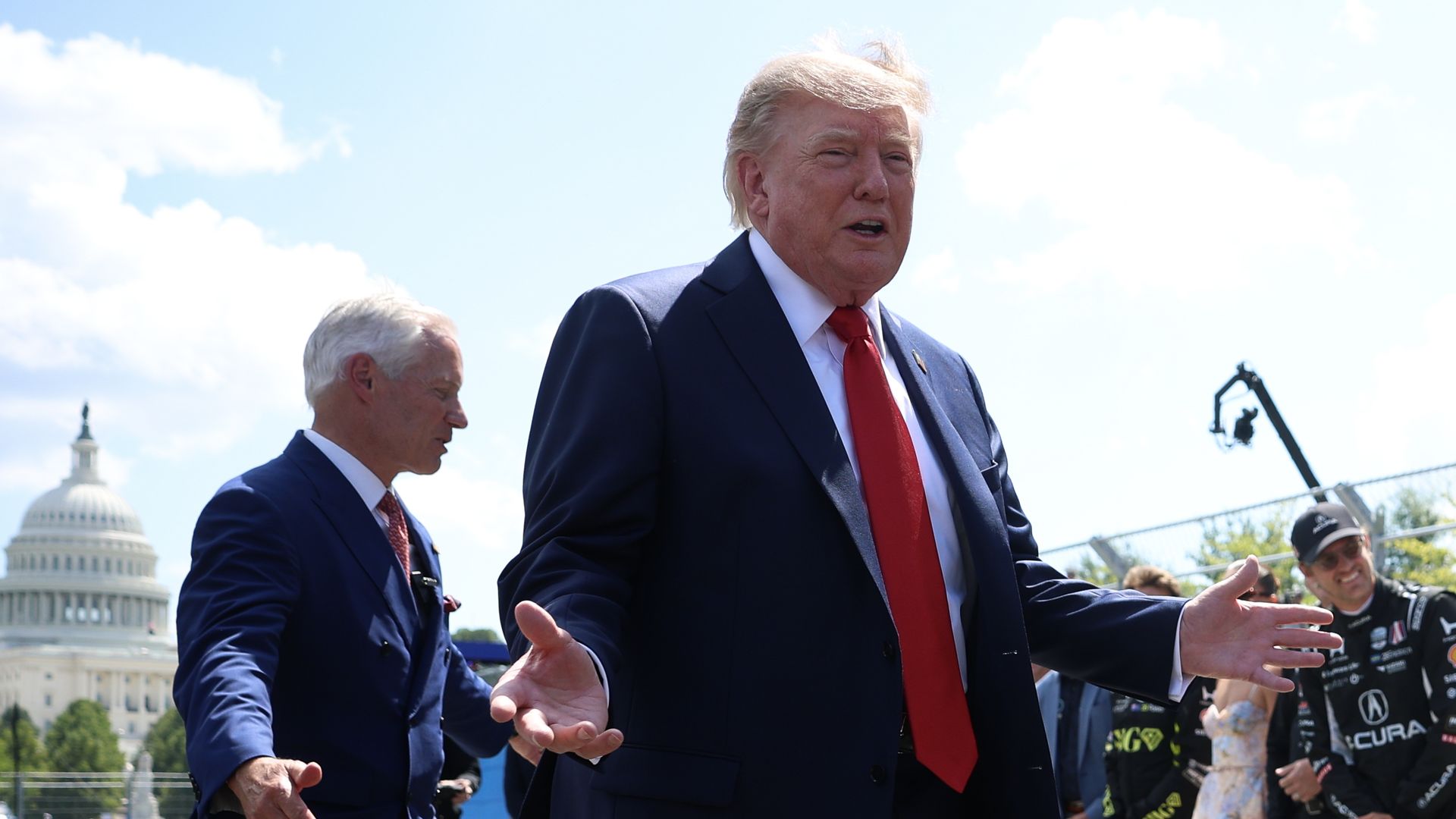
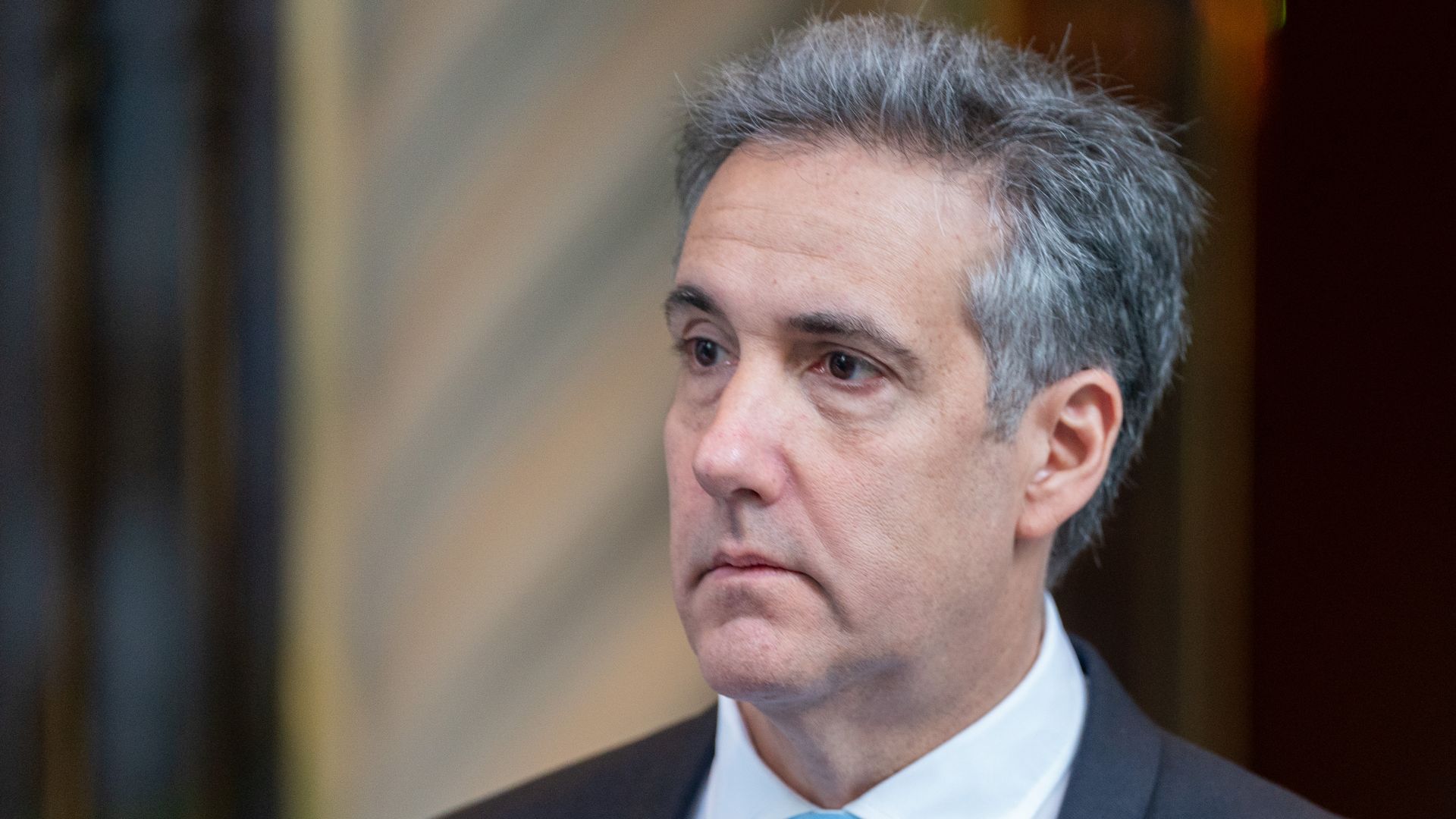
President Trump signaled that he's welcomed his former fixer, Michael Cohen, back into his good graces in a remarkably friendly interview that aired in full on Sunday.
The big picture: The president and Cohen discussed a wide range of topics, including Trump's proposed ballroom, how the economy is doing during his second term and how so-called "weaponization" is destroying America.
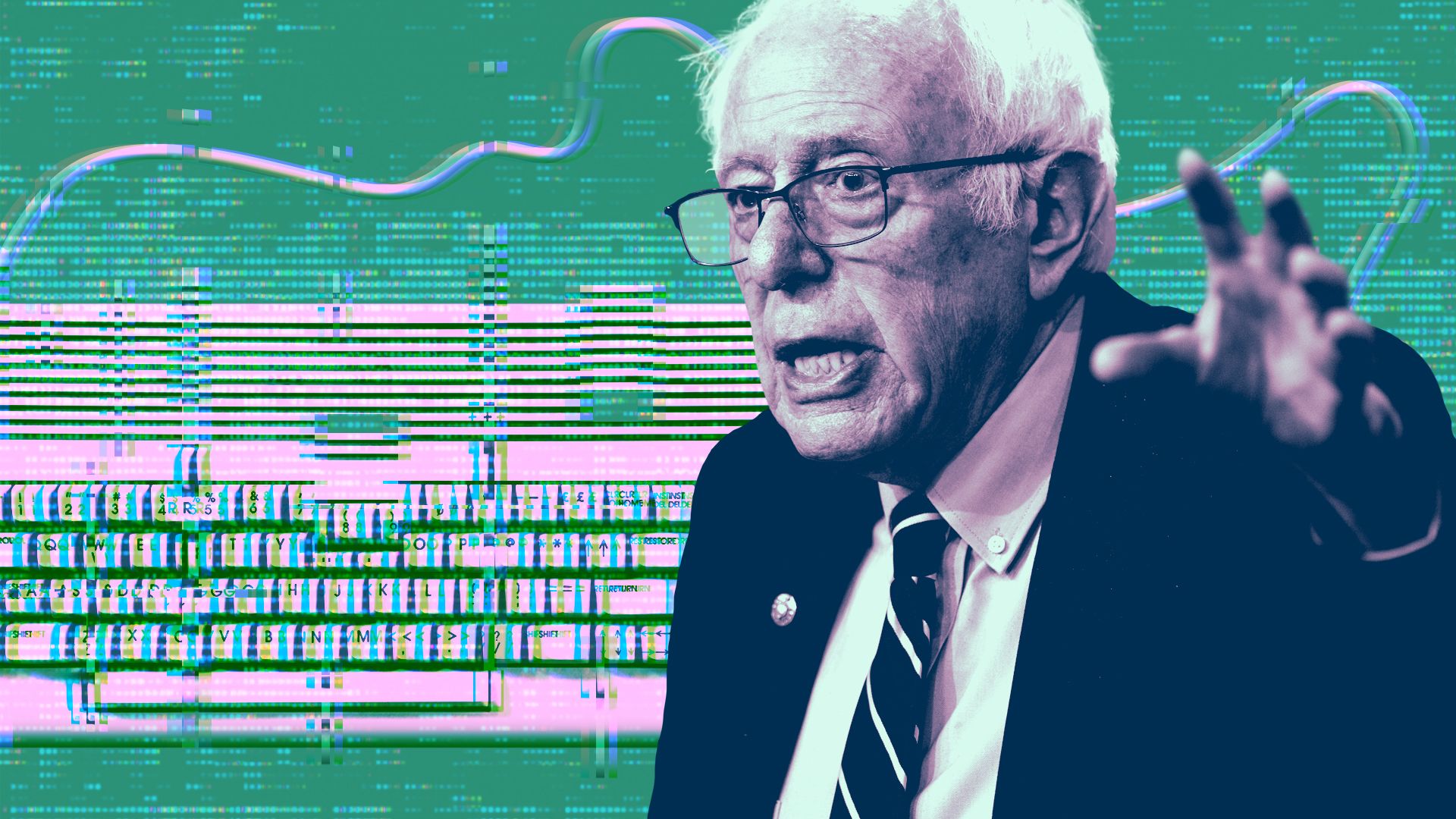
Democraticpresidentialhopefuls are scrambling to seize on the growing public backlash against AI. But none will go as far as Bernie Sanders and his recent call to halt the technology's development.
Axios asked nearly 20 Democrats who are seen as potential White House contenders whether they support Sanders' call for AI CEOs to "stop building machines that humans cannot control." Only one directly answered the question.
Why it matters: The politics of AI are changing as fast as the technology itself, and 2028 aspirants are struggling to articulate their vision on it — including how they'd manage its potentiallycatastrophicrisks.
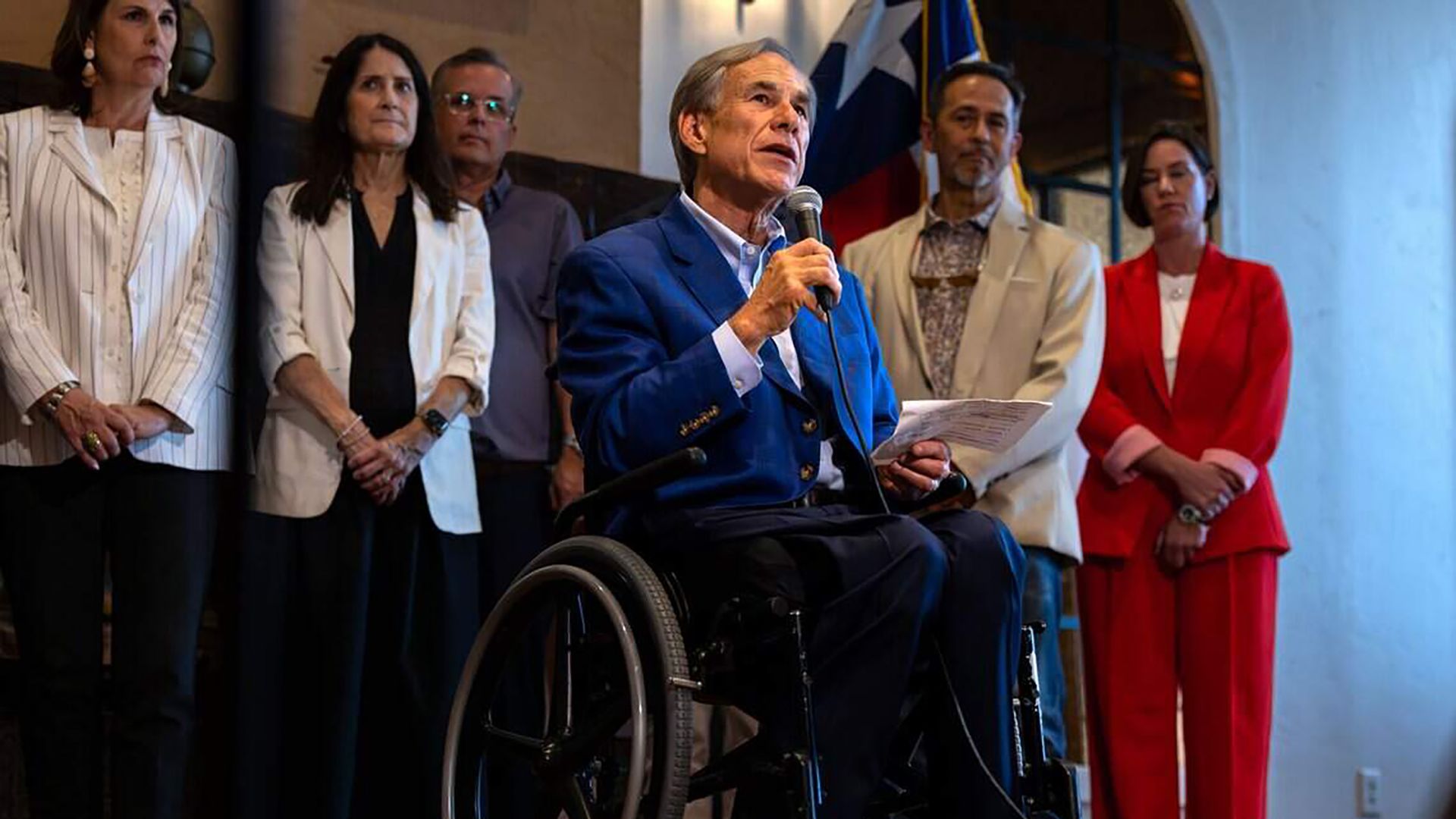
Texas Gov. Greg Abbott delivered one of the starkest warnings yet from a Republican to the AI industry, saying data center companies "dug their own grave" and deserve the backlash they're facing after failing to win community support.
Why it matters: Abbott is the latest governor to sharply change course on the AI data center boom he once enthusiastically courted, as local opposition becomes a potentpolitical force.
Why it matters: In a normal year, Republicans wouldn't think twice about Alaska, Kansas, Iowa, Mississippi, Nebraska or Texas. This isn't a normal year.
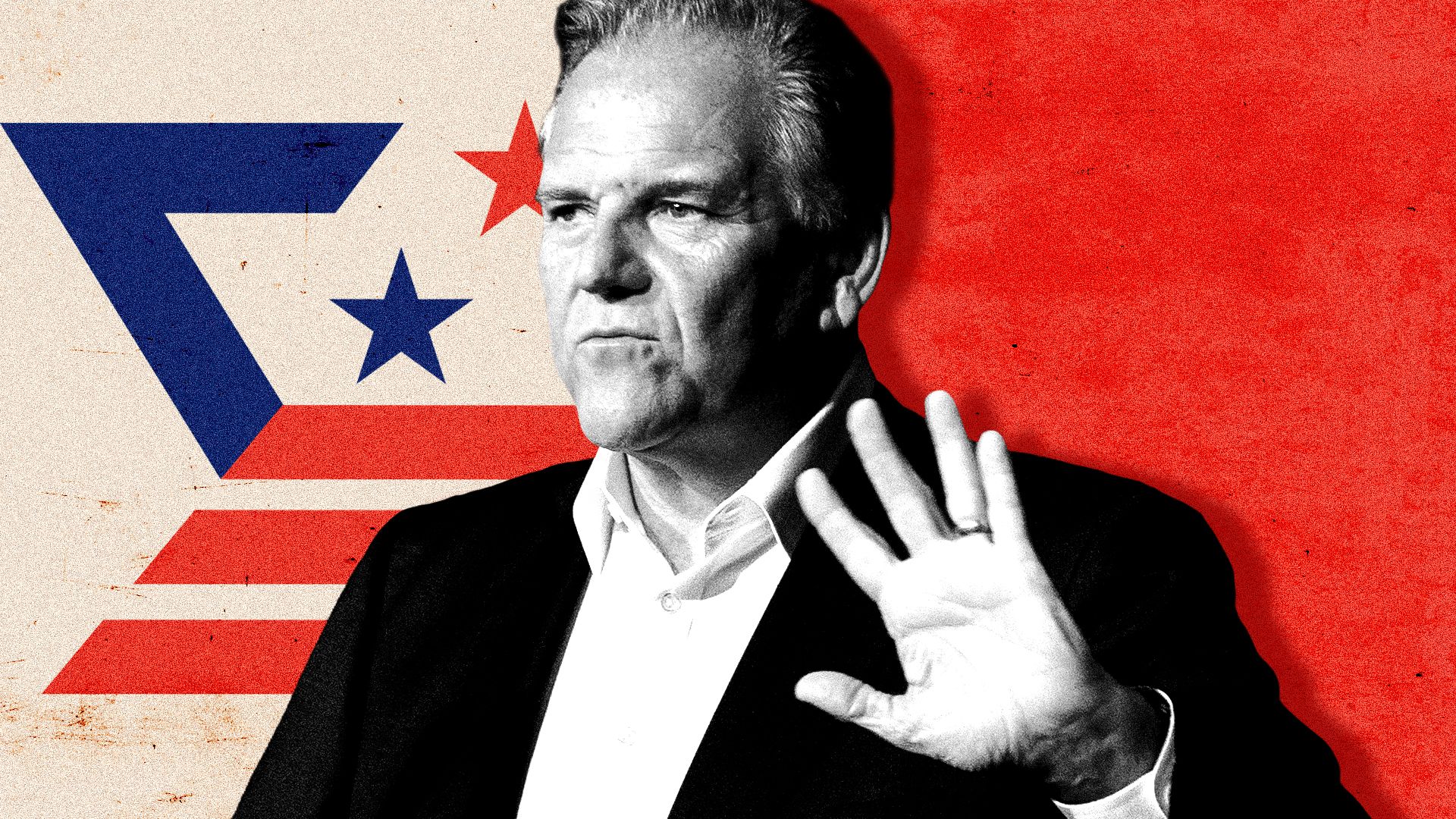
Allies of Mike Rogers, Michigan's GOP nominee for the U.S. Senate, have asked AIPAC not to advertise on his behalf, triggering a rupture with the powerful but polarizing pro-Israel group.
Rogers spoke with AIPAC chair Michael Tuchin in Los Angeles last week. The next day, AIPAC shelved an already-cut video ad targeting Rogers' Democratic rival, outspoken Israel critic Abdul El-Sayed.
Why it matters: The extraordinary tension underscores how far AIPAC's political standing has fallen amid voters' anger over the war in Gaza. Even Rogers — a staunchly pro-Israel Republican — fears the group's public support could be a liability in the Nov. 3 election.
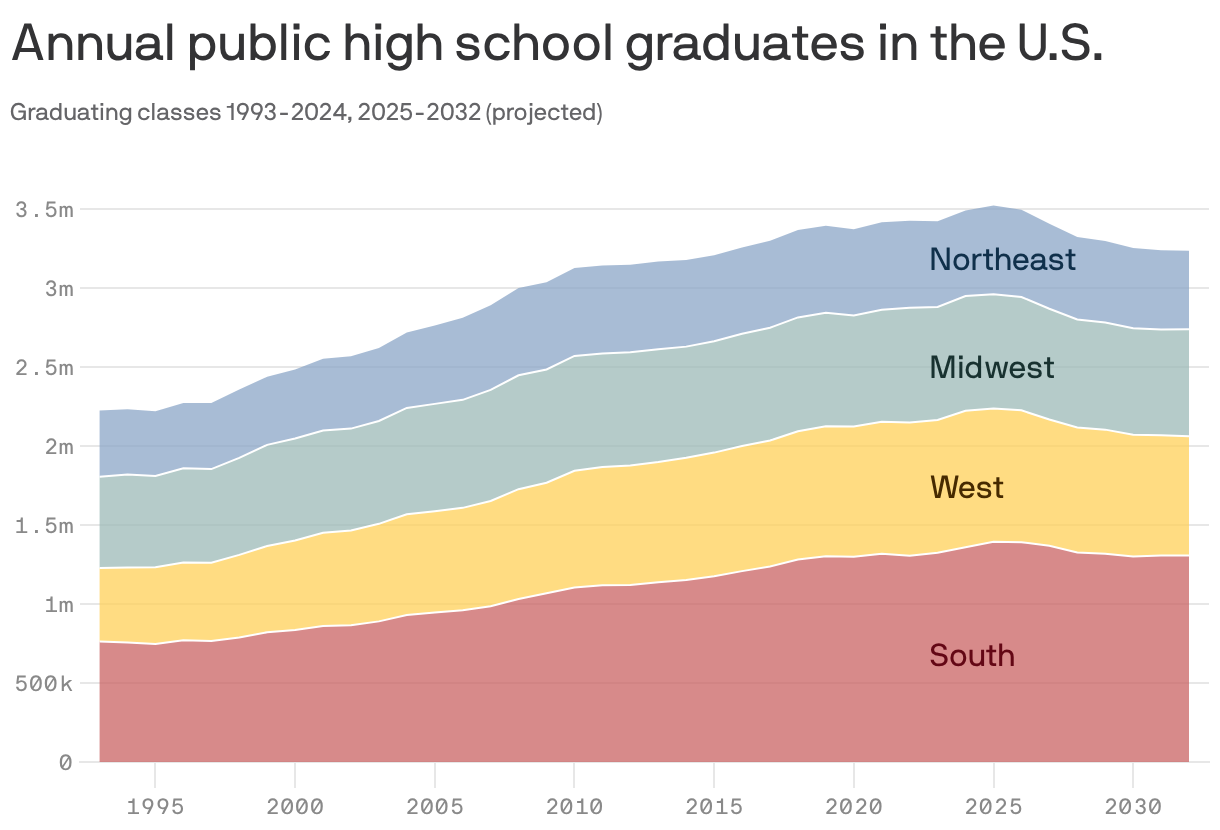
Data: National Center for Education Statistics; Chart: Erin Davis/Axios Visuals
America's future college pipeline is growing in the South and shrinking across the Northeast and California.
Why it matters: America's next higher-ed reckoning won't hit regions evenly. Colleges in shrinking markets will face a fierce fight for students, while those in growing regions will have to adapt to serve an expanding, more diverse student body.
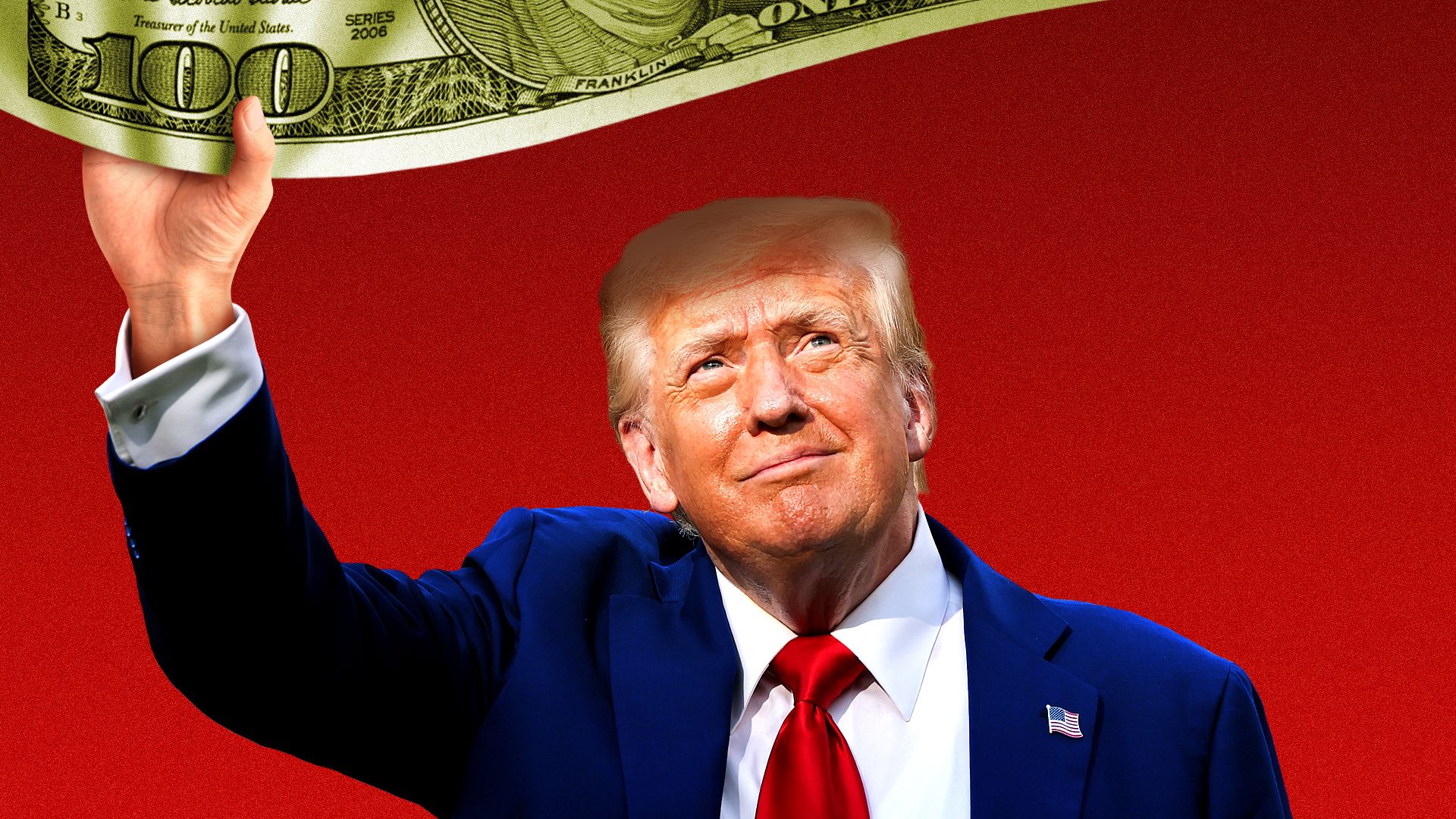
President Trump is reaching deeper into individual markets to try to ease consumer price strains.
Why it matters: The administration is under mounting pressure to deliver relief as affordability becomes a bigger political liability ahead of the midterms.