Monday's politics & policy stories

Mark Carney's defiance of Trump has Canada cheering
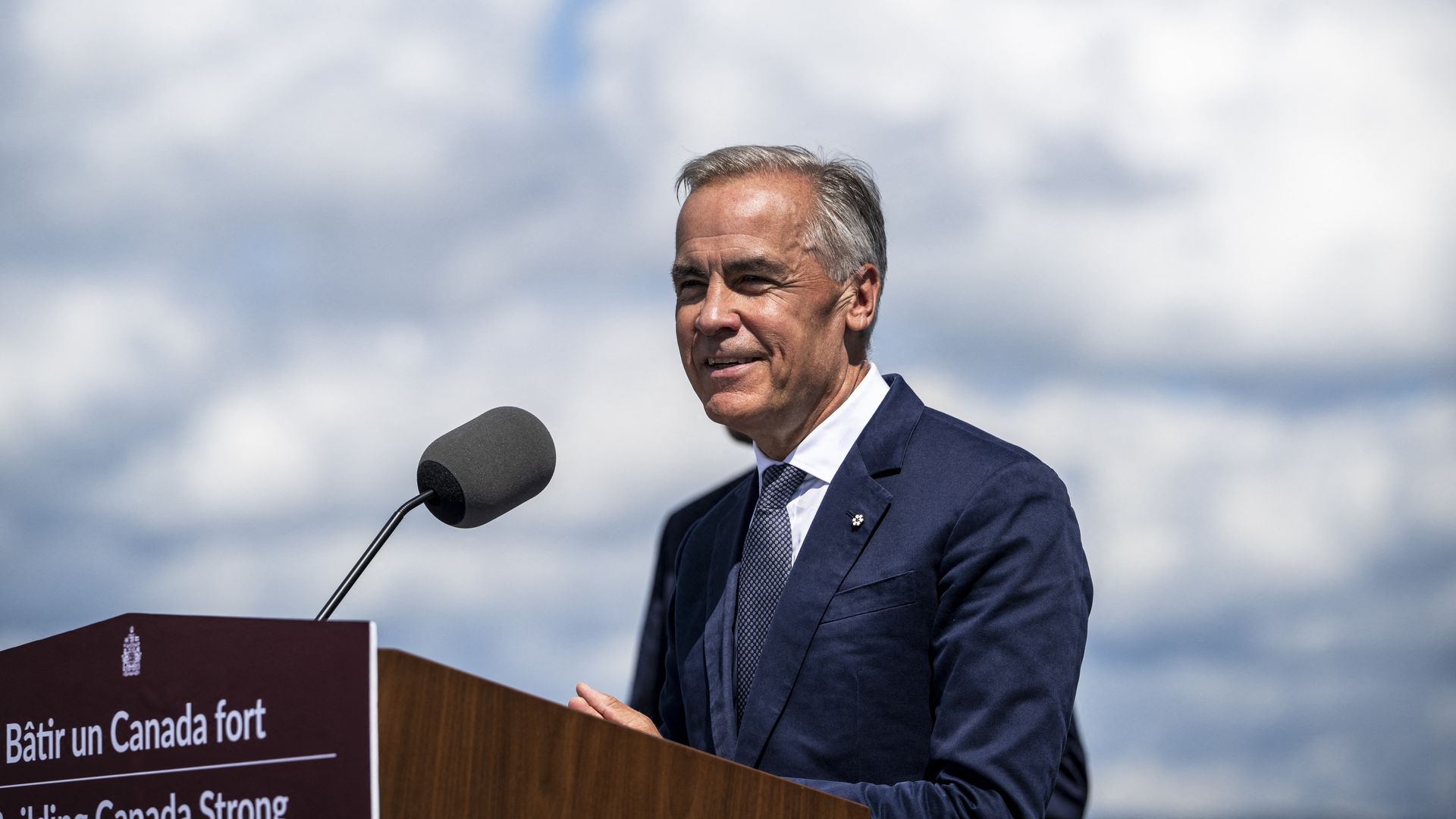
Canadian Prime Minister Mark Carney has turned his decision to hold firm against President Trump's tariff threats into a rallying point for Canadians as their trade clash escalates.
Why it matters: The mild-mannered former Bank of Canada and Bank of England governor is holding firm against Trump despite the threat of further economic pain for Canadians.


Supreme Court upholds Trump's order to overhaul mail-in ballots
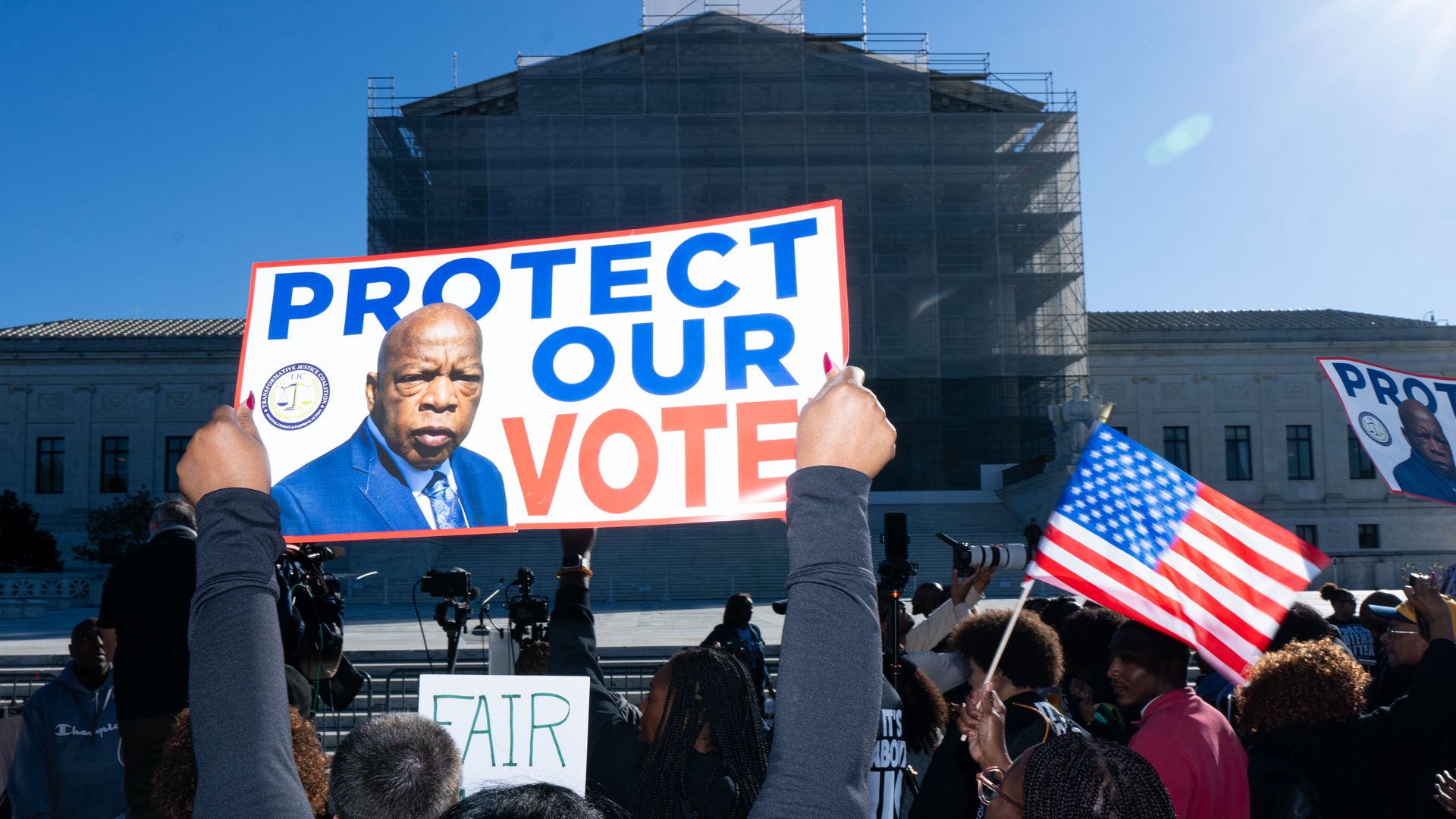
President Trump can implement an executive order restricting mail-in ballots just months before the midterm elections, the Supreme Court said Monday.
Why it matters: It's a win for the president, who has opposed mail-in voting for years, but the legal battle is far from over, and the exact impact on November's elections is still unclear.
Trump's mail-in voting rules raise fears of federal overreach
President Trump's push to restrict mail-in voting through the U.S. Postal Service could allow the federal government to exert control over voting data and state-run elections, voting rights groups say.
Why it matters: Questions remain about what will happen with mail-in voting this election cycle. On Monday, the Supreme Court cleared one roadblock for Trump's push to restrict mail-in ballots via the U.S. Postal Service, but a separate nationwide injunction keeps the rule blocked for now.

5 ways Iran's economy is wilting under Trump's pressure
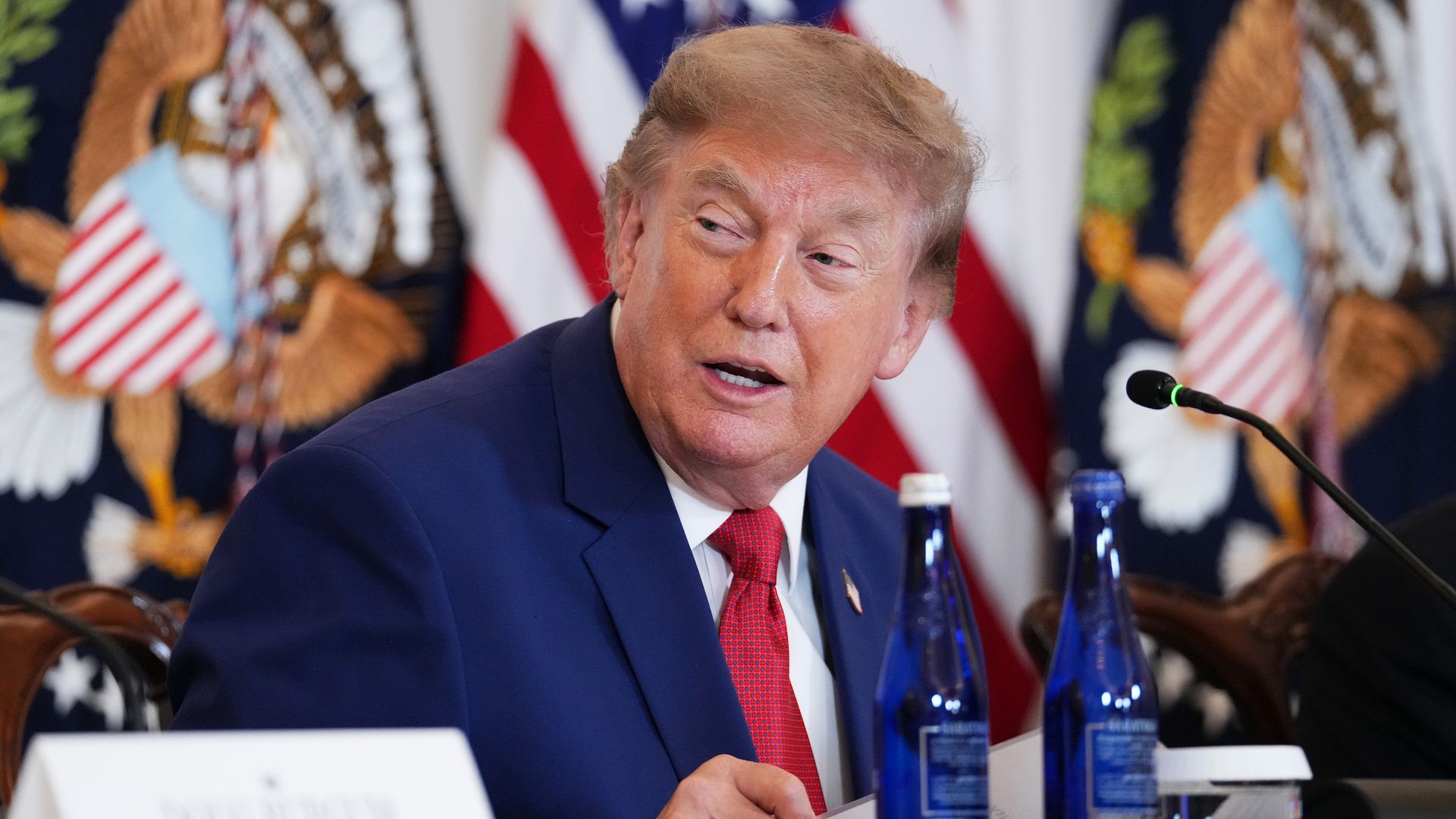
President Trump is escalating economic pressure on Tehran more than six months into the Iran war, aiming to squeeze Iranian leaders into submission.
Why it matters: Trump's campaign could test how much economic pain Iran is willing to take before its leaders tap out.
Trump administration to revoke up to 200,000 visas of asylum seekers
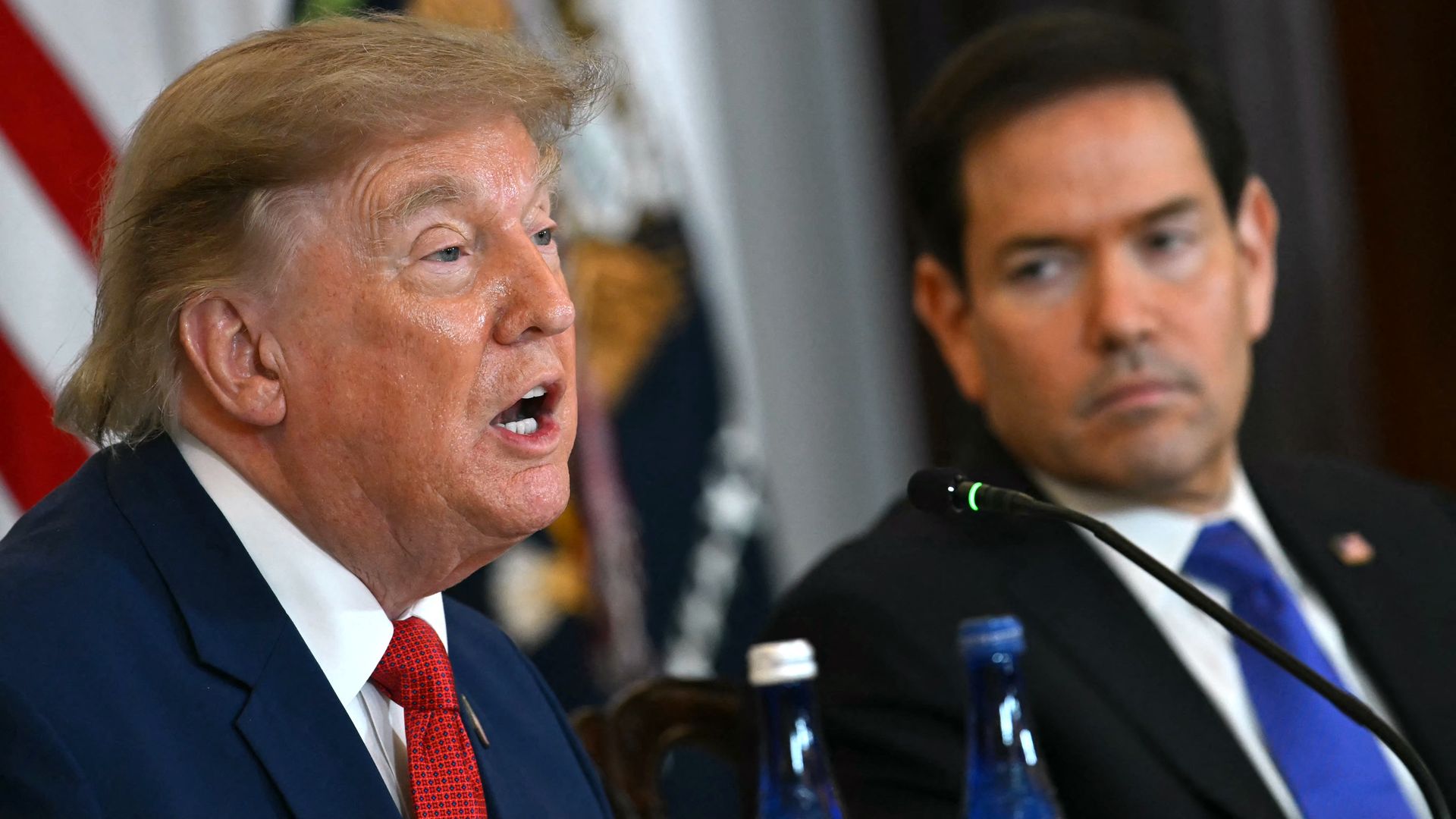
The Trump administration plans to revoke up to 200,000 business and tourism visas held by people who've sought asylum in the U.S., AP first reported on Monday.
Why it matters: It would be the largest mass visa revocation in U.S. history and would likely trigger legal challenges.

Flock camera backlash adds fuel to midterm anti-AI frenzy
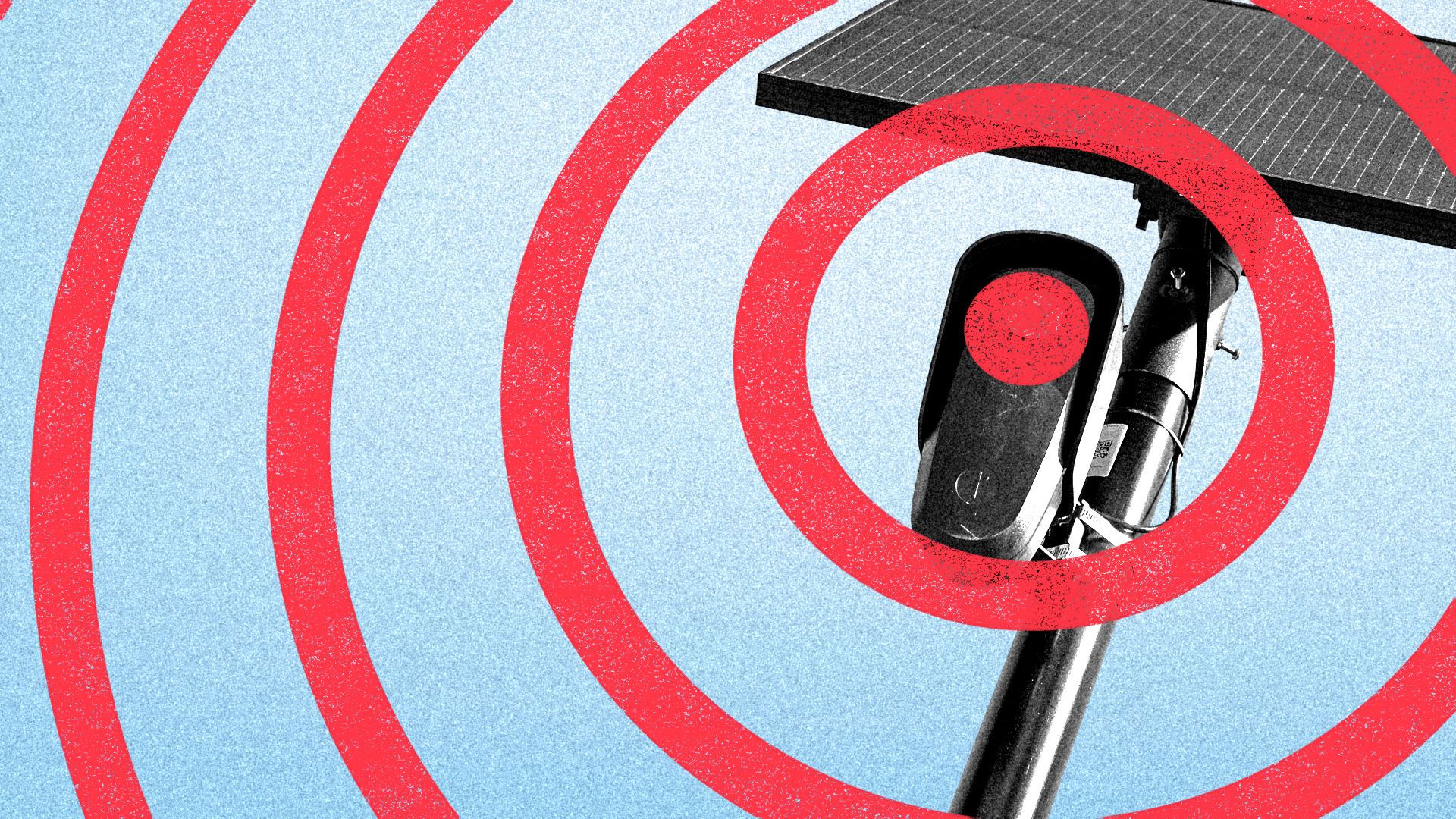
Flock cameras are joining data centers as a top midterm boogeyman, with members of Congress and congressional candidates trying to harness a sudden groundswell of grassroots anger over the AI surveillance tool.
Why it matters: This blowup over the country's massive network of license plate readers illustrates how rapidly AI has moved from a peripheral issue in national politics toward the center of the midterm campaign.

Bessent unveils sanctions designed to cripple Iran
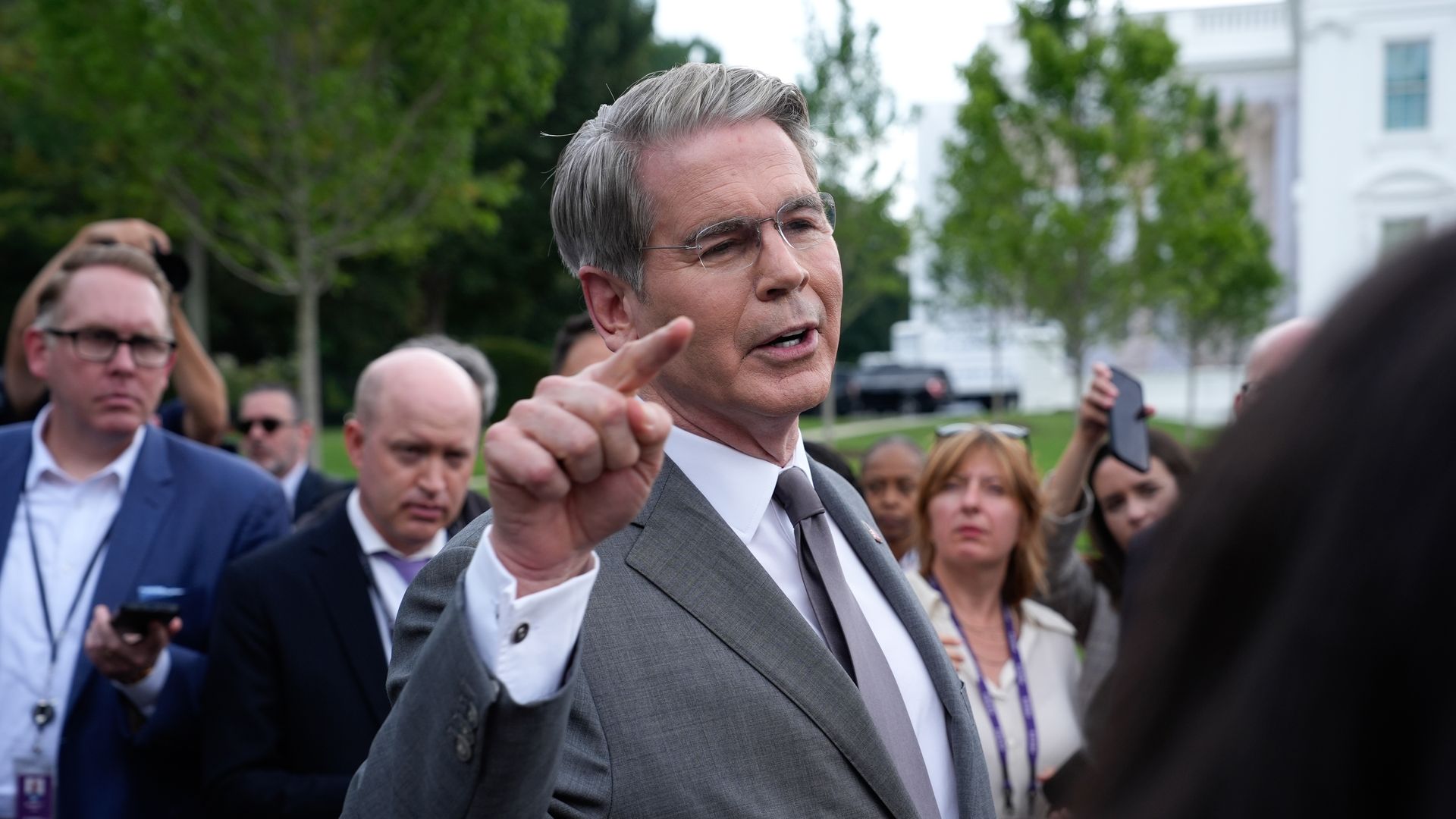
Treasury Secretary Scott Bessent announced on Monday that the U.S. will impose punishing sanctions on countries and entities that do business with Iran — an attempt to bring the country to heel absent renewed military strikes.
Why it matters: The plan, which Bessent dubbed "Operation Economic Outcast," is aimed at ratcheting up pressure on the Iranian regime amid the current "no war, no deal" limbo.


Escalated U.S.-Canada trade talks threaten fallout

America's path to lower inflation depends in part on trade wars and actual wars becoming less economically disruptive. In recent days, both have taken turns that threaten the opposite.
Why it matters: A period of relative calm on those fronts is now giving way to renewed tensions, with Canada, China and Iran all posing fresh economic risks.

Alcohol, AI and aging: Theories on why violent crime is down

The U.S. is experiencing one of the steepest and most widespread crime declines in modern history. Researchers aren't exactly sure why — but they have theories:
- Early research points to a mix of factors — declining alcohol and drug use since the COVID pandemic, AI-fueled policing technology that's making it easier for cops to catch suspects, an aging population, tougher prosecutions, and more.
Why it matters: Knowing more about what's driving the violent-crime decline could help cities decide what to preserve as pandemic-era federal money fades away — and how to distinguish policies that reduce violence from merely benefiting from the historic drop in crime.
By the numbers: The U.S. violent-crime rate plunged 9.7% in 2025, the largest annual decline since FBI national estimates began 90 years ago.
- The murder rate fell 18.5% to 4.1 per 100,000 people, tying 1955 and 1956 for the lowest rate since national estimates began.
- And the decline hasn't stopped: An Axios analysis shows violent crime in big cities fell in the first half of 2026.
Criminologists describe a complicated picture of why crime is down. No one's sure, but several overlapping forces seem to be driving the drop:
- Vice consumption cooled: Pandemic-era spikes in alcohol consumption, illicit drug use and firearm purchases — three factors linked to the 2020-2021 homicide surge — have receded.
- A return to routine: COVID lockdowns disrupted community guardrails and displaced young men and teens. Employment and social routines have since stabilized.
- A law enforcement tech boom: Police departments are using more AI tools, predictive analytics and platforms such as Palantir's Gotham to deploy resources and identify crime hotspots.
Under-the-radar demographic and health trends are also quietly reshaping public safety:
- The proportion of young people in America is declining, shrinking the demographic most historically linked to street crime.
- In a fascinating medical twist, the explosion of GLP-1 weight-loss drugs (like Ozempic) has been clinically linked to decreased alcohol abuse and improved impulse control — two major factors in violent offenses.
What they're saying: Leonard Adam Sipes Jr., a former Justice Department senior statistics specialist, tells Axios there's "no doubt" that less alcohol use has played a significant role in crime reduction.
- Sipes agreed that the nation's aging and the shrinking share of younger people in the U.S. population are pushing down crime.
- He said it's too early to know whether AI and other new technology have had a major effect. But some tools clearly help, he said: "Drones do work. License plate readers, yeah, they work."
The other side: Insha Rahman, president of the Vera Institute of Justice, tells Axios the decline isn't simply society reverting to normal after COVID. She argues that cities made investments that helped prevent violence.
- Many cities expanded summer youth employment and workforce development programs, and increased mental health treatment as well as community violence intervention and crisis-response units, Rahman said.
- She points to Newark, Chicago, Baltimore, Detroit, Los Angeles and Orlando as cities using "focused deterrence" — concentrating police, crisis teams and social services in targeted neighborhoods.
Yes, but: The Trump administration has credited National Guard deployments and other federal interventions in cities such as Washington, D.C., and Memphis with helping to reduce violent crime.
- U.S. Attorney Jeanine Pirro has credited increased prosecutions with reducing crime in D.C.
Reality check: There's little evidence that National Guard deployments or aggressive prosecutions drove the nationwide decline, Sipes and Rahman said.
- Both noted that crime also fell in cities that didn't change prosecution tactics or see the National Guard deployed.
What we're watching: Pandemic-era federal money for local crime-fighting efforts expires at the end of the year, putting more pressure on already short-staffed police departments.
- An economic downturn could create another headwind: Historically, worsening economic conditions mean more crime.