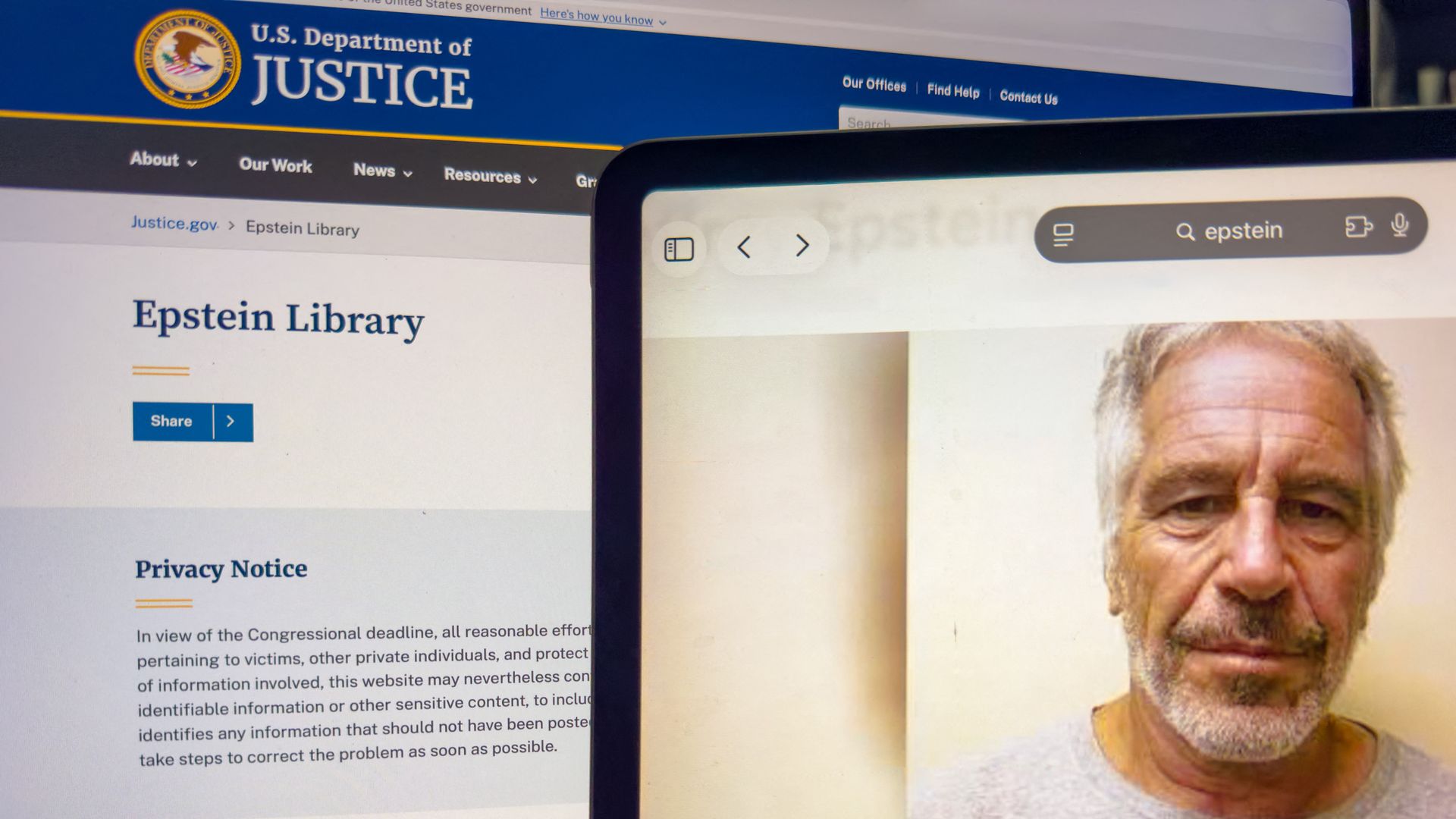
The latest round of the Epstein files has effectively ended the careers of some of the world's most powerful figures, from captains of industry to prominent attorneys.
Why it matters: The revelations aren't stopping, with new names — and new recriminations — coming to light every day.
A proposed constitutional amendment that would give Congress the power to block presidential pardons gained its first House Republican cosponsor on Monday.
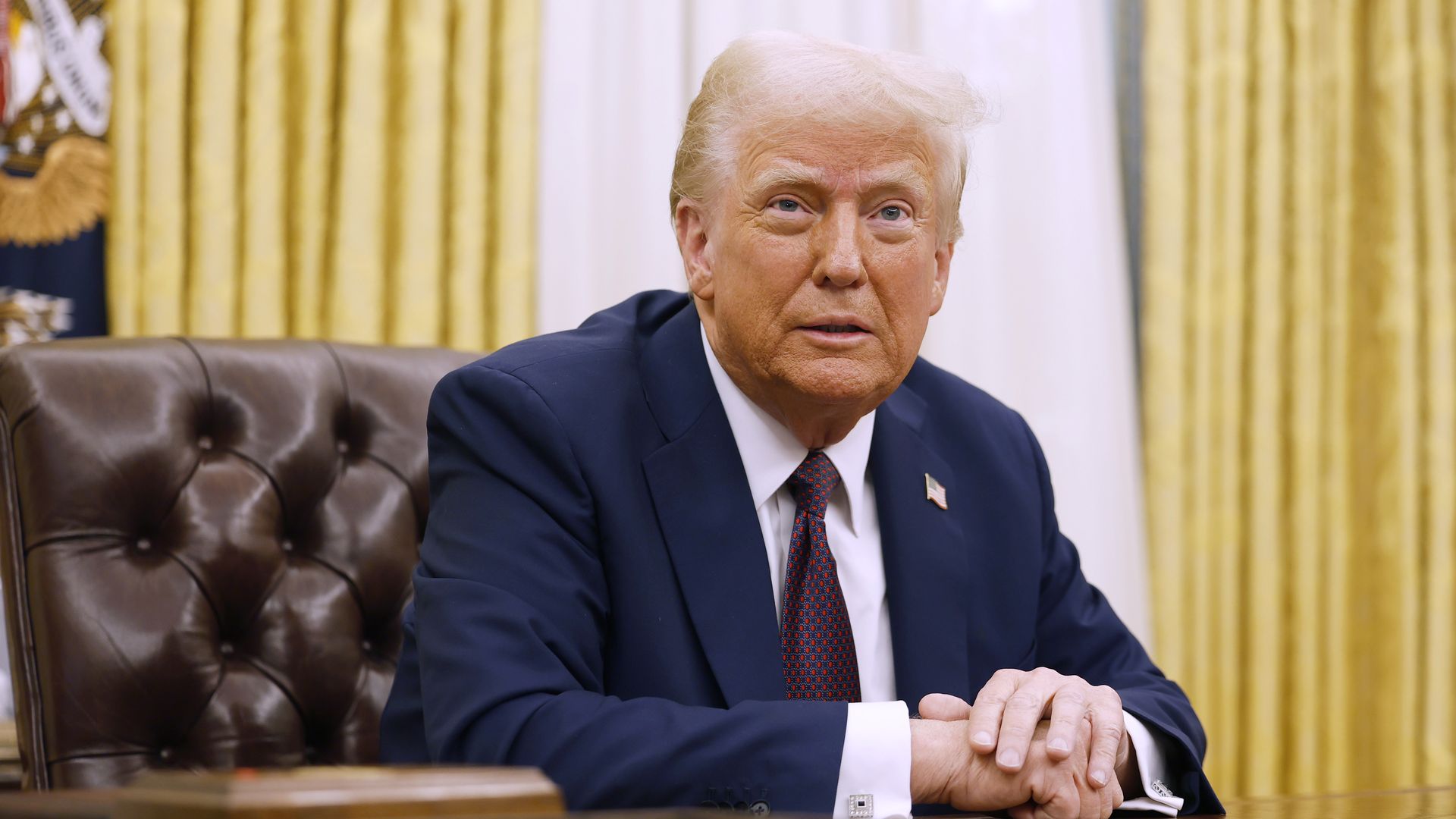
Why it matters: It's a stark display of GOP defiance against President Trump, whose pardons have been the subject of bipartisan backlash in several cases.
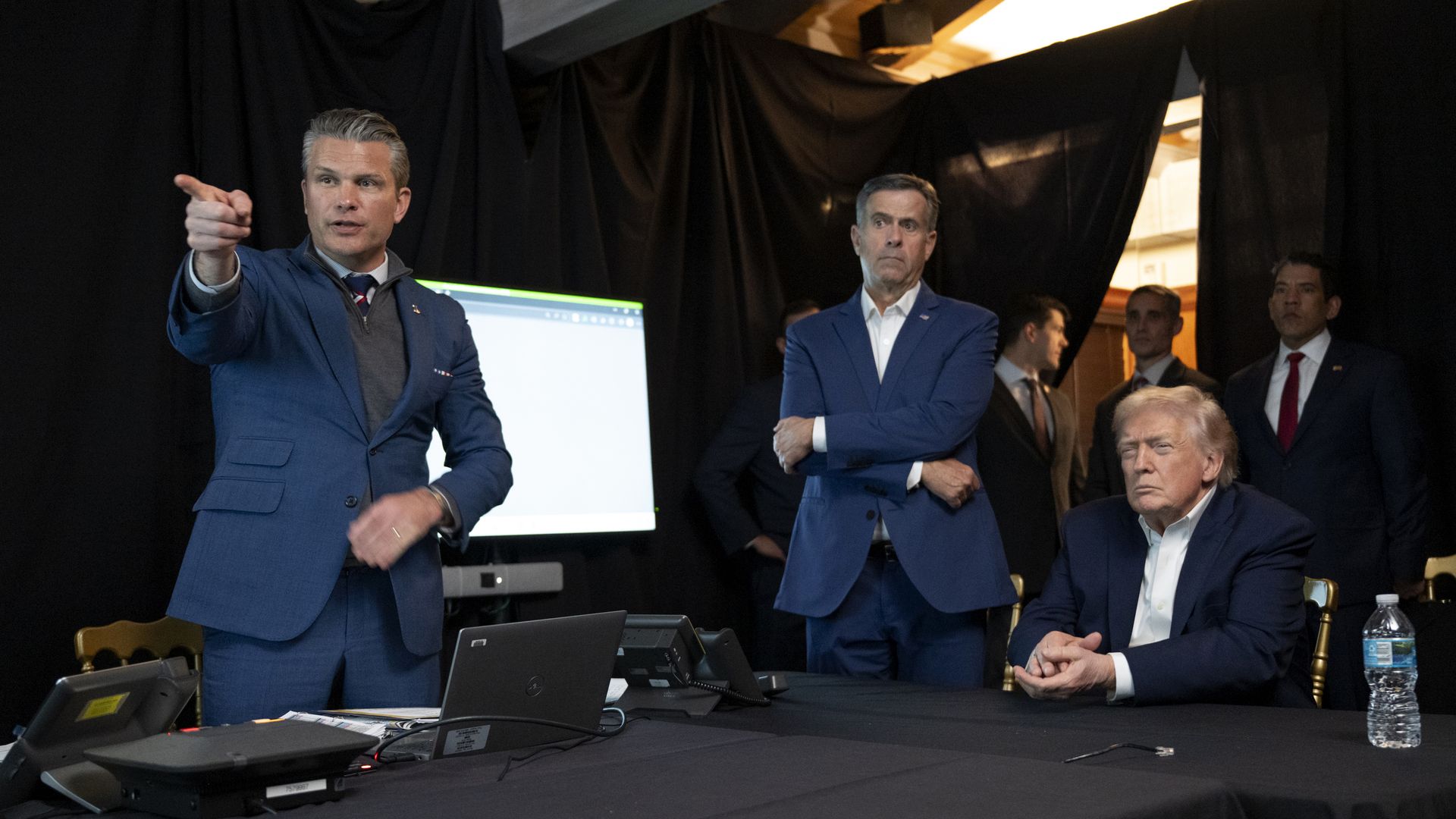
Defense Secretary Pete Hegseth is "close" to cutting business ties with Anthropic and designating the AI company a "supply chain risk" — meaning anyone who wants to do business with the U.S. military has to cut ties with the company, a senior Pentagon official told Axios.
The senior official said: "It will be an enormous pain in the ass to disentangle, and we are going to make sure they pay a price for forcing our hand like this."
Why it matters: That kind of penalty is usually reserved for foreign adversaries.
Prediction markets are creating a digital Wild West, where well-placed opportunists can win big by betting on real-world events — from the capture of Nicolás Maduro to a surprise Super Bowl cameo.
What may strike everyday people as blatant insider trading is defended as legal based on the letter of the law.
Why it matters: The spectacle of people profiting off privileged knowledge is accelerating a broader erosion of trust in a society where confidence and good faith were already in retreat.
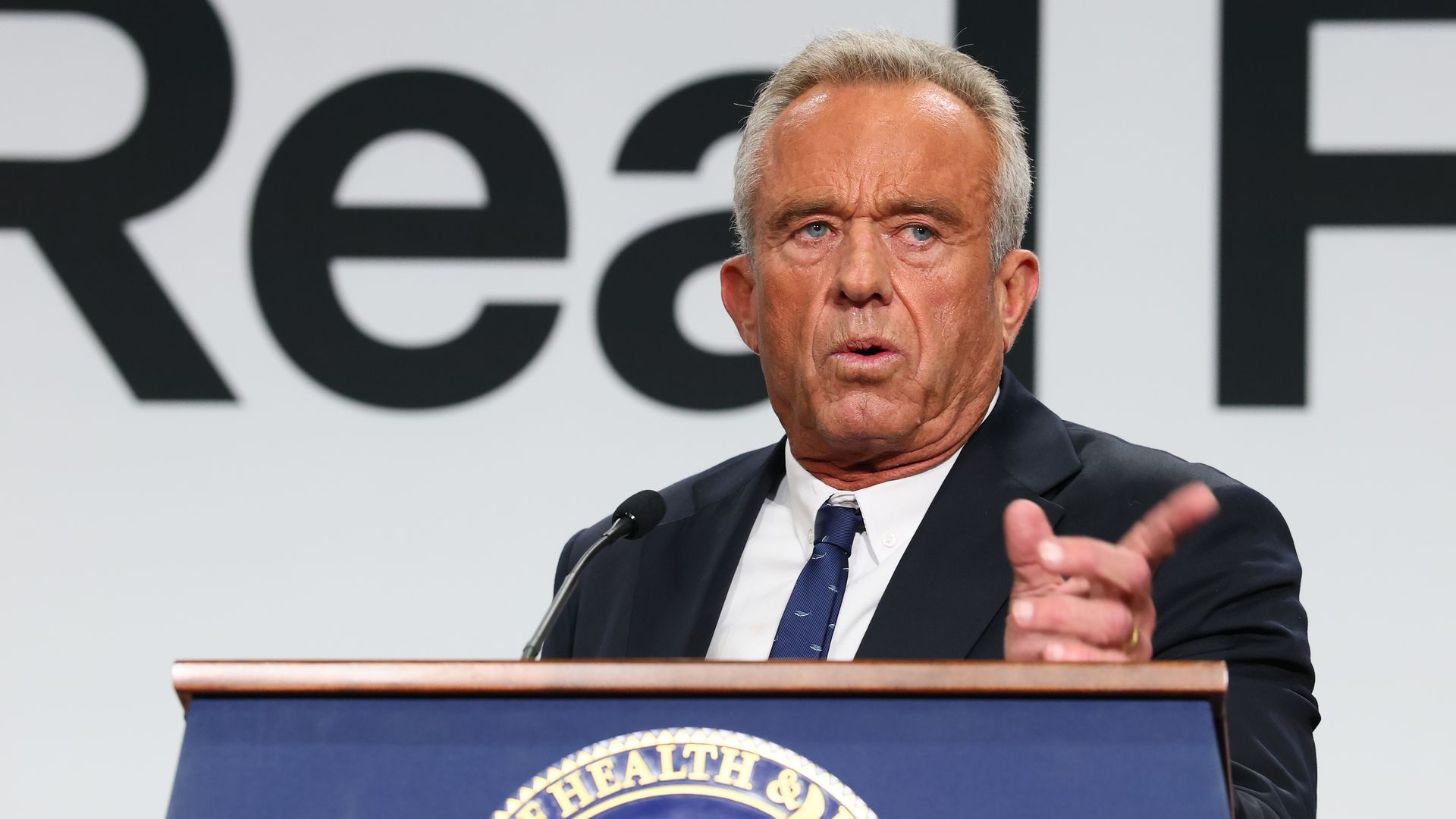
The Trump administration will respond to a citizen petition calling for a regulatory overhaul of ultra-processed foods, Health and Human Services Secretary Robert F. Kennedy Jr. told CBS' "60 Minutes" in an interview broadcast Sunday evening.
The big picture: "We will act on David Kessler's petition," Kennedy told CBS' Bill Whitaker of the petition that the former FDA chief is spearheading, which calls on the agency to no longer classify sweeteners including corn syrup as "Generally Recognized as Safe" (GRAS).
European allies' findings that Putin critic Alexei Navalny was killed with a rare toxin from poison dart frogs is "troubling," said Secretary of State Marco Rubio on Sunday, adding the U.S. is "not disputing" the report.
The big picture: Rubio told reporters in Bratislava during a visit to Slovakia "we don't have any reason to question" the report that the U.K., France, Germany, Sweden and the Netherlands issued Saturday, which the Kremlin disputes.
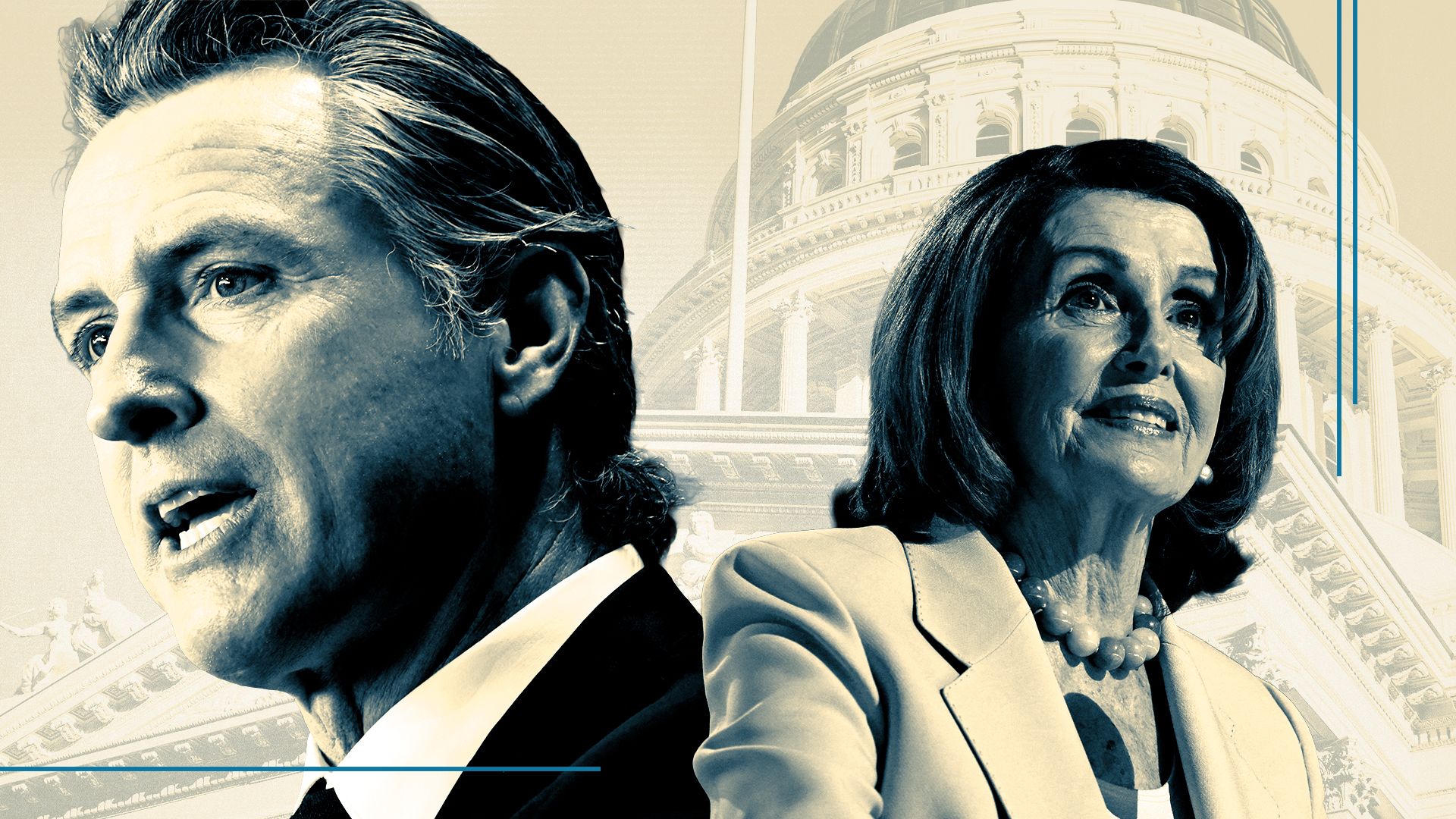
Nancy Pelosi is retiring from Congress, but she has more campaigns in mind. Among them: Boost Gavin Newsom as a potential contender for the White House in 2028.
Why it matters: Publicly and privately, the former speaker has been touting the California governor, a fellow San Franciscan she's helped mentor for decades.
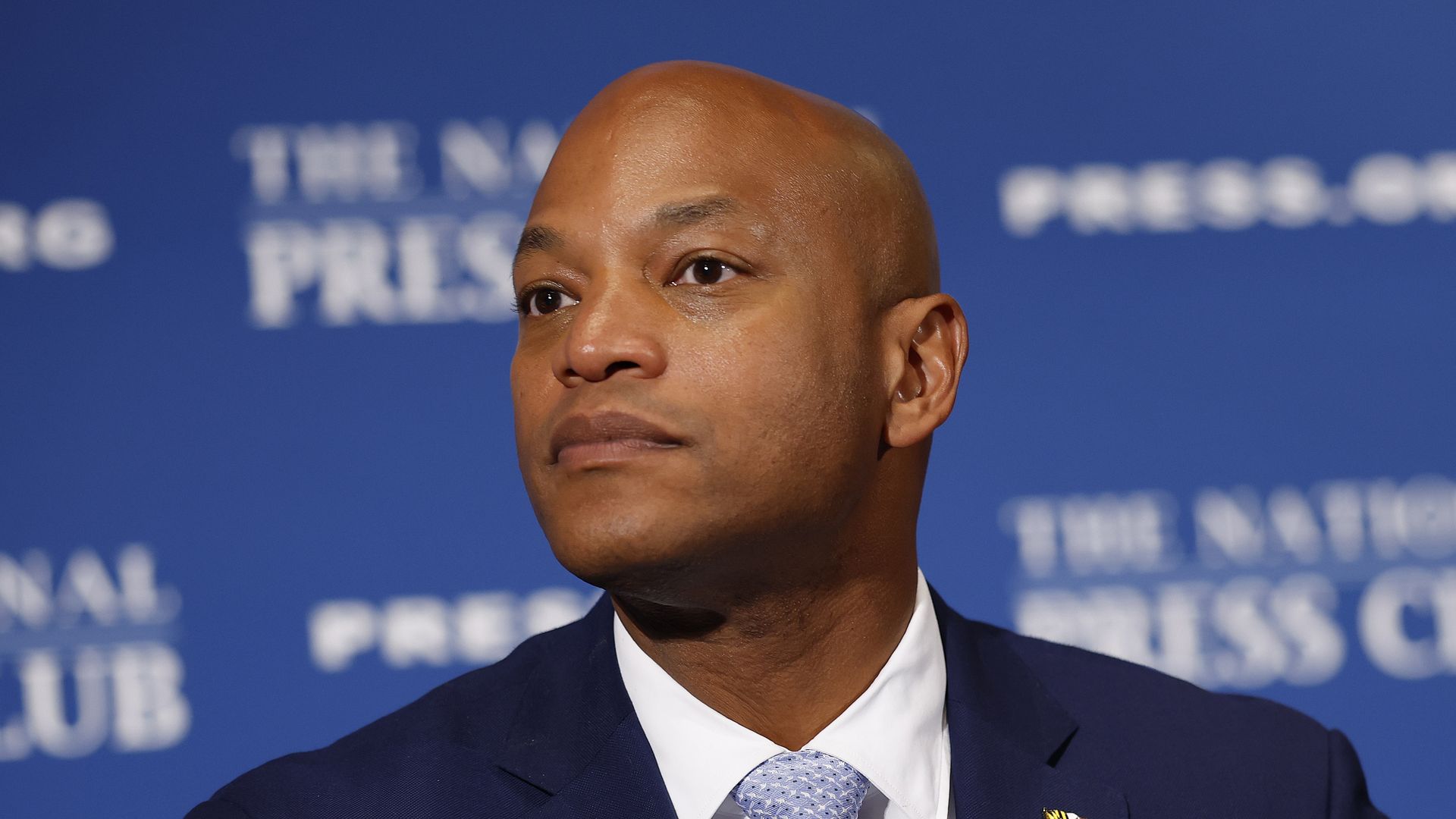
Maryland Gov. Wes Moore's national star is on the rise, but his relationships with fellow Democrats in his backyard are fraying.
Why it matters: Moore appears to have little control over his state's Democrat-led legislature, as lawmakers repeatedly defy his wishes and override his vetoes even as he builds a national profile ahead of a potential 2028 campaign for president.
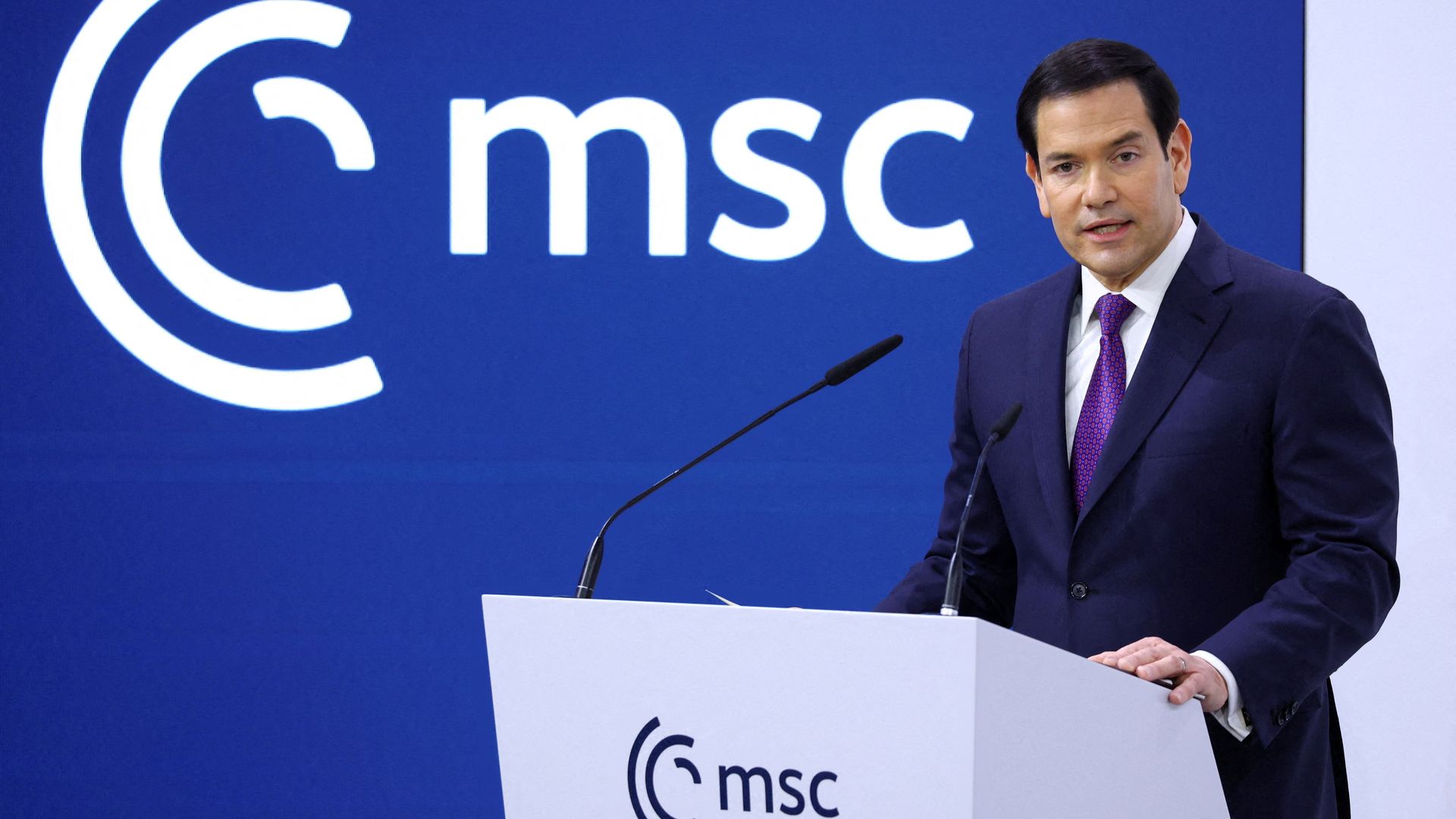
Secretary of State Marco Rubio made the future of MAGA's foreign policy clear in a speech Saturday: In Germany, he warned the Munich Security Conference of the dangers of mass migration, while emphasizing the shared heritage between Europe and the U.S.
Rubio's Make the West Great Again message dovetailed in substance with Vice President Vance's address at the same conference last year. But it was softer in tone and loftier in rhetoric, earning Rubio applause instead of the shock that greeted Vance.
Why it matters: Taken together, the two Munich speeches by Rubio and Vance articulate President Trump's global vision, albeit more cogently and eloquently. And the twin addresses chart the course of Republican foreign policy for years to come.