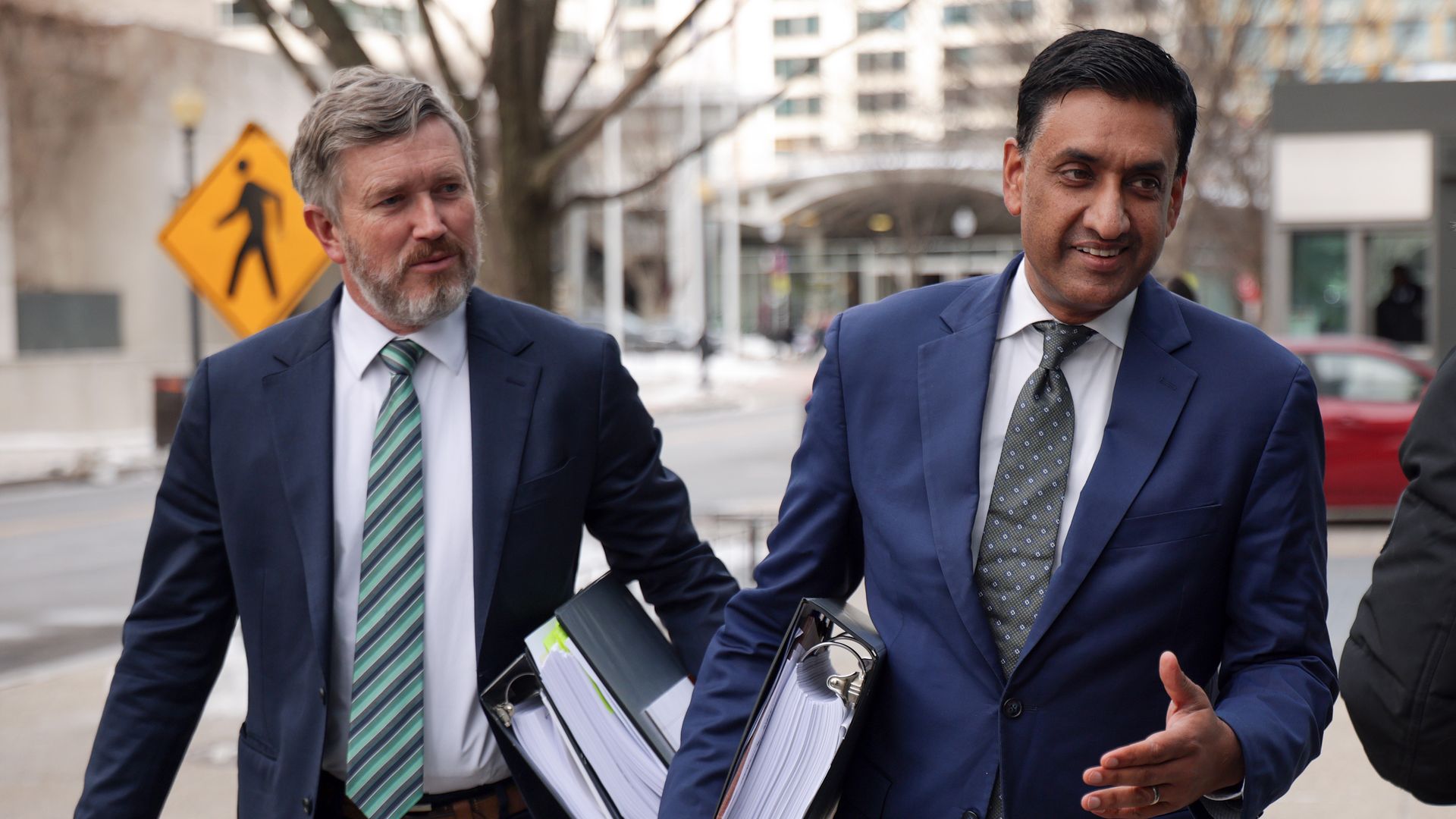
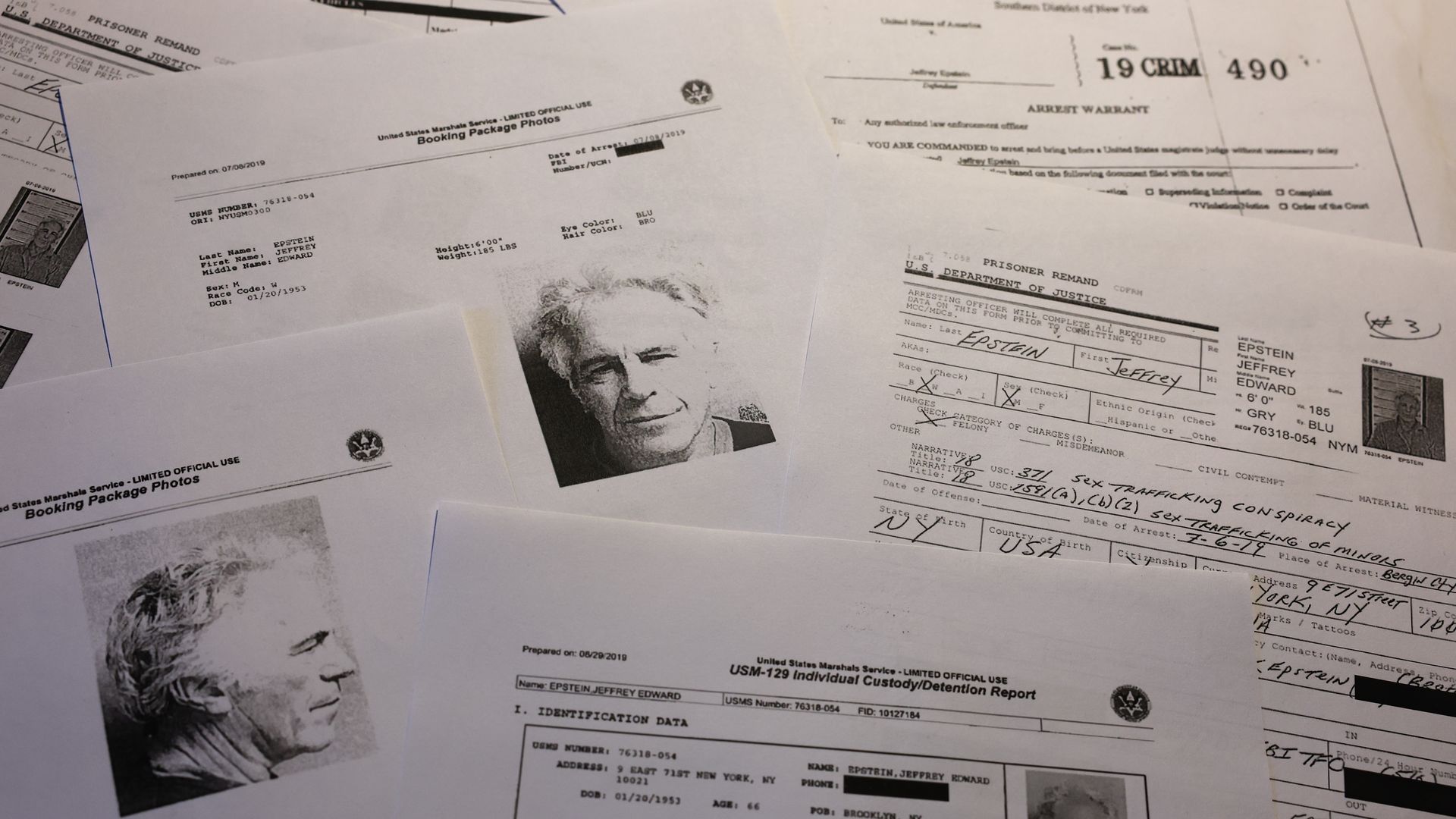
The Justice Department redacted the names of at least six men who are "likely incriminated" by their inclusion in the Epstein files, Reps. Thomas Massie (R-Ky.) and Ro Khanna (D-Calif.) said after reviewing unredacted versions of documents related to Jeffrey Epstein.
Why it matters: The lawmakers said they want to allow DOJ time to further unredact those files, but have also put sharing the names on the House floor on the table. Association with Epstein has plagued powerful people across the U.S. and the globe.
Starting Monday, members of Congress can access millions of uncensored records about convicted sex offender Jeffrey Epstein in the federal government's possession.
Why it matters: The Justice Department (DOJ) has made public millions of heavily redacted files. Now, Congress members will have the chance to examine the unredacted reams for hidden details, and determine whether the Trump administration fully complied with the Epstein Transparency Act.
The avalanche of Epstein files released by the Justice Department has buried high-ranking European government officials with ties to the convicted sex offender in shame.
In the U.S., some powerful people havefacedpublic scrutiny — but have so far avoided professional consequences for their dealings with the late financier.
The big picture: The fallout from the release of the Epstein files has become a stress test for accountability among Western elites and their governments — and has exposed a stark contrast between how the U.S. and its allies approach reputational blows.
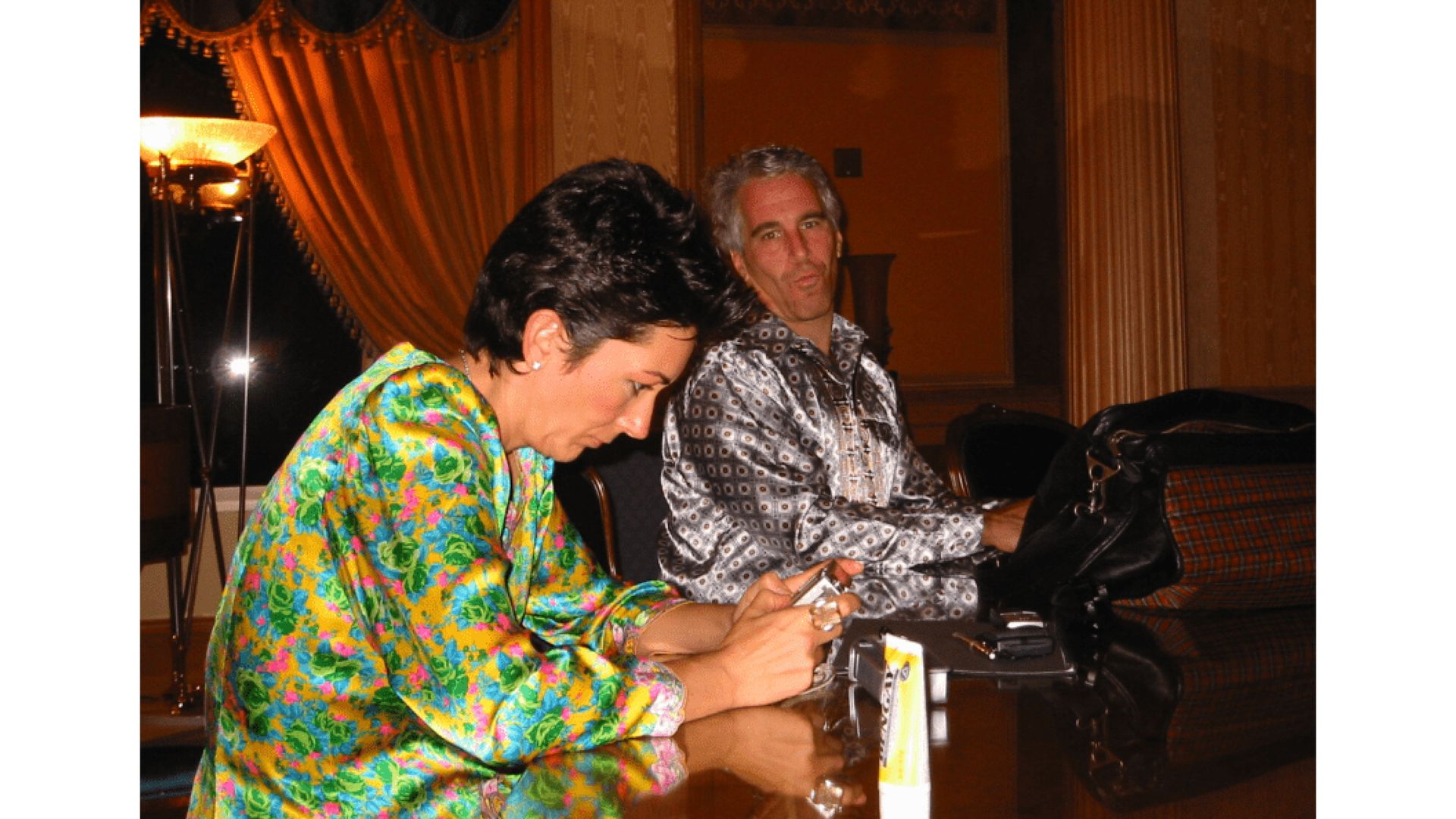
Ghislaine Maxwell declined to answer questions during a closed-door, virtual deposition Monday with the House Oversight Committee as part of the panel's probe into Jeffrey Epstein.
Why it matters: The committee has been working for months to schedule a virtual deposition with Maxwell, who is serving a 20-year prison sentence at a Texas facility. Yet little new information was brought to light.
India has "committed" to stop importing Russian oil, President Trump says, putting in black and white a claim that White House officials have recently made.
Why it matters: The news — which Trump wrote in a tariff-lowering executive order on Friday — is big, if it's true.
Long-running efforts to limit health plans' ability to deny or delay physician-ordered care are on hold again, despite mounting congressional frustrationwith insurers.
Why it matters: By leaving a measure addressing so-called prior authorization reviews out of the bipartisan health package last week, lawmakers may have lost the chance to address a major source of aggravation for patients and doctors before the midterms.
Trillions of dollars in value have been vaporized from global crypto markets since October, plunging an ascendant industry championed by President Trump into a new bout of turmoil.
Why it matters: Crypto joins a growing list of MAGA coalition partners — from Epstein-focused populists to farmers to Latino men — now questioning whether Trump's return to power has delivered what they were promised.
Ezra Klein's Abundance movement is getting some backup: A new political group is urging Democrats to embrace "pro-growth," deregulatory policies with an eye toward 2028, according to plans first shared with Axios.
Why it matters: Known as Next American Era, the group is the latest effort by moderate Democrats to shape national politics and expand their influence at a time when progressives in the party are making an aggressive push for more power.
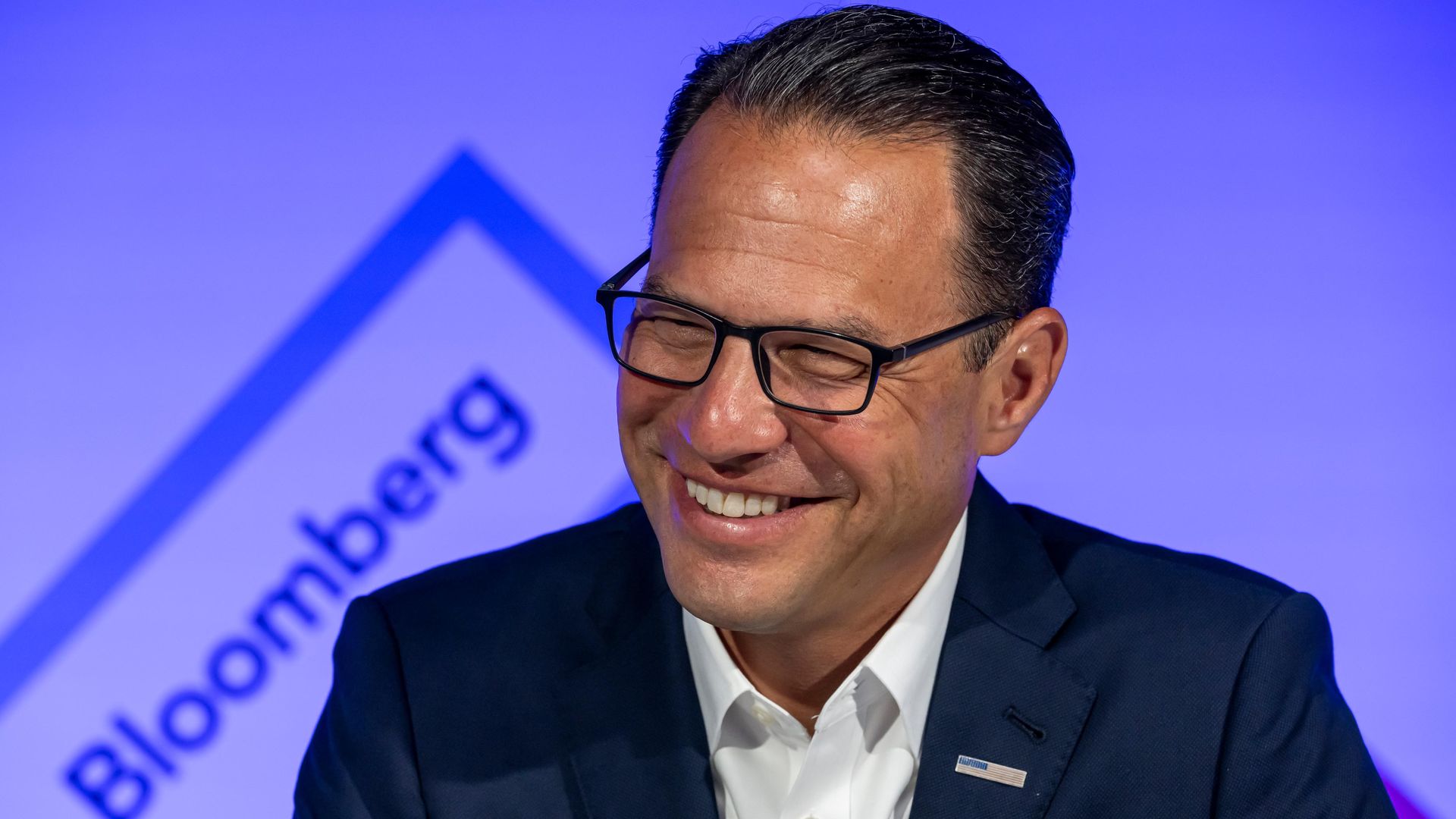
Why it matters: Bloomberg donated $2.5 million to Shapiro's effort in October — his biggest direct public contribution to a potential 2028 presidential candidate last year, according to campaign finance documents filed this week.
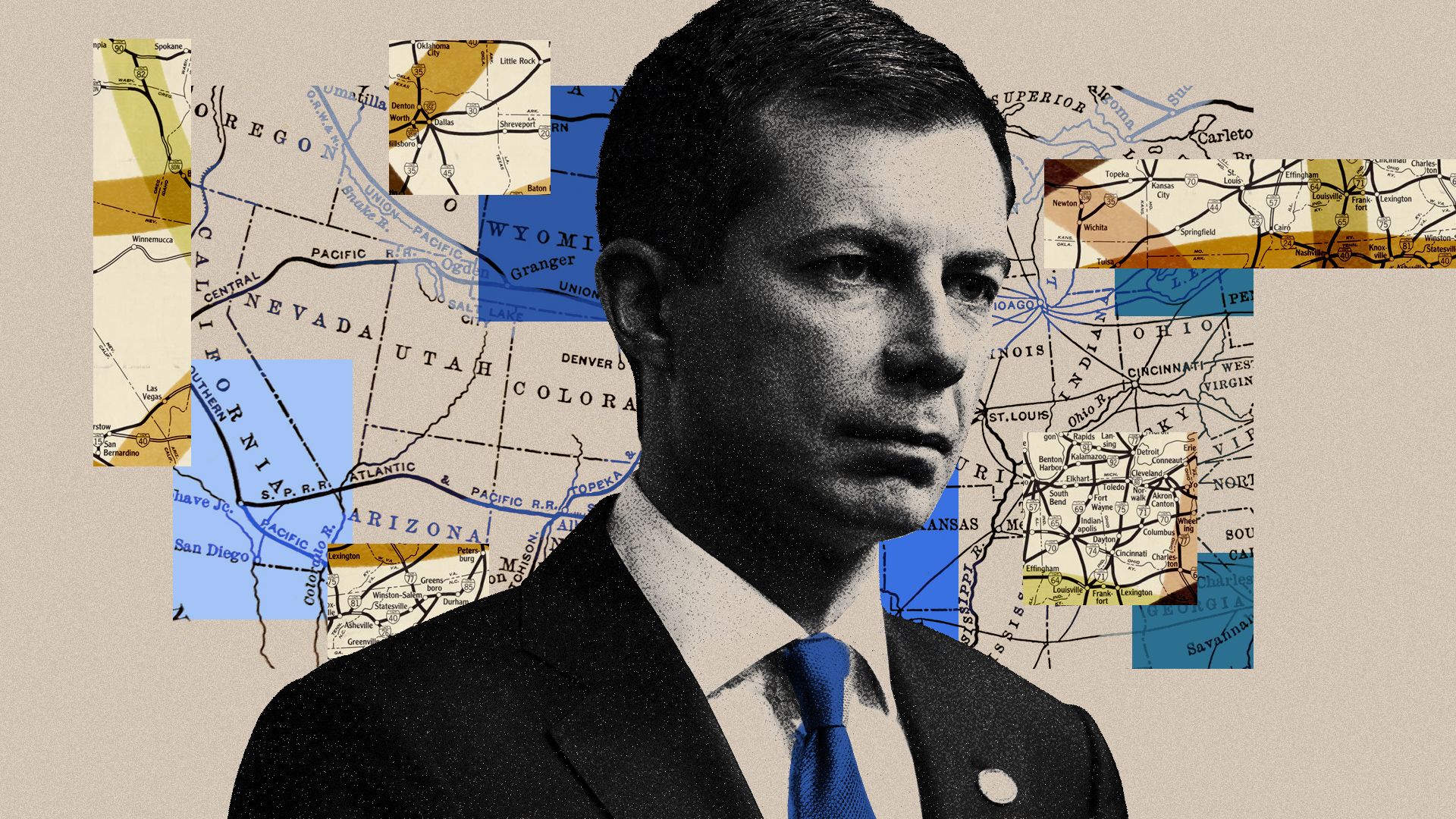
Pete Buttigieg is widely admired as a first-class communicator. But many Democrats think he's lacking as an administrator — and are pointing to his time as President Biden's transportation secretary.
Why it matters: Several of Buttigieg's potential rivals for the 2028 Democratic nomination for president are quietly beginning to pick at his work in Biden's Cabinet as a vulnerability, rather than an asset.
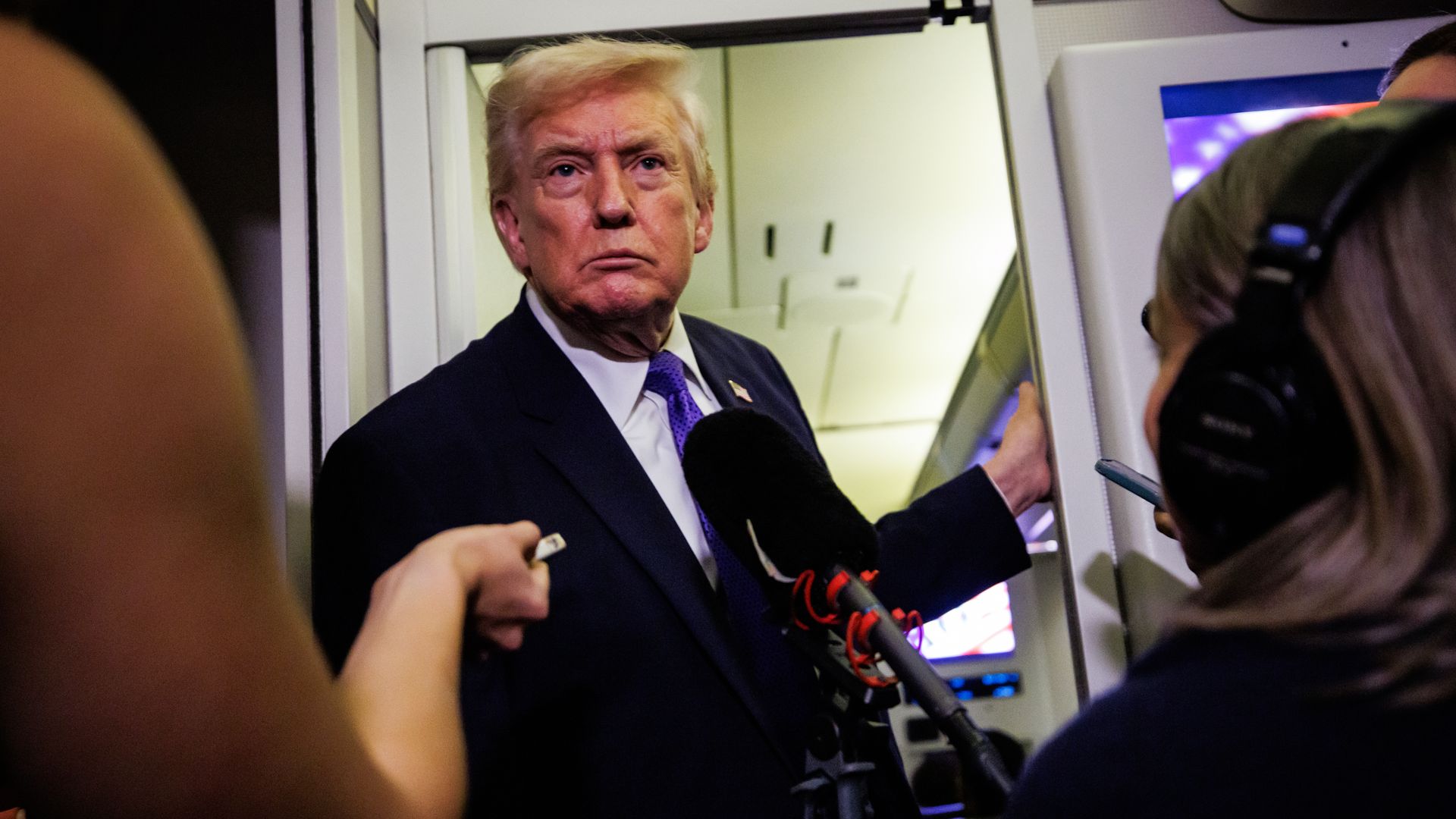
With high-stakes midterms approaching, President Trump has called for Republicans to "nationalize" elections, end mail-in ballots and pass the SAVE America Act.
But that legislation doesn't provide all of Trump's desired changes.
Why it matters: Voting rights groups warn the legislation, which requires proof of citizenship to vote, could erect barriers despite noncitizen voting being illegal and rare.
President Trump called Olympic skier Hunter Hess "a real loser" Sunday after Hessdescribed the "mixed emotions" of representing the U.S. at the 2026 Games.
Why it matters: While the Olympics traditionally unite Americans behind their athletes, the Milano Cortina Games have become the latest flashpoint, with the president once again targeting elite athletes representing the U.S. who have used their platform to criticize him.
Gambling culture is enveloping American sports, politics, media and trading, bringing betting out of the shadows and into the mainstream in a way that disturbs some and exhilarates others.
Why it matters: What was once a fringe vice is fast becoming a mass-market habit — raising urgent questions about addiction, fairness and who should regulate the business of betting on almost anything.