Ezra Klein's Abundance movement is getting some backup: A new political group is urging Democrats to embrace "pro-growth," deregulatory policies with an eye toward 2028, according to plans first shared with Axios.
Why it matters: Known as Next American Era, the group is the latest effort by moderate Democrats to shape national politics and expand their influence at a time when progressives in the party are making an aggressive push for more power.
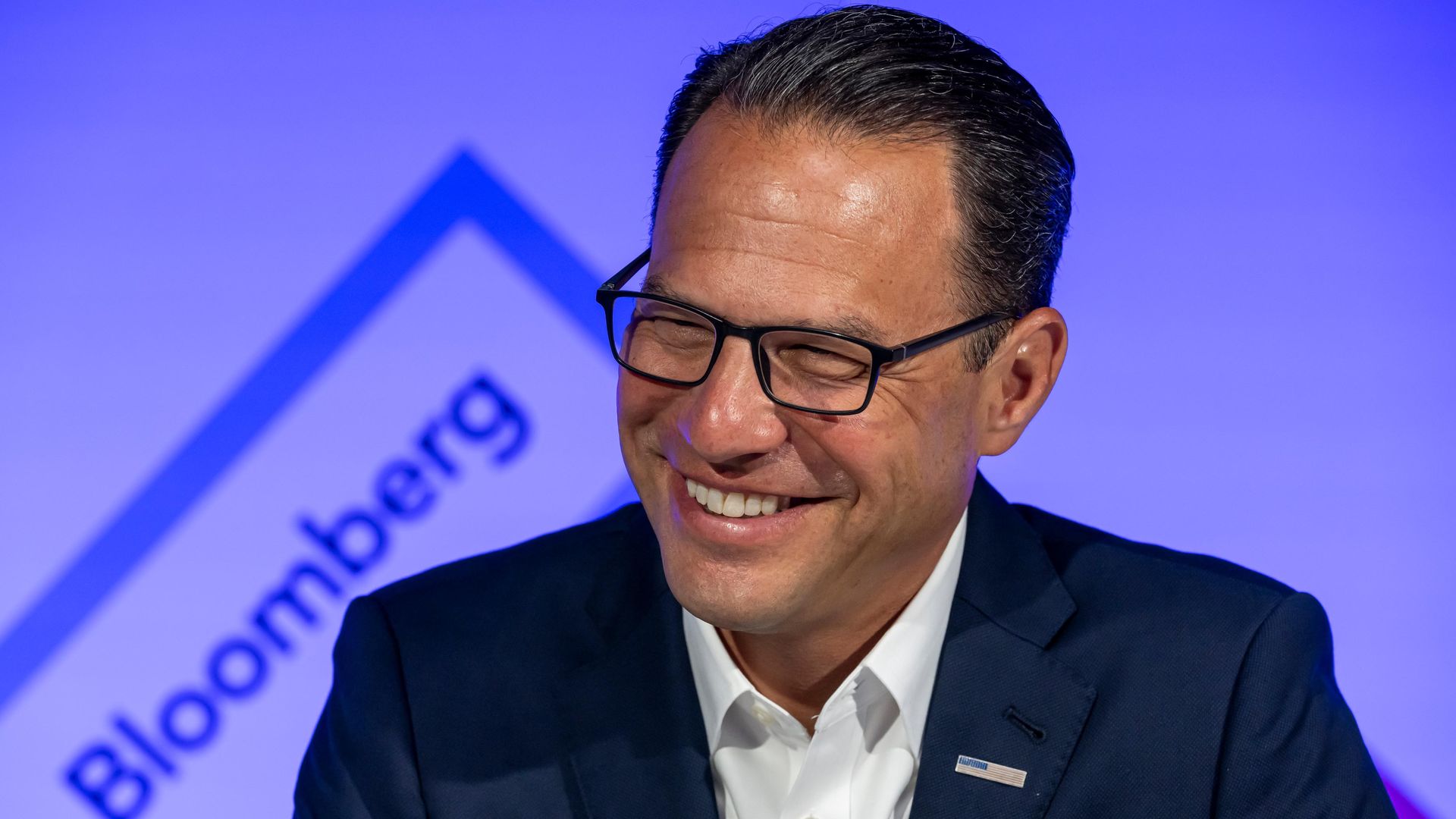
Why it matters: Bloomberg donated $2.5 million to Shapiro's effort in October — his biggest direct public contribution to a potential 2028 presidential candidate last year, according to campaign finance documents filed this week.
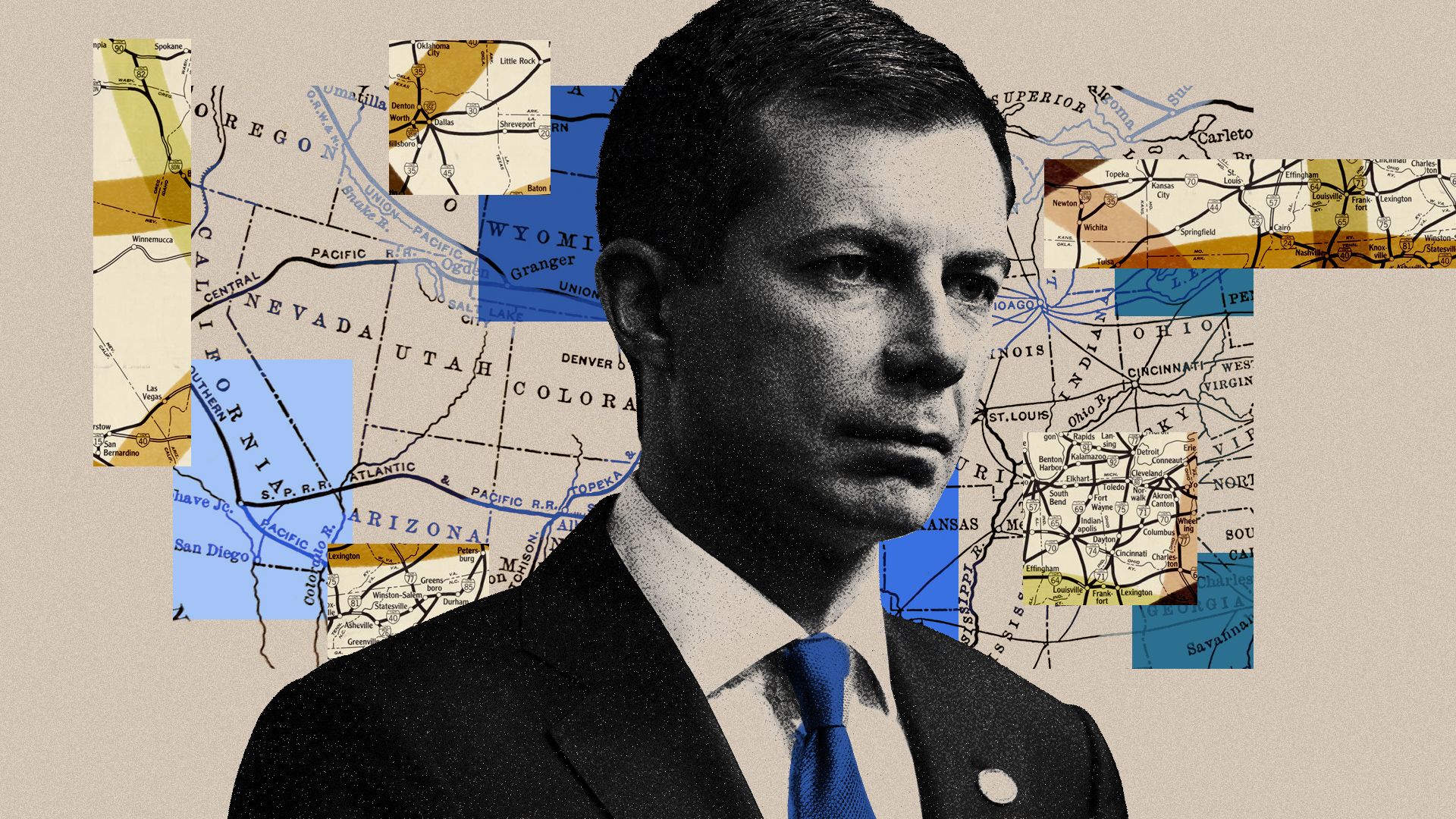
Pete Buttigieg is widely admired as a first-class communicator. But many Democrats think he's lacking as an administrator — and are pointing to his time as President Biden's transportation secretary.
Why it matters: Several of Buttigieg's potential rivals for the 2028 Democratic nomination for president are quietly beginning to pick at his work in Biden's Cabinet as a vulnerability, rather than an asset.
With high-stakes midterms approaching, President Trump has called for Republicans to "nationalize" elections, end mail-in ballots and pass the SAVE America Act.
But that legislation doesn't provide all of Trump's desired changes.
Why it matters: Voting rights groups warn the legislation, which requires proof of citizenship to vote, could erect barriers despite noncitizen voting being illegal and rare.
President Trump called Olympic skier Hunter Hess "a real loser" Sunday after Hessdescribed the "mixed emotions" of representing the U.S. at the 2026 Games.
Why it matters: While the Olympics traditionally unite Americans behind their athletes, the Milano Cortina Games have become the latest flashpoint, with the president once again targeting elite athletes representing the U.S. who have used their platform to criticize him.
Gambling culture is enveloping American sports, politics, media and trading, bringing betting out of the shadows and into the mainstream in a way that disturbs some and exhilarates others.
Why it matters: What was once a fringe vice is fast becoming a mass-market habit — raising urgent questions about addiction, fairness and who should regulate the business of betting on almost anything.
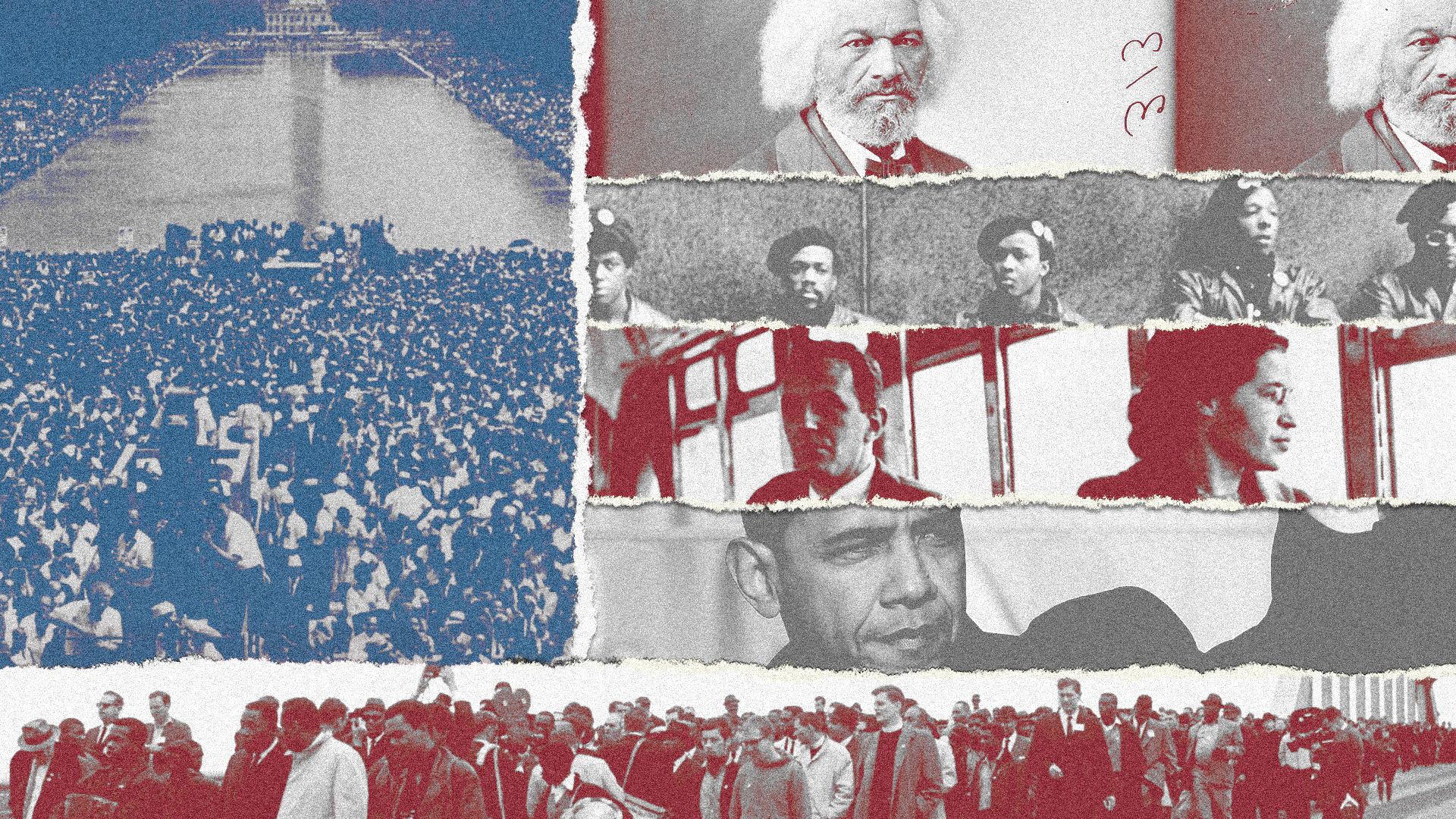
America's 250th anniversary is colliding with a renewed battle over Black history, just as the White House moves to both smooth over and narrow how race and equity are discussed nationwide with rollbacks of diversity initiatives.
Why it matters: Black History Month — in its 100th year since Carter G. Woodson's 1926 Negro History Week — arrives amid an administration actively shrinking institutions that preserve and teach that history.
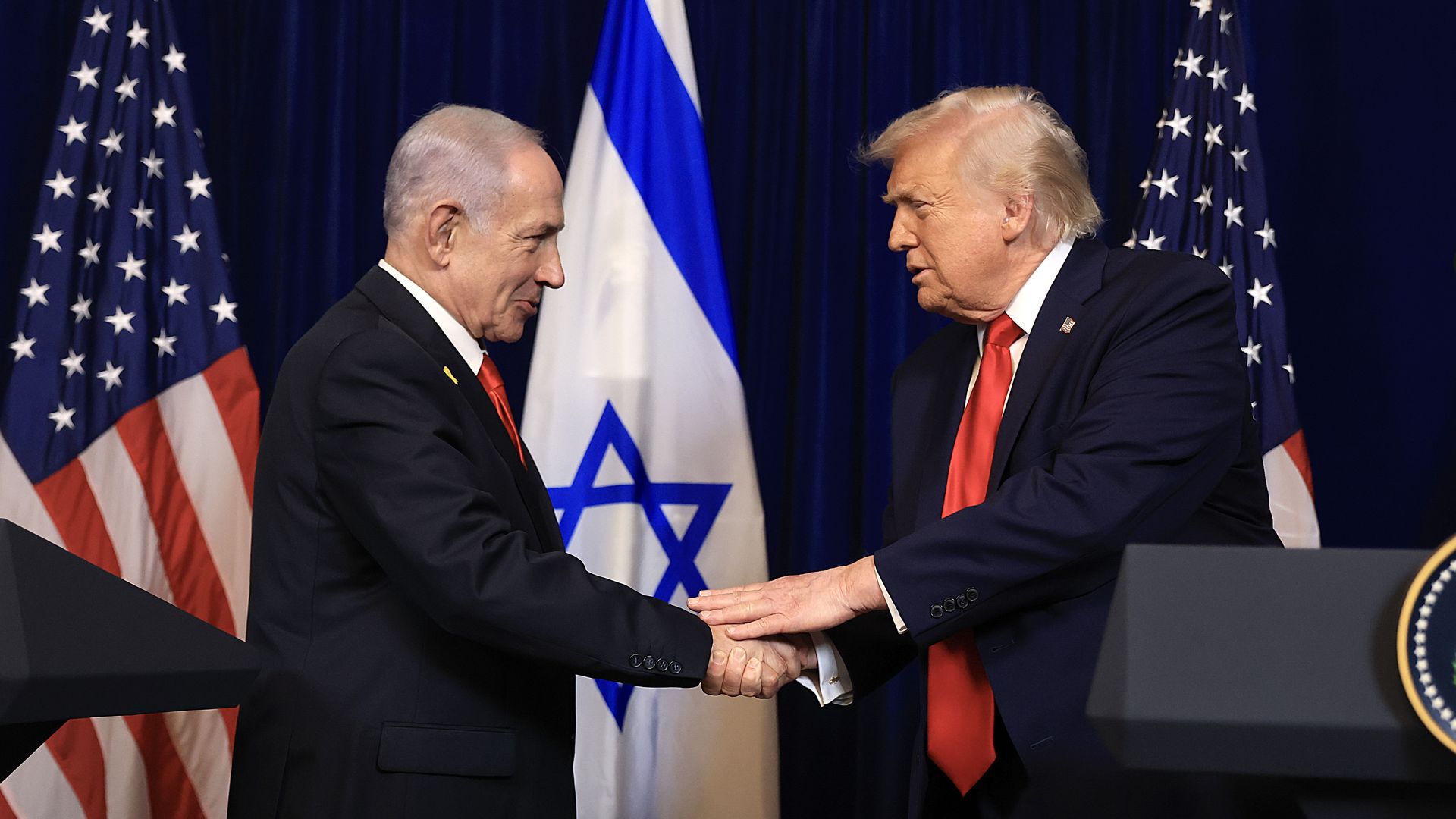
Israeli Prime Minister Benjamin Netanyahu has moved up his visit to Washington and is expected to meet with President Trump on Wednesday to discuss the negotiations with Iran, the prime minister's office said in a statement.
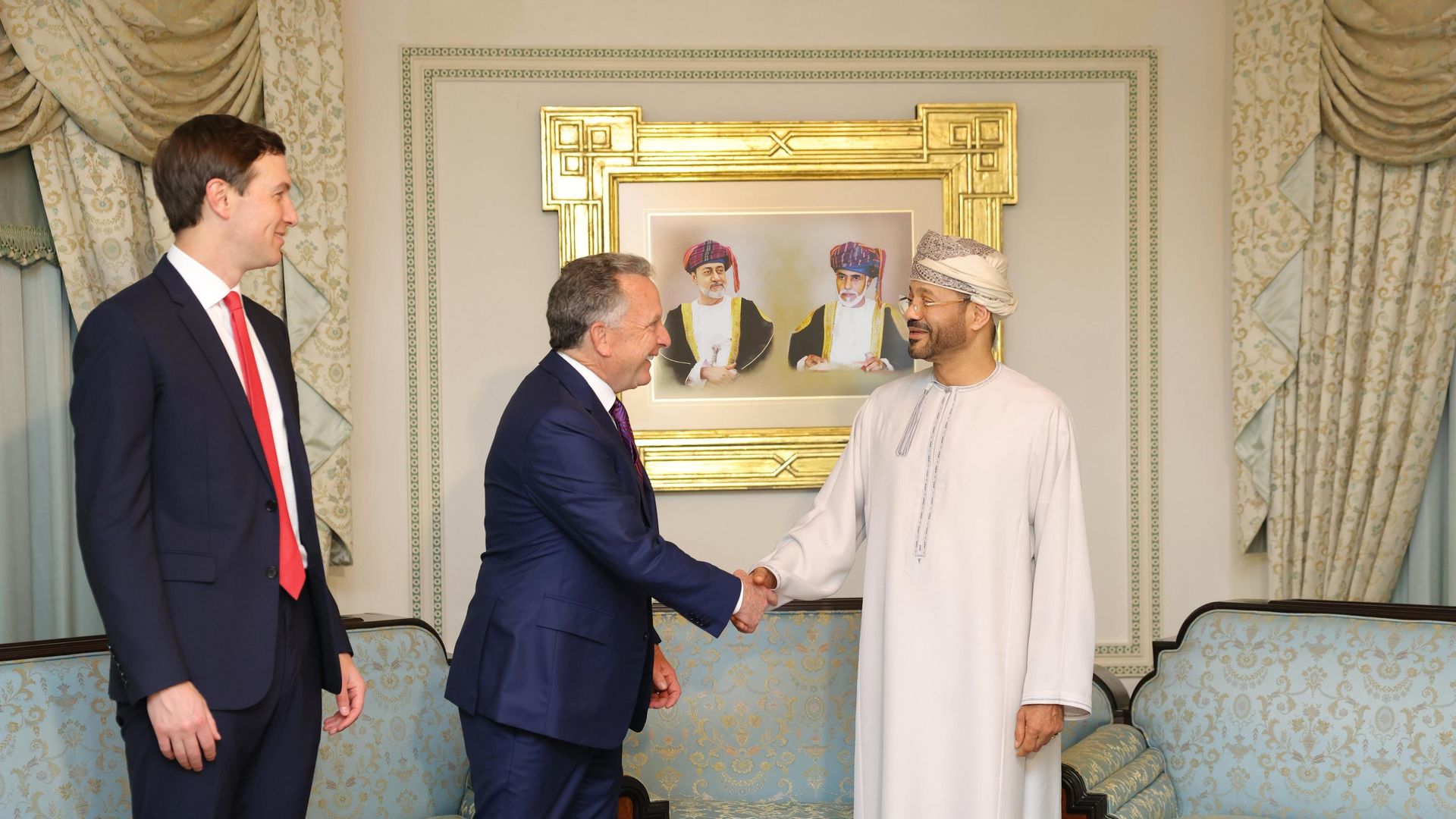
Why it matters: The announcement of the urgent visit comes a day after Trump's envoys Steve Witkoff and Jared Kushner held negotiations in Oman with Iran's foreign minister over a potential nuclear deal.
The U.S. wants Russia and Ukraine to sign a peace deal that ends the war by June, before President Trump pivots to focusing his energy on the midterm elections, Ukrainian President Volodymyr Zelensky told reporters.
Why it matters: The U.S. timeline Zelensky laid out is pretty ambitious, both because there are still significant gaps between Russia and Ukraine and because Ukraine will have to hold a referendum on the peace deal before it is signed — a process that can take several months.
When asked if he would apologize for an overtly racist video clip of the Obamas posted on President Trump's Truth Social, the president said Friday, "No, I didn't make a mistake."
Why it matters: The clip, which portrayed former President Obama and former first lady Michelle Obama as apes and was taken down on Friday, used a centuries-old trope against the first Black president and first lady in U.S. history during the first week of Black History Month.
President Trump said on Friday that the U.S. and Iran had "very good talks" in Oman on Friday and claimed the Iranian position is more favorable regarding a nuclear deal than it was before the 12-day war last June.
Why it matters: The talks were the first face-to-face negotiations between the U.S. and Iran since the 12-day war last June. They took place amid a massive U.S. military buildup in the Gulf, and with Trump warning he could pivot to military action if a deal can't be reached quickly.