The city of North Miami Beach, Florida, ordered residents to evacuate the 156-unit Crestview Towers on Friday after the building was deemed structurally and electrically unsafe, according to AP.
Why it matters: The inspection was prompted by the collapse of the Champlain Towers South in Surfside, Florida, last week, which has killed at least 22 people and has left 126 unaccounted for.
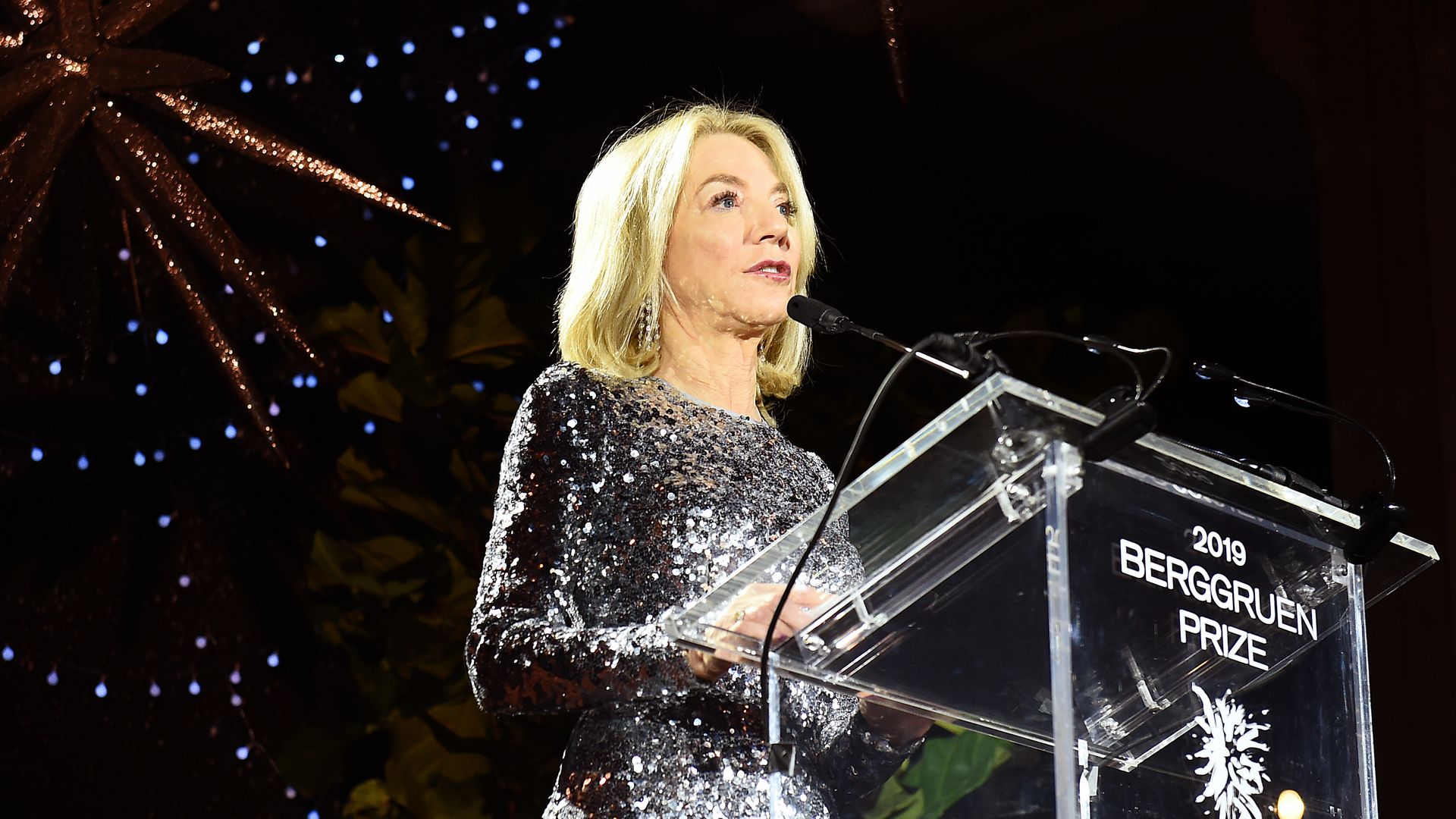
President Biden nominated University of Pennsylvania President Amy Gutmann to serve as U.S. ambassador to Germany, the White House announced Friday.
Why it matters: Biden maintains ties to the University of Pennsylvania, where heaccepted an honorary professorship after leaving the White House in 2017. She would be the first woman to hold the position if confirmed, Politico notes.
The Treasury Department said Friday it had removed sanctions against three Iranians, restoring access to their U.S. assets, according to Reuters.
Why it matters: Treasury officials said Behzad Ferdows, Mehrzad Ferdows and Mohammad Reza Dezfulian should not be sanctioned but that the roll back had nothing to do with ongoing indirect talks on reviving the 2015 nuclear deal.
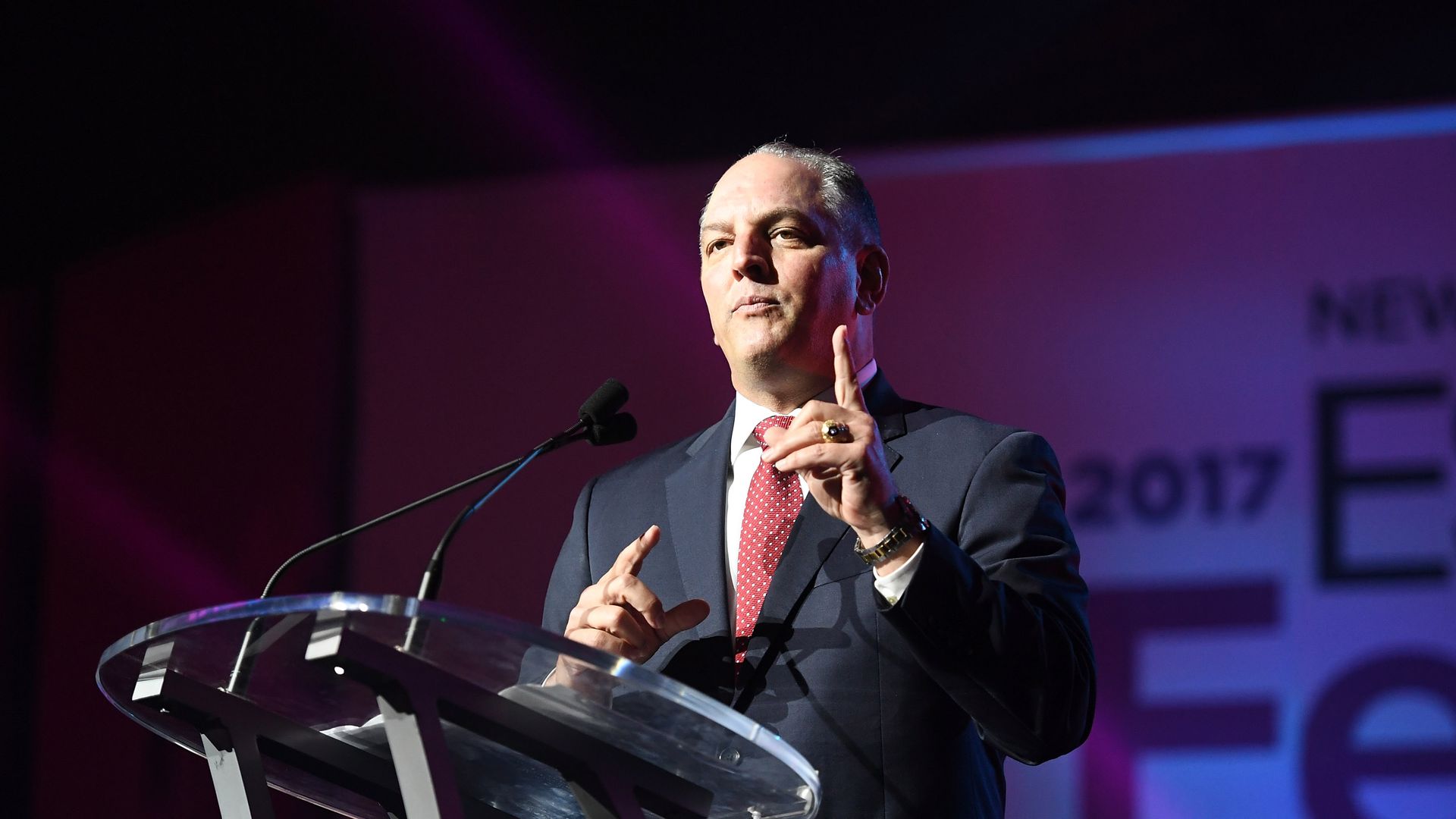
Louisiana Gov. John Bel Edwards (D) signed a bill into law Friday that requires doctors to tell patients who take the abortion pill that they may halt the pregnancy termination halfway through the process.
Why it matters: The legislation passed through the GOP-dominated Louisiana state legislature weeks prior. It's one of many anti-abortion bills Edwards signed on Friday.
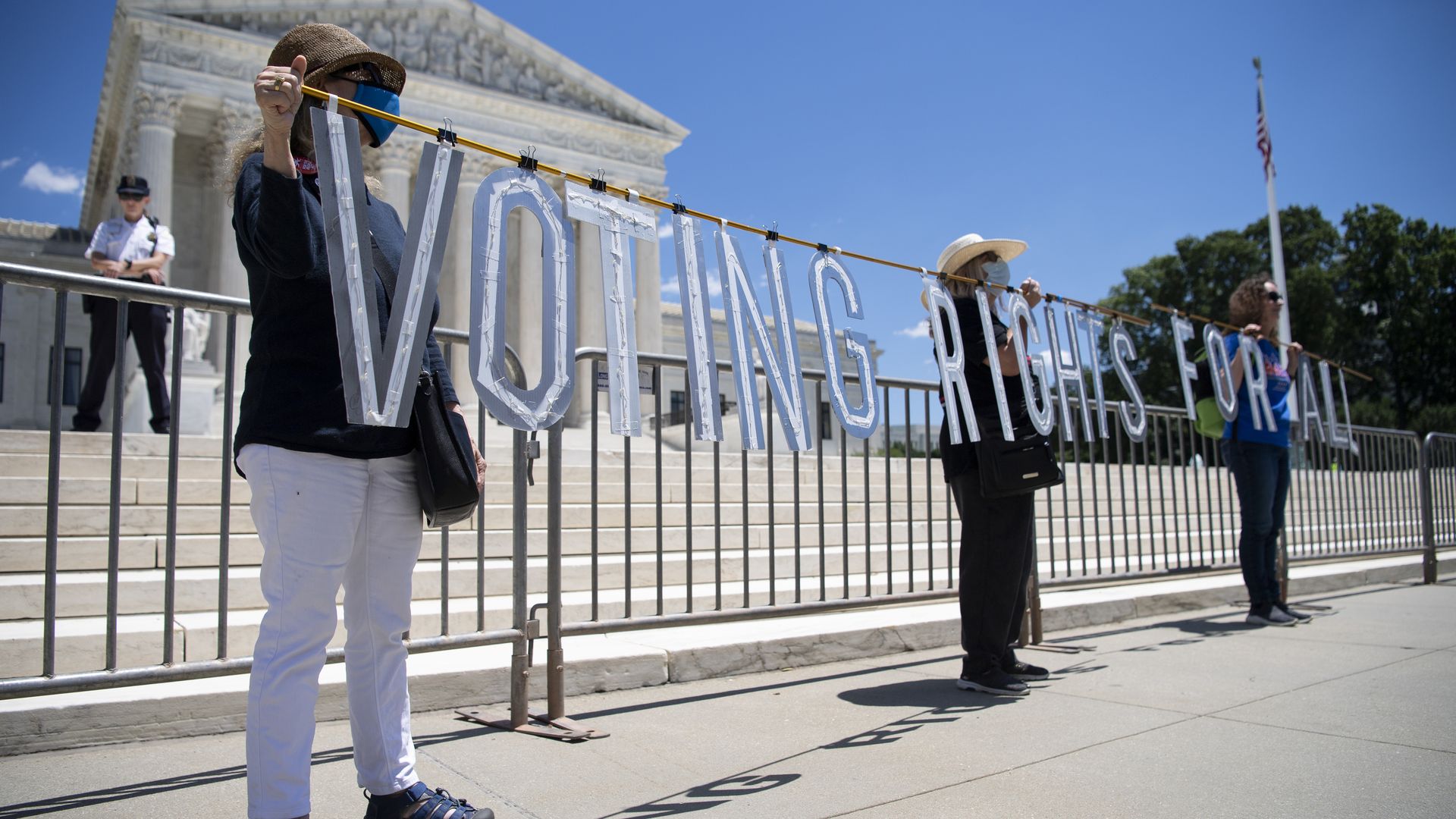
More than half of adults in the United States are more concerned about laws restricting voting access than making sure that no one who is ineligible votes, according to a new survey from NPR/PBS NewsHour/Marist.
Why it matters: 67% of Americans — including majorities of Republicans, Democrats and independents — said they believed American democracy is currently under threat, though the survey did not ask what they believed is threatening it.
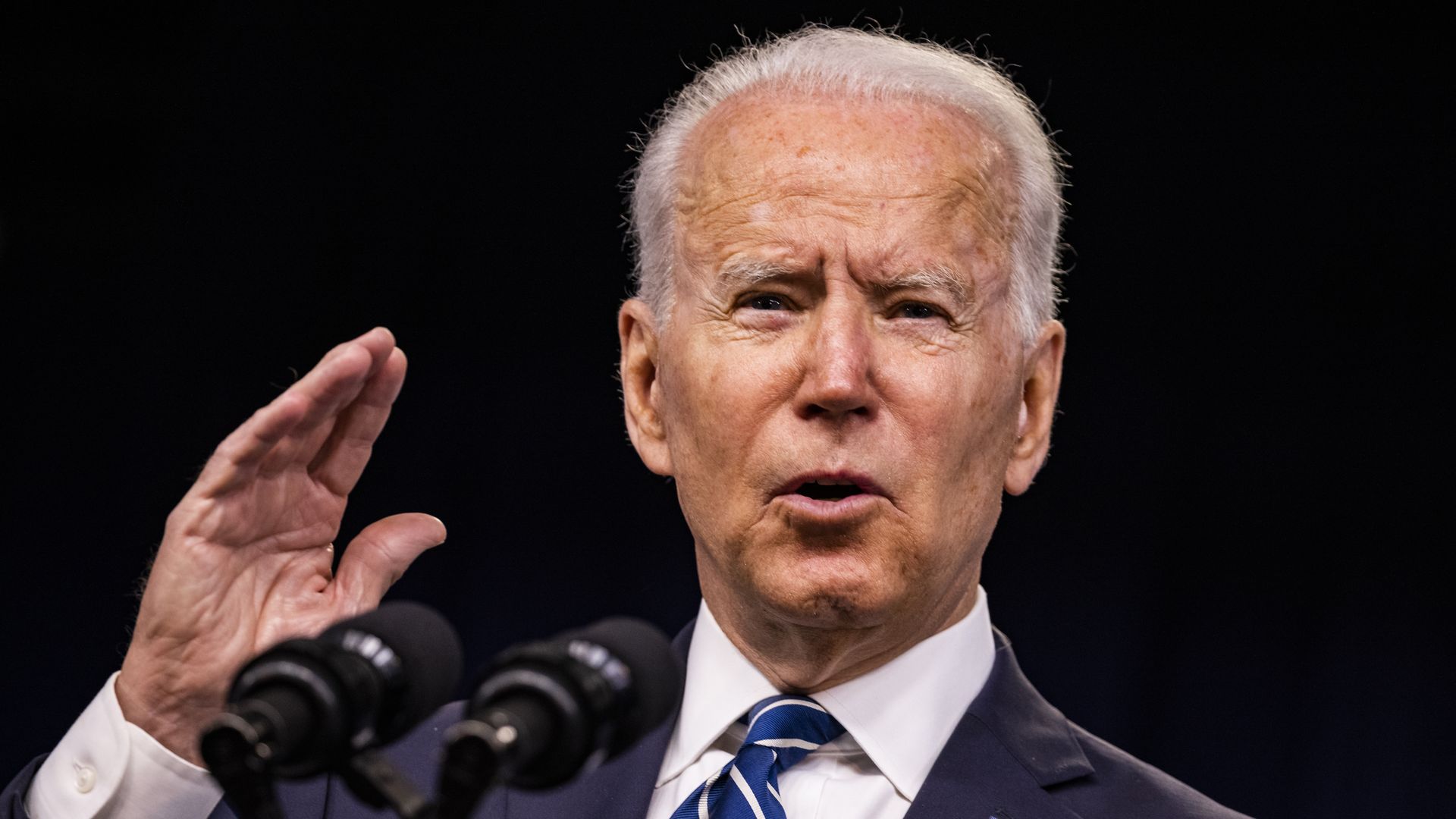
President Biden said Friday he supports the U.S. military removing sexual harassment and assault cases from the chain of command and instead creating "highly specialized units to handle these cases and related crimes."
The big picture: The reorganization comes amid growing criticism on Capitol Hill over the military's ineffectiveness at preventing incidences of sexual assault and harassment in the ranks, which have more than doubled in the past decade, the Wall Street Journal reports.
President Biden cut off reporters on Friday after three consecutive questions about the U.S. withdrawal from Afghanistan, where the intelligence community has warned the government could collapse as soon as next year amid a creeping offensive by the Taliban.
Why it matters: News had broken hours earlier that the U.S. military has departed Bagram Airfield, the center of its war to oust the Taliban and search for the al-Qaeda perpetrators of the 9/11 terrorist attacks.
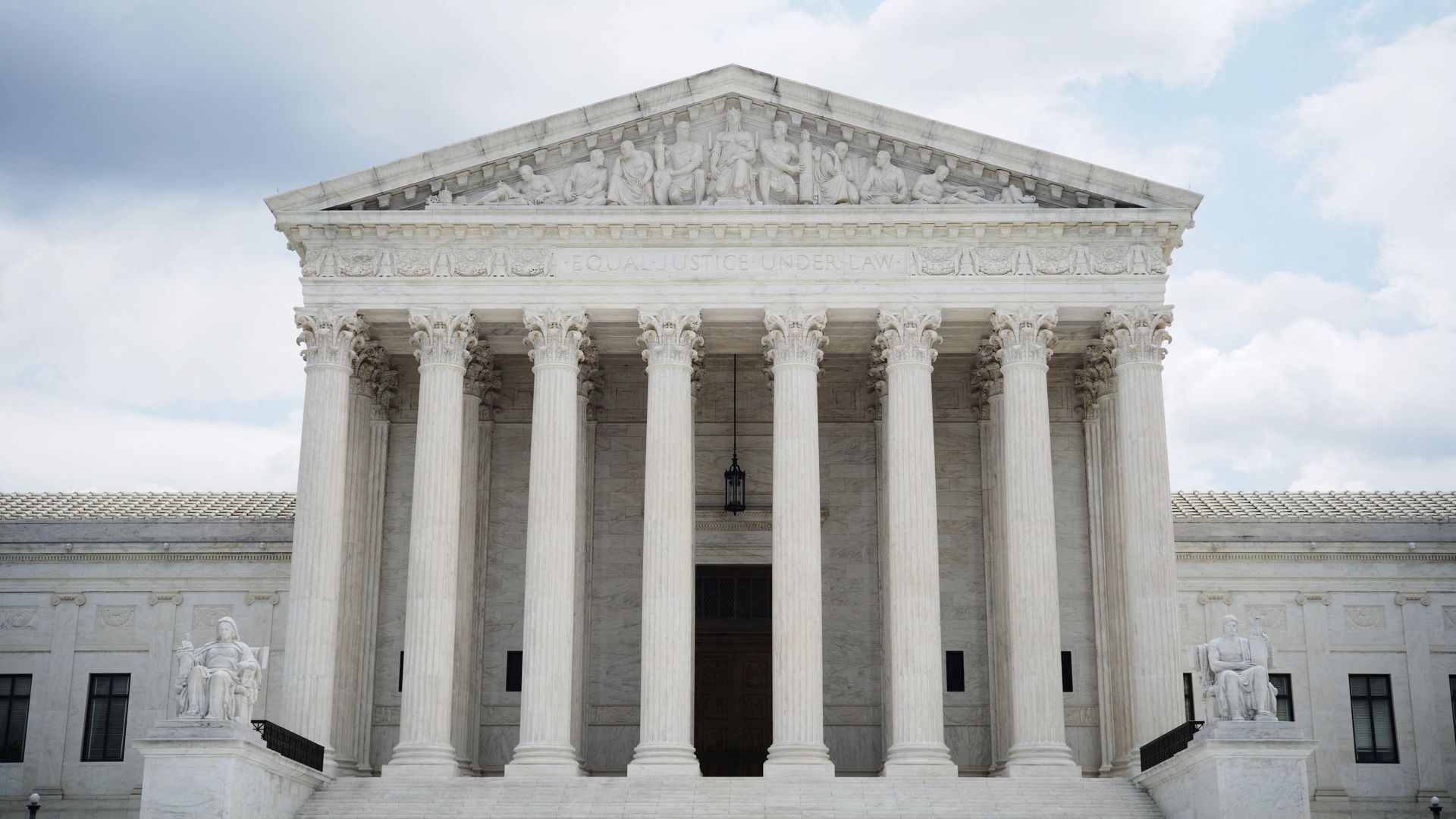
The Supreme Court on Friday punted the issue of whether businesses can refuse service for same-sex wedding ceremonies.
Driving the news: The court declined to take up an appeal from florist Barronelle Stutzman, who refused to provide flowers for the wedding of two longtime male customers in 2013 due to her religious beliefs and "relationship with Jesus Christ," per NBC News.
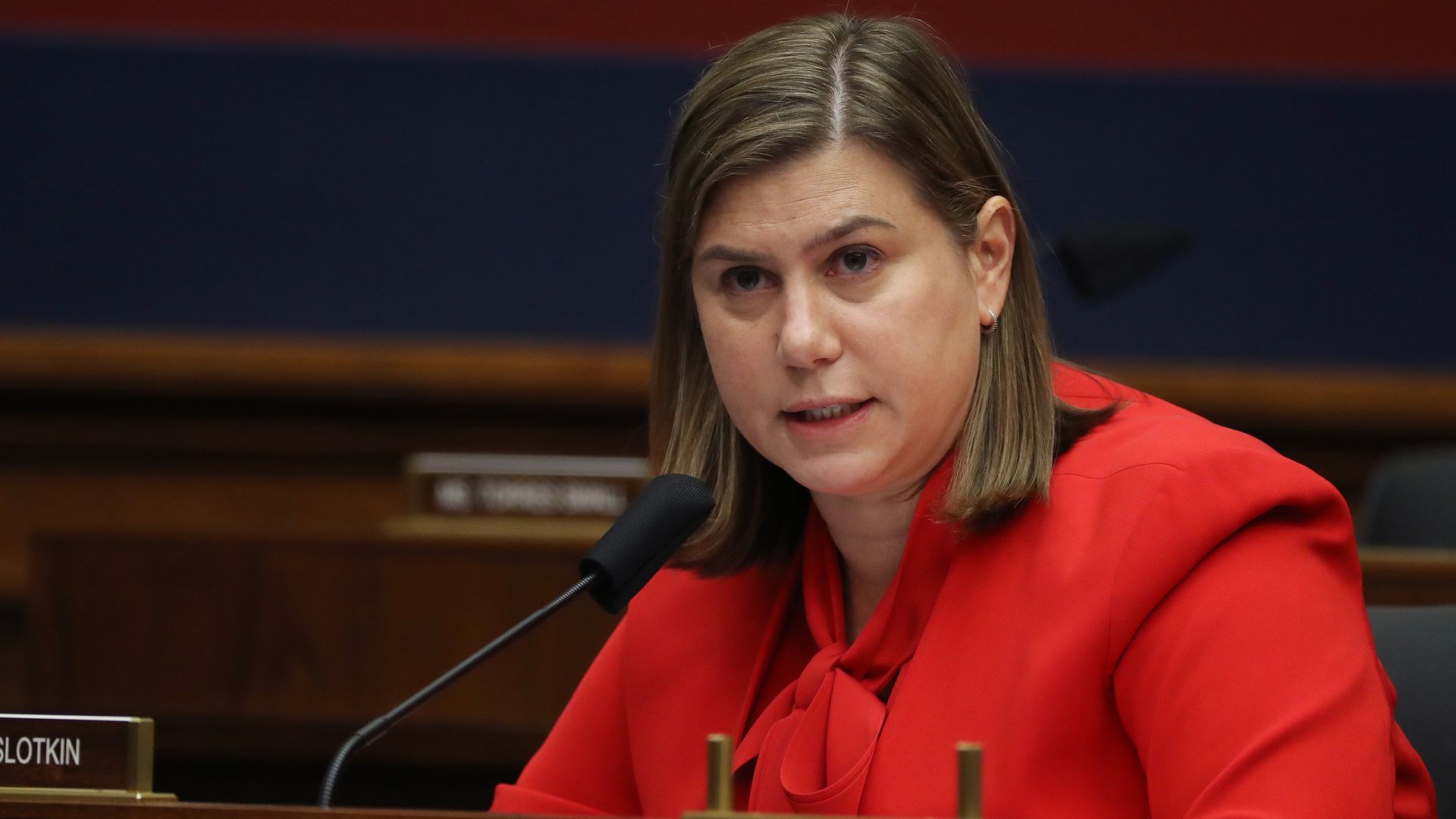
Democrats in House districts carried by Donald Trump last year raked in cash during the second quarter, as they prepare for challenges that could determine majority control of their chamber.
Why it matters: The Democrats in these six "crossover" districts are some of the most vulnerable in the country. Their races will be pivotal not only in the midterms, but also as bellwethers for the 2024 presidential race.
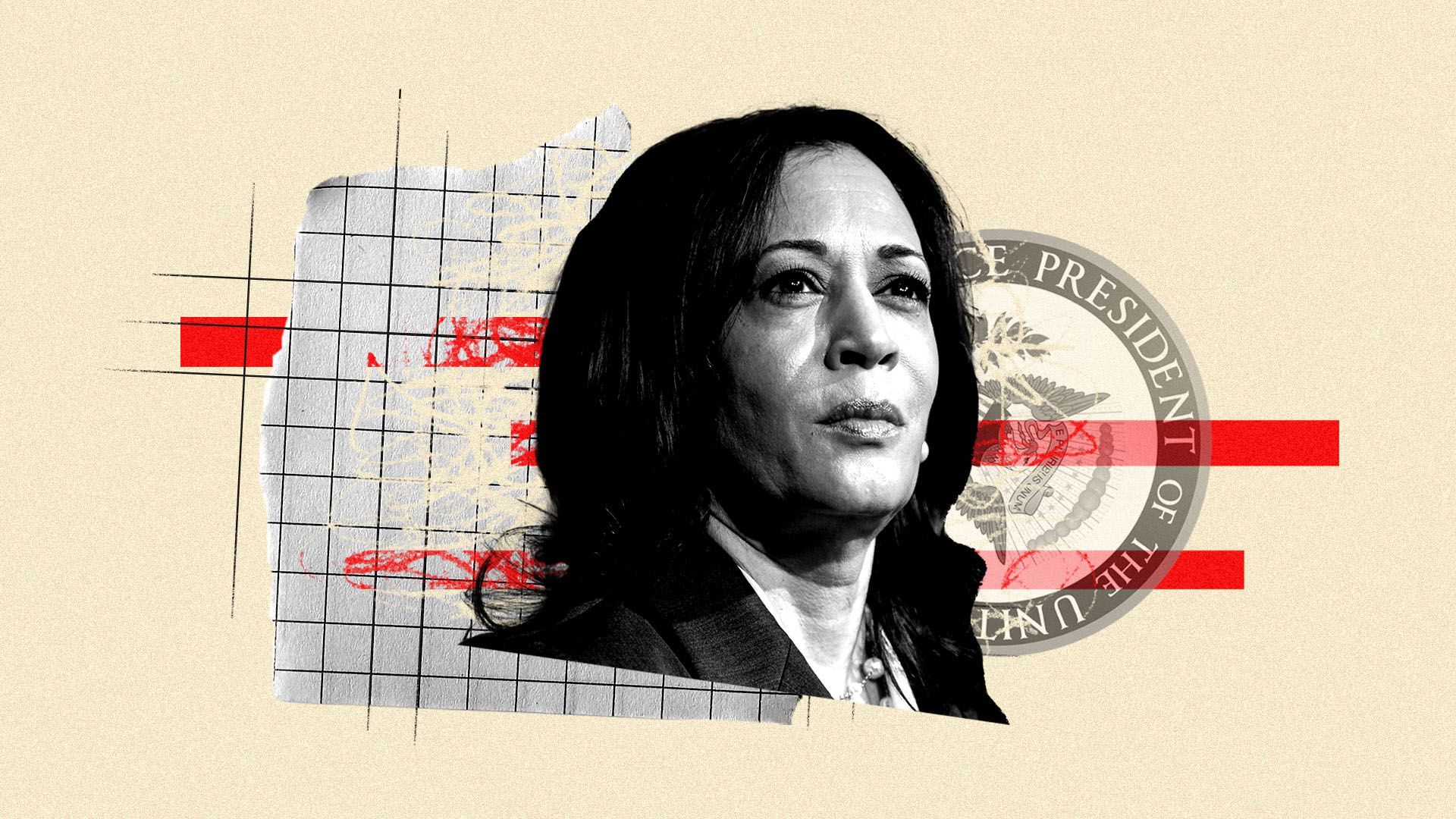
Top White House officials are mobilizing to defend Vice President Kamala Harris amid a gusher of leaks about dysfunction and infighting in her office.
Driving the news: White House Chief of Staff Ron Klain told Axios in a statement: "The President's trust and confidence in her is obvious when you see them in the Oval Office together." Biden senior adviser Cedric Richmond said in an interview late Thursday night: "It’s a whisper campaign designed to sabotage her."
Democratic lawyers and activists are scrambling to shift their legal strategy in their fight over voting rights.
Why it matters: Yesterday's Supreme Court ruling — its biggest Voting Rights Act case in years — will likely make it much harder for the Justice Department to successfully challenge Georgia's controversial new voting laws, experts said, and others like it in the future.
More states are opening the door to psychedelics, with seven states already passing laws over the last several months to allow research or decriminalize its use and another 11 considering similar measures.
Why it matters: There's a growing body of research suggesting psychedelic compounds with psychotherapy can be effective for anxiety, depression, post-traumatic stress disorder and substance use disorder where other therapies have failed.
Amid a national epidemic of opioid abuse and suicides, state legislatures see a greater need to explore new therapeutics.
What's happening: In November, Oregon became the first to legalize psychedelics in licensed, supervised facilities and decrimalize them elsewhere.
In the months following, several states have passed bills to consider allowing the study of the medical risks and benefits of psilocybin, the active ingredient in psychedelic mushrooms.
Texas, Gov. Greg Abbott (R) allowed a bill authorizing the study of psilocybin to become law without his signature on June 18.
Connecticut Gov. Ned Lamont signed a bill of health initiatives on June 7 that called for the state's department of mental health and addiction services to report findings by Jan. 1, 2022.
In New York, a bill was introduced on June 1 that would require the state to establish an institute to investigate the medical potential of substances including “ibogaine, LSD, psilocybin and certain other psychedelic drugs.”
California's legislature is considering a bill that, if ultimately passed, would make California the second state next to Oregon to decriminalize psilocybin.
The big picture: MDMA and psilocybin have been granted breakthrough therapy status by the Food and Drug Administration, signaling a shift in the potential for incorporating psychedelics into the existing health care infrastructure.
Psychedelic drug developer ATAI Life Sciences, backed by Peter Thiel, went public last month. It's one of three such psychedelics companies including MindMed and Compass Pathways that have both gone public in the last year.
More state, federal and even company-sponsored research is beneficial to corroborate early, smaller studies that "show great promise," George Goldsmith, CEO of Compass Pathways, a psychedelic therapy developer that finished its psilocybin therapyIIb clinical trial this week.
The other side: There's a debate between policy advocates on whether state-accelerated research alone could be too slow-moving. And in plenty of other states, the political will isn't there to pass this kind of measure.
In February, an Iowa lawmaker filed a bill that would allow seriously ill people to use psilocybin mushrooms, MDMA, LSD, DMT or peyote as alternative treatments after they’ve exhausted traditional legal medicines. It died in committee.
Some progressives are distancing themselves from Sen. Bernie Sanders (I-Vt.) — leader of their revolution.
The big picture: Three factors are fueling the shift. Some feel he's not pushing President Biden far enough to the left anymore. Some believe his time as the movement leader has simply passed. Some fear tying their brand to Sanders is a gift to opponents to weaponize in crowded primaries or in general elections — and they're instead weighing the merits of aligning more directly with Biden.
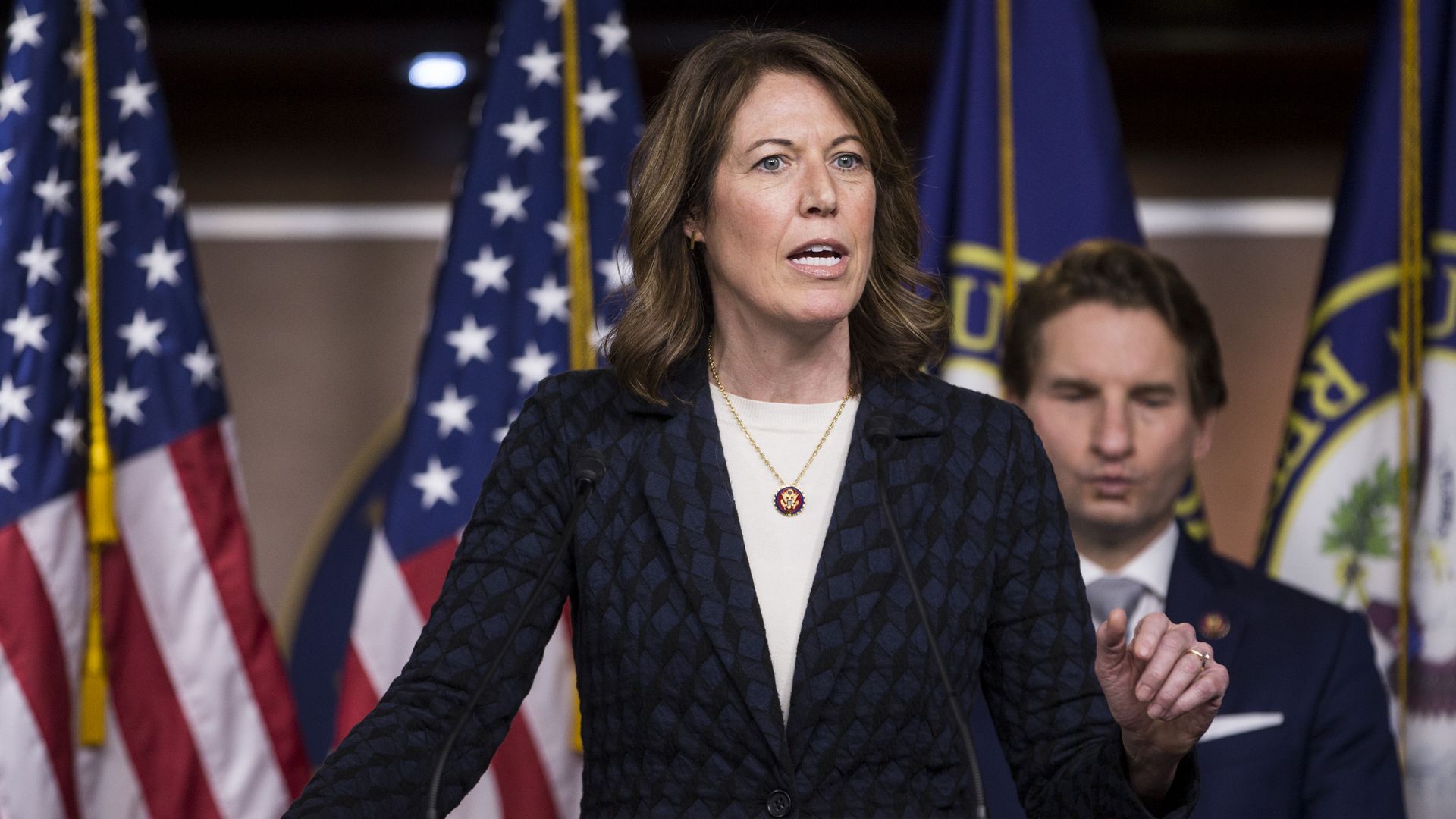
Democrats in Trump-won districts are hesitant about their party using the reconciliation process to ram through a second, partisan infrastructure package, even as the more progressive wing of their party demands it.
Driving the news: Axios surveyed all seven House Democrats representing districts former President Trump won in 2020 to hear their concerns with the current infrastructure debate. Nearly all are undecided about how they'll vote on either the $1.2 trillion bipartisan bill or a partisan follow-up.
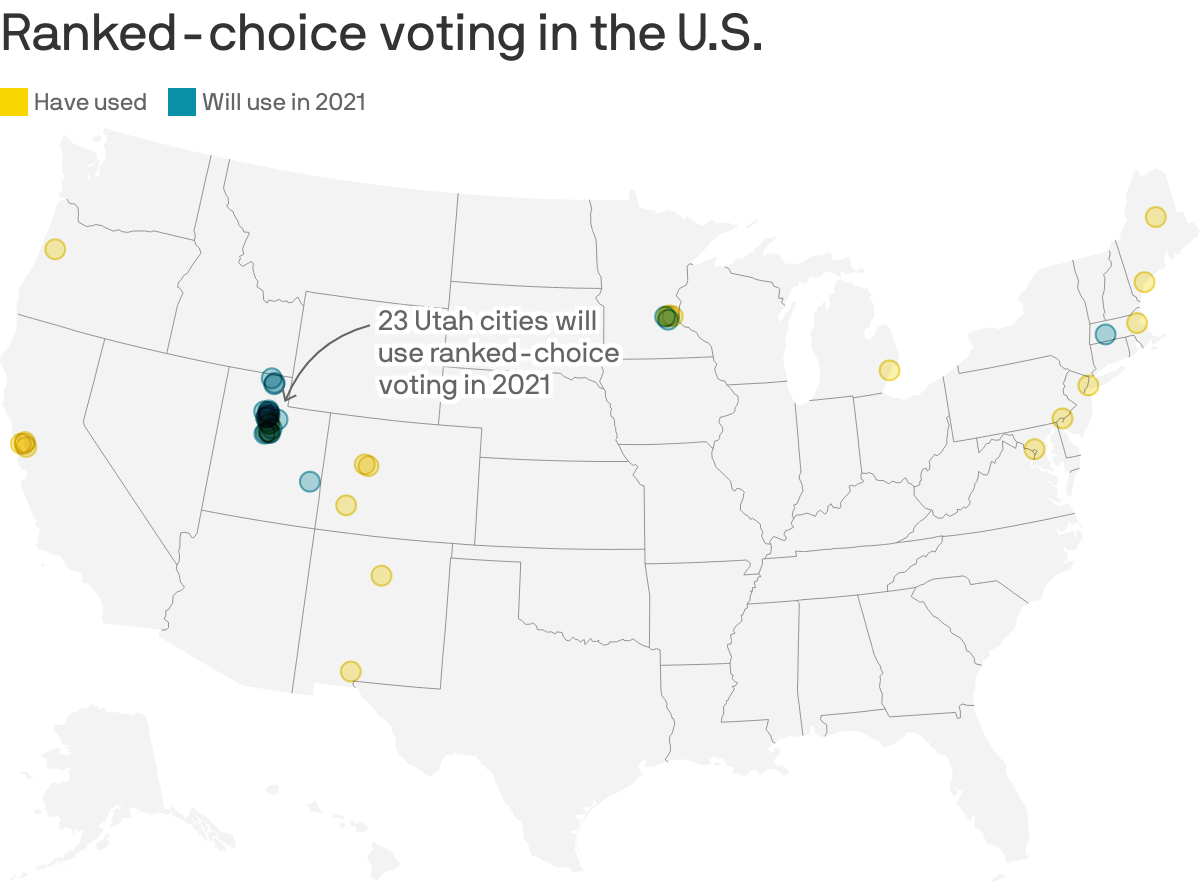
Some voting experts are concerned the disastrous mayoral election in New York City will cause Americans to blame ranked-choice voting — rather than problems with the city's election board.
Between the lines: There's slowly growing support for ranked-choice voting, which allows voters to choose not only their top candidate but their second choice and third choices, and so on. Localities across the U.S. have had successful ranked-choice elections, and others are eyeing it for upcoming races.
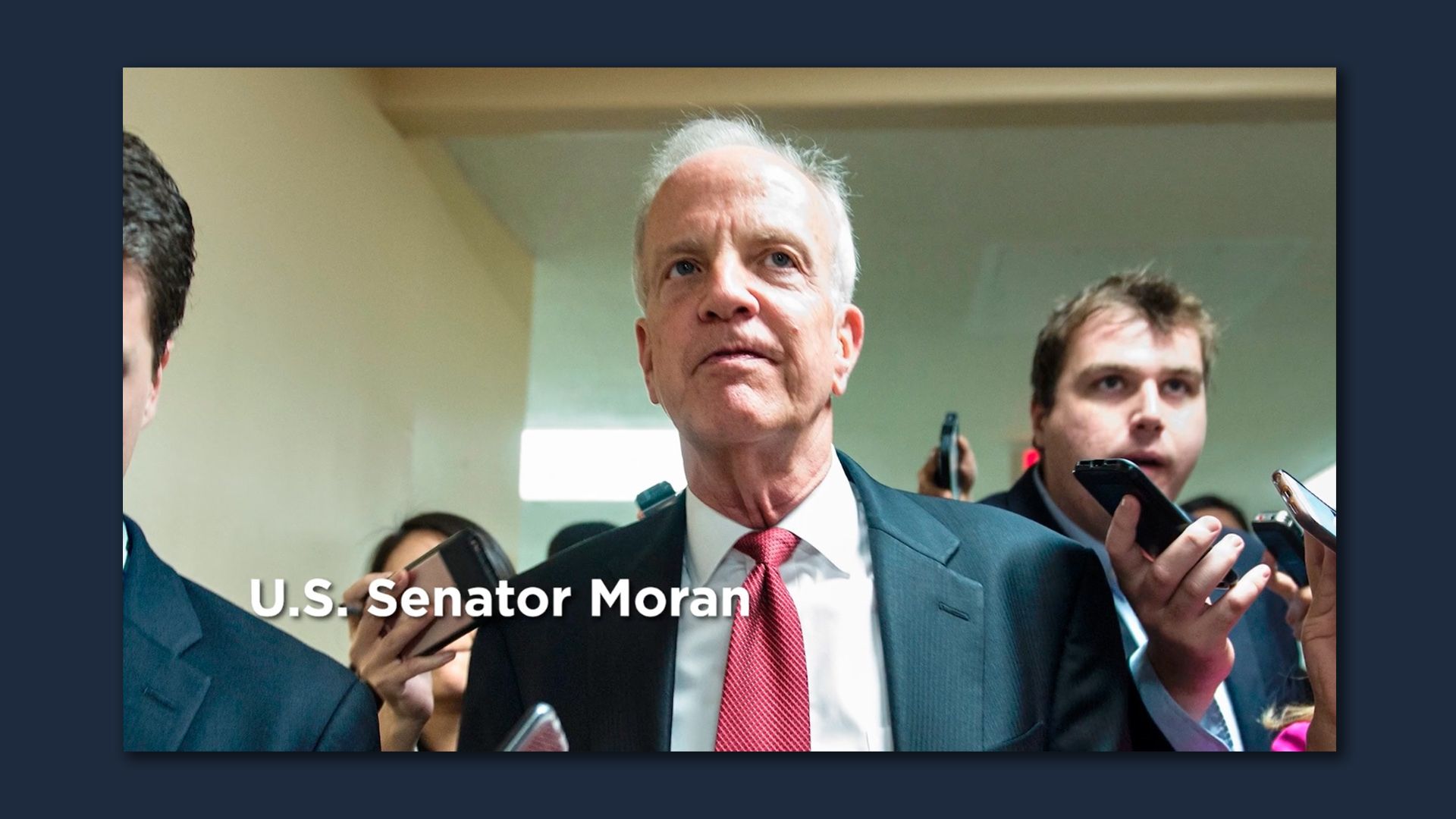
A conservative group focused on pressuring House Democrats to oppose President Biden's plan to increase funding for the Internal Revenue Service is now targeting fellow Republicans, Axios has learned.
Why it matters: By running a six-figure ad targeting Sen. Jerry Moran (R-Kan.), the Coalition to Protect American Workers is opening a new front in the fight over how to pay for Biden’s spending proposals, including the $579 billion bipartisan infrastructure package.
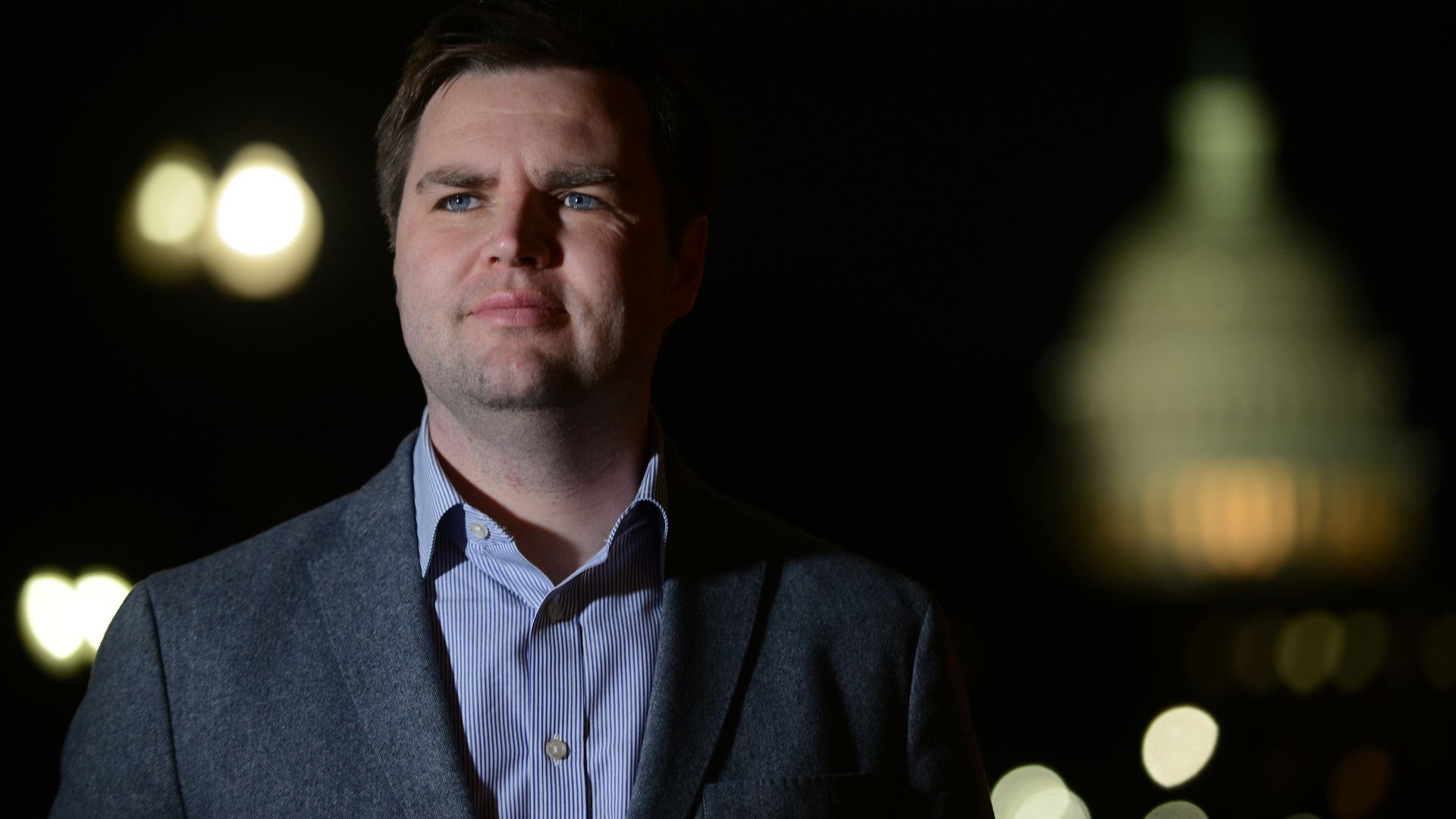
J.D. Vance, venture capitalist and author of "Hillbilly Elegy," announced Thursday he's entering the crowded Republican race for the Ohio U.S. Senate seat of retiring Sen. Rob Portman.
The big picture: Vance's top issues will be the culture wars (including cancel culture, critical race theory and Big Tech), immigration and economic populism (with an emphasis on inflation), Axios' Mike Allen reported earlier this week.