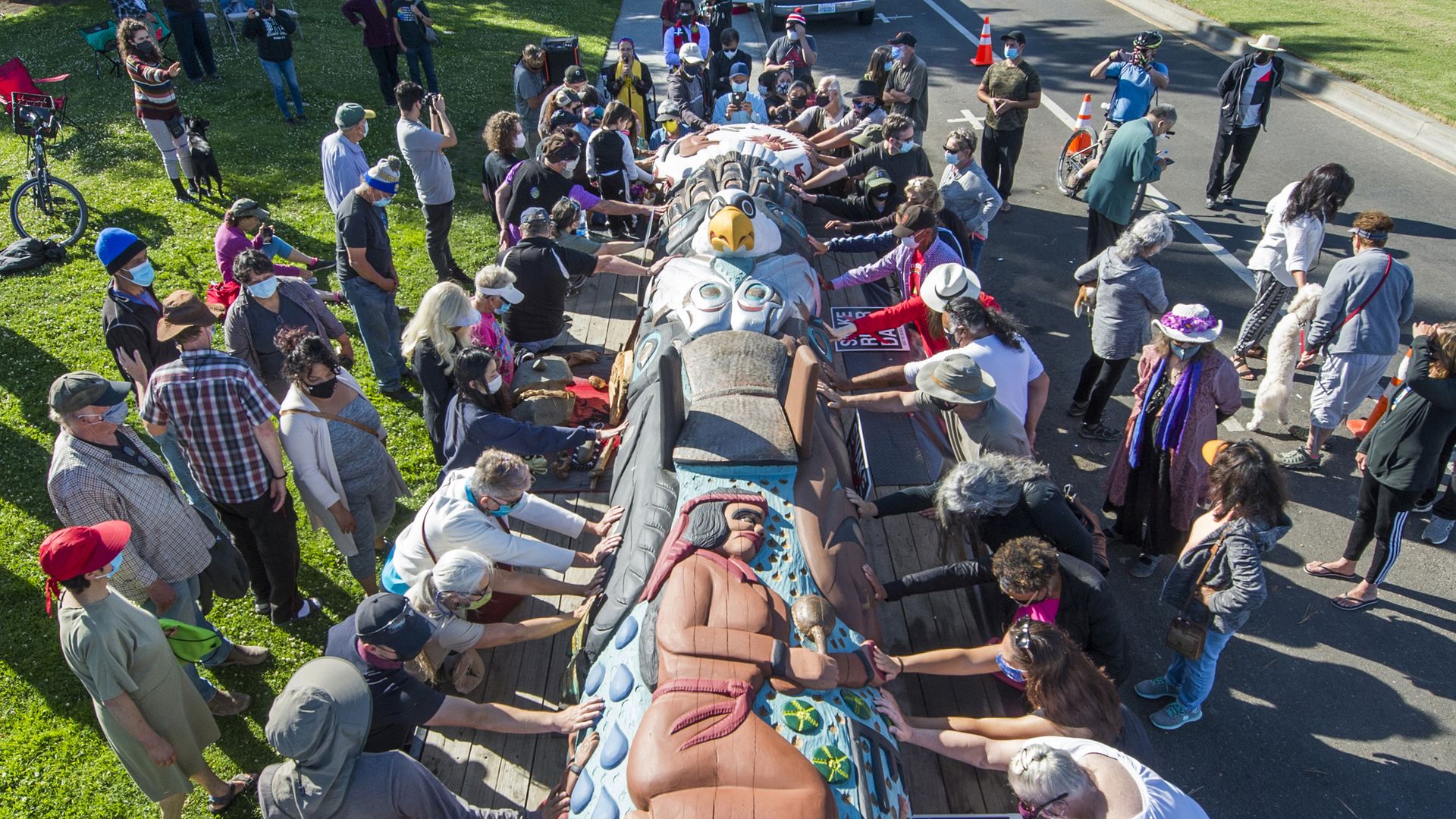
Native Americans are transporting a 5,000-pound totem pole from Washington state to Washington, D.C., over two weeks in July to raise awareness about protecting land that they consider sacred, according to the Washington Post.
Why it matters: The effort, which organizers are calling the “Red Road to D.C.,” has already raised $500,000 from nonprofits, sponsors, and tribal groups.
Major companies have said in recent job postings that Colorado residents are ineligible to apply for certain remote positions because a new state law requires businesses to disclose the expected salary or pay range for positions, according to the Wall Street Journal.
Why it matters: The law, which went into effect in January, is meant to help close the gender wage gap and to promote wage transparency for employees, but companies have said Coloradans need not apply to avoid disclosing the information.
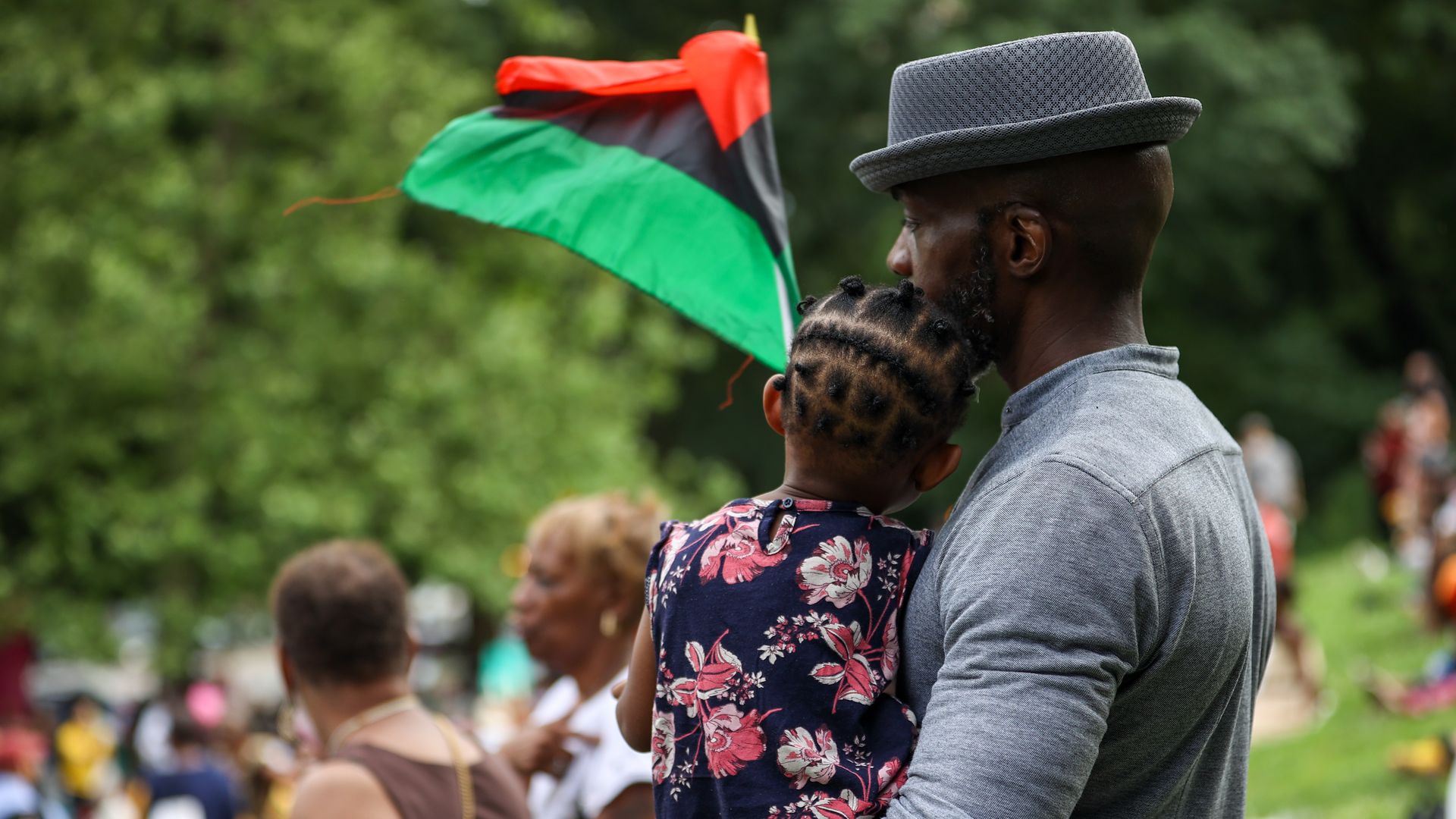
People across the country are celebrating Juneteenth National Independence Day.
The big picture: The date, June 19, memorializes when some of the last enslaved people in Texas learned about their freedom under the Emancipation Proclamation in 1865.
The Department of Veteran Affairs is beginning the process of offering gender affirmation surgeries through its health care system, Veteran Affairs Secretary Denis McDonough announced during a Pride event in Florida on Saturday.
Why it matters: The change would greatly expand the care available to transgender veterans, since the surgeries have never been widely covered by the department's health care plan.
The United States is shipping 2.5 million vaccine doses to Taiwan as the island faces its first major coronavirus outbreak, State Department spokesman Ned Price announced Saturday.
The big picture: The United States initially pledged to donate 750,000 doses, but the number increased after President Biden said the United States would send 80 million shots made in the U.S. around the world, per Reuters, which first reported on the shipment.
More than ever, businesses are being pressured — by employees, consumers and shareholders — to fix systemic problems they have helped build.
Why it matters: The top ranks of America's businesses have a huge void of people who look like the Black, Latino, Asian and Native American consumers from whom they collectively rake in billions of dollars each year.
The two paths to financial success aren't linear, and sometimes they meet in the middle.
Case in point: Porter Braswell, co-founder and CEO of Jopwell, a technology platform that enables diversity hiring, went to Yale, then worked successfully for several years in sales at Goldman Sachs. When Braswell, who is Black, tried breaking into entry-level sales positions at tech companies, he was told his skills weren't transferrable.
"I had to go out and build my own tech company to break into tech," he says.
Now Braswell is building that company to reflect what he thinks corporate America should look like.
The big picture: Across the country, companies are increasingly looking for ways to move forward, by attacking the entrenched lack of diversity. Here's how.
Doubling down on sponsorship. Sponsoring goes beyond mentoring. It's championing someone else’s career and opening doors for them. "Sponsorship — at scale — is the most important thing we can do,” says PwC U.S. chairman Tim Ryan.
Tying CEO pay to diversity. The boards of some large companies have set metrics that, based on whether or not they're achieved, will affect executive compensation.
Investment in Employee Resource Groups. ERGs are groups for people with a shared identity like race or gender to come together for support. Some companies have begun paying ERG leaders to show that diversity is a priority.
Diversity riders. In venture capital, these contractual agreements ensure that investors from underrepresented backgrounds get a chance to invest in — and profit from — startup deals.
There's a broken pipeline to the C-suite for executives of color in Corporate America.
The big picture: If companies continue at their current glacial pace, it'll take nearly a century for Black and Latino professionals to get to proportional representation at the manager level.
Climbing the corporate ladder is one of two paths to financial success — but getting to the top in America is nearly impossible for people of color.
Why it matters: Having to navigate blind spots at all levels of the corporate chain creates a system of barriers that can be hard for organizations to acknowledge, much less address.
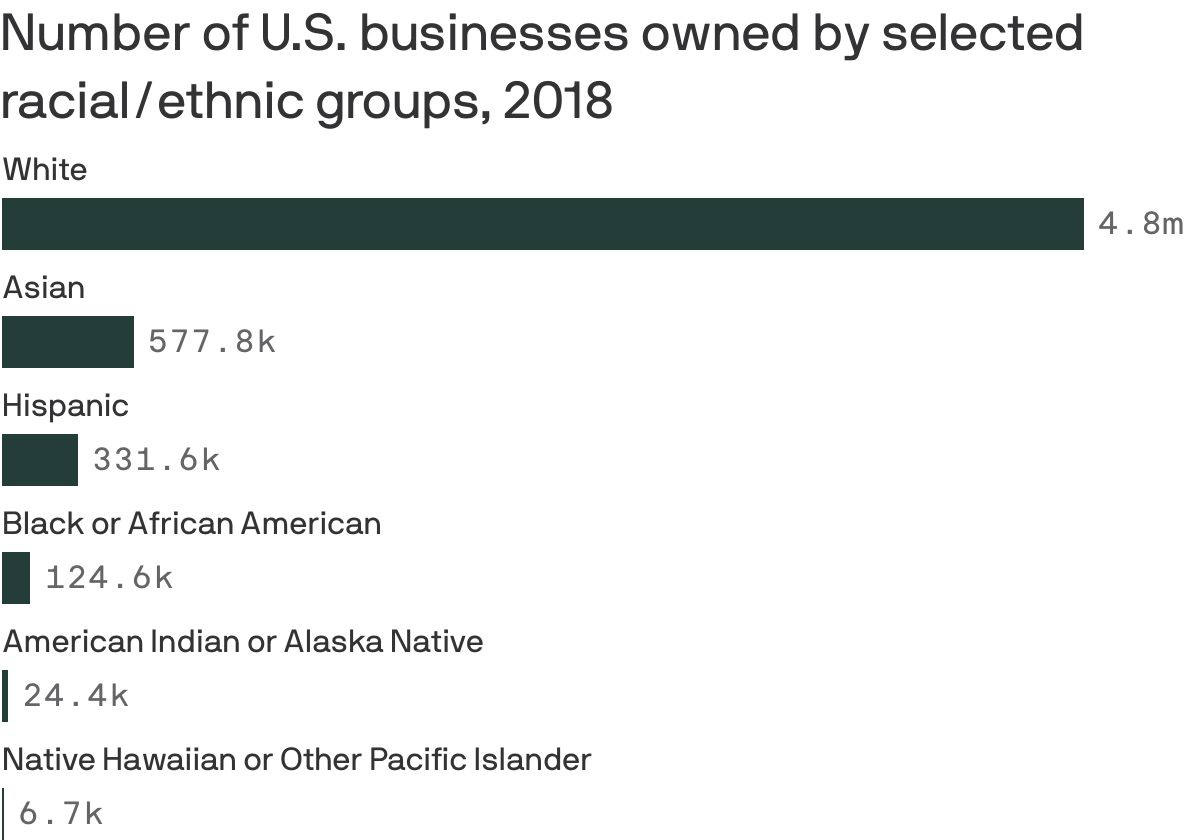
Data: U.S. Census Bureau, Annual Business Survey. (Hispanic respondents also identify with a racial group, so they are double counted.) Chart: Connor Rothschild/Axios
Only 18.3% of American businesses are minority-owned, according to the U.S. Census Bureau, despite minorities comprising 40.3% of the population.
Why it matters: Business ownership can create wealth, and wealth begets wealth in America.
When a bank turned down George Johnson for a business loan, he got creative. He returned and told the bank he needed $250 to take his wife on a vacation — and was approved. Then he invested the cash in his business, which became the first Black enterprise to trade on the American Stock Exchange.
Why it matters: The highways to success in the U.S. market economy — in entrepreneurship, corporate leadership and wealth creation — are often punctuated with roadblocks and winding detours for people of color.
Business ownership and corporate diversity initiatives are seen as paths toward closing the racial wealth gap. But for people of color, systemic barriers along both routes still hobble success.
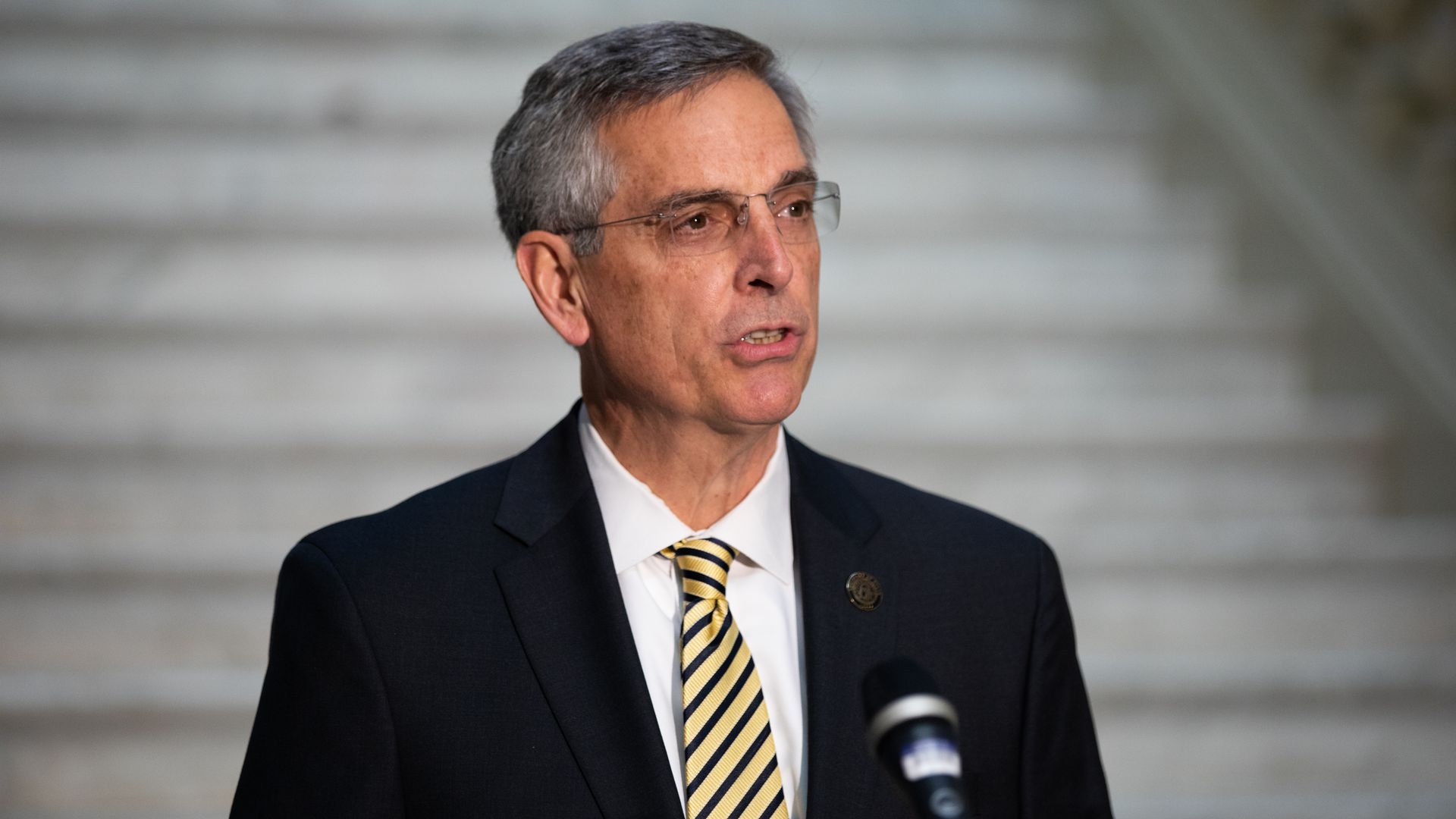
Georgia's secretary of state said on Friday that 101,789 "obsolete and outdated" names will be removed from the state's voter registration rolls to keep voter files "up to date."
The big picture: The announcement comes as several Republican-controlled states, including Georgia, have passed or signed into law legislation that imposes new and often restrictive voting measures.
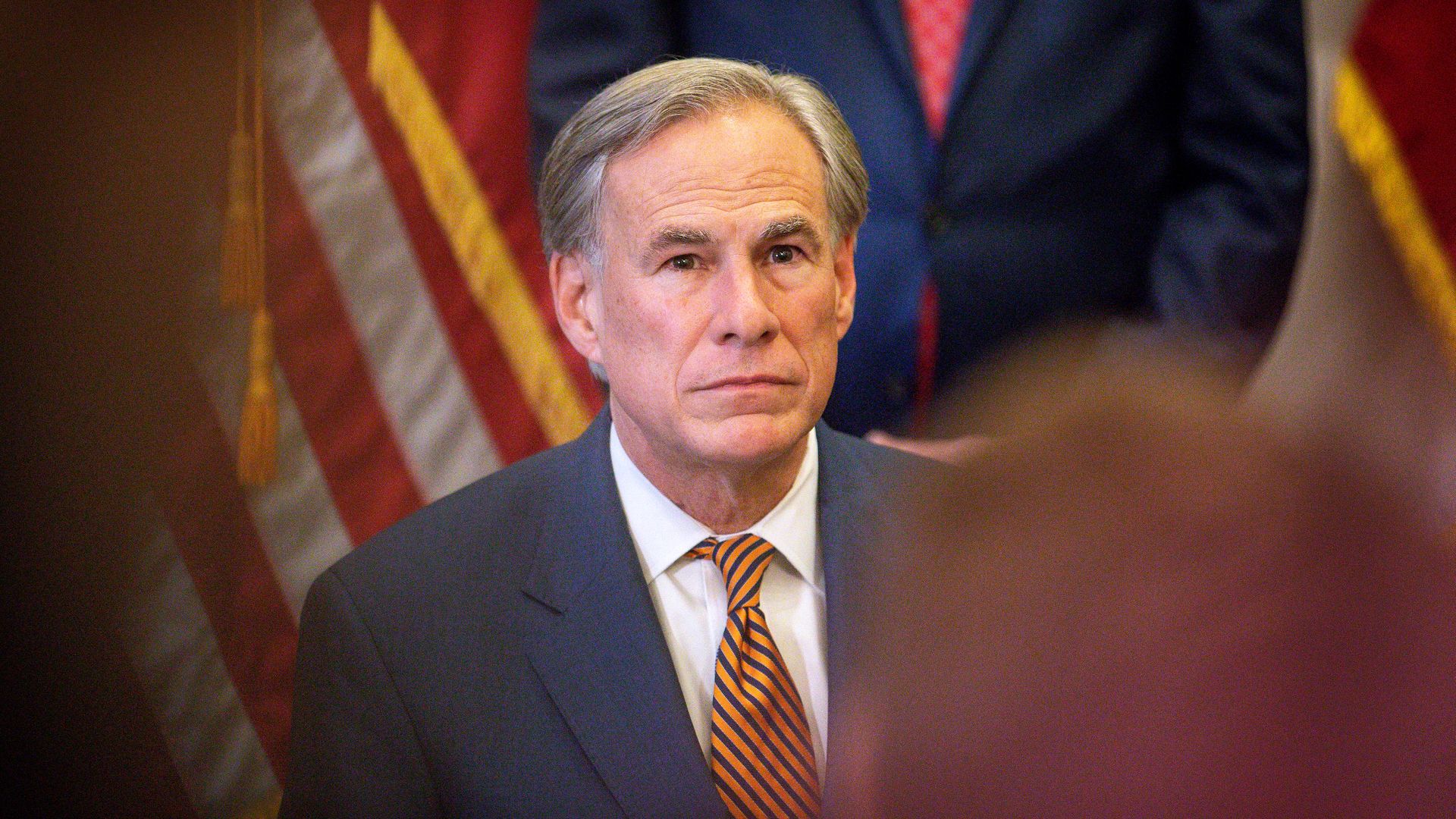
Texas Gov. Greg Abbott (R) vetoed funding for the state's legislature on Friday as he promised to do earlier in June after state Democrats staged a walkout to protest and block a GOP-back voting reform bill.
Why it matters: Funding is no longer lined up for the entire state legislature — including the paychecks of state lawmakers and their staff members and the budgets of legislative agencies — though it is unclear if the unprecedented veto is constitutional, according to the Texas Tribune.
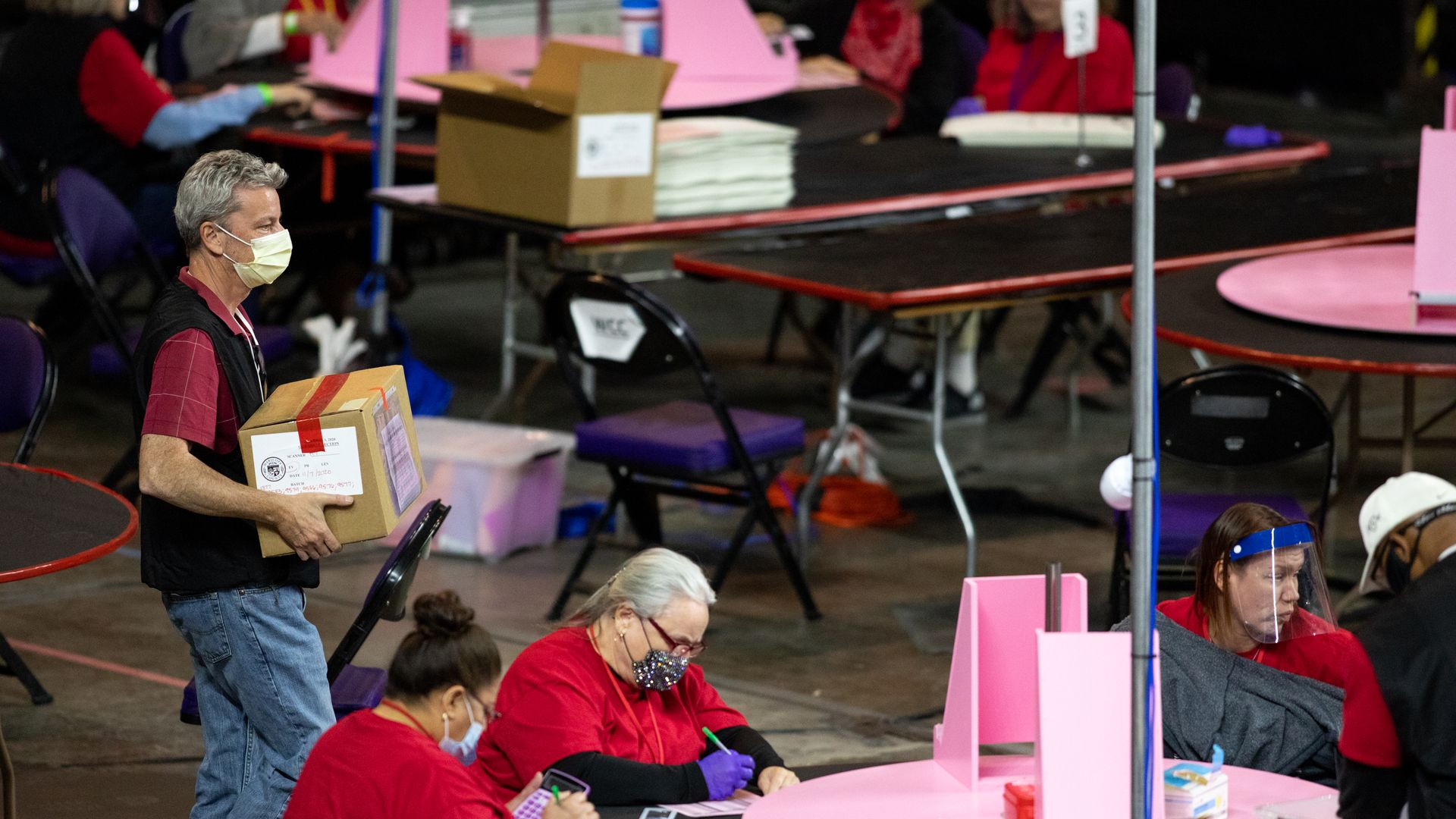
Republican-held state legislatures have passed bills that give lawmakers more power over the vote by stripping secretaries of state of their power, asserting control over election boards and creating easier methods to overturn election results, according to the New York Times.
Why it matters: The bills, triggered by baseless claims of widespread fraud in the 2020 election, threaten to politicize traditionally non-partisanelection functions by giving Republicans more control over election systems.
House Minority Leader Kevin McCarthy (R-Calif.) was asked Friday about the possibility of Trump becoming Speaker of the House if Republicans win control of the chamber in the 2022 midterms.
What he's saying: "You know, I've talked to President Trump many times, he tells me he wants to be speaker, and I think he should be president," McCarthy told Fox News. A spokesperson for McCarthy later clarified that he meant to say that Trump has told him McCarthy should be Speaker, not the former president.
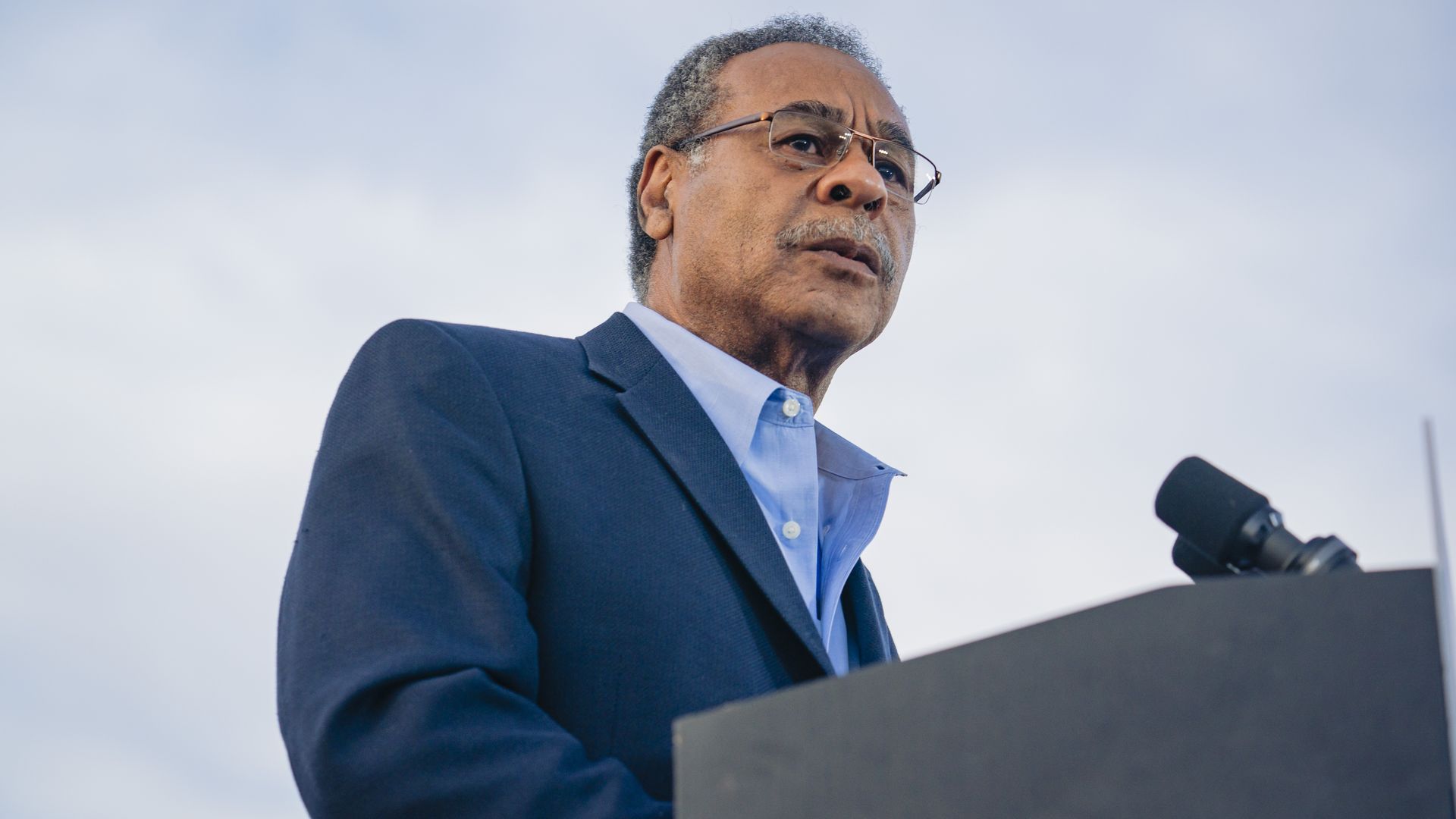
A man pleaded guilty this week to charges he had threatened to lynch a Black congressman after the Jan. 6 insurrection and a Jewish congressman in 2019, according to court records.
The state of play: Kenneth Hubert, who was arrested in March, pleaded guilty to two charges of threatening to assault a U.S. government official, in this case, Democratic Reps. Emanuel Cleaver of Missouri and Steve Cohen of Tennessee. Each charge carries a maximum penalty of six years.
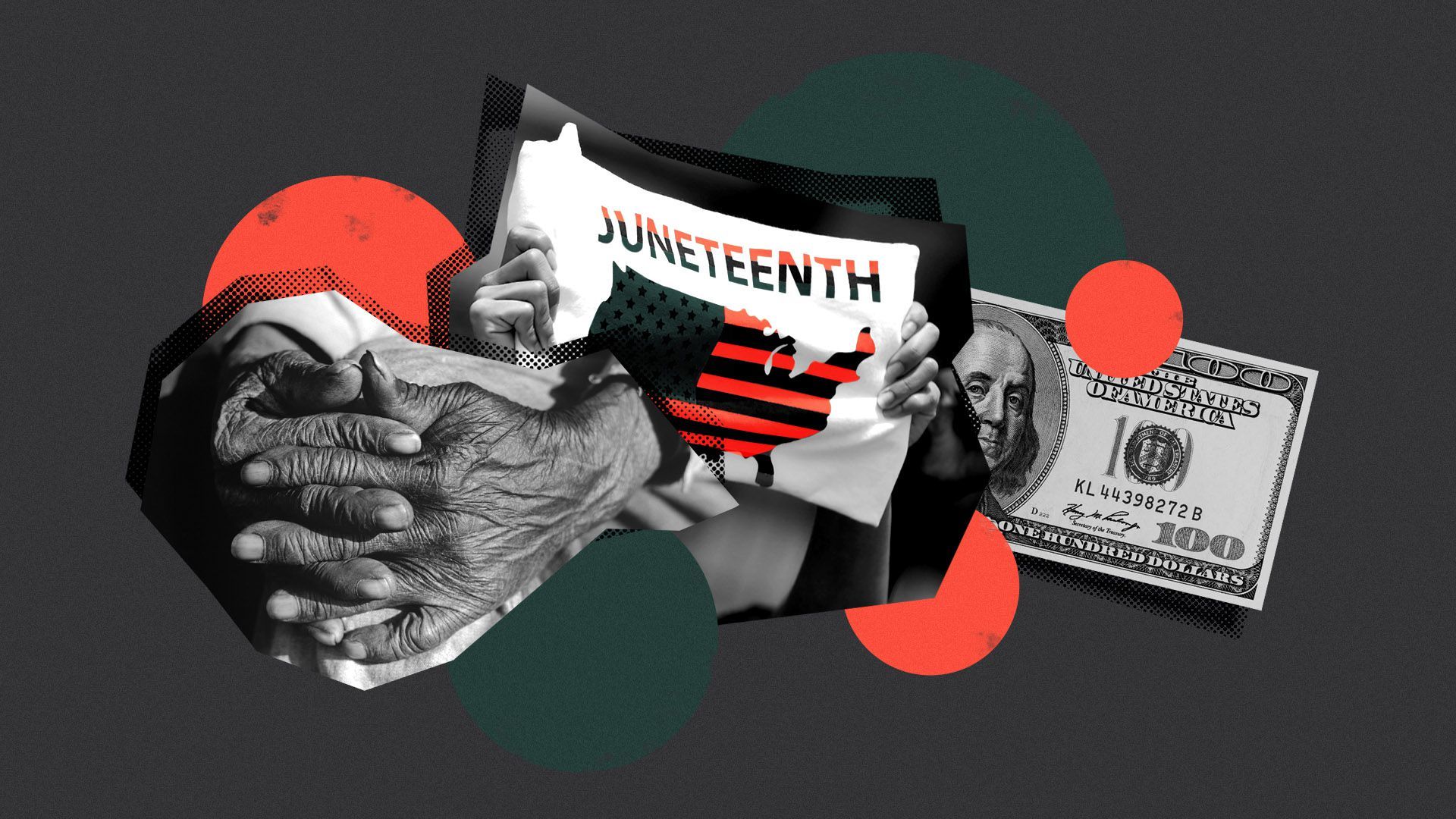
Juneteenth, a once-obscure commemoration of emancipation of enslaved people in Texas, has transformed into an annual reminder about how slavery robbed Black Americans of generational wealth.
Why it matters: That lack of generational wealth still denies Black families the economic security that many white families take for granted.
A Colorado baker violated the state's discrimination laws by refusing to bake a birthday cake for a trans woman because of religious beliefs, a Denver district court has found.
The intrigue: The Christian baker was the plaintiff in the 2018 Supreme Court case that held the Colorado Civil Rights Commission showed hostility toward the baker because he refused to bake a wedding cake for a gay couple.