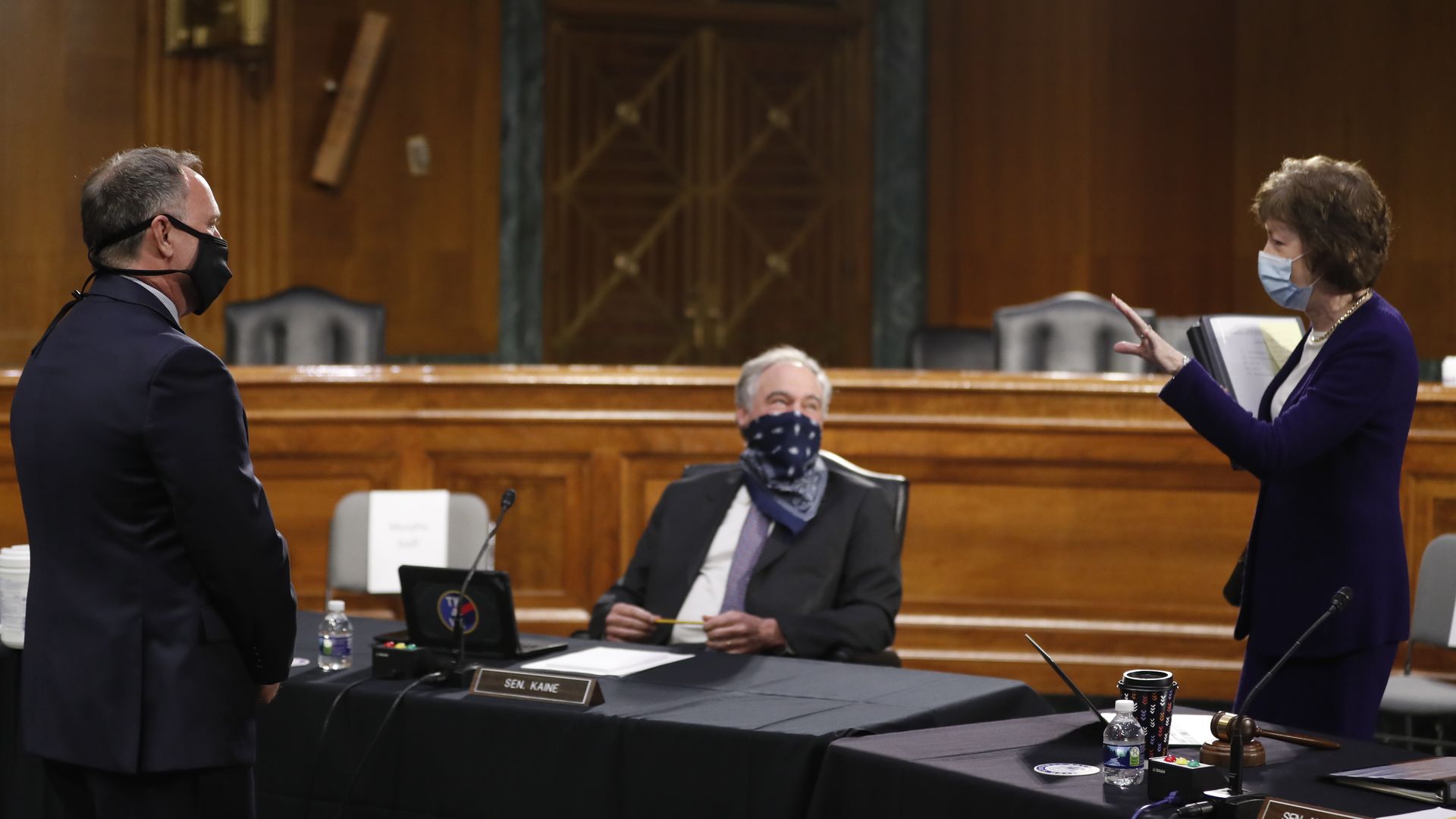
Sens. Tim Kaine (D-Va.) and Susan Collins (R-Maine) are forging ahead with a draft proposal to censure former President Trump, and are considering introducing the resolution on the Senate floor next week.
Why it matters: Senators are looking for a way to condemn Trump on the record as it becomes increasingly unlikely Democrats will obtain the 17 Republican votes needed to gain a conviction, Axios Alayna Treene writes. "I think it’s important for the Senate's leadership to understand that there are alternatives," Kaine told CNN on Wednesday.
Roughly 60% of U.S. mayors acknowledge police violence is a "problem in their communities," but 80% believe their police departments "do a good job" attracting "well-suited" officers, according to results of the 2020 Menino Survey of Mayors published Wednesday.
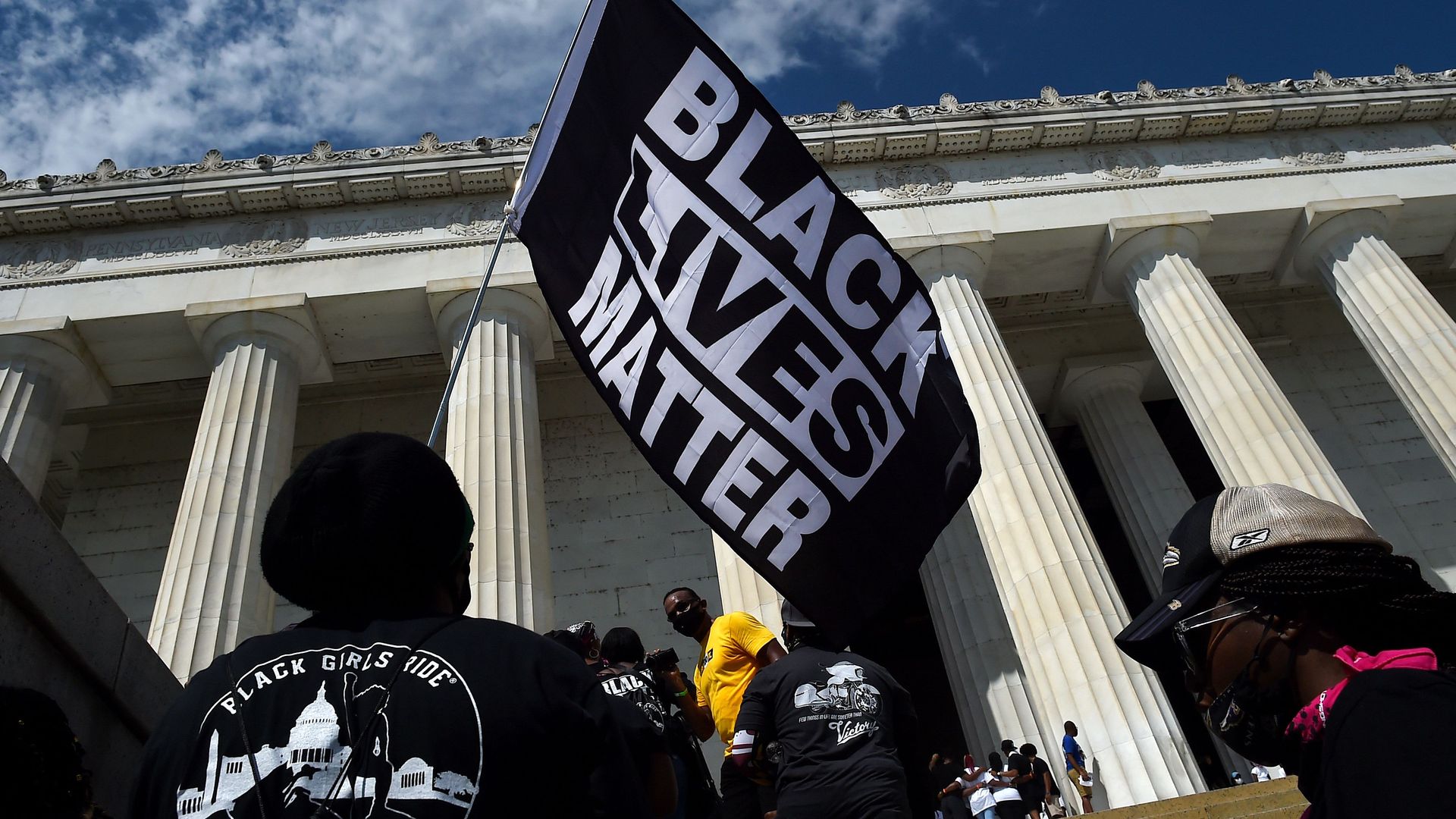
Why it matters: Protests against police brutality have swept the nation since last May, when white Minneapolis police officer Derek Chauvin killed George Floyd, a Black man, after kneeling on his neck for eight minutes and 46 seconds. The Black Lives Matter movement has since escalated calls to defund the police.
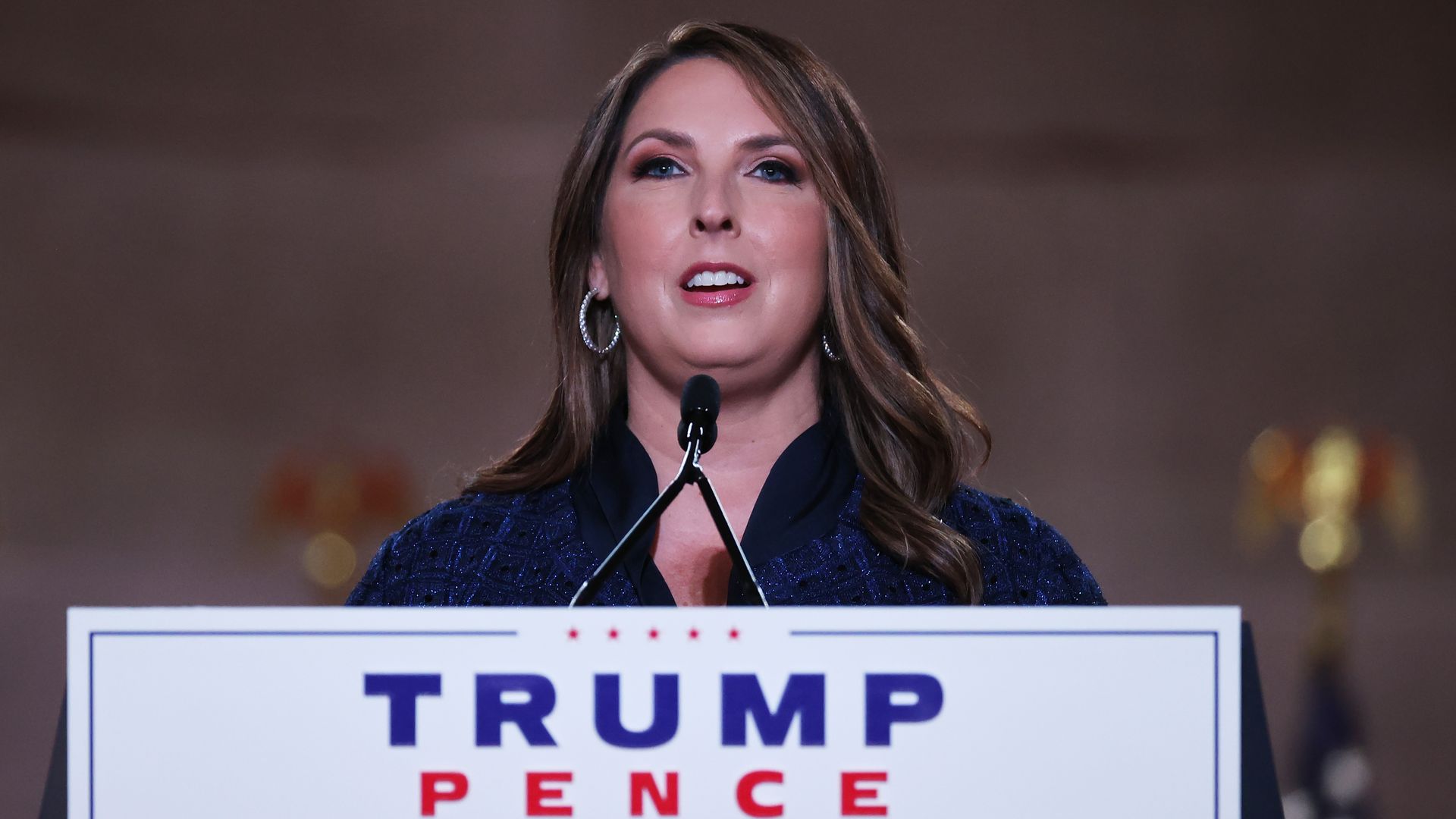
Republican National Committee chairwoman Ronna McDaniel told the AP on Wednesday that if former President Trump runs again in 2024, the GOP will remain "neutral" during the primary season.
Why it matters: McDaniel has been staunchly supportive of the former president, who endorsed her to keep running the RNC. She now must focus on regaining majorities in Congress, especially as the Republican party reckons with what the GOP looks like after Trump, even as he remains hugely popular with his base.
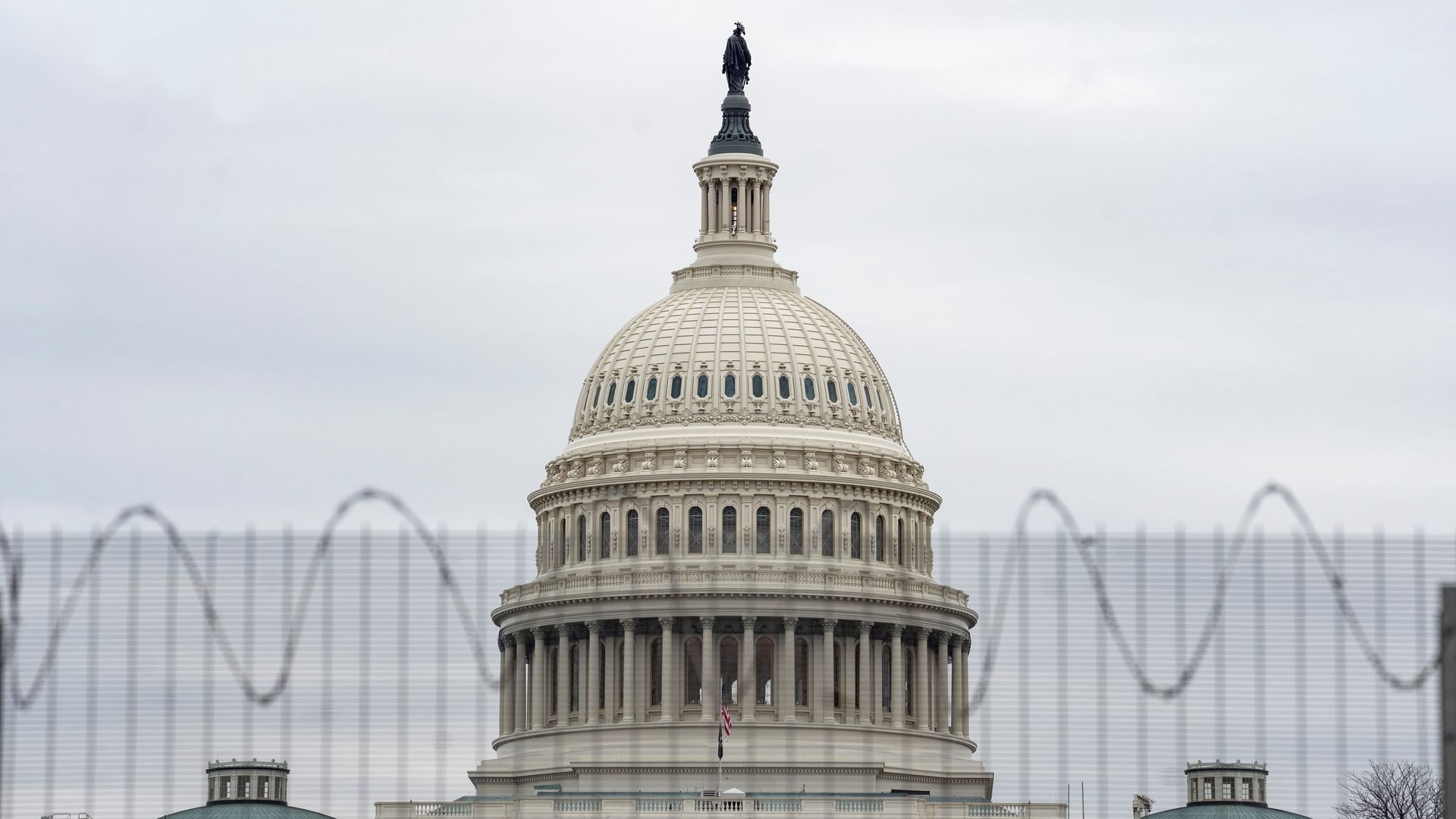
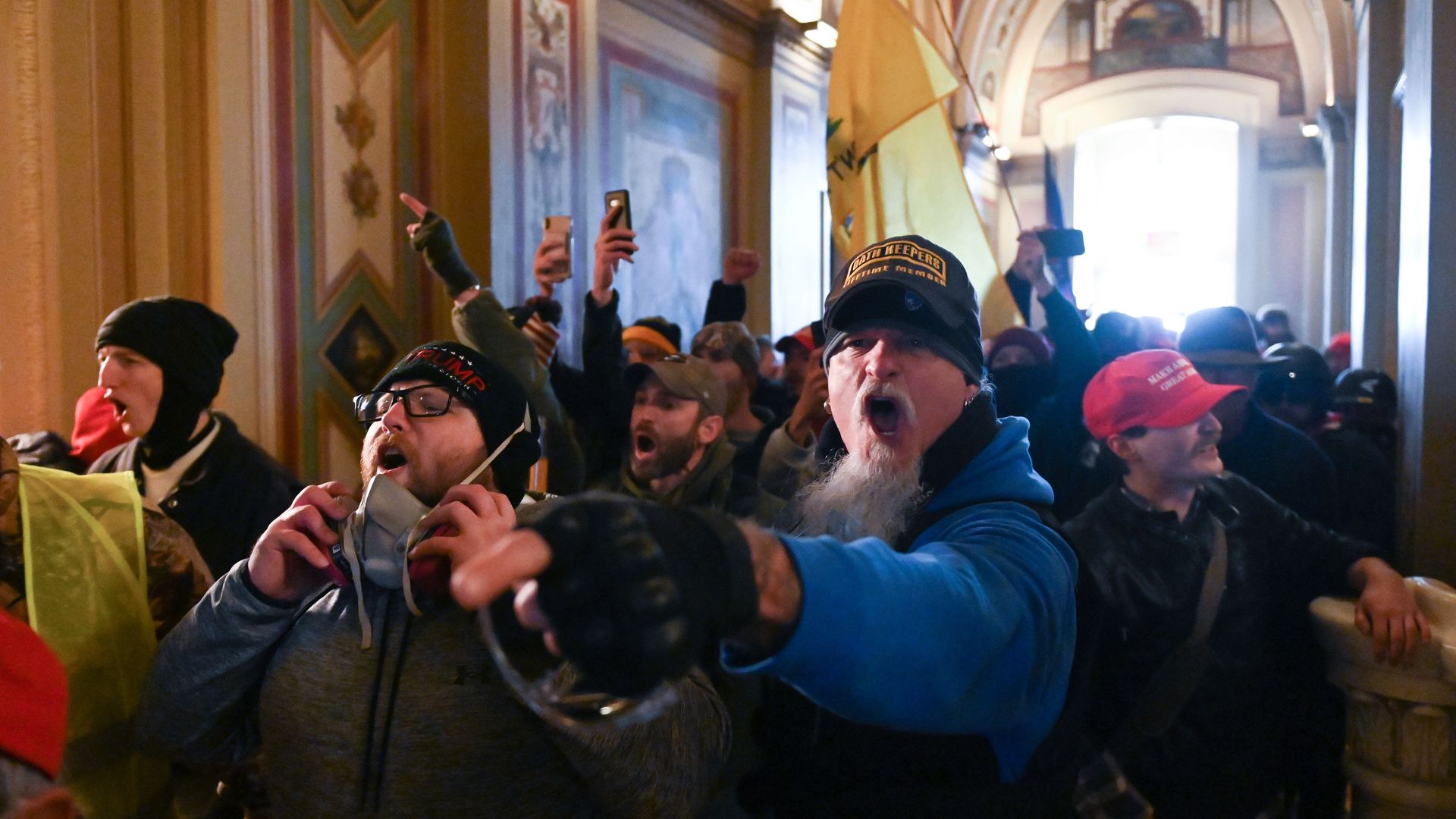
The U.S. Capitol Police department's failure to act on intelligence indicting possible violence on Jan. 6 "betrayed" the force's mission and was "inexcusable," the USCP union said in a statement on Wednesday.
Driving the news: Acting USCP chief Yogananda Pittman told Congress on Tuesday that the department "failed to meet its own high standards" during the Capitol riots on Jan. 6, referring to the event as a "terrorist attack," and said they did not take the necessary steps to address the "strong potential for violence."
The Department of Homeland Security on Wednesday issued an advisory warning of a "heightened threat environment" in the U.S. because of "ideologically-motivated violent extremists."
Why it matters: DHS believes the threat of violence will persist for "weeks" following President Biden's inauguration. The extremists include those who opposed the presidential transition, people spurred by "grievances fueled by false narratives" and "anger over COVID-19 restrictions ... and police use of force[.]"
The U.S. Office of Special Counsel alerted the White House and Congress on Wednesday of an investigation that found the Department of Health and Human Services misused millions of dollars that were budgeted for vaccine research and public health emergencies for Ebola, Zika and now the COVID-19 pandemic.
Why it matters: The more than 200-page investigation corroborated claims from a whistleblower, showing the agency's violation of the Purpose Statute spanned both the Obama and Trump administrations and paid for unrelated projects like salaries, news subscriptions and the removal of office furniture.
President Biden's special climate envoy John Kerry said Wednesday that the U.S. must deal with China on climate change as a "critical standalone issue," but stressed that confronting Beijing's human rights and trade abuses "will never be traded" for climate cooperation.
Why it matters: The last few years have brought about a bipartisan consensus on the threat posed by China. But as the largest emitter of greenhouse gases, China will be a vital player if the world is going to come close to reining in emissions on the scale needed to meet the Paris Agreement goals of limiting warming to 2°C above pre-industrial levels.
The Biden White House is deploying top officials to get a wide ideological spectrum of lawmakers, governors and mayors on board with the president’s $1.9 trillion COVID relief proposal, according to people familiar with the matter.
Why it matters: The broad, choreographed effort shows just how crucially Biden views the stimulus to the nation's recovery and his own political success.
The new king of SPACs has his eyes on a different title: Governor of California.
Driving the news: Chamath Palihapitiya is very seriously considering a run for gov, if incumbent Gov. Gavin Newsom succumbs to a burgeoning recall effort.
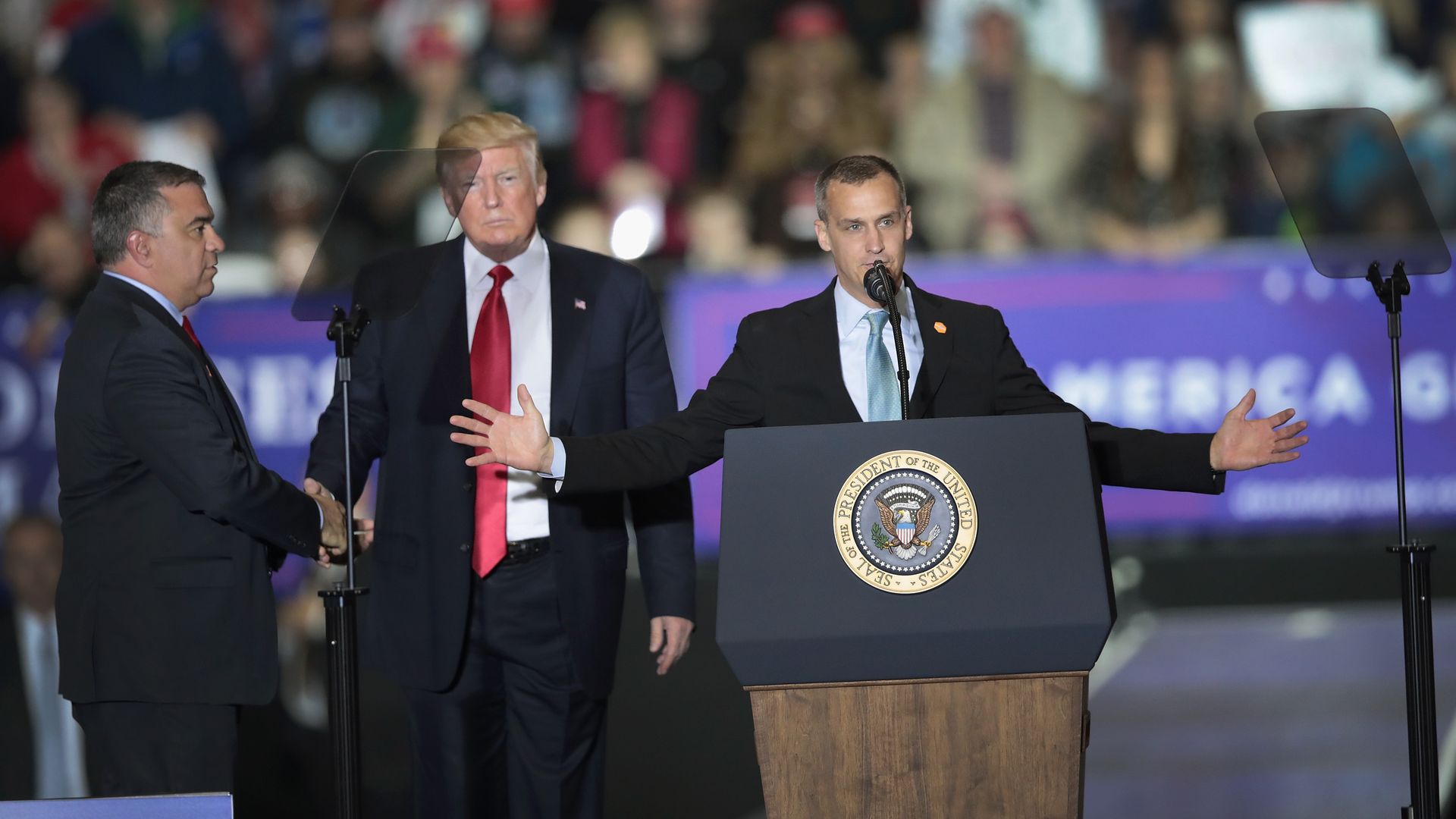
A new political group founded by former Trump aide Corey Lewandowski is raising money to run a candidate against the third-ranking Republican in the House, Rep. Liz Cheney.
Why it matters: Cheney's vote to impeach Trump this month enraged his most committed supporters. Lewandowski's group appears to be the first national GOP organization to target Wyoming's lone House representative.
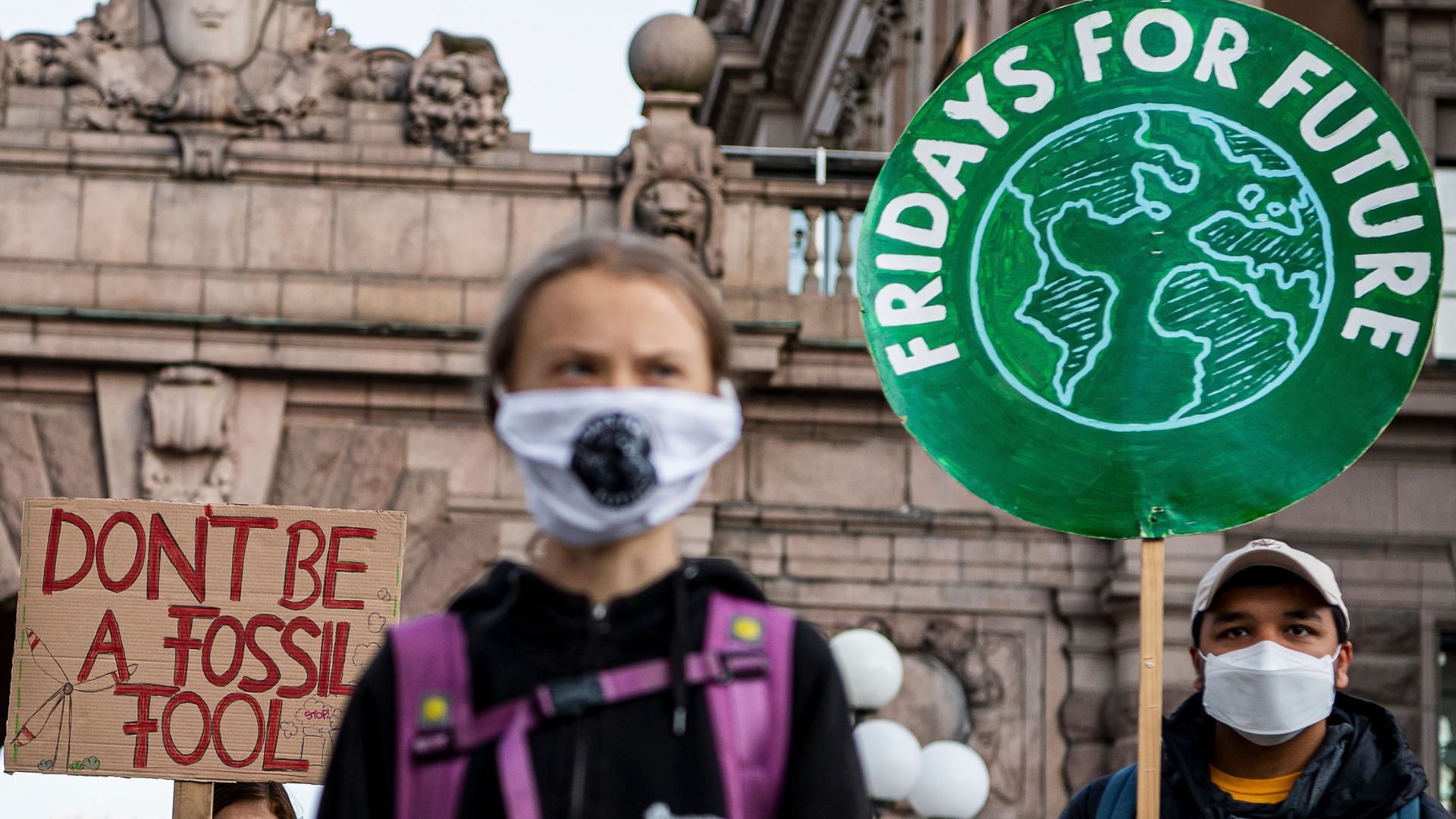
President Biden will signnew executive actions today that provide the clearest signs yet of his climate plans — elevating the issue to a national security priority and kicking off an intense battle with the oil industry.
Driving the news: One move will freeze issuance of new oil-and-gas leases on public lands and waters "to the extent possible," per a White House summary.
The next generation of college-educated Americans thinks social media companies have too much power and influence on politics and need more government regulation, according to a new survey by Generation Lab for Axios.
Why it matters: The findings follow an election dominated by rampant disinformation about voting fraud on social media; companies' fraught efforts to stifle purveyors of disinformation including former President Trump; and a deadly Jan. 6 insurrection over the election organized largely online.
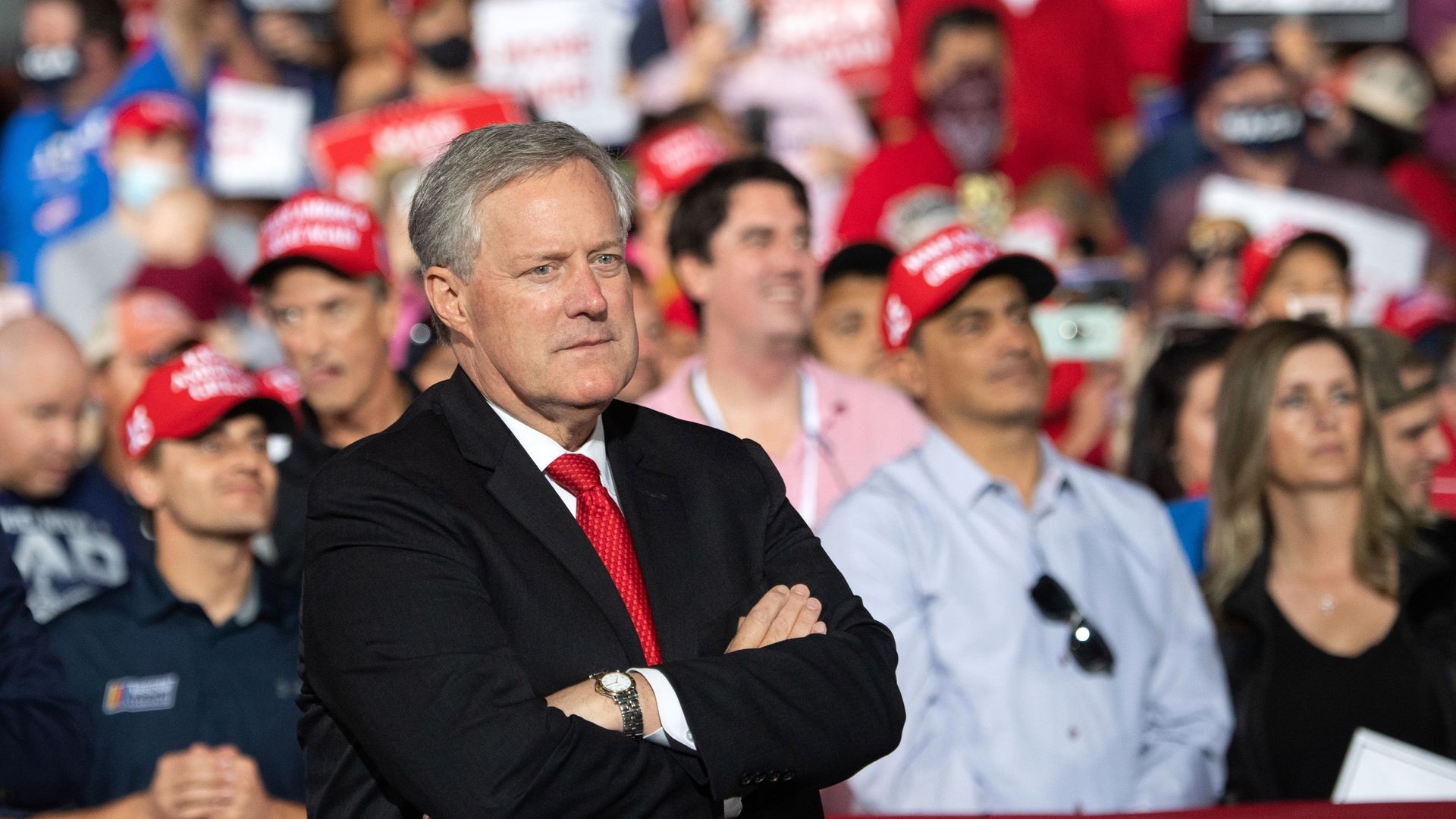
Former White House chief of staff Mark Meadows is joining the Conservative Partnership Institute, a group run by former South Carolina Sen. Jim DeMint that operates as a "networking hub" for conservatives, sources familiar with his plans tell Axios.
Between the lines: Meadows, who is still in frequent contact with former President Trump and has been advising him ahead of his impeachment trial, will now operate behind the scenes to help create more members like Jim Jordan, Ted Cruz, and Josh Hawley — conservative firebrands with strong networks and staffs.
64% of people from around the world say climate change is a global emergency, a UN poll published Wednesday finds.
Why it matters: It's the biggest global survey on climate change ever conducted, with some 1.2 million participants from 50 countries — including the U.S., where 65% of those surveyed view climate change as an emergency.
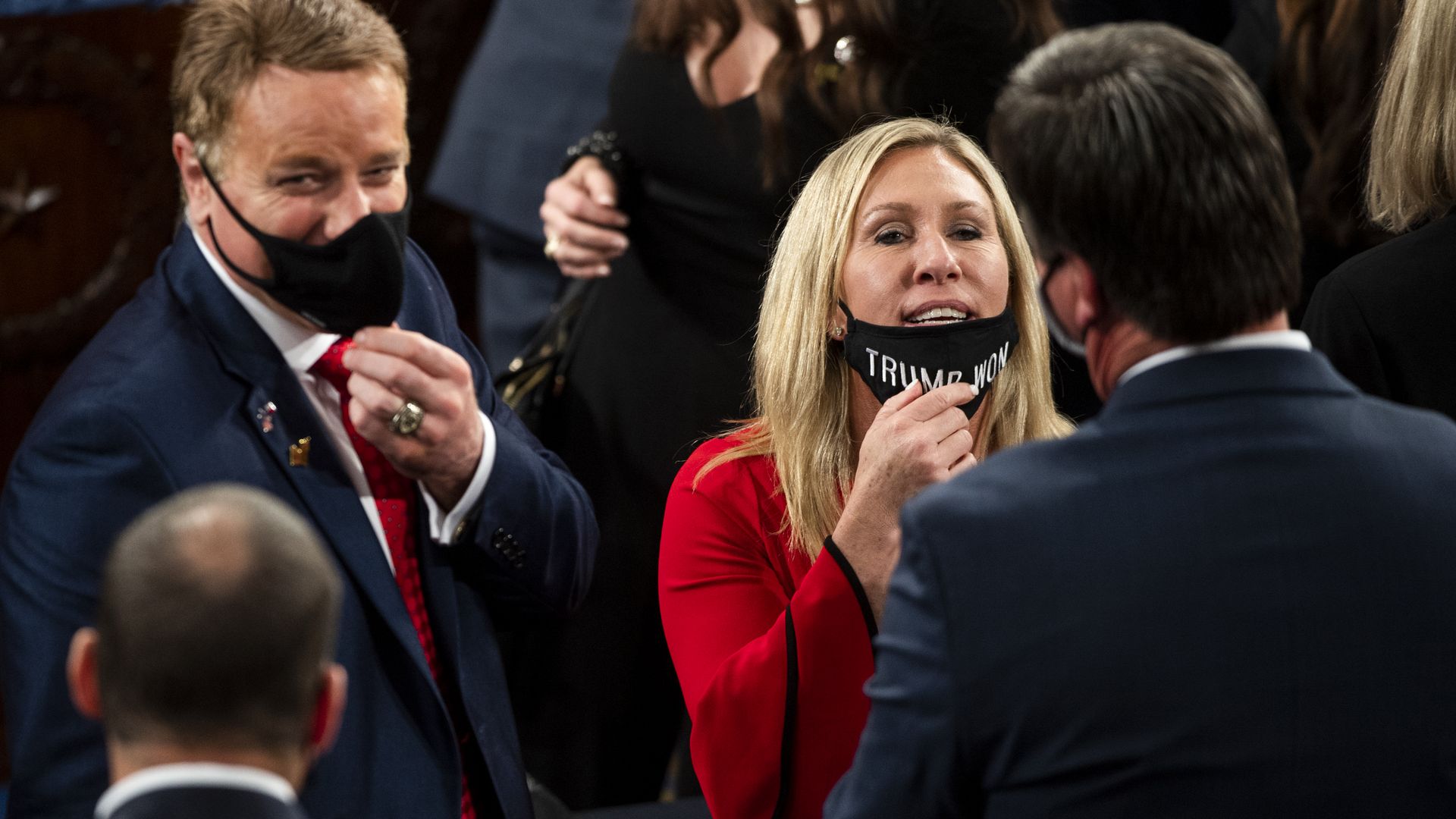
Rep. Marjorie Taylor Greene is setting up a new test for House Republican Leader Kevin McCarthy.
Why it matters: The freshman Republican from Georgia made a series of bizarre and outlandish remarks before her time in Congress that rival former Rep. Steve King's talk of white supremacy.
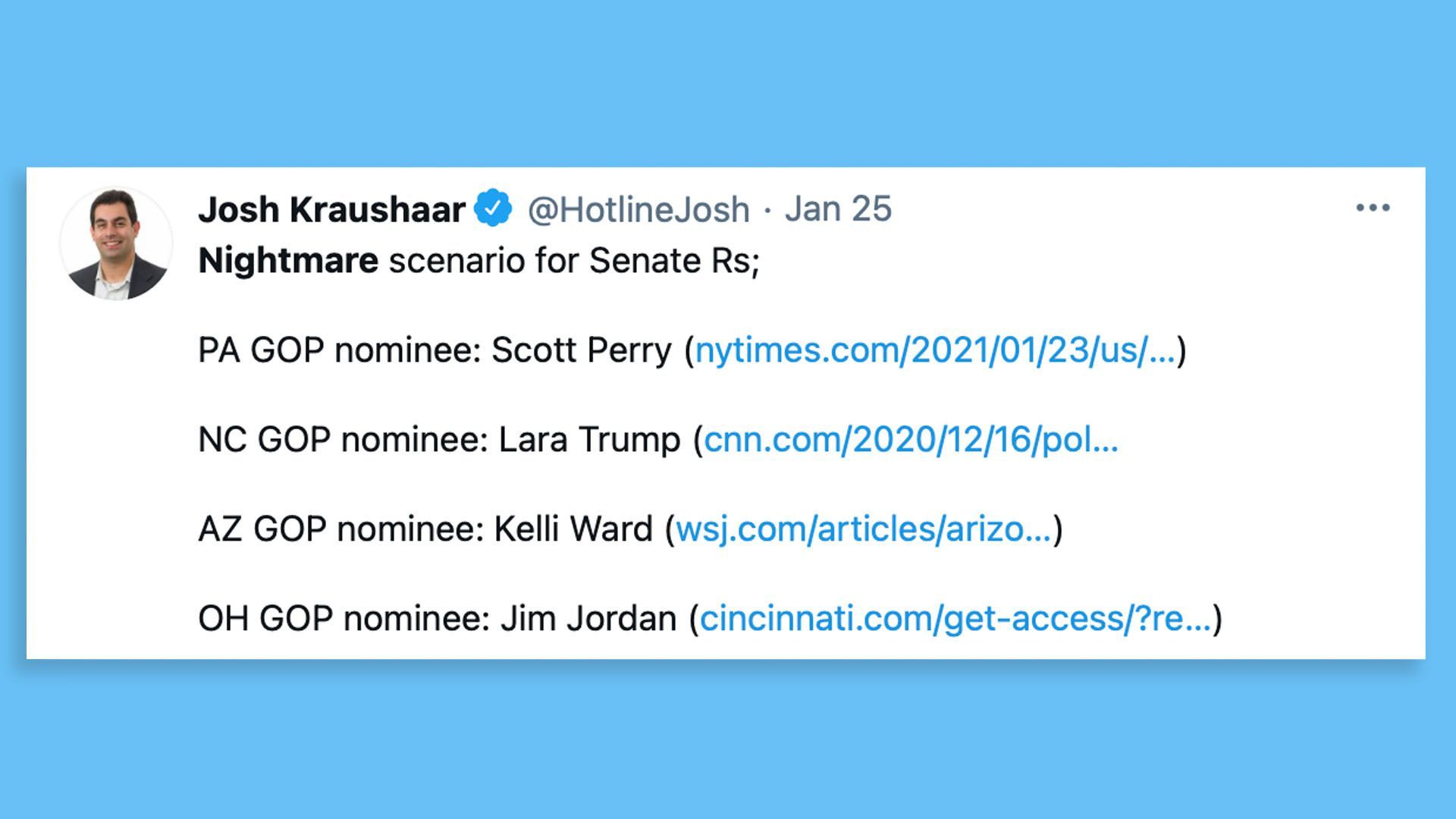
Hat tip to our friend Josh Kraushaar for his smart piece in the National Journal about potential 2022 Senate election scenarios.
What they're saying: "Typically, as the party out of power, Republicans should hold an advantage in a midterm election. But the Republican Party is now bitterly divided between Trumpists and institutionalists, foreshadowing a unique election cycle in which the quality of candidates may end up mattering as much as the overall political environment," Josh wrote.
He then tweeted out his "nightmare" scenario for the GOP, captured above.
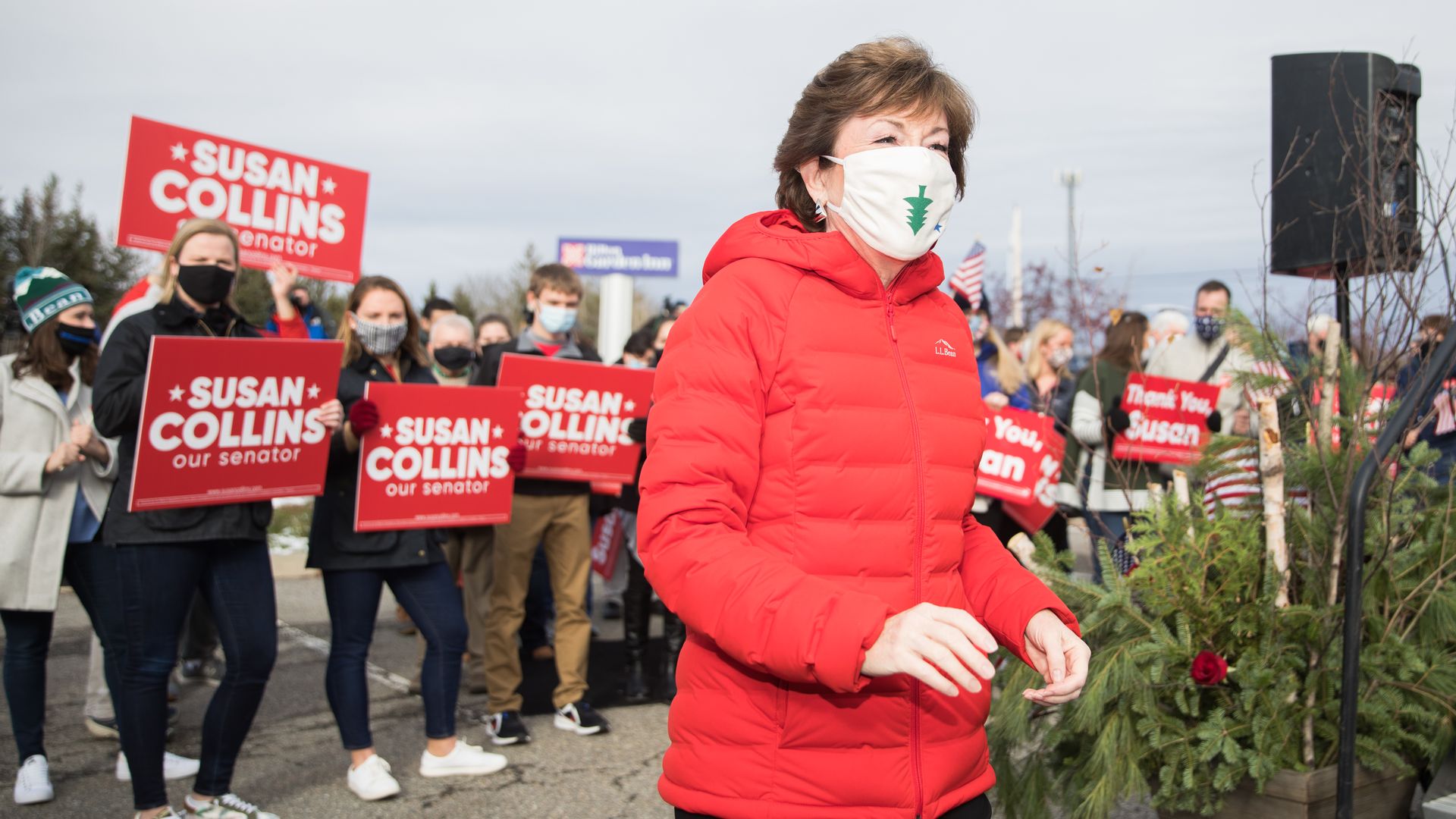
A PAC backing Sen. Susan Collins in her high-stakes reelection campaign received $150,000 from an entity linked to the wife of a defense contractor whose firm Collins helped land a federal contract, new public records show.
Why it matters: The executive, Martin Kao of Honolulu, leaned heavily on his political connections to boost his business, federal prosecutors say in an ongoing criminal case against him. The donation linked to Kao was veiled until last week.
Some Democrats are looking to a political outsider described as the "Dr. Fauci of Ohio" to replace Rob Portman in the U.S. Senate.
Why it matters: Amy Acton, former director of the Ohio Department of Health, gained a grassroots following last year when she briefed Ohioans about the state of the coronavirus. Her celebrity could help in a Republican state, and against potential GOP rivals such as Rep. Jim Jordan.
Companies pulling back on political donations, particularly to members of Congress who voted against certifying President Biden's election win, could inadvertently push Republicans to embrace their party's rightward fringe.
Why it matters: Scores of corporate PACs have paused, scaled back or entirely abandoned their political giving programs. While designed to distance those companies from events that coincided with this month's deadly siege on the U.S. Capitol, research suggests the moves could actually empower the far-right.
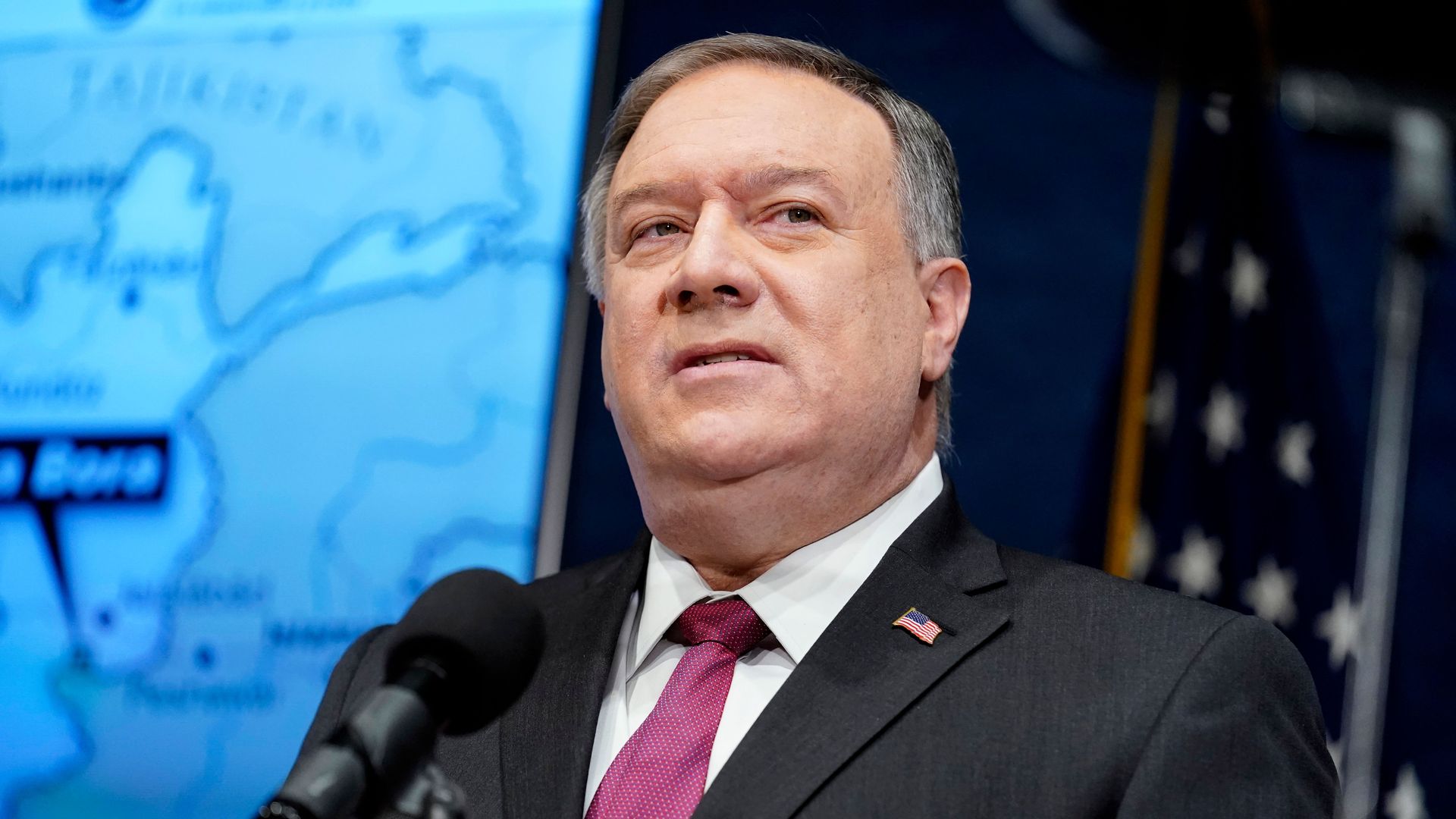
Former Secretary of State Mike Pompeo will join the Hudson Institute, giving him a platform to stay active in policy discussions and potentially run for president in 2024.
Why it matters: By aligning himself with the conservative think tank, Pompeo will keep close to the debates — and donors — that matter to the Republican Party.
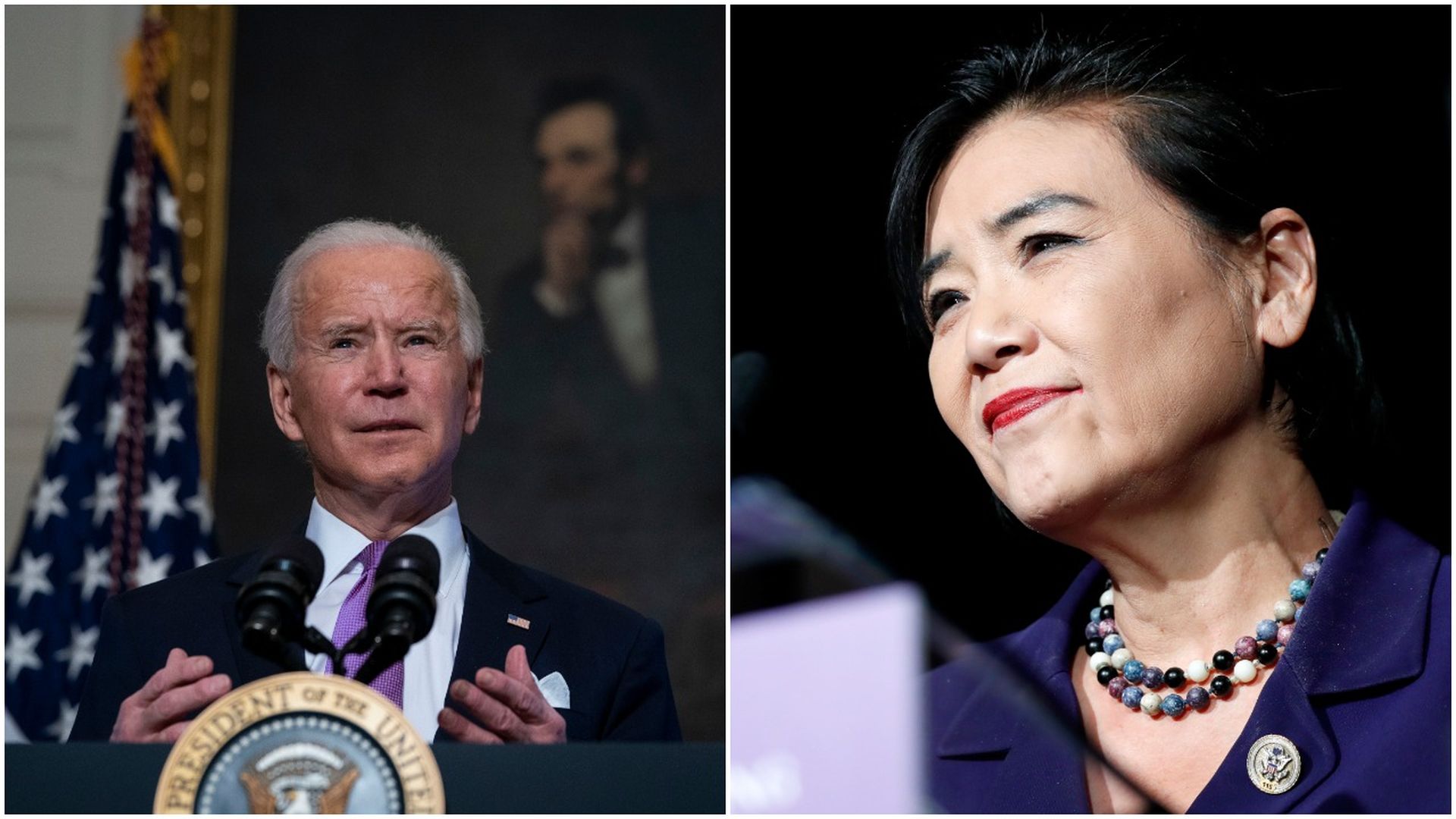
Asian American Pacific Islander (AAPI) lawmakers, community organizers and advocacy groups commended President Biden's Tuesday order directing an examination of anti-Asian bias and discrimination, but pushed the administration to commit to stronger action.
Why it matters: Anti-Asian hate crimes have surged since the pandemic began, reaching more than 2,500 in August according to Stop AAPI Hate, an initiative that tracks anti-AAPI racism.