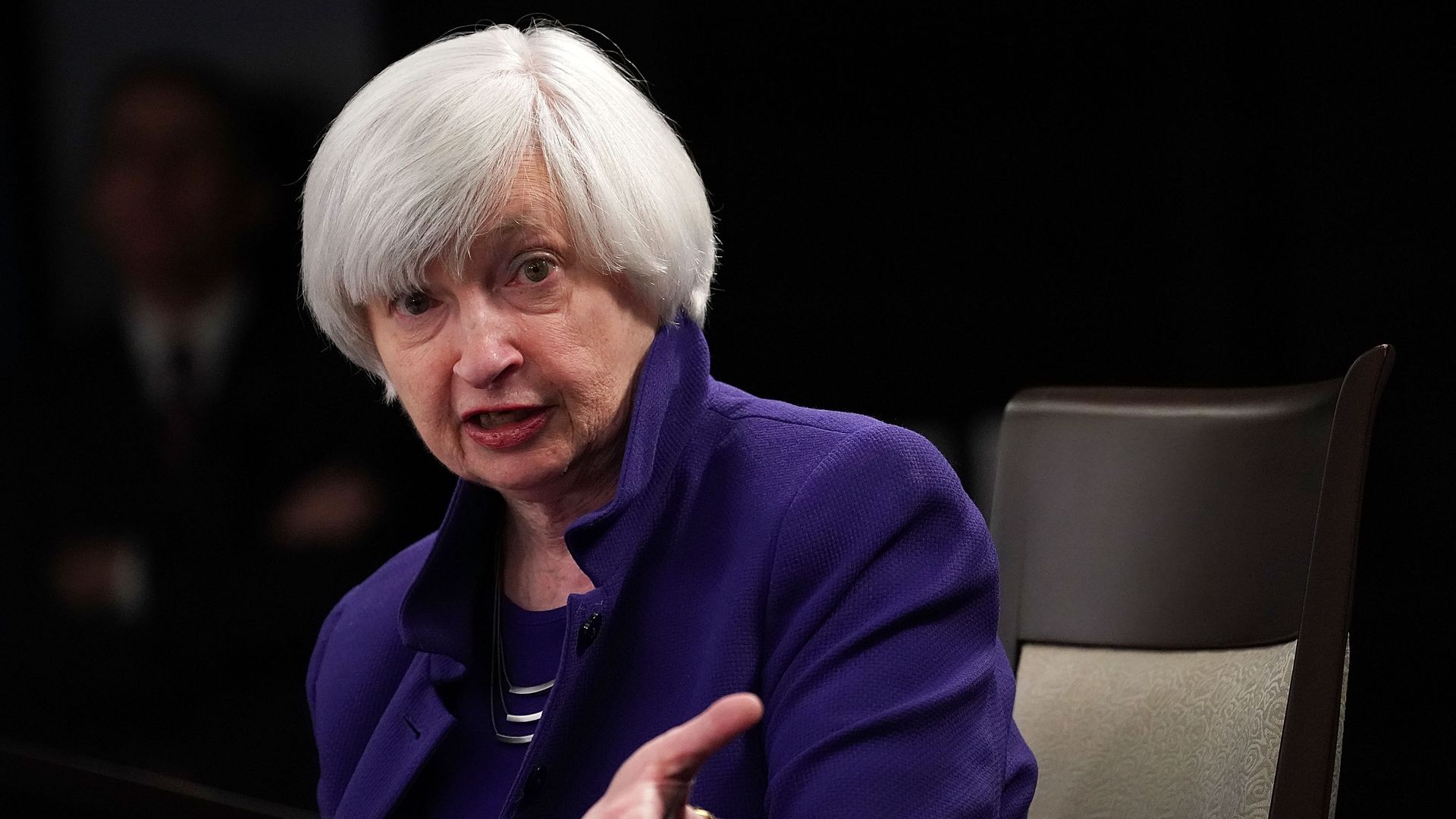
The Senate voted 84-15 to confirm Janet Yellen as Treasury secretary on Monday.
Why it matters: Yellen is the first woman to serve as Treasury secretary, a Cabinet position that will be crucial in helping steer the country out of the pandemic-induced economic crisis.
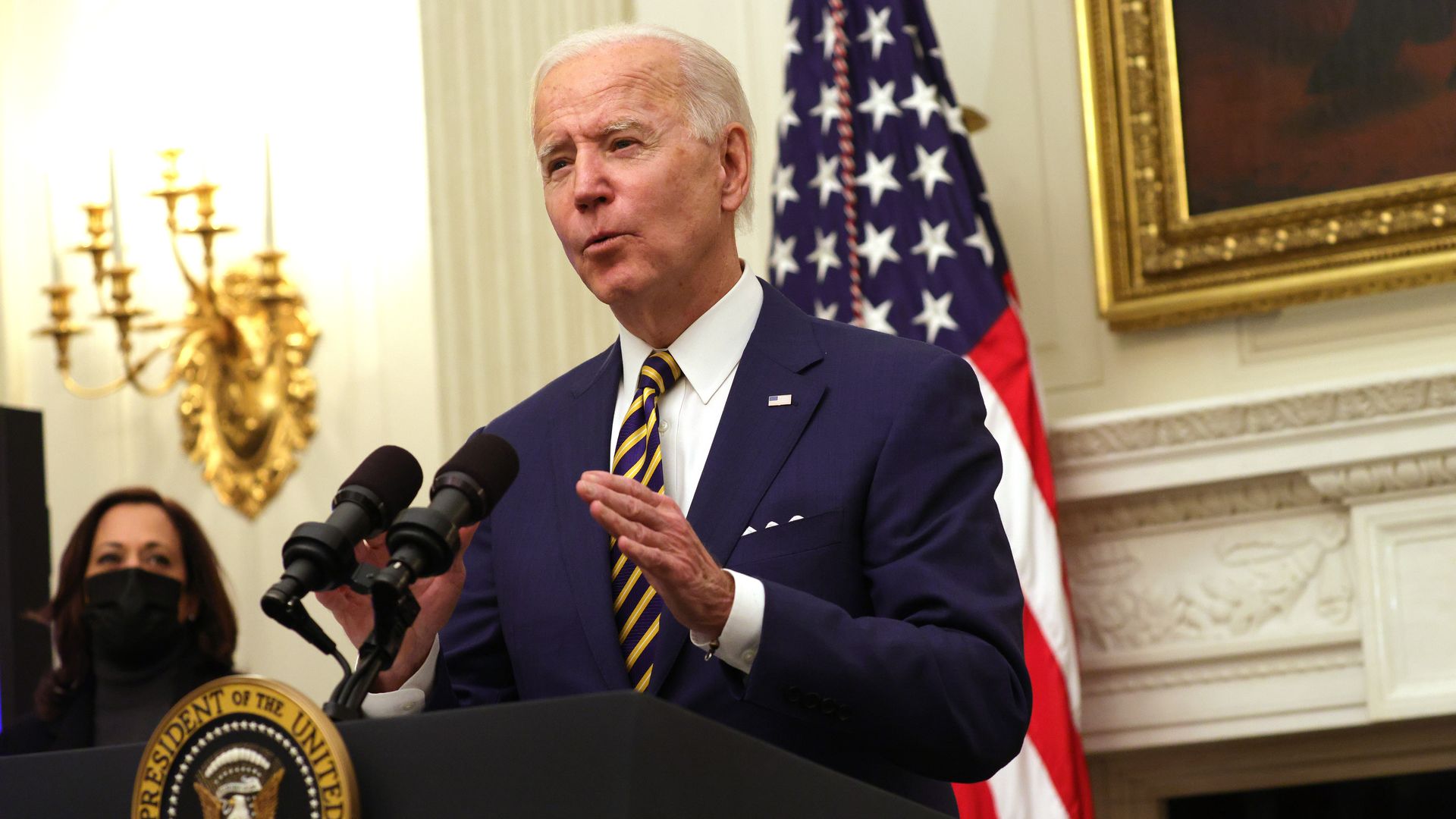
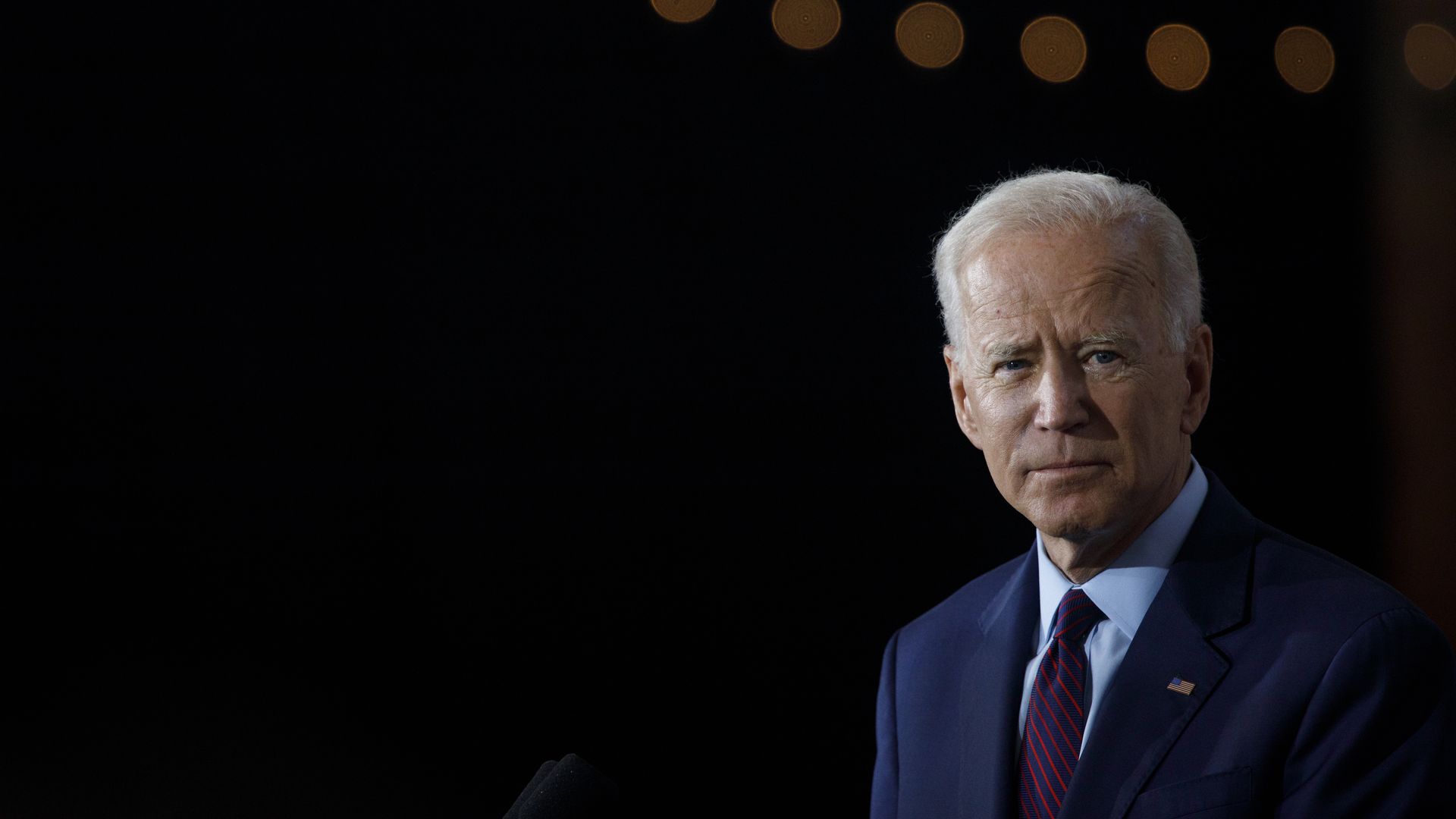
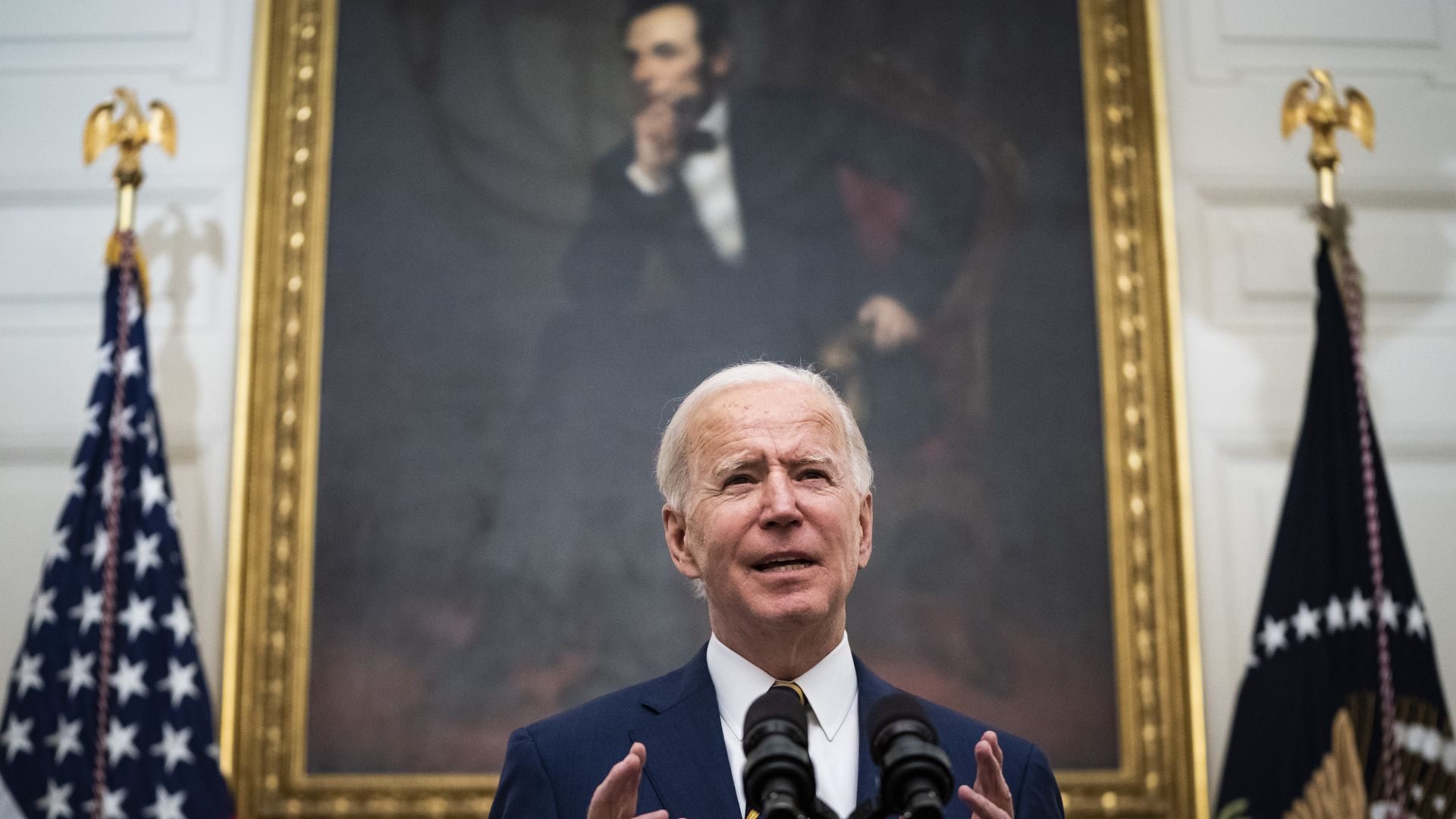
President Biden said on Monday that he believes America will be on track for 1 million vaccinations a day within the next three weeks, with the possibility of soon upping that number to 1.5 million vaccinations a day.
Why it matters: The president said on Monday that he thinks any American who wants a vaccine can expect to receive one by spring. He added, "I feel confident that by summer we're gonna be well on our way to heading toward herd immunity."
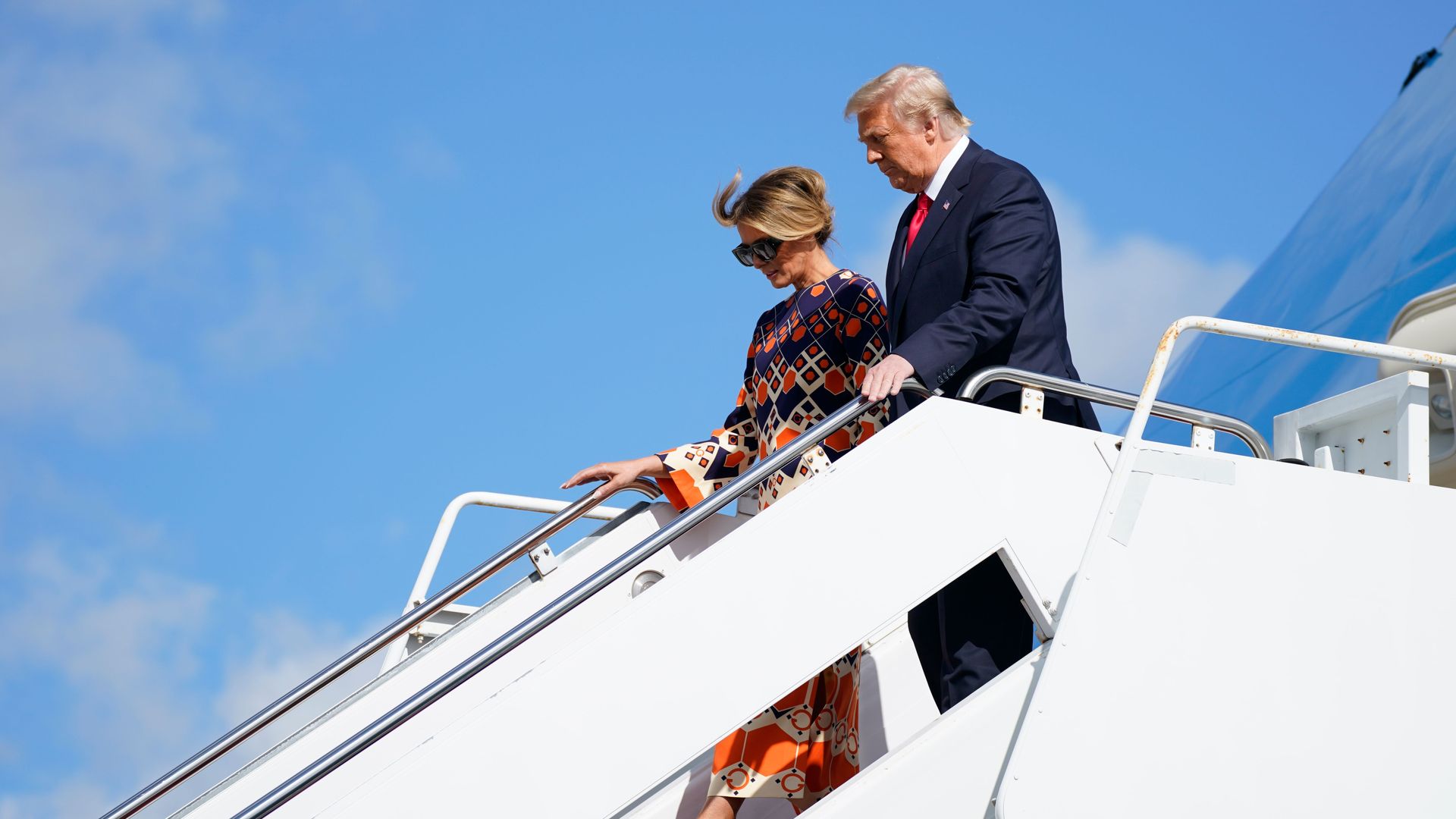
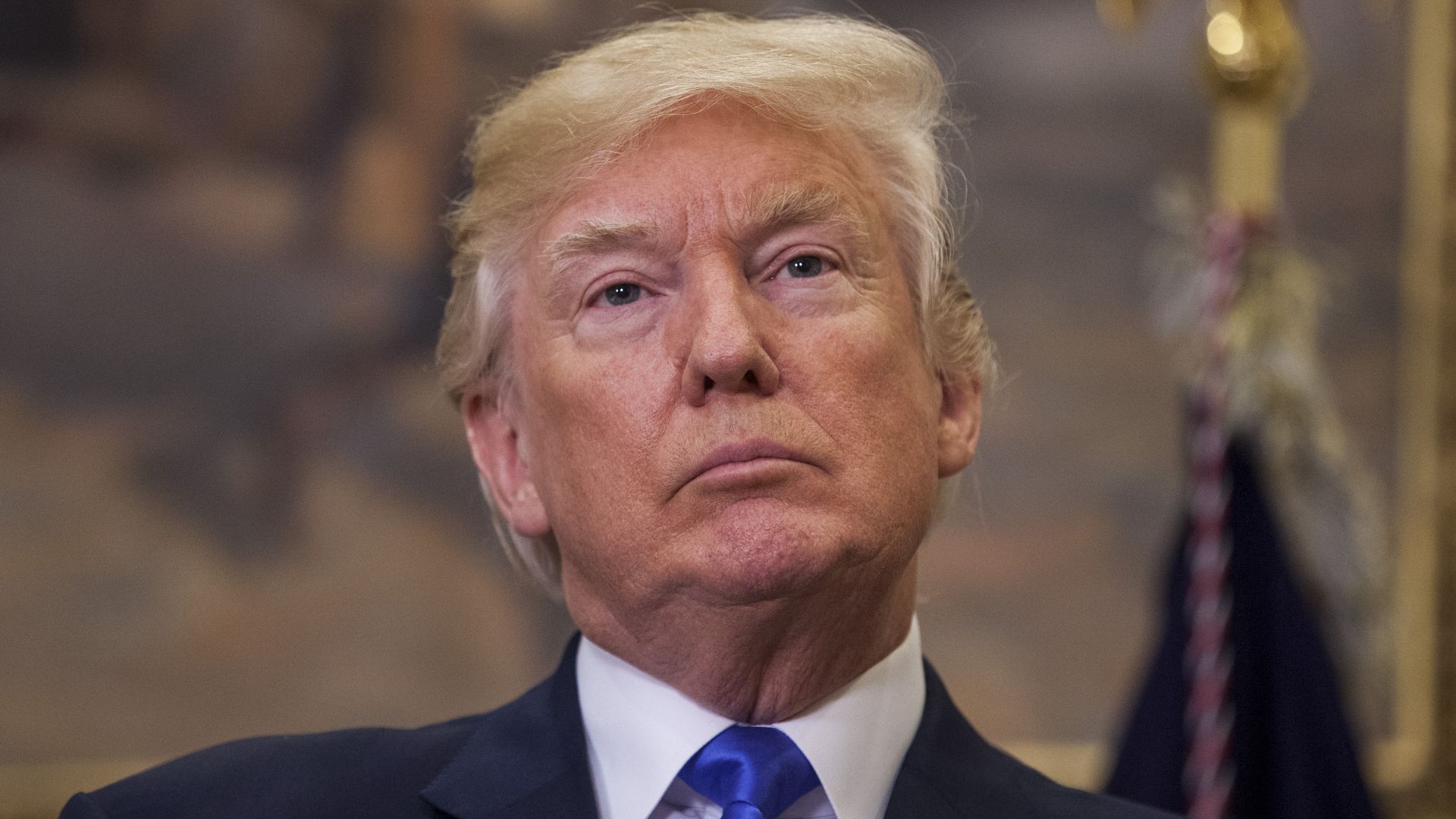
Donald Trump's still-active presidential campaign committee officially disavowed political groups affiliated with the nascent "Patriot Party" on Monday.
Why it matters: Trump briefly floated the possibility of creating a new political party to compete with the GOP — with him at the helm. But others have formed their own "Patriot Party" entities during the past week, and Trump's team wants to make clear it has nothing to do with them.
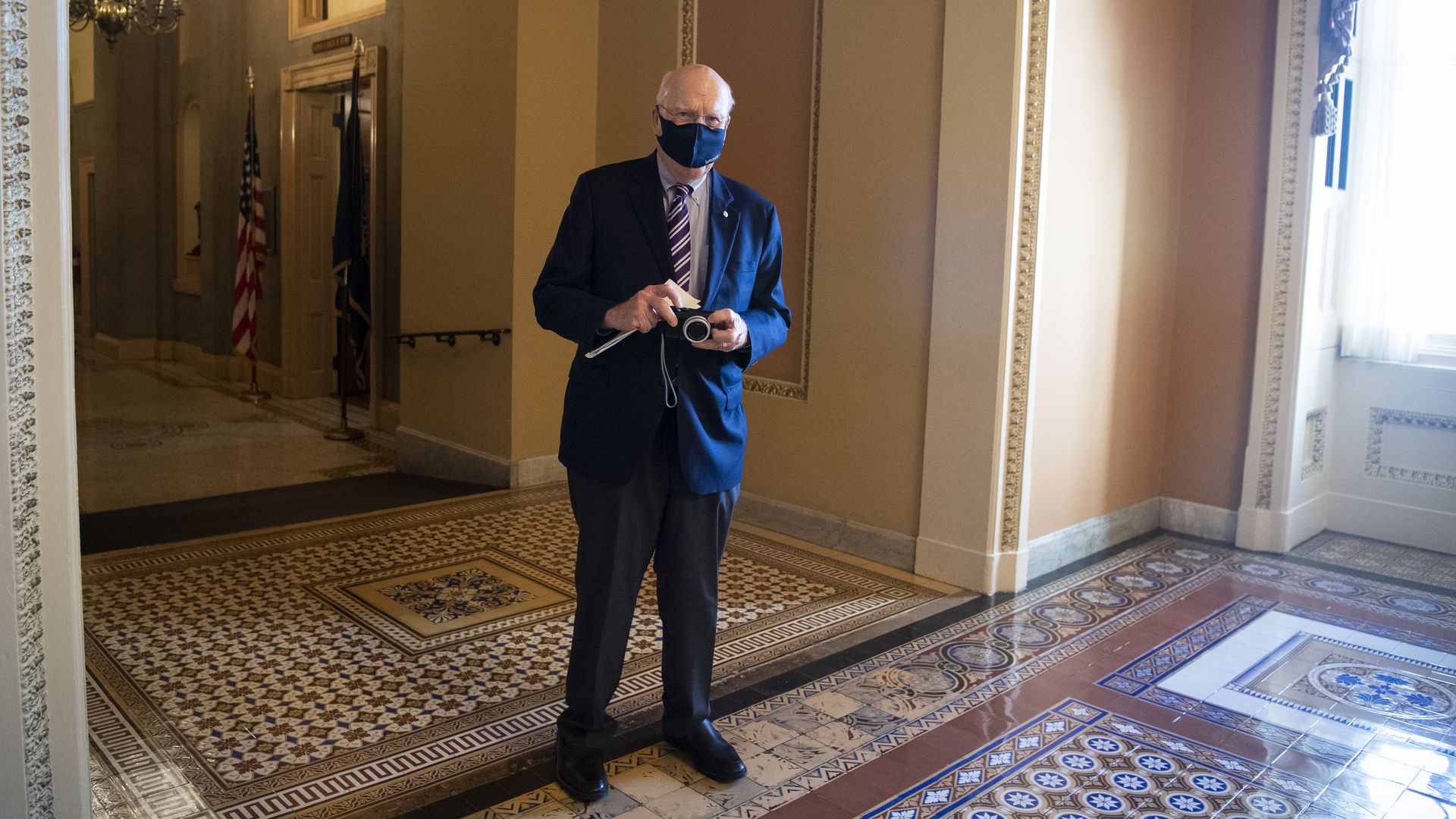
Sen. Patrick Leahy (D-Vt.) is expected to preside over former President Trump's second impeachment trial, a Senate source tells Axios. CNN first reported Leahy's role.
Why it matters: The Constitution requires the chief justice of the Supreme Court to preside over a sitting president's impeachment trial rather than the vice president — who has the title of president of the Senate — to avoid a potential conflict of interest. However, there is no precedent for a former president.
The Justice Department's inspector general will investigate whether any current or former DOJ officials "engaged in an improper attempt to have DOJ seek to alter the outcome" of the 2020 election, the agency announced Monday.
Driving the news: The investigation comes in the wake of a New York Times report that alleged Jeffrey Clark, the head of DOJ's civil division, had plotted with President Trump to oust acting Attorney General Jeffery Rosen in a scheme to overturn the election results in Georgia.
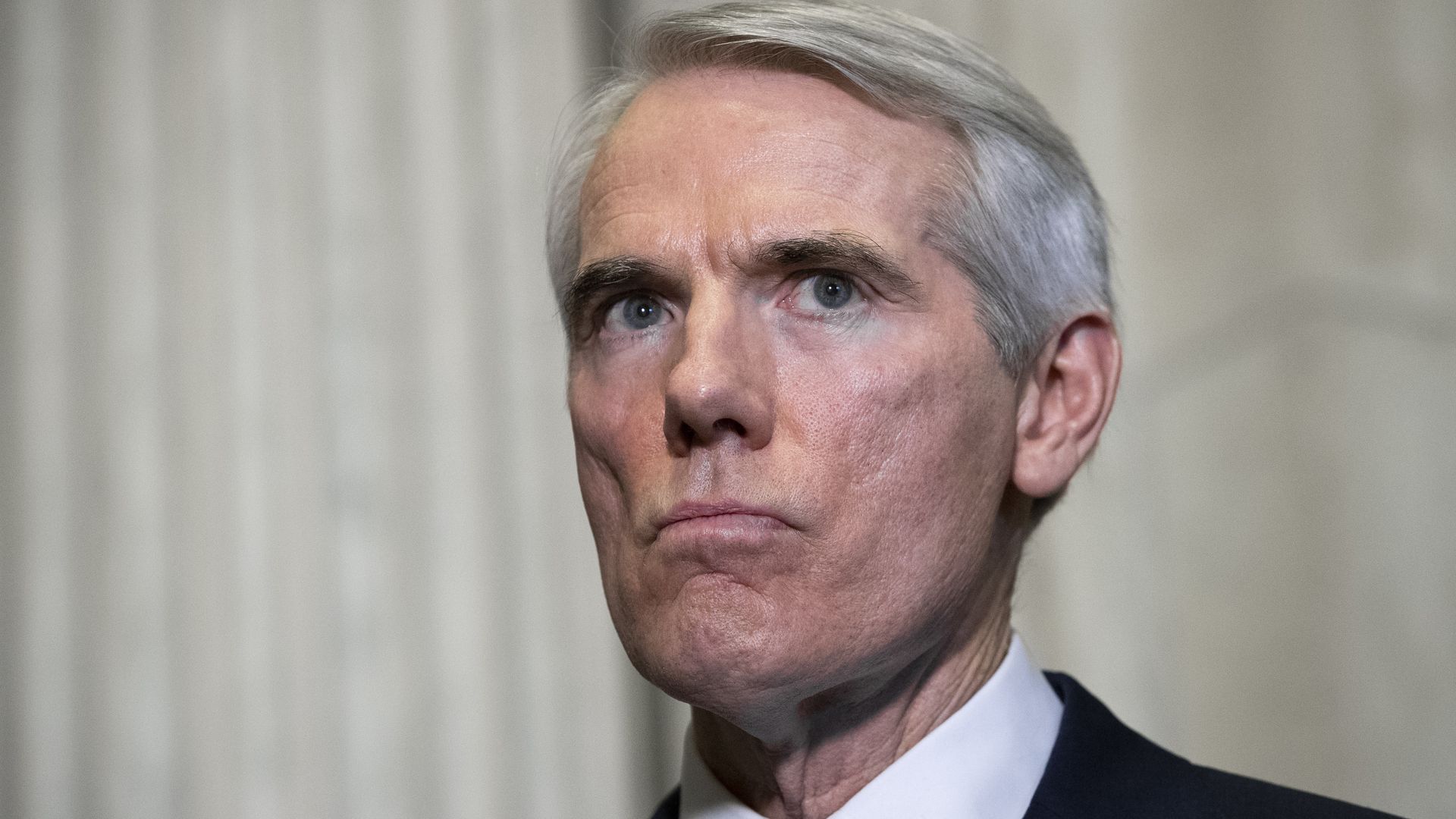
Sen. Rob Portman (R-Ohio) announced Monday he will not run for a third term in the U.S. Senate in 2022, citing "partisan gridlock."
Why it matters: It's a surprise retirement from a prominent Senate Republican who easily won re-election in 2016 and was expected to do so again in 2022, creating an open Senate seat in a red-leaning swing state.
The Supreme Court on Monday ordered lower courts to dismiss two cases that alleged former President Donald Trump unlawfully profited from his businesses while in office, in violation of the Constitution's emoluments clauses.
The big picture: Both sides agreed the issue had become moot after Trump's term finished on Jan. 20, according to Bloomberg, ending a prolonged legal battle that extended for most of his presidency.
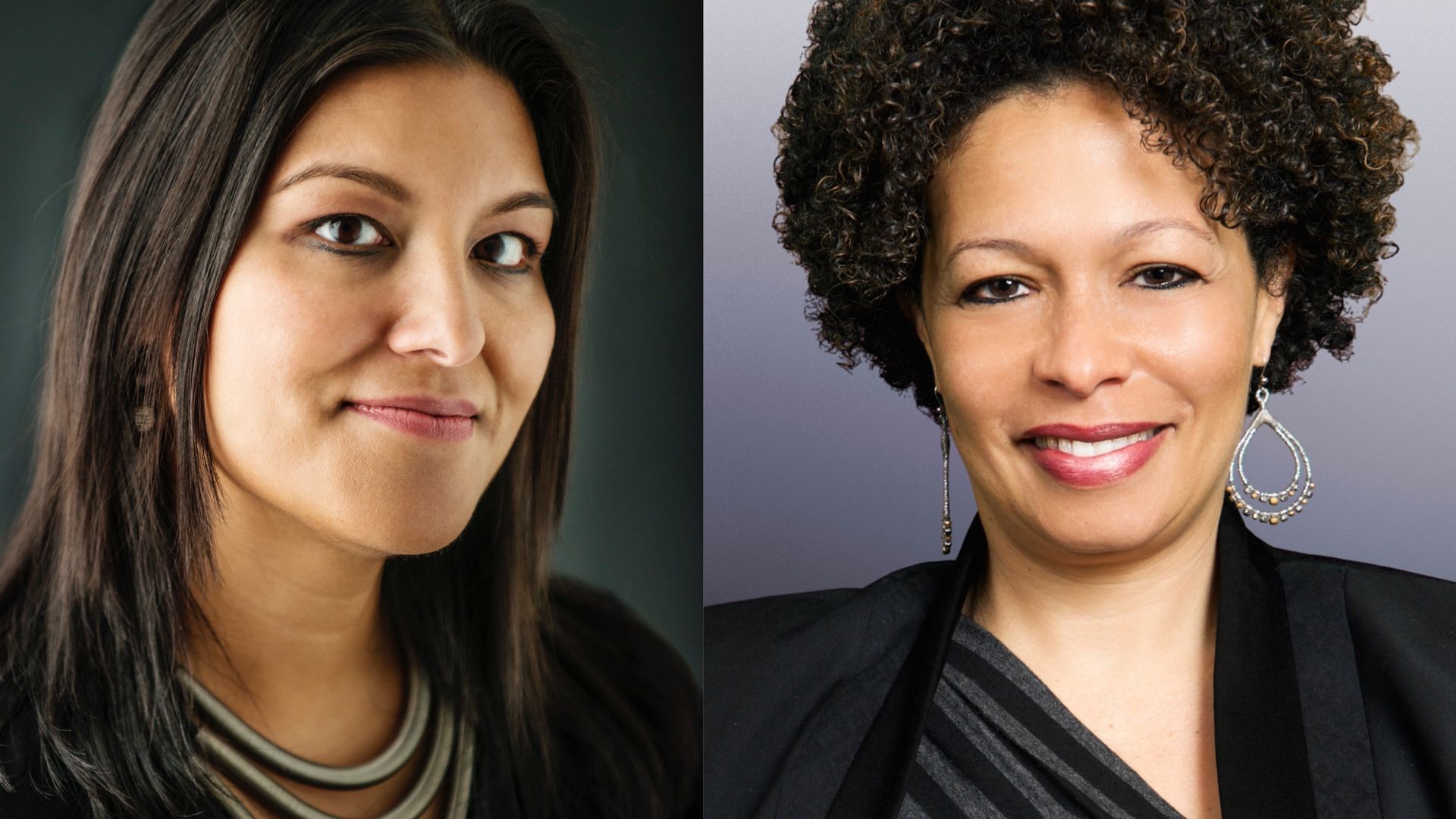
Former CNN executive S. Mitra Kalita and Philadelphia radio executive Sara Lomax-Reese have launched a newsletter seeking to expand local news on Black and brown communities to national audiences.
Why it matters: Some ethnic newspapers and local news sites focusing on people of color have suffered in recent years. The URL Media newsletter wants to bring their unique content together to attract big advertisers and facilitate underreported news.
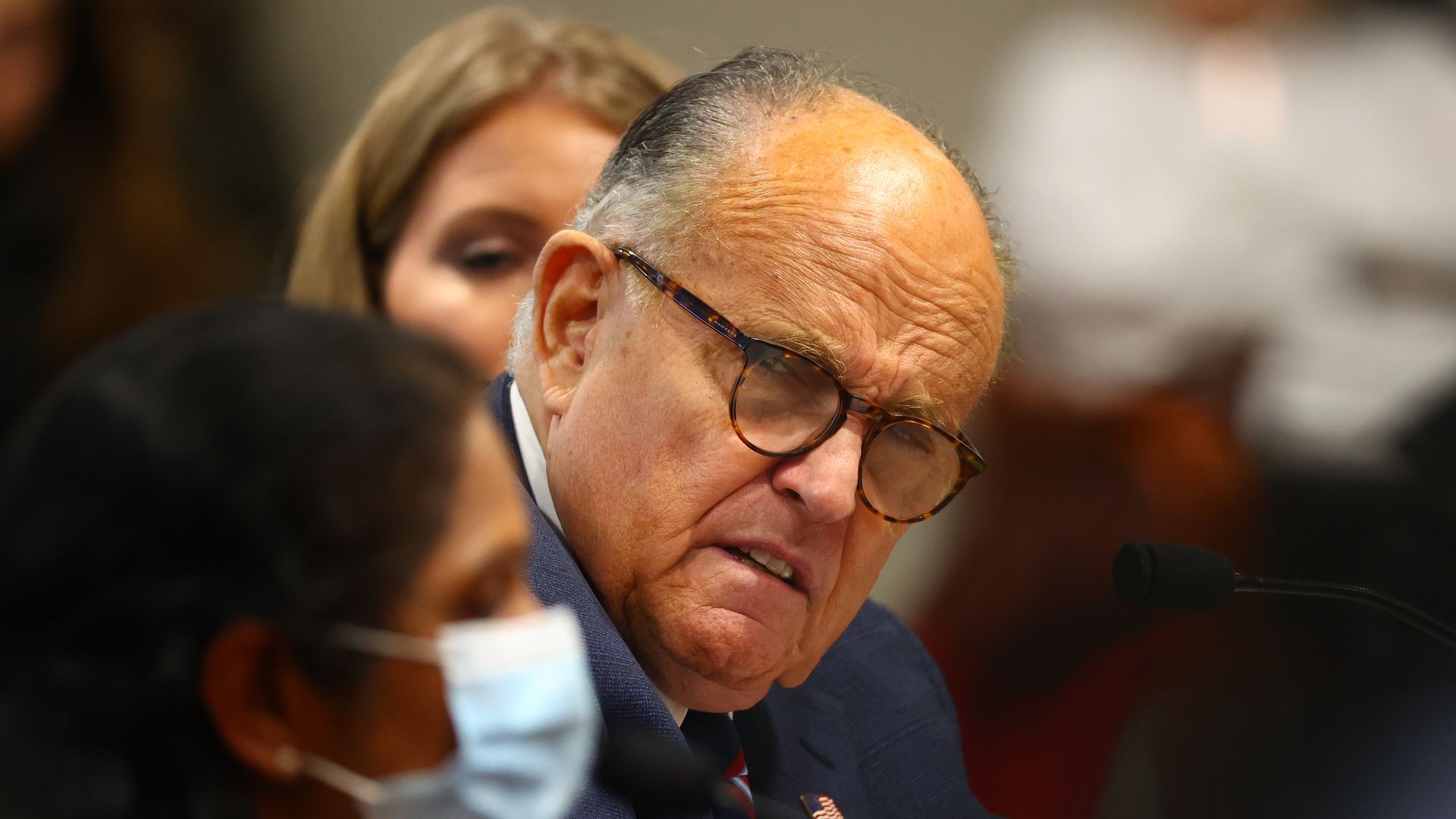
Dominion Voting Systems filed a defamation lawsuit against Rudy Giuliani on Monday seeking $1.3 billion in damages for his "demonstrably false” allegations about the company's voting machines.
Why it matters: Giuliani led former President Trump's efforts to overturn the results of the election and spread the baseless conspiracy theory that Dominion's voting machines flipped votes from Trump to Joe Biden.
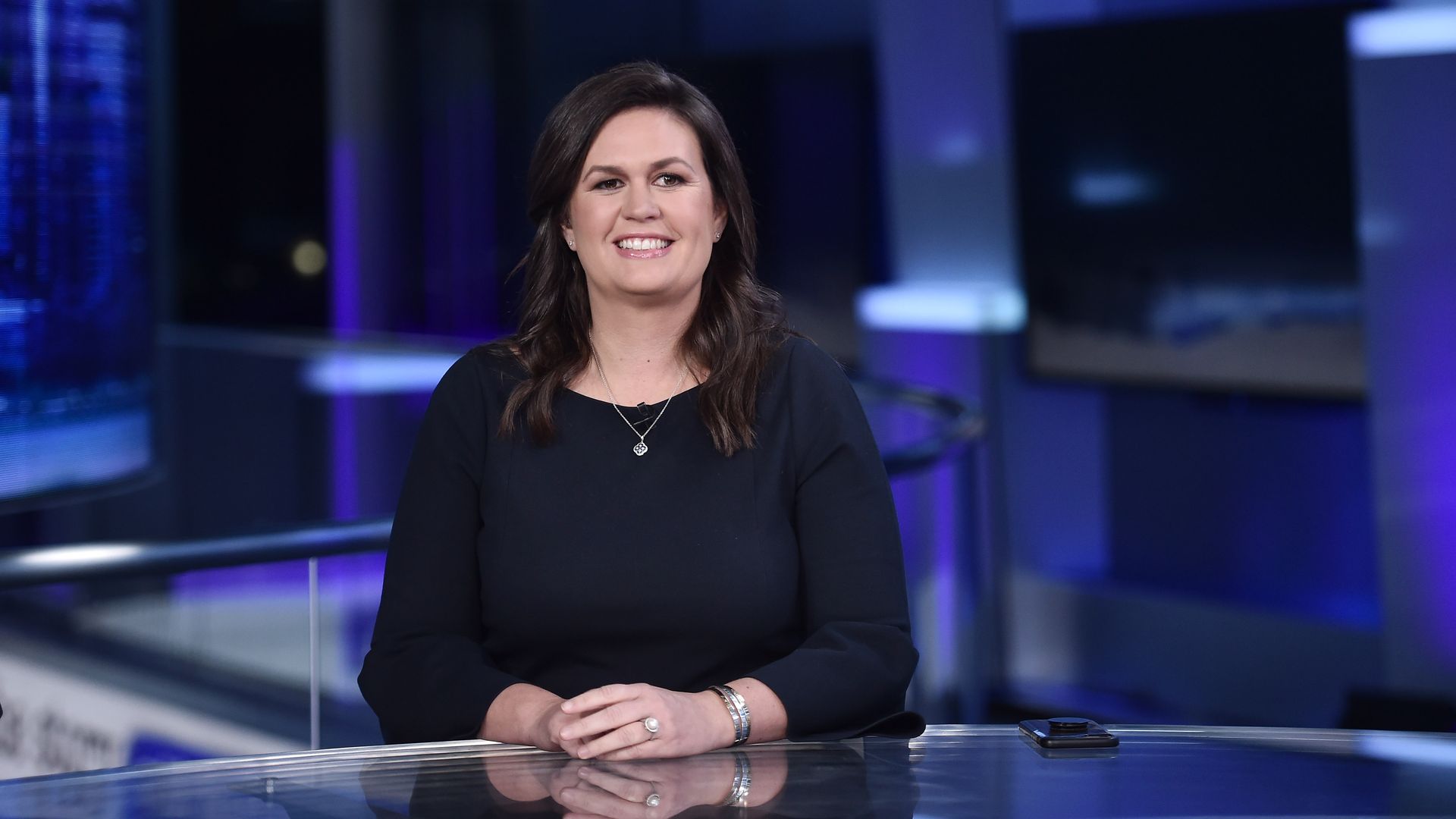
Former White House press secretary Sarah Huckabee Sanders announced in a video Monday that she's running for governor of Arkansas.
The big picture: Sanders was touted as a contender after it was announced she was leaving the Trump administration in June 2019. Then-President Trump tweeted he hoped she would run for governor, adding "she would be fantastic."
In this episode of How It Happened: Trump's Last Stand, national political correspondent Jonathan Swan traces how Donald Trump's strategy to dispute the result of the 2020 election evolved from targeted lawsuits to embracing — and amplifying — conspiracy theories.
Starting with the Four Seasons Total Landscaping press conference and digging into subsequent meetings, Swan offers new reporting on how Rudy Guliani and Sidney Powell became the faces of Trump's legal strategy.
Swan's reporting takes listeners behind closed doors, where President Trump's inner circle and a group of conspiracy theorists clashed over how best to advise the president.
Note: This episode contains some explicit language.
Credits: This show is produced by Amy Pedulla, Naomi Shavin and Alice Wilder. Dan Bobkoff is the executive producer. Additional reporting and fact checking by Zach Basu. Margaret Talev is managing editor of politics. Sara Kehaulani Goo is Axios’s executive editor. Sound design by Alex Sugiura and theme music by Michael Hanf.
About this series: The reporting in this series is based on multiple interviews with current and former White House, campaign, government and congressional officials as well as direct eyewitnesses and people close to President Trump. Sources have been granted anonymity to share sensitive observations or details they would not be formally authorized to disclose. President Trump and other officials to whom quotes and actions have been attributed by others were provided the opportunity to confirm, deny or respond to reporting elements prior to publication.
This series was reported by White House reporter Jonathan Swan, with writing, reporting and research assistance by Zach Basu.
President Joe Biden will continue his flurry of executive orders on Monday, signing a new directive to require the federal government to “buy American” for products and services.
Why it matters: The executive action is yet another attempt by Biden to accomplish goals administratively without waiting for the backing of Congress. The new order echoes Biden's $400 billion campaign pledge to increase government purchases of American goods.
History will likely remember the pandemic as the "first time since records began that inequality rose in virtually every country on earth at the same time." That's the verdict from Oxfam's inequality report covering the year 2020 — a terrible year that hit the poorest, hardest across the planet.
Why it matters: The world's poorest were already in a race against time, facing down an existential risk in the form of global climate change. The coronavirus pandemic could set global poverty reduction back as much as a full decade, according to the World Bank.