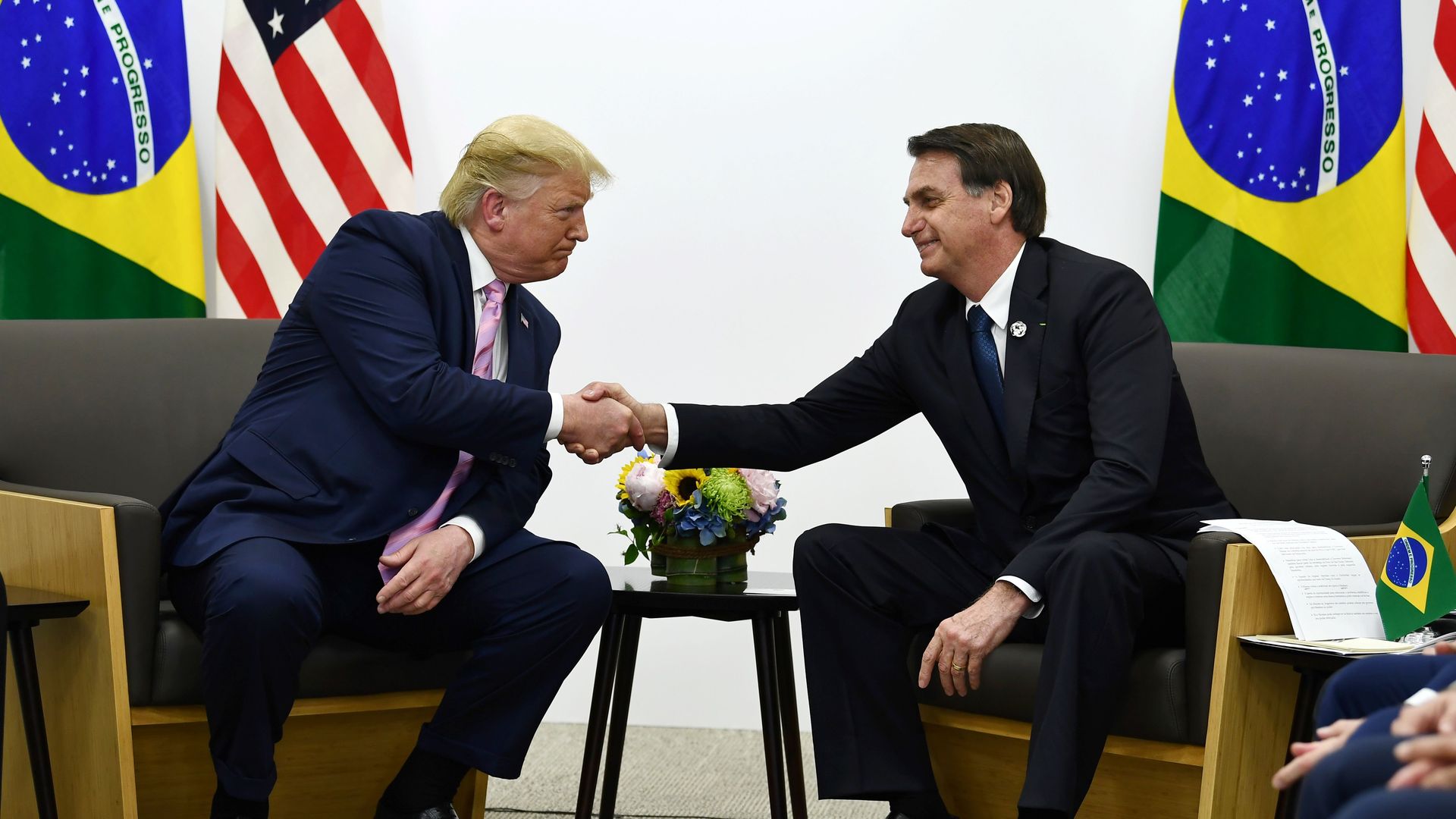
The Trump administration signed an anti-abortion declaration on Thursday with 3o other countries, including conservative and authoritarian governments in Egypt, Uganda, Belarus, Saudi Arabia, Hungary and more.
Why it matters: The non-binding Geneva Consensus Declaration, intended to “promote women’s health and strengthen the family,” is a rebuke of the United Nations Human Rights Council's classification of abortion access as a universal human right.
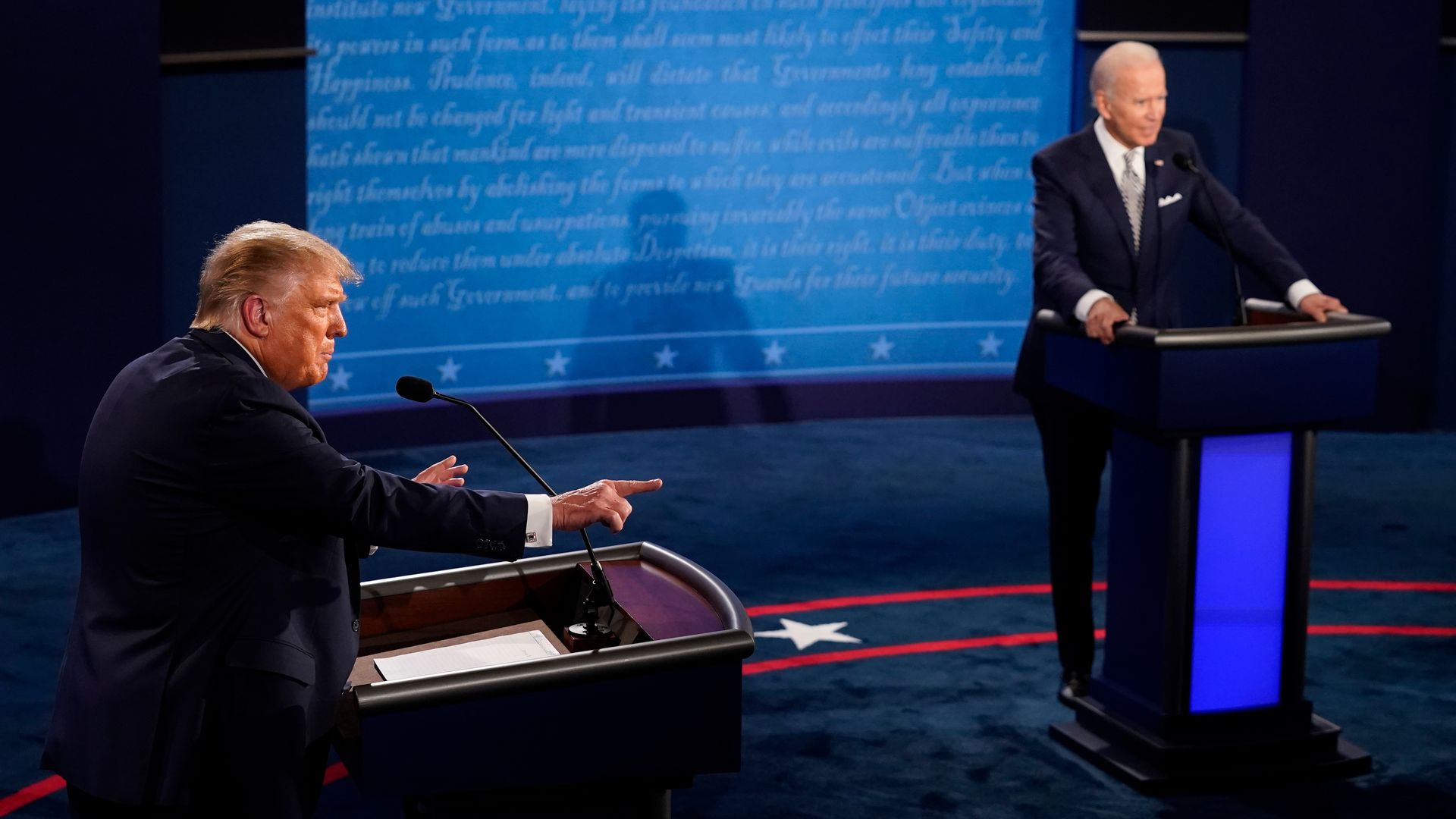
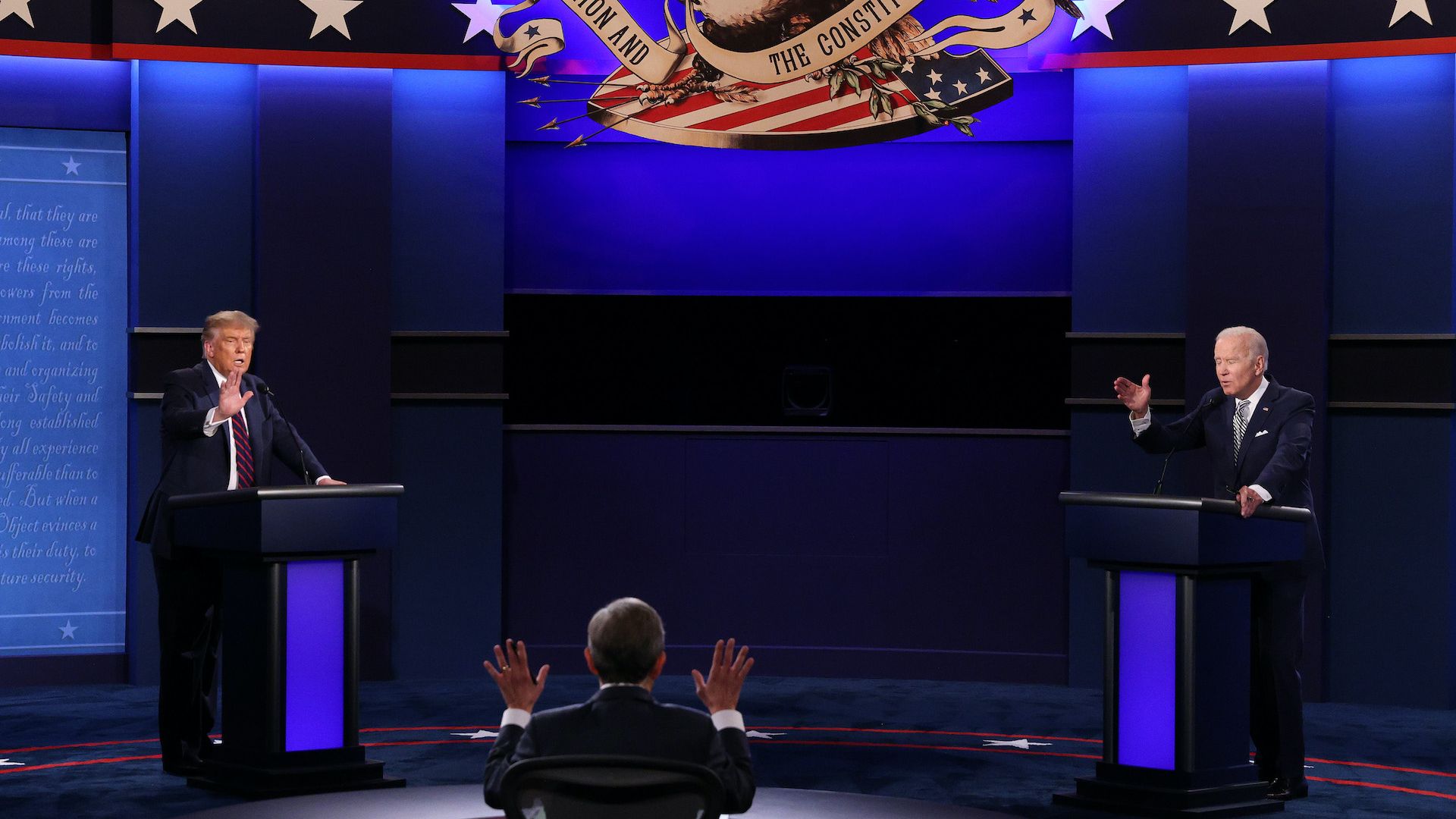
Watch for President Trump to address Joe Biden as “the big guy” or “the chairman” at tonight's debate as a way of dramatizing the Hunter Biden emails. Hunter's former business partner Tony Bobulinski is expected to be a Trump debate guest.
The big picture: Trump's advisers universally view the first debate as a catastrophe — evidenced by a sharp plunge in Trump’s public and (more convincingly for them) private polling immediately following the debate.
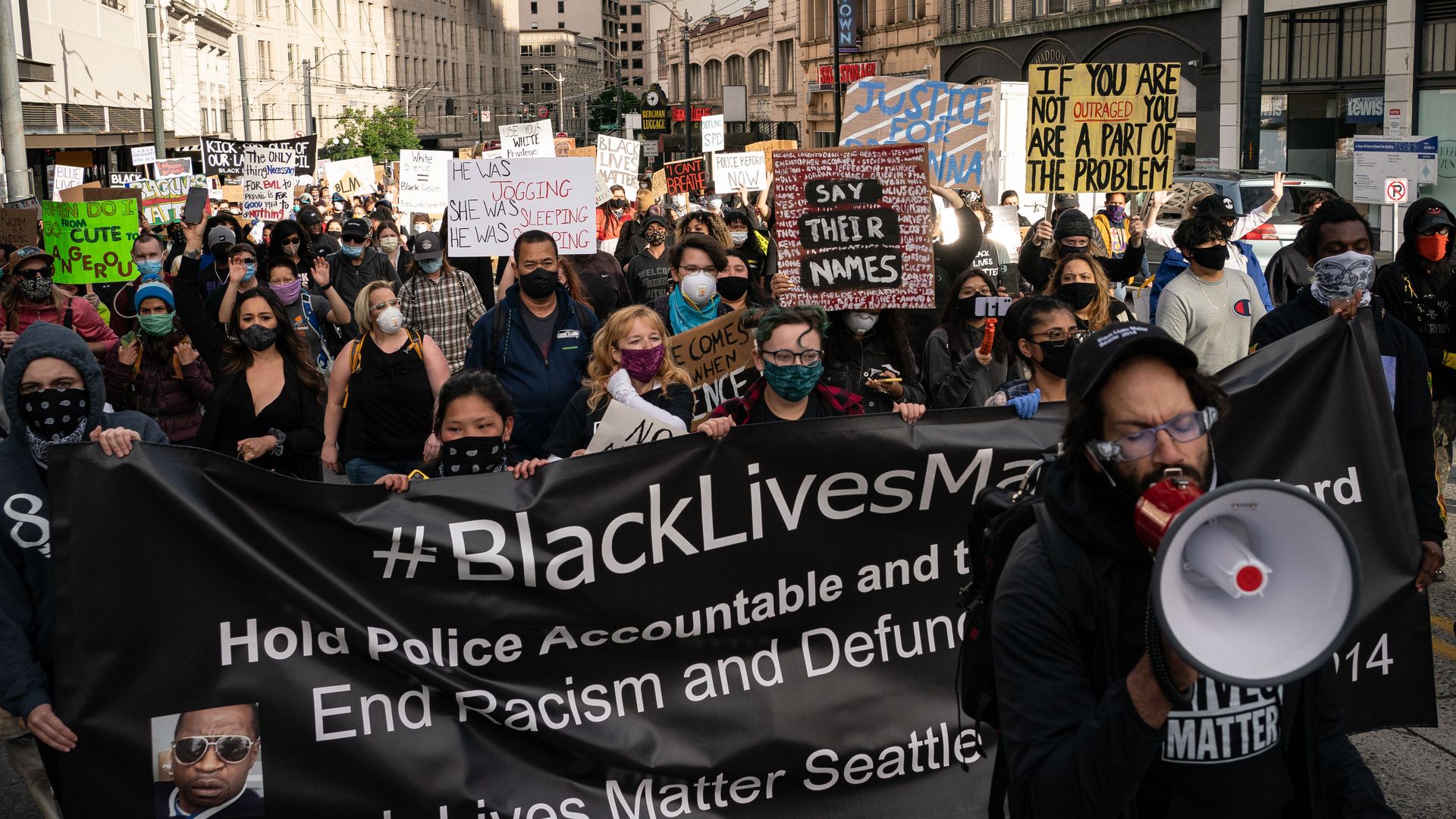
New York City, Portland and Seattle sued the Trump administration on Thursday over its threat to withdraw federal funding after the Justice Department designated the cities as "anarchist jurisdictions" for their handling of protests in the wake of George Floyd's killing.
Why it matters: In an effort to help his re-election bid, President Trump has tried to paint himself as a "president of law and order," arguing that Democratic-led cities have seen "crazy violence" since the start of nationwide demonstrations this summer.
Energetic Bear, a Russian state-sponsored hacking group, has stolen data from two servers after targeting state and federal government networks in the U.S. since at least September, the FBI and Cybersecurity and Infrastructure Security Agency said on Thursday.
Driving the news: Director of National Intelligence John Ratcliffe announced Wednesday that Iran and Russia had obtained voter registration information that could be used to undermine confidence in the U.S. election system.
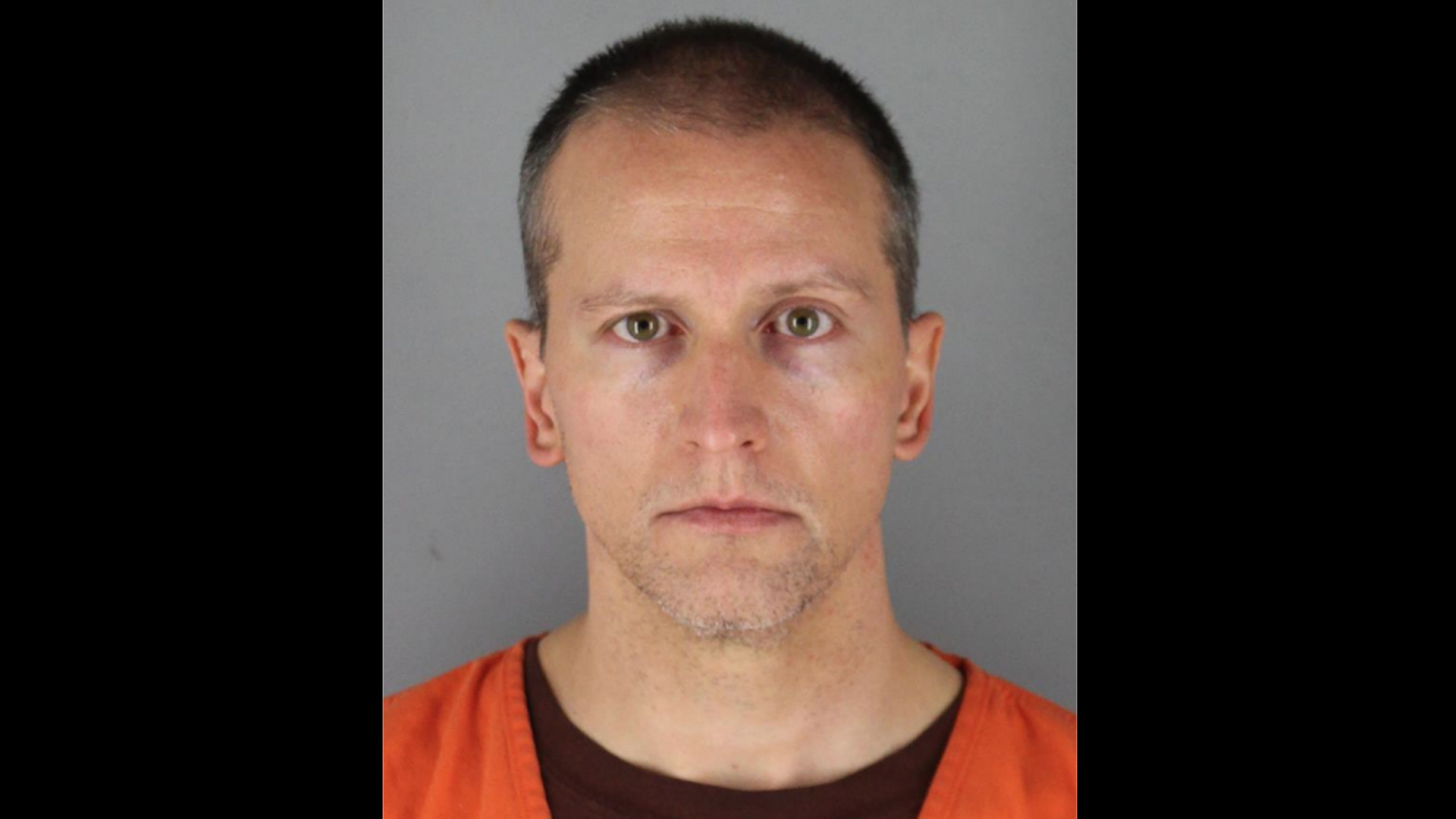
A Minnesota judge on Thursday dropped the third-degree murder charge against former Minneapolis police officer Derek Chauvin in the death of George Floyd, but kept the higher charge, KARE 11 reports.
Driving the news: Hennepin County District Judge Peter Cahill wrote that he was dropping the third-degree murder charge because Chauvin's actions did not put others in danger. Chauvin, who knelt on Floyd's neck for several minutes as the Black man cried out, "I can't breathe," still faces the higher second-degree murder charge, as well as a second-degree manslaughter charge.
A growing number of mayors are banding together to fight what they consider to be an inaccurate and abruptly curtailed 2020 census, using an arsenal of legal, legislative and congressional efforts.
Why it matters: The outcome may determine whether President Trump or Joe Biden controls the redistricting process, which governs everything from congressional representation and redistricting to funding for schools and Head Start.
A producer from the Commission on Presidential Debates will manage the operation of the candidates' microphones during Thursday's final presidential debate — not the event's moderator, NBC's Kristen Welker — a source with knowledge of the event told Axios.
Our thought bubble, via Axios' Alexi McCammond: Given President Trump's accusations of partisanship against the other debates' moderators, it makes sense that Welker would want to steer clear of any such optics during her stint in the chair.
President Trump posted on Thursday an unedited 38-minute clip of his interview with Lesley Stahl of CBS' "60 Minutes" — days before its planned Sunday airdate.
Why it matters: Trump, who threatened yesterday to release the clip, said it showed "bias, hatred and rudeness" as he continued his attacks against the media in the campaign's final stretch.
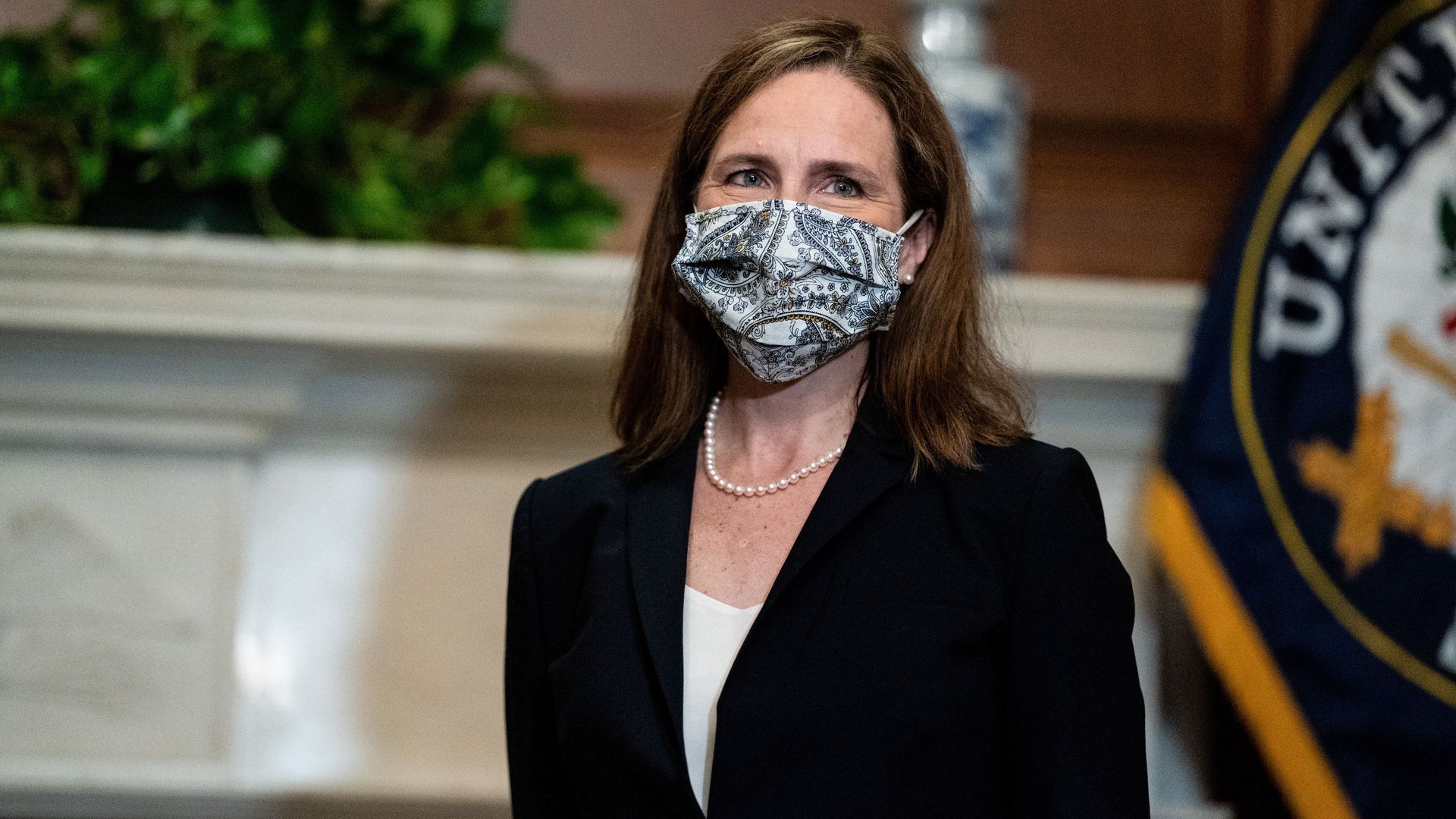
The Senate Judiciary Committee on Thursday advanced the nomination of Amy Coney Barrett to the Supreme Court despite a boycott by Democratic senators.
The big picture: The 12 Republicans on the panel voted in favor of advancing the nomination while the committee's 10 Democrats submitted no votes. Democrats instead placed enlarged photos of Affordable Care Act beneficiaries in their seats, drawing attention to the upcoming Supreme Court case on the legislation. A full Senate vote on Barrett's nomination is set for Oct. 26.
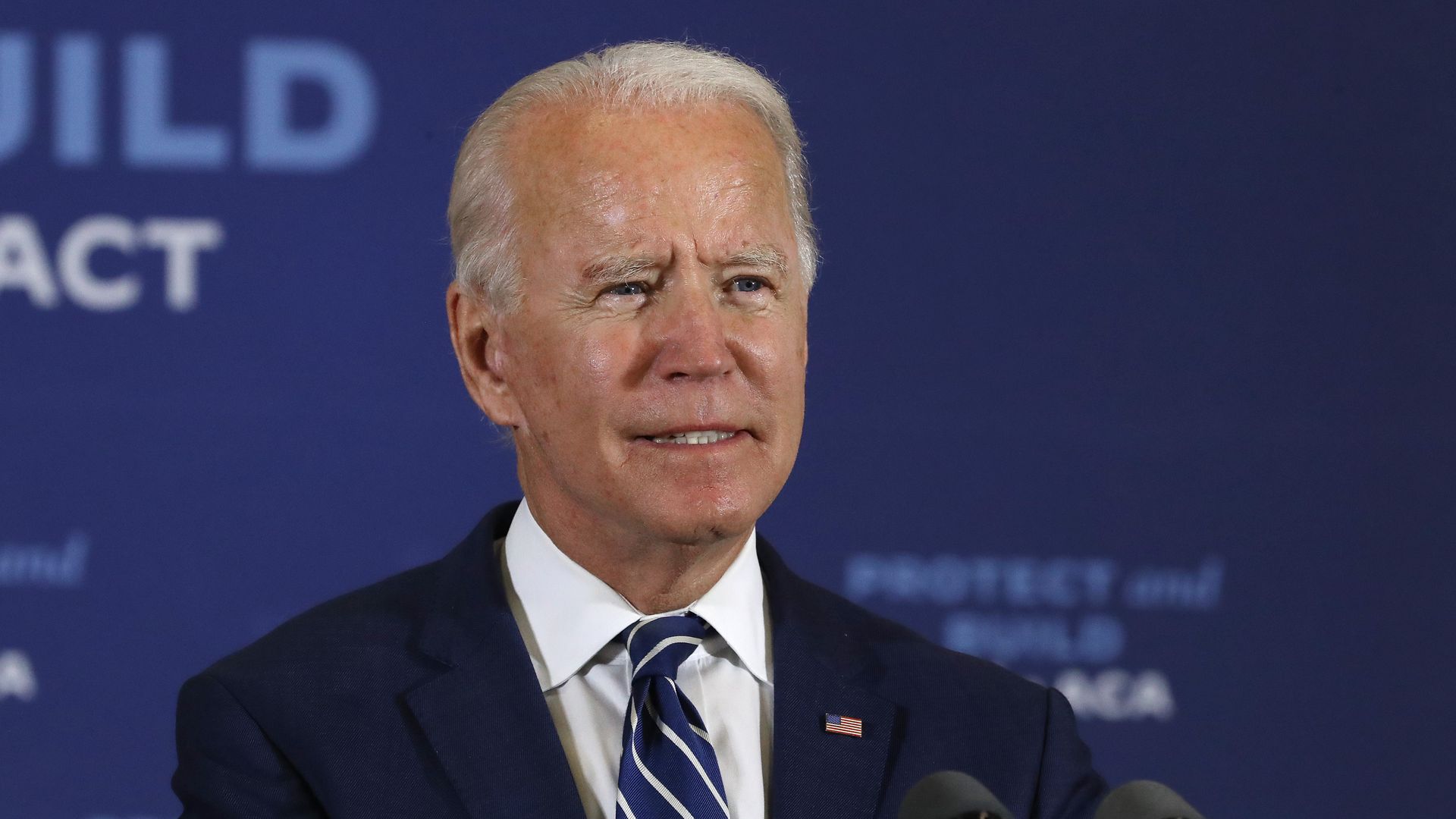
Joe Biden told CBS' "60 Minutes" this week that, if elected, he would put together a bipartisan commission to study the federal court system and make recommendations for reform.
Why it matters: Biden has come under pressure to clarify his position on court packing after some Democrats suggested expanding the court if Senate Republicans confirm President Trump's Supreme Court nominee Amy Coney Barrett.
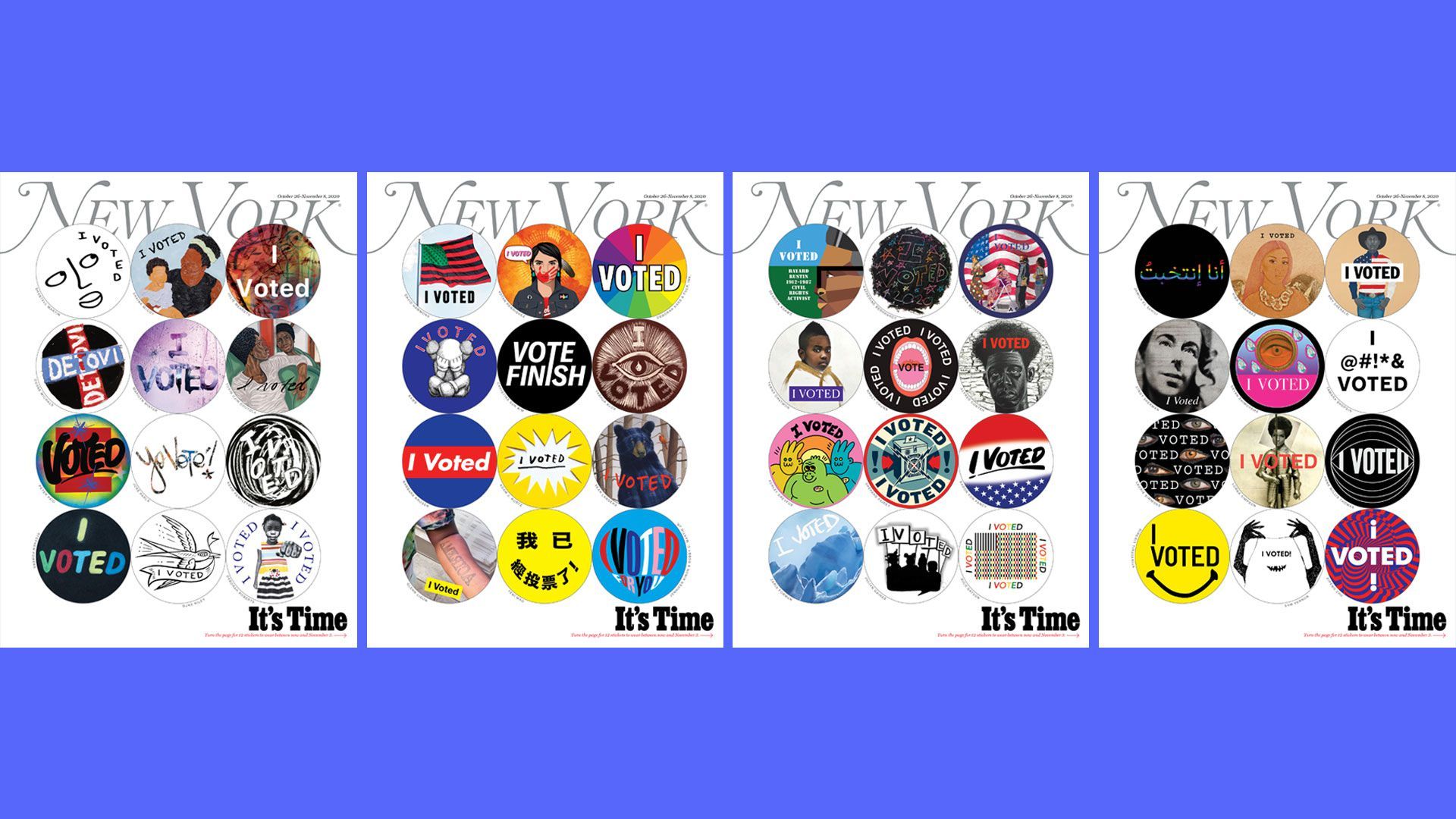
New York Magazine, in conjunction with the nonpartisan group I am a voter, enlisted 48 artists from diverse backgrounds and artistic influences to design stickers for a series of four covers for its Oct. 26 issue.
The covers, seen here for the first time, include contributions from Shepard Fairey, KAWS, Barbara Kruger, David Hammons, Laurie Simmons, Amy Sherald, Baron Von Fancy, Marilyn Minter, Lorna Simpson, Tawny Chatmon, Rico Gatson, Zipeng Zhu, Adam Pendleton, Adam J. Kurtz, Zaria Forman and many more.
There are only five states in the U.S. where voters younger than 35 embrace President Trump over Joe Biden, and none are swing states, according to new 50-state SurveyMonkey-Tableau data for Axios.
Why it matters: These scattered red spots in a sea of blue vividly illustrate Trump's peril if young people were to actually turn out this year. Put another way, Trump's path to re-election depends heavily on younger adults staying home.
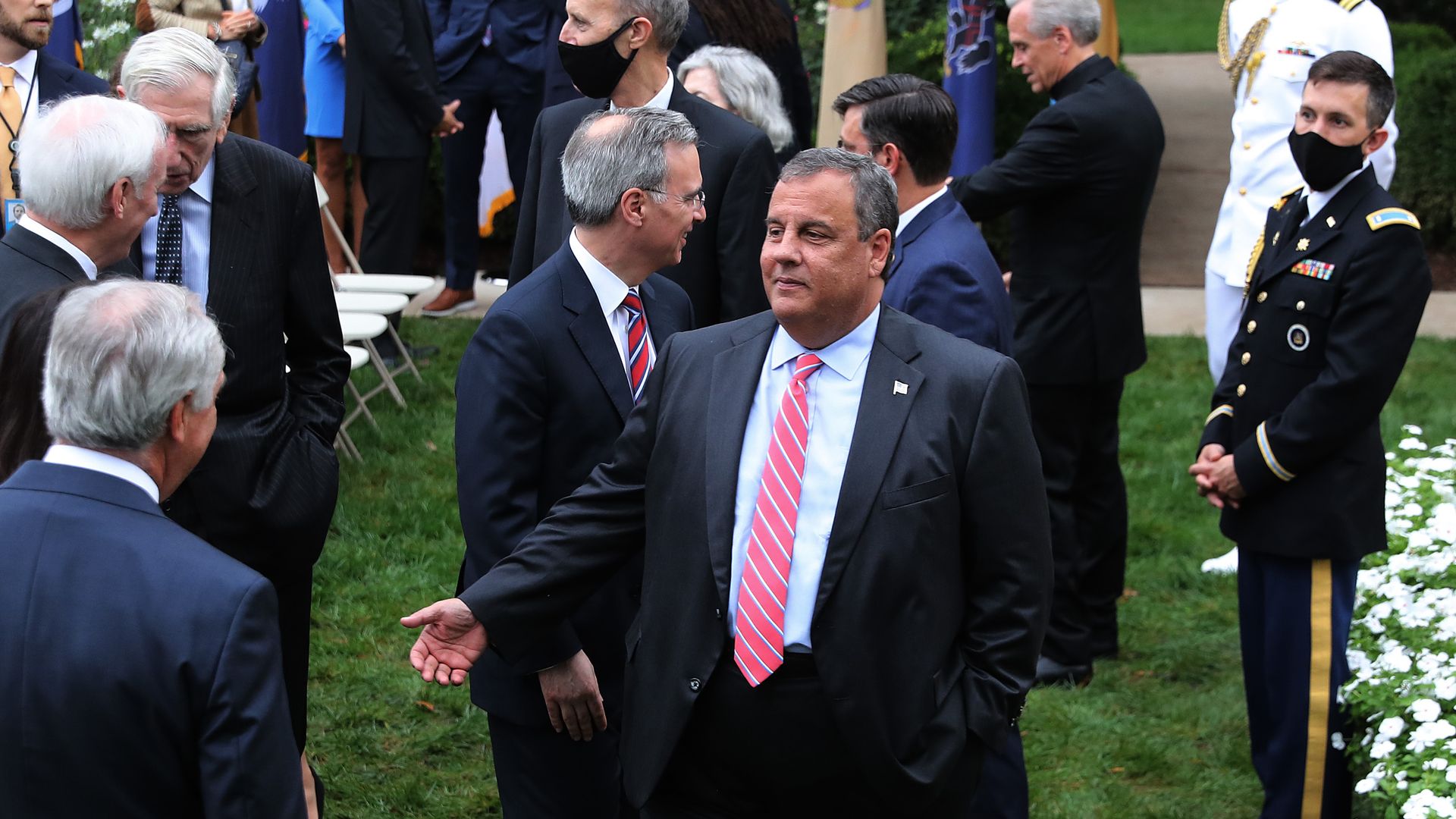
Former New Jersey Gov. Chris Christie (R), who was hospitalized with COVID-19, implored people in a Wall Street Journal op-ed Wednesday to wear masks "or you may regret it — as I did."
The big picture: Christie didn't wear a mask when he helped President Trump prepare for the first presidential debate nor during the White House Rose Garden ceremony for Supreme Court nominee Judge Amy Coney Barrett in September. "I let my guard down and left my mask off," Christie wrote in the WSJ article.
President Trump and lawmakers reacted to Director of National Intelligence John Ratcliffe's announcement that Iran and Russia sought to influence the U.S. election by obtaining voter registration data in an attempt to spread false information.
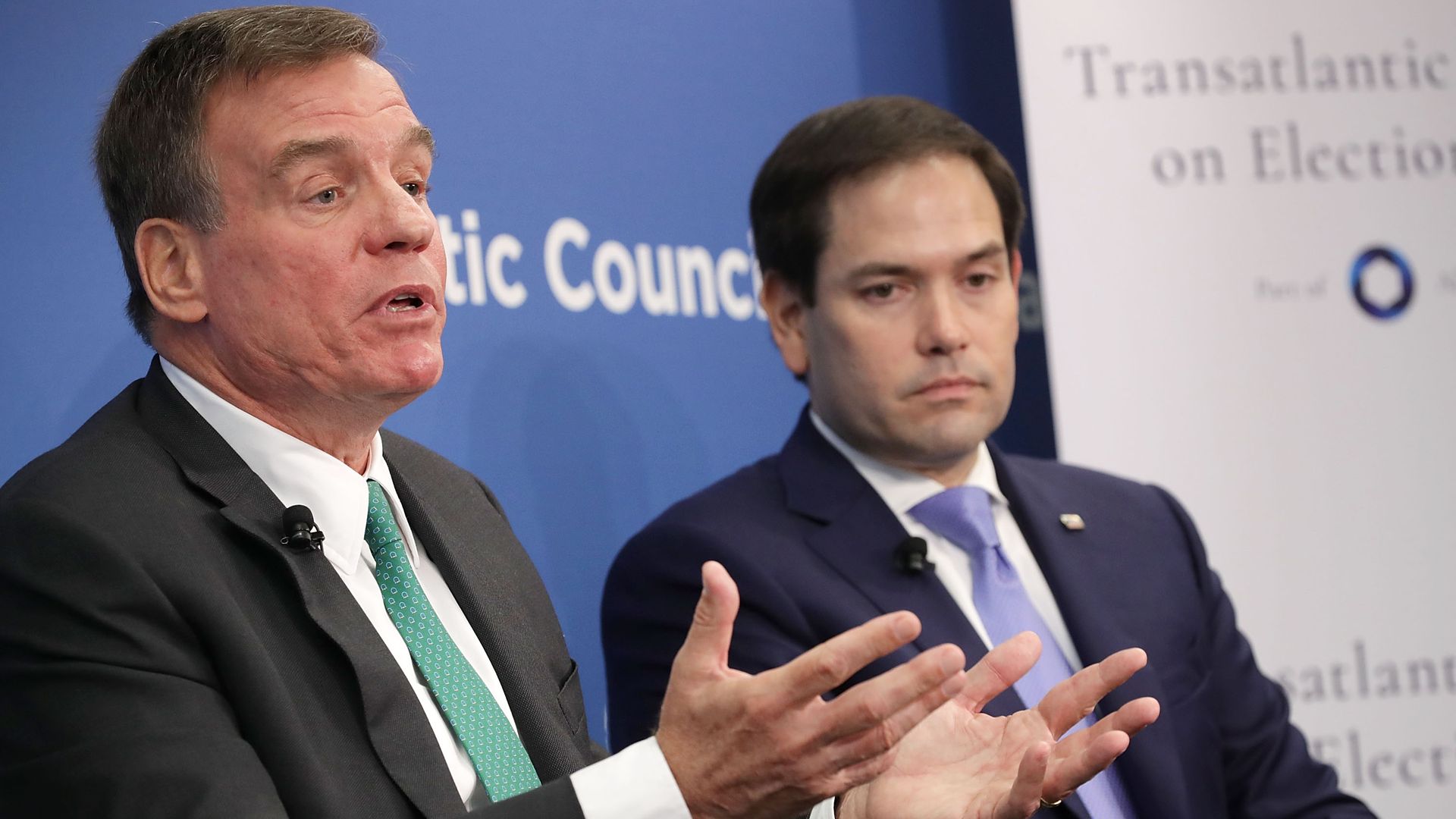
What they're saying: Senate Intelligence Committee Chair Marco Rubio (R-Fla.) and Vice Chair Mark Warner (D-Va.) urgedAmericans in a joint statement to "be cautious" ahead of the Nov. 3 election "about believing or spreading unverified, sensational claims related to votes and voting."
Iran and Russia have obtained voter registration information that can be used to undermine confidence in the U.S. election system, Director of National Intelligence John Ratcliffe announced at a press conference Wednesday evening.
Why it matters: The revelation comes roughly two weeks before Election Day. Ratcliffe said Iran has sent threatening emails to Democratic voters this week in states across the U.S. and spread videos claiming that people can vote more than once.
The Iowa Supreme Court upheld a law that prevents county election auditors from using the state's voter registration database to fill in any missing information or correct errors on ballot applications as they have in prior elections.
Why it matters: The ruling comes just days before the state's Oct. 24 deadline for absentee ballot applications. Deficient requests may go unfulfilled if voters are unable to correct errors or add information to their applications.
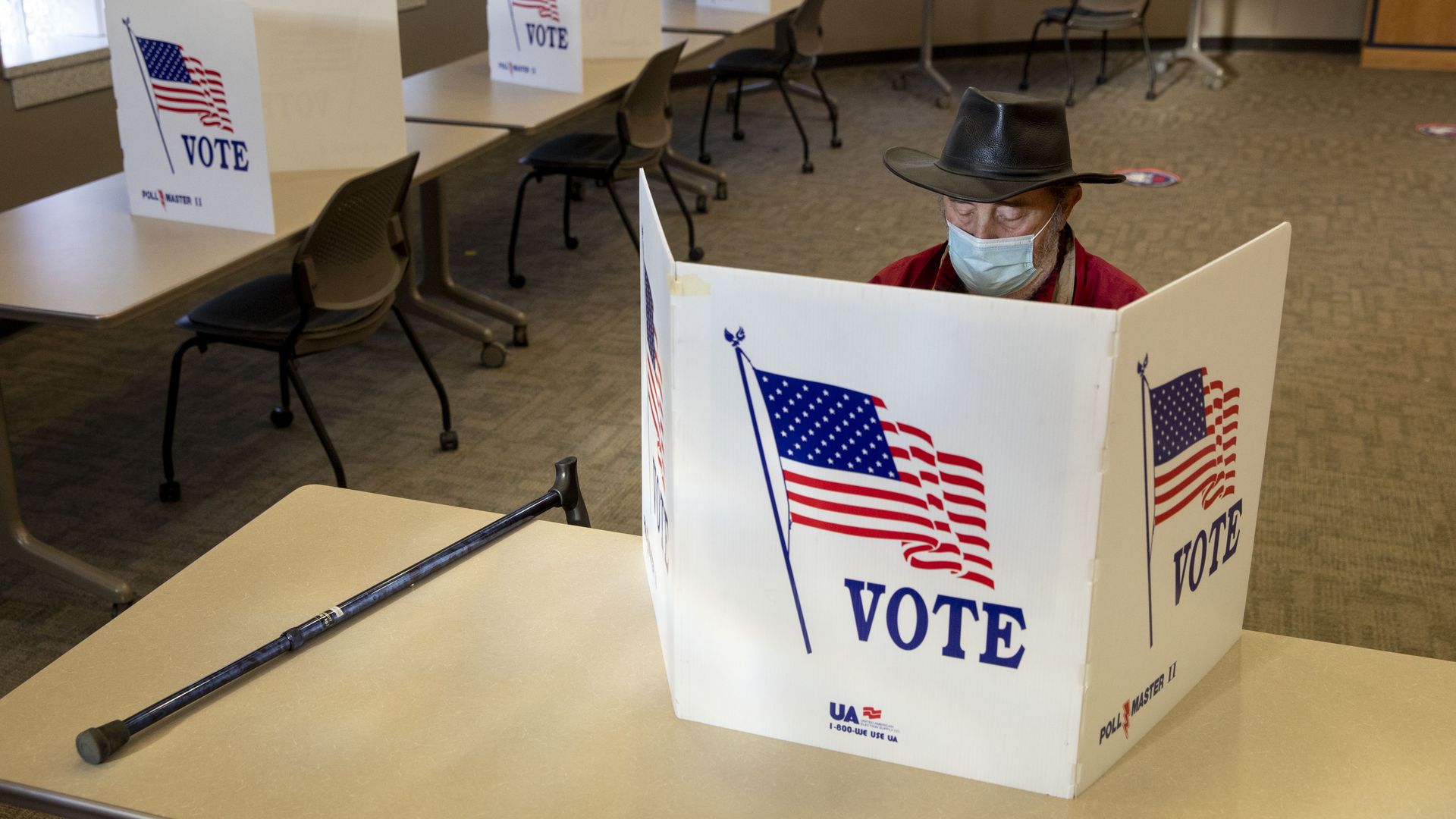
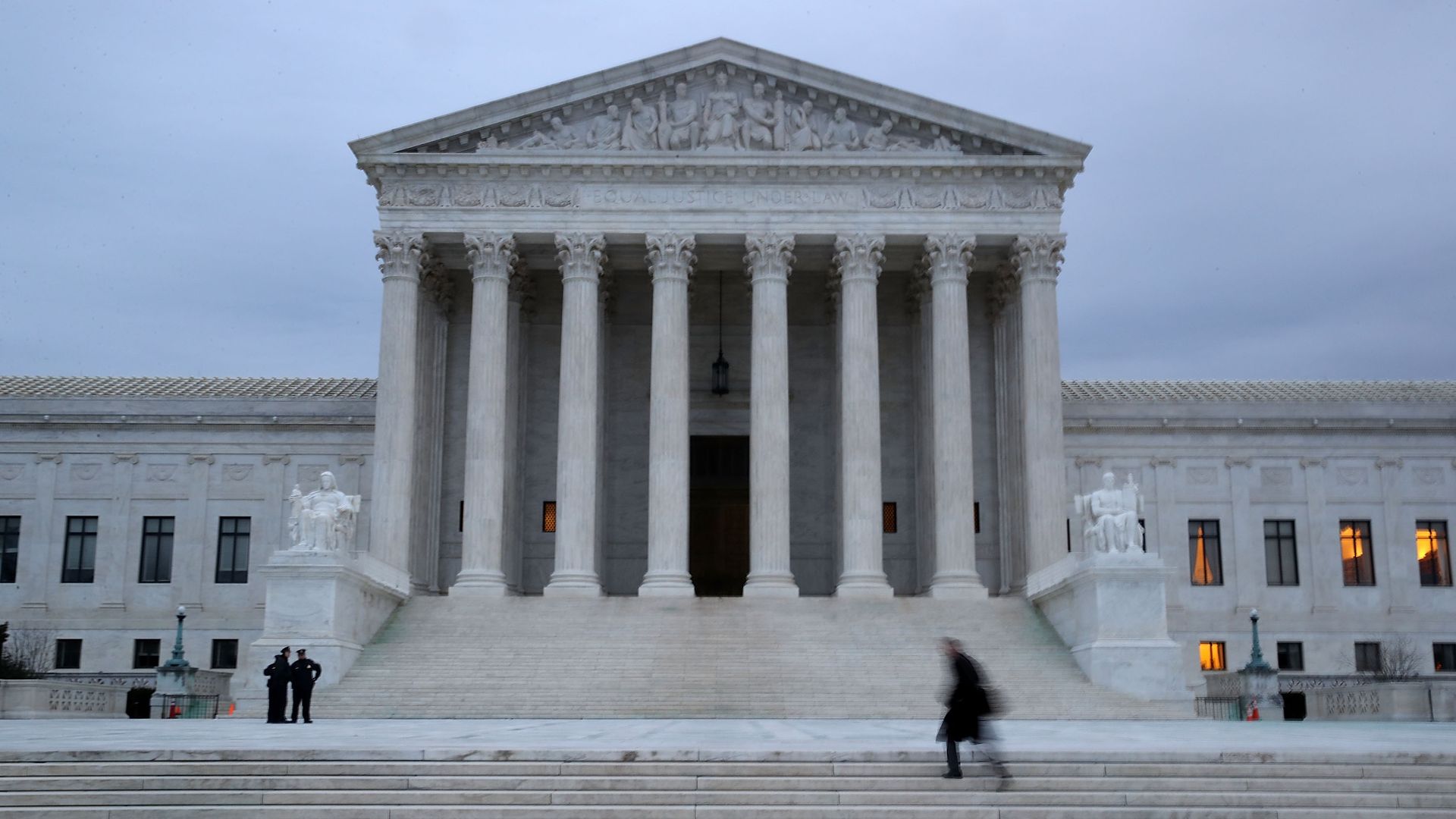
The Supreme Court on Wednesday evening blocked a lower court order that would have allowed voters to cast ballots curbside at Alabama polling places on Election Day.
Whit it matters: With less than two weeks until Election Day, the justices voted 5-3 to reinstate the curbside voting ban and overturn a lower court judge's ruling designed to protect people with disabilities during the coronavirus pandemic.