Attorney General Bill Barr said in an interview on Fox News' "Special Report" Monday that he supports banning police chokeholds — one of the reforms proposed by Democrats in Congress — except when necessary to meet "lethal force."
The big picture: Barr condemned the idea promoted by activists in the wake of George Floyd's killing of defunding police departments, calling it "dangerous" and stressing his belief that more crime will be committed if police are forced to pull back from communities.
Attorney General Bill Barr confirmed on Fox News' "Special Report" on Monday that the Secret Service recommended that President Trump go down to the White House bunker last week during tense protests nearby.
Why it matters: Barr directly contradicted Trump's claim last week that he'd only gone down to the bunker to "inspect" the facility. The president spent an hour in the bunker, which is typically used for emergencies such as terrorist attacks.
A spokesperson for Army Secretary Ryan McCarthy told Politico Monday that he's "open" to a "bipartisan discussion" on the topic of renaming the branch's 10 bases and facilities that are named after Confederate leaders.
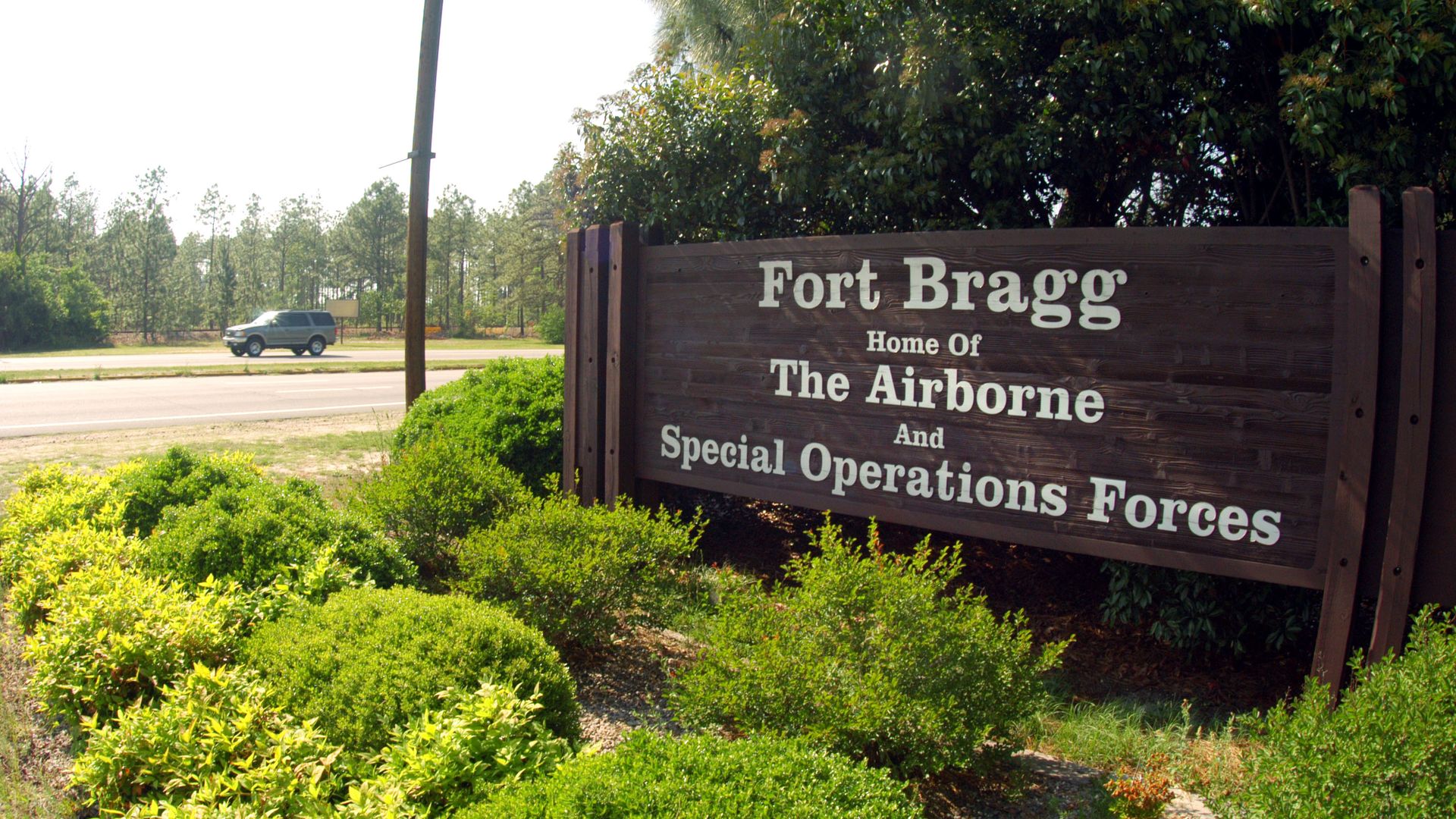
Why it matters: Some of the nation's most recognizable bases — including Fort Bragg and Fort Benning — are named after Confederate leaders. An Army spokesperson told Task & Purpose in February that the branch had no plans to rename bases or facilities, but that position appears to have changed.
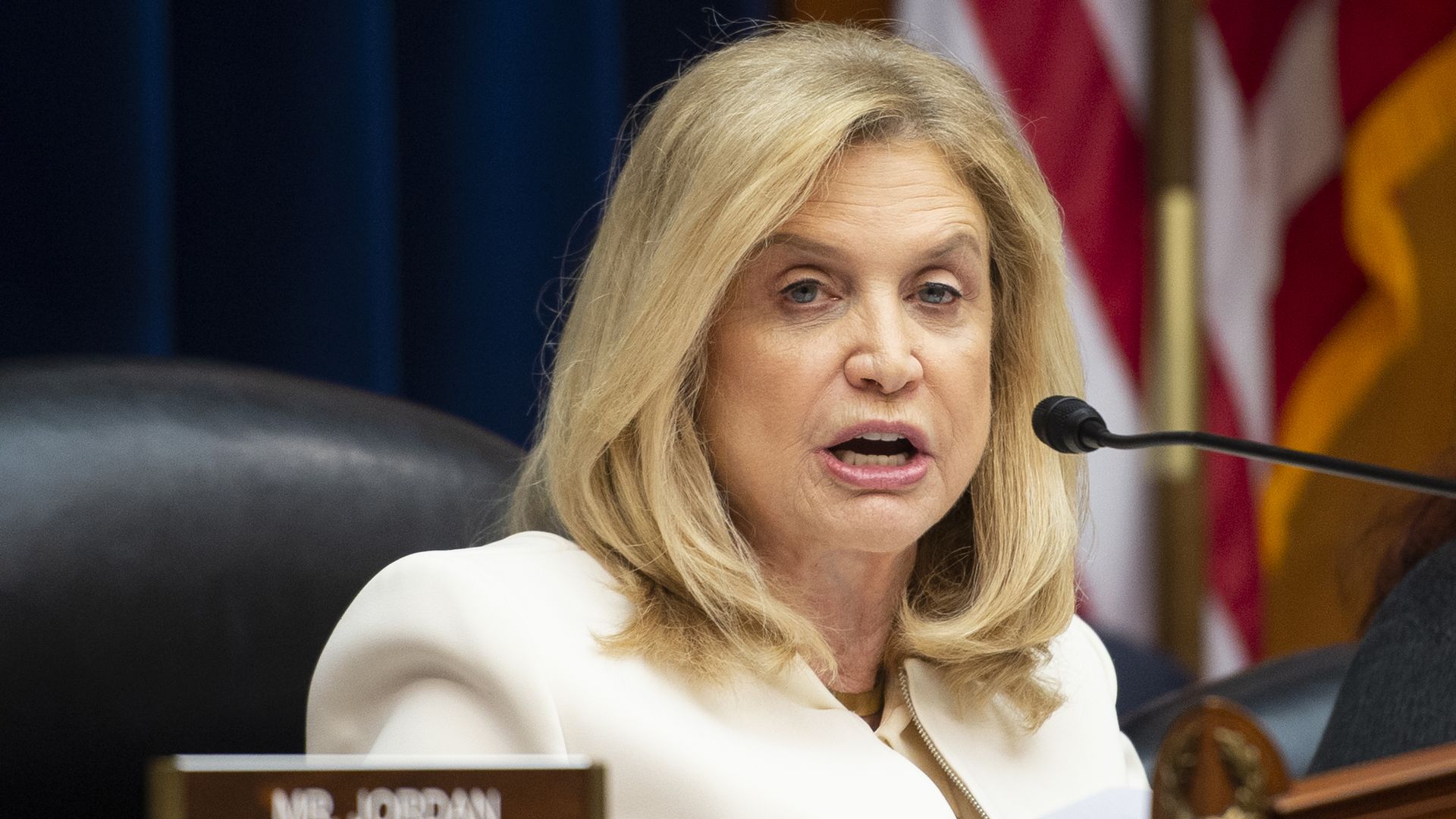
House Oversight Committee chair Carolyn Maloney (D-N.Y.), who joined in on mass protests in New York City this weekend, felt sick enough on Monday that she got tested for COVID-19 today and will self-quarantine until she gets her results, her office confirmed on Monday.
Why it matters: Maloney, in addition to several other lawmakers, participated in protests linked to the death of George Floyd over the last week and could risk bringing the coronavirus back to the halls of Congress, where the average age of House lawmakers is 58. Maloney is 74.
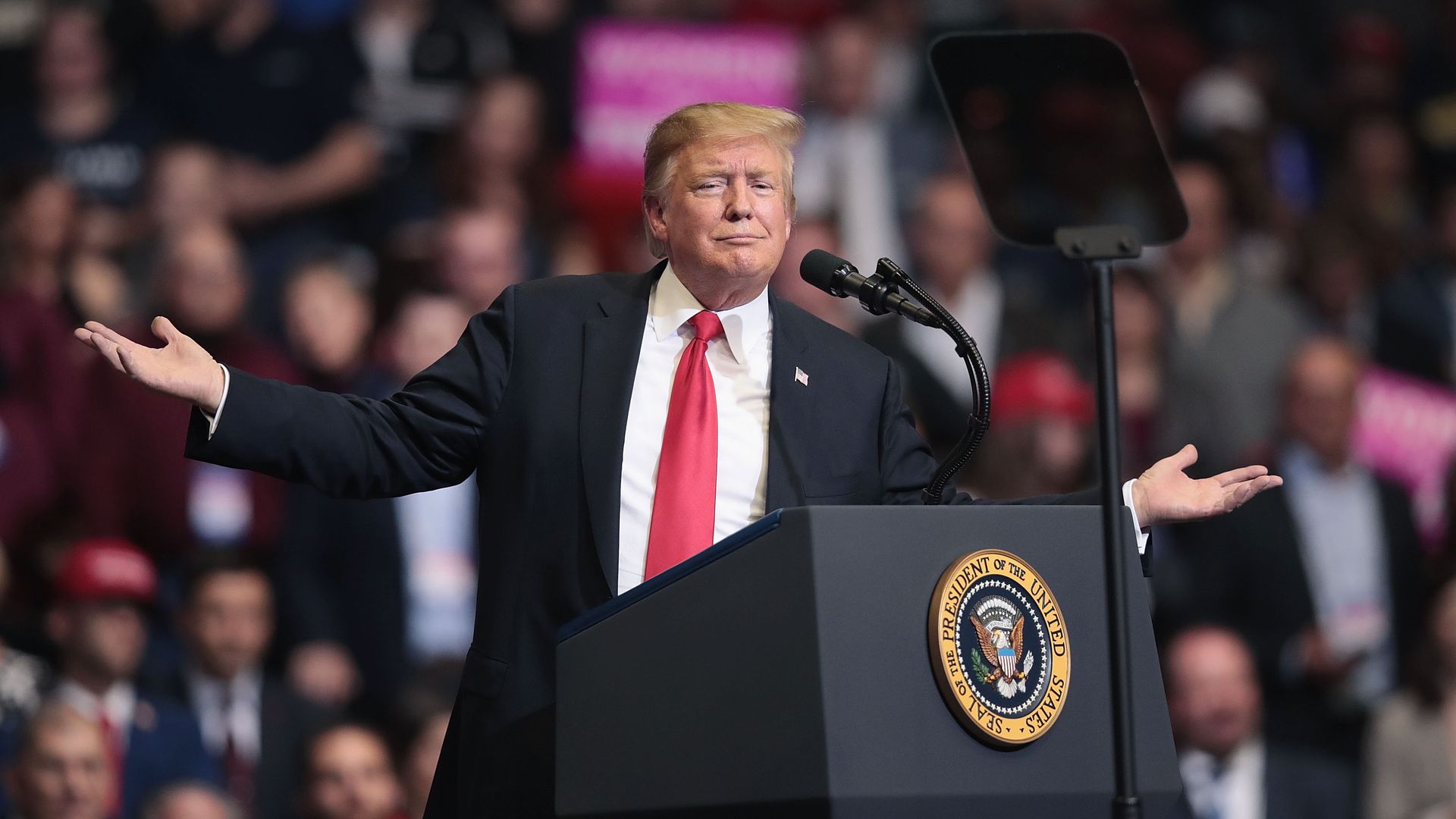
President Trump is planning to resume his campaign rallies within the next two weeks, Politico first reported and Axios has confirmed.
Why it matters: Prior to the coronavirus pandemic, the Make America Great Again rallies were the driving force behind Trump's re-election campaign, allowing him to connect with his most loyal supporters on a massive scale. But the gatherings often draw thousands of attendees packed into arenas shoulder to shoulder, raising the risk of spreading the coronavirus.
Los Angeles County District Attorney Jackie Lacey said on Monday that she will not file charges against the thousands of protestors who were arrested over curfew violations or failure to disperse, KTLA 5 reports.
Why it matters: L.A. Police Department chief Michel Moore reported last week that the majority of arrests in the area were due to curfew violations or related incidents.
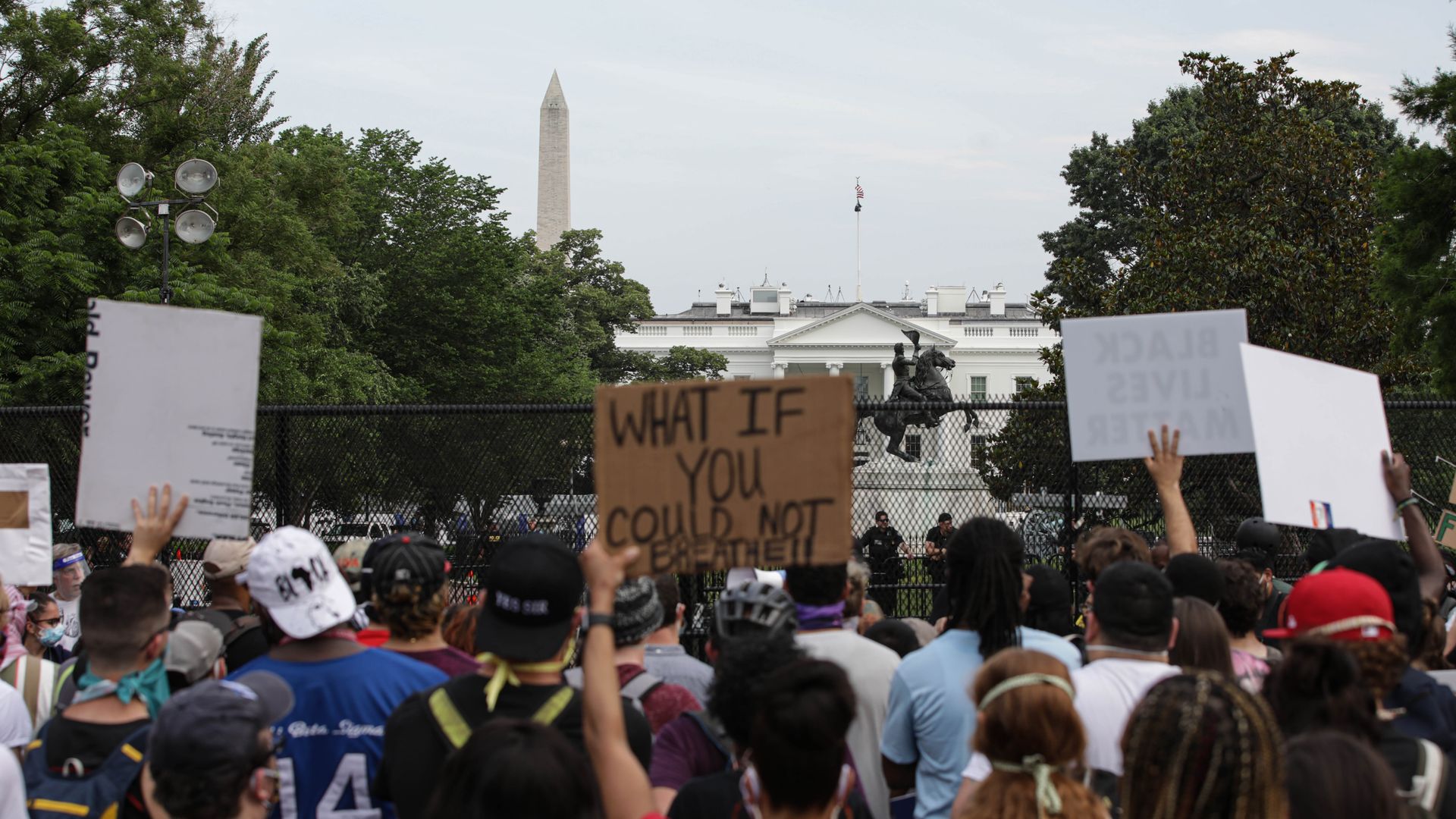
House Speaker Nancy Pelosi (D-Calif.) and Senate Minority Leader Chuck Schumer (D-N.Y.) sent a letter to President Trump Monday asking him to reopen Lafayette Square to the public.
Why it matters: The park became the center of controversy last Monday when federal officers forcibly cleared protesters from the area outside of the White House so that Trump could walk to St. John's Episcopal Church for a photo op. Its various entrances have been blocked off by metal barricades since last week.
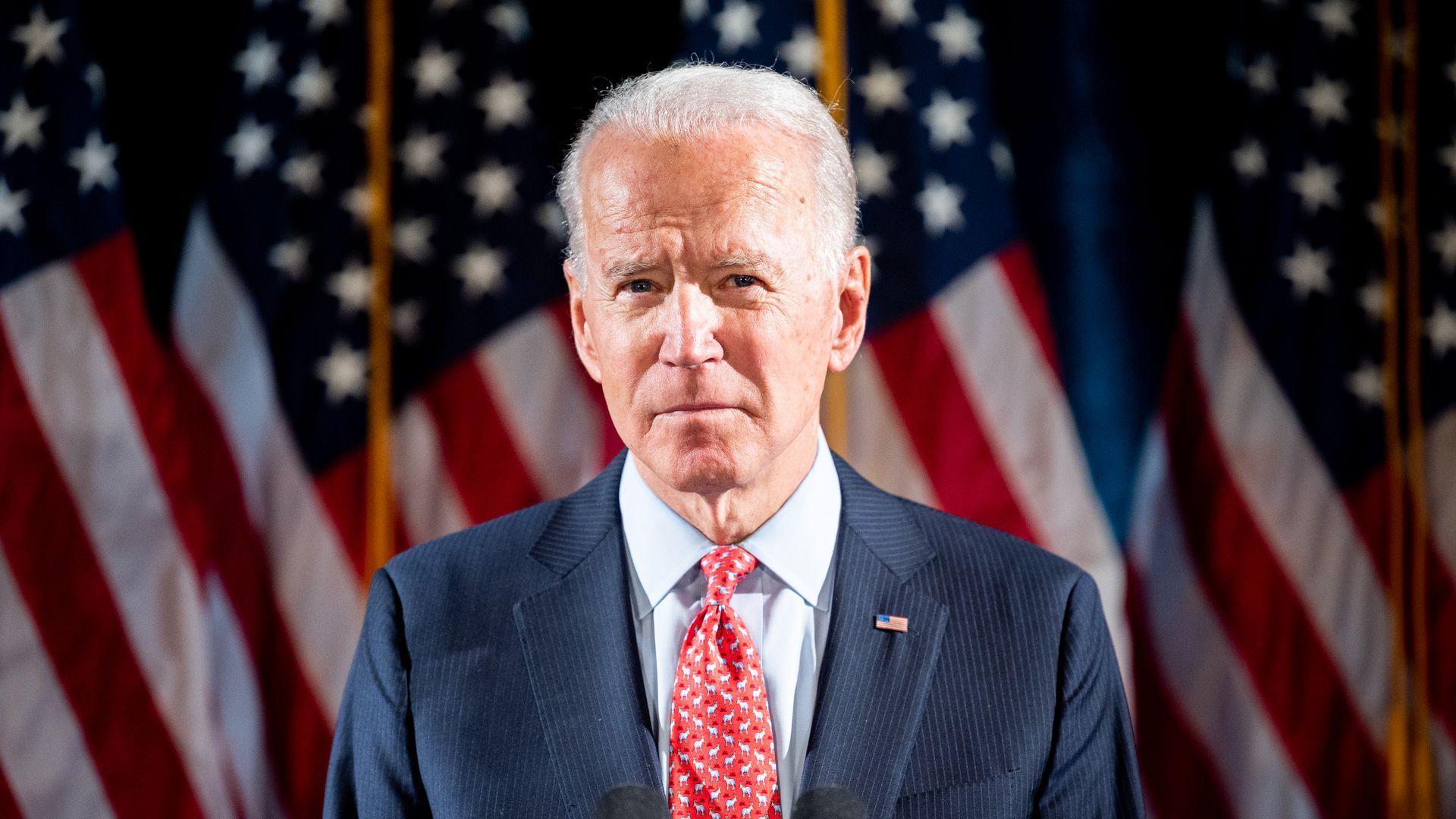
Joe Biden's campaign said in a statement Monday that the presumptive Democratic presidential nominee does not support defunding police, but is pushing for police reform and more spending on community, school, health and social programs.
Why it matters: The statement rejects claims from President Trump's re-election campaign that the former vice president would undercut the ability of police departments to do their jobs by endorsing the "defund the police" message, which has been at the heart of activist demands over the past several weeks of protests.
Senate Minority Leader Chuck Schumer (D-N.Y.) said Monday that Senate Democrats are set to "fight like hell" in order to pass a sweeping new police reform bill, calling on Senate Majority Leader Mitch McConnell (R-Ky.) to bring it up by the end of the month.
Why it matters: The bill represents the most drastic overhaul of federal policing laws in decades, as Axios' Alayna Treene reported.
Voters trust Democrats to address climate change and clean energy far more than Republicans, and there's majority support for multitrillion-dollar investments to massively expand emissions-free fuels, new polling shows.
What they found: The survey from the lefty think tank Data for Progress shows an advantage for Democrats on those topics that's far outside the margin of error, compared to the more even split on jobs and the economy.
118 of 123 teams (96%) across the big four American sports leagues have issued statements regarding George Floyd's murder and the ensuing nationwide protests.
Why it matters: A week ago, that number was 74 of 123 (60%), though we only reviewed Twitter last time. This week, we also included Instagram and Facebook.
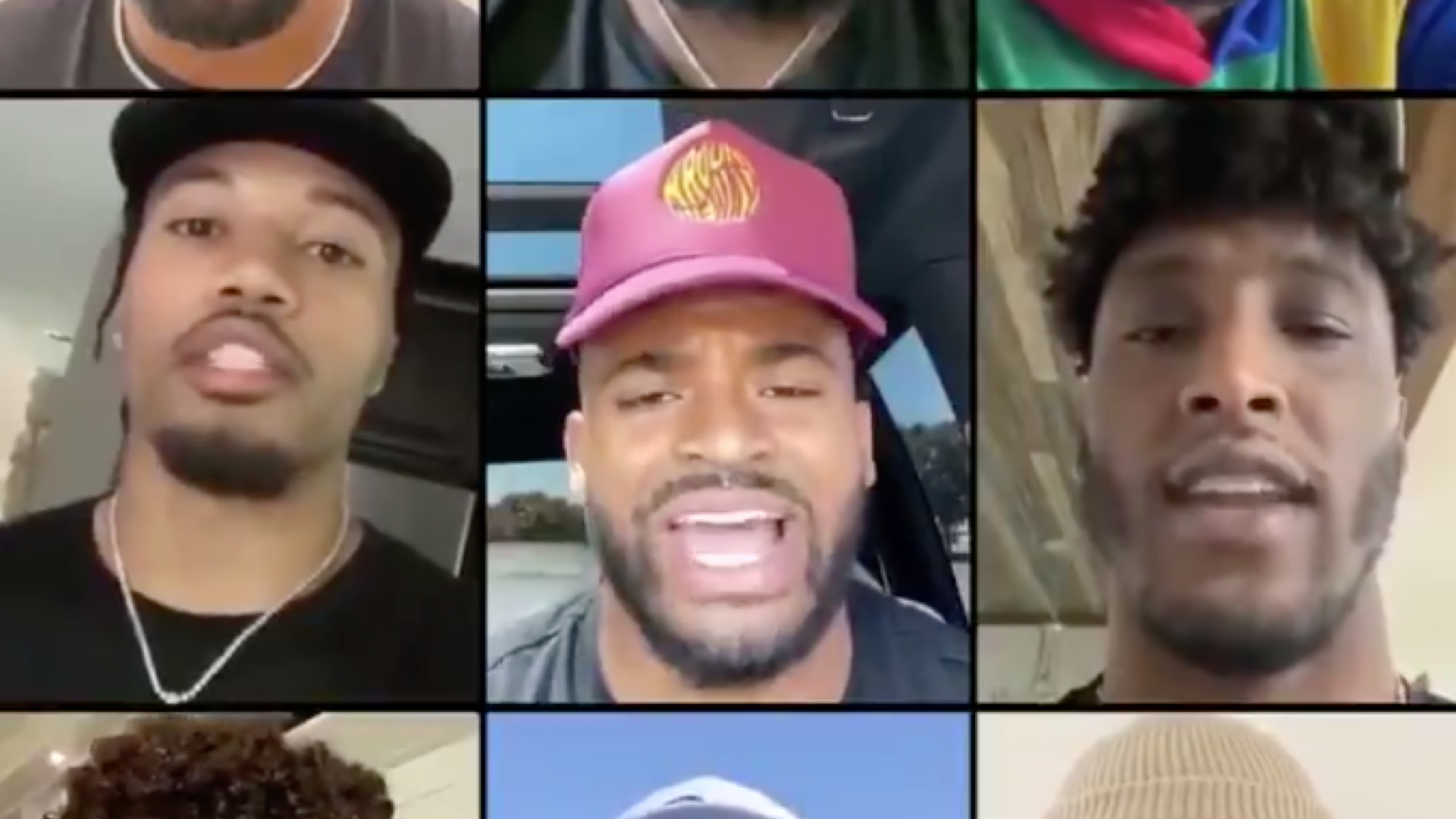
Over the course of 72 hours last week, some of football's brightest stars — with help from a pair of NFL staffers — successfully pressured the league to take a stand against racism and support their right to peacefully protest.
Why it matters: If actions follow words, then Wednesday, Thursday and Friday changed the NFL forever. And if actions don't follow words, a new generation of athletes just proved to the league — and to themselves — that they have the power to demand that they do.
Police reform advocates have pressed for decades for the ranks of law enforcement to better reflect the makeup of their communities — but now the efficacy of those efforts is under fresh scrutiny after George Floyd's killing.
Why it matters: Nationally, over 15% of law enforcement is black — a bigger share than the black U.S. population. But there's no hard evidence that improving diversity alone leads to fewer deadly interactions with the police.
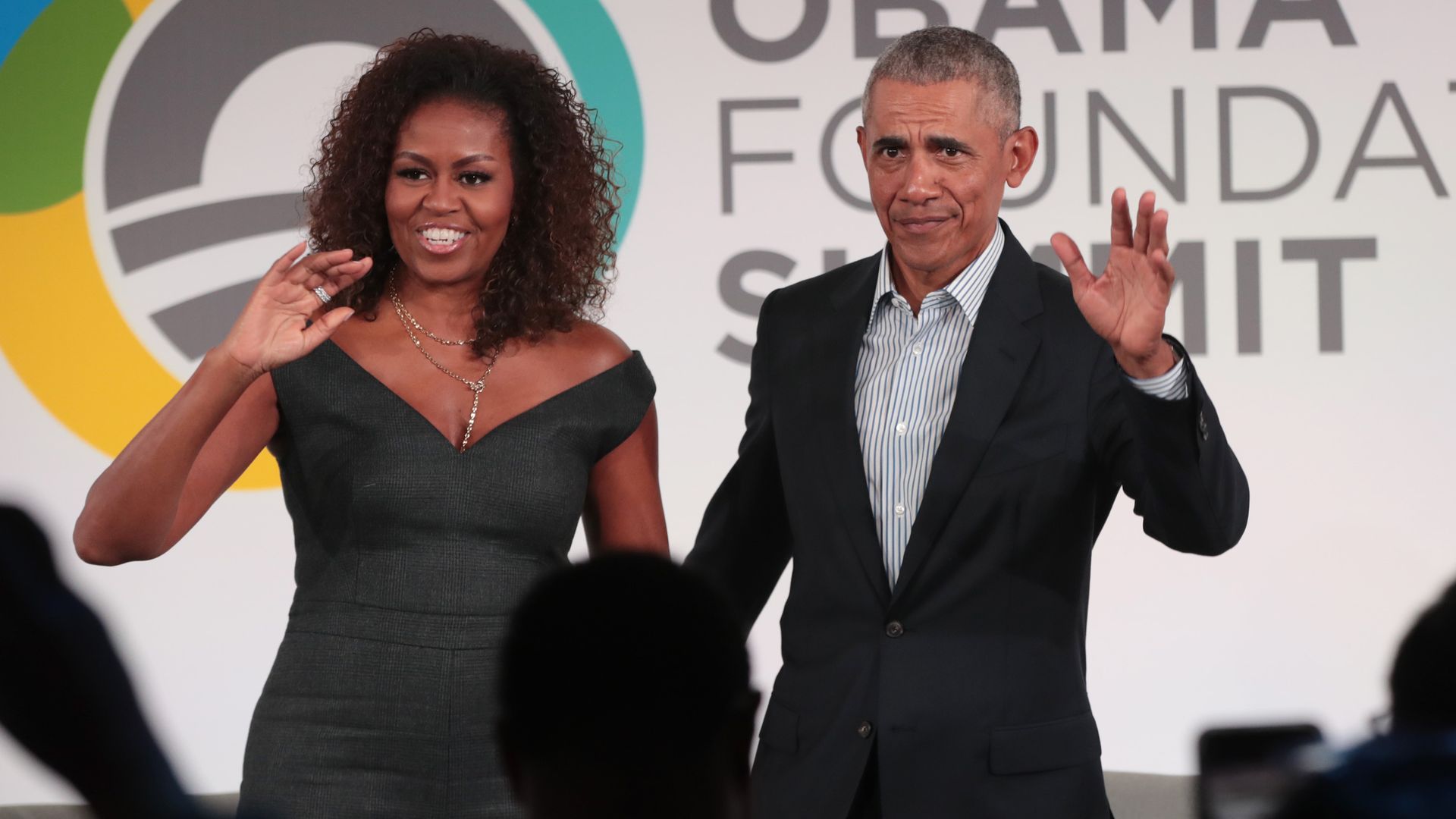
Barack and Michelle Obama used separate online commencement addresses on Sunday to highlight the inequalities and prejudices brought into focus by the coronavirus pandemic and Black Lives Matter protests and urged graduates to vote for change.
Of note: The former president didn't mention his successor President Trump during his "Dear Class of 2020" YouTube address. But he didn't hold back in slamming what he called the "divisions and dysfunction that plague our political system" or on how social media can be used as "a tool to spread conflict, division and falsehoods, to bully people and promote hate."
New York City Mayor Bill de Blasio pledged on Sunday reforms and cuts for the first time to police funds and Seattle Mayor Jenny Durkan announced plans for a major shake-up of the city's policing.
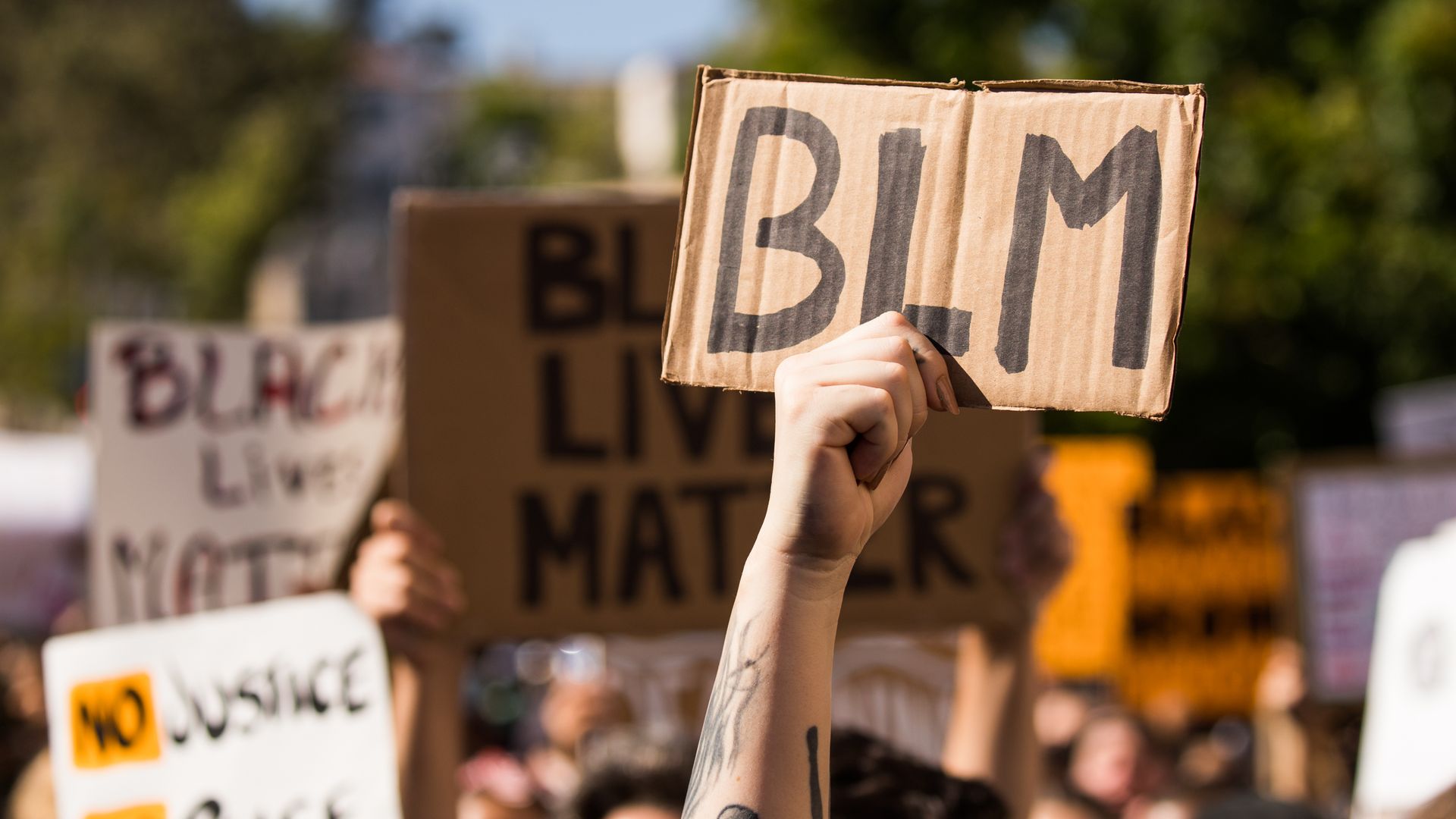
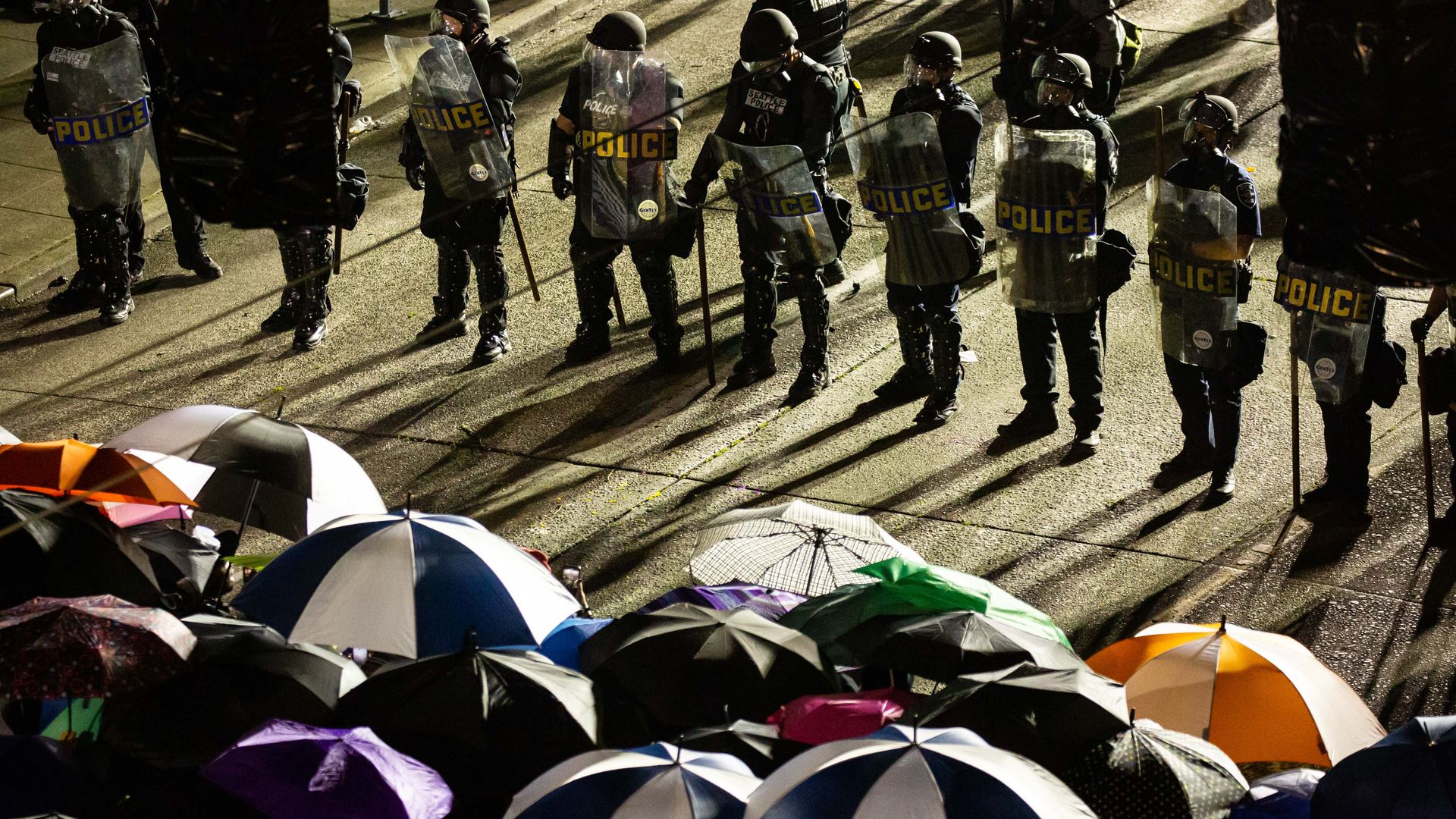
Why it matters: These are the latest examples of Black Lives Matter protesters driving changes in policing policies after almost two weeks of nationwide demonstrations that began over the death of George Floyd and other African Americans in custody.
The NFL said it was "wrong for not listening to NFL players earlier" on the issues of racism and systematic oppression of black Americans, National Football League commissioner Roger Goodell said in a statement on Friday.
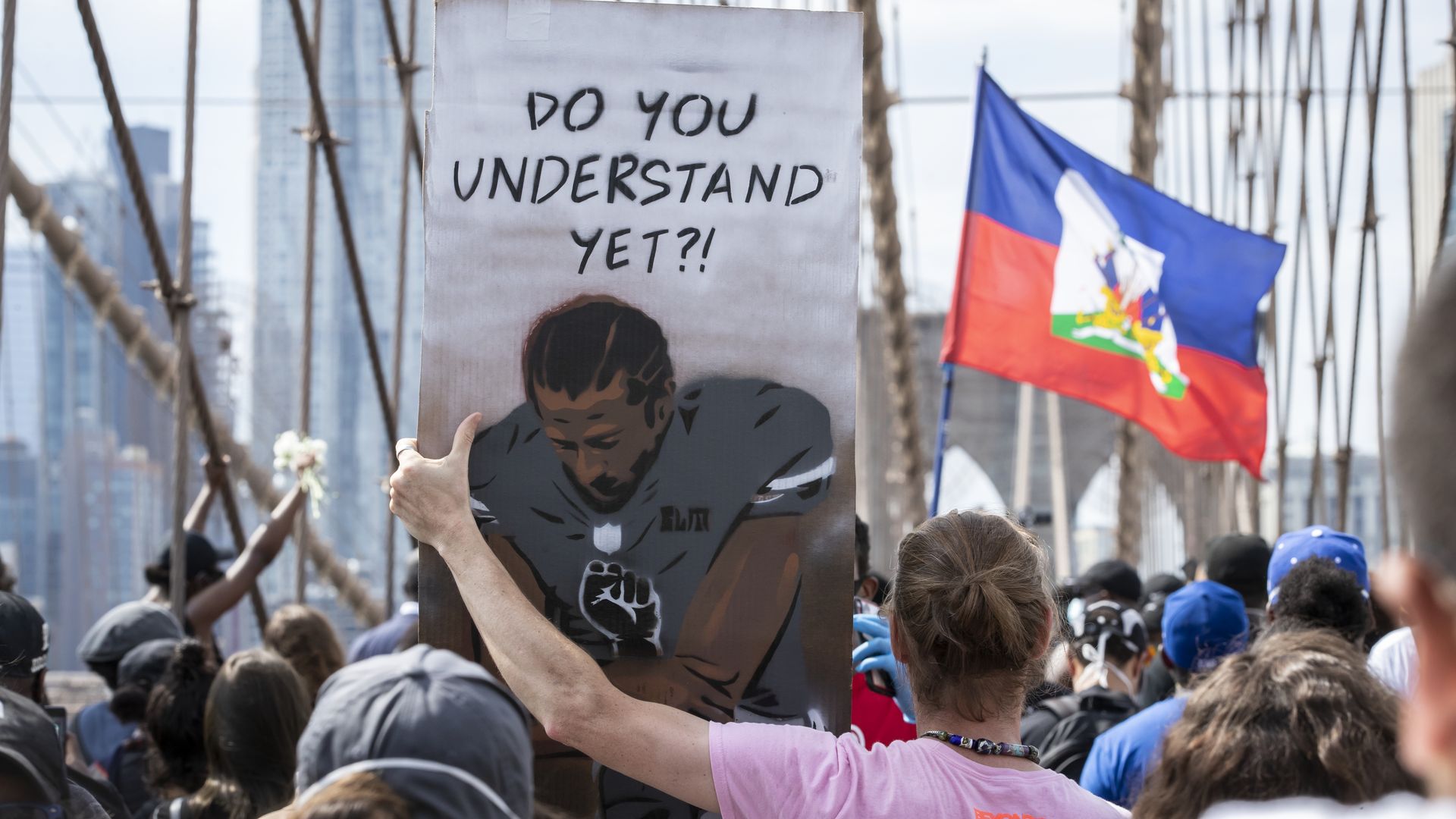
Context: Former NFL quarterback Colin Kaepernick sued the league in 2018 for allegedly blackballing him over his protest of the treatment of African Americans at the hands of police, which consisted of him taking a knee during the National Anthem. The suit was settled last February.
Former Secretary of State and retired four-star Gen. Colin Powell said on CNN's "State of the Union" Sunday that he will be voting for Joe Biden in November, rebuking President Trump as a liar and claiming he has "drifted away" from the Constitution.
Why it matters: Powell is one of a number of GOP leaders and military officials who are either openly denouncing Trump or declining to say whether they will support his re-election in the wake of his response to the George Floyd protests.