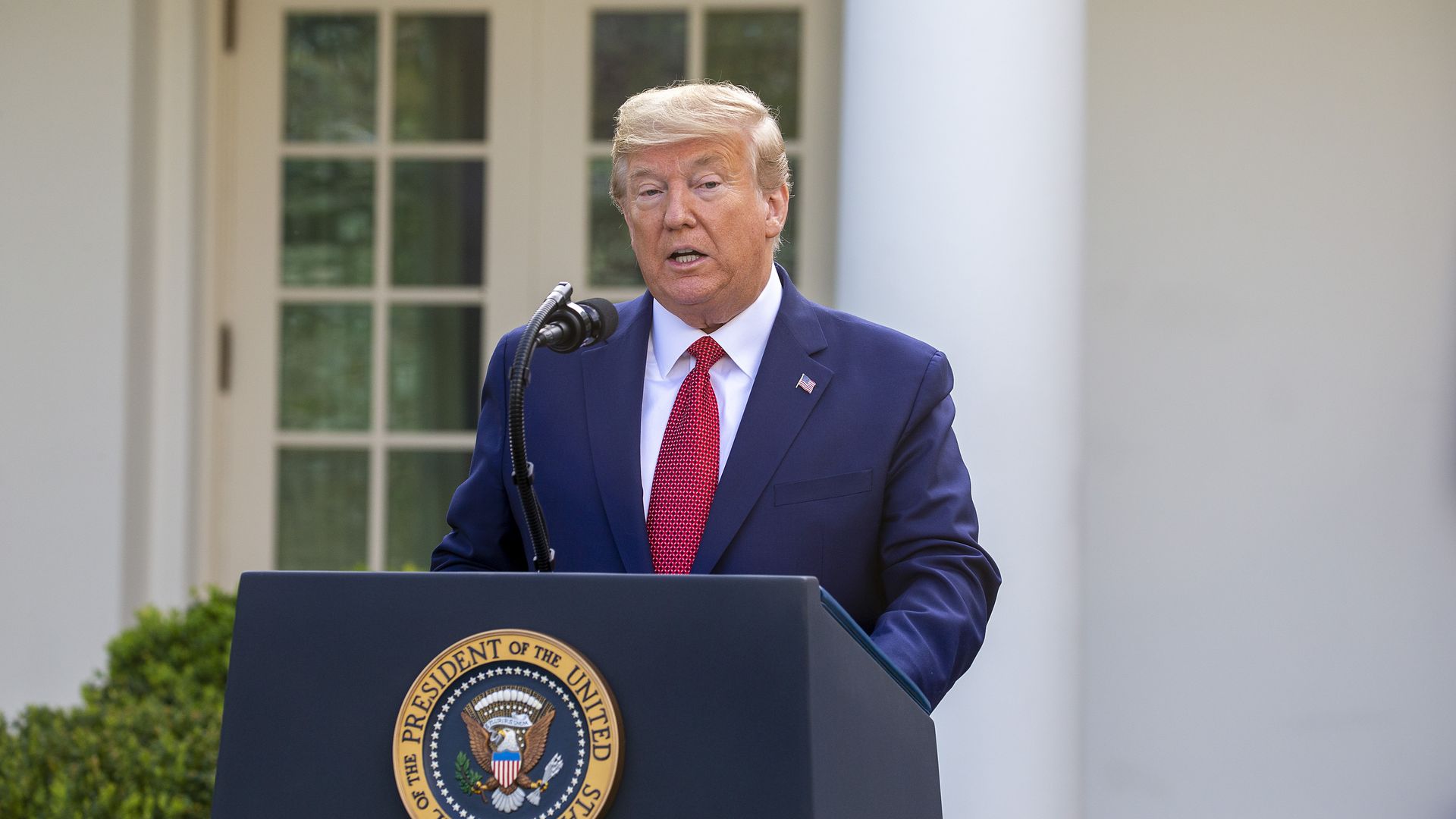
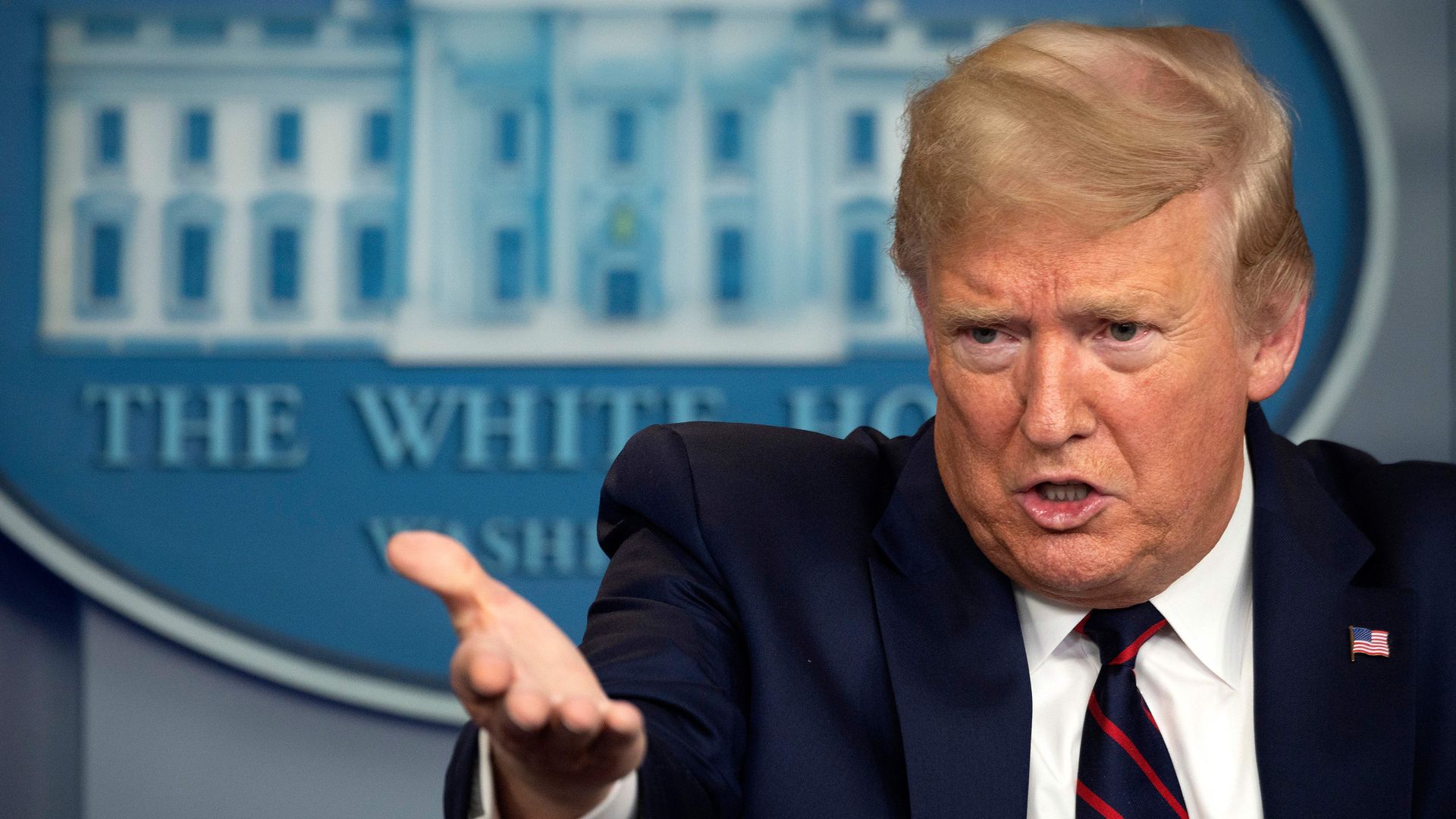
President Trump is extending his administration's "15 days to slow the spread" shutdown guidelines for an additional month in the face of mounting coronavirus infections and deaths and pressure from public health officials and governors.
Driving the news: With the original 15-day period that was announced March 16 about to end, officials around the country had been bracing for a premature call to return to normalcy from a president who's been venting lately that the prescription for containing the virus could be worse than the impacts of the virus itself.
Sen. Amy Klobuchar (D-Minn.), whose husband has tested positive for the coronavirus, said on CNN Sunday that the hardest part of her experience is that it is "such a lonely disease."
Why it matters: Even for those who have not tested positive, the coronavirus pandemic is having a significant impact on Americans’ mental and emotional health, according to polling from Axios and Ipsos.
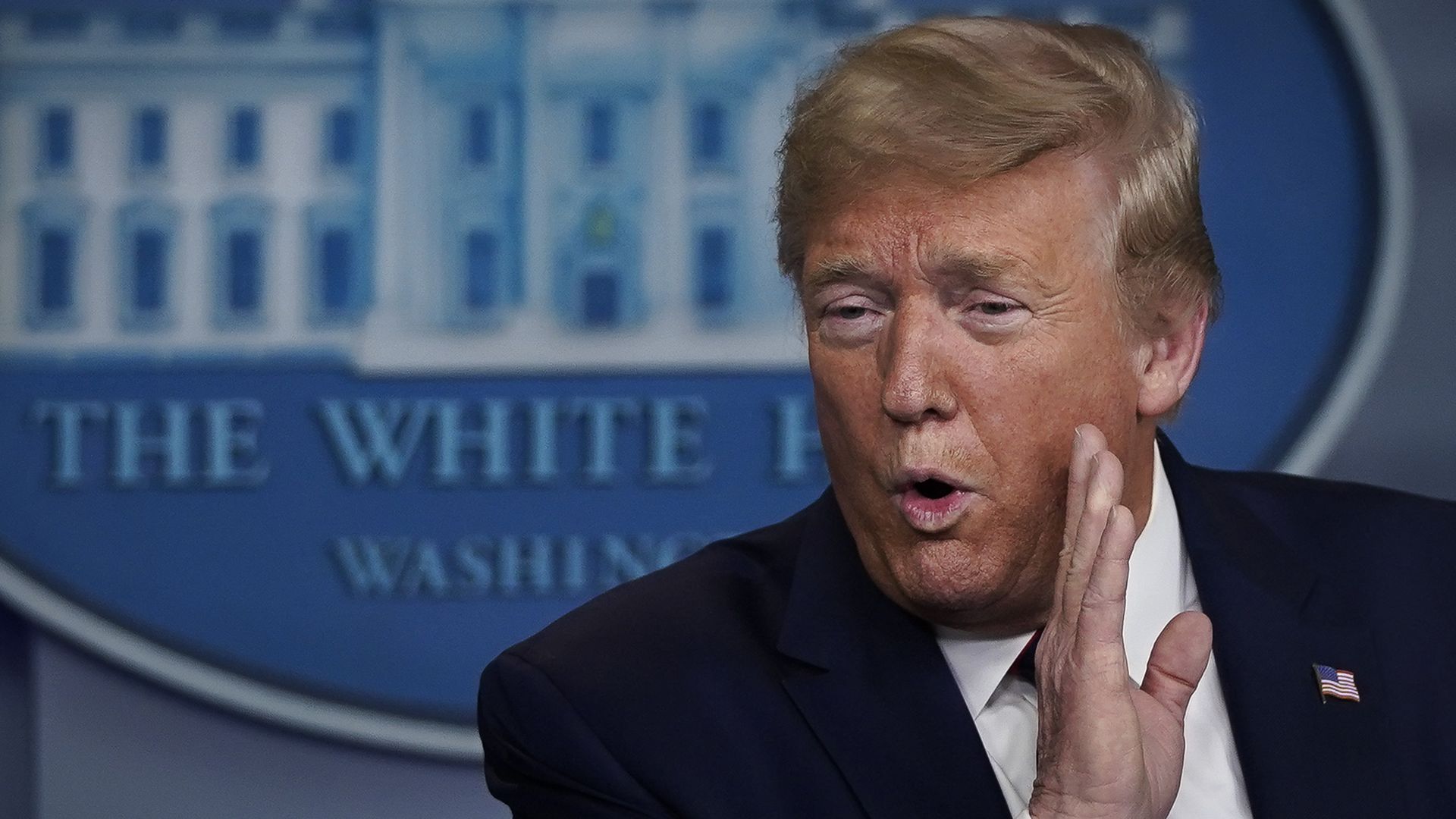
President Trump sent about a half-dozen tweets on Sunday touting the high television ratings that his coronavirus press briefings have received, selectively citing a New York Times article that compared them to "The Bachelor" and "Monday Night Football."
Why it matters: The president has been holding daily press briefings in the weeks since the coronavirus pandemic was declared, but news outlets have struggled with how to cover them live — as Trump has repeatedly been found to spread misinformation and contradict public health officials.
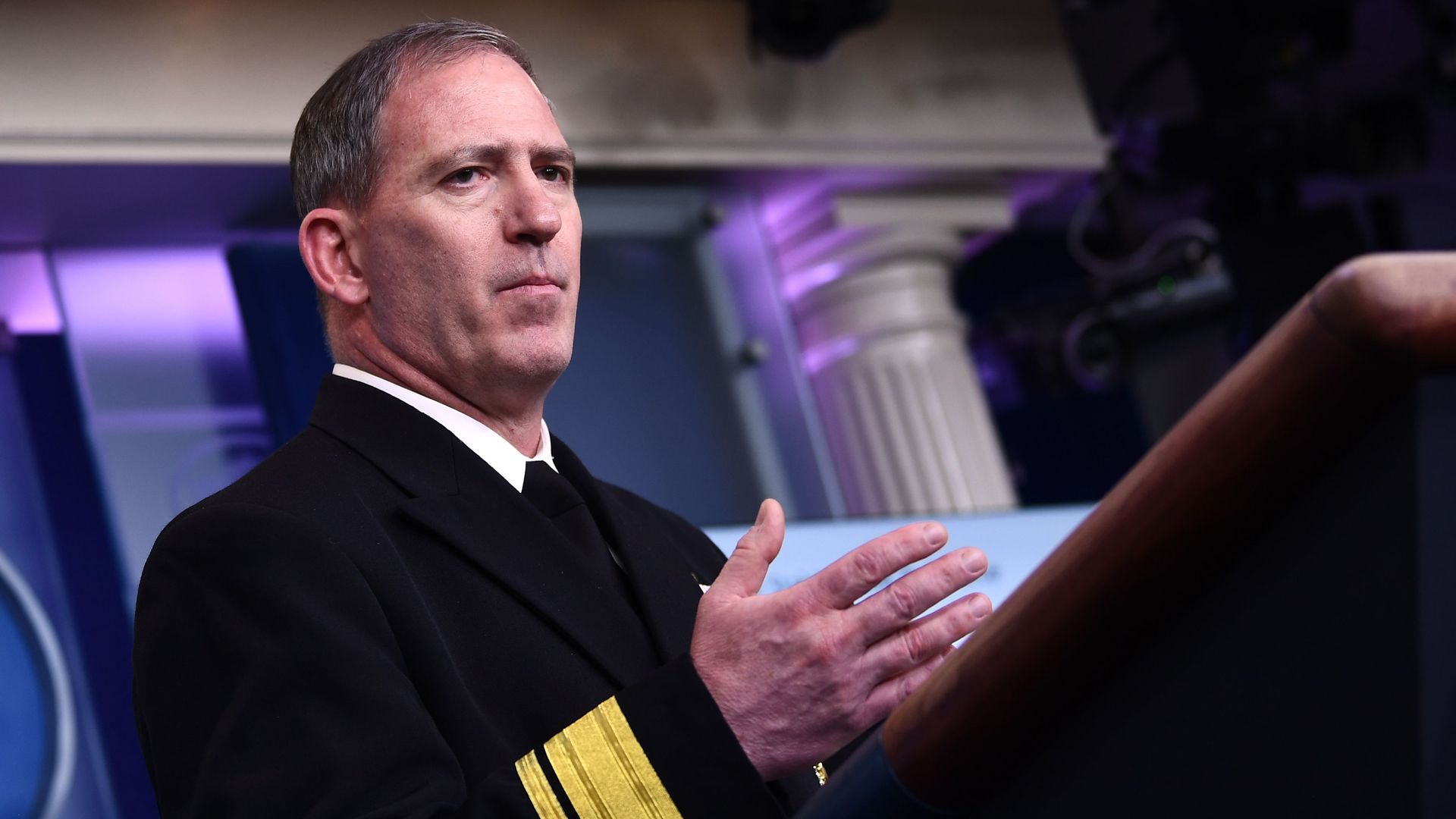
The senior Navy officer now in charge of fixing America's coronavirus supply chain is trying to fill the most urgent needs: ventilators and personal protective gear. But barely a week into his role at the Federal Emergency Management Agency, he's still trying to establish what's in the pipeline and where it is.
Driving the news: "Today, I, as leader of FEMA's supply chain task force, am blind to where all the product is," Rear Adm. John Polowczyk tells Axios.
New York City Mayor Bill de Blasio brushed off his previous comments about the coronavirus pandemic on CNN's "State of the Union" on Sunday, insisting that now is not the time to look backward.
Why it matters: De Blasio told New Yorkers in the early stages of the outbreak that they should continue their normal activities. "We want people to go about their lives," he said on March 13. "We want people to rest assured that a lot is being done to protect them."
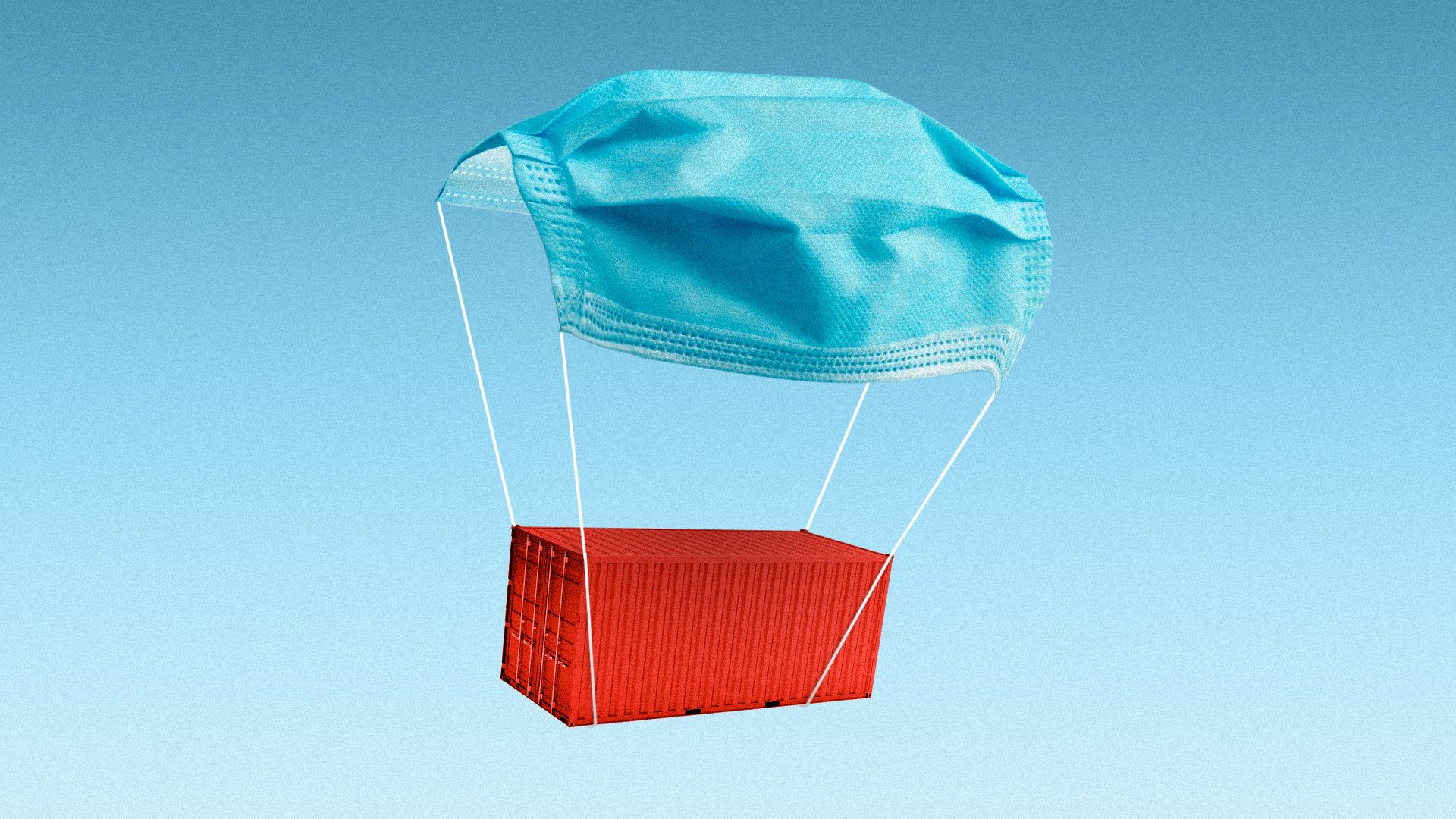
A plane from Shanghai arrived at John F. Kennedy International Airport in New York Sunday morning carrying an extraordinary load: 12 million gloves, 130,000 N95 masks, 1.7 million surgical masks, 50,000 gowns, 130,000 hand sanitizer units, and 36,000 thermometers.
Why it matters: The flight is the start of what might end up being the largest government-led airlift of emergency medical supplies into the United States.
Anthony Fauci, director of the National Institute of Allergy and Infectious Diseases, said on CNN's "State of the Union" Sunday that models suggest the coronavirus will infect millions of Americans and could kill 100,000–200,000, though he stressed that the projections are "such a moving target."
Why it matters: Fauci has been the coronavirus task force's most outspoken advocate for emergency social distancing measures to stop the spread of the coronavirus, sometimes contradicting President Trump's more optimistic outlook.
House Speaker Nancy Pelosi ramped up her criticism of President Trump's coronavirus response on CNN"s "State of the Union" Sunday, claiming that his downplaying of the crisis has cost American lives.
The big picture: The U.S. is now reporting the most positive coronavirus cases in the world, with 124,686 confirmed as of Sunday morning. Pelosi argued on CNN that Trump's initial denial and subsequent delay in getting life-saving equipment to state governments have been "deadly."
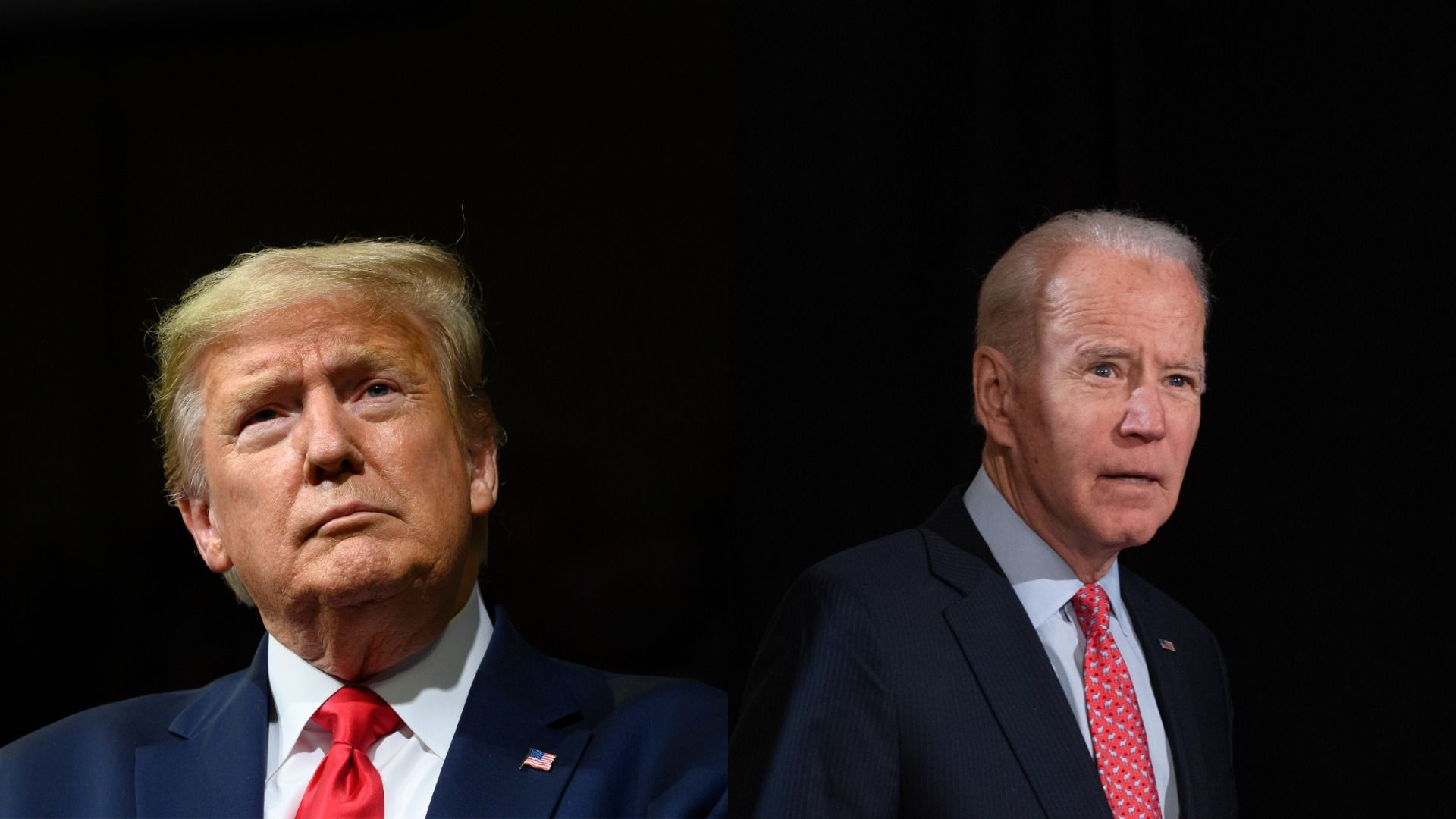
President Trump gained ground on Joe Biden in the WashPost/ABC News poll this month, going from 7 points down in February to a statistical tie — Biden 49% to Trump 47% among registered voters.
Why it matters: Preferences among all adults has Biden standing at 50% and Trump at 44%, though the poll also tests national sentiment and not state-by-state competitions for an Electoral College majority.
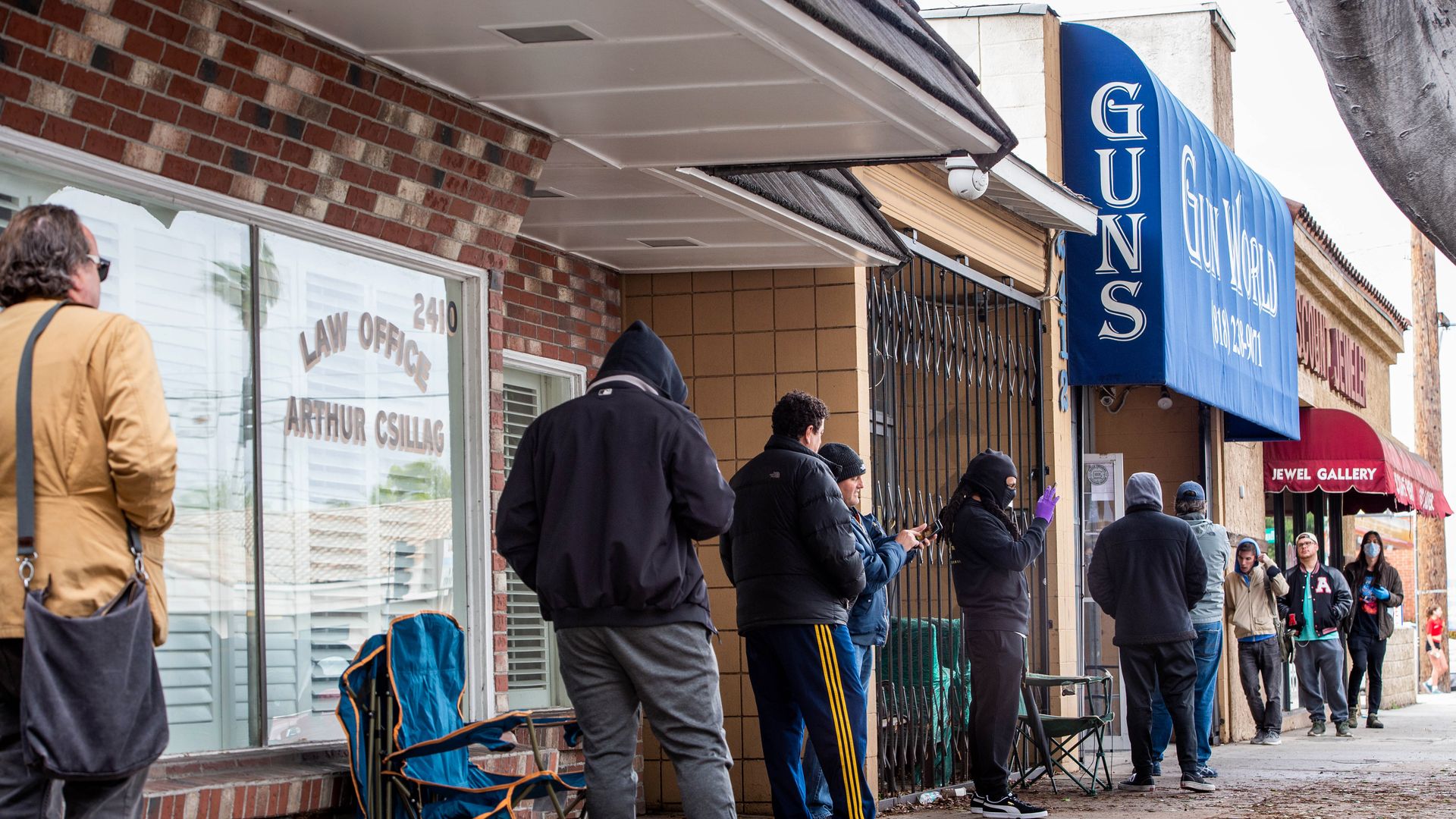
The National Rifle Association and other pro-gun groups filed a lawsuit against California Gov. Gavin Newsom and state officials on Friday after gun stores were deemed non-essential and required to close for the state's stay-at-home order amid the novel coronavirus outbreak.
Why it matters: Both Second Amendment advocates and gun control backers argue that shutting federally licensed firearms dealers could push buyers to purchase guns online or through private sales without background checks, per AP.
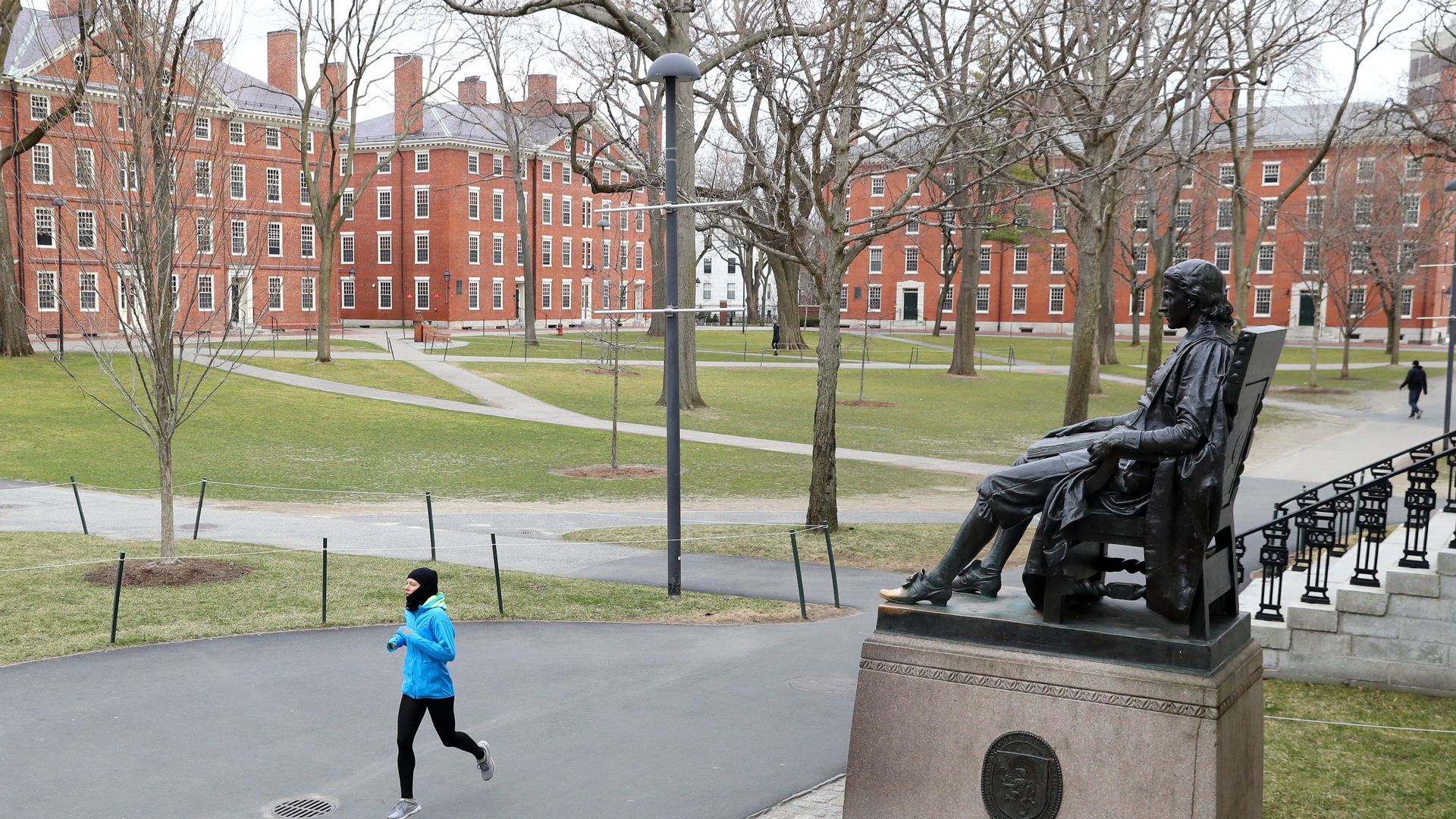
Some Ivy League schools saw freshman admission rates slightly tick up this year, reversing a multi-year trend of frantic competition and scrutiny over the selective spots, The Wall Street Journal reports.
Why now: The novel coronavirus has presented colleges with a variety of challenges, with the pandemic confusing enrollment projections for the coming academic year. Some schools took students off waitlists or changed their denials and admitted them to ensure they enroll full classes, per the WSJ.
President Trump said on Saturday he is considering a "short term" quarantine of New York, New Jersey and parts of Connecticut — areas congruent with the New York metro area, the epicenter of the novel coronavirus in the U.S.
Reality check: These states have already taken steps to quarantine residents and promote social distancing to combat COVID-19. The governors of New York and New Jersey issued statewide stay-at-home orders last week, and non-essential businesses in Connecticut were ordered to close as of this Monday.
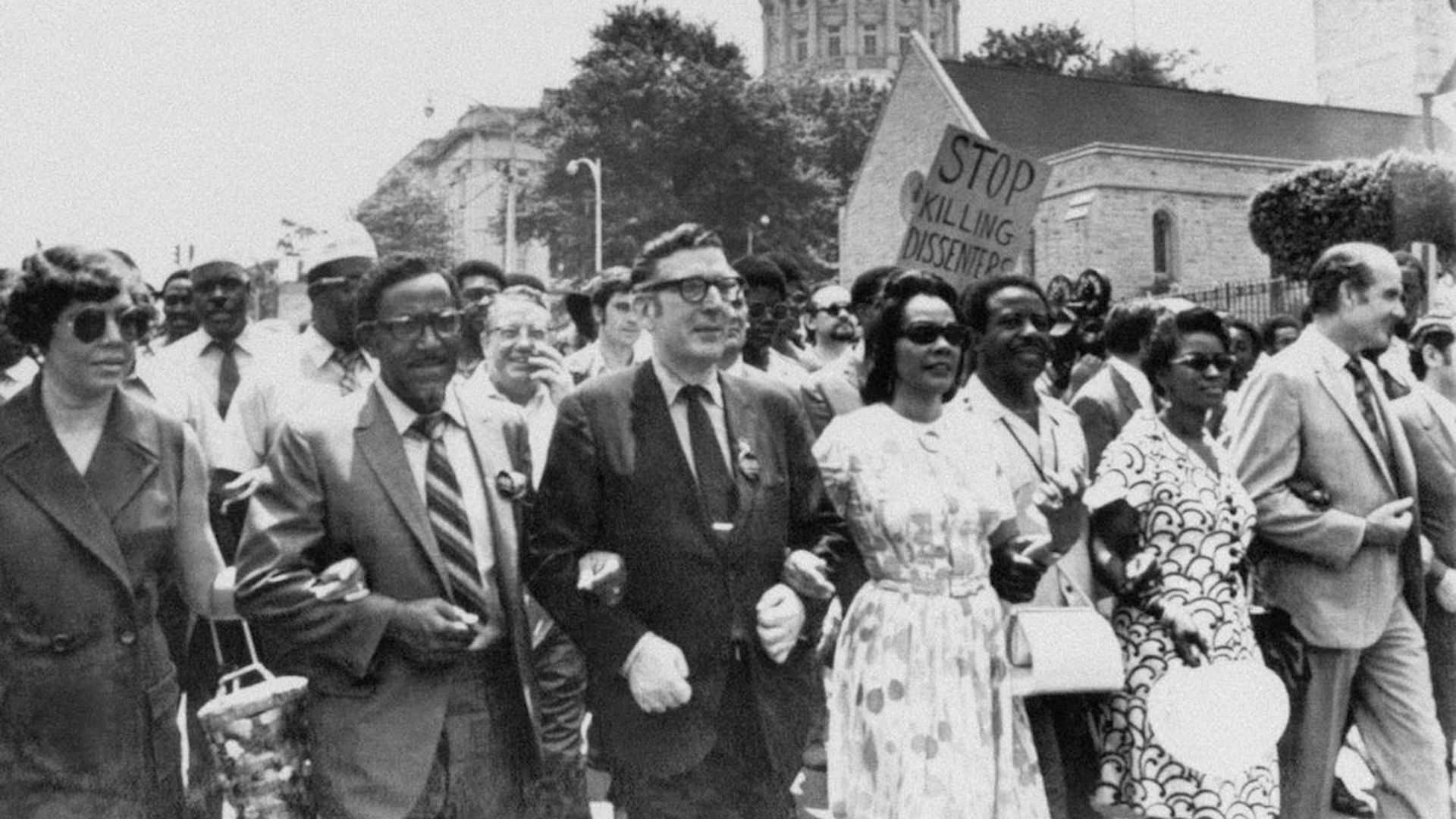
Rev. Joseph Lowery fought to end segregation, and lived to see the election of the United States' first black president, AP writes.
The big picture: Lowery was born in Huntsville, Ala., in 1921. He helped coordinate the 1955 Montgomery bus boycott and co-founded the Southern Christian Leadership Conference in 1957, leading the organization for 20 years as president.
President Trump pledged to reopen the U.S. economy by Easter, a date that most medical experts agree is too soon to effectively contain the spread of the novel coronavirus. Dan digs into the backstory and what comes next with Axios' Jonathan Swan.
A group of Midwestern swing voters that supported President Trump's handling of the coronavirus less than two weeks ago is balking at his call for the U.S. to be "opened up" by Easter, saying they'll tolerate business closures for as long as it takes to contain the spread.
Why it matters: Their feedback suggests that some voters otherwise mostly supportive of the president — and who still see financial threats outpacing health threats — aren't so tired of social distancing that they're willing to risk ending it too quickly.
Former Vice President Joe Biden said that President Trump should "stop personalizing everything" in his approach to dealing the novel coronavirus pandemic, at a CNN town hall on Friday.
Driving the news: "If they don't treat you right, I don't call," Trump told reporters at the White House coronavirus task force briefing on Friday, referring to managing COVID-19. Trump said Vice President Mike Pence "calls all the governors," but he advises Pence against contacting those he views as unappreciative.
"If they don't treat you right, I don't call," President Trump told reporters at the White House coronavirus task force briefing on Friday, referring to U.S. governors battling the spread of COVID-19.
What he's saying: Trump said that while "generally speaking," the nation's governors have been appreciative of his administration's efforts to combat the spread of COVID-19, there are some — including Washington Gov. Jay Inslee and Michigan Gov. Gretchen Whitmer — who the task force should not bother contacting.