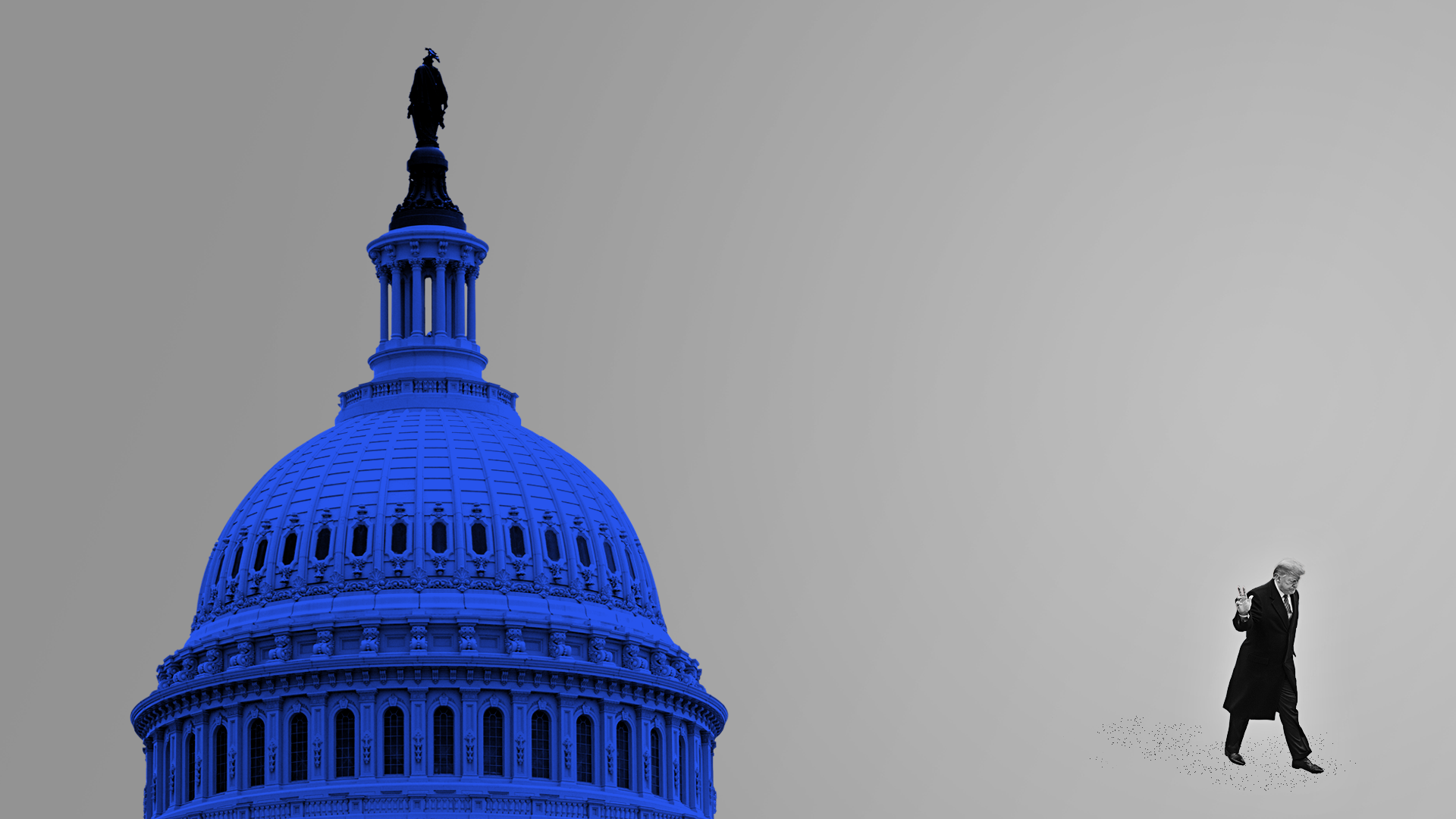
In the wake of a shutdown defeat and the indictment of yet another associate — both of which have underscored a months-long losing streak for the president — some prominent Republicans are urging the party to ditch Trump ahead of the 2020 primary, the New York Times reports.
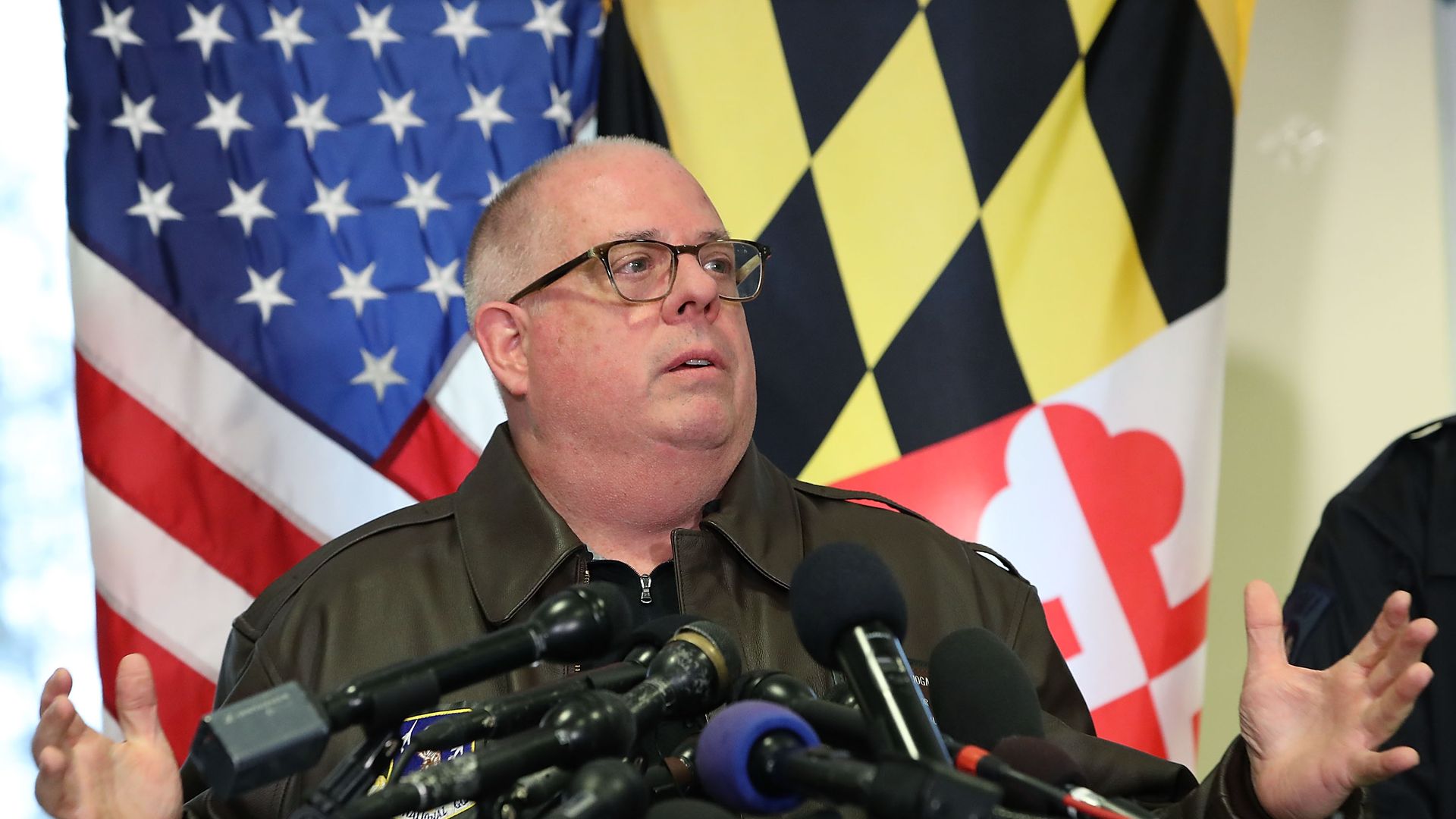
The big picture: Most Republicans are of the opinion that Trump is "unassailable" in a GOP primary, but some are anxious enough about his vulnerabilities that they're looking at Larry Hogan, the popular centrist governor of Maryland, as a possible alternative. Hogan's inauguration speech after winning reelection in November was viewed as "an unmistakable act of aggression" by the White House, and his planned trip to Iowa in March and meetings with "Never Trump Republicans" are fueling speculation that he may step into the ring, per Politico.
U.S. politics is veering toward a potential transformation in which both major parties are competing to capture a single constituency — millions of Americans, from schoolteachers to steelworkers, who have fallen on hard times.
The big picture: The party that successfully wins over this constituency in 2020, crossing gender, race, ethnicity and age, could hold power for a generation.
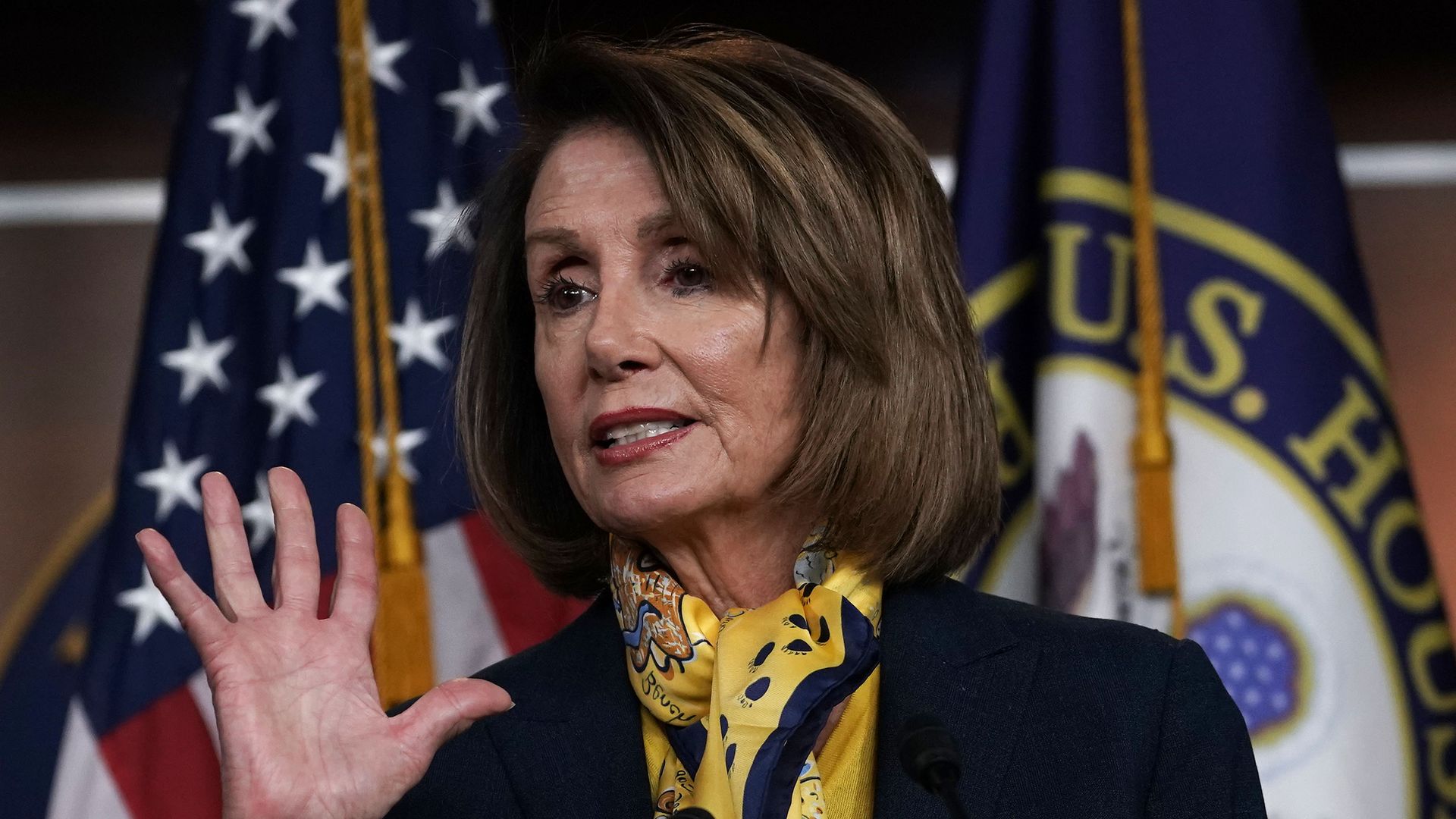
House Speaker Nancy Pelosi issued a statement Friday in response to the arrest of longtime Trump adviser Roger Stone, in which she claimed that Stone's indictment "makes clear that there was a deliberate, coordinated attempt by Trump campaign officials to influence the 2016 election and subvert the will of the American people."
"It is staggering that the President has chosen to surround himself with people who violated the integrity of our democracy and lied to the FBI and Congress about it."
The big picture: Pelosi points out that the 37 indictments issued by Robert Mueller, as well Trump's repeated attempts to undermine the special counsel's investigation, raise questions about his relationship with Russian President Vladimir Putin. The New York Times reported earlier this month that Trump has privately considered withdrawing from NATO, which Pelosi says would be a "massive victory for Putin."
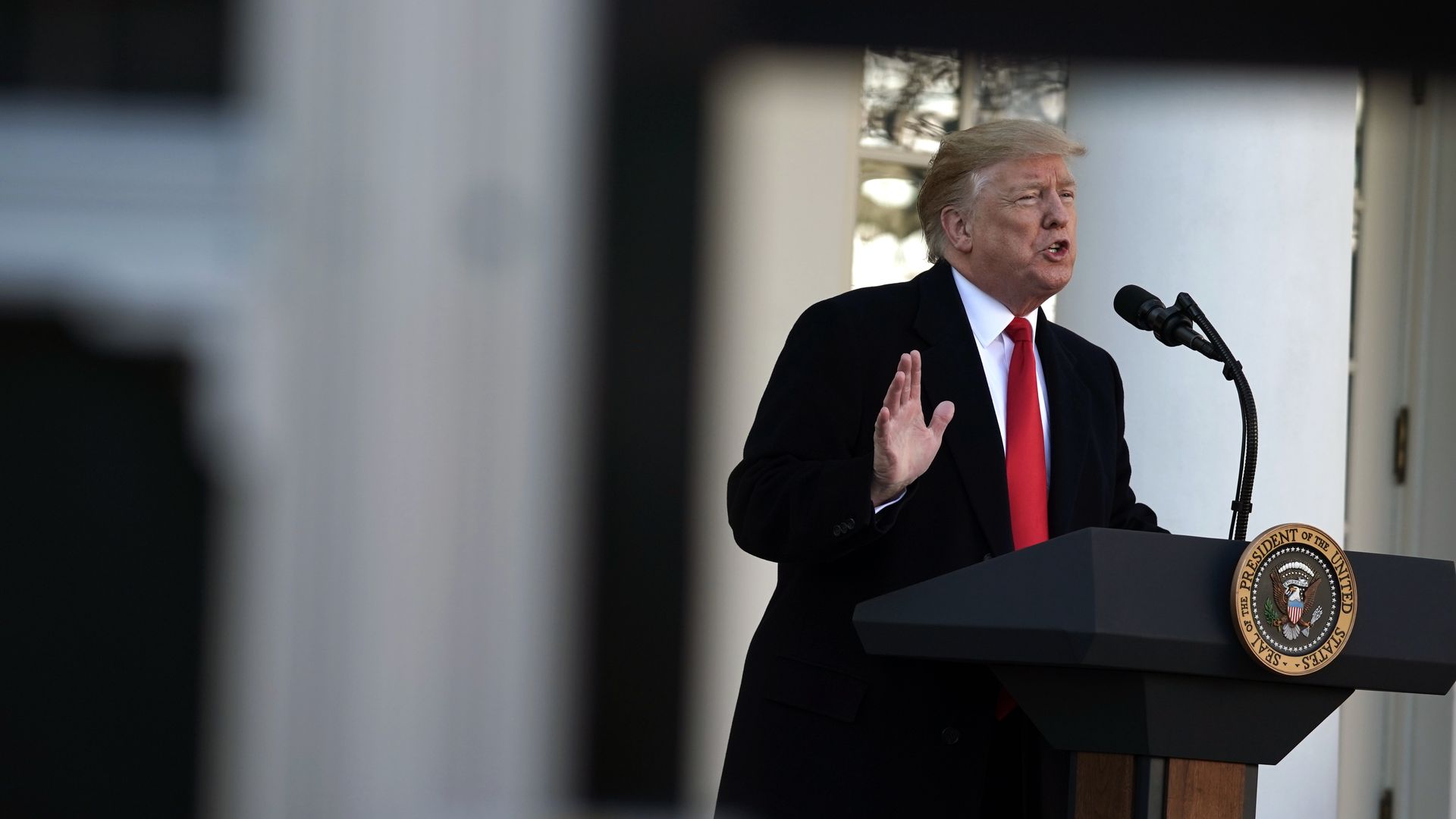
President Trump created the longest government shutdown in U.S. history so he could get $5.7 billion for a border wall, and today he caved in exchange for $0.
Driving the news: Trump will sign a short-term dealthat will open the government for three weeks. During that stretch, the House and Senate will go to conference to discuss border funding. “If we don’t get a fair deal from Congress, the government will either shut down on Feb. 15, again, or I will use the powers afforded to me under the laws and Constitution of the United States to address this emergency," Trump said today.
The indictment of Roger Stone has given us new insight into what special counsel Robert Mueller knows — and raised a lot of questions about the unnamed people and organizations listed in the indictment.
Between the lines: The biggest mystery focuses on the statement that "a senior Trump Campaign official was directed to contact Stone" about future Wikileaks dumps that would be damaging to Hillary Clinton. The vague passiveness of "was directed" has led to questions about whether it was President Trump who gave the order, as a reporter asked White House press secretary Sarah Sanders. But this falls under the category of things we just don'tknow yet.
President Trump announced Friday that he would sign a temporary short-term spending bill to reopen the government until Feb. 15 — one that does not include funding for his border wall.
Between the lines: While the deal includes a motion for the House and Senate to go to conference to negotiate on border security, Democratic leaders Chuck Schumer and Nancy Pelosi have made their red line clear: They will not support funding for a border wall. The short-term spending bill will lapse in 3 weeks, and barring a significant breakthrough in negotiations, the government may be headed for its second shutdown of 2019 — or possibly an emergency declaration.
President Trump announced Friday afternoon that he will sign a short-term spending bill as soon as today that would reopen the government until Feb. 15, postponing the stalemate over funding for his border wall and other immigration measures for three weeks.
The big picture: This is a significant concession by Trump, with Democrats long having argued that the government should be reopened before negotiations on border wall funding begin. As part of the deal, the House and Senate will go to conference to attempt to reach a consensus on border security. The 800,000 federal workers on furlough for the past 35 days will also receive backpay.
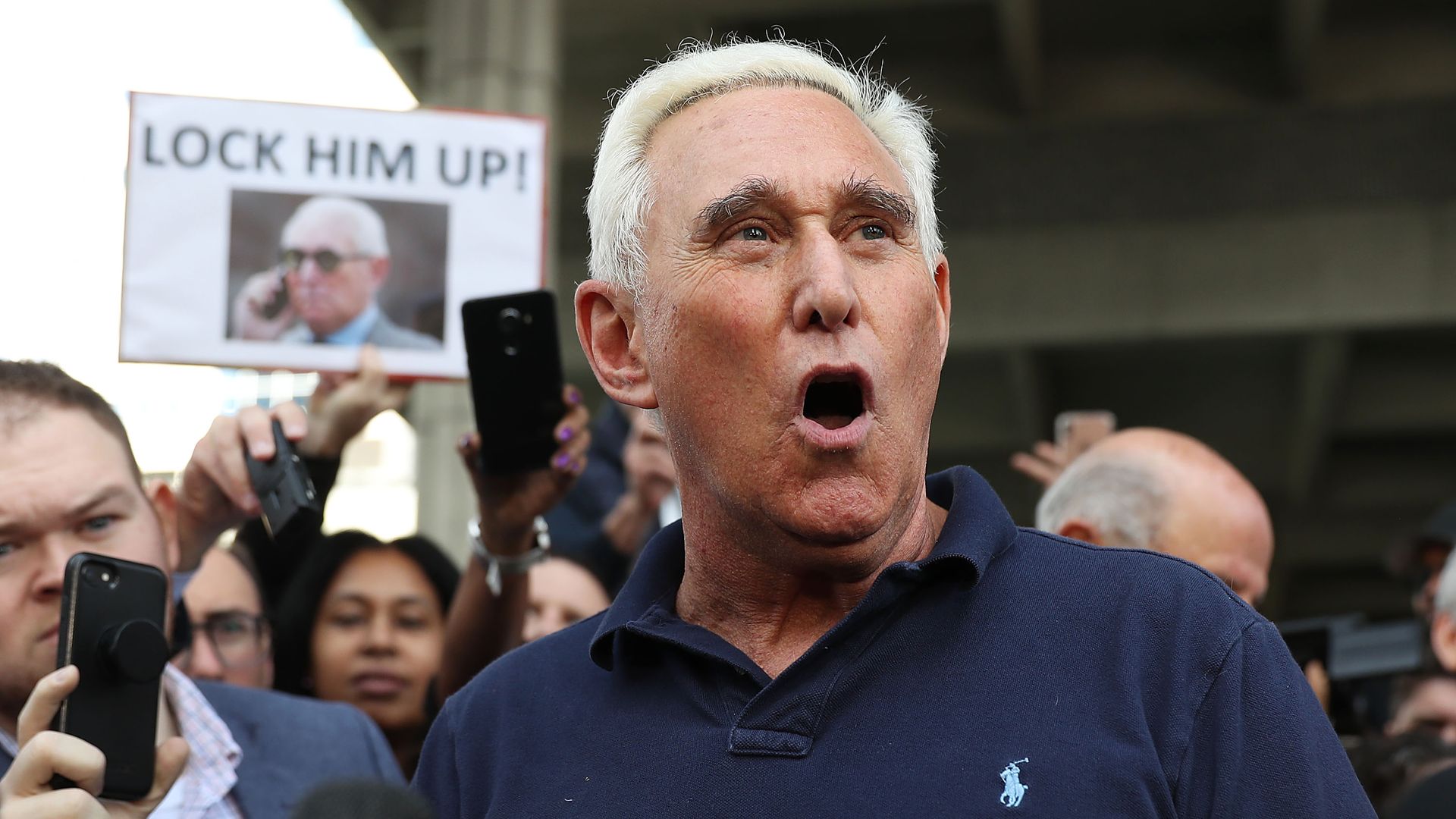
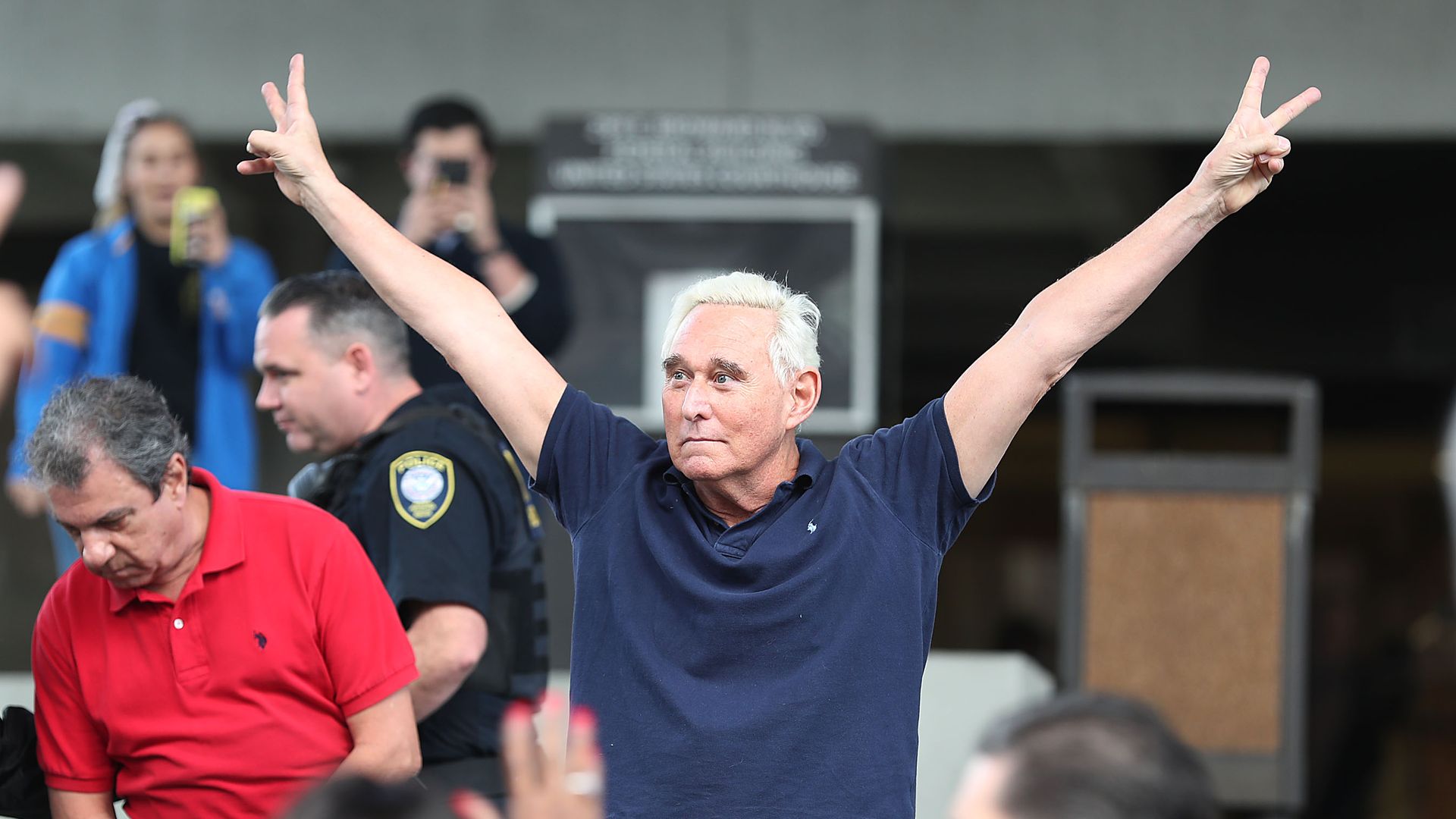
Trump associate Roger Stone told a crowd of reporters outside his court hearing Friday that he will plead not guilty to charges brought by special counsel Robert Mueller, and that he will never testify against President Trump, who he called one of his "oldest friends."
"As I have said previously, there is no circumstance whatsoever under which I will bear false witness against the president, nor will I make up lies to ease the pressure on myself. I look forward to being fully and completely vindicated."
The backdrop: Stone was arrested in a raid in Florida early Friday, after being indicted by the Mueller investigation on seven counts, including obstruction of an official proceeding, making false statements and witness tampering. He told reporters that the Mueller investigation is "politically motivated" and that there is no evidence of collusion.
The long trail of legal news about President Trump's associates — which now includes the indictment and arrest of Roger Stone — makes it easy to lose track of the broader storyline of Robert Mueller's Russia investigation. Here's a map to help you keep every move straight.
How it works: The map shows the people have been convicted, pleaded guilty or charged. Go deeper for other key figures and moments of the investigation. Note that Cohen's first guilty plea and Manafort's conviction were on charges unrelated to Russia — but they highlight Trump's broader legal jeopardy.
Roger Stone's indictment by the Mueller investigation reveals a series of alleged conversations between the Republican operative and Trump campaign officials regarding the timing and content of Wikileaks' email dumps during the 2016 campaign — which Stone allegedly lied about under oath.
Why it matters: Multiple Trump campaign officials — although we don't know who — were allegedly told by Stone ahead of time about WikiLeaks releases considered damaging to Hillary Clinton. One campaign official was even instructed to reach out to Stone about future releases following the DNC email release in July 2016.
The “wealth tax” reportedly being considered by Sen. Elizabeth Warren (D-Mass.) reflects the fact that income inequality has become an early battleground of the 2020 campaign.
Why it matters: This is new in American politics, pushed by rising awareness of — and efforts to weaponize — the top 1%. At the same time, the left has more of a platform than ever, with liberal ideas dominating the primary so far, and Democrats in control of the House.