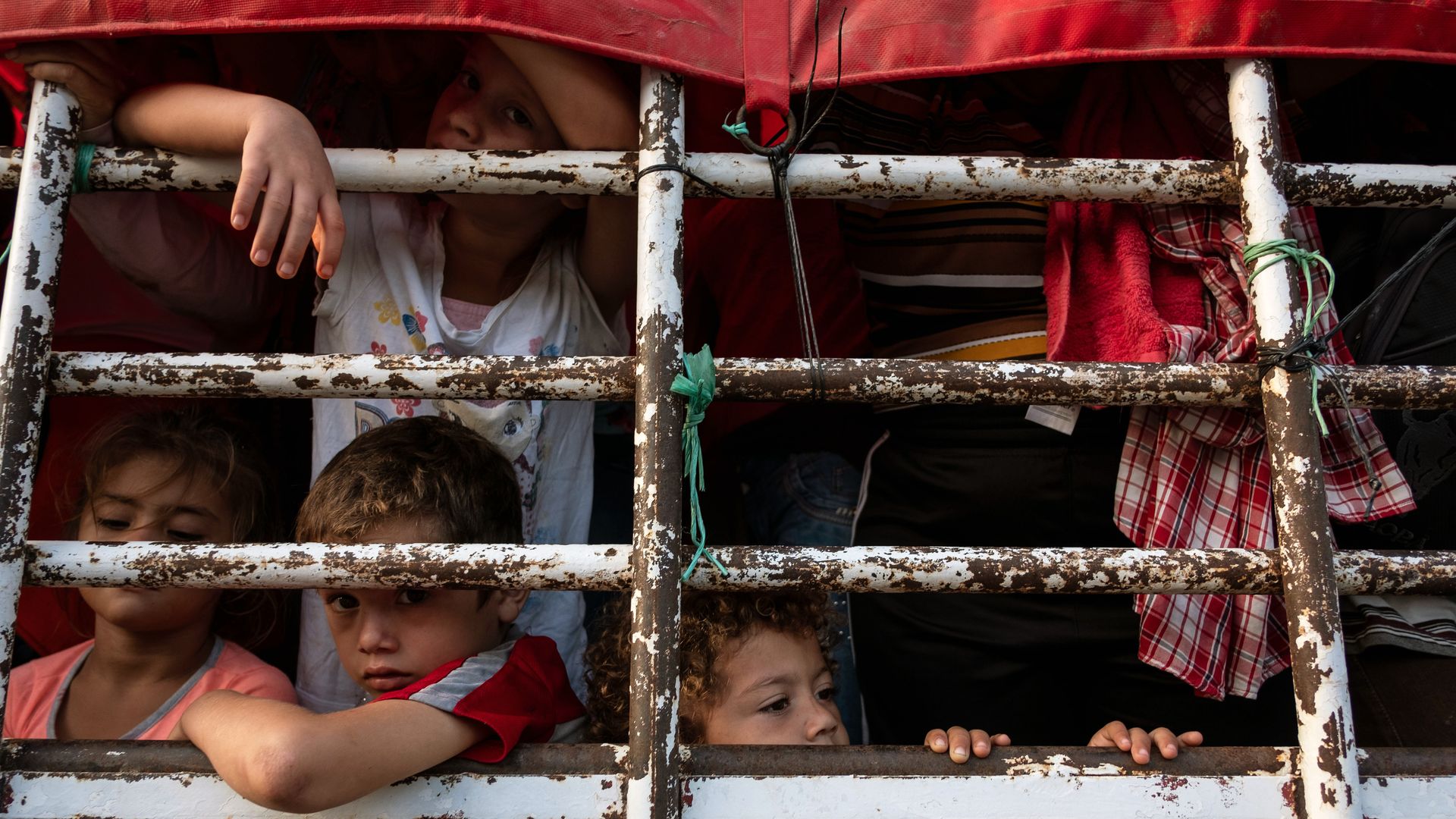
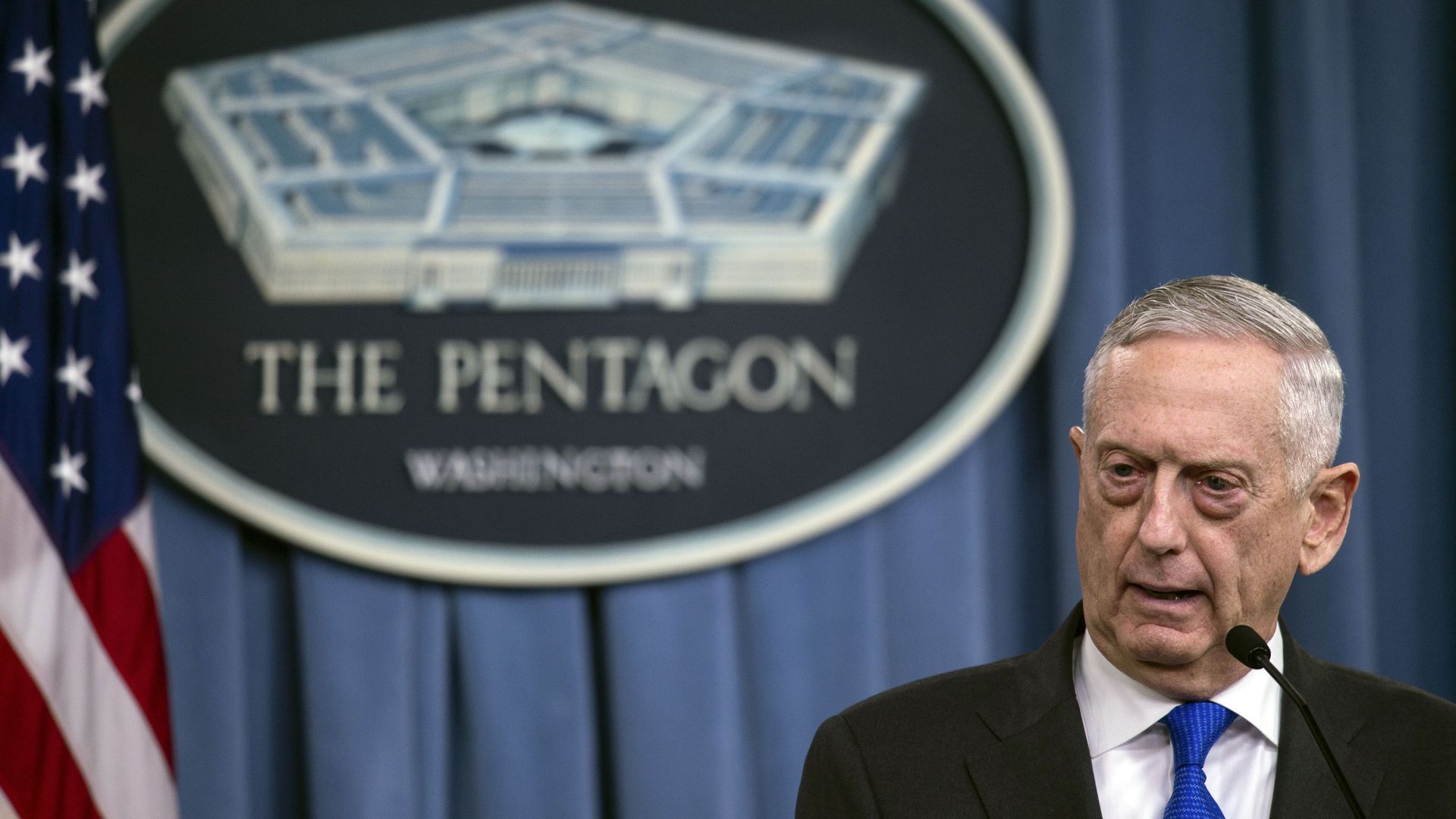
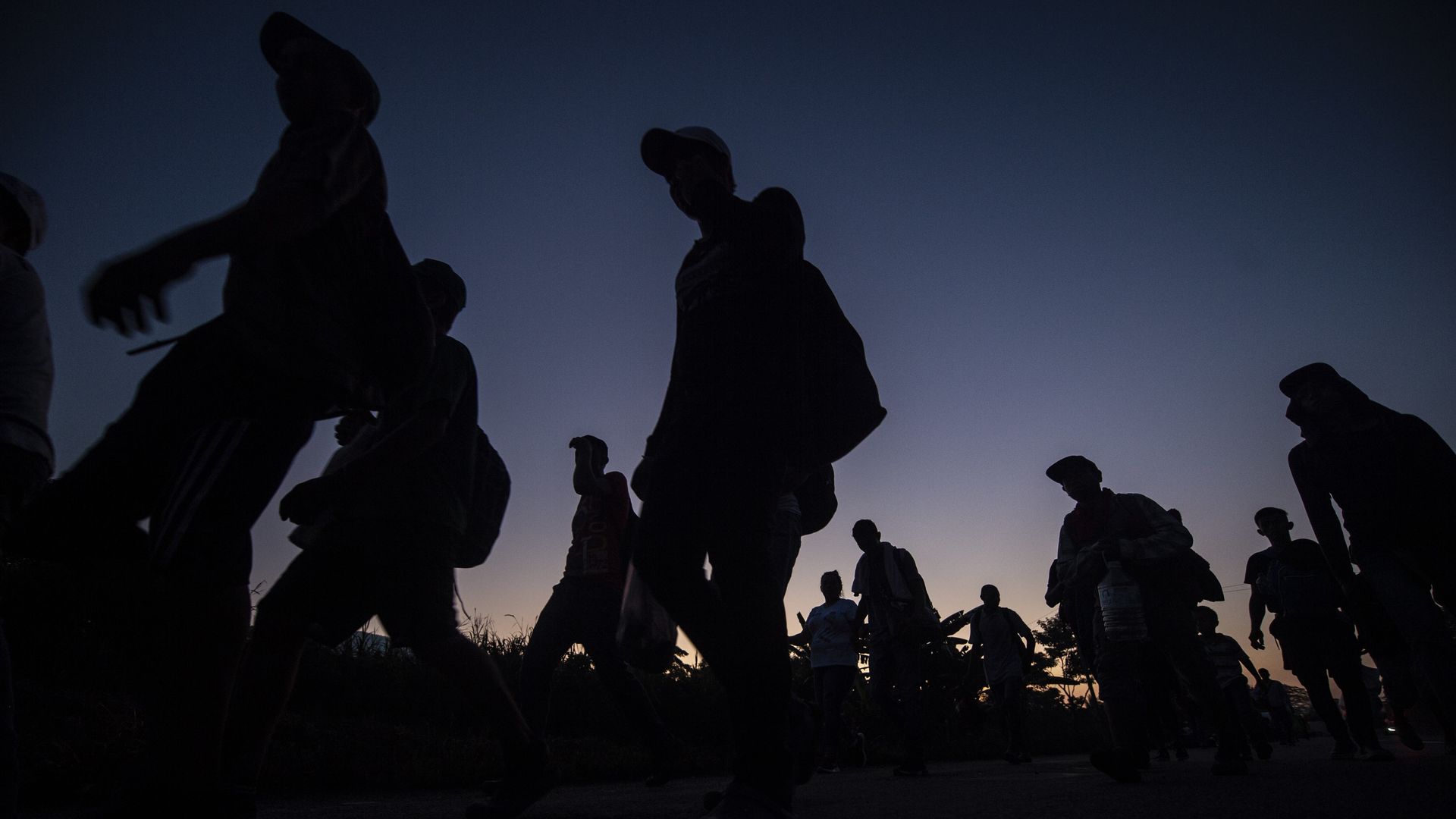
The Department of Defense has approved the Department of Homeland Security and Customs and Border Protection’s request for additional support at the southern border as a caravan of Central American migrants travels north through Mexico.
Why it matters: This will provide engineering support, including temporary barriers and fences, medical teams, temporary housing and personal protective equipment for CBP personnel.
The man who's suspected of sending 13 pipe bombs to Democrats and other critics of President Trump has a lengthy criminal history and financial troubles, and "appears to be a partisan," according to Attorney General Jeff Sessions.
Driving the news: At an afternoon press conference, Sessions said Cesar Sayoc faces five federal charges in connection with the mail bombs. He also could face as much as 48 years in prison. FBI Director Christopher Wray warned that it may not be over — there's no guarantee that other bombs aren't in transit.
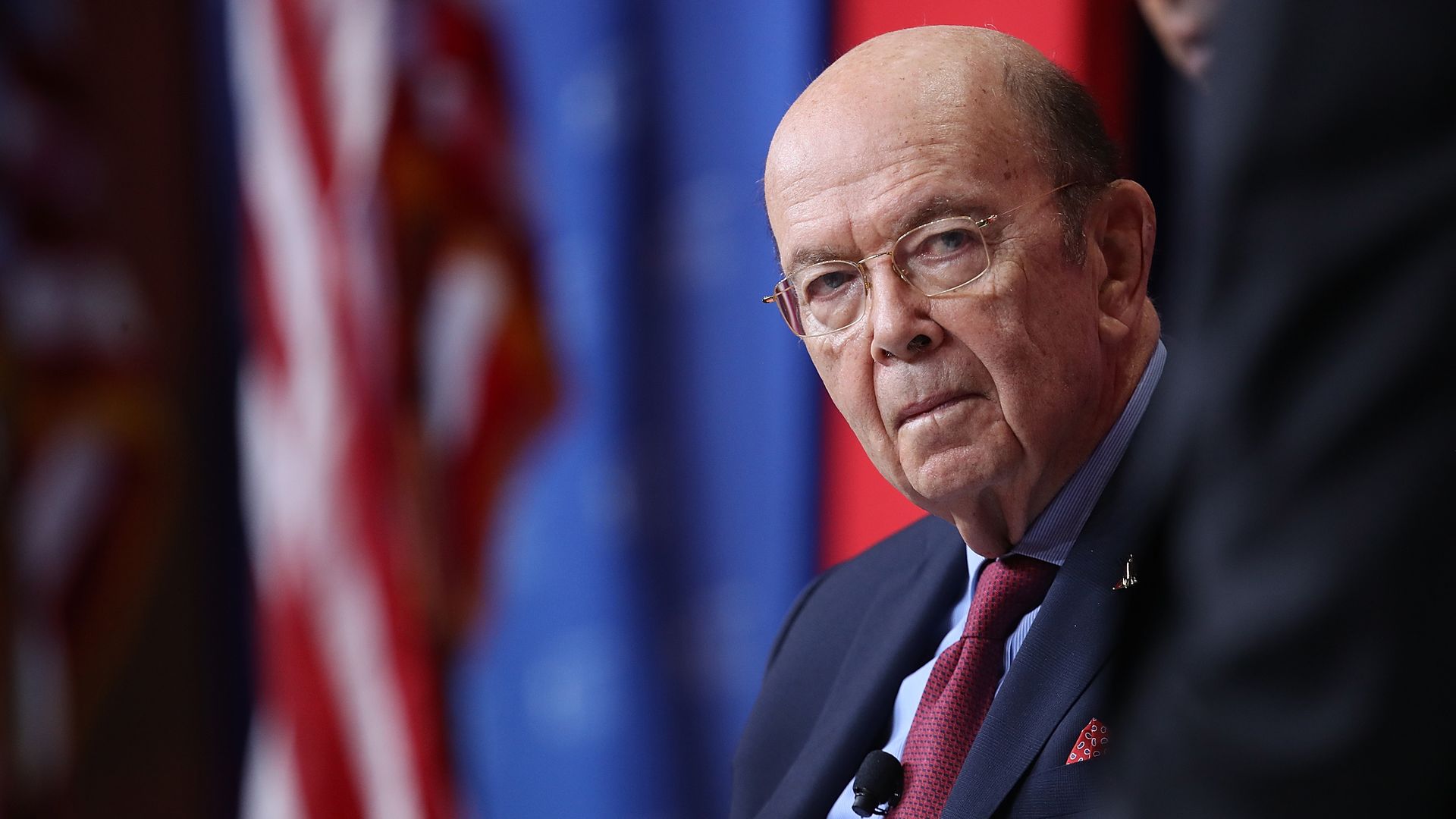
Secretary of Commerce Wilbur Ross may have violated a criminal conflict-of-interest law when discussing oil and gas developments, tax reform and trade issues with Chevron executives in a March 2017 meeting, while his wife still owned a more than $250,000 stake in the company, Forbes' Dan Alexander reports.
Our thought bubble: If Democrats win the House, Ross will be at the top of their list of investigative targets. Here’s the latest on his conflicts of interest:
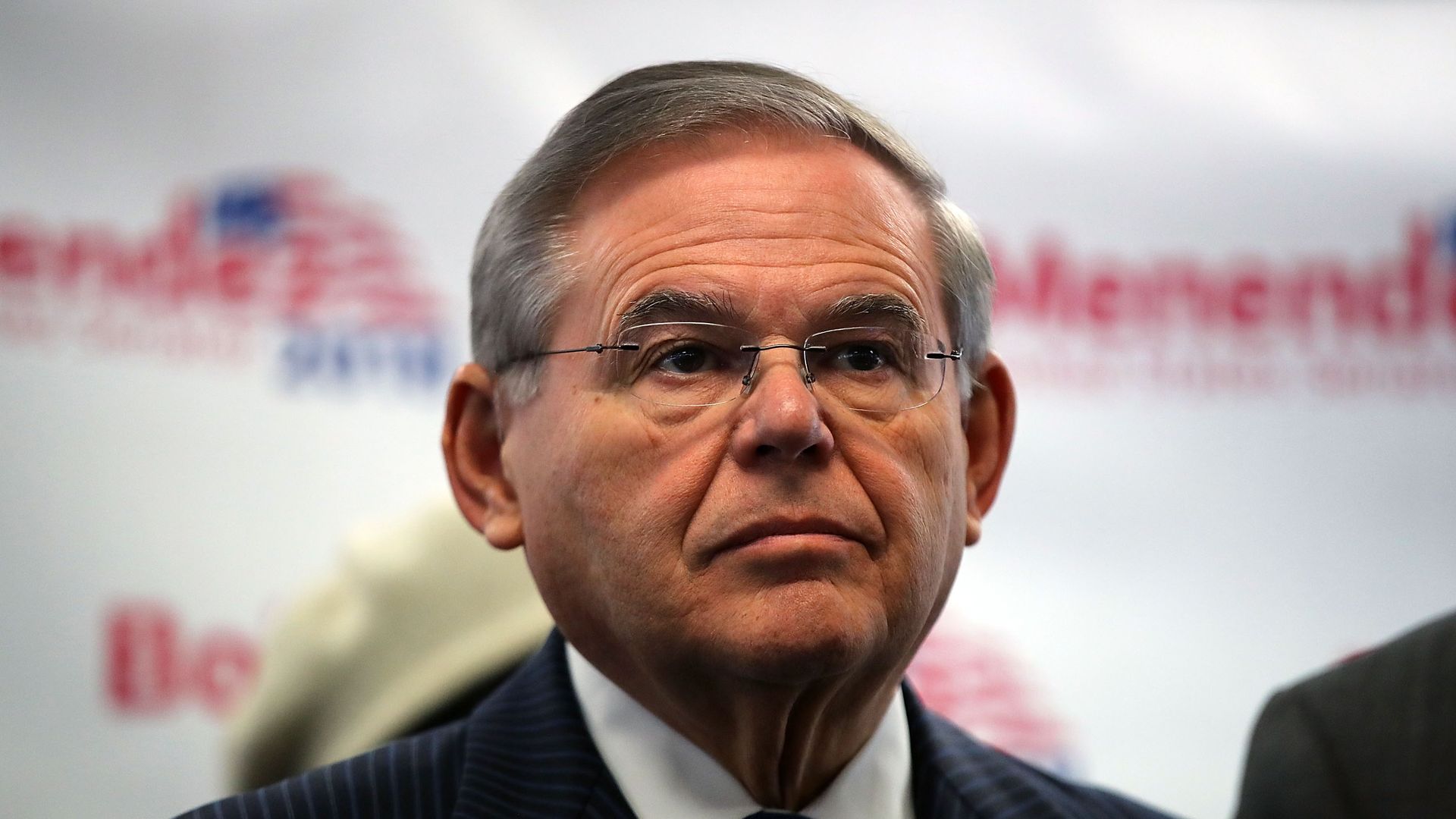
The New Jersey Senate race is now looking like a toss-up, according to the the Cook Political Report— a sign that Democratic Sen. Bob Menendez is in serious trouble after years of questions about his ethics.
Why it matters: If Republicans pick up that seat, a Senate majority would be out of reach for the Democrats. Federal prosecutors dropped their corruption charges against Menendez earlier this year, but the Senate Ethics Committee admonished him for accepting gifts from a friend. What the race comes down to is Menendez "and his ethics problems," Cook reports, and if the "voter who goes to the polls...decides to send Menendez a message."
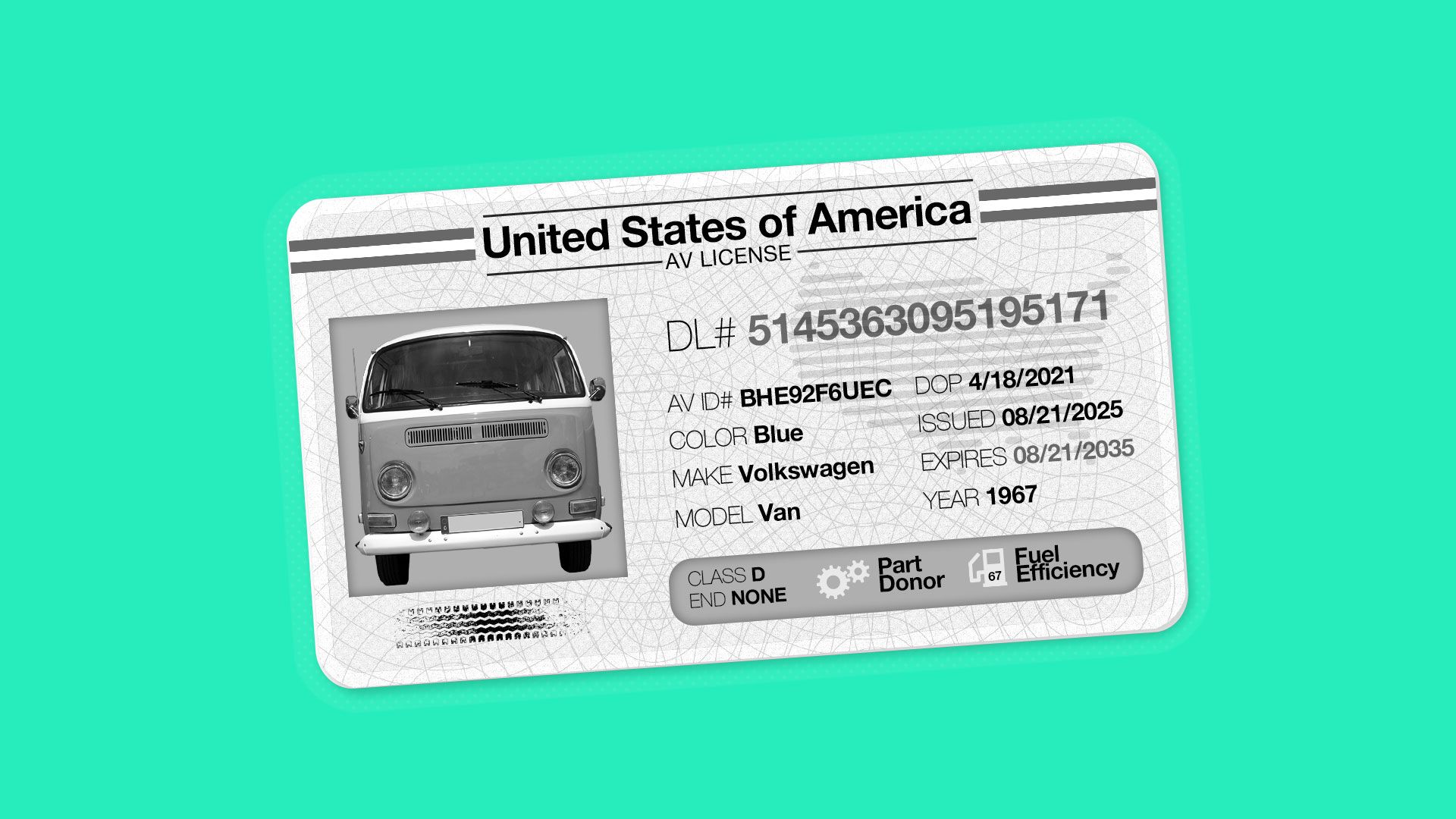
When we turn control over our lives to others, we expect there to be rules that keep us safe. But we're far from having any in place around autonomous vehicles. So it's no surprise that a recent AAA study found73% of Americans are afraid to ride in a fully self-driving car.
Where it stands: Automakers and tech companies are lobbying for a bill in the Senate, the AV START Act, that would allow millions of self-driving vehicles to come on the market that are exempt from existing federal rules while requiring no new ones to ensure autonomous vehicles are safer than the cars we have today — a system where 37,133 people died on U.S roads last year.
President Trump is planning on closing off the southern border to any Central Americans traveling toward the U.S. in the migrant caravan and denying any requests for asylum, the Washington Post reports.
The big picture: He wants to invoke the same powers as he did during the 2017 travel ban, which says he can reject certain migrants from receiving asylum because it would be "detrimental to the interests of the United States," per the Post. Doing this could bring legal action from U.S. courts. He also plans to send around 1,000 additional troops for added security at the border.
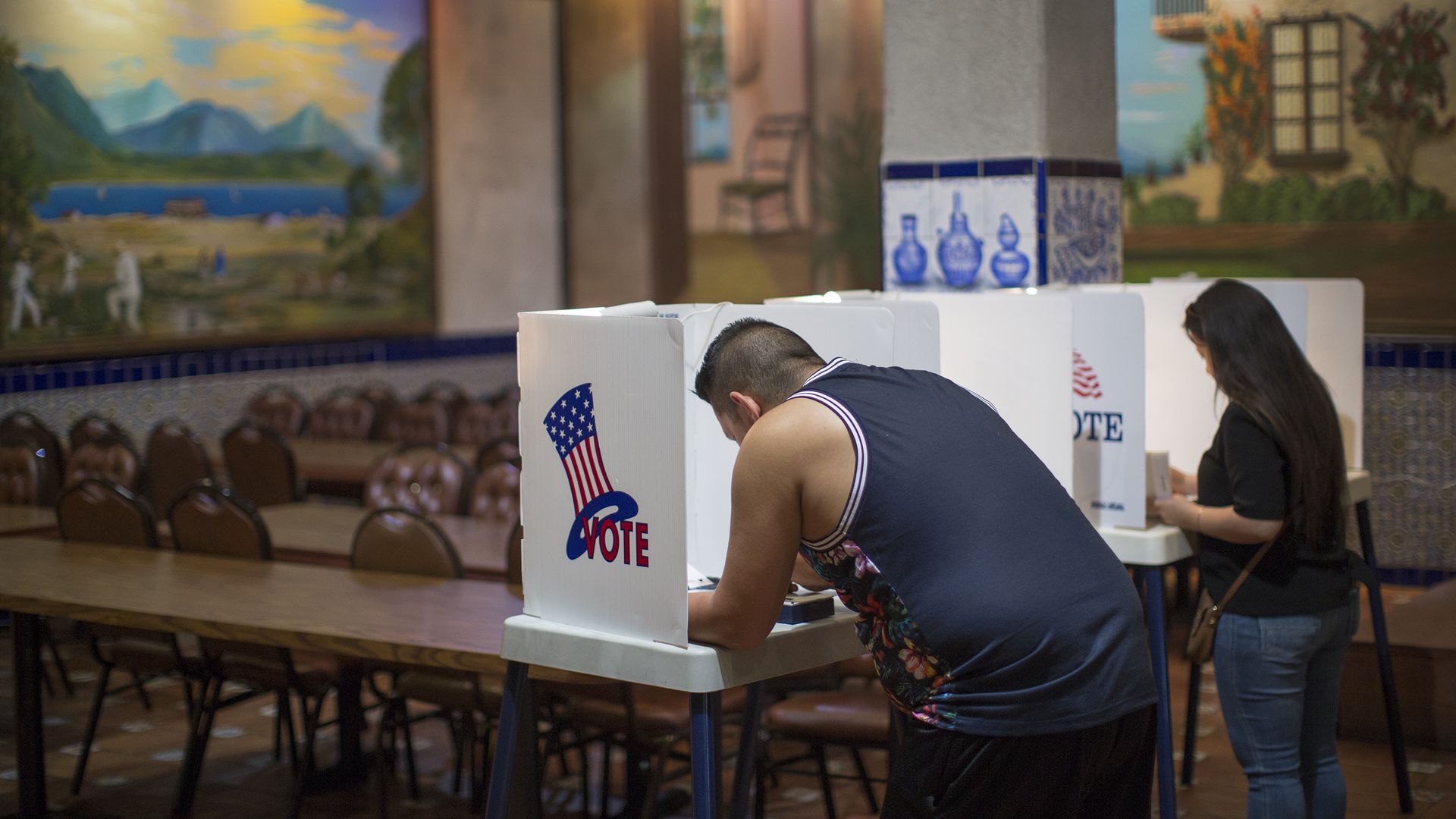
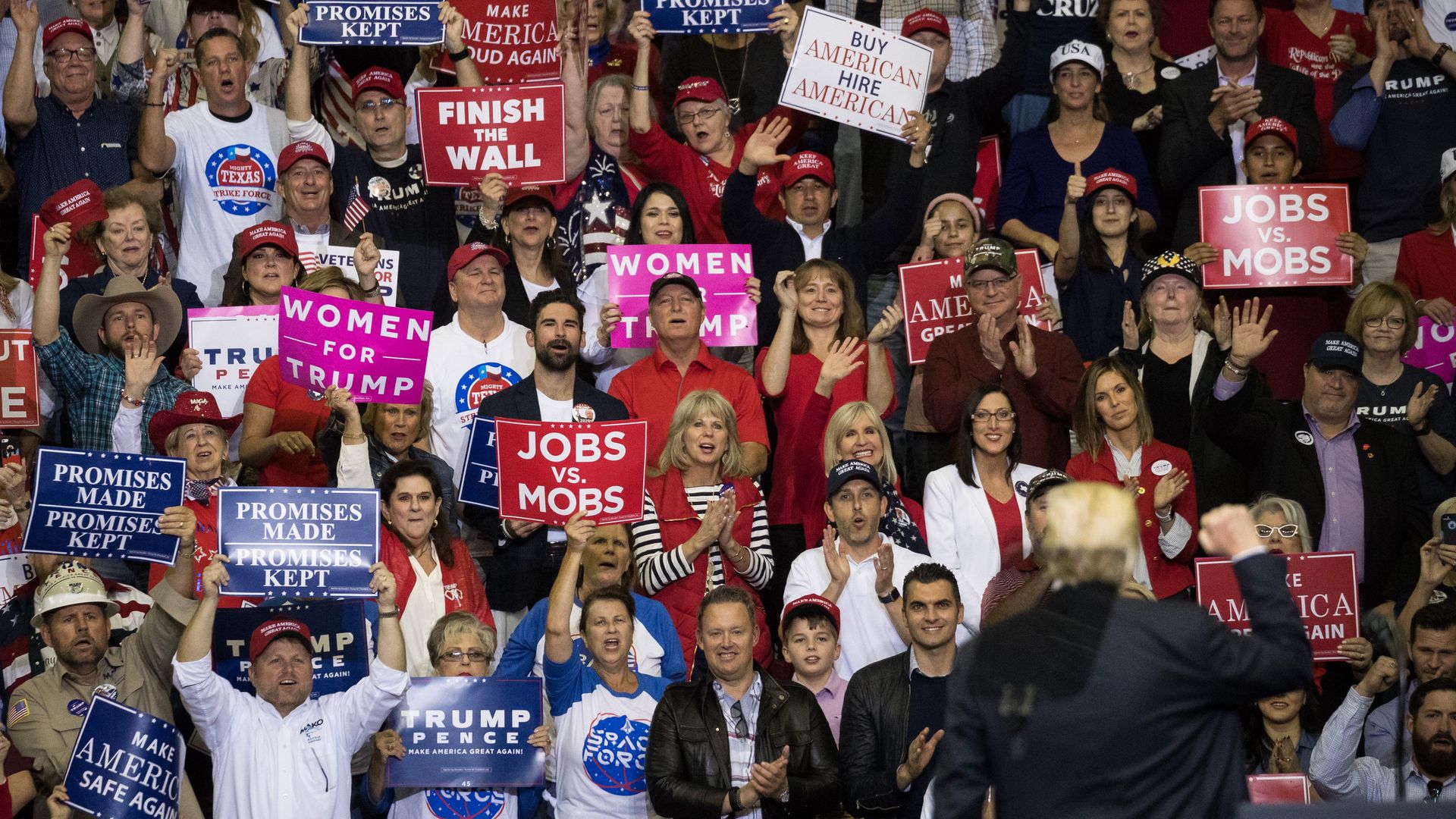
Of the 34 midterm rallies President Trump has held or will hold by Oct. 31, only nine of them are in congressional districts that voted for Hillary Clinton in the 2016 election.
Why it matters: It shows the main GOP strategy in the 2018 midterm elections: deploy the president to energize and encourage the party's base, and don't spend a lot of time trying to win converts.
Half of Hispanics in the United States say their situation has deteriorated in the past year, and 62% say they are unhappy with how the country is going today — the highest levels since the Great Recession, a new Pew Research Center study says.
The big picture: Hispanics are the largest minority group in the U.S. Two-thirds of Hispanics consider the Trump administration's policies harmful, higher than those of either Barack Obama (15%) or George W. Bush (41%).
Since 2001, up to 28% of the annual defense budget has been hived off from the base budget into the Overseas Contingency Operations (OCO) account to pay for wartime operations. But a new study by the Congressional Budget Office (CBO) found that since 2006 at least $50 billion of annual OCO funds actually went to enduring activities — that is, those associated with running the military during peacetime.
Why it matters: Take this year’s budget: CBO estimates $47 billion for enduring costs out of the total $69 billion OCO budget. That means almost 70% of the OCO budget is not being used for its stated purpose — to sustain operations and the troops currently deployed in Iraq, Afghanistan and Syria. This indicates a substantial misuse or misallocation of funds.
The Department of Defense is expected to send 800 additional troops to the United States-Mexico border as a caravan of Central American migrants travels through Mexico to reach the U.S., CNN reports.
The big picture: Though the caravan is still more than 1,000 miles away from the border, the additional troops are expected to be in place next week to add fencing and walls in an attempt to secure potential crossing points. The news comes after President Trump tweeted Thursday morning that he'd be "bringing out the military for this National Emergency."
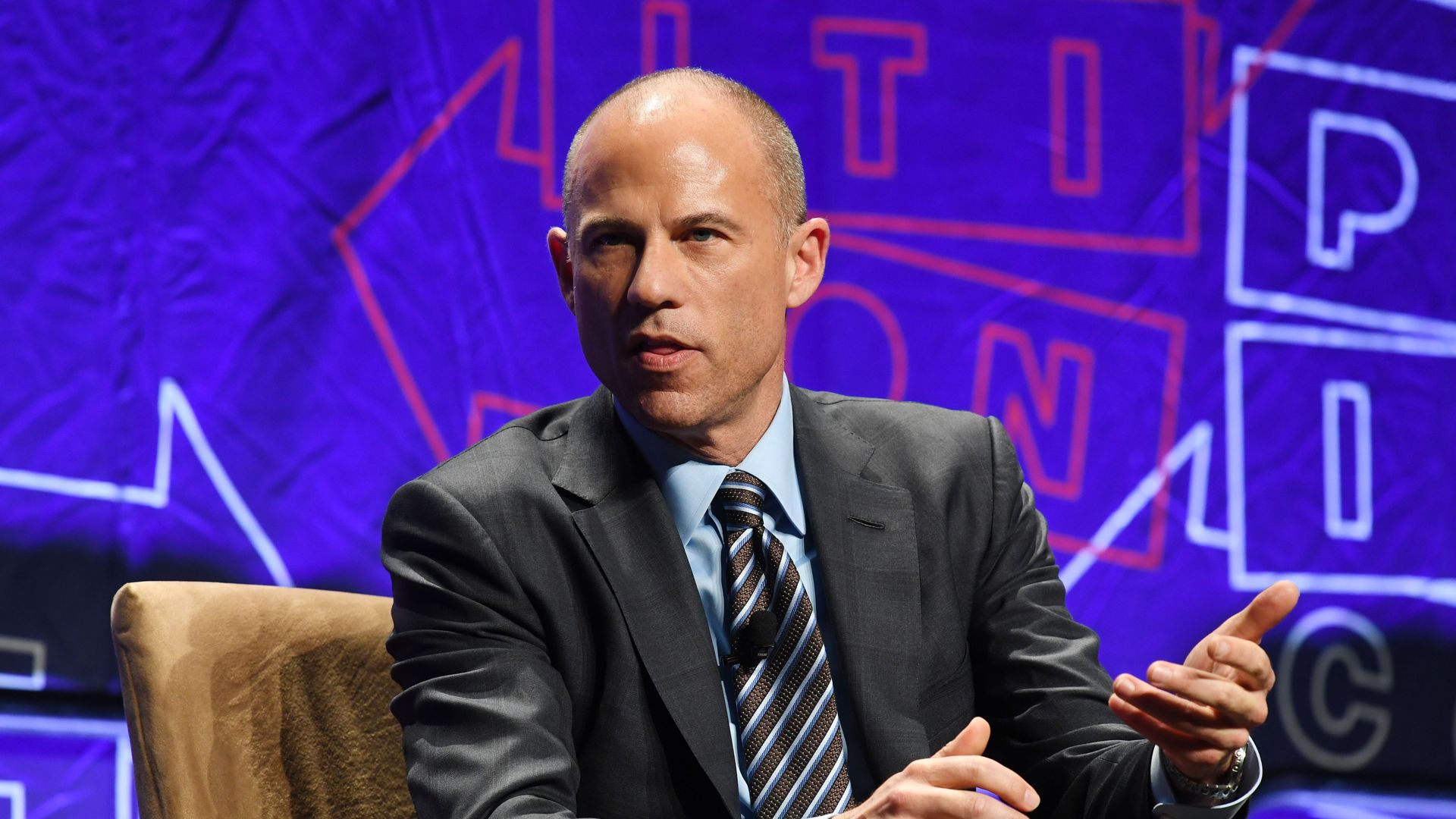
Senate Judiciary Committee Chairman Chuck Grassley on Thursday referred Julie Swetnick and her attorney Michael Avenatti to the Justice Department for criminal investigation.
The big picture: In a sworn declaration last month, Swetnick accused Supreme Court nominee Brett Kavanaugh of targeting girls at parties with spiked alcohol so that they could later be "gang raped" by groups of boys, and claimed that she was a victim of such an attack. Grassley alleges that Avenatti and Swetnick engaged in "potential conspiracy to provide materially false statements to Congress and obstruct a congressional committee investigation" during the course of Kavanaugh's confirmation process.
President Trump will hold at least 10 midterms rallies between Oct. 31 and Election Day, with the possibility of bumping it up to two rallies each day in two different states, per three sources familiar with the planning. The White House and Secret Service are still working out the logistics.
A source familiar with the rallies said the first will be held in Florida next Wednesday and Vice President Mike Pence will join on a couple of the stops.
Why it matters: This is a heavy load of campaigning for a sitting president, but it's clear that Trump wants to overcome the historical pattern of presidents losing congressional seats in their first midterm election. And he's viewed as the GOP's best motivator to energize their base ahead of a tough election.
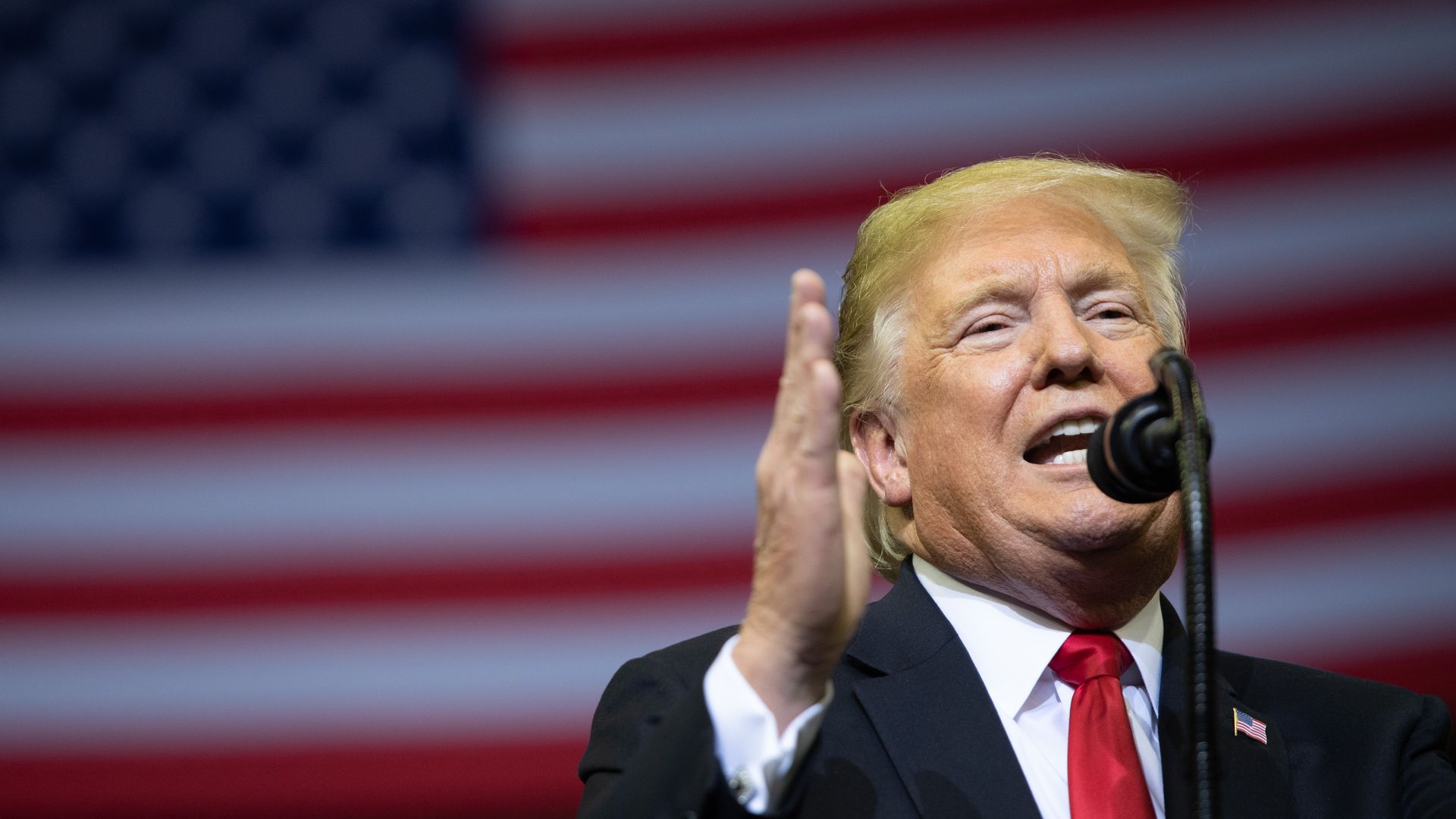
President Donald Trump continued his criticism of Democrats and the news media at a campaign rally in Wisconsin Wednesday night, as law enforcement officials across the country grapple with a slew of potentially explosive devices sent to a number of prominent Democratic Party figures as well as CNN.
"The media also has a responsibility to set a civil tone and to stop the endless hostility and constant negative and oftentimes false attacks and stories. Have to do it. They’ve got to stop. Bring people together."
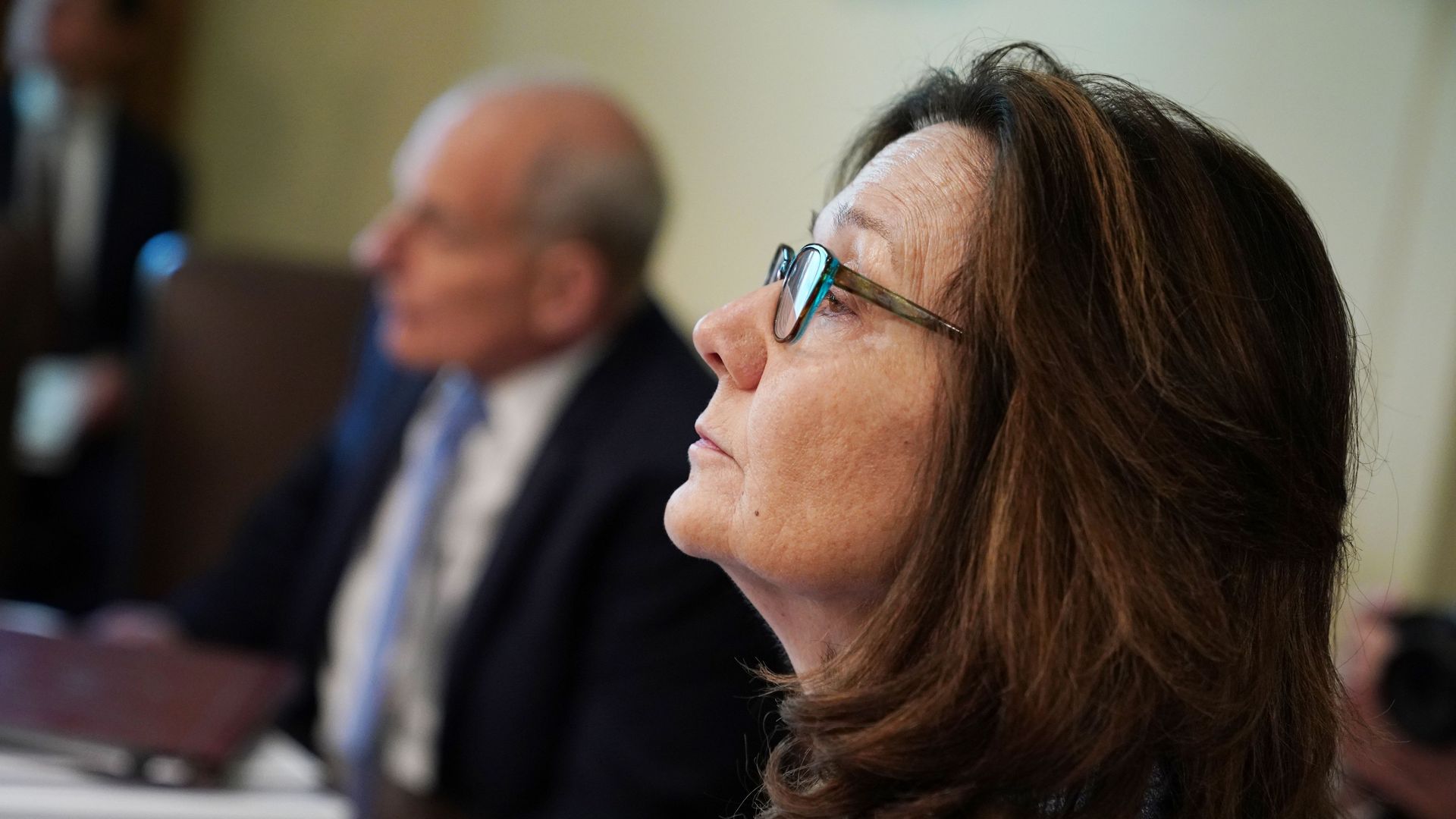
During her trip to Turkey this week, CIA Director Gina Haspel listened to audio that details the interrogation and killing of journalist Jamal Khashoggi, The Washington Post reports.
Why it matters: Haspel now has insight that could help President Trump make a decision between the two conflicting stories from Turkey and Saudi Arabia on Khashoggi's death. On Tuesday, Trump said the Saudi Arabia cover-up is "one of the worst" and is a "bad situation."