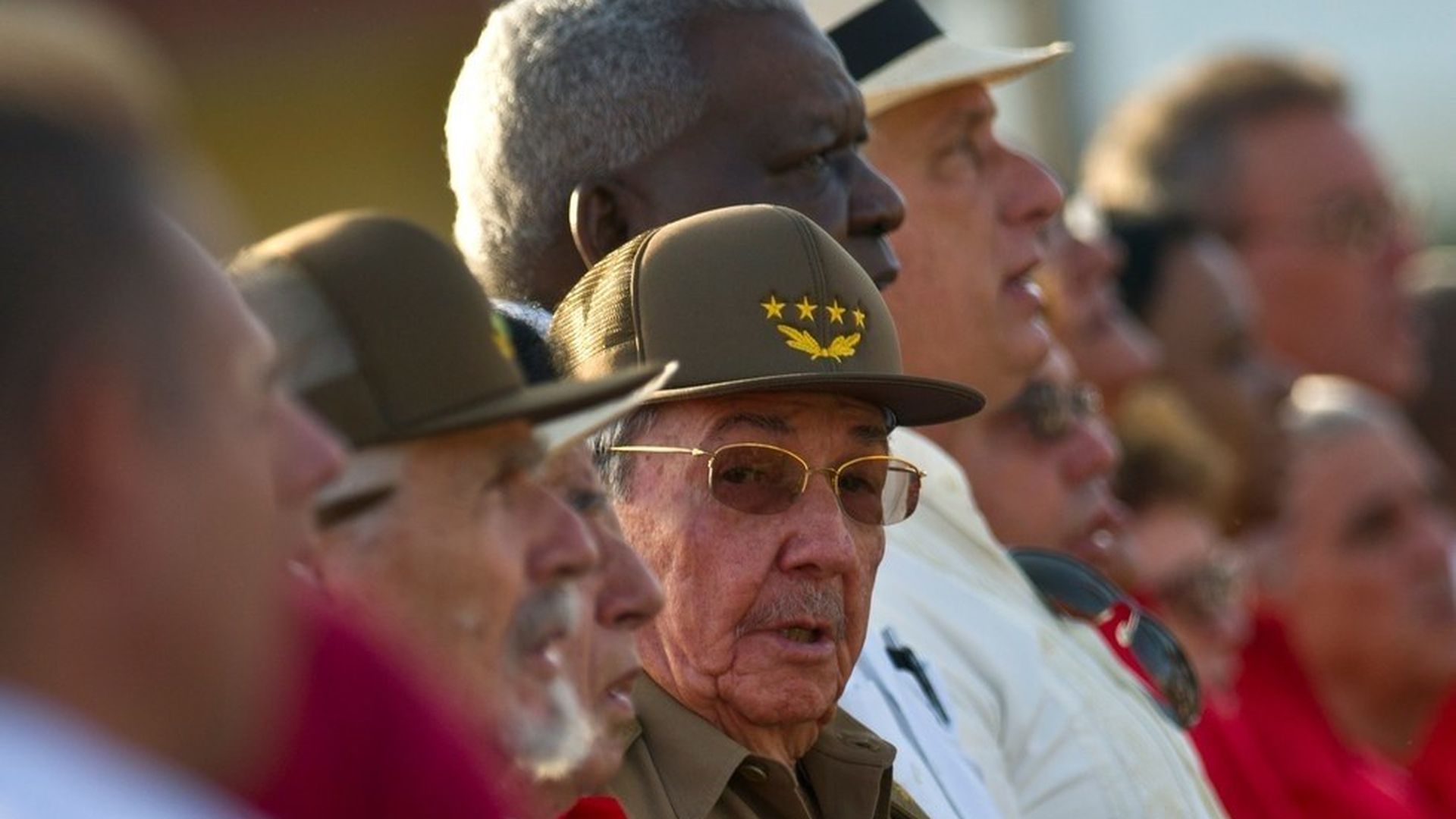
Raul Castro will be stepping down as Cuba's president in April, 2018 according to Cuban government officials, ABC News reports. Castro has been serving since 2006 when his brother, Fidel Castro, encountered health issues. Castro announced in 2013 this would be the last term as president, but this extends the expected timeline by 2 months.
Why it matters: It will be the first time Cuba hasn't been led by a Castro in approximately 60 years, which could mean a further opening with the U.S. — one of the requirements in the Libertad Act of 1996 for a transition government government "not include Fidel Castro or Raul Castro." Although Obama reopened relations with Cuba, Trump has rolled back much of that détente.
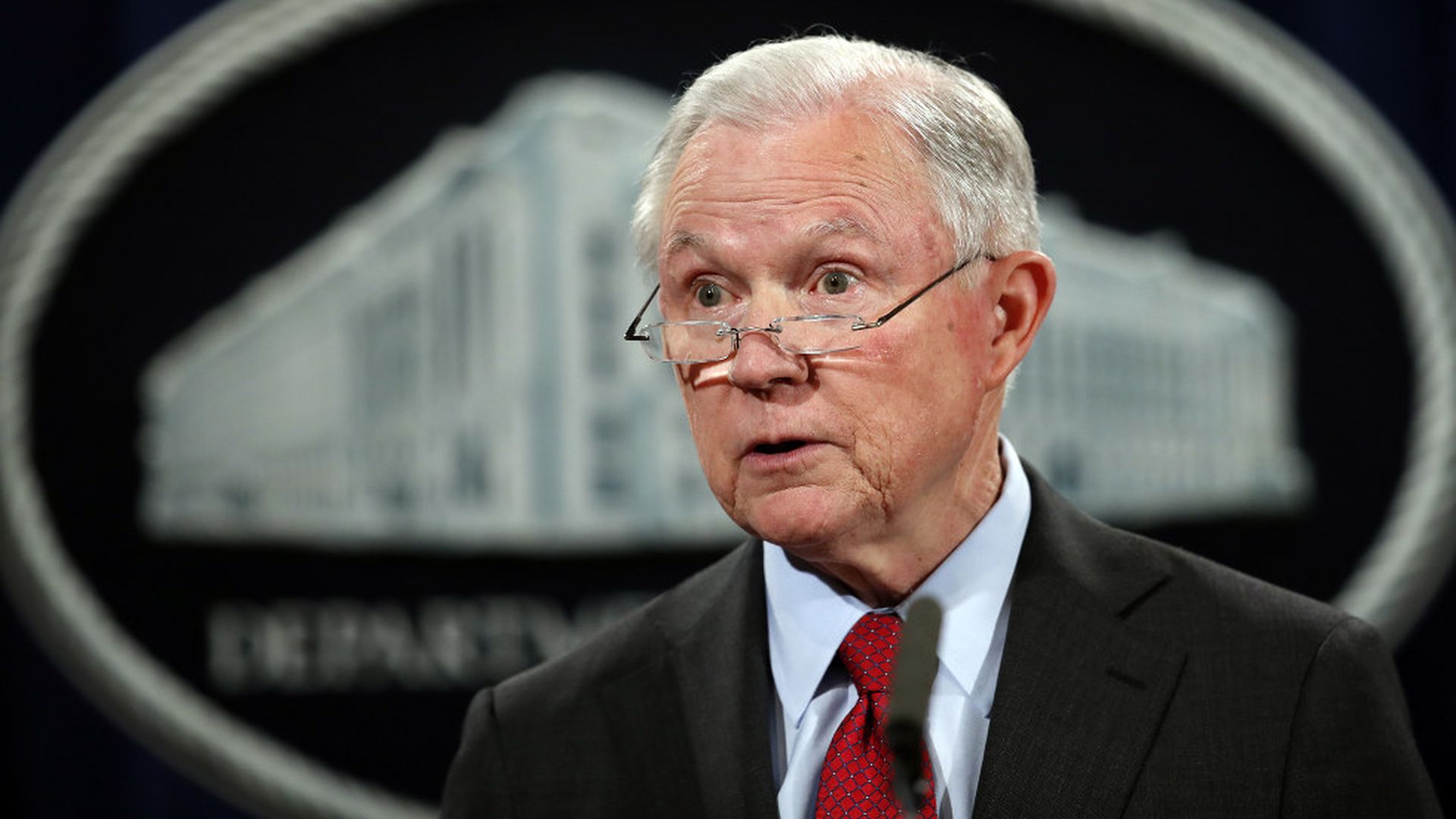
Attorney General Jeff Sessions has ordered Justice Department prosecutors to interview FBI agents about the evidence uncovered in their criminal investigation into the 2010 Uranium One deal, multiple law enforcement officials told NBC News. A senior DOJ official said the questions stem from an assistant attorney general's promise to determine whether a special counsel is warranted.
Background: Trump brought the deal back into light in October when he singled out Hillary Clinton and the Obama administration for their involvement in the deal, calling it "the biggest story that Fake Media doesn't want to follow." Since then, some Republicans have questioned whether the Obama administration knew that the FBI had evidence that Russia had engaged in criminal activity, as well as if Clinton Foundation donors had any influence in the deal's approval.
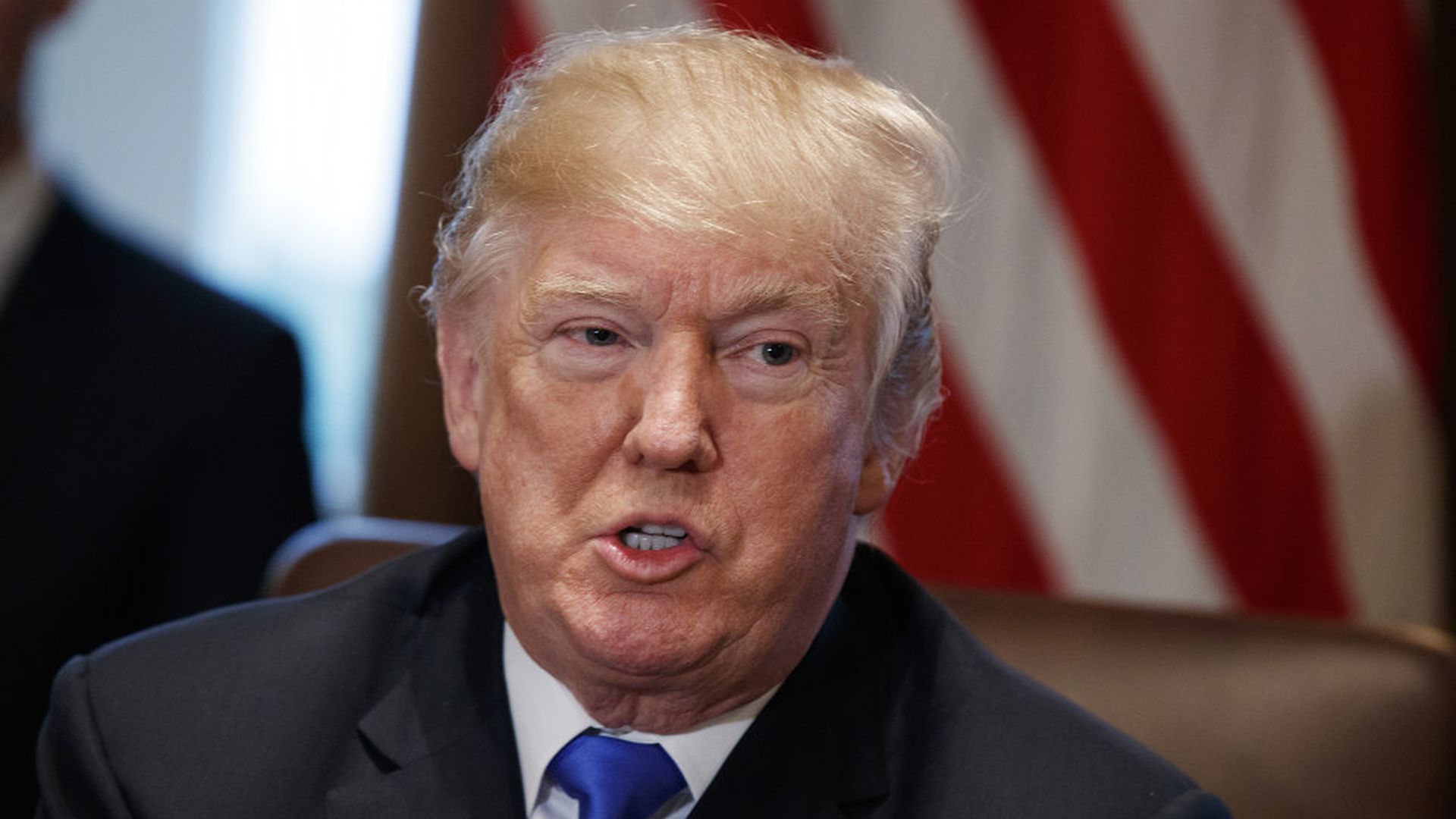
President Trump approved disaster declarations for Alaska and the Pueblo of Acoma tribe in New Mexico on Thursday morning, and ordered federal aid to supplement local recovery efforts in areas affected by flooding from severe storms.
Details: In November, Gov. Bill Walker issued a disaster declaration for the North Slope Borough of Alaska after a strong Arctic sea storm that raged from Sept. 28-30 caused extensive damage to the area. Earlier this month, two senators and three congressmen sent a letter to Trump asking for assistance to the Pueblo of Acoma after an Oct. 4-6 storm hit the tribal territory in New Mexico.
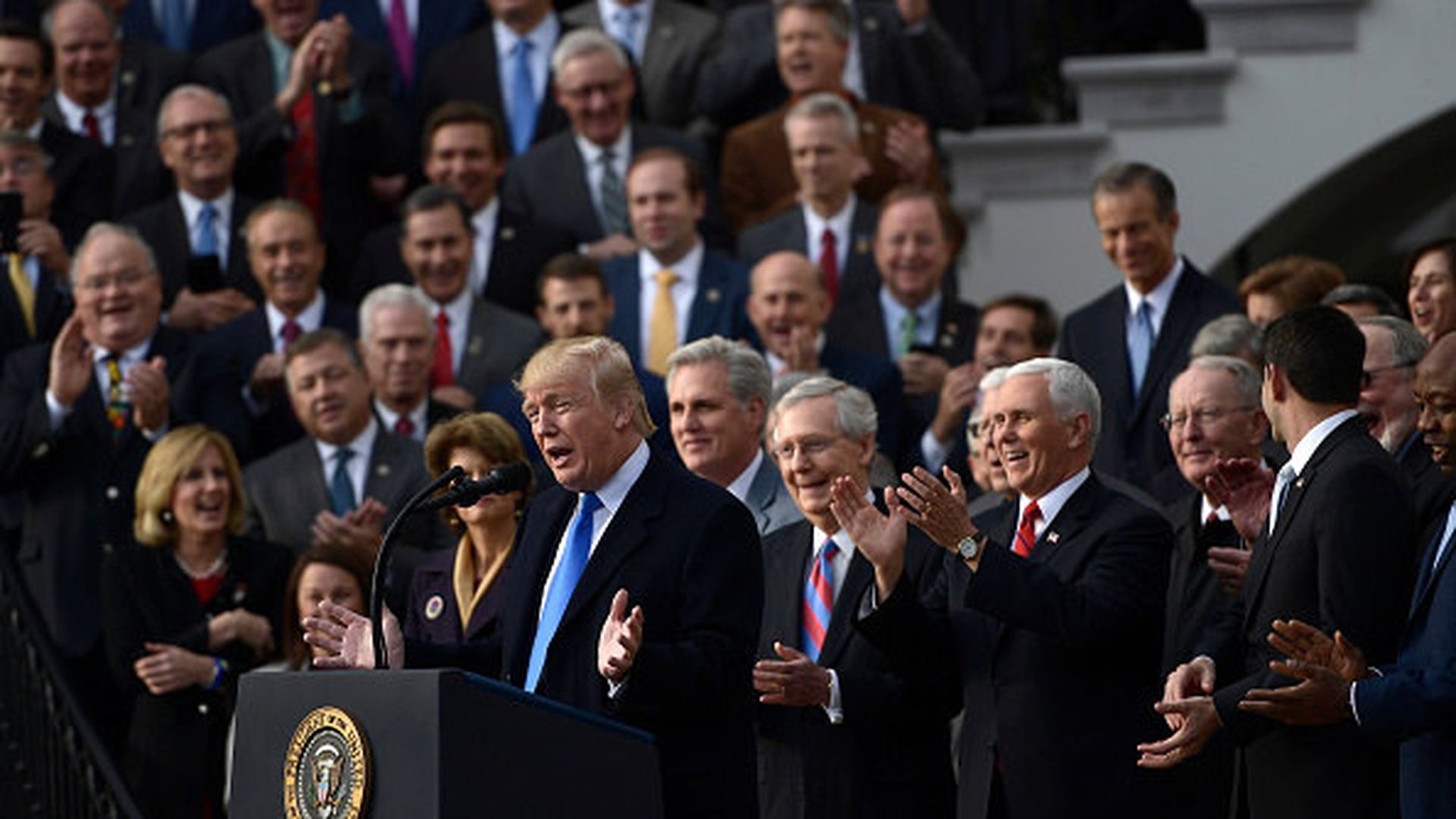
President Trump and Vice President Mike Pence walked onto the South Lawn of the White House Wednesday to cheers and fist pumps before delivering a congratulatory speech on the passage of the GOP tax bill.
Trump, rattling off several names of the people who played a role in the passage of "the largest tax cut in the history of our country," said he "had a lot of fun" working with leadership to get this done. It was fun because "we won."
The House just passed the tax bill in a final vote after a procedural hiccup relegated the bill back to the floor for a second vote. The Senate passed the bill early Wednesday morning along party lines.
What it means: The tax bill is on its way to President Trump's desk now, slating the tax overhaul package to take effect in the new year. This sets up the GOP for its first major legislative win in Trump's first year as president.
The Treasury Department has designated five individuals under the Magnitsky Act, including Chechen leader Ramzan Kadyrov. With these first designations under the Trump administration, that brings the total number of people targeted under the act to 49.
What it does: The Magnitsky Act targets those who abetted or benefitted from the detention and death of Russian whistleblower Sergei Magnitsky and those who commit human rights offenses against other would-be Russian whistleblowers, preventing them from doing business with any American financial institution and prohibiting them from traveling to the United States.
MSNBC's Stephanie Ruhle went after Congressman Chris Collins (R-NY) Wednesday, one of the 227 Republicans who voted "yes" on the tax bill, for struggling to answer why the GOP hasn't closed the carried interest loophole.
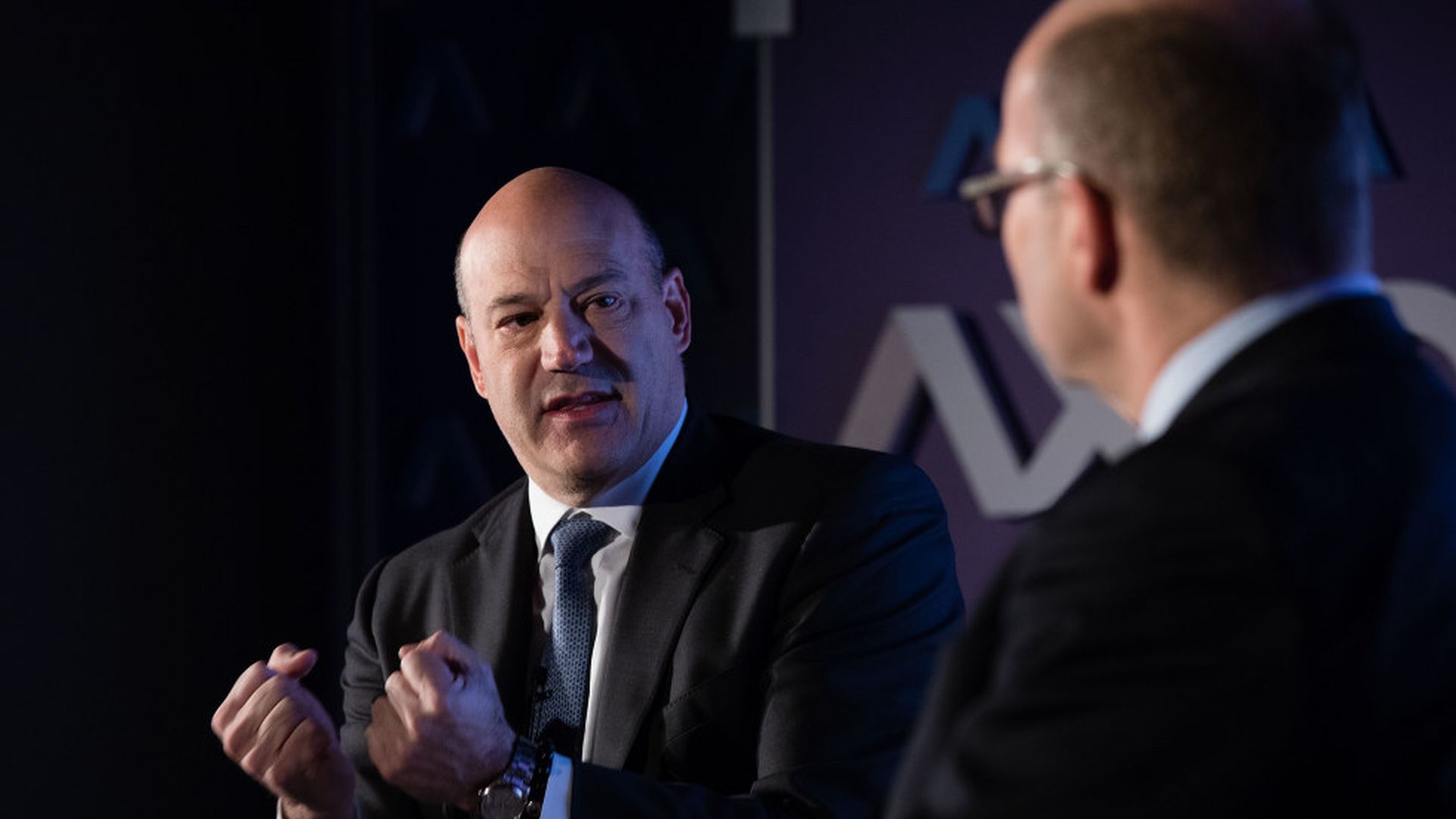
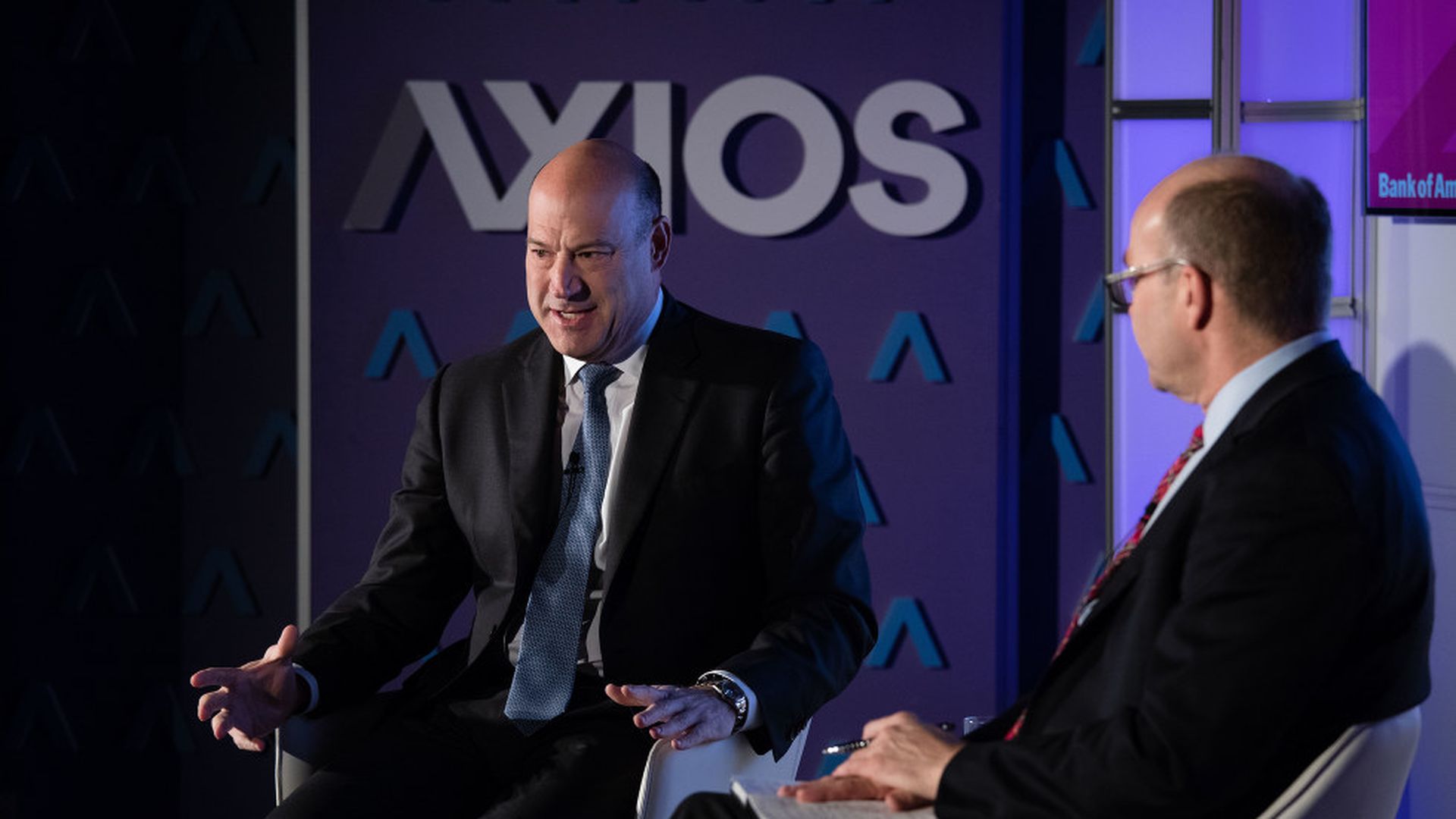
The big question: Ruhle pointed to this morning's Axios event, where Gary Cohn told Mike Allen that the White House tried 25 times to get rid of the loophole, but the Hill fought to keep it. "Who supports it?" Ruhle asked.
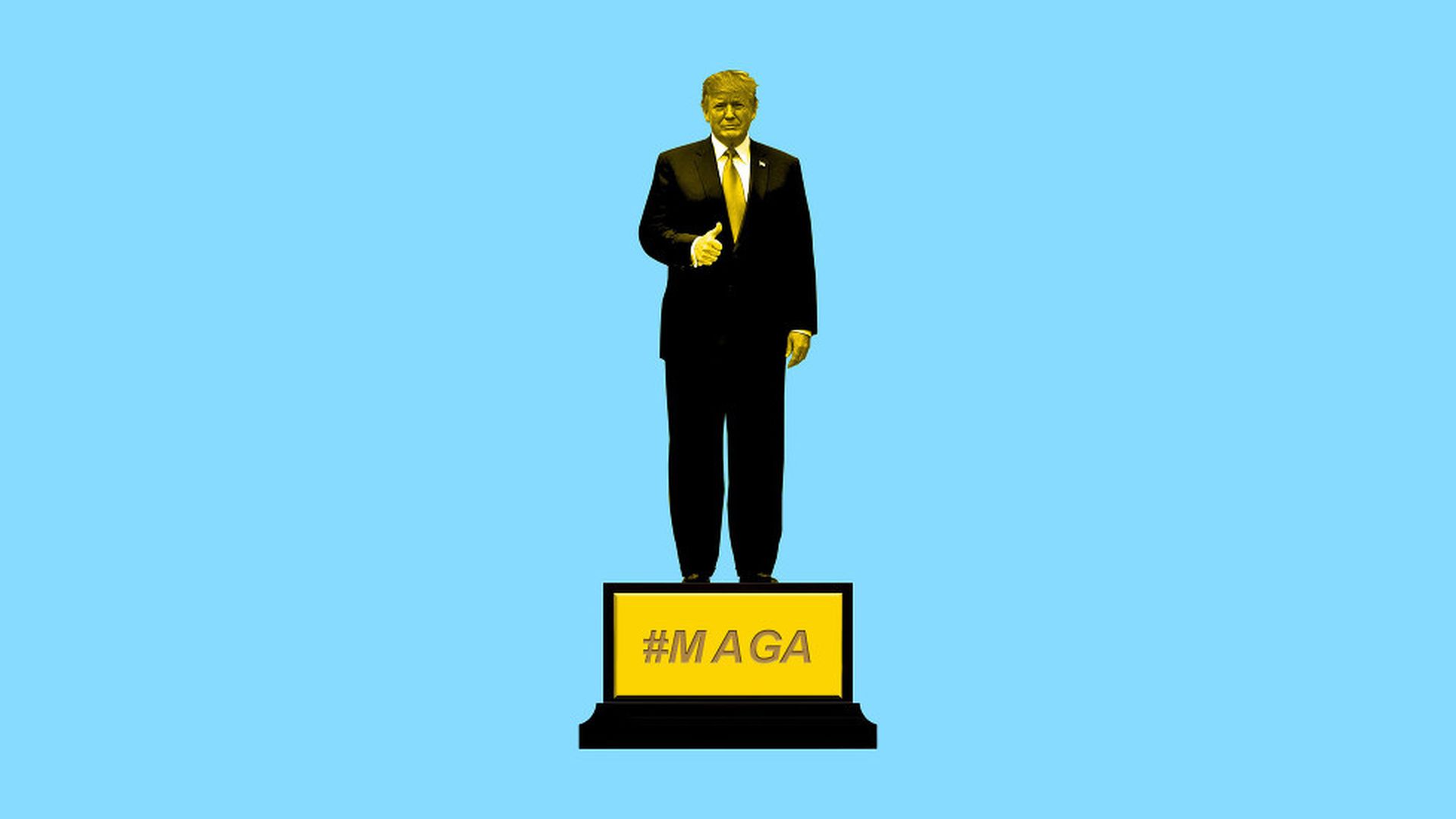
President Trump takes a beating in the media, but he's ending 2017 on the high note of his presidency.
The big picture: You might not like his words or actions. But measured in terms of what Republican voters want and expected, he's winning on important fronts:
Trump's National Economic Council Director Gary Cohn told Mike Allen that tunneling can "revolutionize" transportation. "The tunneling technology today is so superior and so quick," Cohn said, adding that he thinks the U.S. needs to prepare for automated technologies, such as automated cars, to change transportation.
Why it matters: Up next on Trump's agenda after the tax overhaul is infrastructure spending, which Cohn said could top a $1 trillion price tag.
Gary Cohn, Trump's Director of the National Economic Council, told Axios' Mike Allen at an Axios News Shapers event that he thinks the stock market highs are driven by economic growth, not the tax bill.
The big quote: "I think there's a lot more momentum in the stock market," Cohn said, pointing out that he thinks that "tax cuts are not priced in."
Last night the Human Rights Campaign, which advocates for LGBTQ equality, projected the Centers for Disease Control and Prevention (CDC) banned words — including "transgender" and "fetus" — on the Trump International Hotel in Washington.
Tim Keller —founder and Pastor Emeritus of the Redeemer Presbyterian Churches of New York City, and one of the nation's most celebrated evangelical pastors — writes a tough piece for The New Yorker that shot up the "Most Popular" list ... "Can Evangelicalism Survive Donald Trump and Roy Moore?":
The kicker: "People who once called themselves the 'Moral Majority' are now seemingly willing to vote for anyone, however immoral, who supports their political positions."