Friday's politics & policy stories

Trump was persuaded to not hold year-end press conference
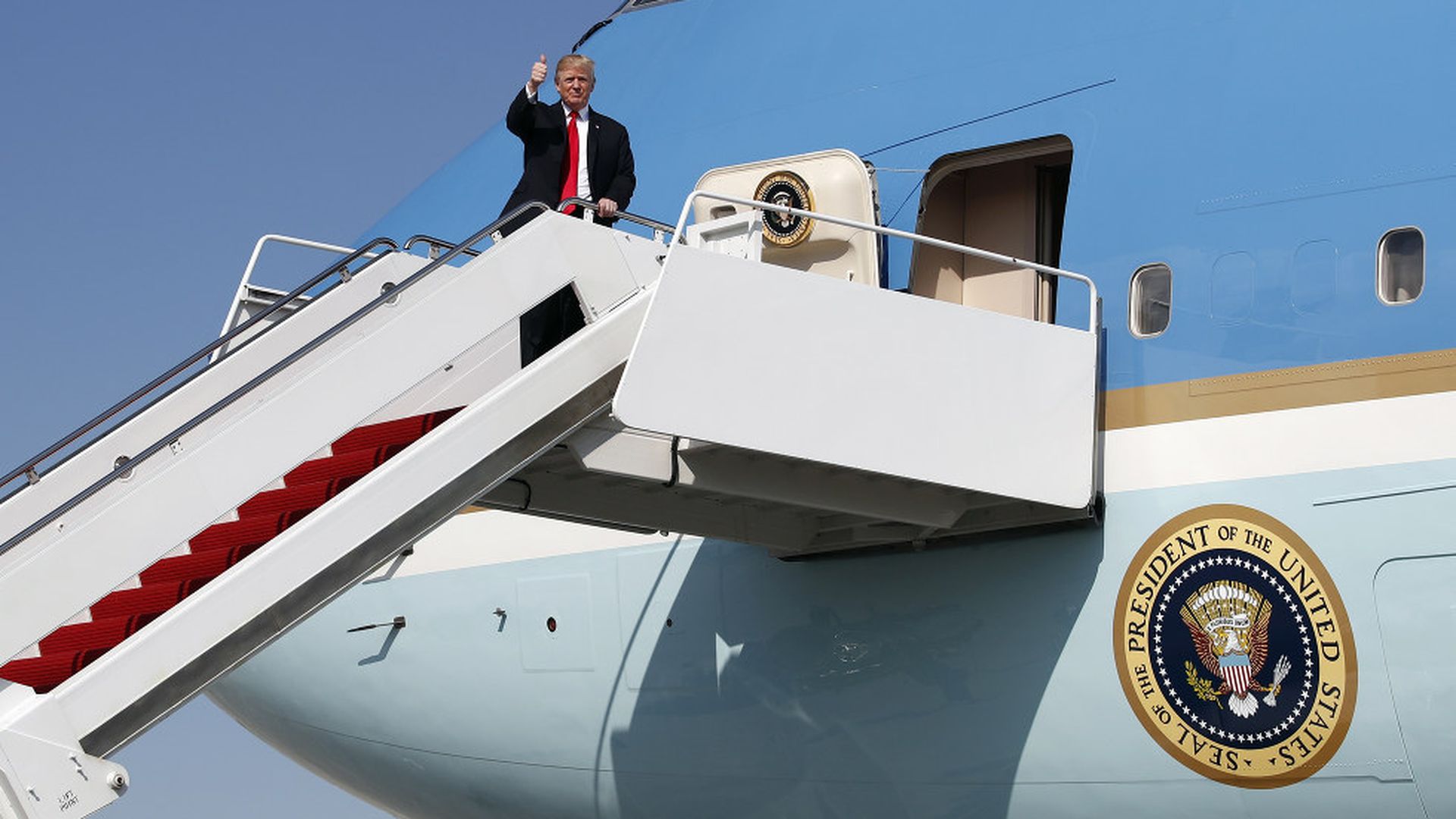
President Trump wanted to talk to the press before leaving for Florida on Friday, but was persuaded not to by aides, according to a CNN report.
Why it matters: Not giving an end-of-year Press conference broke from tradition with many modern presidents. But, CNN reports that aides were weary of any questions that would detract from his signing of the new tax plan Friday morning. At the signing, while reporters were asking questions, White House chief of staff John Kelly reportedly told the press that Marine One was “running out of gas," as it was waiting to take Trump to Air Force One.

Poll: Most Americans believe sexual allegations against Trump
61% of Americans said they think the allegations of sexual misconduct against President Trump are "mostly true," according to a CNN poll released Friday. And 63% of respondents said they think the accusations warrant a congressional investigation.
Why it matters: In the wake of the #MeToo movement, three of the 16 women who have publicly accused Trump of sexual misconduct called on Congress earlier this month to investigate the allegations. Several Democrats have also called for the president's resignation. Meanwhile, the White House has maintained that all of the president's accusers are lying.

Trump's NSS takes a harder line on China
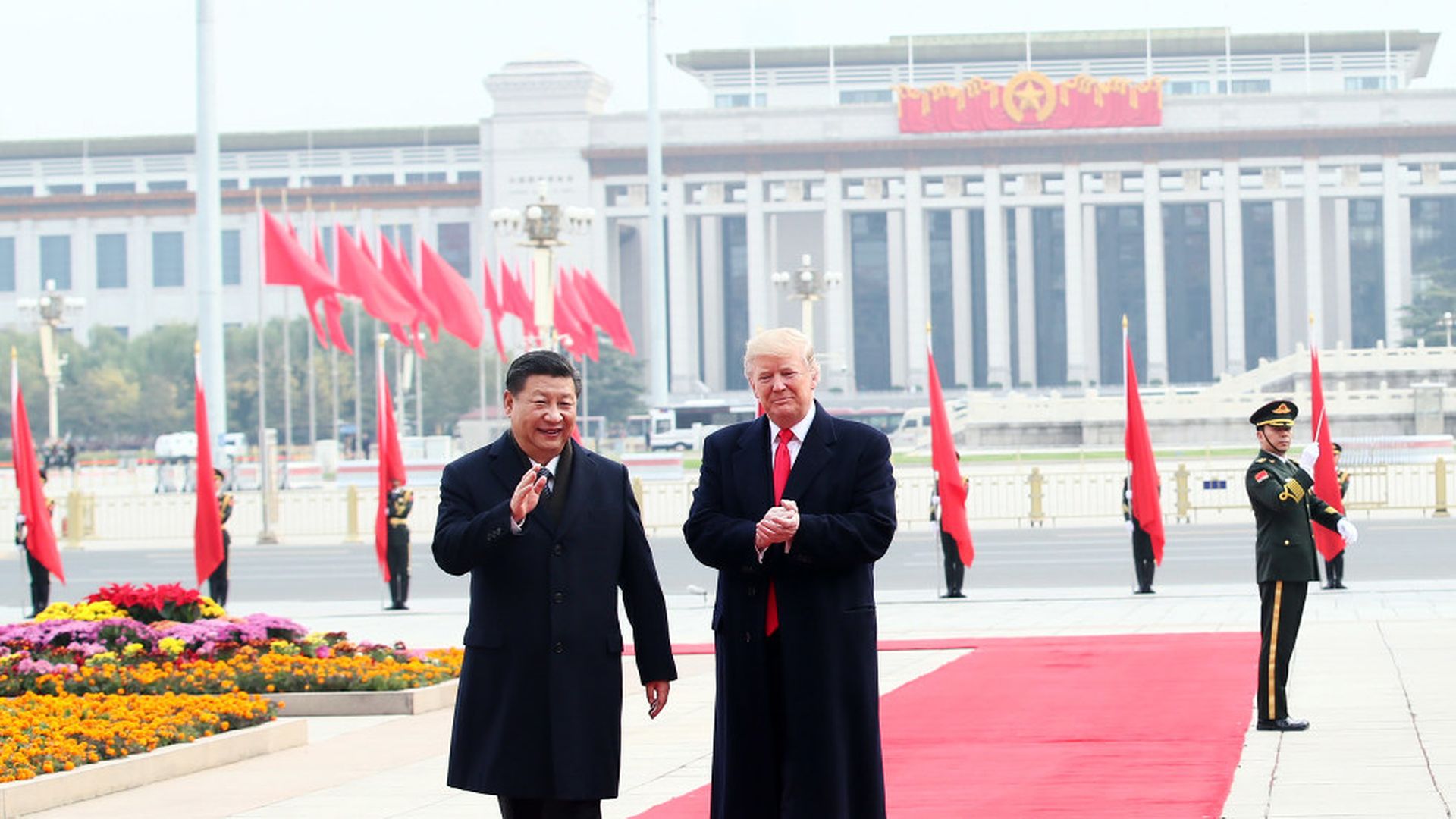
If translated into sustained action, the Trump administration's National Security Strategy will mark a departure from decades of U.S. policy, reframing China as a great power competitor that challenges American military, diplomatic and economic interests.
Every president since Nixon has presupposed that American engagement would transform China before it could upend the global order. Trump's NSS jettisons this assumption, rightly recognizing that China has gamed international institutions, failed to liberalize its political system, pursued a mercantilist economic policy and undertaken a military build-up directly aimed at undermining U.S. military advantage.
To succeed, a more competitive U.S. strategy must upgrade American military capabilities, deepen relations with Asia-Pacific allies and partners, advance a positive regional economic agenda, push back against China's unfair trade and investment practices, and defend core values of democracy and human rights.
What's next: The NSS pays lip service to these elements, but leveraging them all may prove challenging given Trump's focus on military strength. To get tough on Beijing, the administration will have to take economic actions that threaten the larger bilateral relationship. Watch out for moves to punish China for its theft of U.S. intellectual property.
Daniel Kliman is a senior fellow in the Asia-Pacific Security Program at the Center for a New American Security.
Trump signs tax cuts before flying to Florida for Christmas
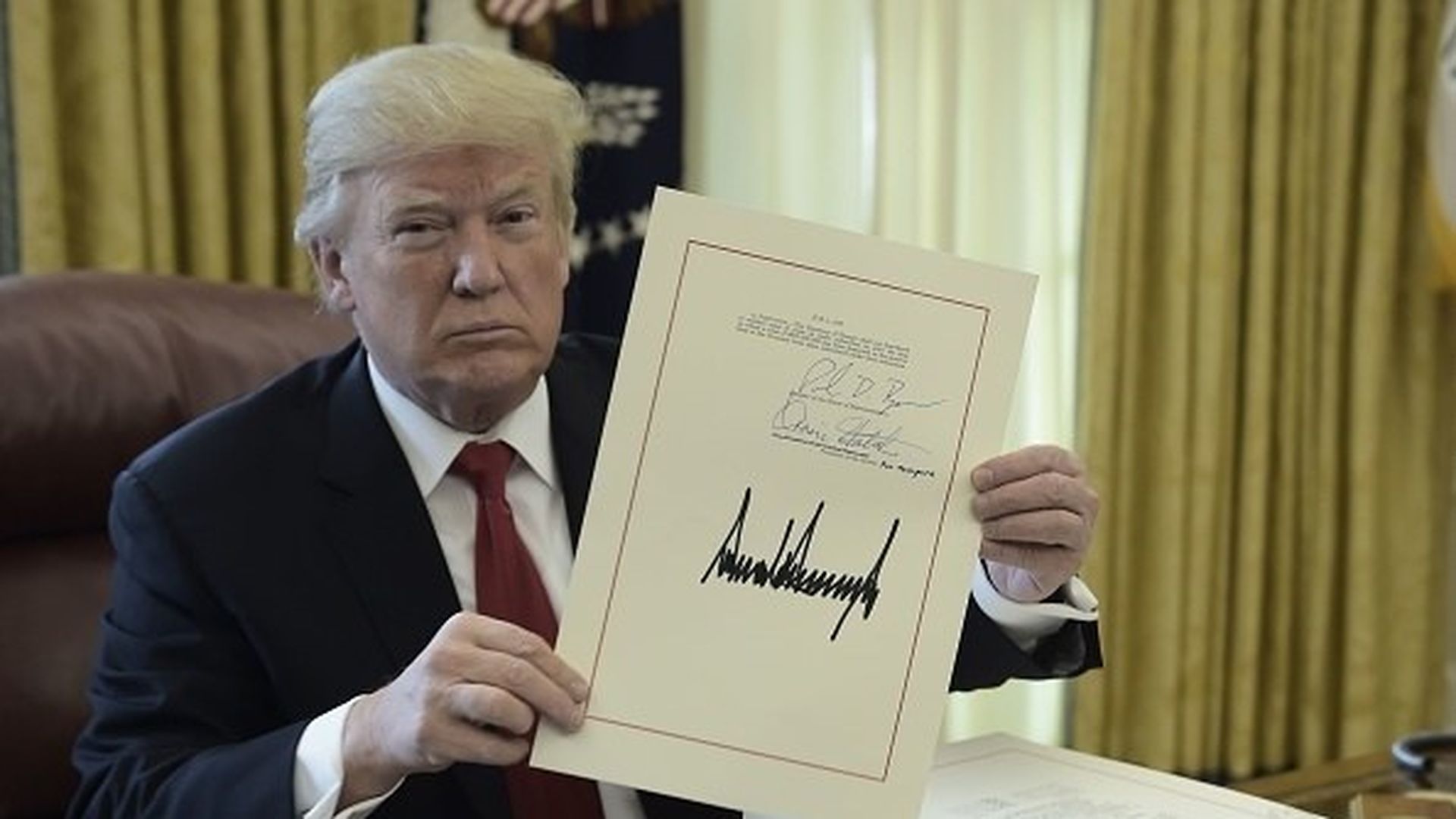
President Trump signed a bill Thursday ordering $4 billion in "top of the line missile defense," before signing the $1.5 trillion GOP tax legislation. Now he's jetting off to Mar-a-Lago for the holidays.
Timing: Trump said he was planning to sign the bill in January, but after watching the news this morning and seeing "every one of the networks" ask if he will he keep his promise and sign it before Christmas, he "called everyone up and said get ready we have to sign this now ... I didn't want you folks to say I wasn't keeping my promise."
Trump to sign GOP tax bill into law today
President Trump announced on Twitter that he is signing the GOP tax bill into law this morning before jetting off to Mar-a-Lago.
Go deeper: How the U.S. tax code is about to change

Trump allies are bracing for a 2018 bloodbath
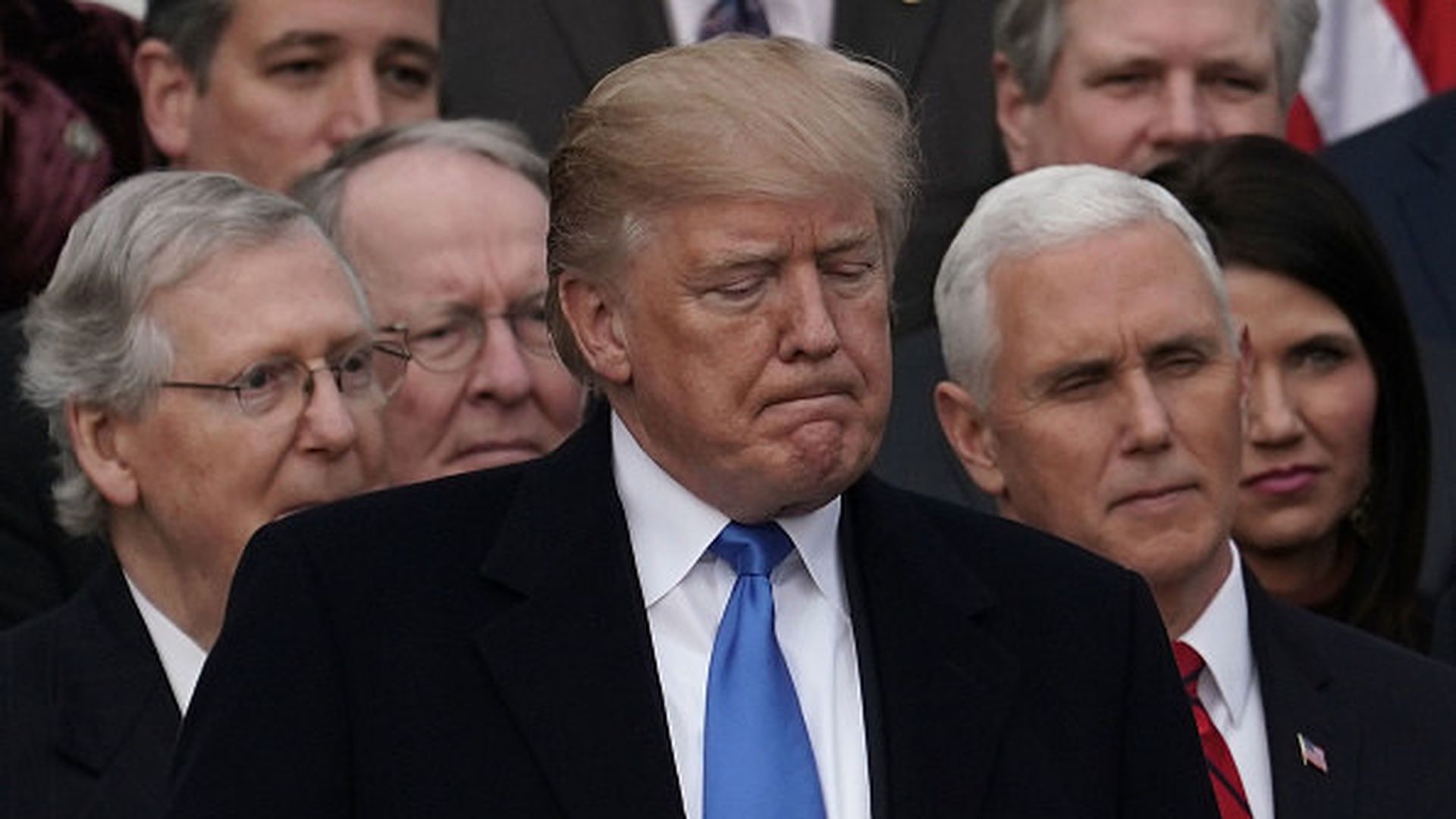
Hours after President Trump's tax-cut celebration on Wednesday, "aides and outside advisers had a spirited, and at times tense, discussion with him about the political outlook ahead of next year's midterm elections," the WashPost's Josh Dawsey and Bob Costa report:
Details: "The gathering saw tempers flare as aides vented their frustrations with electoral defeats this year and concerns about the 2018 political map ... Complaints about the president's political operation and the Republican National Committee boiled over."
"The late-afternoon meeting — attended by White House Chief of Staff John F. Kelly, counselor Kellyanne Conway, political director Bill Stepien, marketing and data specialist Brad Parscale, communications director Hope Hicks and political consultant and confidant Corey Lewandowski, among others — quickly became a griping session for Lewandowski and others about the way the White House manages the GOP."
Others are detecting the same sense of foreboding:
- "Those closest to Trump are bracing for a possible bloodbath in the 2018 midterms, which could obliterate the Republican congressional majorities and paralyze the president's legislative agenda," Politico's Alex Isenstadt writes.
- N.Y. Times' Maggie Haberman: "'A lot of people' have been telling the president that his White House team needs improvement."
- Steve Bannon has "remarked on the toll the office has taken on Trump, telling advisers his former boss has 'lost a step.' 'He's like an 11-year-old child,' Bannon joked to a friend in November," Vanity Fair's Gabe Sherman writes.
Be smart: Recent generic polls show Republicans down double digits to Dems, a tough way to start a midterm year that's traditionally harsh on new presidents.

Raul Castro stepping down as Cuba's president in April
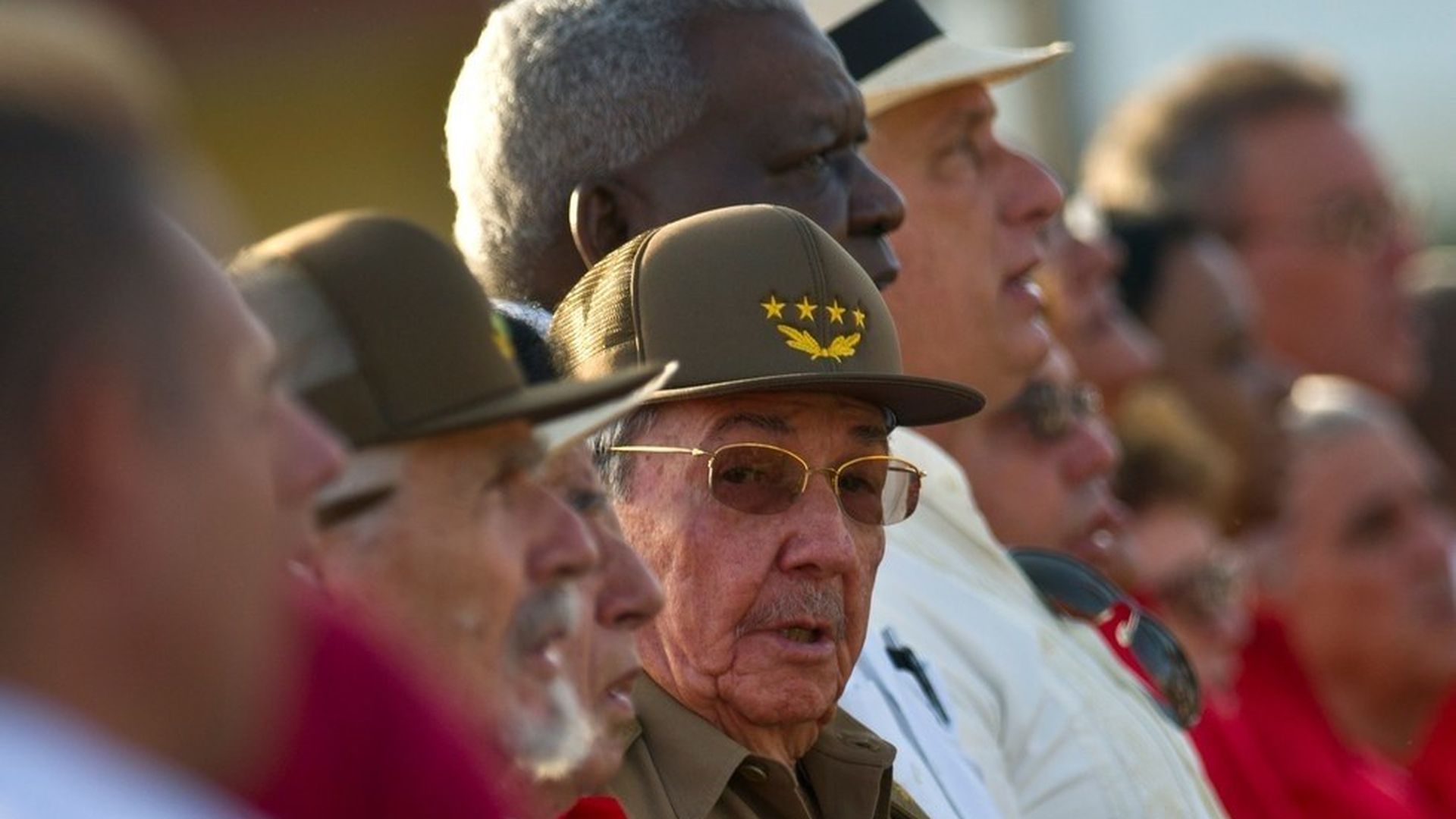
Raul Castro will be stepping down as Cuba's president in April, 2018 according to Cuban government officials, ABC News reports. Castro has been serving since 2006 when his brother, Fidel Castro, encountered health issues. Castro announced in 2013 this would be the last term as president, but this extends the expected timeline by 2 months.
Why it matters: It will be the first time Cuba hasn't been led by a Castro in approximately 60 years, which could mean a further opening with the U.S. — one of the requirements in the Libertad Act of 1996 for a transition government government "not include Fidel Castro or Raul Castro." Although Obama reopened relations with Cuba, Trump has rolled back much of that détente.
Justice Department ordered to re-examine Uranium One probe
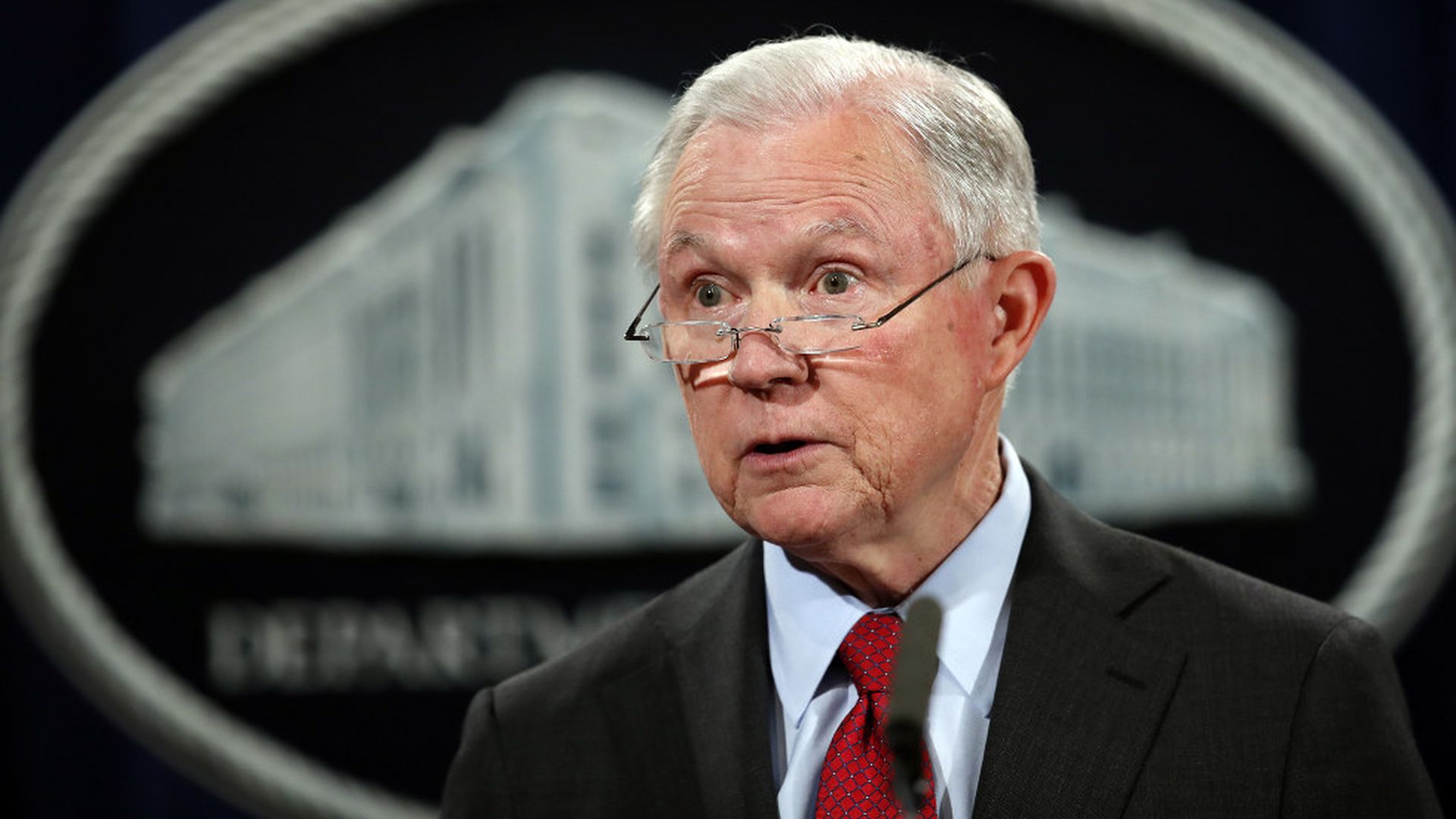
Attorney General Jeff Sessions has ordered Justice Department prosecutors to interview FBI agents about the evidence uncovered in their criminal investigation into the 2010 Uranium One deal, multiple law enforcement officials told NBC News. A senior DOJ official said the questions stem from an assistant attorney general's promise to determine whether a special counsel is warranted.
Background: Trump brought the deal back into light in October when he singled out Hillary Clinton and the Obama administration for their involvement in the deal, calling it "the biggest story that Fake Media doesn't want to follow." Since then, some Republicans have questioned whether the Obama administration knew that the FBI had evidence that Russia had engaged in criminal activity, as well as if Clinton Foundation donors had any influence in the deal's approval.
Trump issues disaster declarations in Alaska and New Mexico
President Trump approved disaster declarations for Alaska and the Pueblo of Acoma tribe in New Mexico on Thursday morning, and ordered federal aid to supplement local recovery efforts in areas affected by flooding from severe storms.
Details: In November, Gov. Bill Walker issued a disaster declaration for the North Slope Borough of Alaska after a strong Arctic sea storm that raged from Sept. 28-30 caused extensive damage to the area. Earlier this month, two senators and three congressmen sent a letter to Trump asking for assistance to the Pueblo of Acoma after an Oct. 4-6 storm hit the tribal territory in New Mexico.