Thursday's politics & policy stories

Report: Russian spies more active in U.S. since election
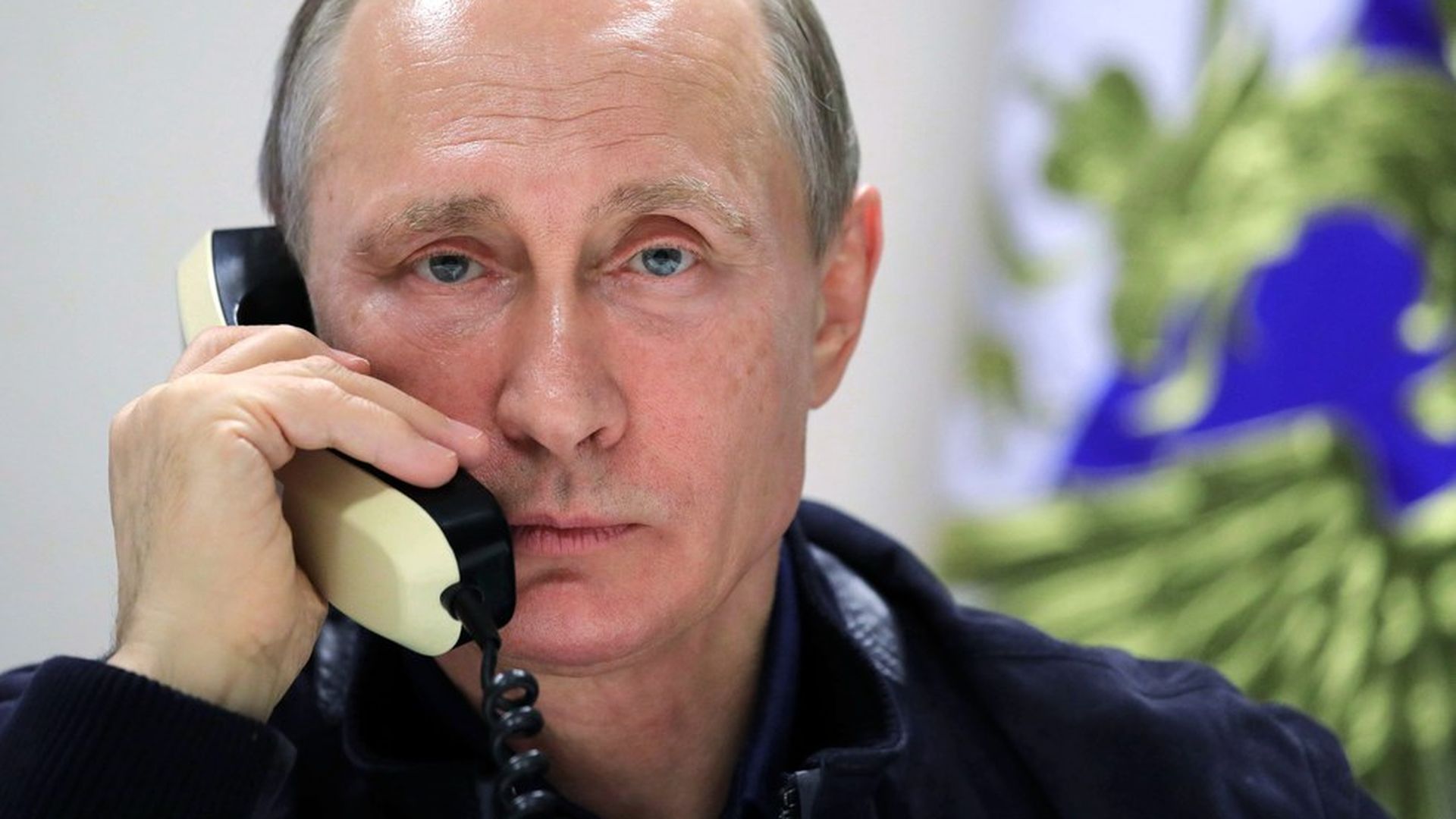
Russian spies have been stepping up their intelligence gathering efforts in the U.S. since the election, feeling emboldened by the lack of significant U.S. response to Russian election meddling, current and former U.S. intelligence officials told CNN. There are nearly 150 suspected spies currently in the U.S. (Recall, Barack Obama booted 35 Russian diplomats suspected of spying in 2016.)
Why it matters: As CNN writes, "Russians are targeting people in the US who can provide access to classified information" and are also trying to hack the U.S. government for intel.

Tech leaders still give to Republicans despite Trump criticism
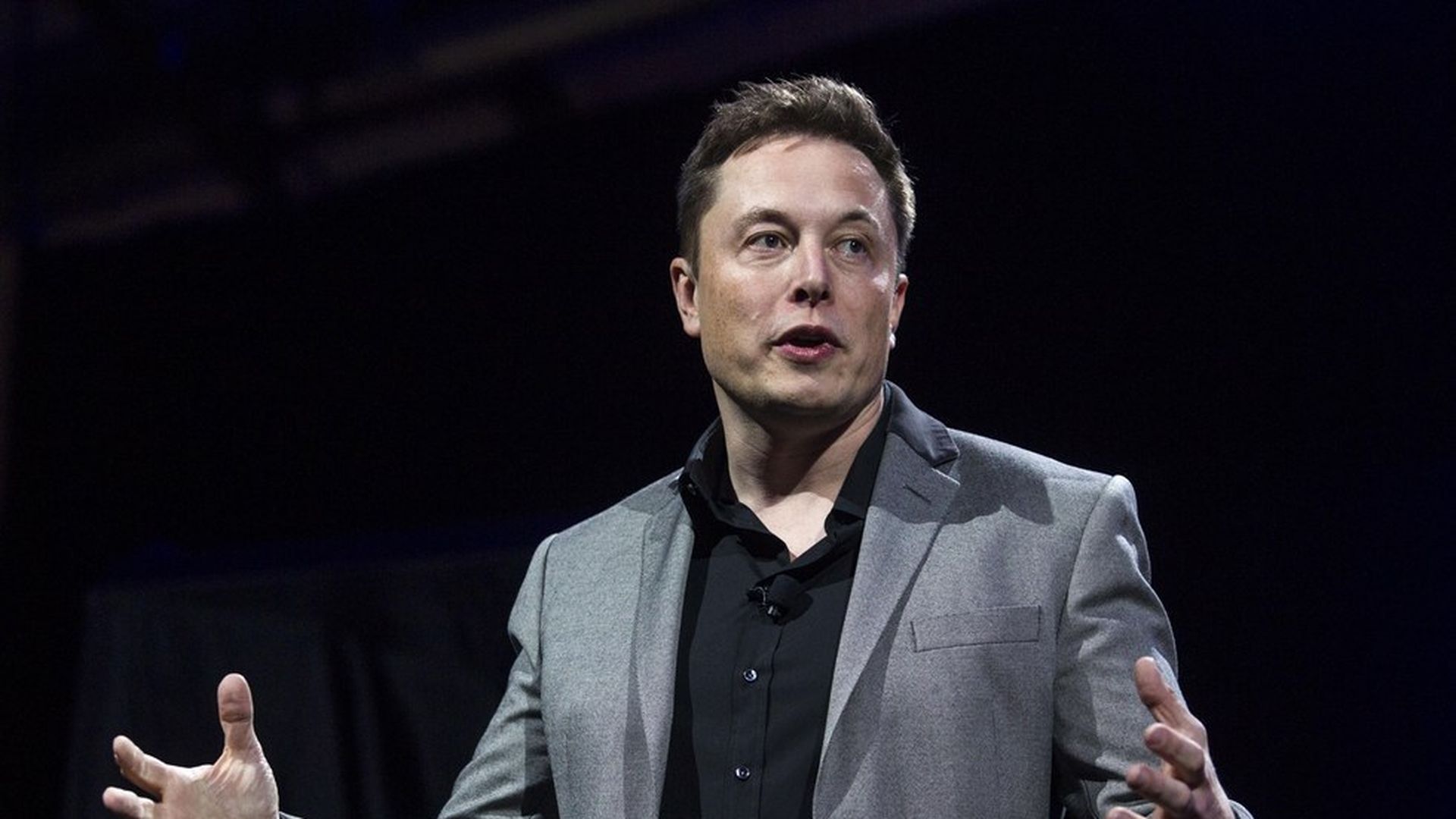
Recode's Tony Romm notes that some of the same tech executives who have been critical of the White House are still putting up cash to support Republican congressional candidates. That includes Elon Musk, who left several presidential councils when Trump withdrew from the Paris climate accords, and Google and Alphabet execs Sundar Pichai and Eric Schmidt.
Why it matters: Silicon Valley's political donations at the corporate level tend to be evenhanded because of the big issues — like taxes and trade — that companies care about. Companies believe they need allies on both sides of the aisle even if their executives and employees disagree with those lawmakers personally. Pichai, for example, gave not only to the Republican Senate campaign arm but also to its Democratic counterpart.

Americans have more confidence in Merkel than Trump
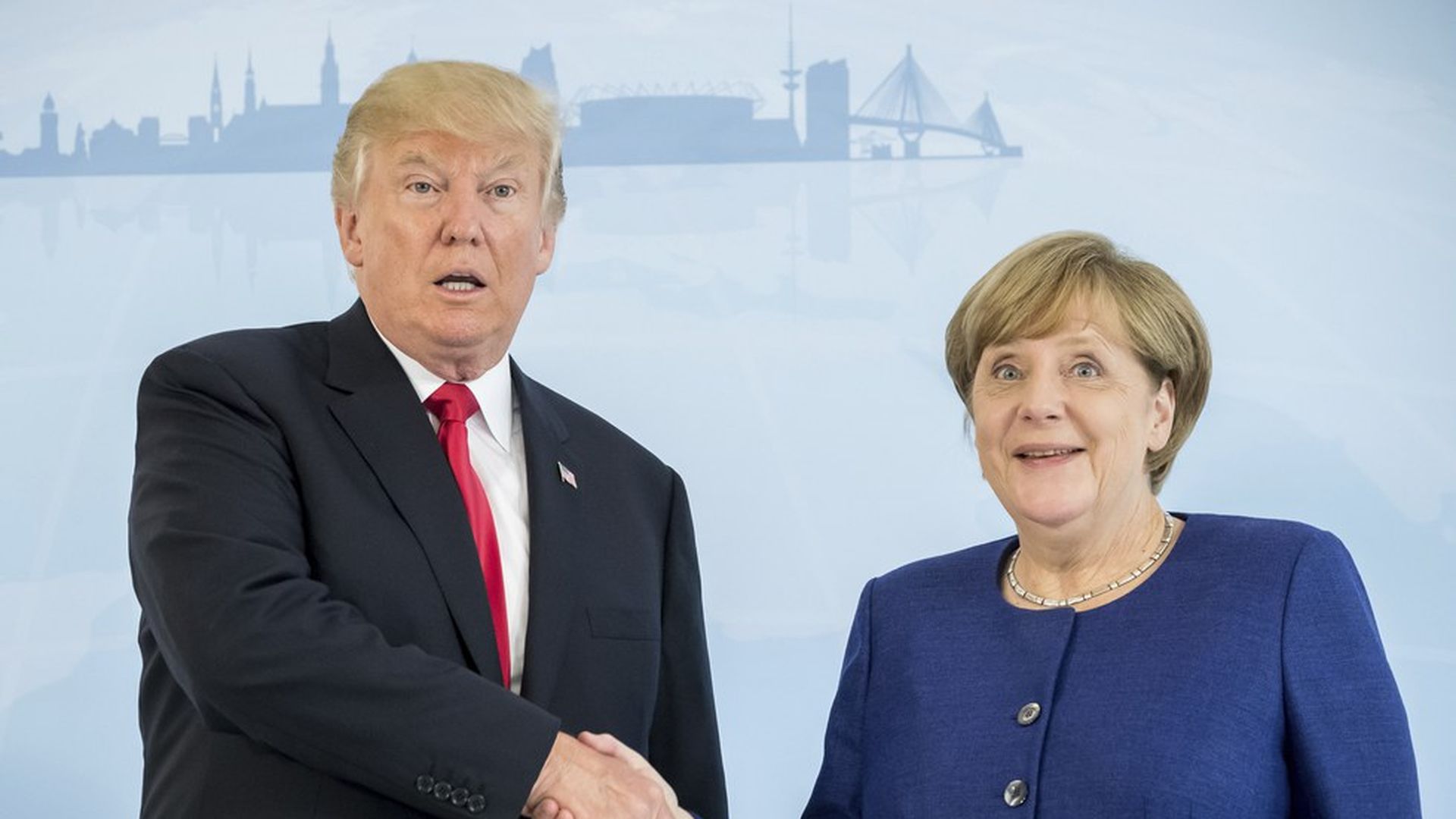
A new survey from Pew finds that Americans have more confidence in German Chancellor Angela Merkel (56%) "to do the right thing regarding world affairs" than they do in President Trump (46%).
The U.S. is not alone: Most residents of G20 countries have more confidence in Merkel than Trump, and in seven leading countries — Germany, France, South Korea, the U.K., Canada, Japan and Australia — the margin is at least 40% in Merkel's favor.
Trump vs. Obama: Confidence in the U.S. president dropped in 35 of 37 countries since Barack Obama left office. In European countries, confidence in Trump is as low as 7%. Sweden had the biggest drop, from 93% under Obama to 10% now.
Why it matters: Trump is meeting with world leaders, including Merkel, at the G20 summit in Germany today and tomorrow where he'll seek support for his policies on climate change, trade, and immigration. His unpopularity around the world — and in the U.S. — won't help.
19 AGs sue DeVos over student loan protections
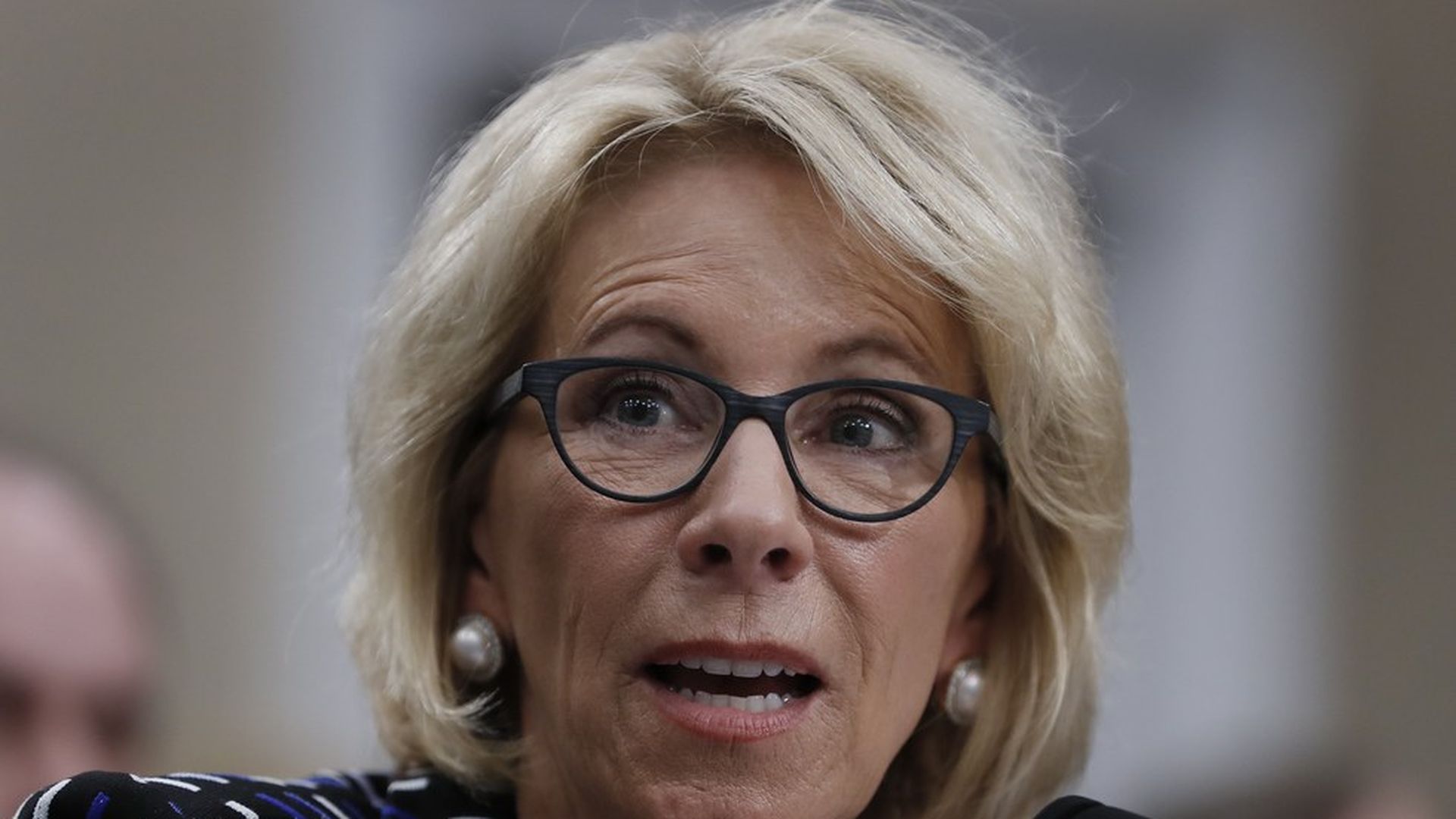
19 attorneys general sued Education Secretary Betsy DeVos Thursday, challenging her decision to scratch rules that would have erased students' federal loan debt if their colleges defrauded them, per AP. DeVos argued the rules created "a muddled process that's unfair to students and schools" and she wants a "regulatory reset."
The rules suspended were to take effect July 1 and would have also barred for-profit colleges from forcing students to remedy issues outside of court through arbitration.
Massachusetts Attorney General Maura Healey is leading the suit, and she claims DeVos "sided with for-profit school executives against students."
Democratic Party recruits 20 military vets to run for office
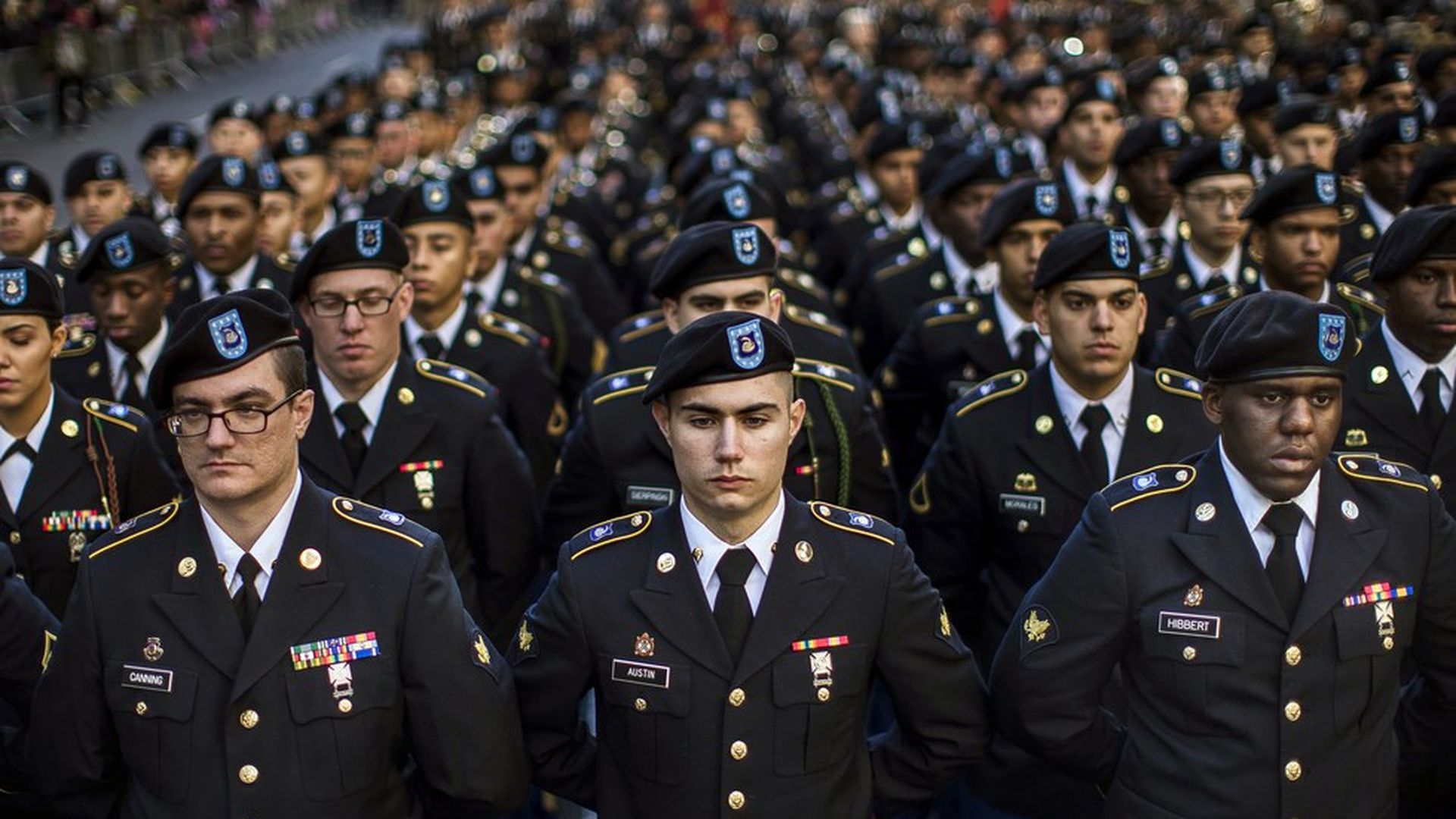
Roughly 20 military veterans have announced they are planning to run as Democrats for the House of Representatives next year — a result of a push by the Democratic Party to win back the 24 seats needed to secure the House majority in the Midterm elections, reports The New York Times.
Although most of the vets were recruited by the party, many told NYT they feel it's their duty to run for office, as they believe Trump's policies threaten the nation's values and national security. Specifically, they cited Trump's approach to foreign policy (his willingness to dismiss allies and embrace adversaries) and his decision to leave many State Department posts vacant months after his inauguration.
The goal: Democrats hope that military candidates will be a refreshing contrast to established career politicians, as well as strengthen the notion that the party will take a stricter stance on national security.
Trump reaffirms U.S. support for Three Seas Initiative
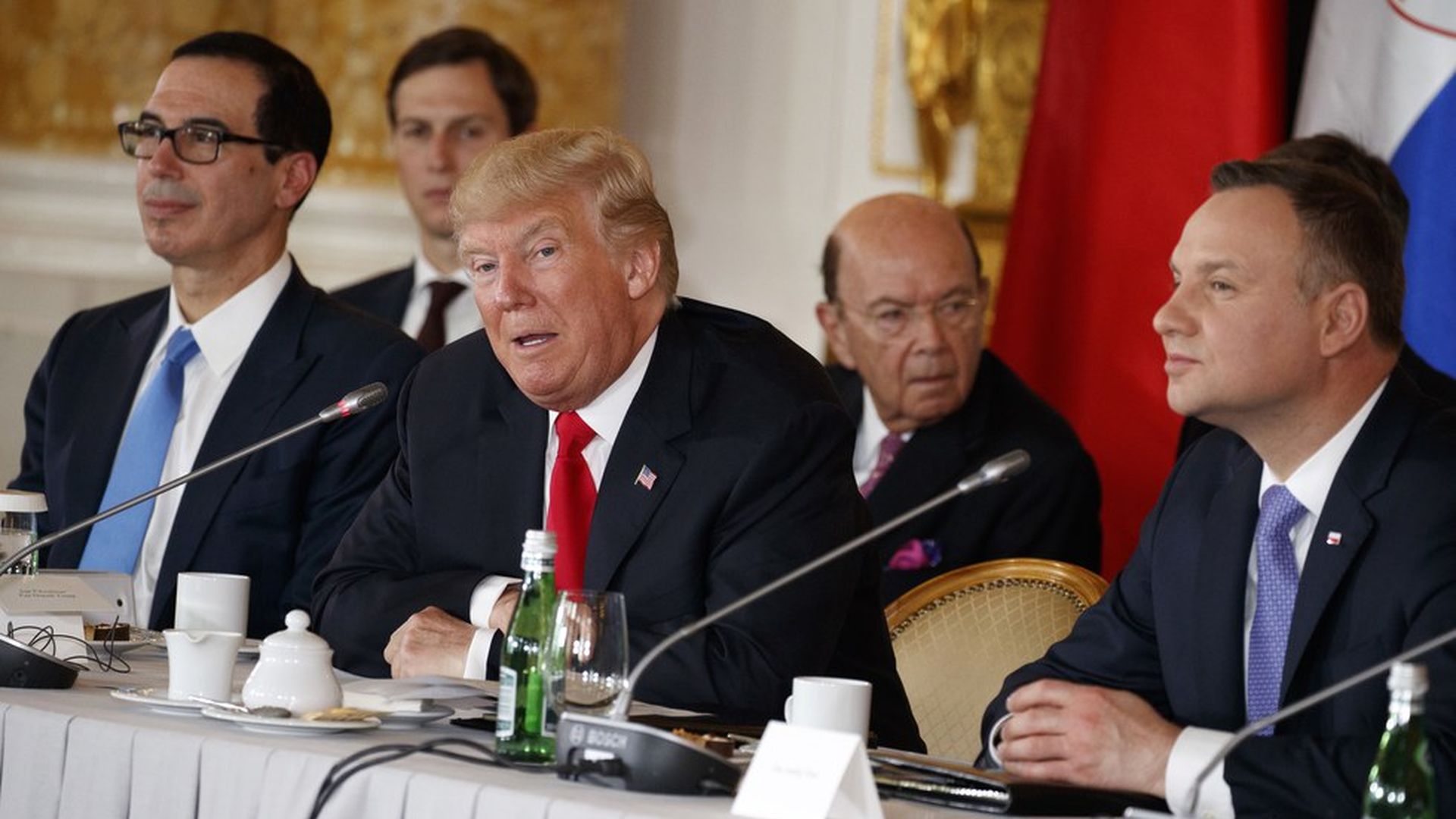
President Trump met with leaders of the Baltic and Central European countries, including Polish President Duda and Croatian President Graves-Kitarovic, at a Three Seas roundtable Thursday.
The Three Seas Initiative is an alliance among a dozen eastern and central European nations in the Adriatic, Baltic and Black seas region. One of the group's leading priorities is to make the region less dependent on Russian energy. "The United States will never use energy to coerce your nations. We stand ready willing and able to help with your energy needs and other needs," Trump said.
Trump, flanked by his U.S. delegation, told the group of leaders that the "region has a special importance to me. As you know, my wife is from Slovenia." He then said the U.S. stands with the Three Seas nations, welcoming the opportunity to expand their economic partnership.

Trump in Poland: Obama "did nothing" on Russian meddling
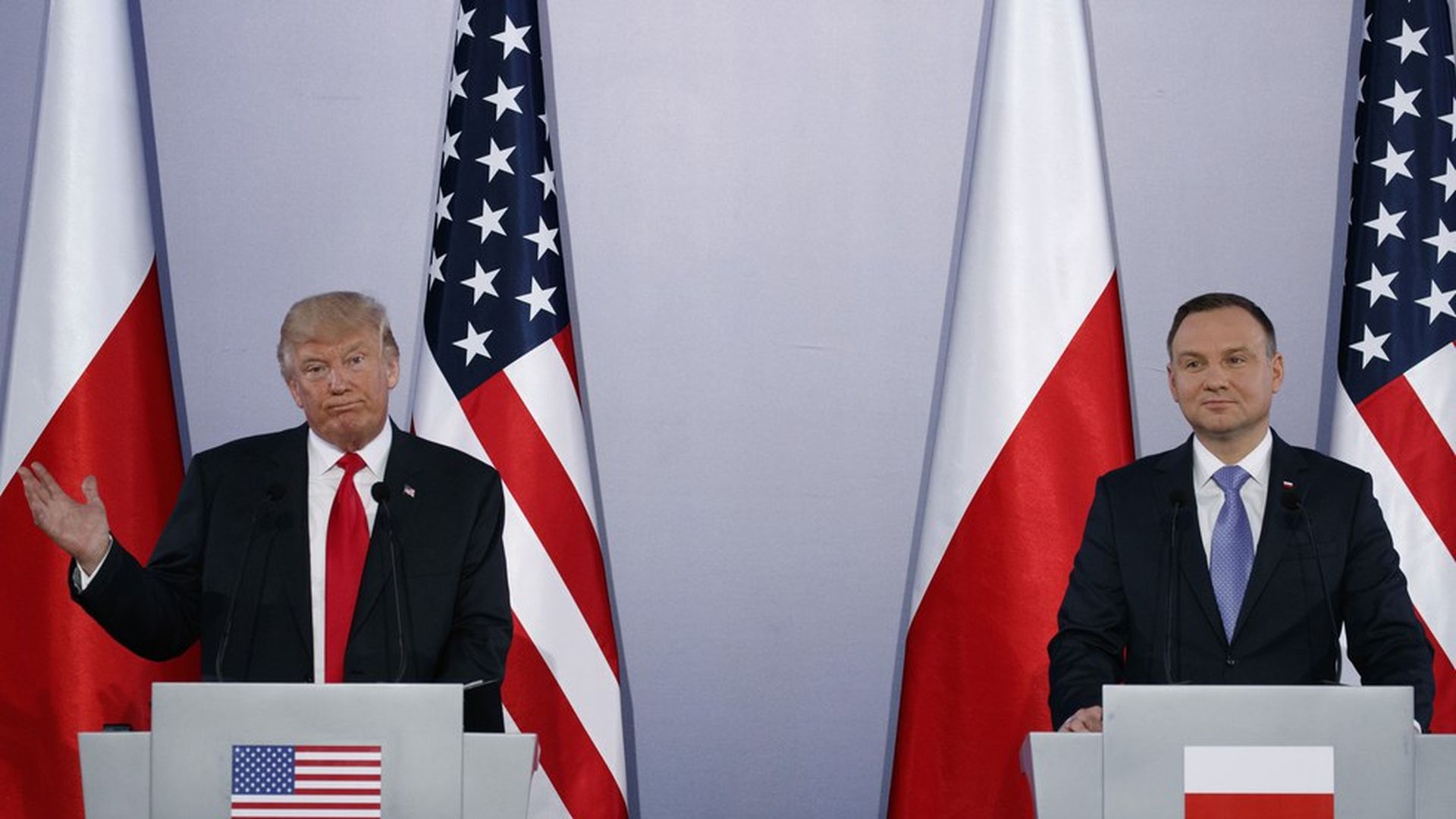
Trump in Warsaw this morning, at the first overseas press conference of his presidency, per AP:
- "Trump says he agrees that Russia meddled in the 2016 presidential election, but he is repeating his assertion that he believes 'other countries' may have done the same ... 'nobody really knows for sure.' He was speaking a day ahead of his first face-to-face meeting with Russian President Vladimir Putin."
- "Trump said people say Obama 'choked' but he believes Obama purposely 'did nothing' because he thought Democrat Hillary Clinton would win the election."


In Warsaw, Trump vows to lead "fight for the West"
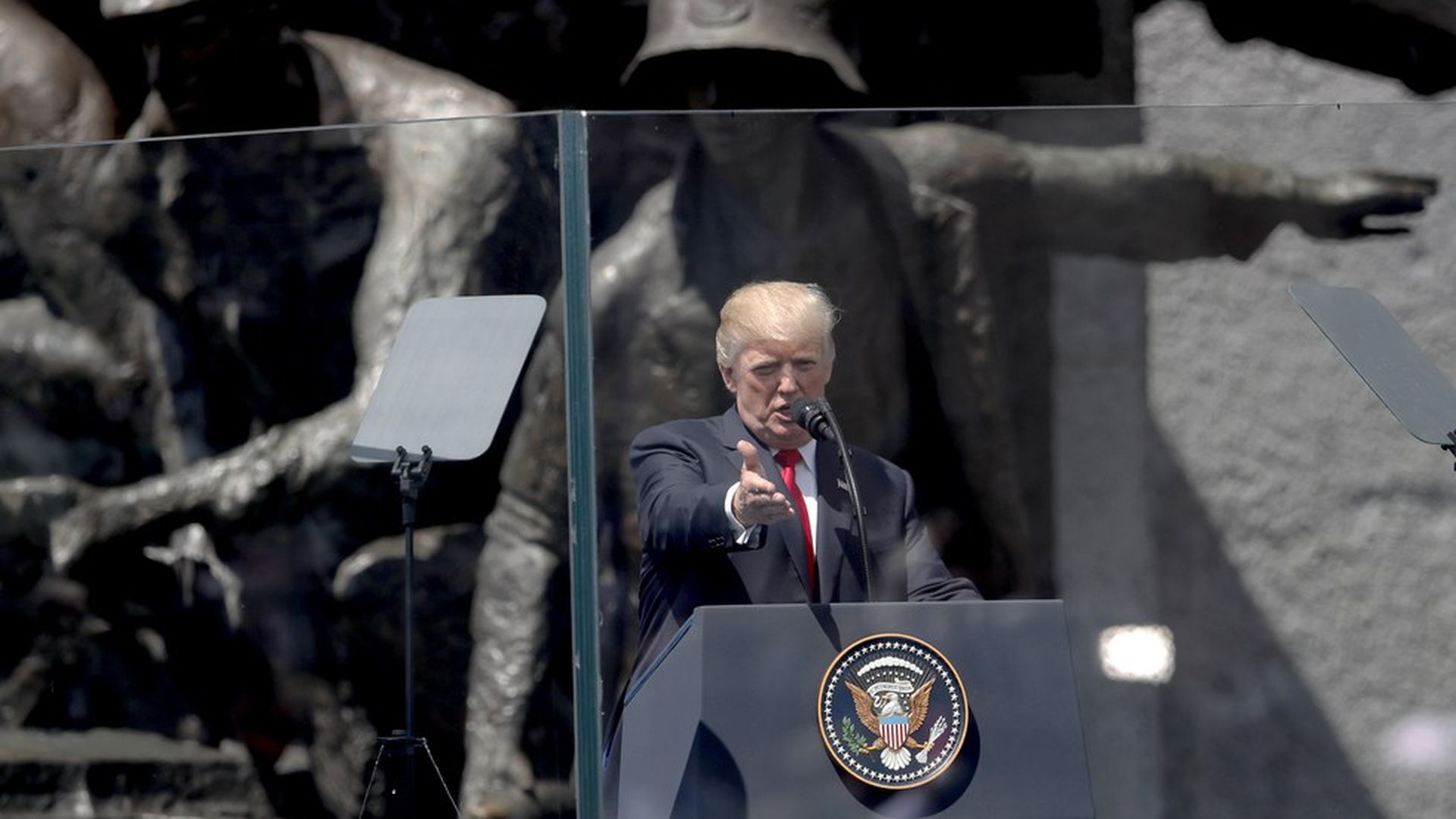
In Warsaw this morning, President Trump delivered what the White House sees as one of the most important speeches of his presidency. He didn't identify himself with the nationalist populist ruling party in Poland, but has something grander in mind.
- The president presented himself as the leader of the West during an address to thousands of Poles in a public square. Trump's team, led by senior policy adviser Stephen Miller, saw an opportunity to use the story of the Polish resistance as the setting for a new rallying cry to Western civilization.
- But, but, but ... "America first" stings in places that aren't America, and Trump's neglect or contempt of traditional alliances has risked the office's traditional mantle as leader of the free world.
- From Trump's text: "The fundamental question of our time is whether the West has the will to survive. ... Our own fight for the West does not begin on the battlefield — it begins with our minds, our wills, and our souls."

Steve Scalise readmitted to intensive care
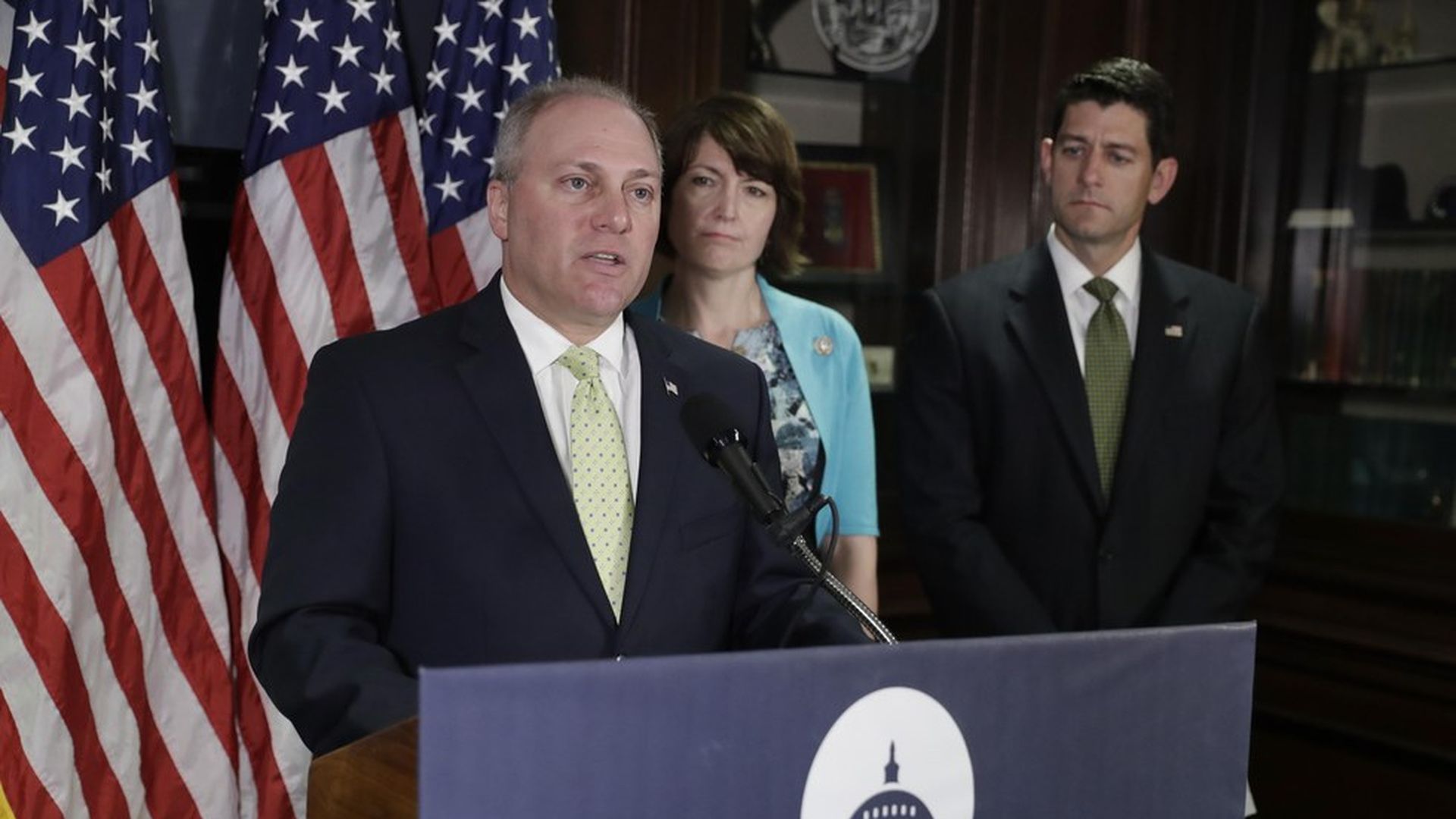
Rep. Steve Scalise, the Louisiana Republican who was critically shot on June 14, was originally moved out of the ICU on June 23. Now he's back in the ICU, according to a statement released by his office late Wednesday:
"Congressman Steve Scalise has been readmitted to the Intensive Care Unit at MedStar Washington Hospital Center due to new concerns for infection. His condition is listed as serious. We will provide another update tomorrow, July 6."

U.S. venture capital and tech expertise are flowing to Canada
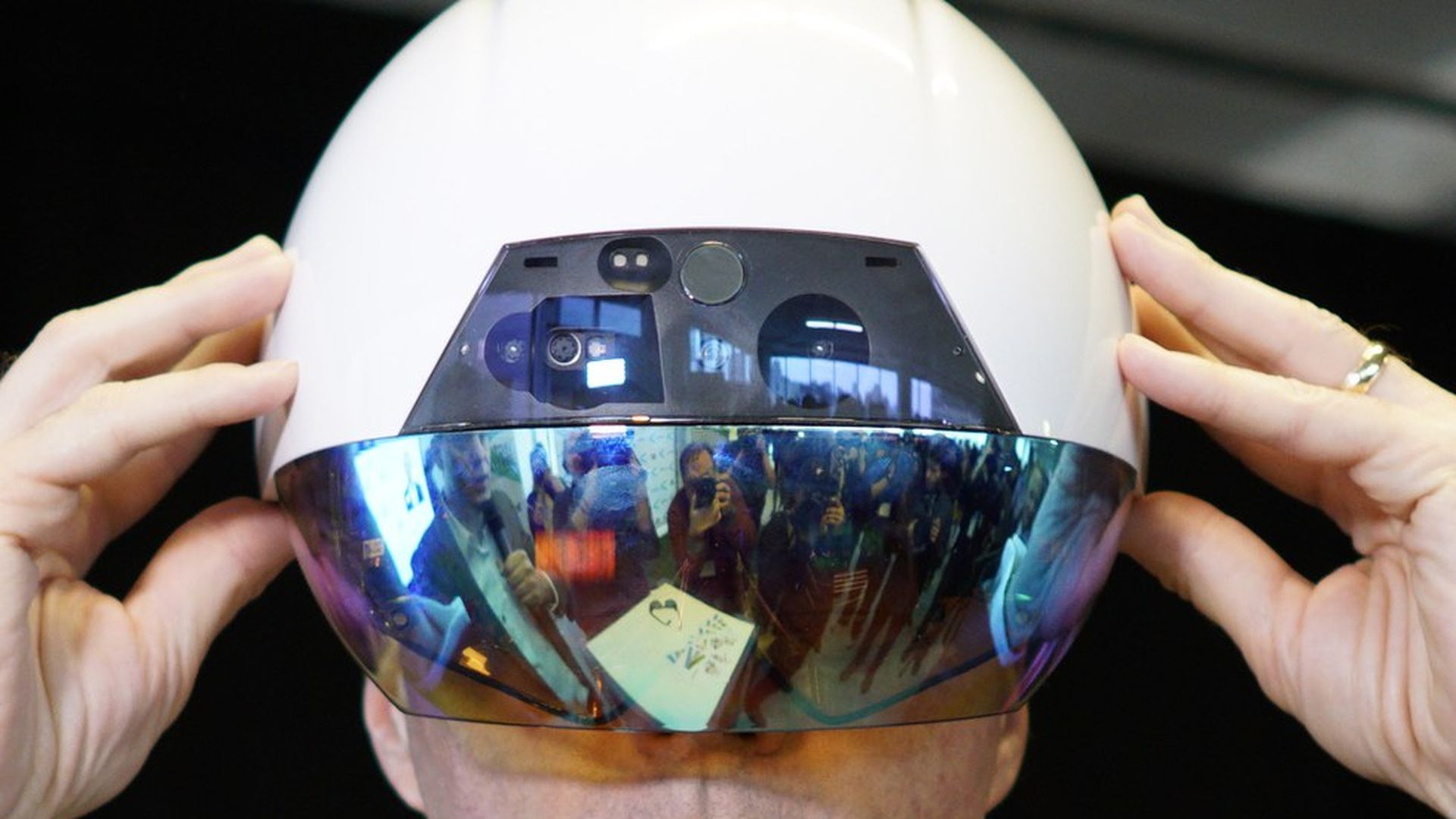
Canada is making an open and determined play to attract tech stars and investors to move north amid the squeeze of immigrants by President Donald Trump, and they are starting to respond.
Salim Teja, director of venture services for Mars, Toronto's sprawling innovation hub, tells Axios that hundreds of tech workers and students have applied for positions in Canadian tech firms and to study at the University of Toronto. Among the notable attractions are new artificial intelligence labs led by some of the world's leaders in the field:
- Geoffrey Hinton, the neural networks pioneer, will run the Vector Institute on Artificial Intelligence, which was launched in March in Toronto (photo above).
- DeepMind, the AI powerhouse owned by Alphabet, the Google parent, said Wednesday that it had hired machine learning pioneer Rich Sutton and two other University of Alberta computer scientists to lead a research facility in Edmonton, its first outside the UK.
Why it matters: Canada is among at least two big western countries — the other is France — to attempt to capitalize on Trump's crackdown on immigration, foreign visitors, and some of the policies many of them care about, such as climate change, to swell their own tech cachet. Early statistics suggest that at least Canada is snagging some of them to jobs and university spots.

How Putin negotiates
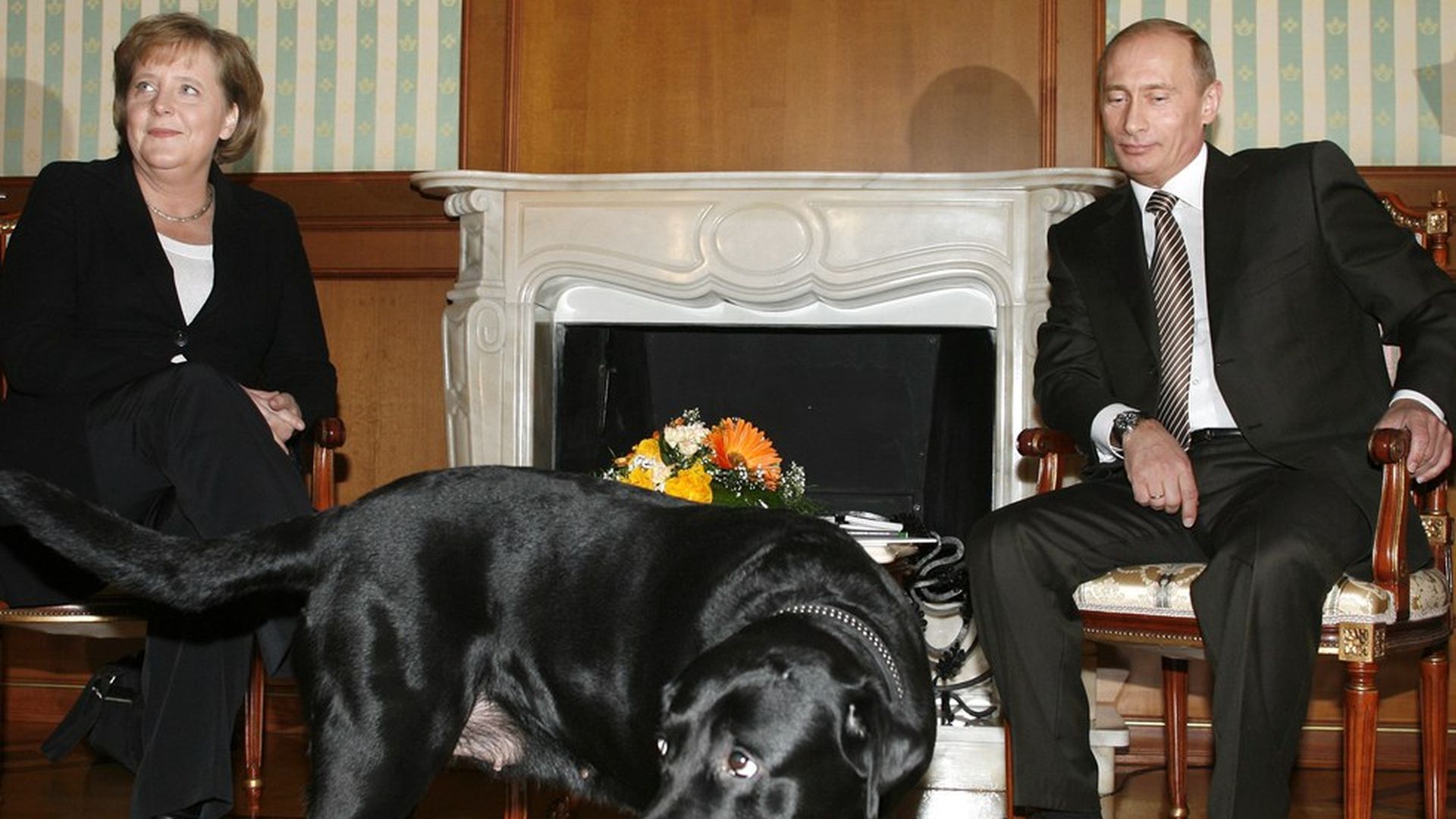
Former U.S. officials who've been on hand for meetings with Vladimir Putin describe him with a mix of wariness and begrudging respect.
President Trump's aides are understandably anxious ahead of Friday's meeting with Putin, a seasoned political operator and former K.G.B. officer. Here's a list of past Putin experiences, recounted by the Washington Post, the New York Times and The Independent.

How Senate's health bill could disrupt small biz coverage
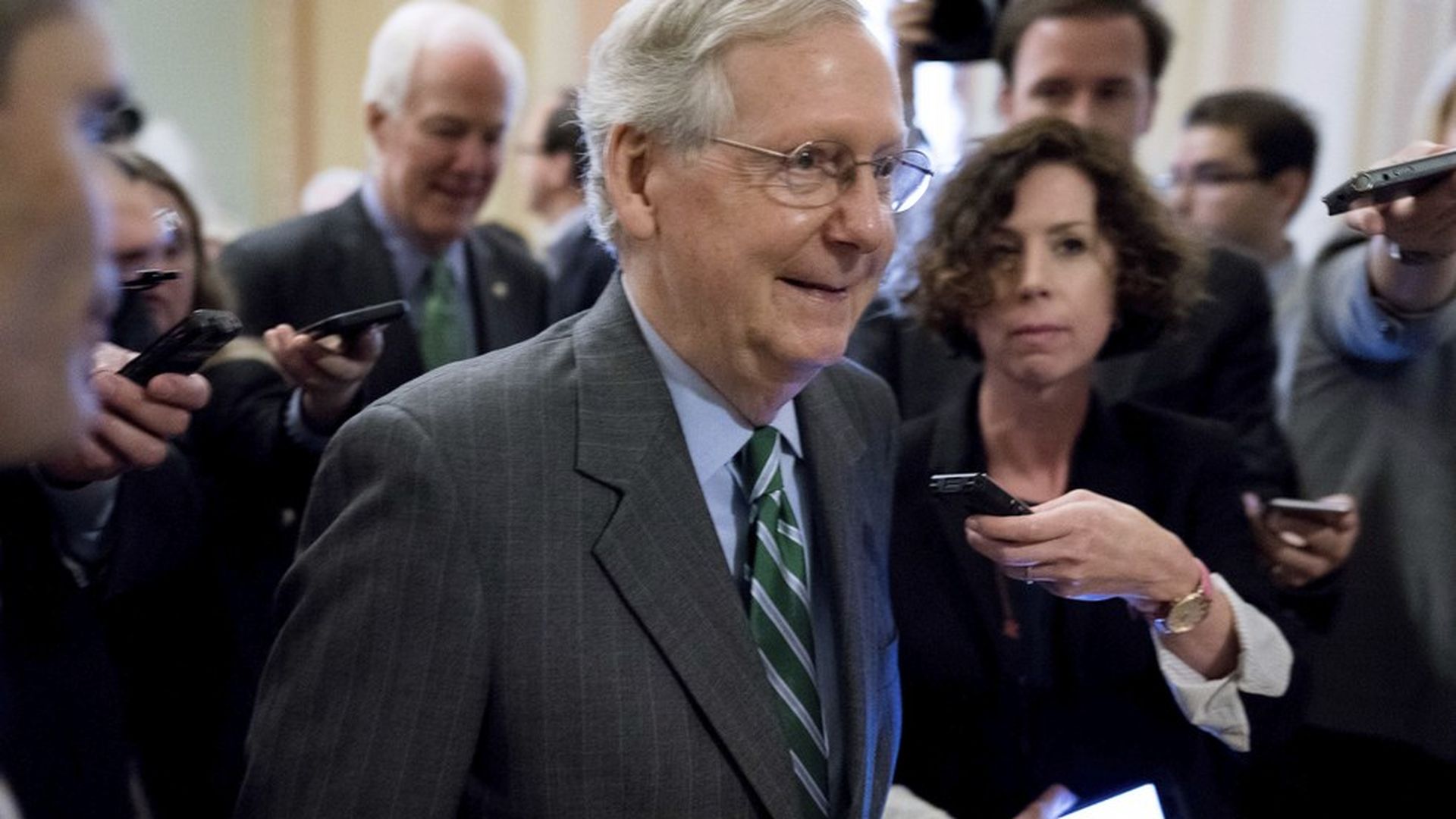
A little-noticed provision of the Senate health care bill — one that provides new insurance options for small businesses and the self-employed — could have big consequences, potentially making it harder for sick people to get affordable coverage.
- What the experts say: The provision, as written, could cause "fragmentation of the market resulting from an unlevel playing field. This is likely to lead to cherry-picking, adverse selection, and increased costs for sicker individuals," the American Academy of Actuaries wrote in a letter to members of Congress and governors.
- This echoes concerns about Sen. Ted Cruz' proposal to let some insurers offer plans that don't comply with the Affordable Care Act's regulations. "This is kind of a baby version of the Cruz amendment, in that it creates a parallel, much more loosely regulated insurance market," Larry Levitt, vice president of the nonpartisan Kaiser Family Foundation, told me.
- What we're watching: Whether the provision, which establishes "small business health plans," starts to get more attention among Republican senators. Although conservatives support the idea, wary moderates could be turned off by its potential consequences.