Roughly 8% of U.S. teens report using tobacco products — the lowest rate since 1999, according to 2024 federal estimates released on Thursday.
Why it matters: Despite significant declines, public health advocates warn the trend has been slowed by the popularity of products like flavored e-cigarettes and nicotine pouches among kids.
Several state Medicaid programs will soon cover Indigenous healing practices used by American Indians and Alaska Natives under waivers granted Wednesday by the Biden administration.
Why it matters: Native patients are likelier to trust traditional healing that's been used for generations, and may experience better outcomes if they're incorporated into their care.
An effort to get doctors to register their patients to vote during office visits is drawing the ire of national Republicans as Election Day nears and threatening to again make health care facilities partisan battlegrounds.
The big picture: Vot-ER, a nonprofit spearheading health care-relatedvoting efforts, likens the initiatives to nonpartisan voter registration at local motor vehicle departments. Conservatives contend they're exploitiveand stretch the boundaries of physician freedom.
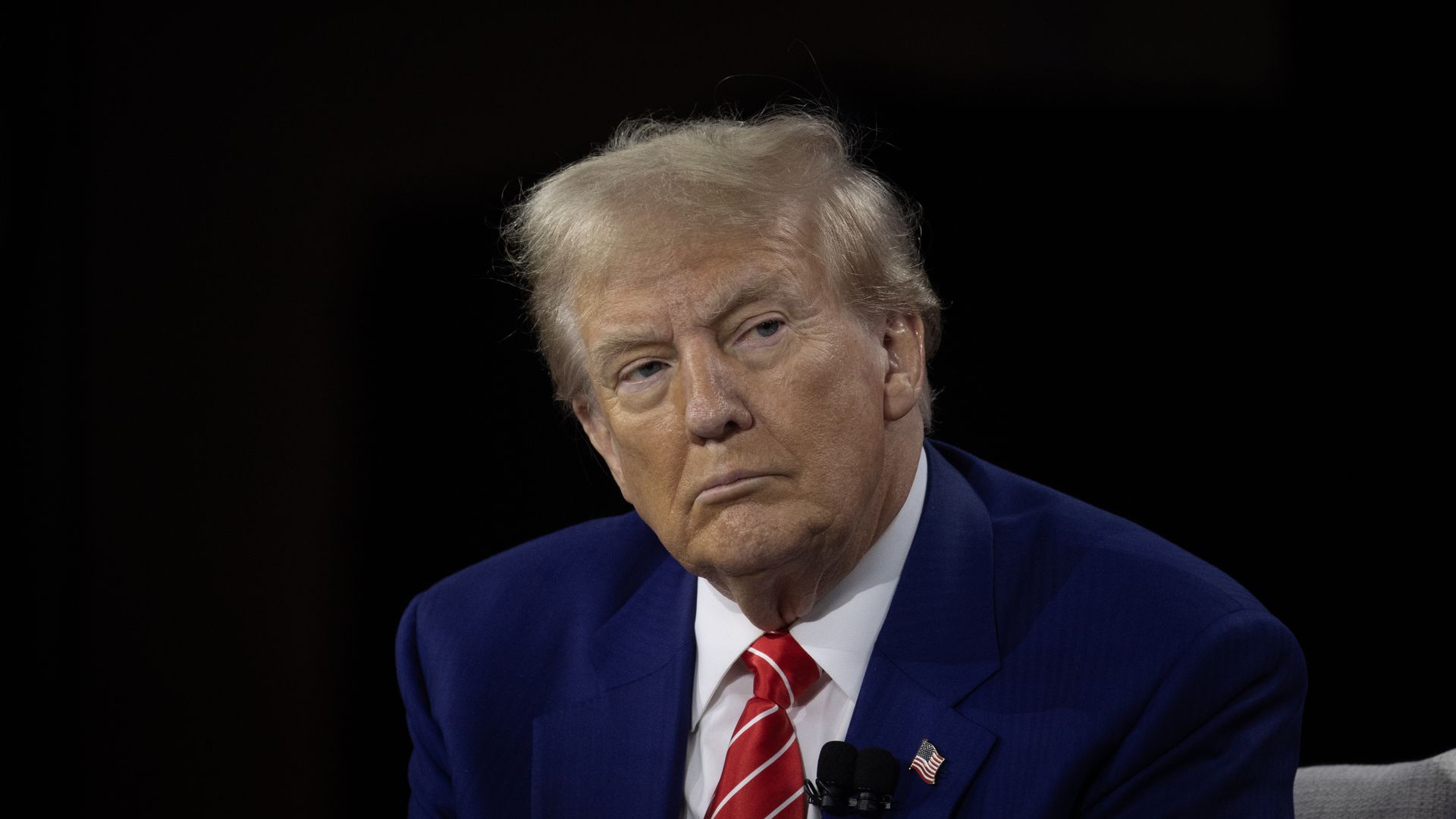
Former President Trump said in August he'd "gladly" release his medical records. But with less than three weeks to go until Election Day, his campaign has yet to release any basic health data.
Former President Trump doubled-down on his prior comments calling Democrats the "enemy from within" during a Fox News town hall in front of a women-only audience that aired Wednesday.
Why it matters: With less than three weeks until Election Day, Trump is seeking to boost his appeal among women voters, as polling shows that Vice President Kamala Harris has a clear advantage over this key bloc.
The Food and Drug Administration halted Novavax's trial of a combination vaccine for COVID and influenza, as well as a standalone flu shot, after a participant suffered a serious adverse event, the company said on Wednesday.
Why it matters: It's the latest setback for the company creating alternatives to mRNA vaccines in the race to make combination shots that include protection against the flu.
Alchemy, a developer of in-house pharmacy programs for clinics with large HIV and hepatitis C patient populations, raised $31 million in seed funding led by Andreessen Horowitz.
Why it matters: Antiretrovirals are one of biotech's greatest success stories, but there still are disparities in who receives the drugs.
Some private equity firms are pulling back from investing in consumer companies that could be negatively impacted by the GLP-1 boom, believing that profits will get squeezed as obesity rates fall.
Zoom in: That could include certain snackmakers, alcohol producers, or restaurant chains. Or gyms. Or grocery, which earns much of its meager margin on items that many GLP-1 users no longer crave.
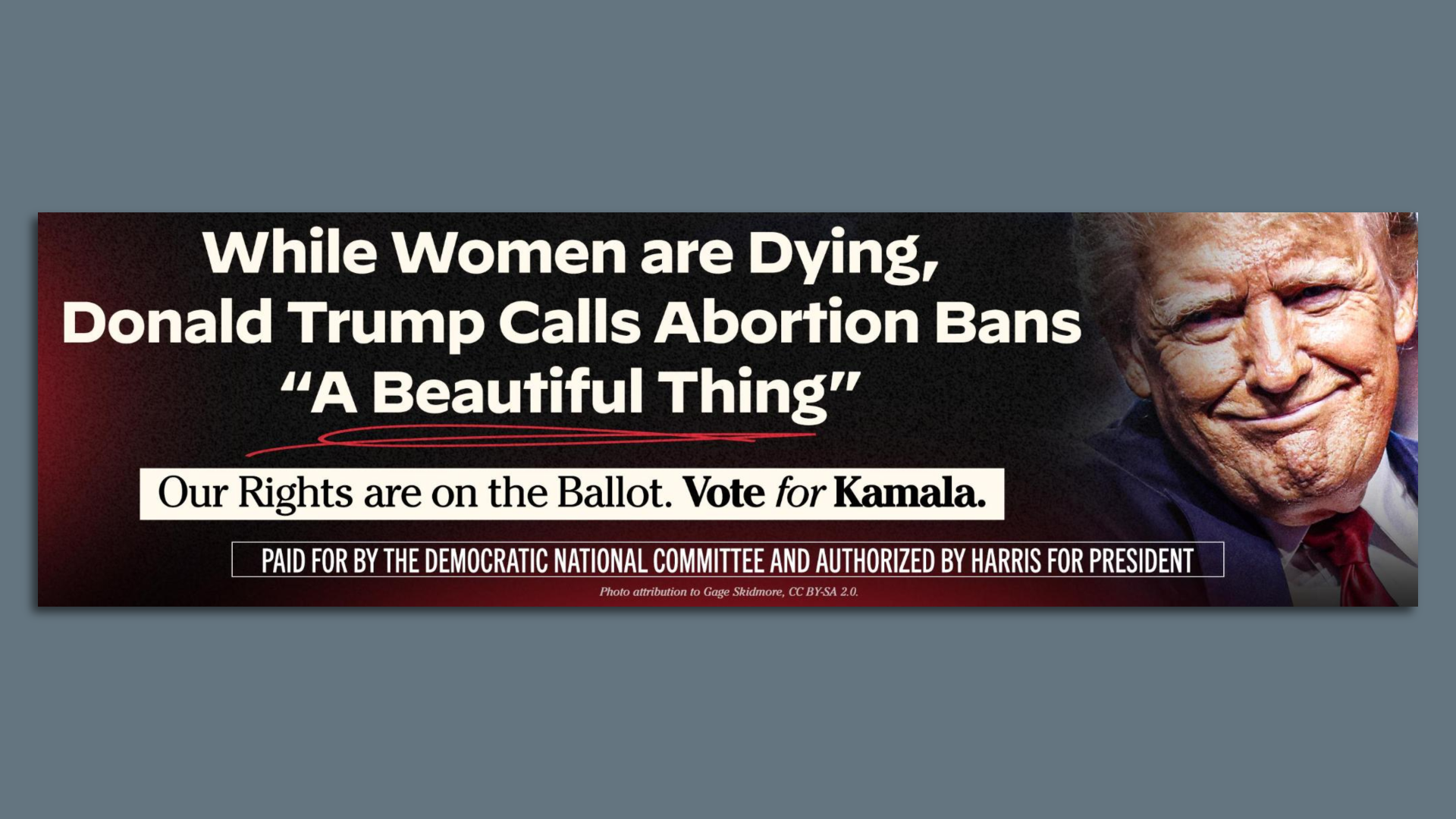
The Democratic National Committee is blanketing the battlegrounds with billboards hitting former President Trump over reproductive rights, tying him to the abortion bans that have been linked to some women's deaths.
Why it matters: The billboards come before Trump's Fox News' town hall in front of a women-only audience is set to airas he seeks to appeal to a key demographic where Vice President Harris has a clear advantage.
GlaxoSmithKline is suing Moderna for allegedly using technology patented by GSK in its COVID-19 vaccine.
Why it matters: It's the latest in a series of legal fights over who owns the intellectual property behind mRNA technology and whether some companies are entitled to royalties on future sales.
Firstborn and only children are likelier to develop anxiety and depression by the time they reach age 8 than children who are born second or later, according to a new review of almost 182,500 cases.
Why it matters: The findings add another wrinkle to the still-unresolved debate over whether birth order affects childhood mental health. A conclusive link could aid in identifying other risk factors for behavioral disorders.
More than half of independent pharmacies are considering not stocking the first 10 drugs that were subject to Medicare price negotiations over concerns they'll have to absorb upfront costs.
Why it matters: If the drug stores decide it's not worth it to carry these drugs, seniors could have a harder time benefiting from the first round of reduced drug prices that take effect in 2026 — especially as more chain pharmacies close.
Walgreens is dramatically shrinking its retail footprint and revamping its front-of-store product mix in a bid to fend off competition from online and other rivals who've upended the pharmacy business.
Why it matters: The moves announced on Tuesday reflect big chain pharmacies' challenge to revive their core businesses amid sluggish demand, workforce crunches and shrinking prescription payments.