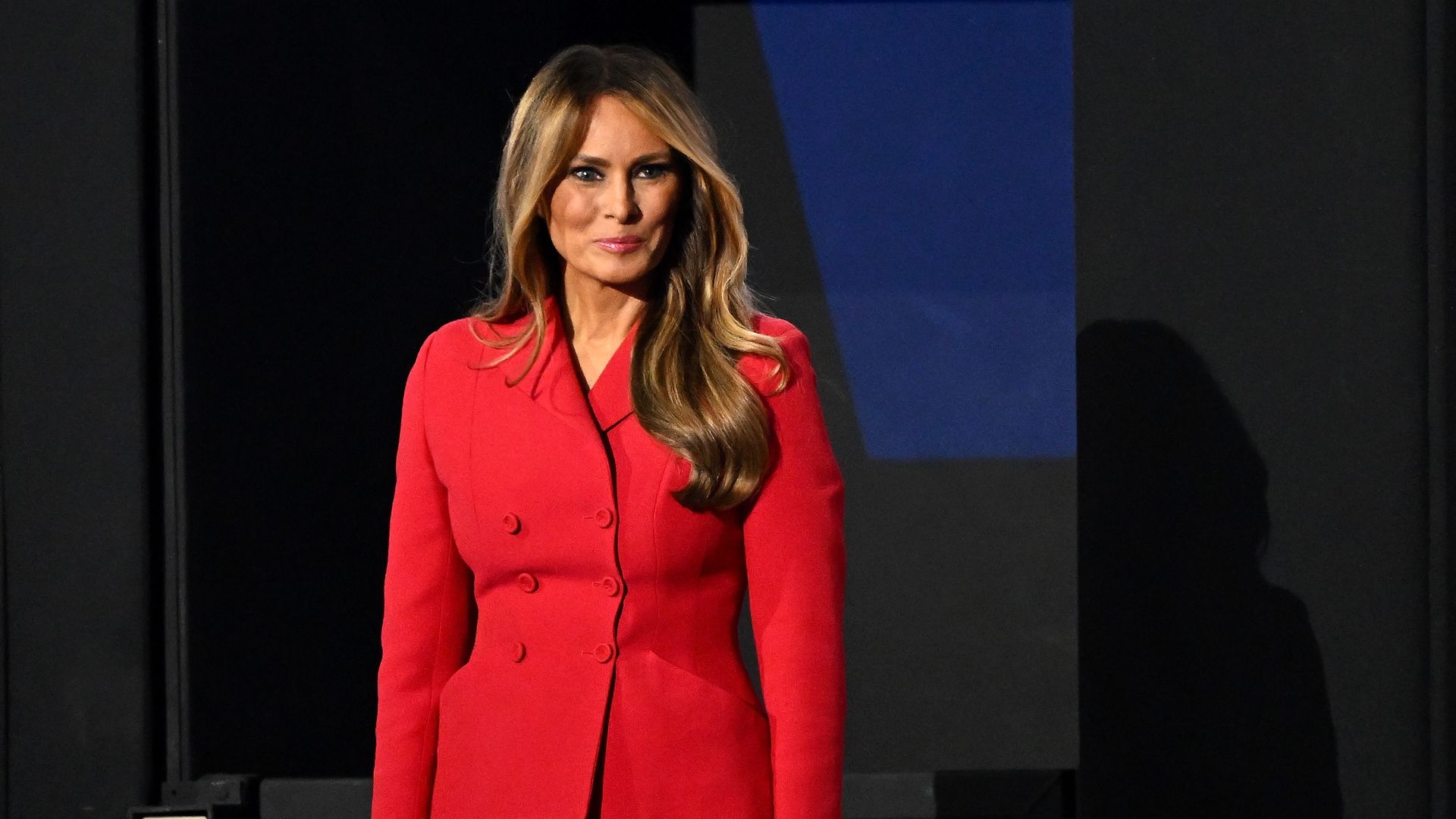
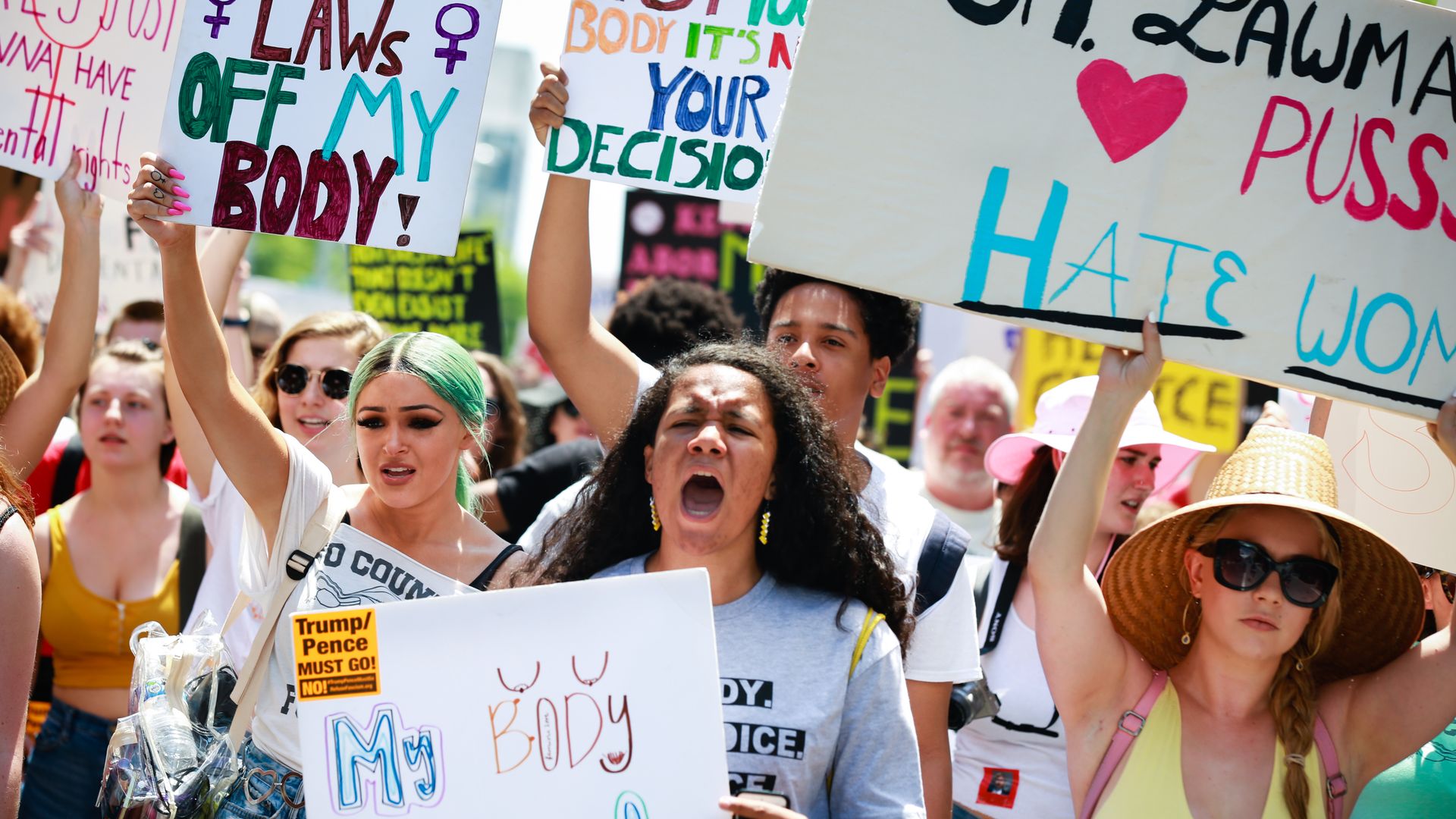
Former first lady Melania Trump vehemently defended abortion rights in her upcoming memoir, according to an advanced copy obtained by The Guardian.
Why it matters:Former President Trump has continuously boasted that he was responsible for the Supreme Court overturning federal abortion protections, and while he's flip flopped on the issue, he's now campaigning with the position that abortion should be left to states — a view women largely oppose.
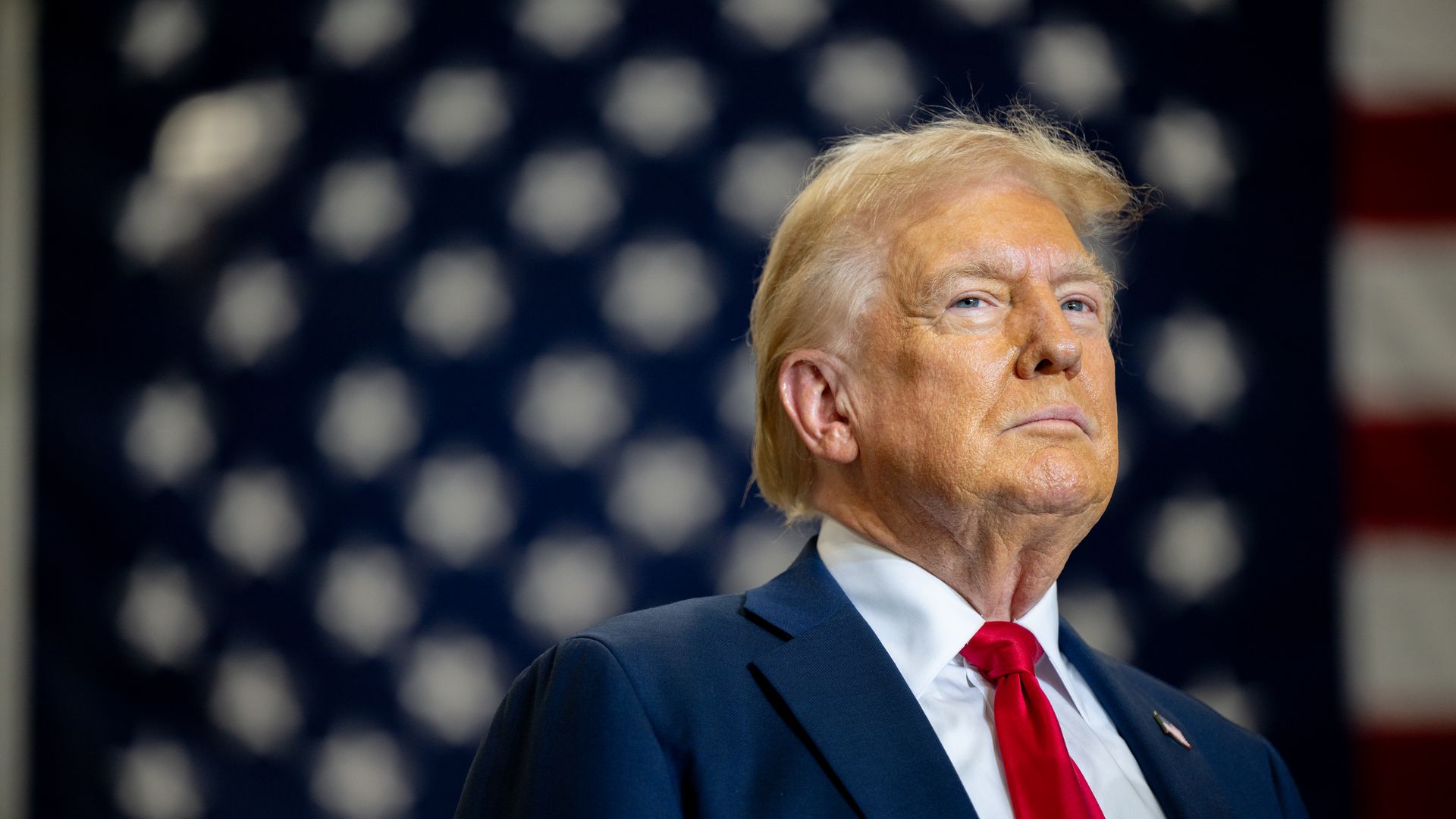
During Tuesday's vice presidential debate, former President Trump announced on Truth Social that he would veto a national abortion ban — an issue on which he'd been waffling for months.
Why it matters: Trump's post came less than 35 days until the election, and as polling indicates that Vice President Harris has a clear edge among women voters and on abortion rights.
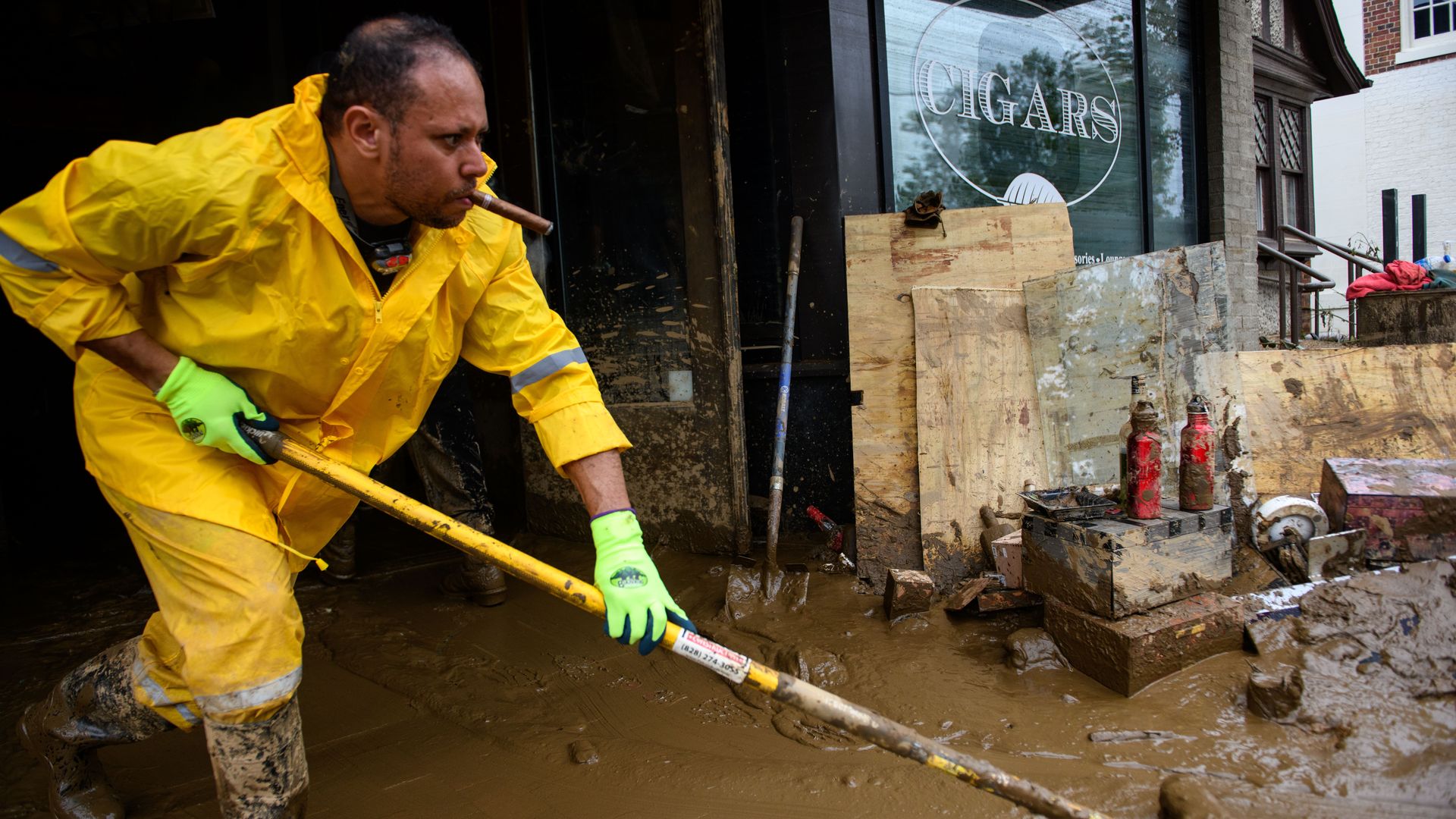
Hurricanes and tropical storms have long-term health consequences, generating 7,000 to 11,000 excess deaths over the 15 years following the event, a new study finds.
Why it matters: The study demonstrates that long-term public health impacts are a concern in the wake of Hurricane Helene's devastating damage and long after direct deaths and damage is accounted for.
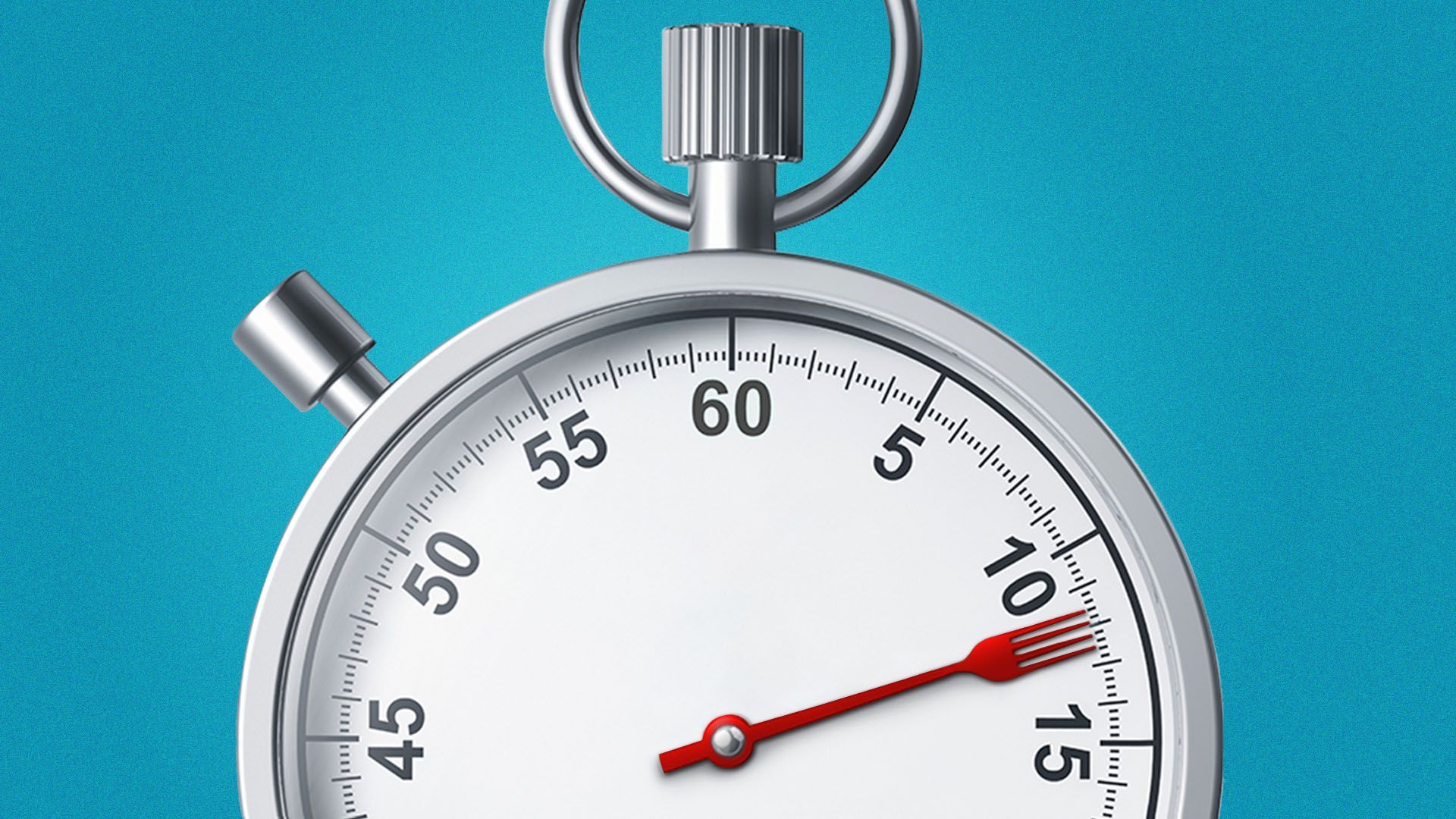
Intermittent fasting could improve blood sugar regulation, cholesterol counts and weight loss for the 1 in 3 Americans with metabolic syndrome, new research shows.
Why it matters: The findings in Annals of Internal Medicine show that limiting food intake to certain hours of the day can be a practical, low-cost way to improve cardiometabolic health, researchers from the Salk Institute and University of California San Diego School of Medicine write.
Asian American and Pacific Islander women saw the steepest rise in breast cancer cases of any other group over a decade, according to a new report from the American Cancer Society.
Why it matters: While overall breast cancer deaths are falling, the report shows progress has been uneven and hindered by a stubborn rise in incidence of the disease, especially in middle-aged women.
The Steward Health debacle may be nearing an end, but critics worry some of the arrangements in place to keep the chain's hospitals and 5,000-person doctors group up and running could trigger another fiasco.
Why it matters: Almost everyone agrees that Steward's management had a big hand driving the system into bankruptcy. But some argue there were also systemic problems related to private equity ownership and risky sale-leasebacks of properties that still loom over the surviving entities.
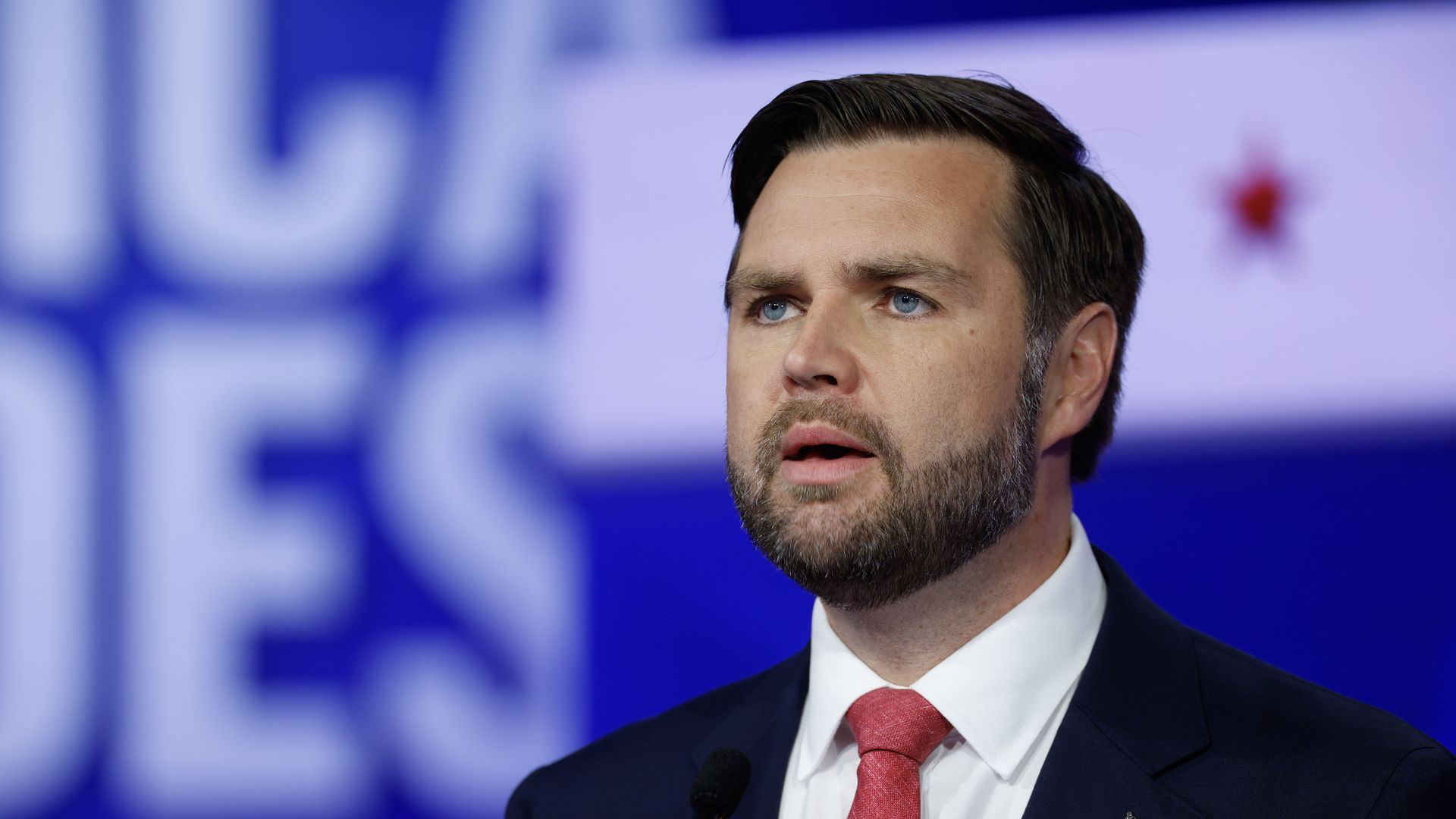
Sen. JD Vance (R-Ohio) said the Republican Party has to do a better job in "earning the American people's trust back" on the issue of abortion "where they frankly, just don't trust us."
The big picture: The Republican vice presidential candidate sought to pivot to a more compassionate tone on the issue of abortion in the face of Minnesota Gov. Tim Walz's attacks, calling for public policy that would "give women more options," so they can afford to have and take care of children.
CVS Health is weighing various strategic options, including a possible breakup of the company, as first reported by Reuters.
Why it matters: CVS is America's largest pharmacy operator and one of its top health care companies, but is being hammered by increased costs at its Aetna insurance unit.
Americans have never been wealthier. That's thanks in large part to the way in which they jumped feet-first into the stock market as soon as the pandemic hit.
Why it matters: Retail investors, it turns out, didn't panic when confronted with market volatility, as they were in March 2020.
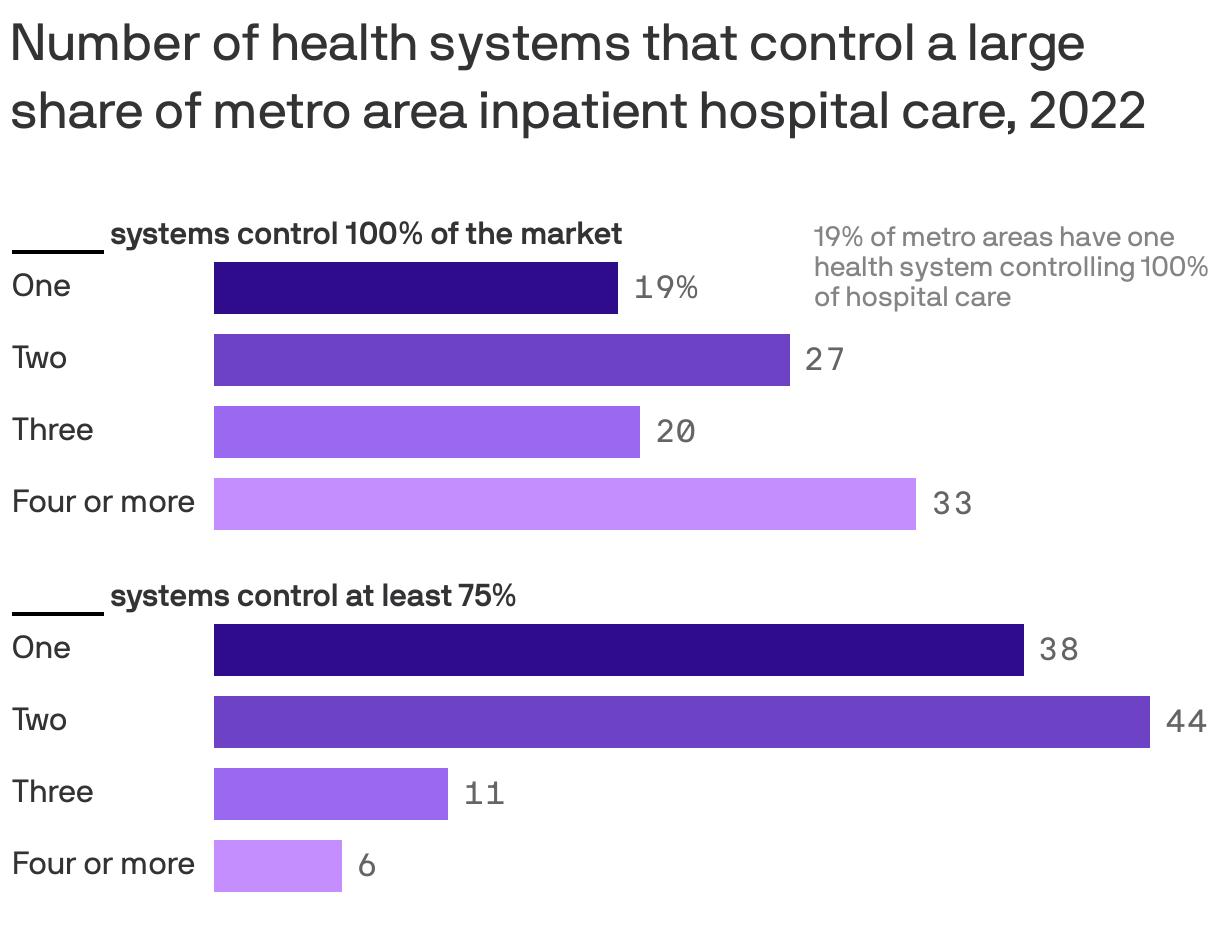
Data: KFF analysis of Rand hospital data; Chart: Axios Visuals
Hospital mergers and acquisitions have left nearly half of the metropolitan areas in the U.S. with just one or two health systems controlling all inpatient care, according to a new KFF study.
Why it matters: Hospital consolidation is seen as a big driver of rising health costs and has become a prominent focus of Congress and antitrust regulators.
The already fragile medical supply chain is facing more stress this week, after Hurricane Helene ravaged a huge Baxter International plant in North Carolina that makes IV fluids for many U.S. hospitals.
Why it matters: While the damage hasn't been totaled up, and the company says it's lining up backup plants and making other contingencies, the closure of the flooded facility threatens to upend such basics as intravenous dialysis care and complicate the federal disaster response.