Ohio hasscrapped plans to restrict gender-affirming health care for adults following backlash over a proposal issued last month.
Why it matters: Ohio's proposed limits would have been the toughest restrictions on transition-related care for adults in the country, transgender rights advocates said.
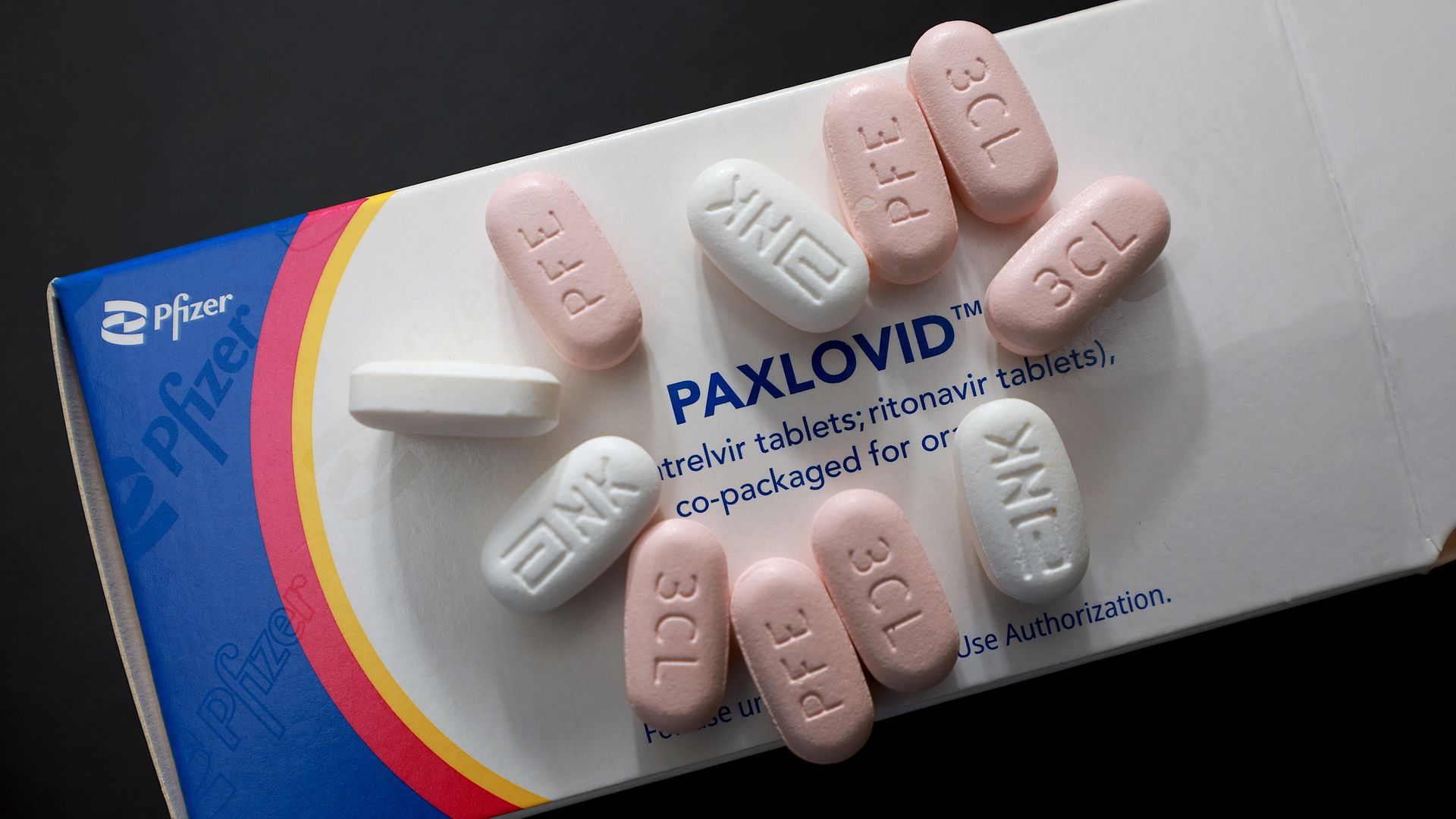
Biden administration officials this week pushed executives from leading pharmacy chains to make sure frontline staff are providing patients with accurate information about costs of the COVID-19 treatment Paxlovid, officials told Axios first.
Why it matters: Uptake of the Pfizer antiviral has remained stubbornly low since it transitioned to the commercial market in the fall, in part because of patients sometimes being charged up to the full list price of $1,400.
The Biden administration hasopened up applications to run a revamped network for distributing donated organs — but lack of funding could jeopardize those efforts, federal health officials said Tuesday.
Why it matters: This is the first time in four decades the government will solicit multiple contracts to run the organ transplant system, hoping to foster more competition and ultimately improve patient care.
If Donald Trump returns to the White House, the self-proclaimed master negotiator could get his shot at brokering Medicare prices for drugs.
Why it matters: Trump first ran for president bucking conservative orthodoxy by vowing to negotiate drug prices, though he later abandoned that pledge.
Shortages of weight-loss drugs are driving pharmaceutical companies to scramble to shore up supplies.
Why it matters: Booming demand for anti-obesity drugs, known as GLP-1s, has led to a windfall of revenue for pharma giants like Novo Nordisk and Eli Lilly.
Abortion advocates say Latinas and other women of color are disproportionately affected by bans and restrictions, but when it comes to lawsuits and news coverage, their stories are less likely to get attention.
Why it matters: The reality underscores the limited resources that Hispanic women have in accessing abortion care, especially since the fall of Roe v. Wade, which has prompted nearly half of all U.S. states to enact more restrictions or bans.
The House Select Committee on the Chinese Communist Party is planning to hold a field hearing on China biotech competition next week in Boston, Axios has learned.
The big picture: Chinese genomics companies are becoming a national security concern in some quarters of Congress, where there's bipartisan support for cutting off some firms from taxpayer funding.
While the active ingredient in magic mushrooms is gaining acceptance as a behavioral health treatment, law enforcement seizures of the substance increased nearly 3.5 times from the beginning of 2017 through 2022, according to a new National Institutes of Health-funded study.
Why it matters: The increase underscores the fast-changing legal landscape around psychedelics and suggests availability of the tightly regulated substances may be increasing.
A major purge of Tennessee's Medicaid rolls almost 20 years ago led to a big increase in evictions, according to a new Health Affairs study that may hold lessons for the ongoing "unwinding" of pandemic-era coverage protections.
Why it matters: More than 16.4 million Americans have been disenrolled from Medicaid since April, when the end of the COVID-19 emergency meant states were no longer barred from terminating coverage.
Pharmacy retail chains staking their future on expanding the health care services they offer are running into a big problem: It's getting harder to draw the next generation of pharmacists amid turmoil in the industry.
Why it matters: The pharmacies' ambitions to become go-to providers for vaccinations, patient monitoring and even prescribing are being threatened by workforce shortages and burnout, as well as a flagging talent pipeline from the nation's pharmacy schools.