Saturday's health stories

Walgreens CEO Roz Brewer steps down amid retail health care shakeup
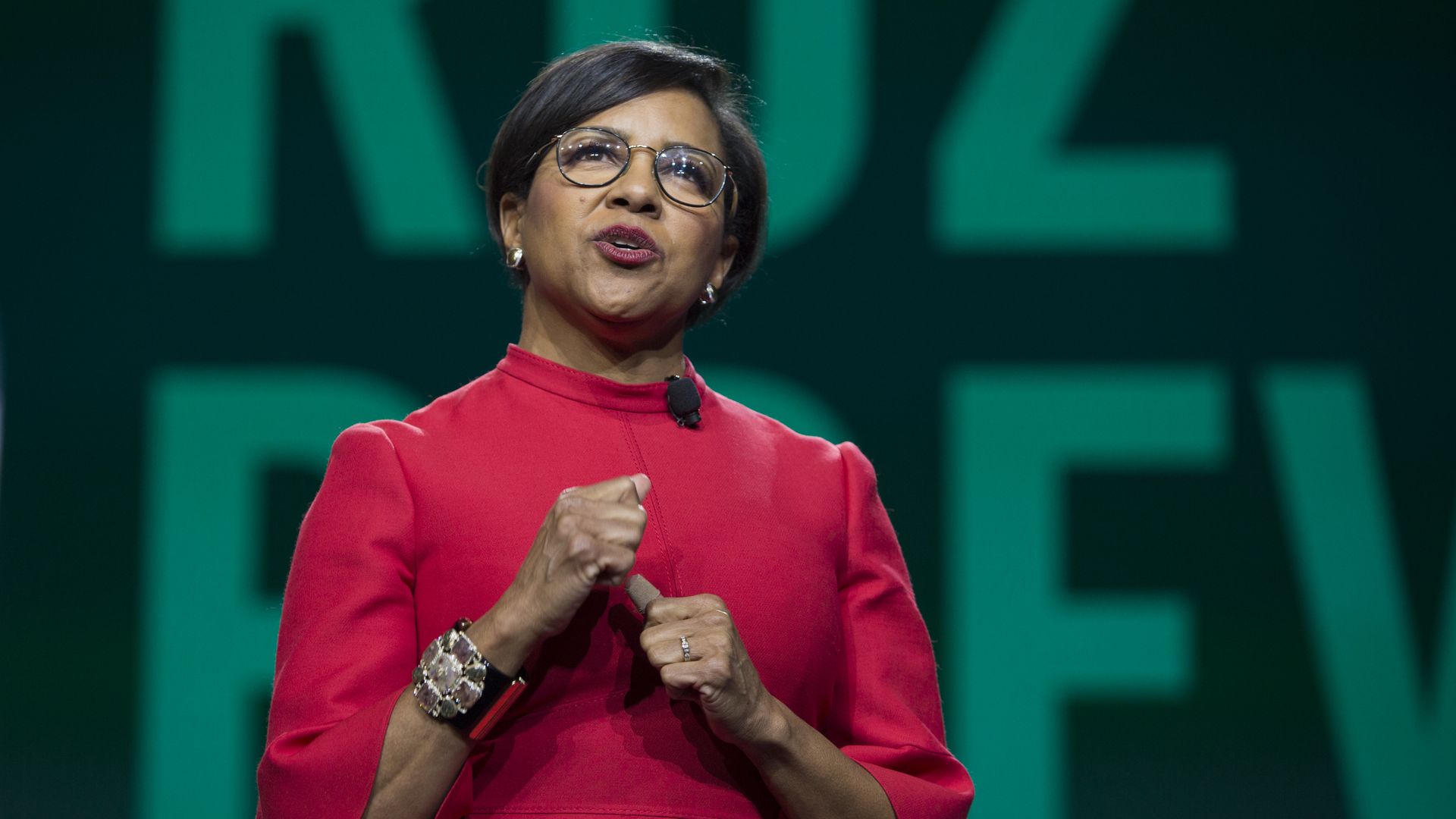
Walgreens Boots Alliance announced Friday that Roz Brewer had stepped down as CEO and board member, in a decision described as mutual.
- Longtime board member Ginger Graham will serve as interim CEO until a permanent successor is found.
Why it matters: Retail pharmacy has been in a state of upheaval as shoppers spend less time and money in stores on every day goods and prescriptions, thanks to abundant options online.

Public freakouts, burnout, and bullying: Bad behavior is here to stay

Concertgoers throwing things at performers, people talking on their cell phones through movies, tourists defacing historical landmarks in pursuit of the perfect selfie — the first truly post-pandemic summer has shown the bad behaviors unleashed during the stress of COVID aren't slowing down.
Why it matters: A mix of worsening mental health and decaying societal connections, both exacerbated by the pandemic, may be driving this trend in rude behavior that could extend far beyond COVID's upheaval, mental health experts told Axios. Though other factors are also at play, they said.
Humana sues Biden admin to prevent Medicare payment clawbacks

Humana on Friday filed a lawsuit challenging the Biden administration's plan to claw back billions of dollars in overpayments to Medicare Advantage insurers.
Why it matters: Studies show that the government has regularly overpaid private Medicare Advantage plans for care that isn't supported by patient records. Medicare projected it would recoup $4.7 billion from insurers in the next decade under the policy it finalized earlier this year.
Driving the news: At issue is the Centers for Medicare and Medicaid Services audit process called risk adjustment data validation, or RADV, to identify improper payments.
- Humana, the second largest Medicare Advantage insurer by enrollment, filed its suit in the U.S. District Court for the Northern District of Texas.
- The insurer said the government violated the federal rulemaking process and called it a "capricious reversal of a policy" that had established equivalent auditing standards for Medicare Advantage and traditional fee-for-service Medicare.
What they're saying: "This parity is foundational to the Medicare Advantage program and the high-quality benefits and low premiums that Humana members and seniors choosing Medicare Advantage depend on," spokesman Mark Taylor said in an emailed statement.
- Humana also claims CMS failed to give a reasoned justification for the rule or provide meaningful opportunity for public comment, and said its decision to apply the rule retroactively violated the law.
- A CMS spokesperson said the agency does not comment on pending litigation.
Of note: The case was assigned to U.S. District Judge Reed O'Connor, who previously ruled against the Affordable Care Act, per Reuters.
Catch up quick: In 2021, a federal auditor concluded a Humana health plan in Florida improperly collected $200 million in 2015 by overstating how sick its Medicare patients were, NPR reported.

FDA blasted over inaction on menthol ban

Public health groups criticized the Food and Drug Administration on Thursday for missing a self-imposed August deadline to finalize a rule banning menthol in cigarettes.
Why it matters: Menthol products account for a significant portion of tobacco industry sales, and the ban was expected to be challenged in court and complicate prospects for an FDA funding bill in Congress.

Biden administration proposes new nursing home staffing standards

Nursing homes would have to ensure they provide each patient at least 33 minutes of care a day from a registered nurse under a new nationwide staffing requirement the Biden administration proposed on Friday.
Why it matters: The policy is a blow for the nursing home industry, which has said a national staffing ratio would be "impossible to implement" without more funding. But organized labor and some lawmakers in Congress have argued for tough new standards, accusing some operators of diverting funds from patient care.
How a Republican president could affect Medicare drug negotiations

A future Republican president who opposes Medicare drug price negotiations likely couldn't dismantle or ignore the process but could have some regulatory discretion to seek lower price cuts, experts told Axios.
Why it matters: Giving Medicare the ability to negotiate drug prices was a signature achievement for President Biden. Republicans, meanwhile, have long opposed Medicare negotiations, regarding them as price controls that could hurt new drug development.