The home health industry is suing the Biden administration over hundreds of millions of dollars in planned Medicare cuts that it says were improperly calculated and could imperil in-home services nationwide.
Why it matters: The National Association of Home Care and Hospice suit, filed Wednesday in U.S. District Court for the District of Columbia, escalates tensions between home health agencies and the administration over the way providers are paid.
The Biden administration is launching a crackdown on hidden fees in health care this morning and combining the president's Bidenomics tour with one of Democrats' most potent campaign issues.
Why it matters: Leaning into incremental health policies that build off existing wins marks a major departure from the 2020 campaign, which featured sweeping rhetoric, a mini referendum on Medicare for All and candidates staking out health platforms to the left of the Affordable Care Act.
At least 45% of U.S. tap water is estimated to be contaminated with "forever chemicals," according to new U.S. Geological Survey research.
Why it matters: Exposure to certain levels of these synthetic compounds, referred to collectively as PFAS, has been linked to adverse health effects in humans and animals, including an increased risk of cancer.
The Food and Drug Administration on Thursday granted full approval for the first time to an experimental Alzheimer's drug, triggering a process that could expand coverage of the $26,500 treatment to millions of patients.
Why it matters: Eisai and Biogen's Leqembi was found to have modest success slowing the disease's progression in clinical trials, by delaying cognitive decline by 27% over 18 months.
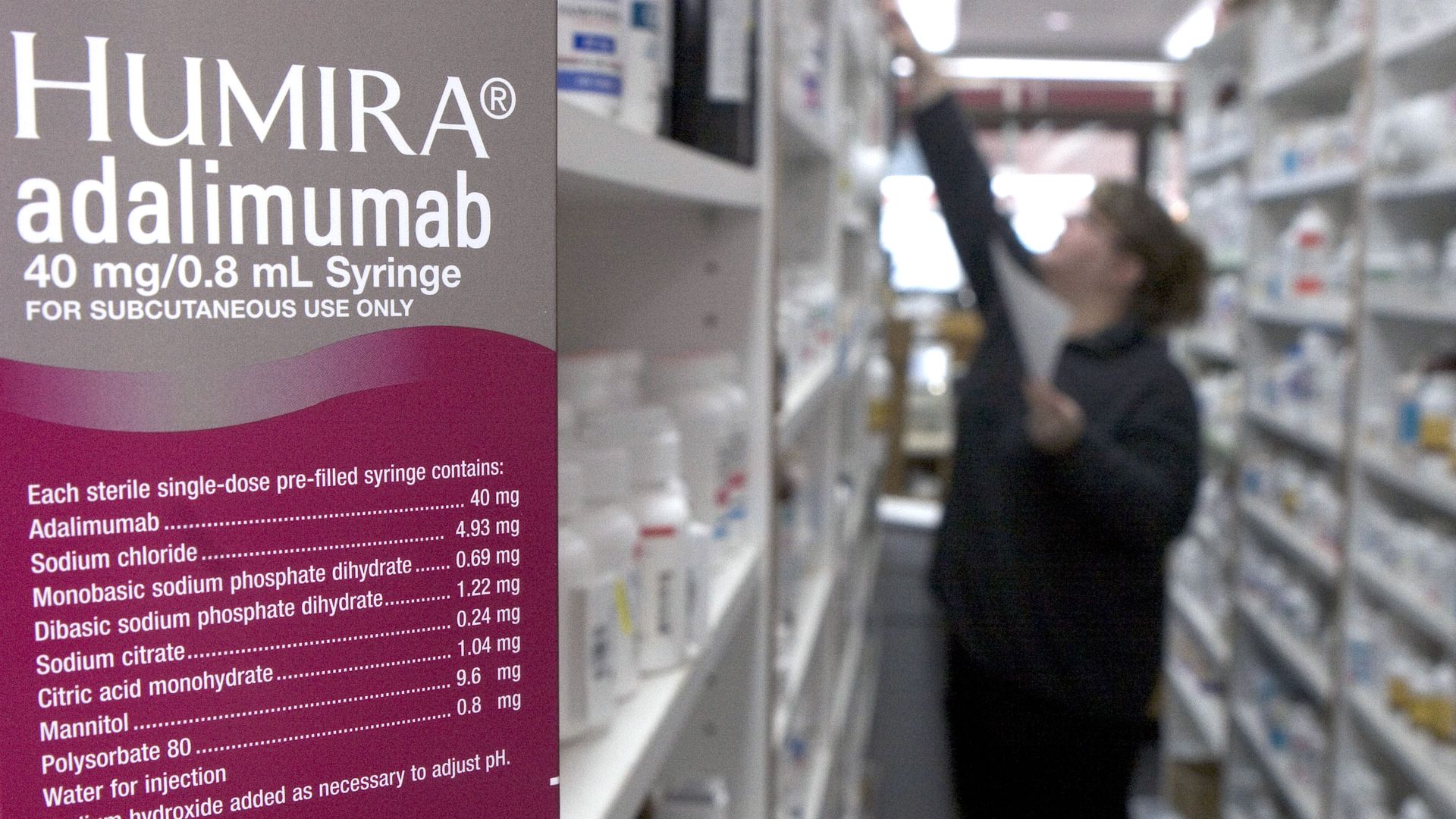
Several biosimilars for Abbvie's blockbuster rheumatoid arthritis drug Humira officially hit the U.S. market since July got started.
Why it matters: Humira has long enjoyed patent protection and posted $21.2 billion in revenue from the drug in 2022, but now cheaper versions of the drug could help drive prices down.
Vaccines to stave off the flu, a new COVID variant and now, respiratory syncytial virus could helpavert another tripledemic this fall. Unless the public is too crisis-fatigued to care.
Why it matters: Last year's convergence of seasonal influenza, RSV and COVID shook health systems still dealing with the effects of the pandemic, posing a major threat to immunocompromised people, flooding hospitals and forcing the cancellation of some elective procedures.
The Food and Drug Administration is set to decide today whether to make a drug shown to have modest success delaying Alzheimer's disease widely available to the public — or whether cost and safety concerns justify limiting its availability.
Why it matters: Leqembi, developed by Eisai and Biogen, is expected to cost around $26,500 a year. Full FDA approval would trigger expanded government coverage for it and a class of next-generation drugs that have raised hoped for millions with the condition.



/2023/07/06/1688681371980.gif?w=3840)



/2023/07/03/1688406167406.gif?w=3840)