The Food and Drug Administration on Thursday granted full approval for the first time to an experimental Alzheimer's drug, triggering a process that could expand coverage of the $26,500 treatment to millions of patients.
Why it matters: Eisai and Biogen's Leqembi was found to have modest success slowing the disease's progression in clinical trials, by delaying cognitive decline by 27% over 18 months.
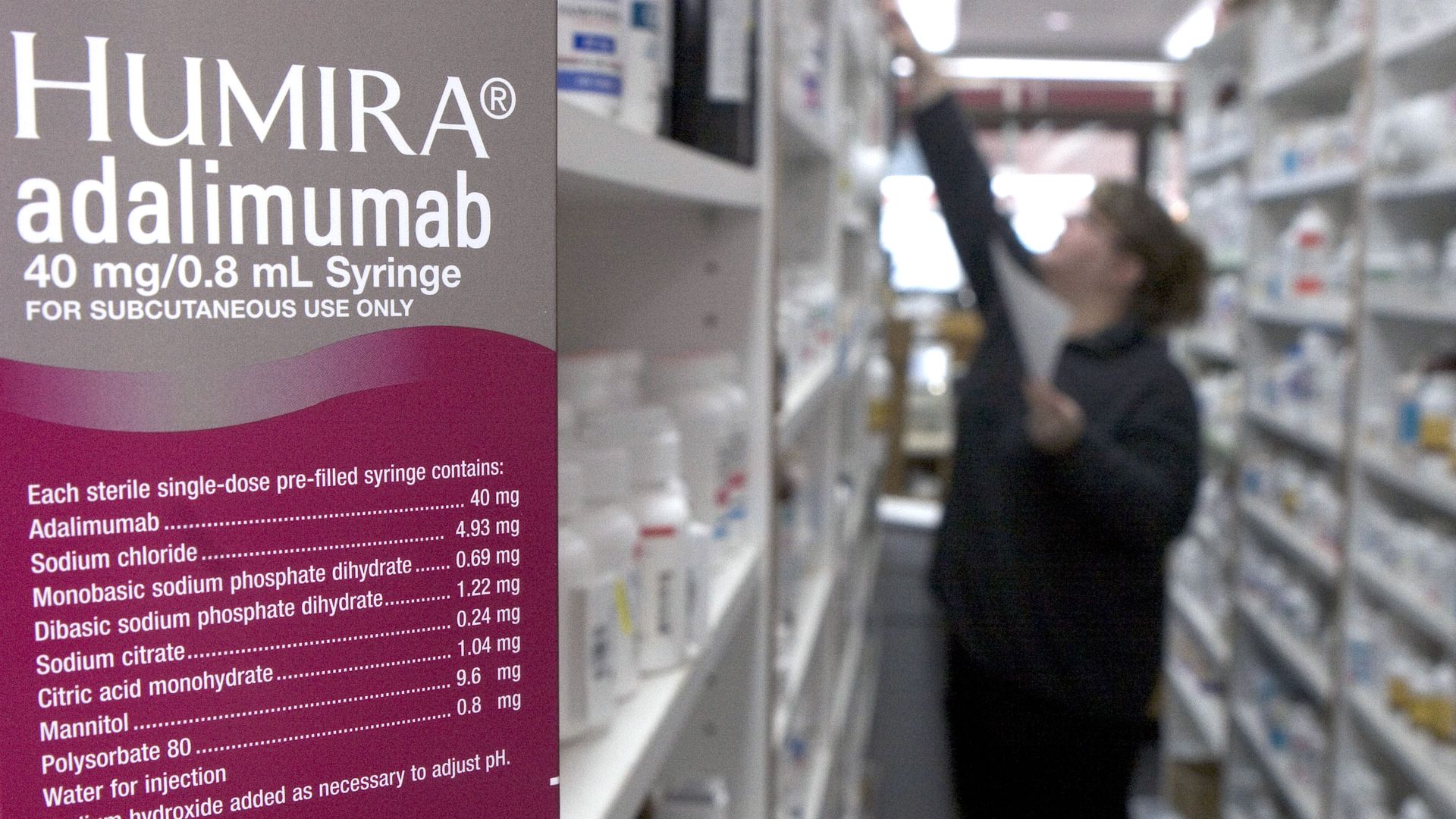
Several biosimilars for Abbvie's blockbuster rheumatoid arthritis drug Humira officially hit the U.S. market since July got started.
Why it matters: Humira has long enjoyed patent protection and posted $21.2 billion in revenue from the drug in 2022, but now cheaper versions of the drug could help drive prices down.
Vaccines to stave off the flu, a new COVID variant and now, respiratory syncytial virus could helpavert another tripledemic this fall. Unless the public is too crisis-fatigued to care.
Why it matters: Last year's convergence of seasonal influenza, RSV and COVID shook health systems still dealing with the effects of the pandemic, posing a major threat to immunocompromised people, flooding hospitals and forcing the cancellation of some elective procedures.
The Food and Drug Administration is set to decide today whether to make a drug shown to have modest success delaying Alzheimer's disease widely available to the public — or whether cost and safety concerns justify limiting its availability.
Why it matters: Leqembi, developed by Eisai and Biogen, is expected to cost around $26,500 a year. Full FDA approval would trigger expanded government coverage for it and a class of next-generation drugs that have raised hoped for millions with the condition.
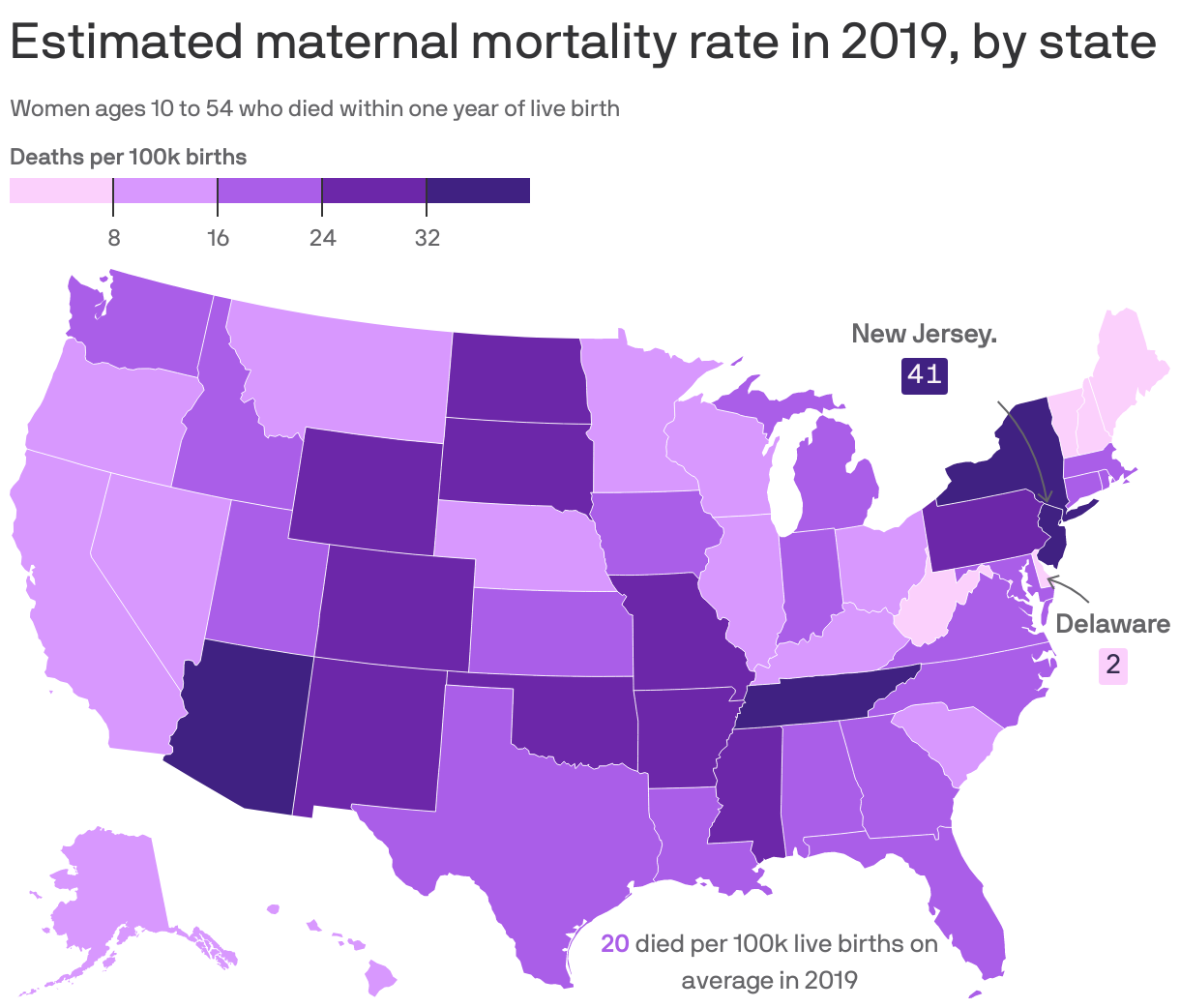
Data:Institute for Health Metrics and Evaluation; Map: Tory Lysik/Axios Visuals
Maternal mortality rates more than doubled in the U.S. between 1999 and 2019 with states in the Midwest and Great Plains accounting for significant increases along with the South, according to a JAMA studythat provides the first state-level breakdowns by ethnic group.
Driving the news: American Indians and Alaska Natives had the biggest increases, particularly in states in the middle of the country where such inequities "had not been previously highlighted," researchers wrote.
Home health agencies say they could be driven out of business by a Biden administration proposal that would require them to spend the majority of their Medicaid dollars on higher pay for direct care workers.
Why it matters: The proposal aims to improve stability in the home- and community-based care workforce, which is shrinking as the demand for services increases.
A looming national staffing mandate for nursing homes could open the door for more labor organizing in a sector where a low proportion of workers are covered by union contracts.
Why it matters: Higher pay, better benefits and baseline staff-to-patient ratios could lure more people to a workforce that was hollowed out during the pandemic, organizers say.
/2023/07/03/1688406167406.gif?w=3840)