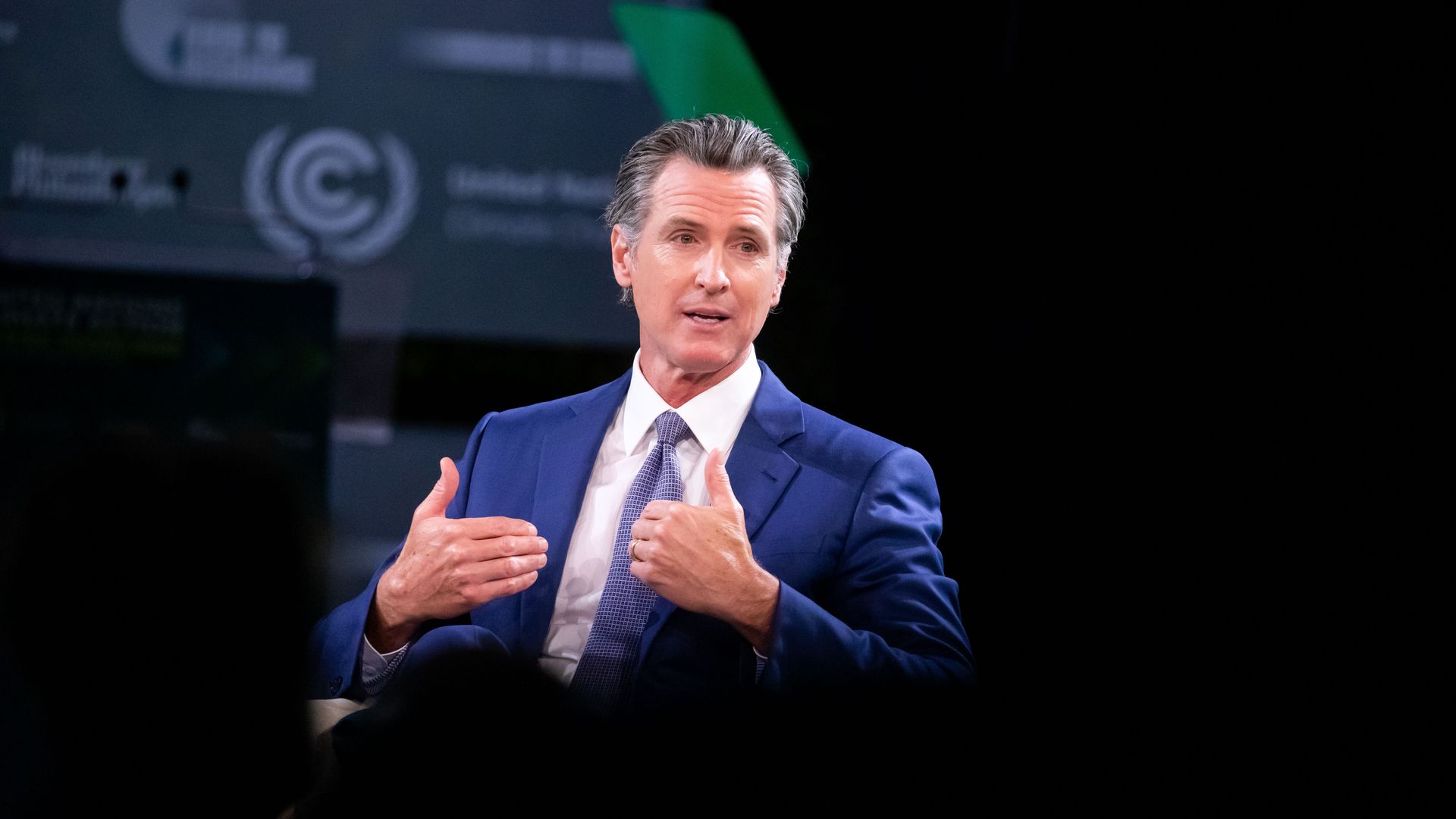
California Gov. Gavin Newsom (D) continued his pledge to protect abortion access for people both in and outside of California with a new slate of bills signed into law Tuesday.
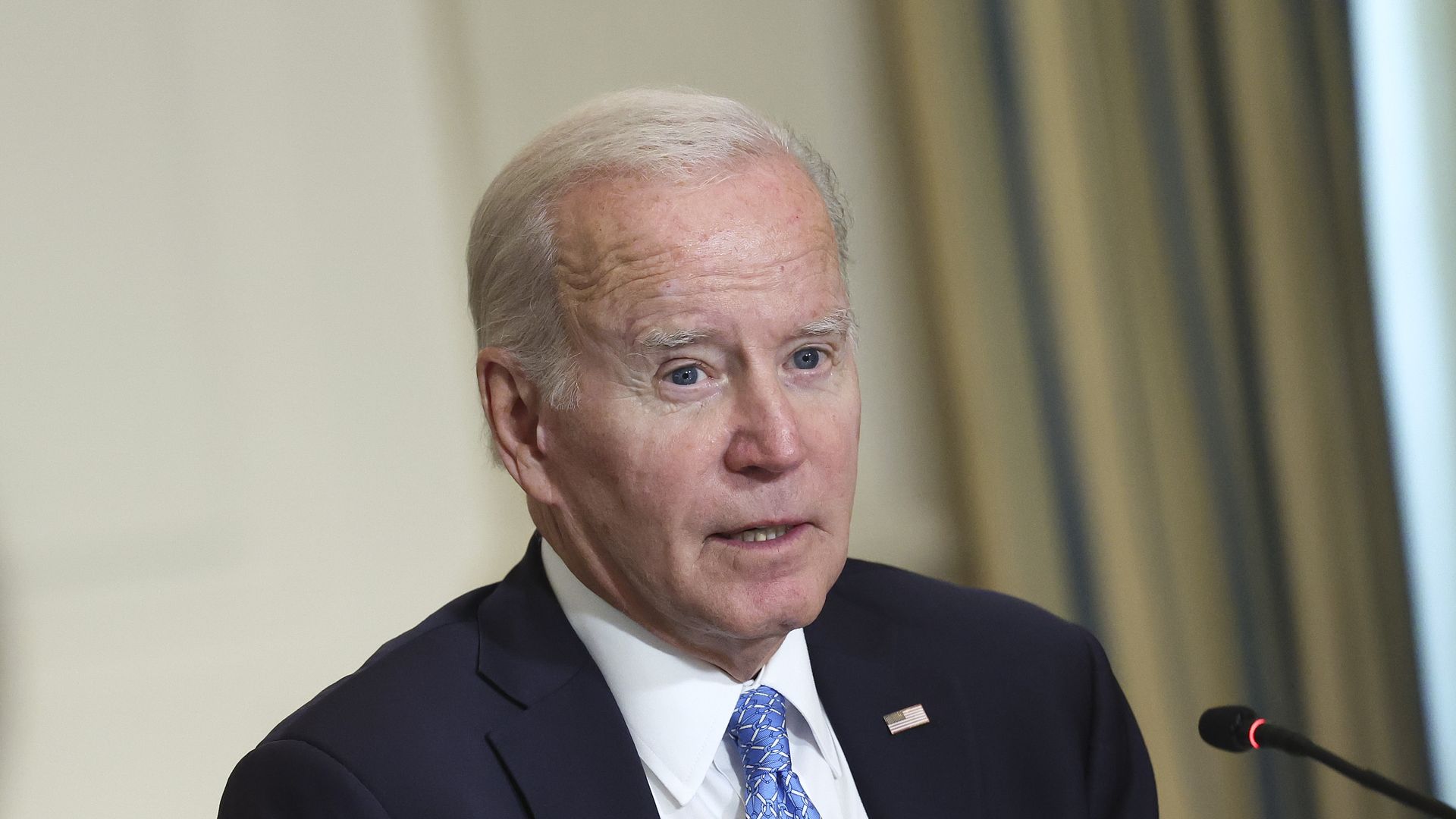
President Biden doubled down on his pledge to lower health care costs on Tuesday, touting a Medicare premium drop for 2023 while slamming Republicans for opposing the Inflation Reduction Act and its drug cost controls.
Driving the news: The Biden administration announced Tuesday that the monthly premium for outpatient care coverage under Medicare will drop roughly 3% in 2023.
Medicare imposed a steep premium hike this year, in large part due to the high price of an Alzheimer's drug for which it wound up only offering limited coverage.
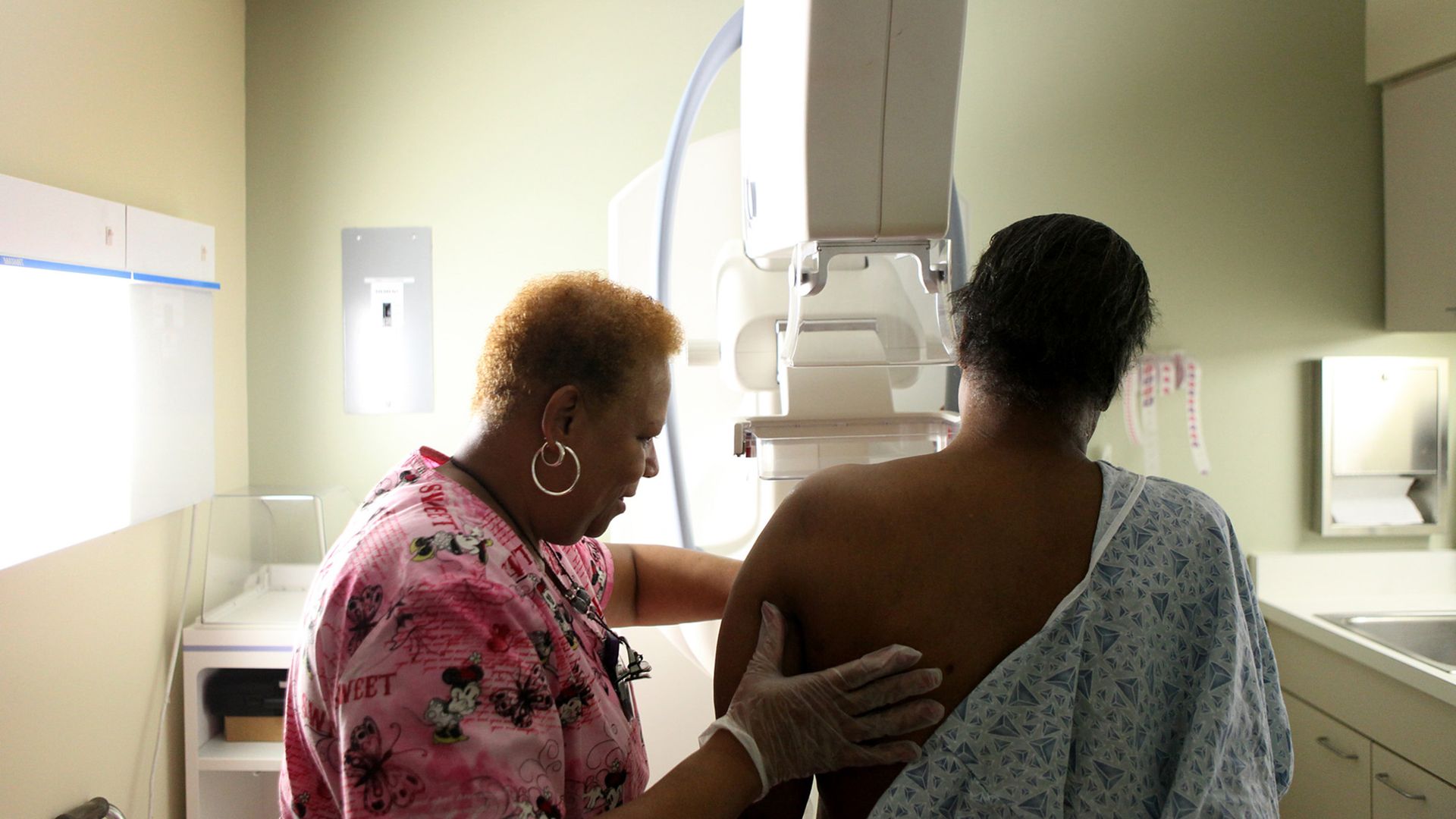
Reporting on the physical and psychological harms from cancer screenings is inconsistent, making it hard to compare risks with rewards and potentially exposing patients to unnecessary hazards, according to new research published Monday in the Annals of Internal Medicine.
Why it matters: Assessing the tradeoffs is critical, because most of the people screened won't have a detectable disease at the time of screening and will not benefit from early detection.
The first White House nutrition summit in a half-century is due to kick off on Wednesday at a difficult political moment, with President Biden eager to put his imprint on food policy but areas for bipartisan cooperation scant.
Why it matters: The gathering, patterned on the summit former President Richard Nixon convened in 1969, comes after America's health vulnerabilities were laid bare by the pandemic.
A deal to renew funding for Food and Drug Administration drug and device evaluations will move forward this week, but without additional reforms to increase oversight of dietary supplements, lab-developed tests and other areas, congressional aides said Monday.
Why it matters: The "clean" extension of FDA user fees for five years means the agency will avoid having to send out furlough notices to its staff. But it indefinitely forfeits the chance to expand the FDA's regulatory purview.
A Supreme Court case that takes up Medicaid recipients’ ability to sue providers is providing a new battleground over patients’ rights and could potentially open the door to erosion of the program's benefits.
Why it matters: The outcome could decide if tens of millions of people in public welfare programs can go to court if essentials like health care and food are endangered, experts say. That option is generally more efficient than waiting for the federal government to intervene.
Providers are once again challenging the Biden administration on the surprise billing law and the method for deciding who picks up the tab in disputes over out-of-network care.
The big picture: Almost 10 months after the law protecting patients from unexpected medical bills took effect, key details have yet to be settled, with billions of dollars on the line for providers, insurers and employers.
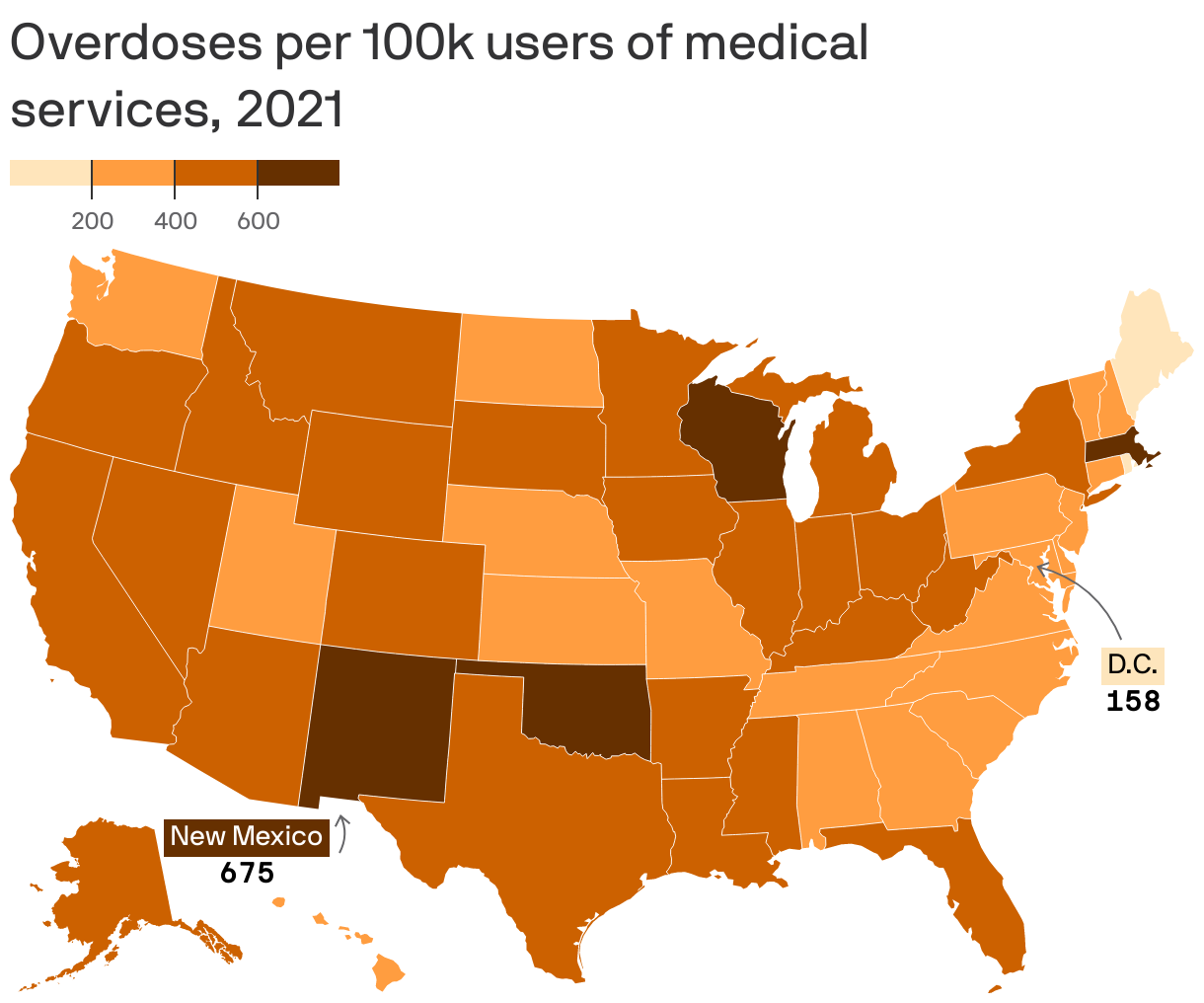
While men were far likelier to be diagnosed with a substance use disorder during the pandemic, women were more likely to overdose, according to a new FAIR Health analysis provided to Axios.
Why it matters: The study of private insurance claims shows the rising burden of substance use across the U.S.
Why it matters: The decision to drop the restrictions stemmed from the country's vaccination, hospitalization and death rates and the availability of vaccine boosters.
Pfizer and BioNTech announced Monday that they are seeking emergency use authorization from the FDA for its Omicron-specific COVID-19 booster for children ages 5-11.
The big picture: The companies' submission comes after Moderna on Friday requested emergency use authorization for its Omicron-specific COVID booster shots for children 6-17 years old.
The era of multimillion-dollar gene therapies has arrived, providing a ray of hope to patients with debilitating diseases — but also presenting huge affordability challenges.
Why it matters: Though the expected number of patients who'll likely receive the treatments is relatively low, it's unclear how small employers, state Medicaid programs, and the rest of the health system will absorb such large costs all at once.









/2022/09/26/1664226308155.gif?w=3840)