Measuring racial and ethnicdiversity within medical trials — and requiring a certain threshold to be met for researchers to publish in major journals — could be key to improving research into cancer and other diseases, a recent study found.
The big picture: White non-Hispanics made up 75% of all participants in medical research trials in 2020, the last year for which data is available, an FDA report shows. That means treatments or cures developed through research that largely excludes Latinos and other demographics might not work for them or cause unforeseen side effects.
Data: The Commonwealth Fund; Note: Study defines "medical bill problems" as having difficulty with paying medical bills, having been contacted by a collection agency for unpaid bills, having to change way of life in order to pay medical bills and/or having outstanding medical debt. MOE ± 1.7 percentage points at 95% confidence; Chart: Madison Dong/Axios Visuals
The number of Americans who have health insurance has never been higher — but more than 40% surveyed this year said they struggled to pay medical bills or were paying off medical debt, according to a biennial report from The Commonwealth Fund.
Why it matters: It's the latest evidence that insurance coverage alone can't insulate people against soaring medical costs, leaving some facing long-term financial consequences.
The prospect of an effective new Alzheimer's treatment came roaring back this week with the announcement of preliminary clinical trial data, giving millions of seniors renewed hope after a tumultuous year.
Why it matters: Alzheimer's is a devastating disease, and the topline results boosted analysts' expectations for an entire class of drugs targeting the condition. But they also resurrect enormous questions about who'll cover the costs and how the U.S. will oversee what's likely a multi-billion dollar market.
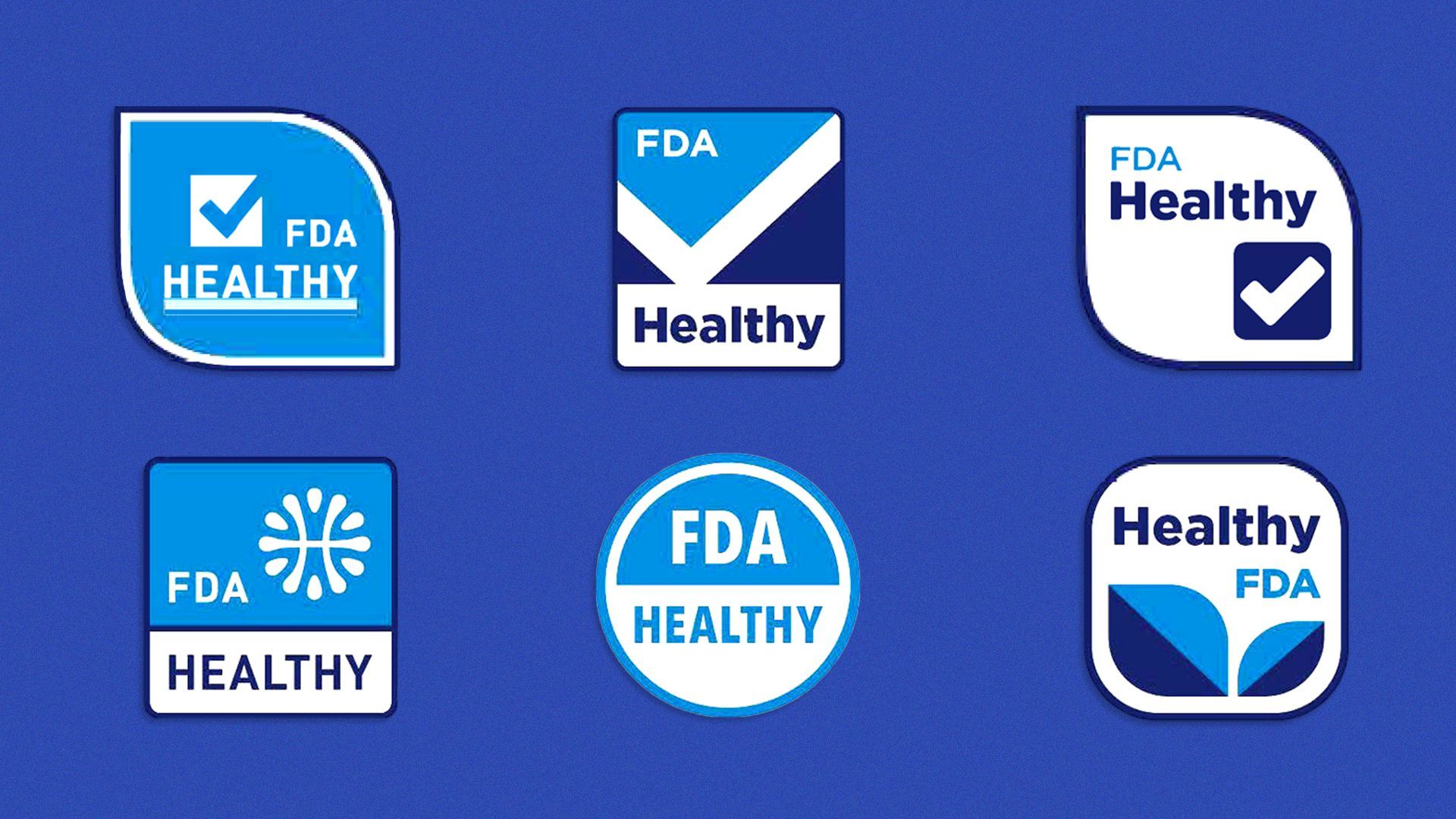
The Food and Drug Administration is poised to add new restrictions to the use of the term "healthy" on food products.
Driving the news: The agency on Wednesday announced a proposed rule that it said "would align the definition of the 'healthy' claim with current nutrition science," including the Dietary Guidelines for Americans.
Tax-exempt hospitals revamped their charity care policies during the pandemic, in some cases using vague language to describe who was eligible and occasionally tightening access based on immigration status, according to an analysis in JAMA Network Open.
Why it matters: Safety net hospitals play a key role in low-income communities and use charity care as a justification for maintaining their tax-exempt status. The Affordable Care Act requires them to establish and publicize financial assistance policies.
The Justice Department's failed attempt to block UnitedHealth's $13 billion acquisition of health tech Change Healthcare could bode well for other mega-deals as the nation pushes past the pandemic and health industry players firm up their growth plans.
The big picture: The ruling came not long after a Federal Trade Commission administrative judge denied efforts to block the life-sciences company Illumina from buying cancer-detection company Grail. It highlights how, while President Biden's antitrust team has significantly stepped up reviews and litigation, its bark can be worse than its bite, Axios' Dan Primack writes.