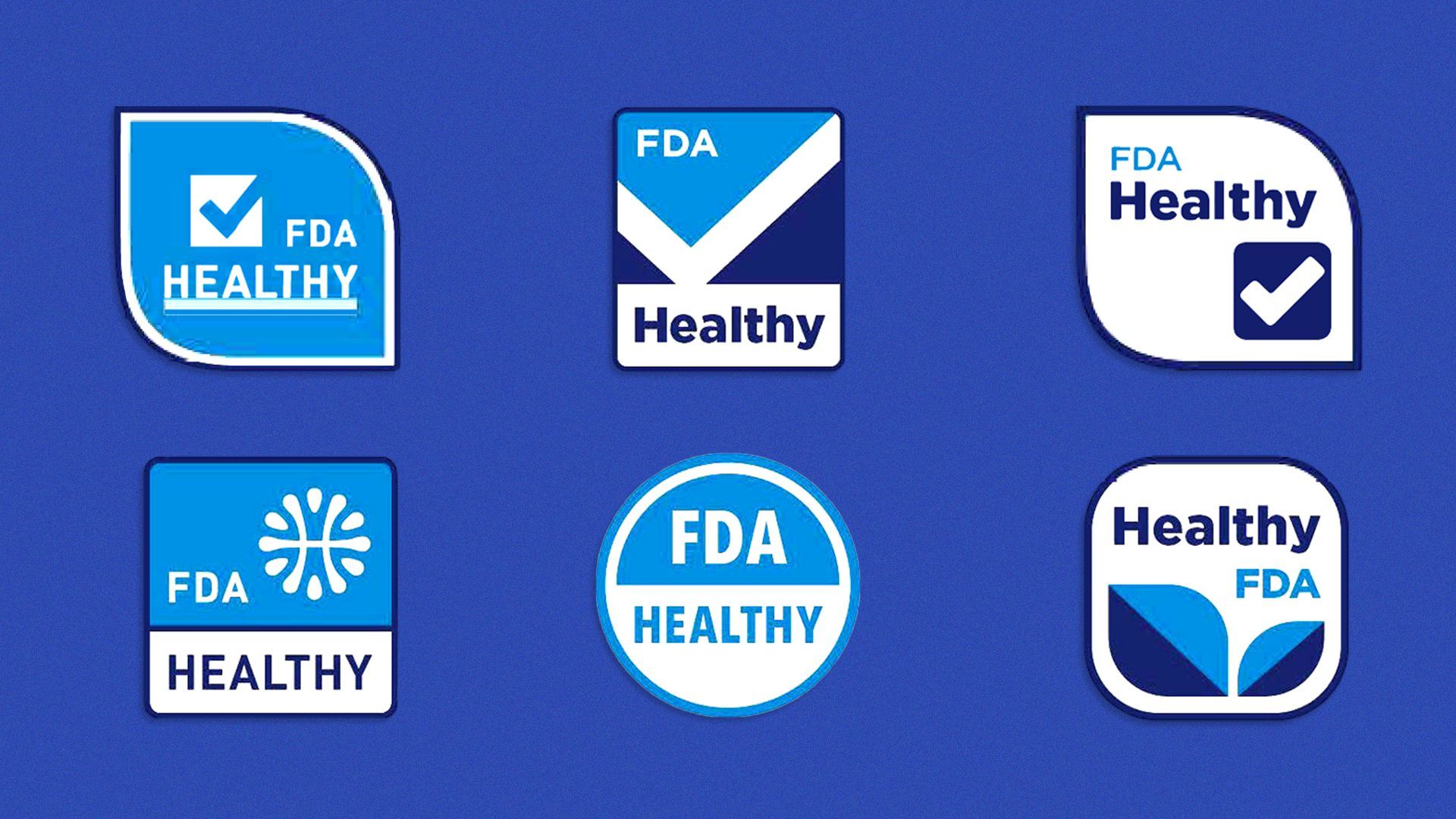
The Food and Drug Administration is poised to add new restrictions to the use of the term "healthy" on food products.
Driving the news: The agency on Wednesday announced a proposed rule that it said "would align the definition of the 'healthy' claim with current nutrition science," including the Dietary Guidelines for Americans.
Tax-exempt hospitals revamped their charity care policies during the pandemic, in some cases using vague language to describe who was eligible and occasionally tightening access based on immigration status, according to an analysis in JAMA Network Open.
Why it matters: Safety net hospitals play a key role in low-income communities and use charity care as a justification for maintaining their tax-exempt status. The Affordable Care Act requires them to establish and publicize financial assistance policies.
The Justice Department's failed attempt to block UnitedHealth's $13 billion acquisition of health tech Change Healthcare could bode well for other mega-deals as the nation pushes past the pandemic and health industry players firm up their growth plans.
The big picture: The ruling came not long after a Federal Trade Commission administrative judge denied efforts to block the life-sciences company Illumina from buying cancer-detection company Grail. It highlights how, while President Biden's antitrust team has significantly stepped up reviews and litigation, its bark can be worse than its bite, Axios' Dan Primack writes.
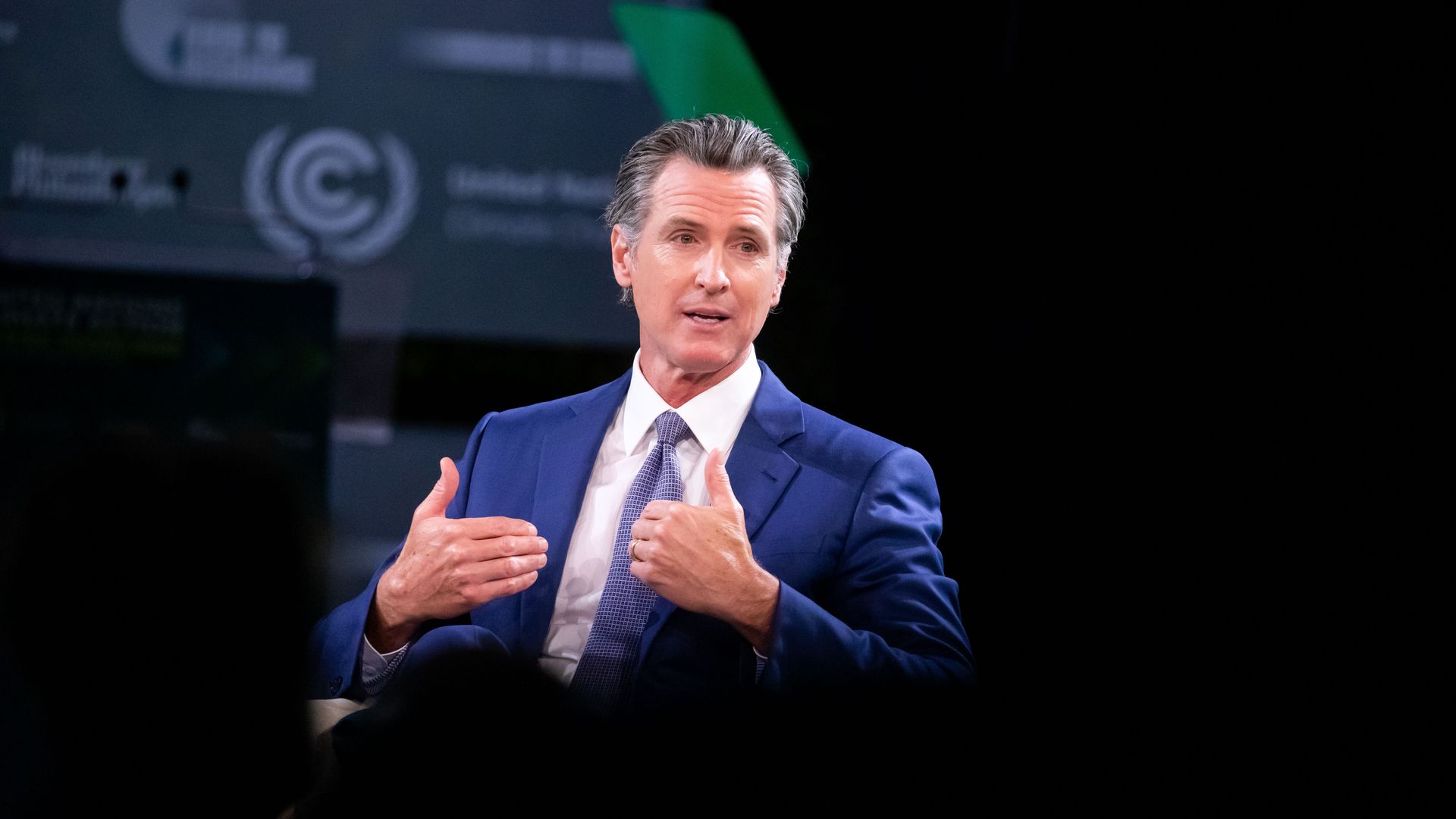
California Gov. Gavin Newsom (D) continued his pledge to protect abortion access for people both in and outside of California with a new slate of bills signed into law Tuesday.
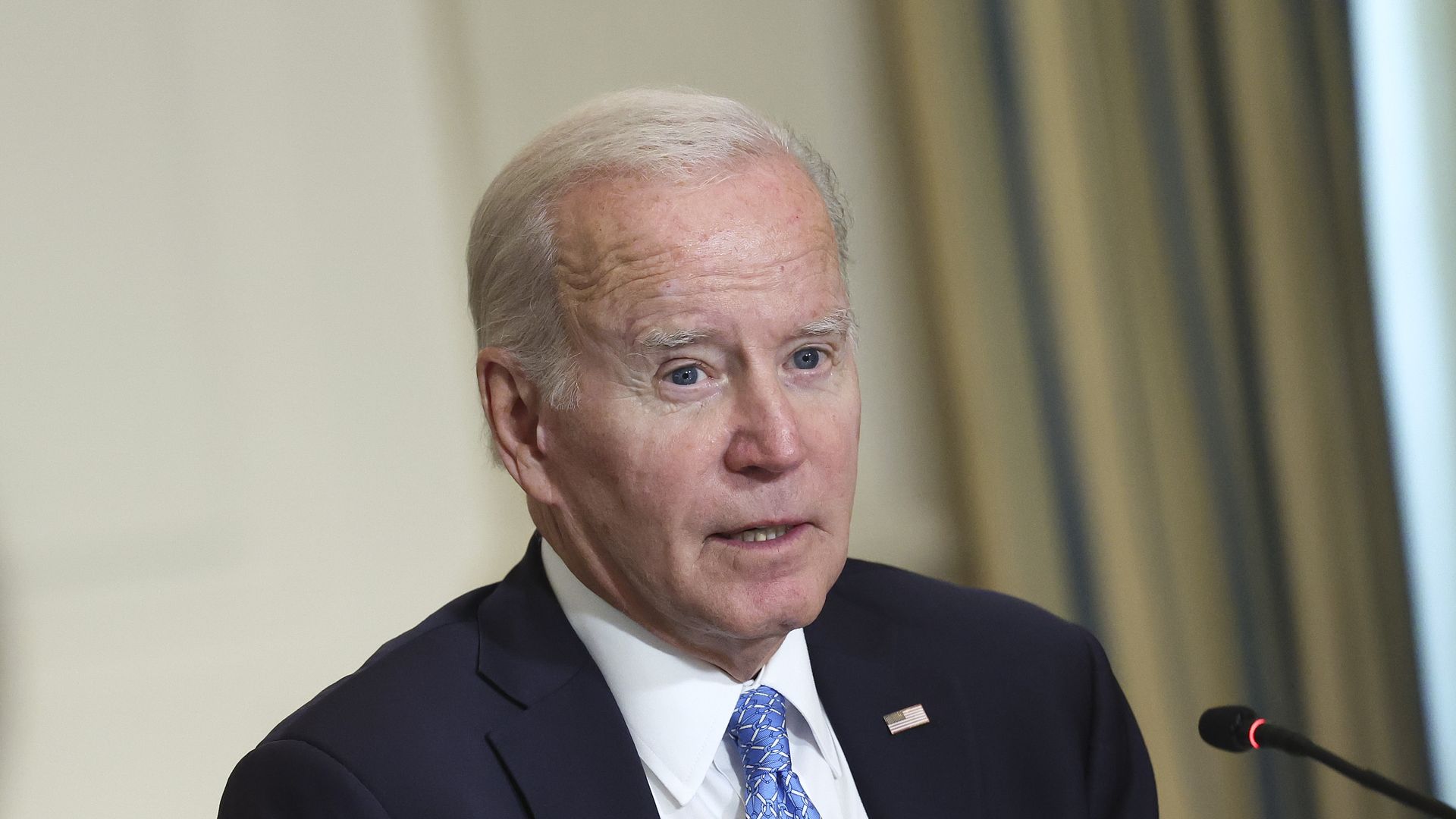
President Biden doubled down on his pledge to lower health care costs on Tuesday, touting a Medicare premium drop for 2023 while slamming Republicans for opposing the Inflation Reduction Act and its drug cost controls.
Driving the news: The Biden administration announced Tuesday that the monthly premium for outpatient care coverage under Medicare will drop roughly 3% in 2023.
Medicare imposed a steep premium hike this year, in large part due to the high price of an Alzheimer's drug for which it wound up only offering limited coverage.
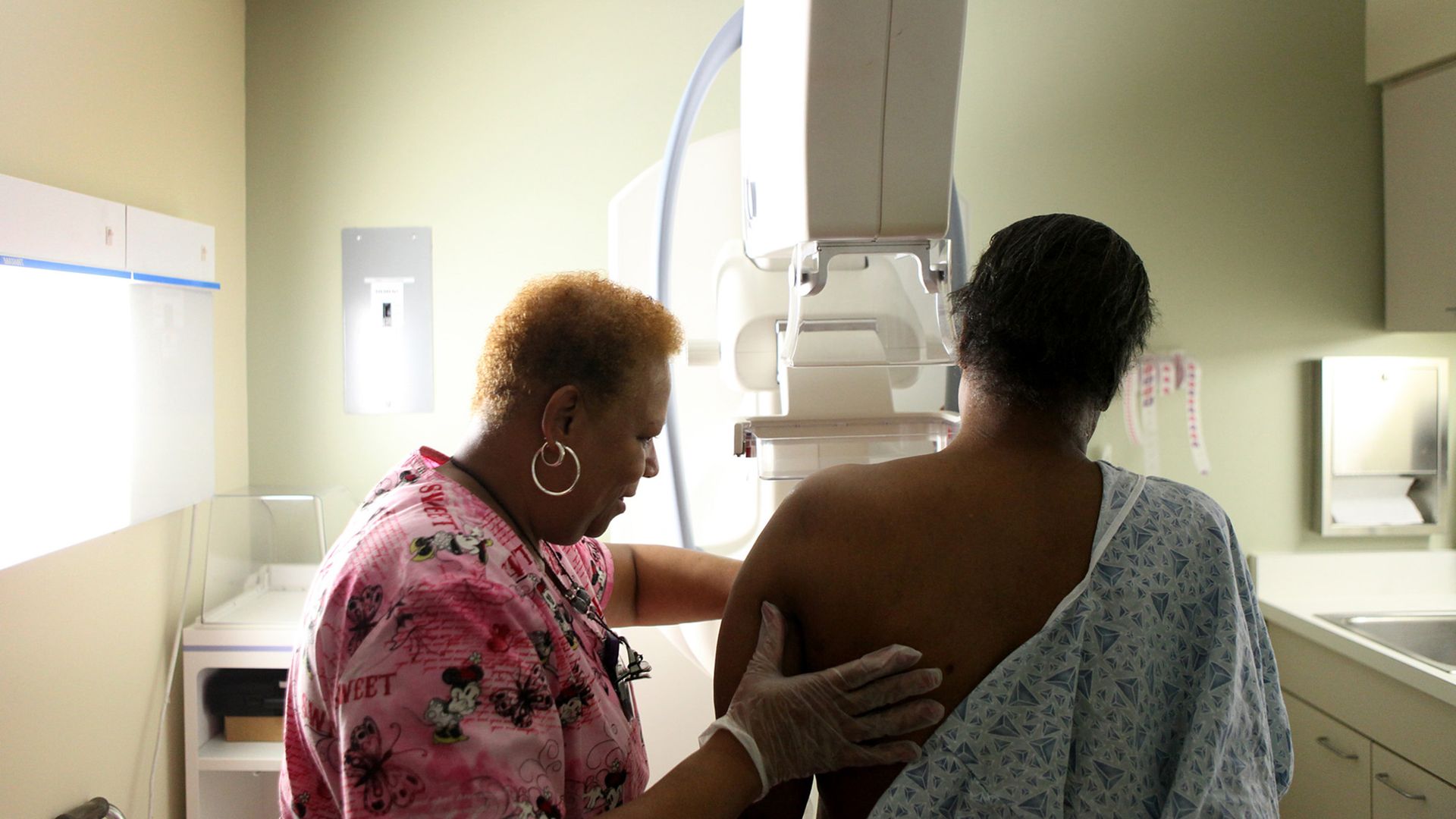
Reporting on the physical and psychological harms from cancer screenings is inconsistent, making it hard to compare risks with rewards and potentially exposing patients to unnecessary hazards, according to new research published Monday in the Annals of Internal Medicine.
Why it matters: Assessing the tradeoffs is critical, because most of the people screened won't have a detectable disease at the time of screening and will not benefit from early detection.
The first White House nutrition summit in a half-century is due to kick off on Wednesday at a difficult political moment, with President Biden eager to put his imprint on food policy but areas for bipartisan cooperation scant.
Why it matters: The gathering, patterned on the summit former President Richard Nixon convened in 1969, comes after America's health vulnerabilities were laid bare by the pandemic.
A deal to renew funding for Food and Drug Administration drug and device evaluations will move forward this week, but without additional reforms to increase oversight of dietary supplements, lab-developed tests and other areas, congressional aides said Monday.
Why it matters: The "clean" extension of FDA user fees for five years means the agency will avoid having to send out furlough notices to its staff. But it indefinitely forfeits the chance to expand the FDA's regulatory purview.
A Supreme Court case that takes up Medicaid recipients’ ability to sue providers is providing a new battleground over patients’ rights and could potentially open the door to erosion of the program's benefits.
Why it matters: The outcome could decide if tens of millions of people in public welfare programs can go to court if essentials like health care and food are endangered, experts say. That option is generally more efficient than waiting for the federal government to intervene.