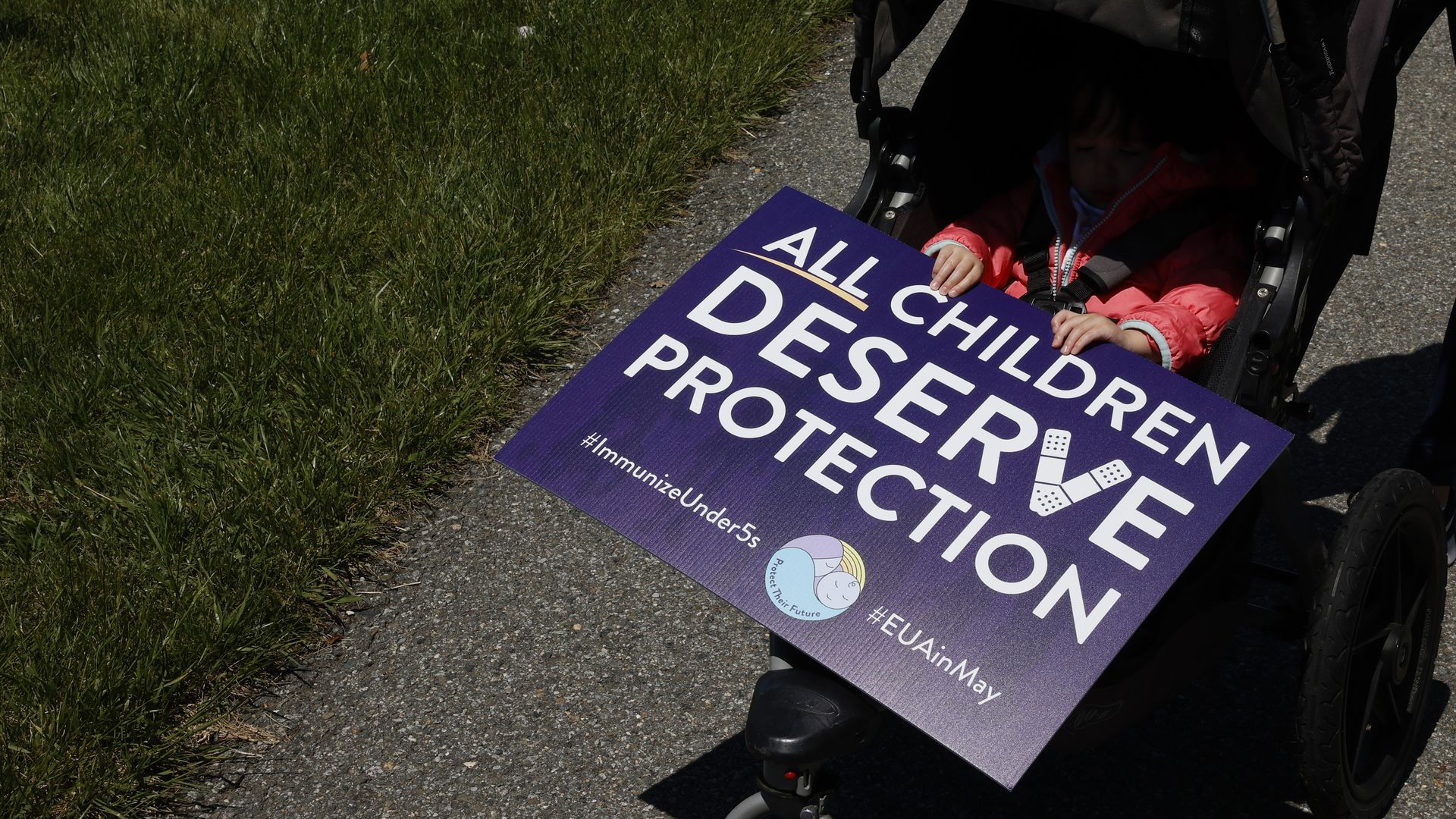
A key FDA advisory committee on Wednesday voted unanimously to recommend both the Moderna and Pfizer-BioNTech COVID vaccines receive emergency use authorization for kids as young as 6 months old.
Why it matters: Children younger than 5 are the last group without access to the shots. The vote means these littlest Americans are another step closer to getting their COVID vaccinations.
The monkeypox outbreak "poses a real risk" to public health, said the World Health Organization's European chief Wednesday.
Driving the news: "The magnitude of this outbreak poses a real risk; the longer the virus circulates, the more it will extend its reach, and the stronger the disease’s foothold will get in non-endemic countries," said Dr. Hans Henri Kluge, the WHO regional director for Europe, in a statement.
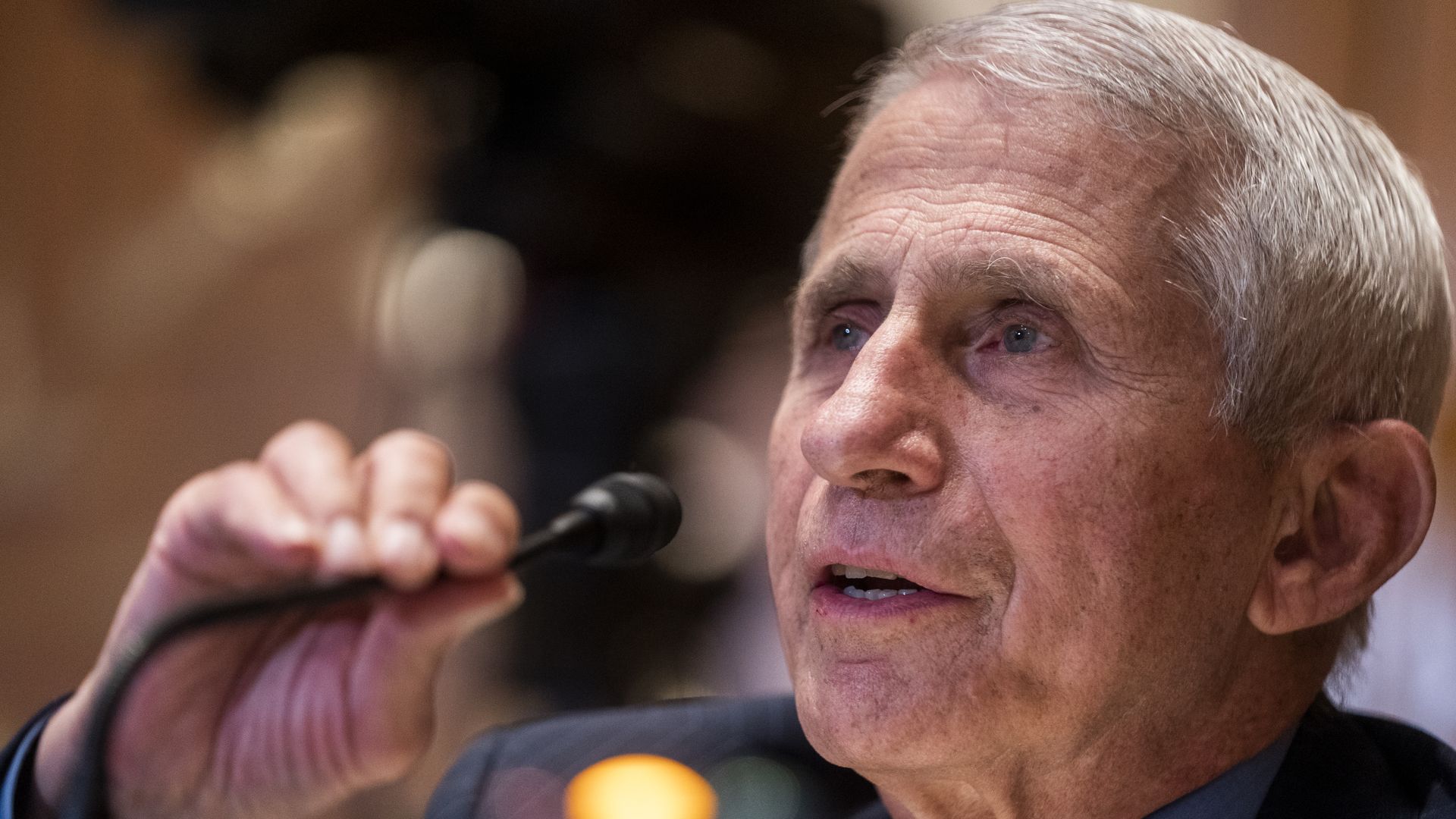
National Institute of Allergy and Infectious Diseases director Anthony Fauci tested positive for COVID-19 on Wednesday, the National Institutes of Health said in a statement.
Driving the news: "He is fully vaccinated and has been boosted twice. He is currently experiencing mild symptoms," per the NIH.
More than 92% of Americans live in a region with unsafe air pollution, which could lead to reduced life expectancy, according to the latest University of Chicago Air Quality Life Index.
Why it matters: Some Americans could add more than a year to their lives if they lived in a place with cleaner air.
New Omicron strains capable of evading immune protections and causing breakthrough infections now account for more than 21% of total COVID cases in the U.S., according to updated CDC figures.
Why it matters: The virus continues to evolve, with the BA.4 and BA.5 lineages accounting for a bigger proportion of the approximately 105,000 new daily cases.
The Federal Trade Commission ordered JAB Consumer Partners to divest 16 veterinary clinics that JAB had acquired via a portfolio company's $1.1 billion purchase of SAGE Veterinary Partners.
Why it matters: The accompanying press release suggests that the FTC is looking hard at private equity activity in the healthcare sector, particularly when it comes to roll-ups that it's traditionally ignored.
The big picture: The number of abortions in the U.S. had been in decline for about 30 years until 2017, when national abortion figures were at their lowest since Roe v. Wade was decided in 1973, but the new data shows that they have been increasing since.
With almost half a million people potentially getting Lyme disease in the U.S. each year, it seems surprising that there is no vaccine available for the illness.
Flashback: The only vaccine previously marketed in the U.S. for the disease was approved by the Food and Drug Administration in 1998, but the manufacturer discontinued it in 2002 due to "insufficient consumer demand," according to the Centers for Disease Control and Prevention.
Inflation is changing the way we eat, shop and spend our leisure time.And the cost spiral is influencing how Americans weigh health care against other necessities.
The big picture: During the pandemic, Americans aged 50 to 64 said they've been skipping medications, cutting back on food and utilities to cover their medical needs. And they're increasingly worried about covering their future bills, according to newly released Gallup polling.
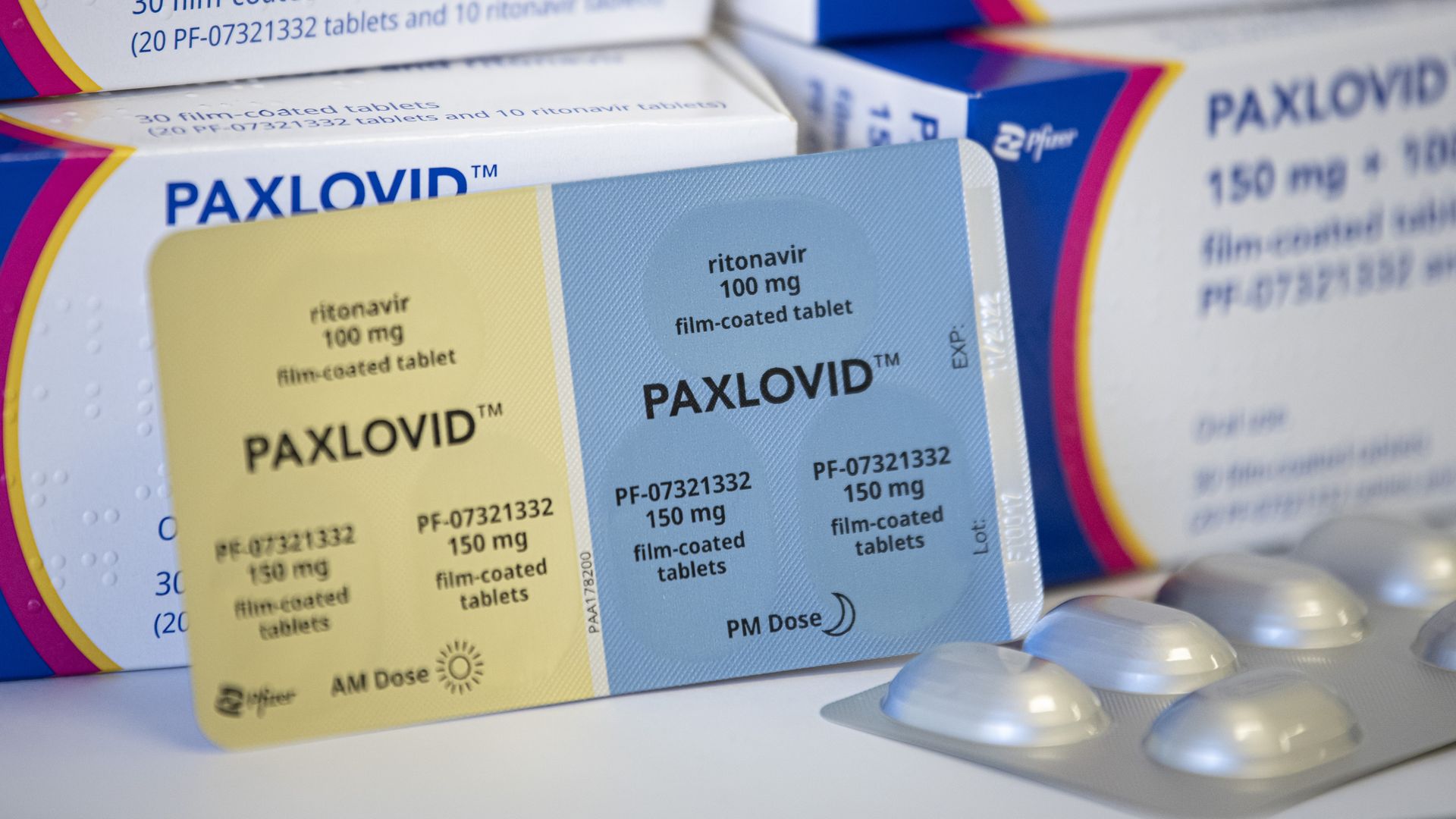
Pfizer on Tuesday said a study showed its COVID-19 pill Paxlovid didn't significantly reduce the risk of hospitalization or death in people with a standard risk of developing severe infections.
Why it matters: The results could mean the antiviral could be largely limited to high-risk patient populations, where it's been shown to be effective.
Driving the news:Pfizer said it was halting enrollment in the study of standard-risk patients after Paxlovid showed a 51% risk reduction, which the company called "non-significant."
The results will be rolled into an application for full FDA approval of the drug in high-risk patients.
Pfizer said the findings won't affect its full-year 2022 revenue forecast.
Where it stands: The FDA in December authorized Paxlovid for the treatment of individuals at high risk of severe illness from COVID.
The Biden administration this spring committed to buying 20 million courses of the drug from Pfizer and laid out a roadmap for distributing them to states, community health centers and other providers.
A recent study from Israel found Paxlovid lowered hospitalizations for older patients but wasn't as effective for younger groups.
A key FDA advisory committee on Tuesday voted to recommend Moderna's COVID vaccine receive emergency use authorization for kids six and older.
Why it matters: If Moderna ultimately receives emergency use authorization and a CDC recommendation, it would create a second option for a COVID-19 vaccine for older children in the U.S.
The World Health Organization said Tuesday it will rename the monkeypox virus after concern that it could stoke racism and stigma.
Why it matters: The current name for the virus, which has infected over 1,600 people in 39 countries this year and was first reported in Africa, does not adhere to WHO guidelines that discourage the use of geographic regions or animals, Bloomberg reports.
A lack of testing is keeping public health officials in the dark about how widespread monkeypox is in the United States and posing new uncertainties for the medical system.
Why it matters: The lack of robust disease-tracking harks back to the troubled early response to COVID-19 and could bode ill for local health systems still grappling with the virus, its aftereffects and the impending flu season.
Details: The team looked at the outcomes of 483 patients treated with the five-day oral regimen of nirmatrelvir and ritonavir, which are marketed together as Paxlovid to treat early-stage COVID.
The dry bible of the psychiatry world — the Diagnostic and Statistical Manual of Mental Disorders, or DSM — has become a surprise bestseller amid surging popular interest in mental health.
Why it matters: A record shortage of mental health providers, combined with unprecedented demand for psychological support, has led to a surge in self-diagnosis, doctors say.
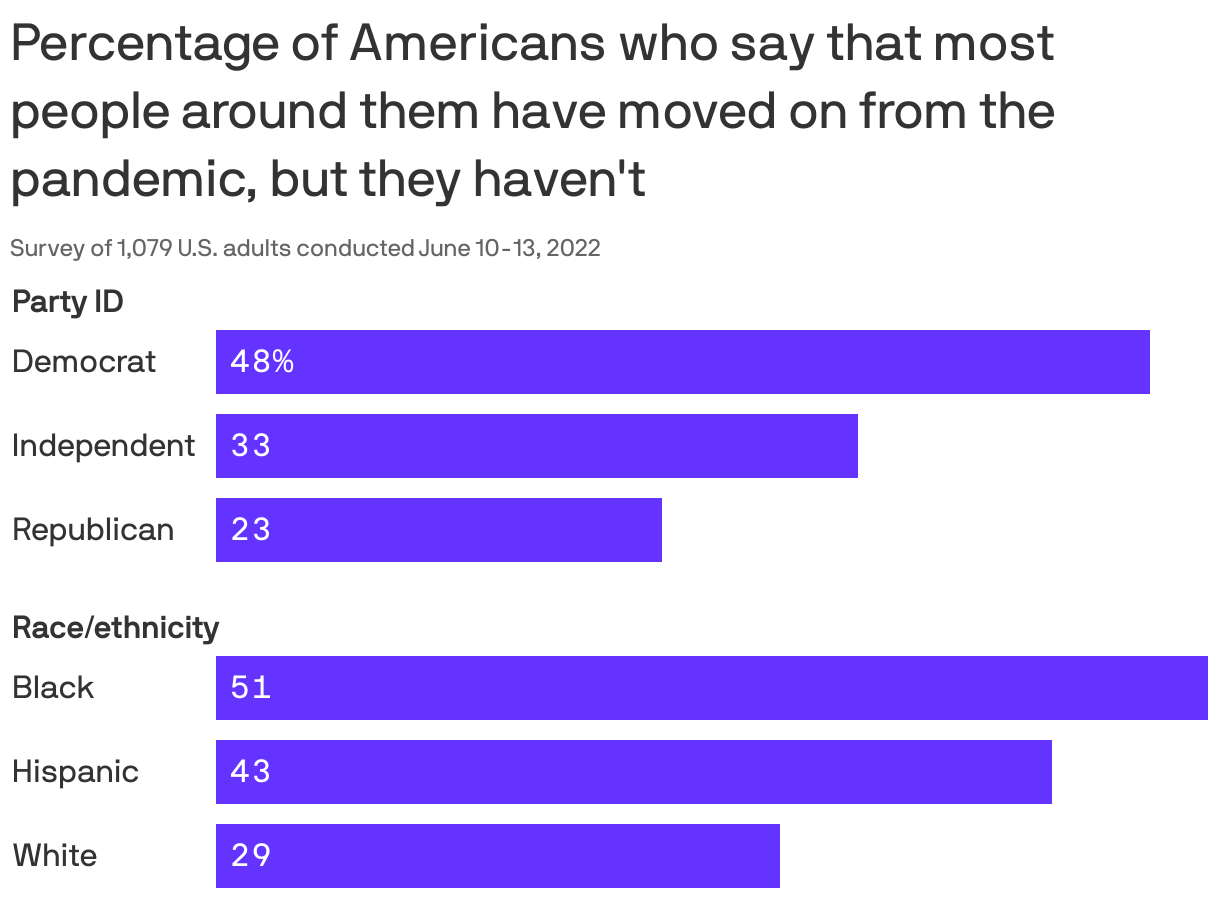
One-third of Americans say most everyone they know except themselves seems to be moving past the pandemic, according to the latest installment of the Axios/Ipsos Coronavirus Index.
Why it matters: Black, Democratic and urban respondents are the most likely to express this dichotomy. It's the latest measure of U.S. society fracturing over how to deal with rising case rates and hospitalizations in a post-mandate world.