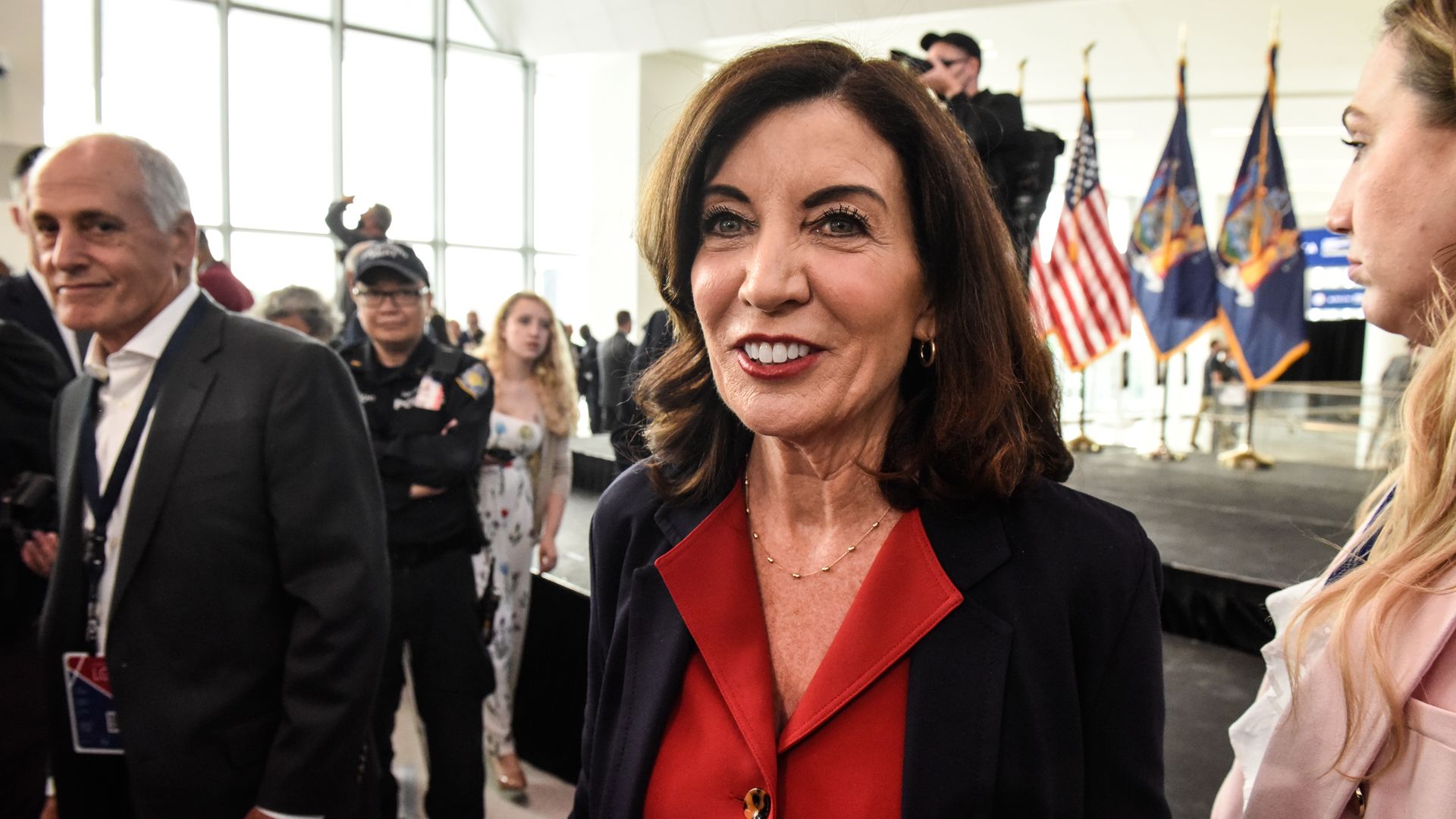
New York Gov. Kathy Hochul (D) signed into law a series of abortion bills Monday that protect providers, as well as patients coming from out-of-state seeking to access the procedure, following strict restrictions enacted by some red states.
Driving the news: "My friends the sky is literally on the verge of falling in the next week or two and that’s why we are here today," Hochul said before signing the bills, referring to the upcoming Supreme Court decision that might overturn Roe v. Wade and other precedents that protect abortion access on the federal level.
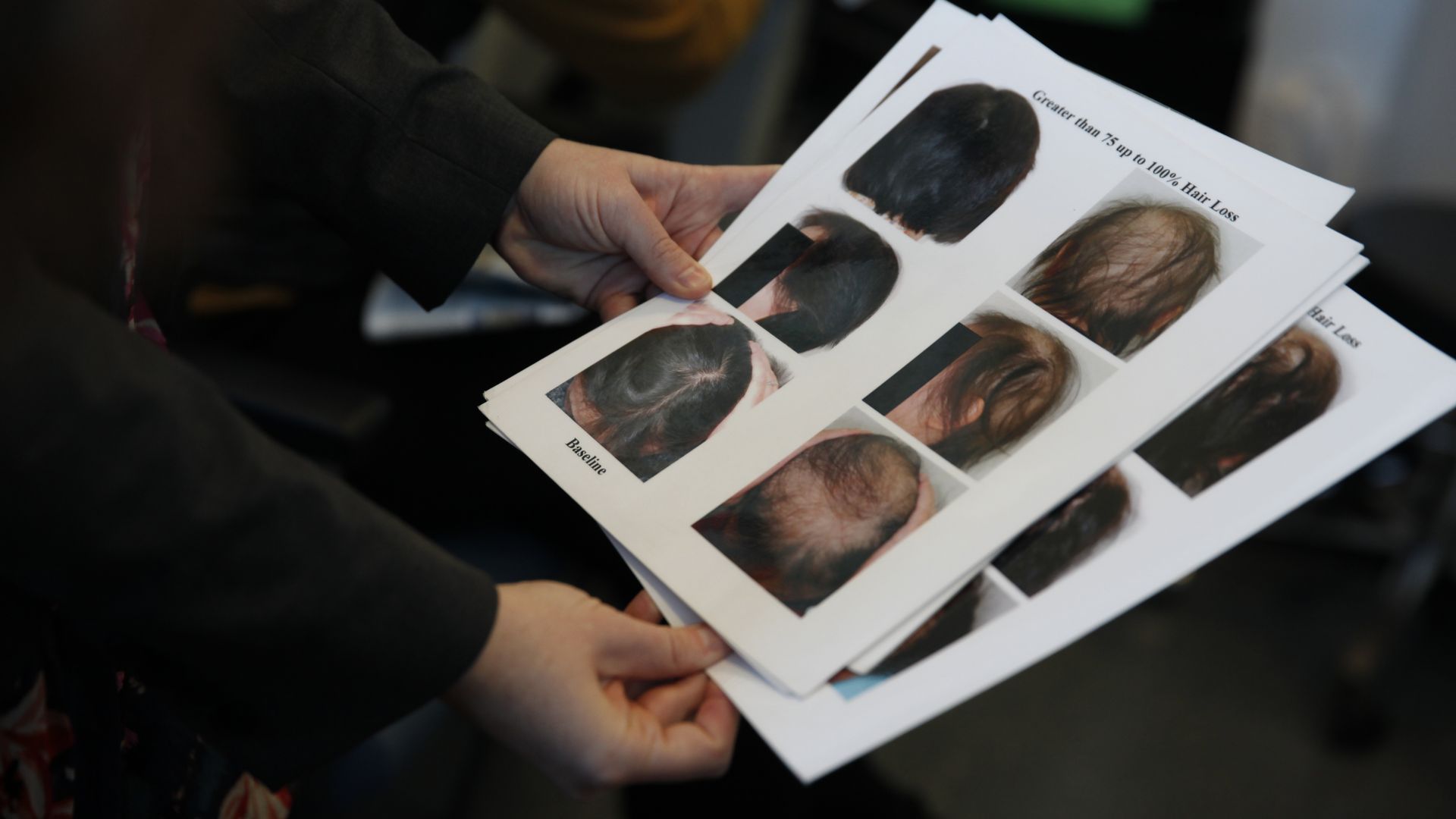
Middle-aged women with higher concentrations of synthetic substances known as "forever chemicals" in their blood were at greater risk of developing high blood pressure, according to a study that tracked them for nearly two decades and was published in Hypertension.
Why it matters: The per- and polyfluoroalkyl substances (PFAS) are used in everyday household items, such as certain shampoos, dental floss, cosmetics, non-stick cookware, food packaging and fabrics — and are basically everywhere.
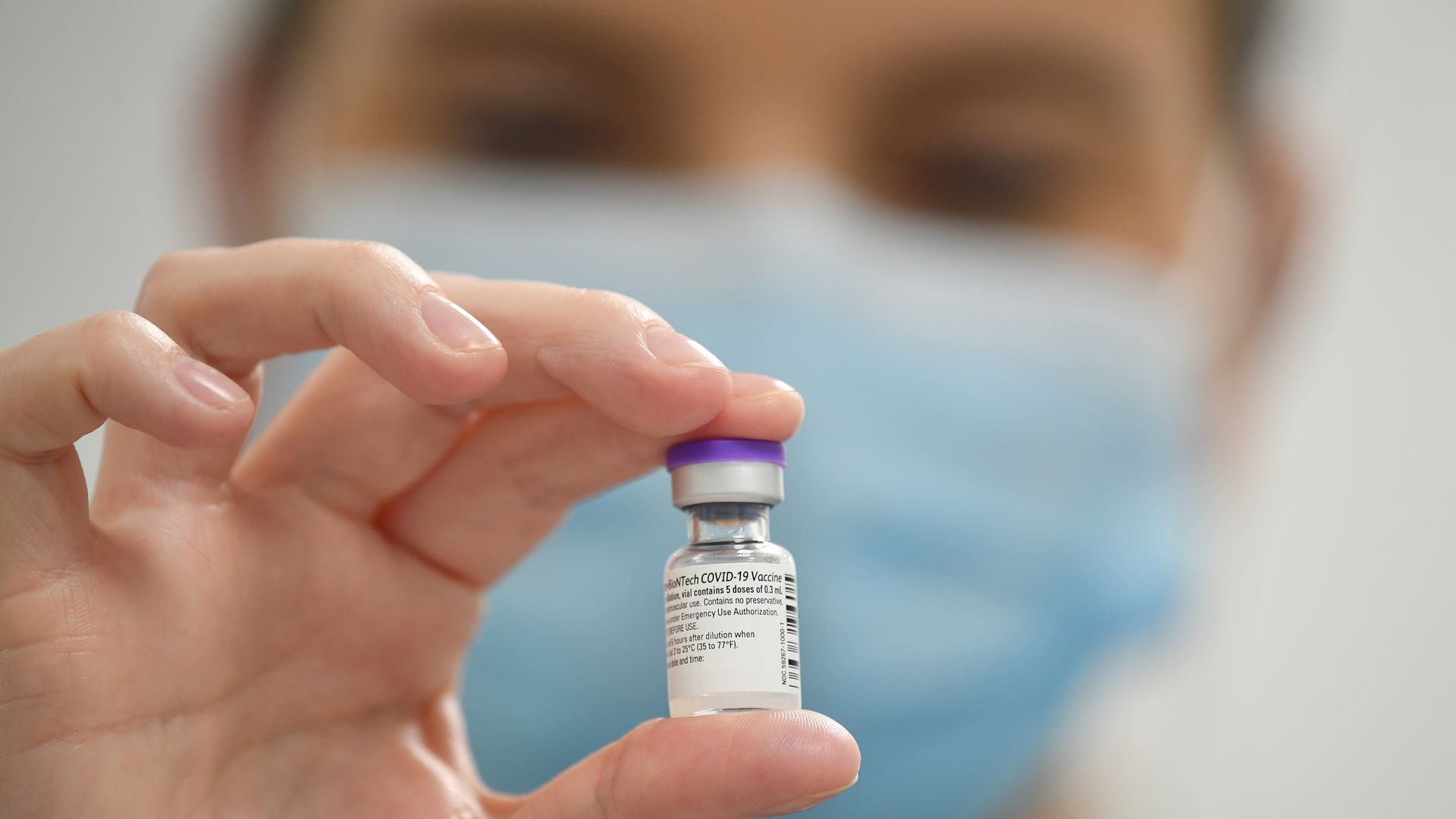
COVID shots may be days away from becoming available to infants and toddlers with expert panels set to evaluate both Pfizer-BioNTech and Moderna pediatric vaccines this week. But it's unclear how much the number of vaccinated kids will move.
Why it matters: For anxious parents of America's littlest kids, this is a big moment. Children younger than 5 are the last group without access to the shots.
Food and Drug Administration scientists found the Pfizer-BioNTech COVID-19 vaccine is safe and effective for children younger than 5, according to a review published Sunday.
Why it matters: The FDA scientists' briefing document comes ahead of Wednesday's scheduled meeting of the agency's independent experts, when they will consider Pfizer and BioNTech's request for emergency use authorization of the vaccine for young children.
Teaching has become one of the most draining jobs in America. Today’s teachers are navigating the threat of school shootings, a pandemic and intensifying political interference in their lesson plans — all while their wages remain stagnant.
Why it matters: Teachers are asking themselves whether shouldering those burdens is still worth it, and many experts warn of a looming staffing crisis.