Nearly one in five American adults is hesitant to get a COVID-19 vaccine, which could make it harder for the country to reach herd immunity. Meanwhile, the virus continues to mutate, with the CDC announcing this week that the British variant is dominant in the U.S.
Axios Re:Cap talks with Dr. Atul Gawande, author and Biden administration adviser, about what vaccine hesitancy means for the U.S. and the world.
The National Park Service announced Thursday it was canceling this year's National Independence Day parade because of logistical and planning limitations stemming from the COVID-19 pandemic.
The big picture: It's the second year the annual parade has been canceled due to the pandemic.
Antiviral drugs can bea key pandemic-fighting tool, but so far there's only one approved in the U.S. for SARS-CoV-2, the virus that causes COVID-19.
Why it matters: Because some people won't get vaccinated, and because there will likely be new variants of the virus, we'll need effective treatments — including antivirals, former FDA commissioners Scott Gottlieb and Mark McClellan wrote earlier this week in the Wall Street Journal.
A trio of students at a school in Basel, Switzerland, got more than they bargained for when they faked positive COVID-19 tests in a bid to get out of school, Reuters reports.
Why it matters: The episode highlights the tenuous loopholes in remote schooling students as well as possible issues with Switzerland’s COVID-19 contact tracing app, as the trio falsified SMS messages from the app.
The result: The prank resulted in 25 classmates — plus several teachers — at Basel’s Kirschgarten High School being quarantined for 10 days.
What's next: Although the school won't expel the students for their prank, it is planning to pursue criminal charges for falsifying “health-relevant documents,” reports Reuters.
“This is not just a childish prank, this is a serious incident,” said Simon Thiriet, a spokesperson for Basel’s education department.
Nearly 90% of college students say they probably or absolutely will get vaccinated, according to a BeatTheVirus/Generation Lab poll exclusive to Axios.
Why it matters: College students have contributed to the nationwide spread of the virus, and their vaccination is necessary in bringing the pandemic under control before variants spread any further.
AstraZeneca's coronavirus vaccine took yet another public relations hit yesterday, when the European Medicines Agency announced that the shot has a "possible" link to rare blood clots, and they should be listed as a "very rare" side effect of the vaccine.
What we're watching: Even before the link was announced, the U.S. didn't need the AstraZeneca vaccine, based on its existing supply of other shots. But what the Food and Drug Administration decides to do about the vaccine — if the company seeks U.S. authorization — will likely have global ramifications.
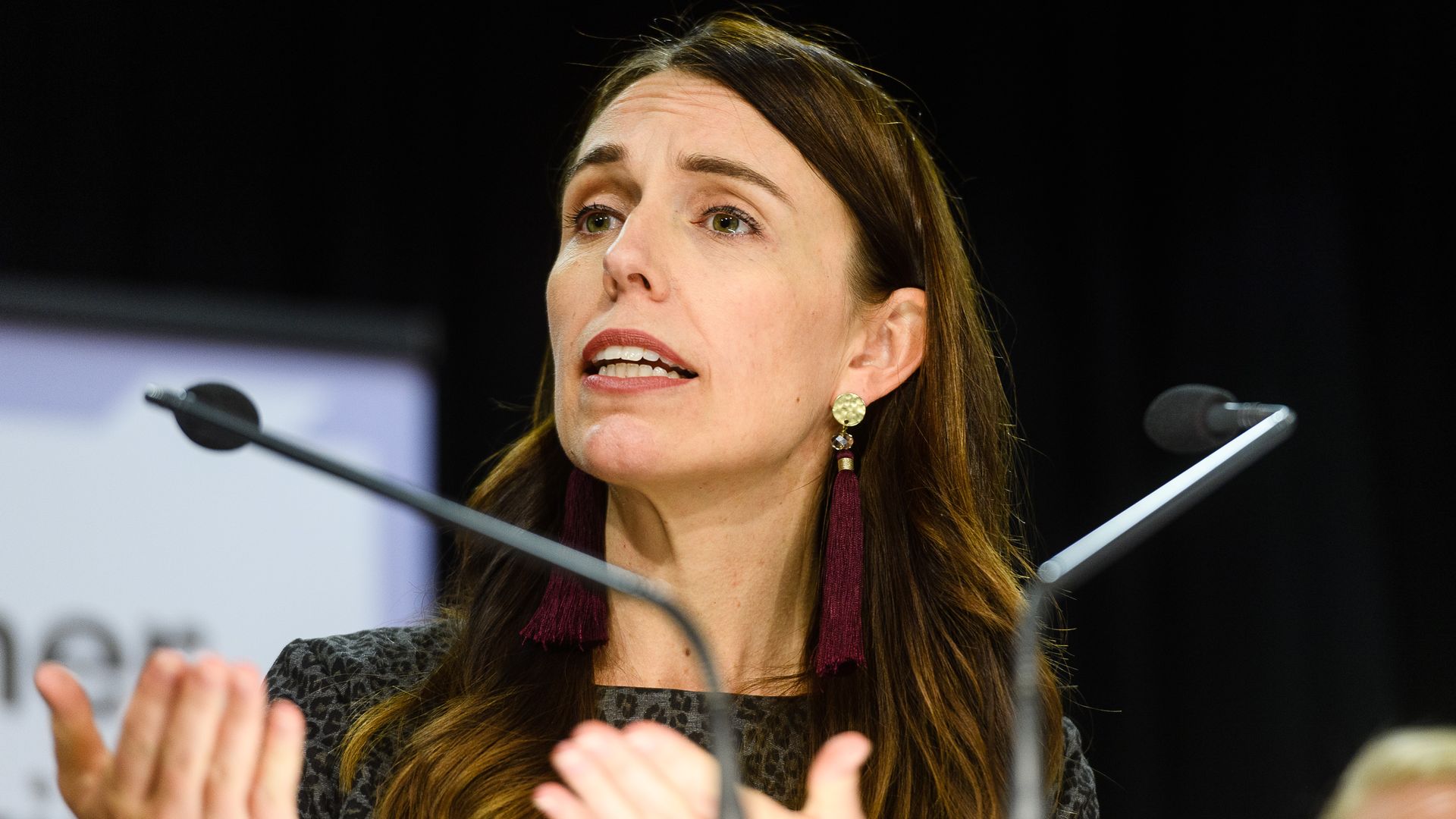
New Zealand has announced a temporary entry ban on all travelers from India, including NZ citizens, after a spike in COVID-19 cases at the border from the South Asian nation — which set another pandemic record on Thursday.
Driving the news: NZ Prime Minister Jacinda Ardern announced at a briefing the 17-day suspension after 17 of the 23 new coronavirus infections confirmed Thursday in returned travelers in managed hotel quarantine were from India.
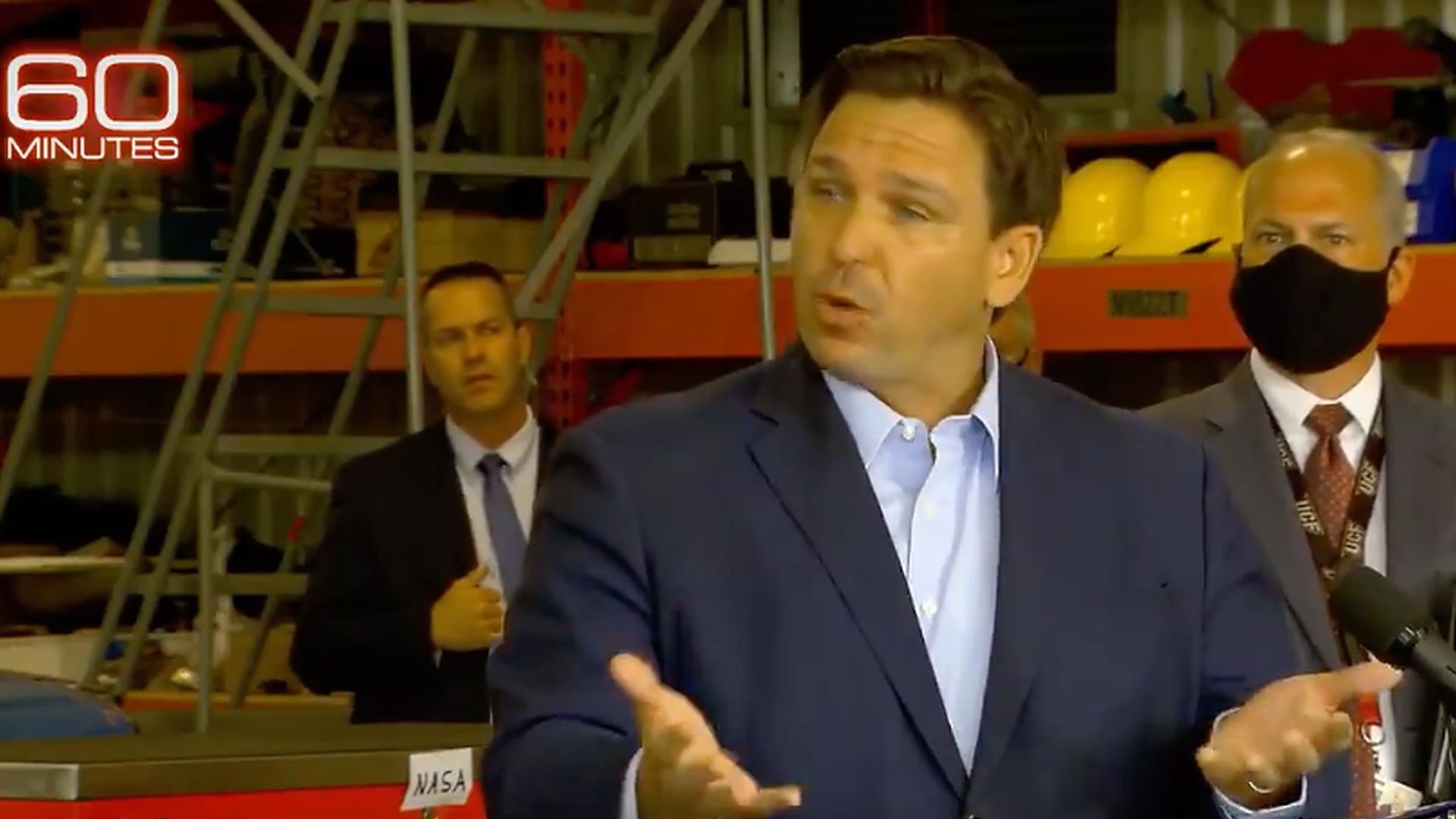
CBS issued a statement defending "60 Minutes" Wednesday, after Florida Gov. Ron DeSantis (R) said the program was "dishonest" about the state's partnership with Publix dominating COVID-19 vaccine distribution in Palm Beach County.
Driving the news: DeSantis called the show "smear merchants" for reporting Sunday that poorer communities had been left behind, with no Publix Super Markets in Belle Glade, in the Glades area of Palm Beach County.