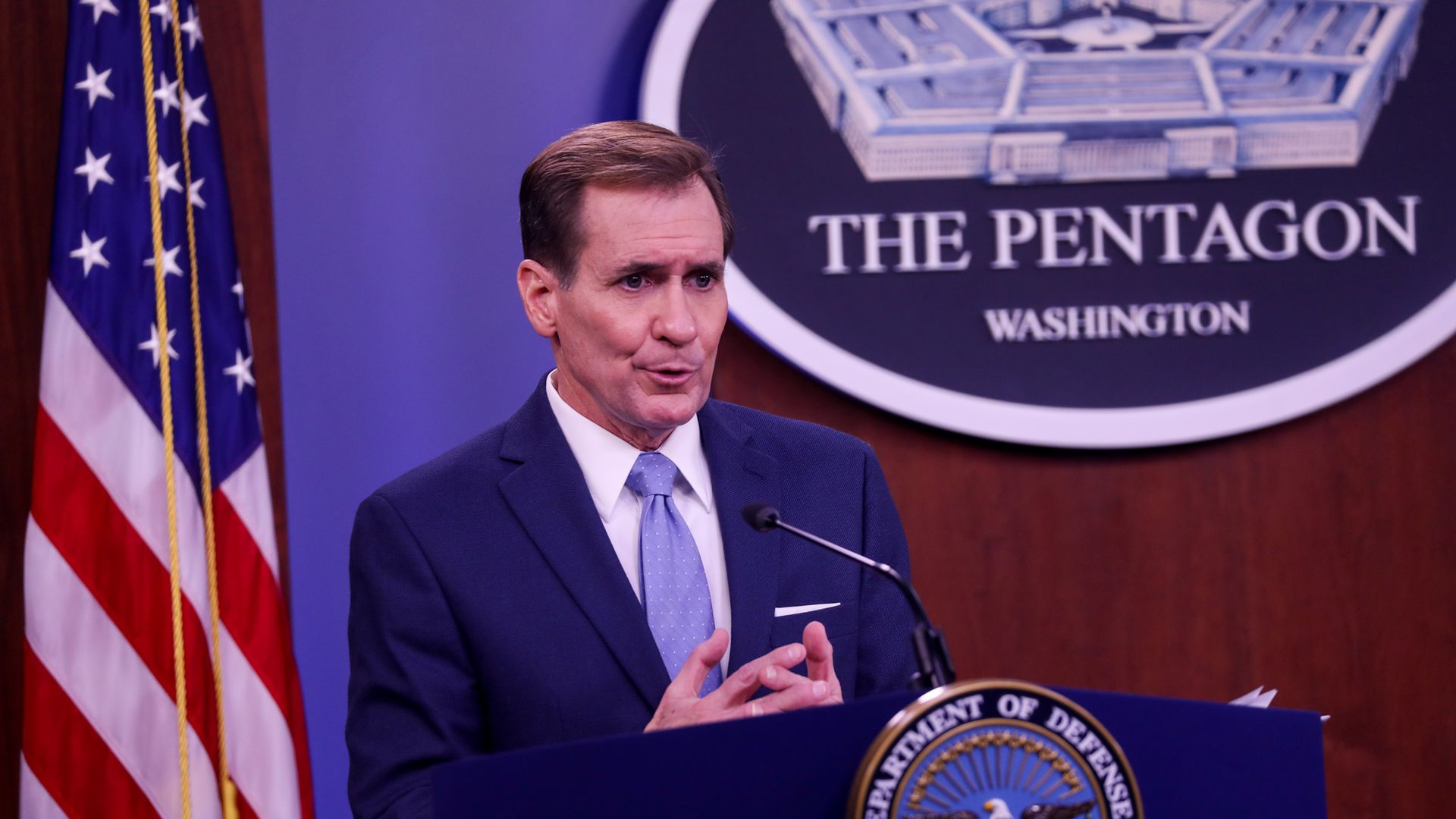
The Pentagon has approved the deployment of 20 additional COVID-19 vaccination teams to aid inoculation efforts across the U.S., spokesperson John Kirby said Friday.
The big picture: The authorization brings the number of approved vaccination teams to 25, with a total of about 4,700 service members, Kirby told reporters.
School reopenings should be contingent on community transmission rates and should be a priority over restaurants and other nonessential businesses, the Centers for Disease Control and Prevention recommended Friday.
Why it matters: America's educators have been calling on the health agency to issue clear and useful guidance for schools, following mixed signals sent by the Trump administration last year.
Around 35 million Americans have been vaccinated and roughly 1.6 million more are getting shots a day, but it’s been a bumpy road to get to this point, as state and local distribution plans have been beset by bureaucratic and technological blunders.
Axios Re:Cap examines one of the biggest tech failings — a $44 million vaccination appointment system built by Deloitte that most states are backing away from — with investigative health care journalist Cat Ferguson.
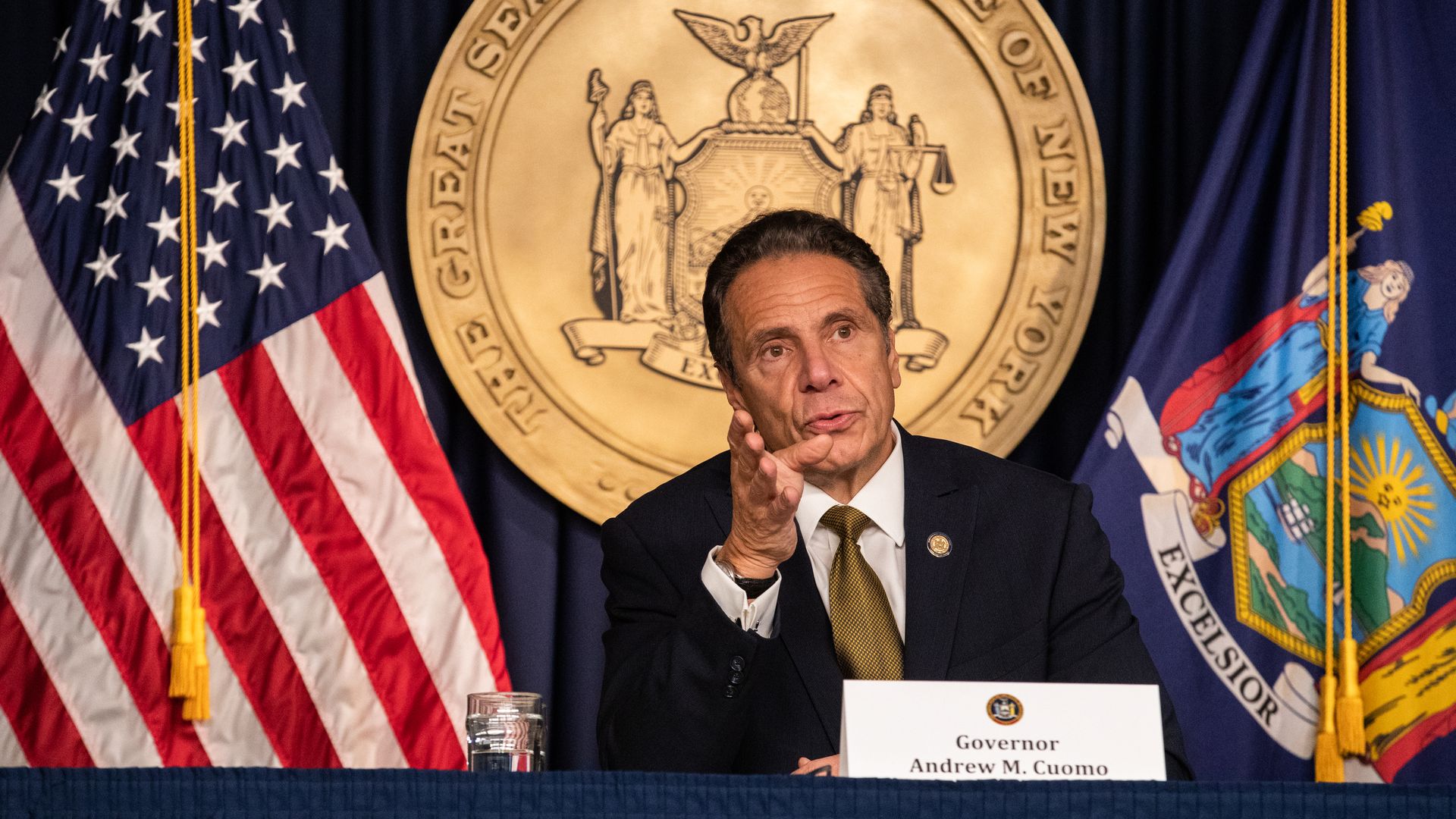
A top aide to New York Gov. Andrew Cuomo told Democratic lawmakers that the administration rebuffed their request for data on coronavirus deaths in nursing homes because they feared it would "be used against us" by federal investigators egged on by then-President Trump, according to a leaked tape obtained by the New York Post.
Why it matters: Cuomo has been under fire for his handling of COVID-19 in nursing homes early in the pandemic. He's now facing new allegations of his administration actively withholding data on coronavirus deaths in nursing homes in order to delay potential investigations.
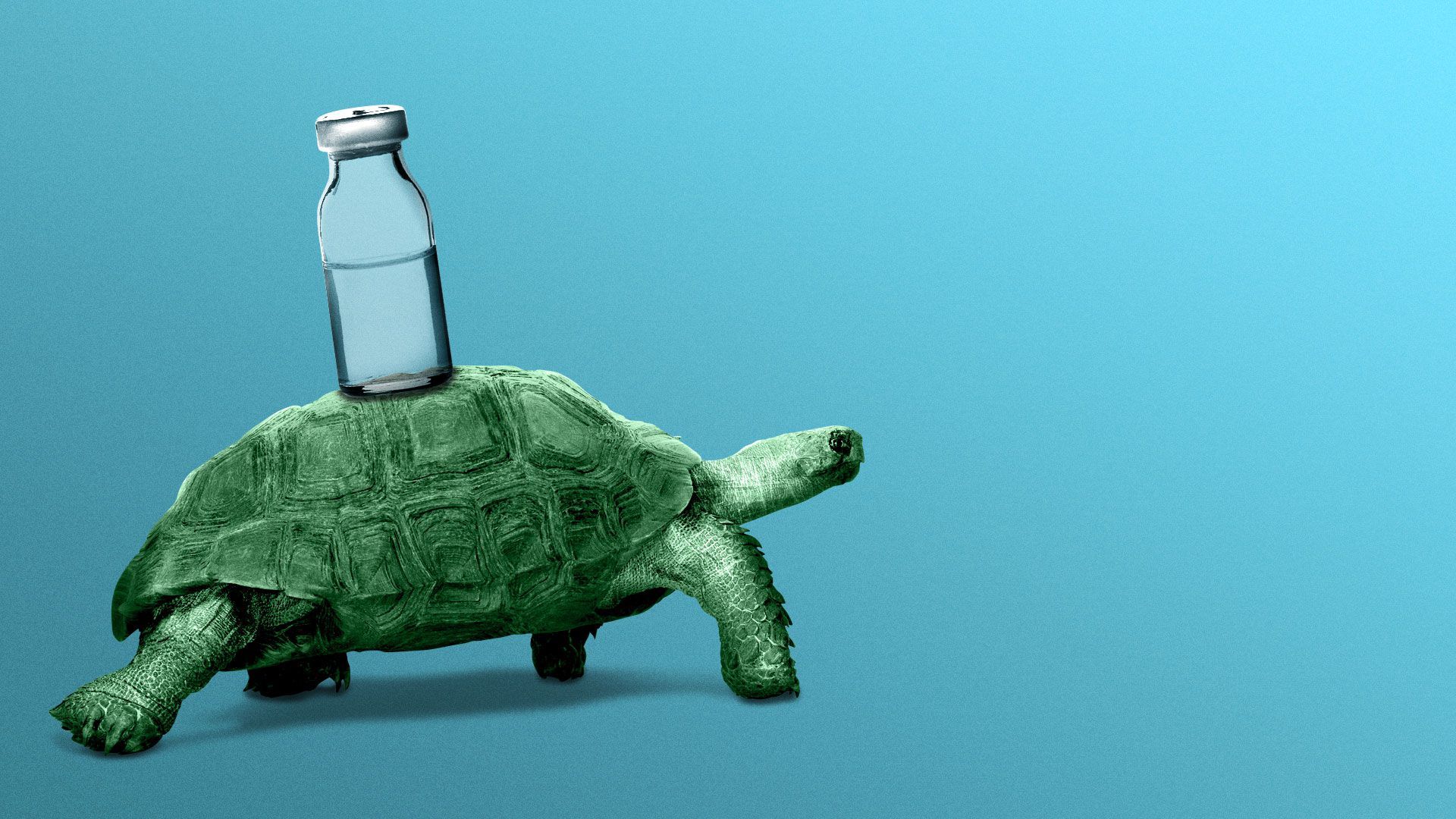
COVID-19 vaccine makers are under intense pressure to rev up production, but the scale of the challenge is unprecedented — and the speed of production is limited.
Why it matters: Even with help from the federal government and outside companies, vaccine-making is a complex, time-consuming biological process. That limits how quickly companies like Pfizer and Moderna can accelerate their output even during a crisis.
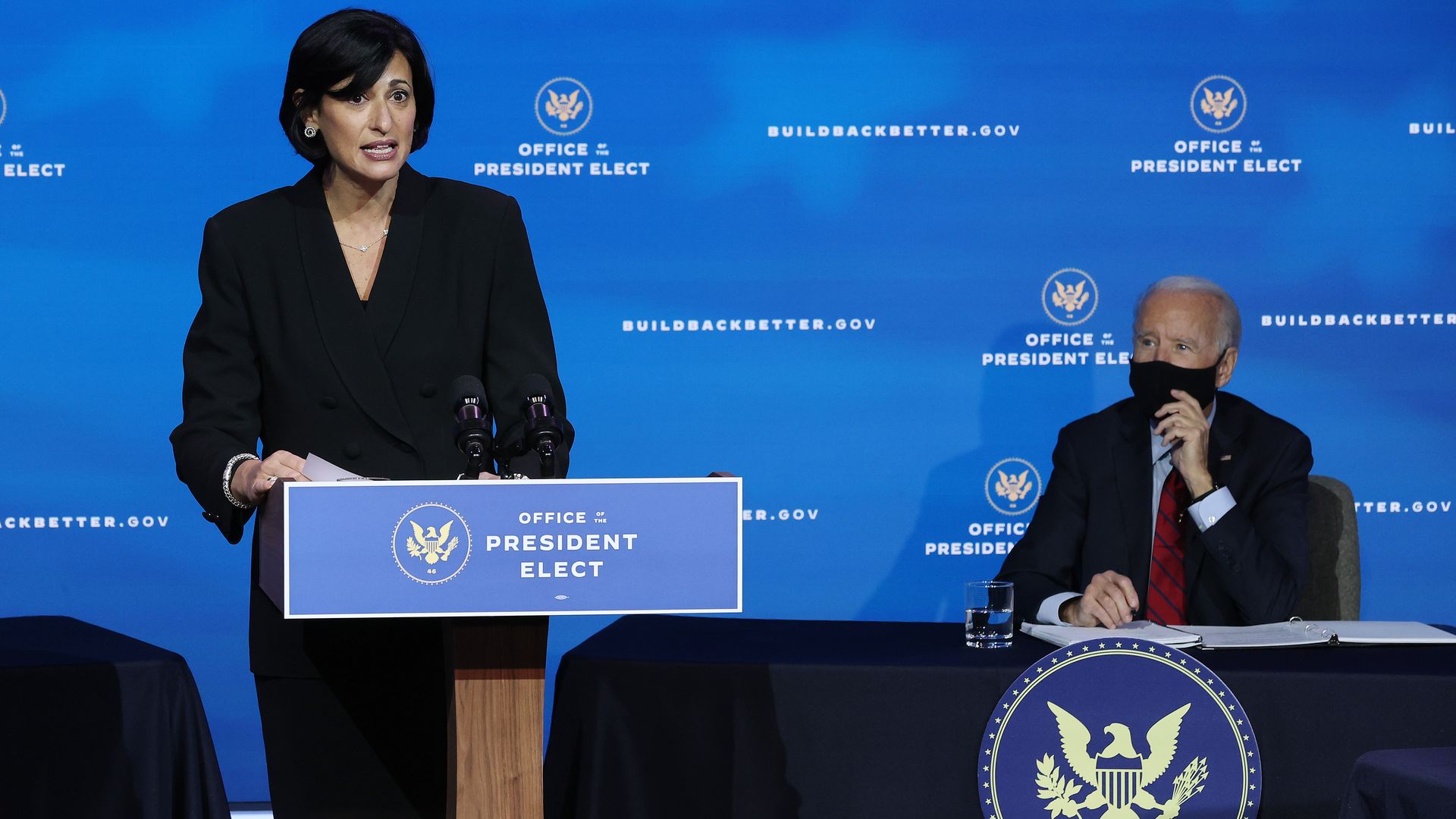
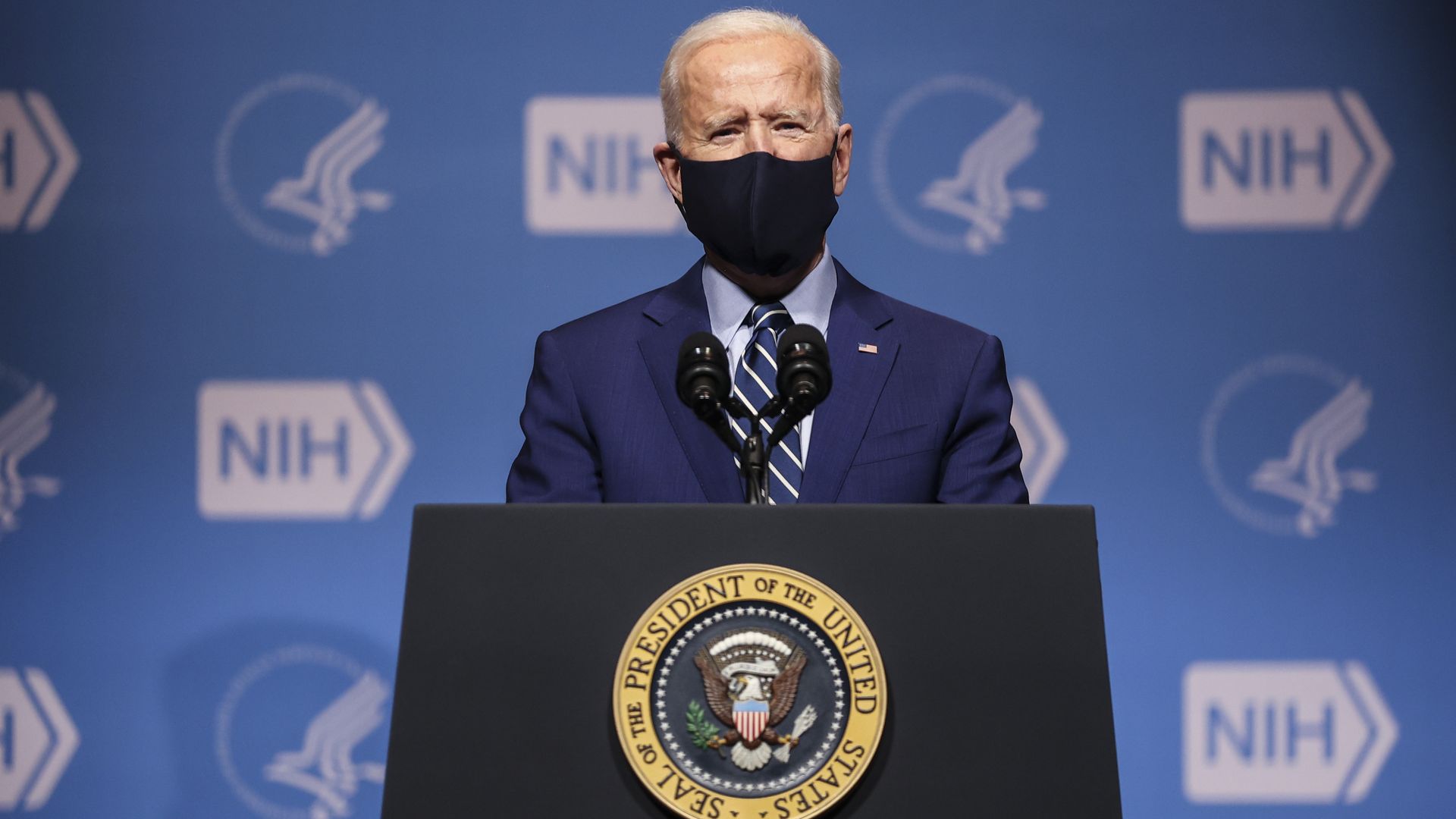
President Biden on Thursday slammed his predecessor for "not doing his job in getting ready for the massive challenge of vaccinating hundreds of millions of Americans."
Driving the news: Biden's remarks at the National Institutes of Health came not long after his administration signed final contracts with Pfizer and Moderna to purchase an additional 200 million doses of the coronavirus vaccines.
The federal government purchased an additional 200 million doses of the coronavirus vaccine, President Biden announced Thursday during a tour of the National Institutes of Health.
The big picture: Biden said the U.S. is on track to have enough supply of the vaccine to inoculate 300 million Americans by the end of July. That comes out to roughly 600 million doses, boosting "supply in the United States by 50 percent," as first reported by the Washington Post.
New and expecting mothers are navigating a morass of science and medicine as they try to mitigate the risks of COVID-19 to themselves and their babies.
Why it matters: Pregnancy can be hard during normal times, but there's an extra layer of uncertainty during the pandemic as COVID-19 presents unique risks to pregnant people.
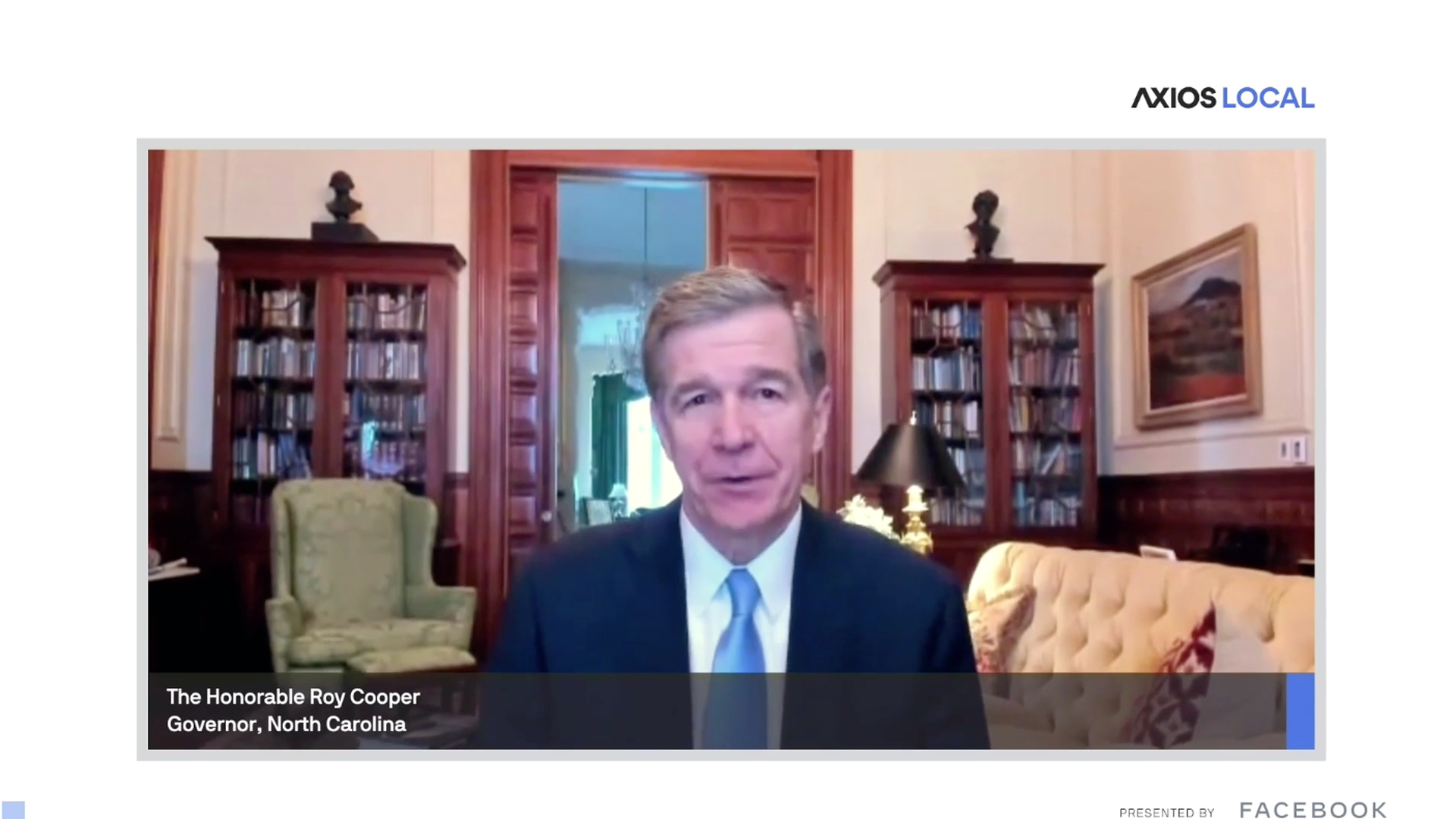
The state of North Carolina has been been conscientiously working to combat vaccine hesitancy among communities of color, and is being "intentional" about distribution, Gov. Roy Cooper (D) said at an Axios event on Wednesday.
A drug used to treat arthritis lowers the chances of severely ill patients dying from COVID-19, shortens time in hospital and reduces the need for invasive mechanical ventilation, a U.K. study out Thursday shows.
Why it matters: The data from the trial suggests there are now several effective coronavirus treatment options available to health care providers.
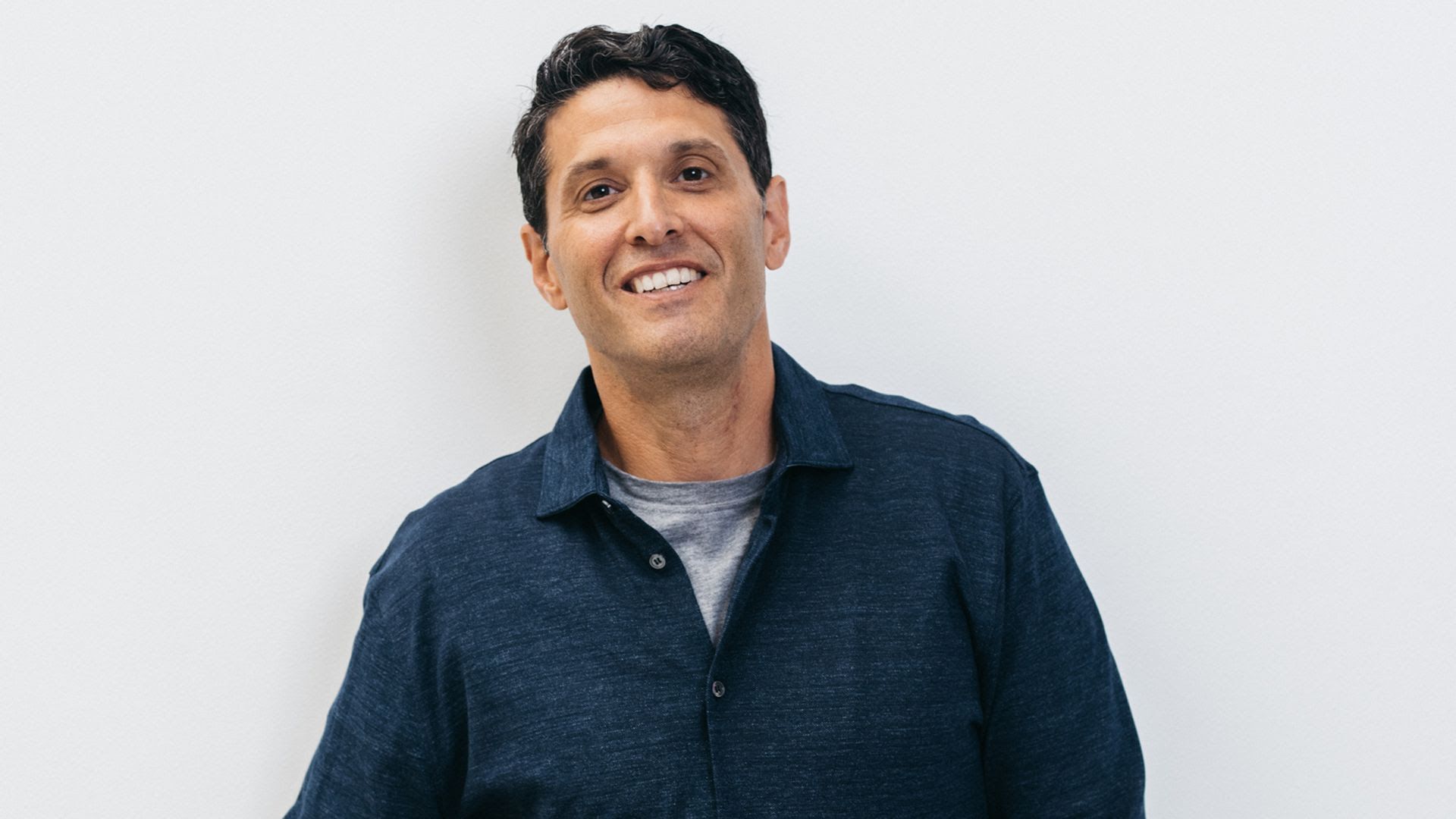
Terry Myerson, who ran the Windows unit for part of his 20-year career at Microsoft, is on a new mission to make data more central in medical treatments, with Truveta, the startup he runs that’s backed by 14 health systems.
Why it matters: Too many important decisions are still made based on doctors' personal experiences.
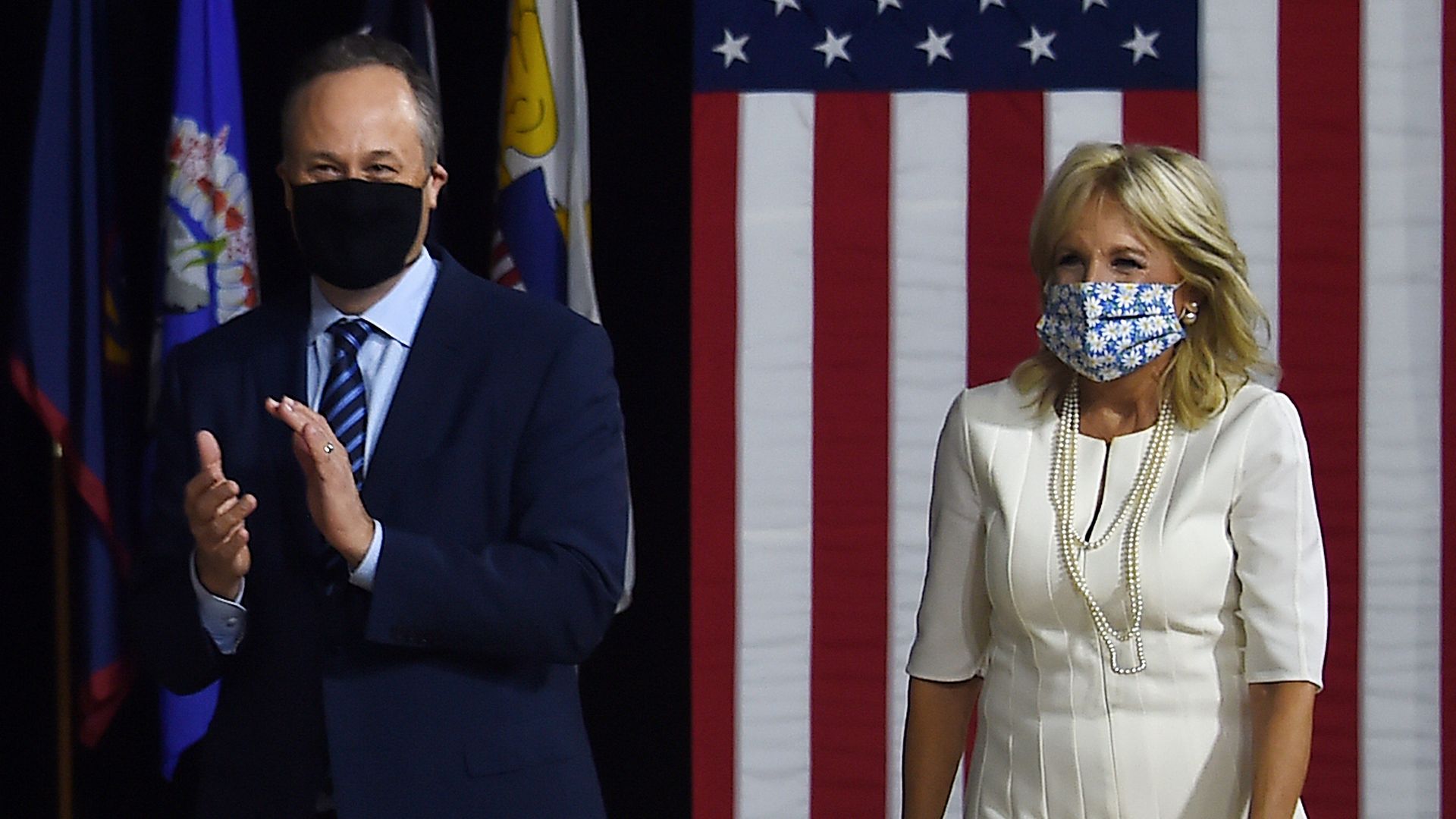
First lady Dr. Jill Biden and second gentleman Doug Emhoff on Wednesday held a series of phone calls with nurses unions throughout the country to hear about their experiences during the coronavirus pandemic, the New York Times reports.
What they're saying: Biden and Emhoff told the nurses, who the CDC says are at a higher risk of contracting COVID-19, that "this administration is fighting for them," according to a spokesperson. But most of their time was spent listening to the nurses' pleas for more protective gear and vaccine doses.
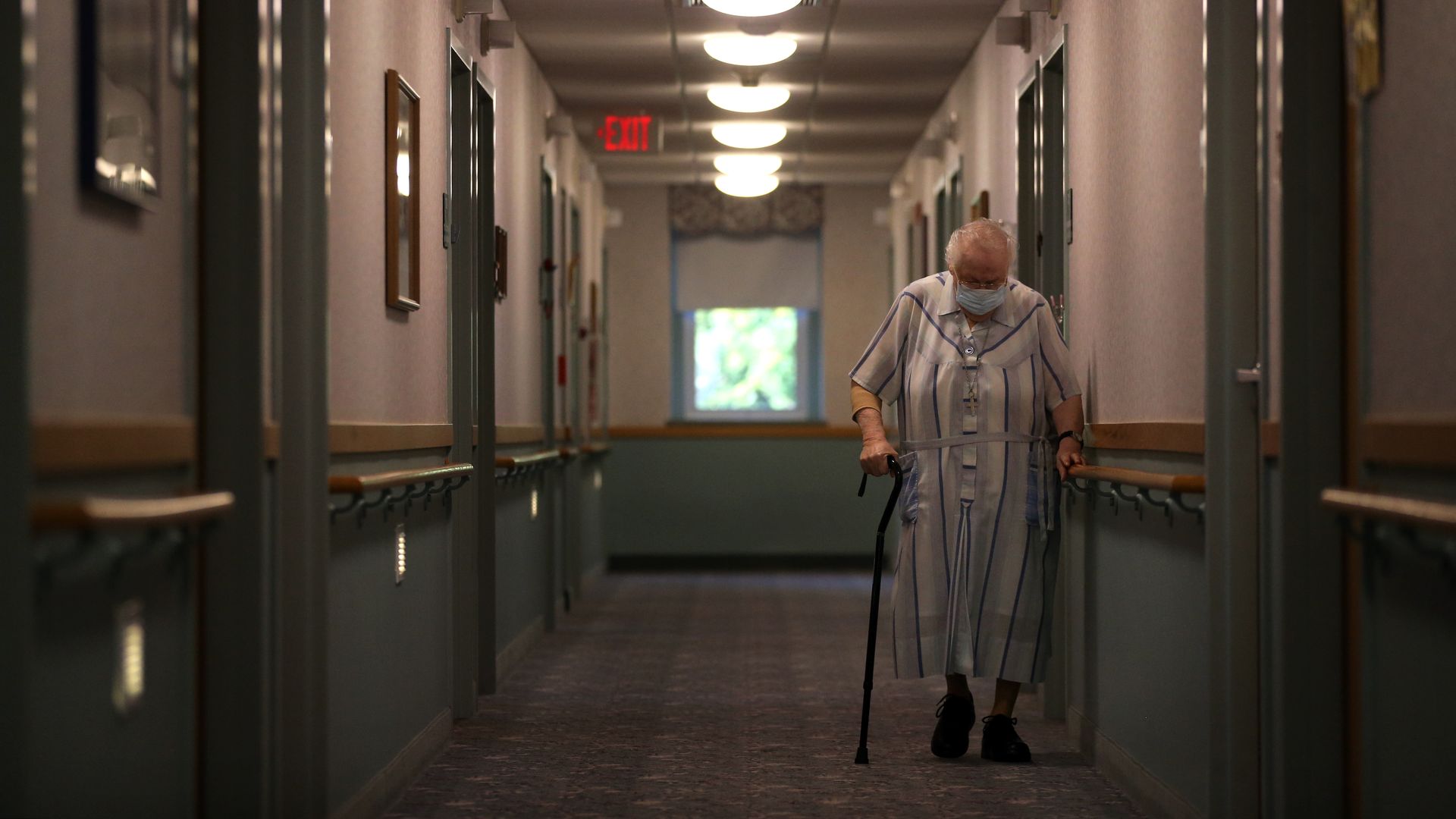
Nursing homes with lower proportions of white residents saw higher coronavirus deaths last year, according to a new study published in JAMA Network Open.
By the numbers: In the facilities with the smallest share of white residents, coronavirus deaths were more than three times higher than in the nursing homes with the largest white populations.
School districts and mental health professionals remain concerned about the pandemic's effect on children's mental health.
The big picture: Hospitals have seen a significant increase in mental health emergencies among children, and federal officials have acknowledged that prolonged school closures have deprived students of both formal services and simple human interaction.
New coronavirus cases continued their sharp decline over the past week — progress that could help the U.S. find its way out of the pandemic faster and more safely, if it keeps up.
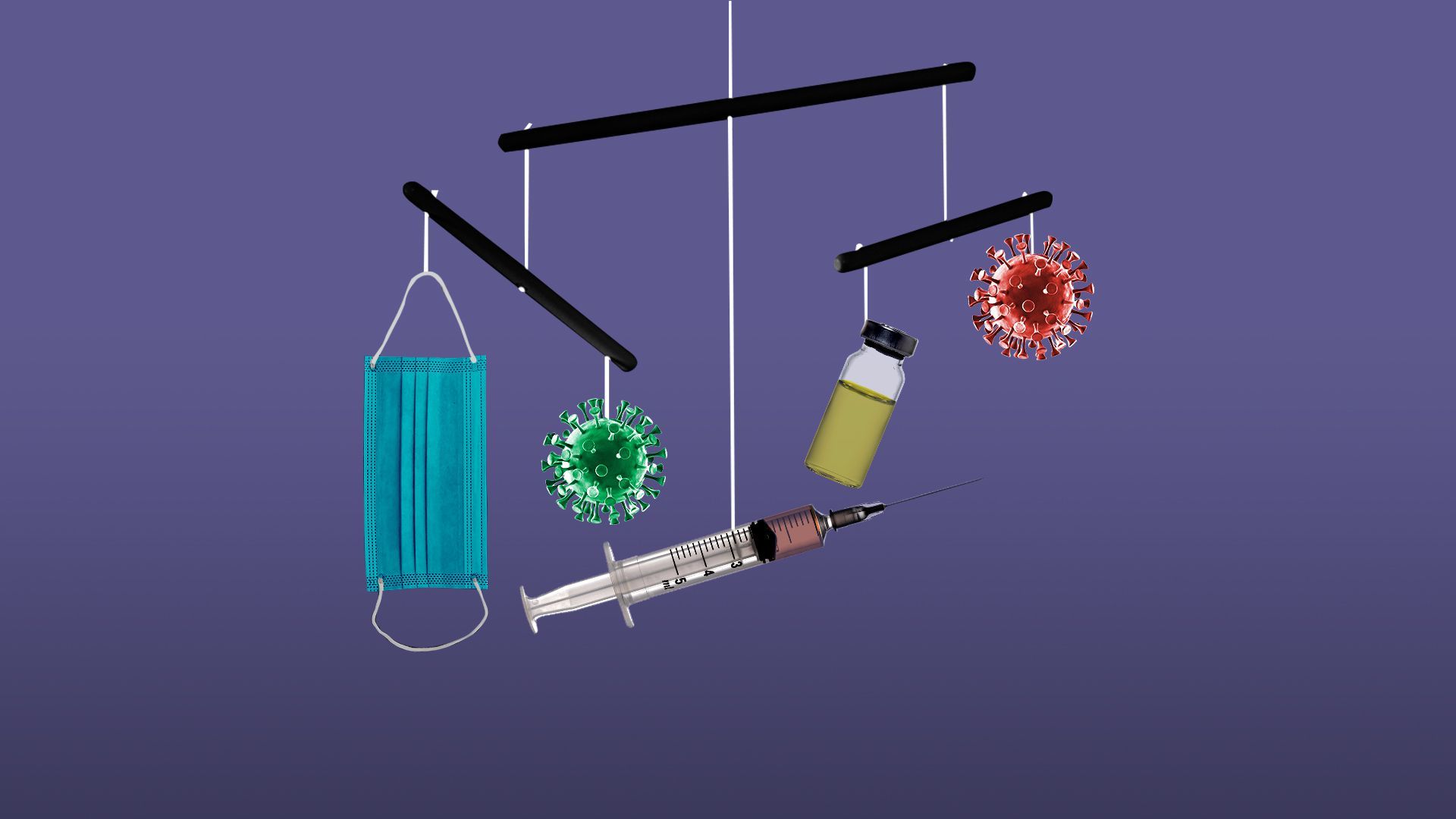
The big picture: Getting the virus' spread under control is the key to saving lives and reopening schools and businesses. And the tools to achieve that — masks, social distancing and vaccines — are also the most effective weapons against the more contagious variants that could threaten the U.S.' progress.
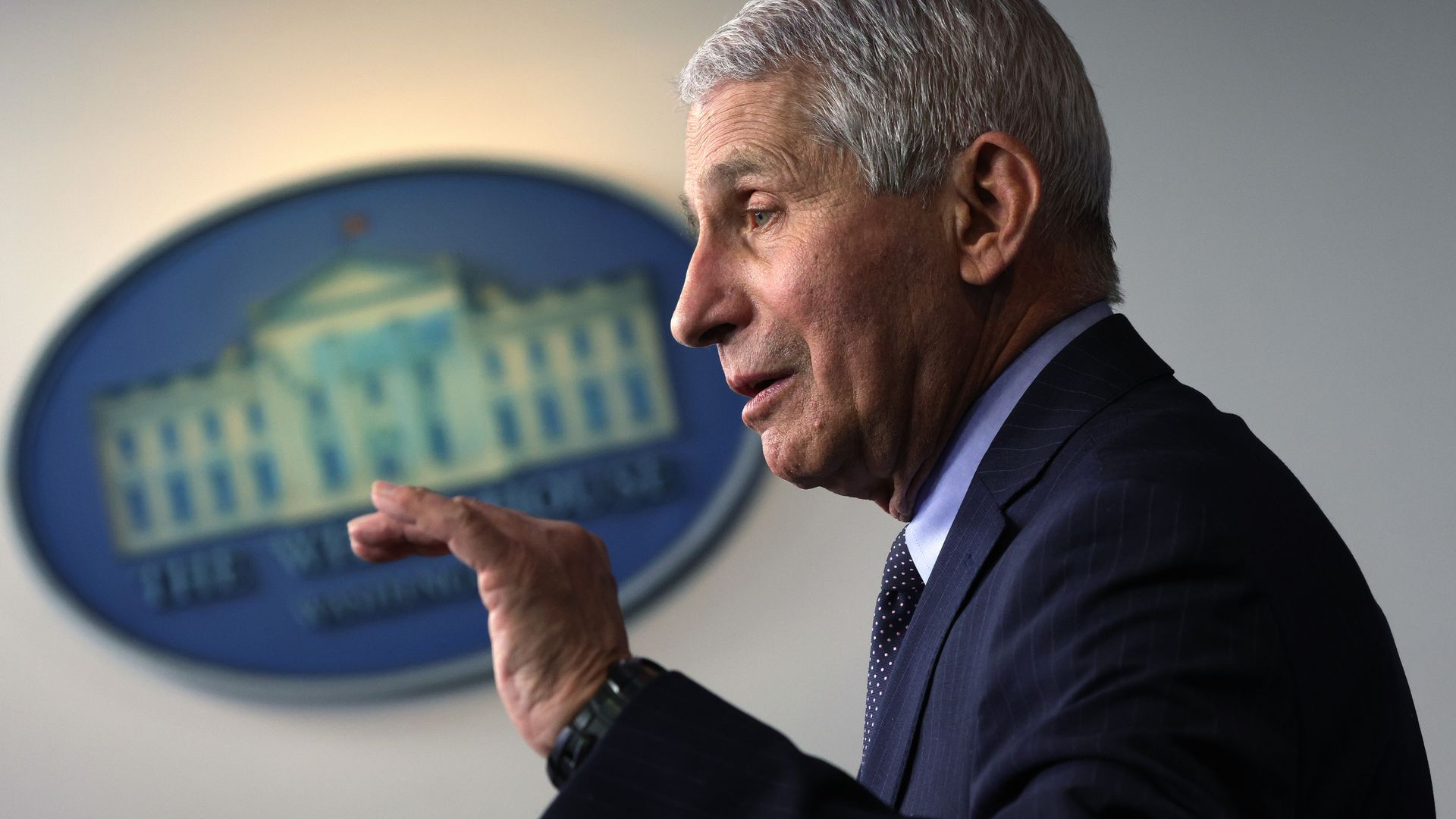
NIAID director Anthony Fauci said during a White House briefing Wednesday that 20,000 pregnant women have been vaccinated against COVID-19 without complications.
Why it matters: The new figure comes weeks after the World Health Organization altered its guidance for pregnant women and inoculation to say those at high risk of exposure to COVID-19, or who have comorbidities that increase their risk of severe disease, may be vaccinated, in line with CDC guidance.