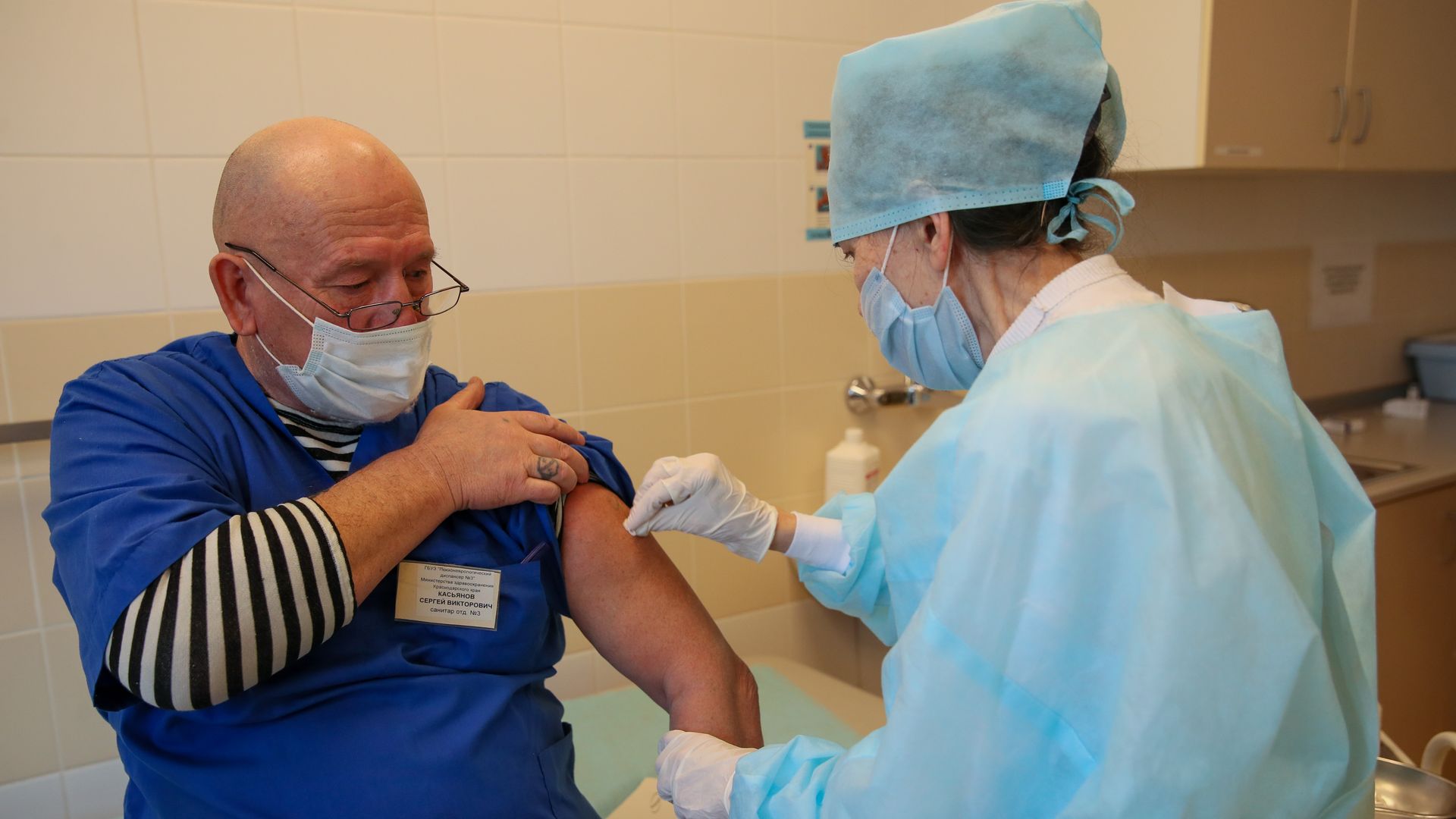
More than 1 million doses of COVID-19 vaccine will be made available to about 6,500 pharmacies across the U.S. beginning Feb. 11, the White House said Tuesday.
Why it matters: Local, national and supermarket pharmacies have an existing customer base, user portals and other established resources when it comes to mass flu and shingles immunization protocols. The federal government hopes this will expand access and speed up the vaccination process.
Russia's Sputnik V vaccine demonstrated nearly 92% efficacy against symptomatic cases of COVID-19 and provided complete protection against severe cases, according to a peer-reviewed analysis of a large clinical trial published in the medical journal the Lancet. The vaccine also appears to be safe.
The 2021 Australian Open, which begins Monday, will be the most normal sporting event the world has seen in nearly a year.
Driving the news: Up to 30,000 spectators a day will be allowed to attend the two-week event, Victoria state sports minister Martin Pakula said this weekend.
Race and ethnicity data were spotty during the first month of coronavirus vaccinations, according to a new report from the Centers for Disease Control and Prevention.
Why it matters: Collecting accurate demographic data will become more important as vaccines become available to the general public, where the pandemic has taken a disproportionate toll on Black and Hispanic Americans.
Transgender health needs, long neglected by the medical establishment, could get a needed assist from tech, as a pair of startups that focus on hormone treatment and other services today announce fresh venture funding.
Why it matters: Transgender and non-binary people can face enormous barriers to health care, from a scarcity of facilities that provide gender-affirming care to insurance company denials and outright discrimination.
Some of the same problems that have plagued the coronavirus vaccine rollout could also make it harder for people to get the second dose of the vaccines.
Why it matters: The two vaccines authorized so far both require two shots to reach the full potential of their protection, and those second shots need to happen within a specific window of time —putting extra pressure on a system that’s already struggling to work out its kinks.
Americans are deeply worried about new strains of the coronavirus — prompting some to double-mask and many to temper expectations about life getting back to normal — according to the latest installment of the Axios/Ipsos Coronavirus Index.
The big picture: Fears have eased substantially around sending children back to school, our national survey found. But there's growing anxiety about the virus changing and the implications for the nation's health, economy and society.
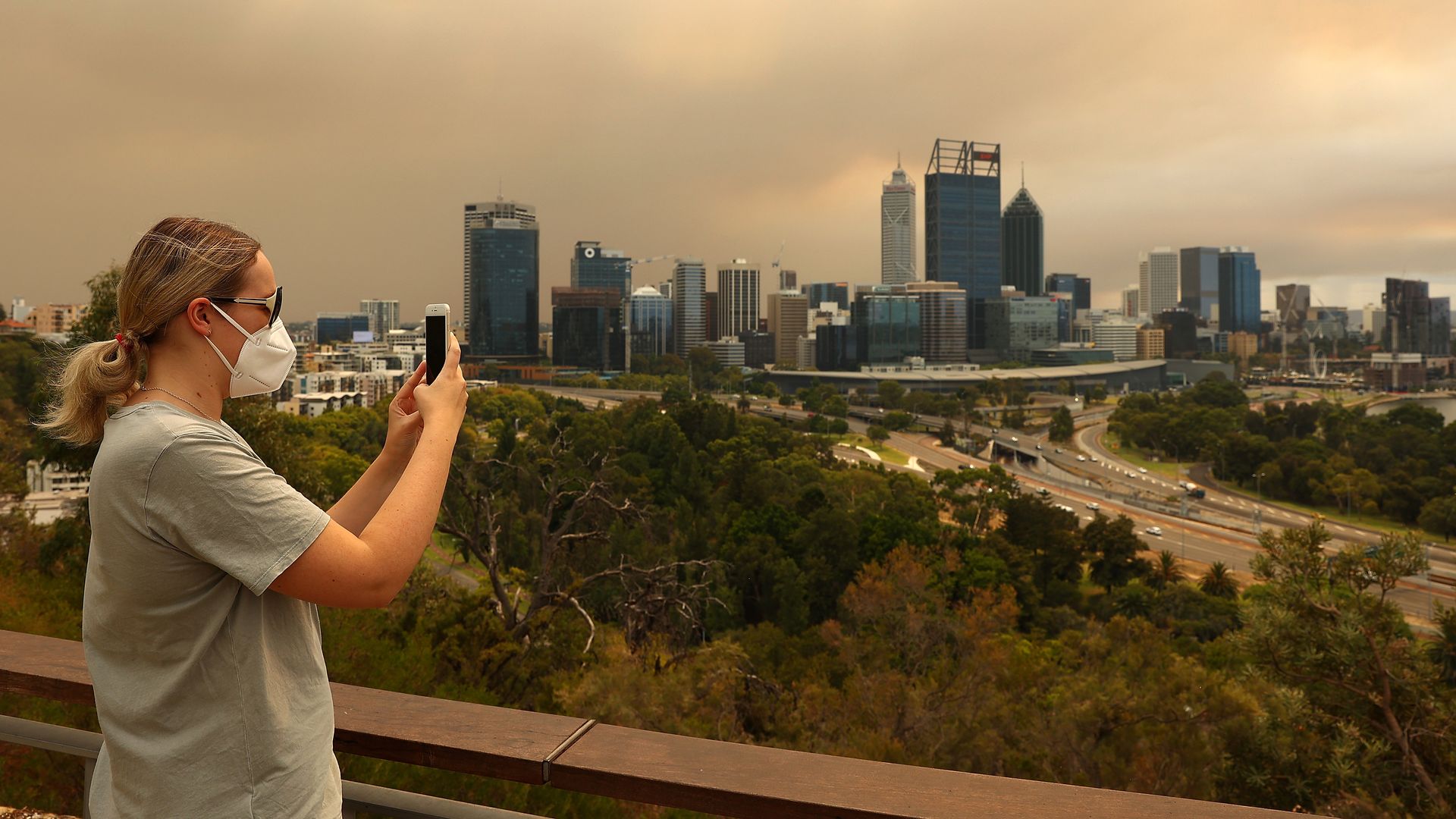
A massive uncontained bushfire has destroyed at least 30 homes in the Perth Hills, Western Australia, officials told the Australian Broadcasting corporation Tuesday.
Why it matters: Per state Premier Mark McGowan, "Right now WA is battling two different kinds of emergencies — a dangerous fire emergency and a COVID-19 lockdown emergency." He said there are "threats to lives and homes" from the wildfire.
Bloomberg has a big feature that includes the story of Constance Else, who has been posting flyers across her New Jersey town offering to help older Americans who are struggling to book vaccination appointments online.
The big picture: It's part of an all-too-familiar American story of individuals having to do heroic work to make up for a systemic shortfall, akin to 7-year-olds setting up lemonade stands to help pay medical bills or employees banding together to donate sick time to a seriously ill colleague.
Top Trump health officials urged Congress last fall not to give states any additional money for the COVID-19 vaccine rollout, as state officials warned they didn't have the funding they needed, STAT scoops.
Why it matters: The vaccine rollout was ultimately sluggish, and the number of vaccines administered in the first few weeks fell way short of federal projections — partially because states faced a lack of resources.
When states decided to open vaccine eligibility more broadly to seniors, it bumped essential workers further down the vaccine line or forced them to compete with a new flood of people for shots, the Washington Post reports.
Why it matters: Essential workers, who are disproportionately people of color, are at higher risk of infection than people who can more easily social distance.
Mutated versions of the coronavirus threaten to prolong the pandemic, perhaps for years — killing more people and deepening the global economic crisis in the process.
The big picture: The U.S. and the world are in a race to control the virus before these variants can gain a bigger foothold. But many experts say they already expect things to get worse before they get better. And that also means an end to the pandemic may be getting further away.
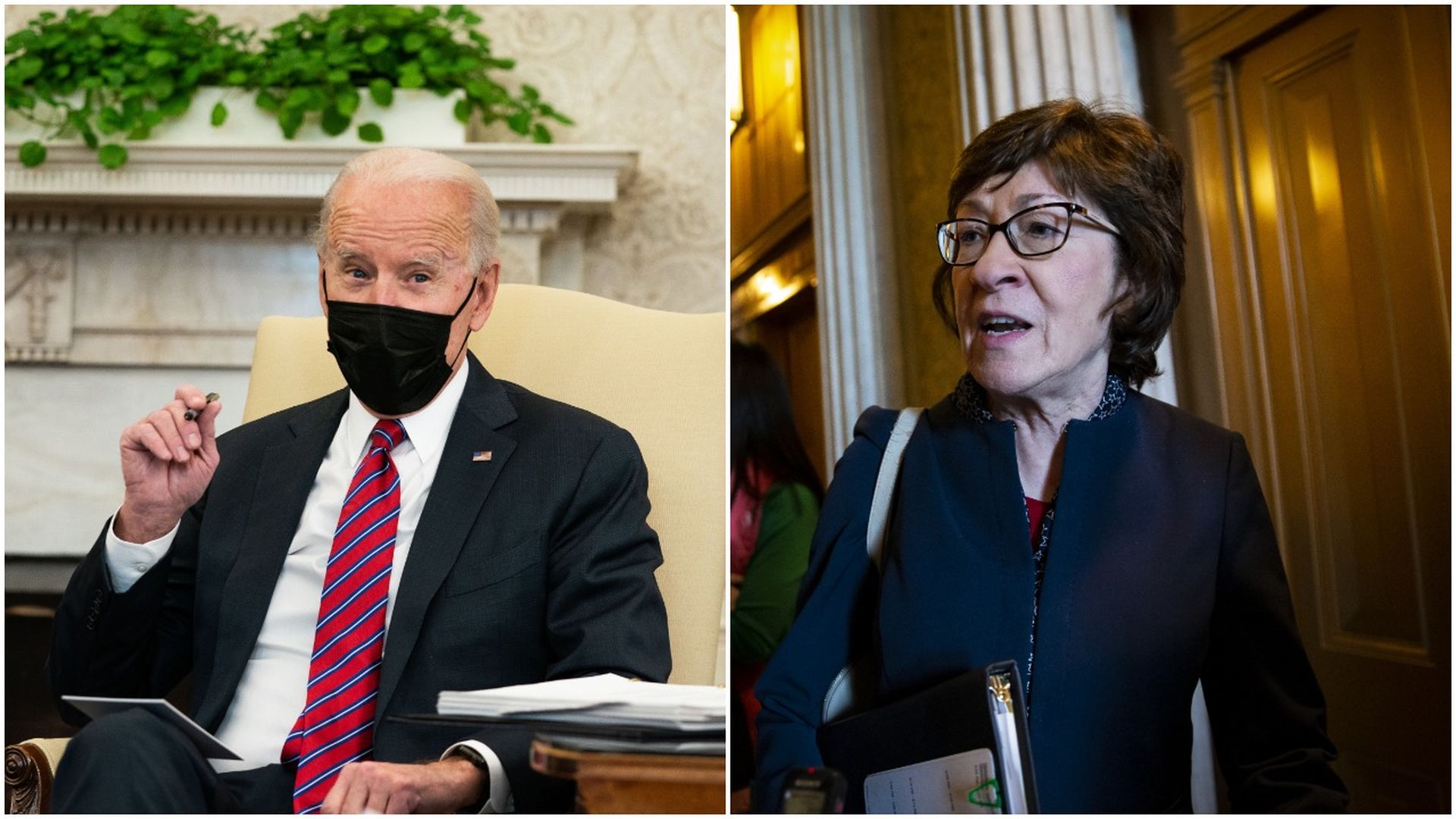
President Biden will on Monday meet at the White House with a group of 10 Republican senators who are seeking a bipartisan deal on coronavirus relief.
Driving the news: White House press secretary Jen Psaki said that after receiving a letter earlier Sunday from the Republicans, led by Sen. Susan Collins, Biden spoke with the Maine senator and invited them to the White House "for a full exchange of views."