The U.S. topped 300,000 coronavirus deaths on Monday, per Johns Hopkins data.
The big picture: The U.S. is averaging 2,427 deaths a day — 300 more fatalities per day than during the pandemic's initial peak in the spring, per the COVID Tracking Project. It took less than three months for the U.S. to record another 100,000 deaths.
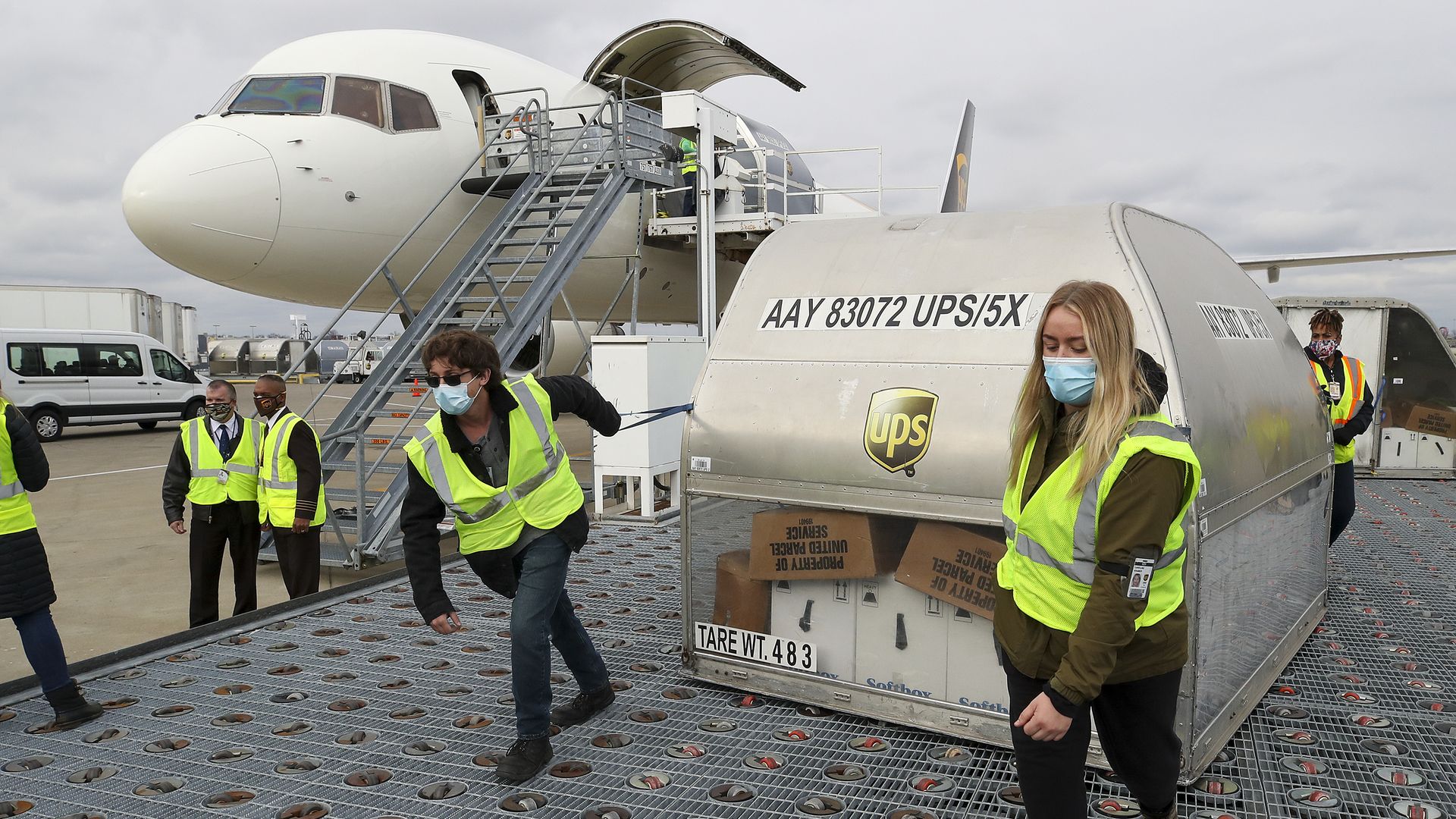
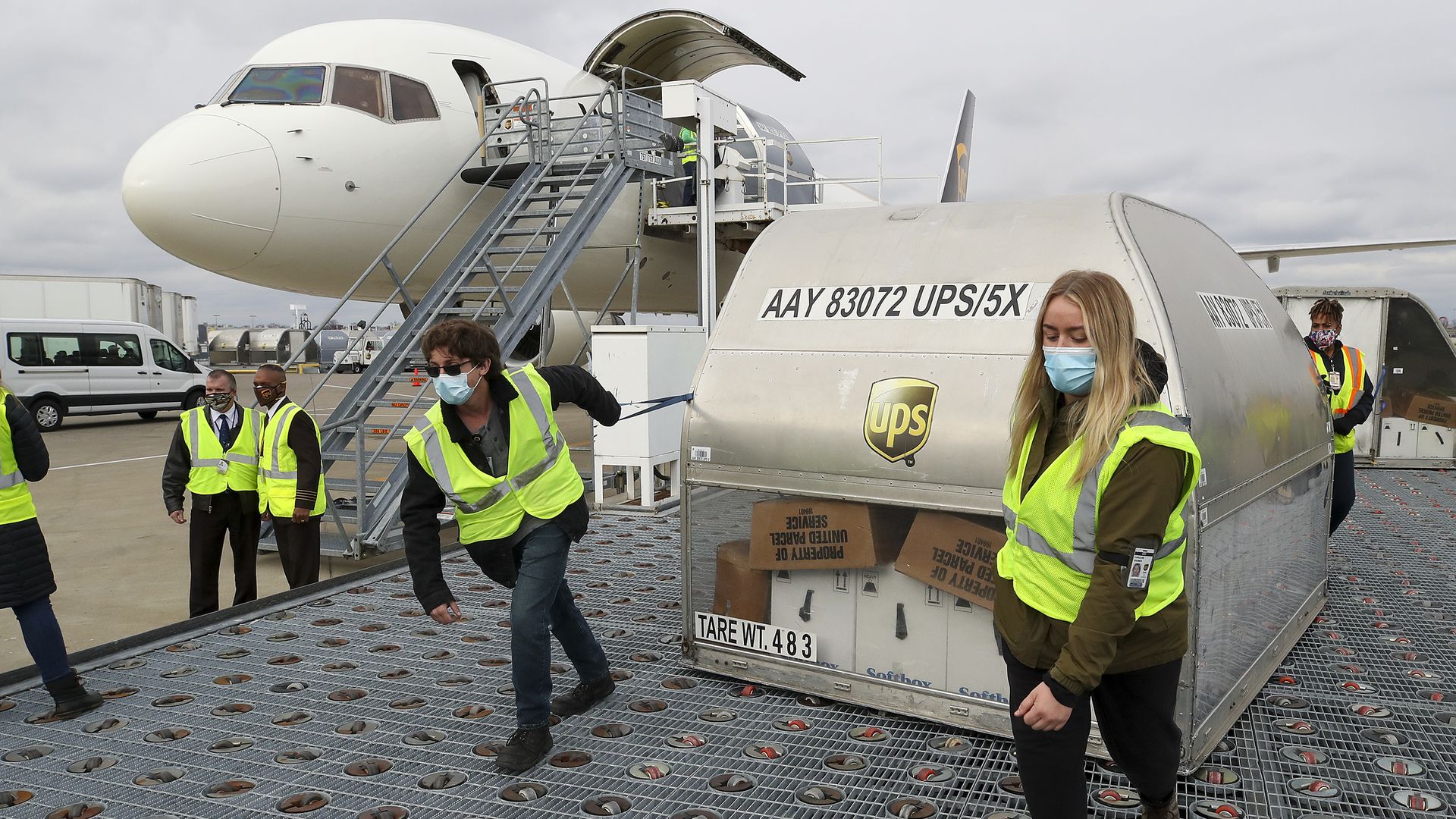
The first doses of Pfizer's long-awaited coronavirus vaccine were distributed in the U.S. on Monday.
The state of play: Vaccines will first go to frontline health care workers followed by older and vulnerable populations. The distribution of Pfizer vaccine marks the beginning of a possible end of the coronavirus pandemic, and may soon be followed by a rollout of vaccines from Moderna and AstraZeneca.
COVID-19 vaccinations have begun in the U.S., with a New York City nurse on Monday becoming the first recipient outside of clinical trial patients. But plenty of Americans remain skeptical, in part due to perceptions of undue political pressures.
Axios Re:Cap digs into the process, politics and science of COVID-19 vaccinations with Margaret Hamburg, who led the FDA between 2009 and 2015.
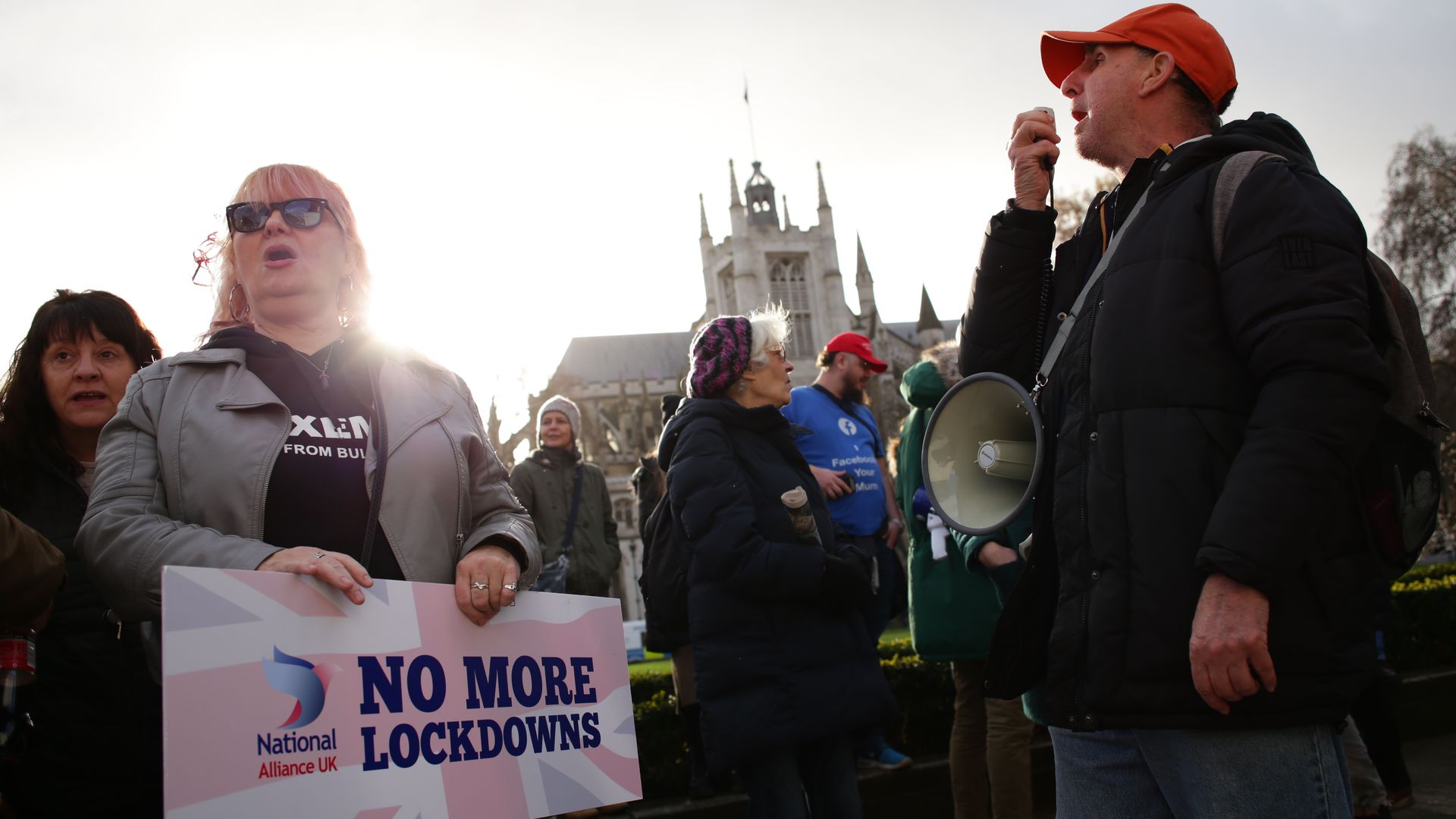
Bars and restaurants in London and surrounding areas will be forced to close beginning Wednesday as the region is placed under England's highest alert for coronavirus restrictions, Health Secretary Matt Hancock said on Monday.
The big picture: Although Europe has beaten back a steep rise in coronavirus cases, several countries are issuing strict lockdowns over the holidays. London is seeing "very sharp, exponential rises" in coronavirus cases, and will be forced to enter the strictest of England's three-tier lockdown system, Hancock said.
U.S. cities have seen a 21% drop in revenue since the pandemic began, while extra expenses — for PPE, remote work technology and overtime pay — have risen 17%, a survey of 900 municipalities by the National League of Cities found.
Why it matters: The stats give fresh ammunition to municipal leaders who are pressing members of Congress for more federal aid. They also translate to terrifying budget choices for city officials everywhere.
Sandra Lindsay, a critical care nurse at Long Island Jewish Medical Center in Queens, received the first dose of the Pfizer-BioNTech COVID-19 vaccine in New York on Monday.
Why it matters: It's a huge milestone in the fight against the coronavirus as the country begins the largest vaccination campaign in U.S. history. New York was the original epicenter of the outbreak in the U.S.
Oura's smart ring could help detect COVID-19 infections before noticeable symptoms show up — and earlier than other methods — thanks to its ability to continuously monitor body temperature, according to a University of California, San Francisco study.
Why it matters: Earlier detection, especially of those without symptoms, could spur people who may be infected to get tested and self-isolate, crucial steps in slowing the coronavirus' spread as the pandemic worsens in the U.S.
Key congressional committees on Friday announced that they've reached an agreement on how to prevent patients from receiving surprise medical bills.
Between the lines: This doesn't guarantee that the measure will become law, but it's a crucial step forward on an issue that resonates deeply with many Americans.
It's generally agreed that essential workers should be toward the front of the coronavirus vaccine line due to their high risk of infection, but states will soon have to decide how to order different occupations.
Why it matters: Millions of Americans are considered essential workers, but not all of them can be at the front of the vaccine line when there will be such a limited initial supply.
There's a larger scientific conversation around how to handle the clinical trial results of the COVID-19 vaccines.
What they're saying: Some scientists have warned emphatically that giving only one dose to people is a bad idea, even if it'd double the number of people who could be vaccinated in the short term.
The first vaccination sites are expected to receive coronavirus vaccines today, the next step of an extraordinary endeavor that's brought us to the beginning of the end of the pandemic.
Yes, but: The virus continues to devastate communities across the country at record levels, causing some experts to question the ethics of how the government is distributing the first vaccines.
Coronavirus vaccinations for U.S. officials across the country's three branches of government have been given top priority, National Security Council spokespersonJohn Ullyot said in a statement on Sunday.
Why it matters: There are a limited number of COVID vaccines currently in production, and the CDC recommends that the highest-risk groups — health care workers and long-term care facility residents — should be first in line to get vaccinated.
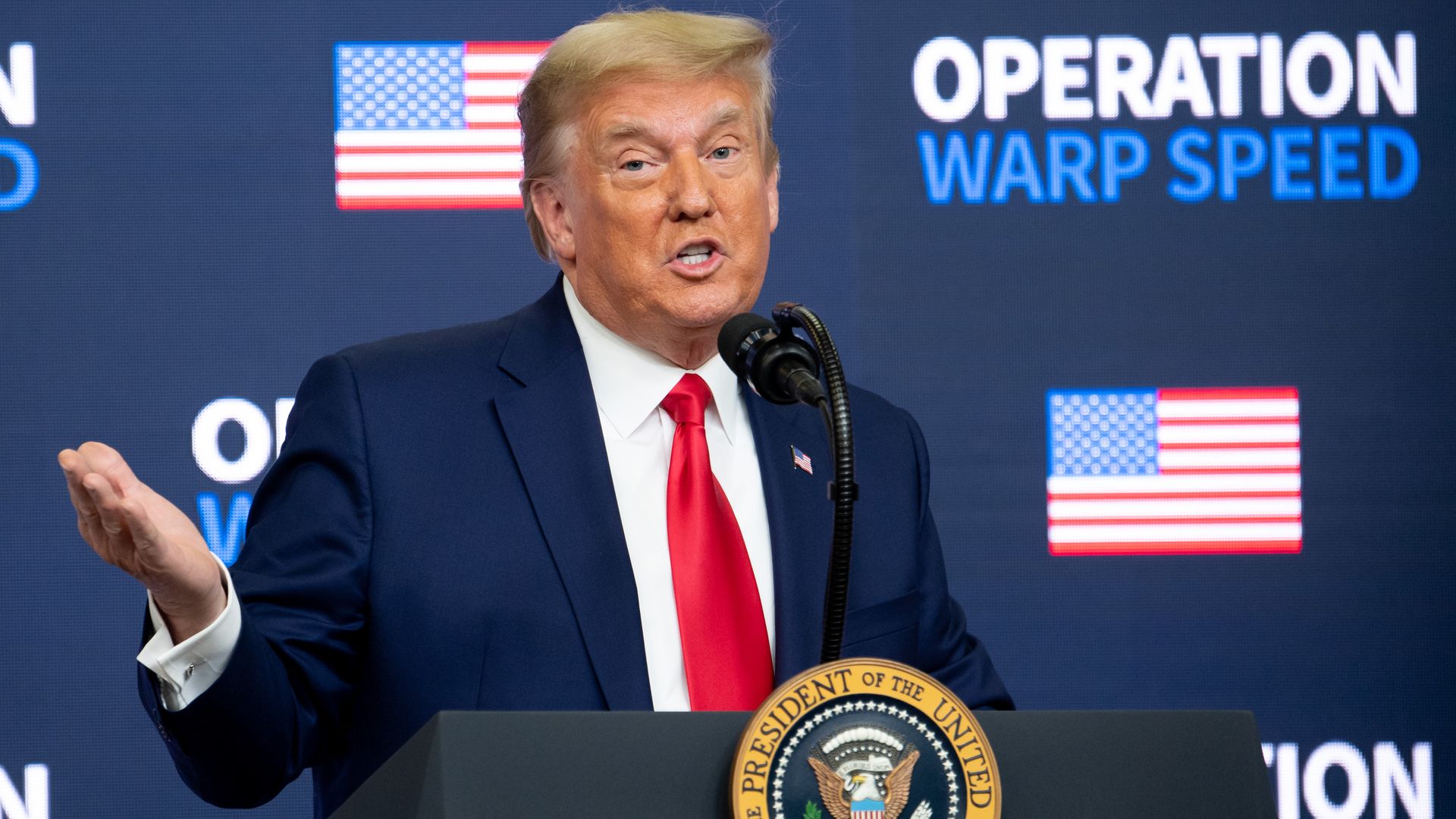
President Trump tweeted Sunday night that he's stopped an administration directive to give White House staff the COVID-19 vaccine as a priority, but he will get inoculated against the virus "at the appropriate time."
Why it matters: NIAID director Anthony Fauci says 75%–80% of Americans need to get vaccinated against the coronavirus to achieve herd immunity. Vaccine adoption is a matter of trust, and trust in most institutions has hit generational lows.