A new report — first seen by Axios — lays out what could go wrong in the worlds of geopolitics, business and technology in the coming year, as well as what could go right.
The big picture: Viewed side by side, many of the risks and opportunities of 2021 present a mirror image, where different decisions in the same part of the world can lead to positive outcomes — or another year of catastrophe.
Vastly expanded approval and distribution of rapid, at-home tests represents a powerful tool in the fight against COVID-19 — and just possibly, the future of disease diagnostics.
Why it matters: Vaccines will take time to arrest the spread of the coronavirus — even without problems around distribution and acceptance. Some experts believe mass rapid testing could quickly identify who is really at risk of spreading COVID-19 and turn around the out-of-control pandemic in the U.S.
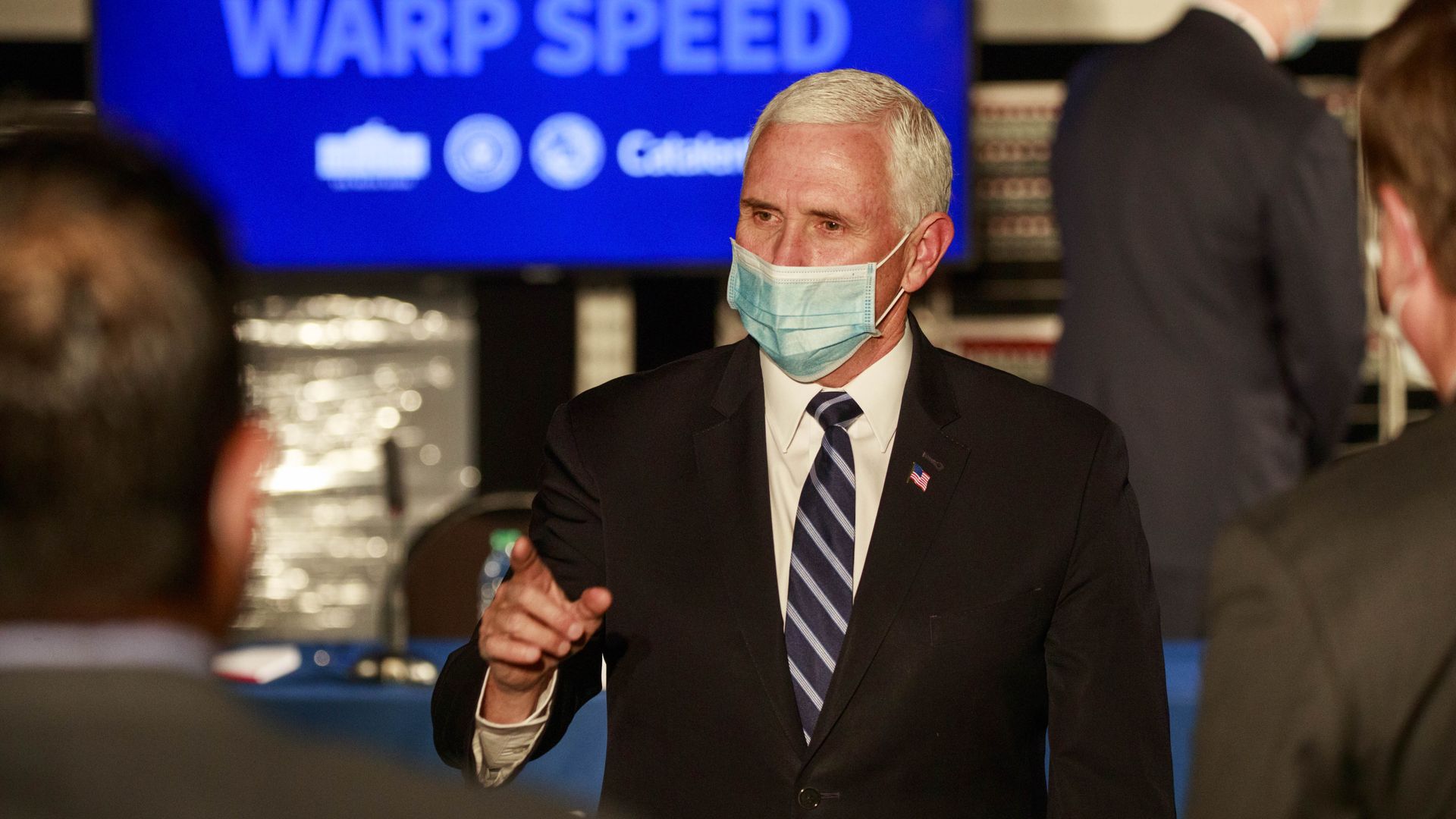
Vice President Mike Pence plans to receive his coronavirus vaccine shot on camera Friday morning at the White House to build "vaccine confidence" among the American people, according to an administration official with direct knowledge of the plans.
Driving the news: Details are still being worked out, but Pence wants the TV networks to carry the moment live in the morning, the source said, to maximize the audience for the vaccination.
The Food and Drug Administration on Tuesday authorized the first over-the-counter, at-home rapid coronavirus test, which allows users to get their results from an app.
The big picture: A slew of at-home tests are in development, which could make diagnostics easier and faster as the pandemic rages on.
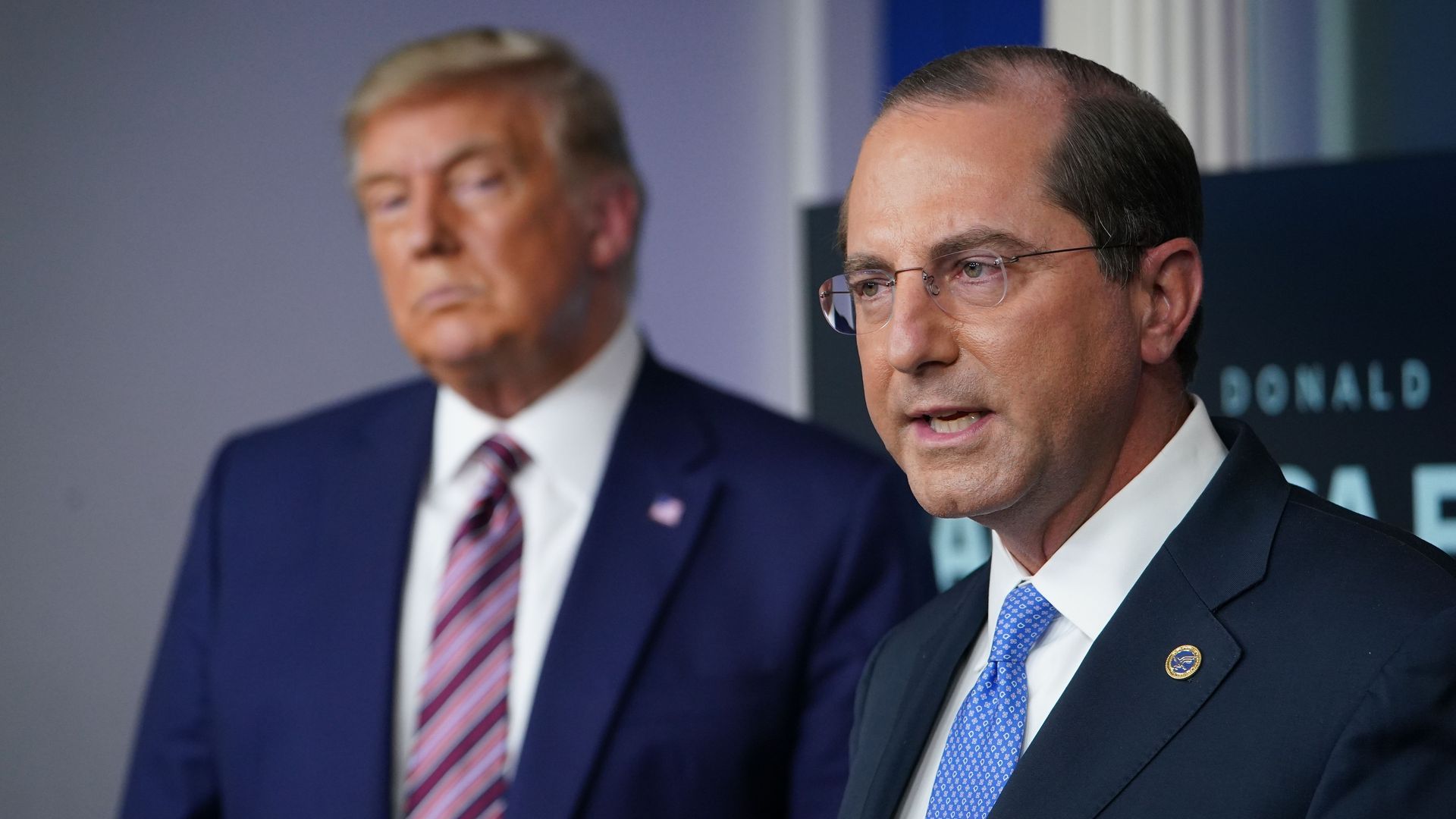
A former senior Health and Human Services adviser advocated this summer to let young and middle-aged Americans become infected with COVID-19 in order to develop "herd immunity," according to emails released Wednesday by the House committee overseeing the federal government's coronavirus response.
Why it matters: Without a vaccine, achieving herd immunity — in which widespread outbreaks are prevented because enough people in a community are immune to a disease — would result in widespread fatalities and likely overwhelm health systems.
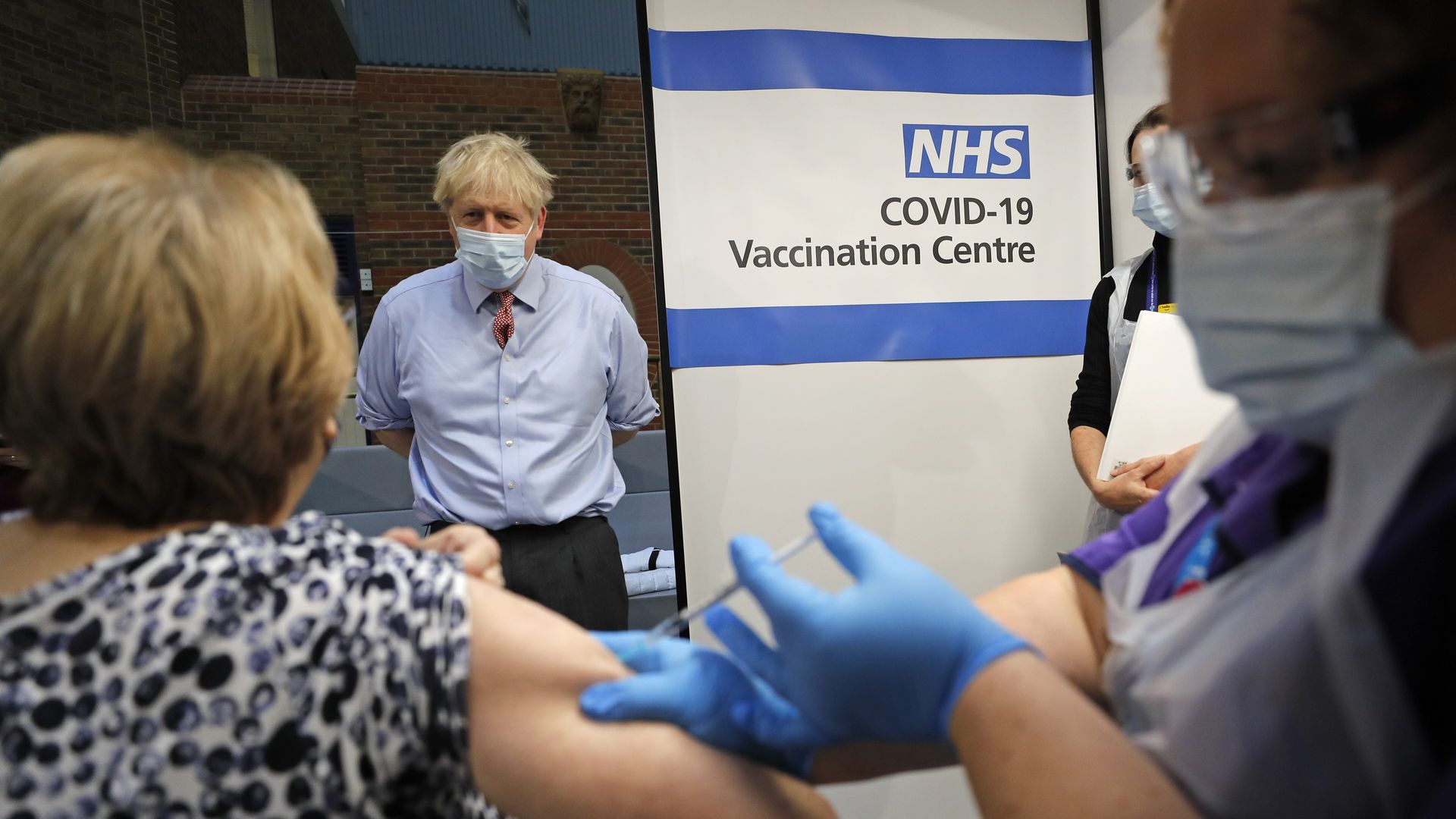
The U.K. has vaccinated more than 100,000 people with Pfizer-BioNTech's coronavirus vaccine in the first week of its program, according to Nadhim Zahawi, a government minister in charge of vaccine deployment.
The big picture: The U.K. earlier this month became the first Western nation to give emergency approval to a COVID-19 vaccine. A 90-year-old woman from Coventry became the world's first person to get a fully tested, clinically authorized COVID-19 vaccine.
Technology companies including IBM, Oracle, and Salesforce are working with governments and health agencies to manage the massive task of rapidly distributing the COVID-19 vaccines.
Why it matters: It's critical to make sure the limited supply of vaccines is distributed equitably and without wasting precious doses.
Rural America's weak health care infrastructure, combined with vaccine hesitancy and the complexities of the distribution process, will make it much harder to vaccinate rural America against the coronavirus.
Why it matters: Rural areas are getting slammed by the virus, with some of the highest caseloads and most overworked hospitals anywhere in the country.
A western Kansas mayor submitted a letter of resignation Tuesday after receiving threats to her wellbeing for her public support of a face mask mandate.
Why it matters: Public officials have received increasing backlash and threats for actions taken to curb the spread of COVID-19.
This year's Times Square New Year's Eve celebrations in New York City will take place without a public audience in attendance as a precaution against the COVID-19 pandemic, organizers announced Tuesday.
Why it matters: It's the first time the event hasn't permitted people to gather in the square. The Times Square Alliance and Countdown Entertainment said in a statement that the celebrations would still be broadcast on TV and online.
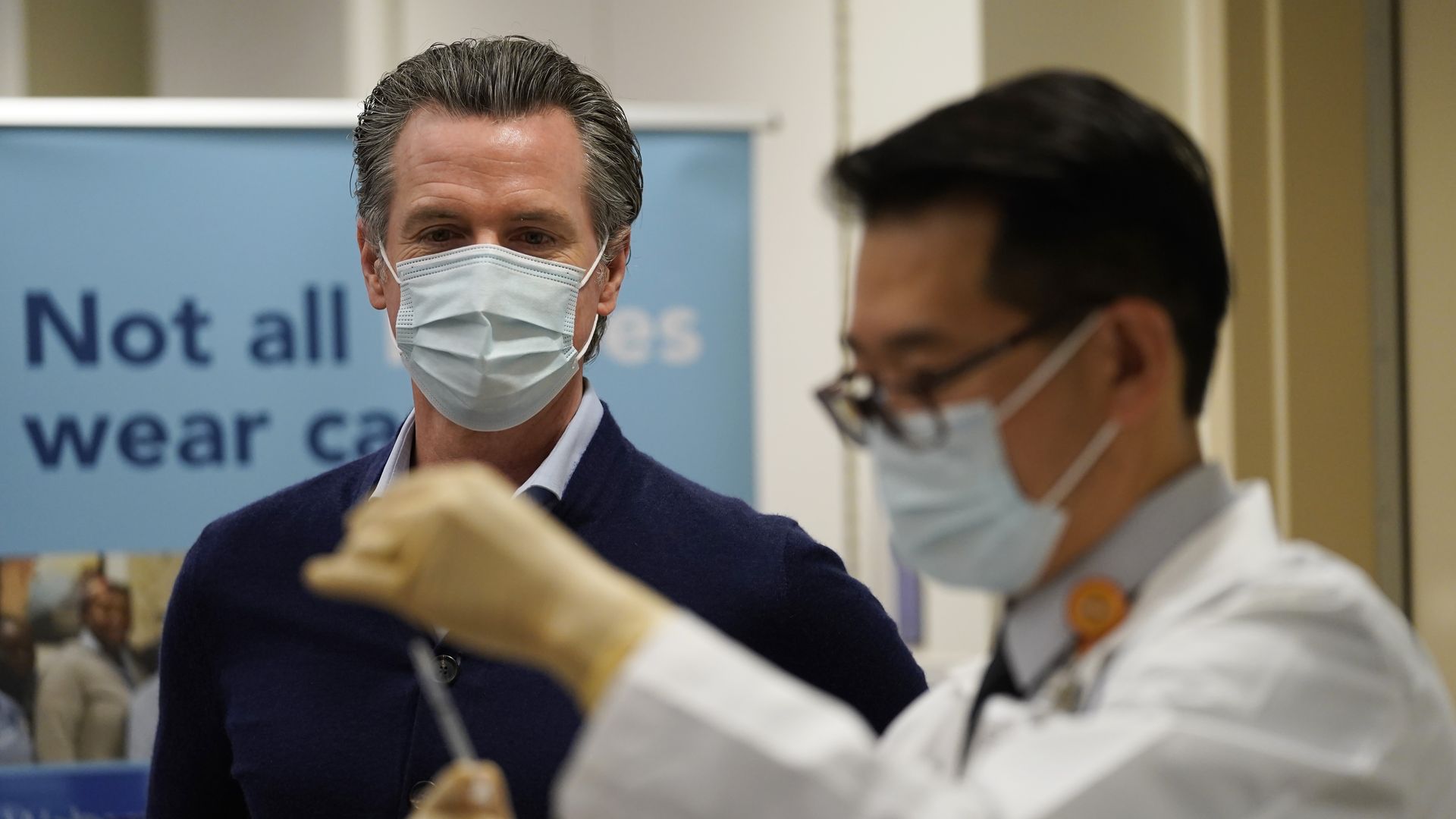
California has ordered 5,000 body bags as the state undergoes its "most intense" COVID-19 surge to date, Gov. Gavin Newsom said Tuesday.
Why it matters: California saw 32,326 new COVID-19 cases on Tuesday and has reached a 14-day average positivity rate of 10.7%, its highest since the pandemic began.