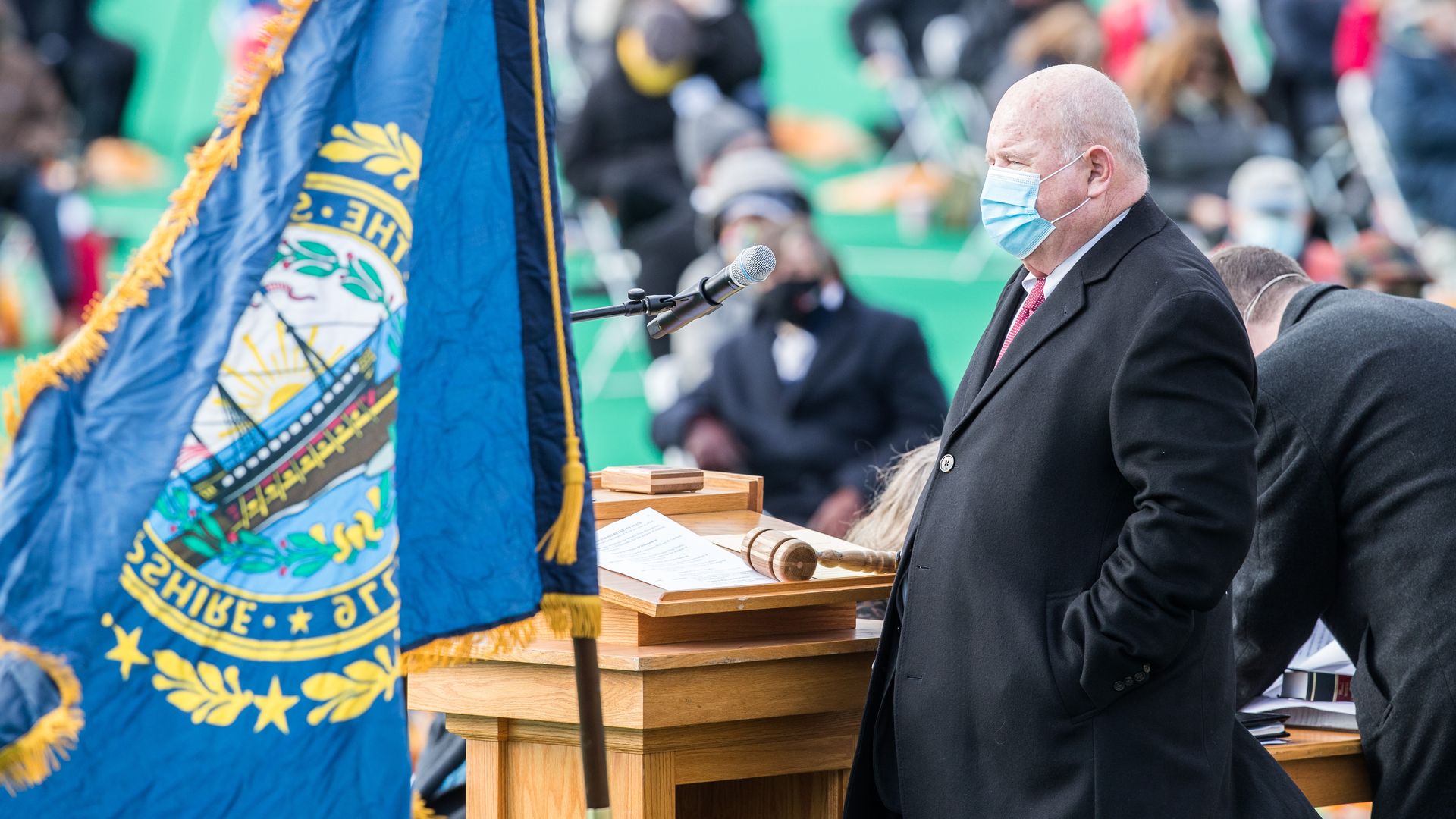
New Hampshire House Speaker Richard "Dick" Hinch died of COVID-19, the state's attorney general's office said Thursday, citing the autopsy report. He was 71.
The big picture: Hinch is among the record 3,124 people in the U.S. who died from the coronavirus on Wednesday.
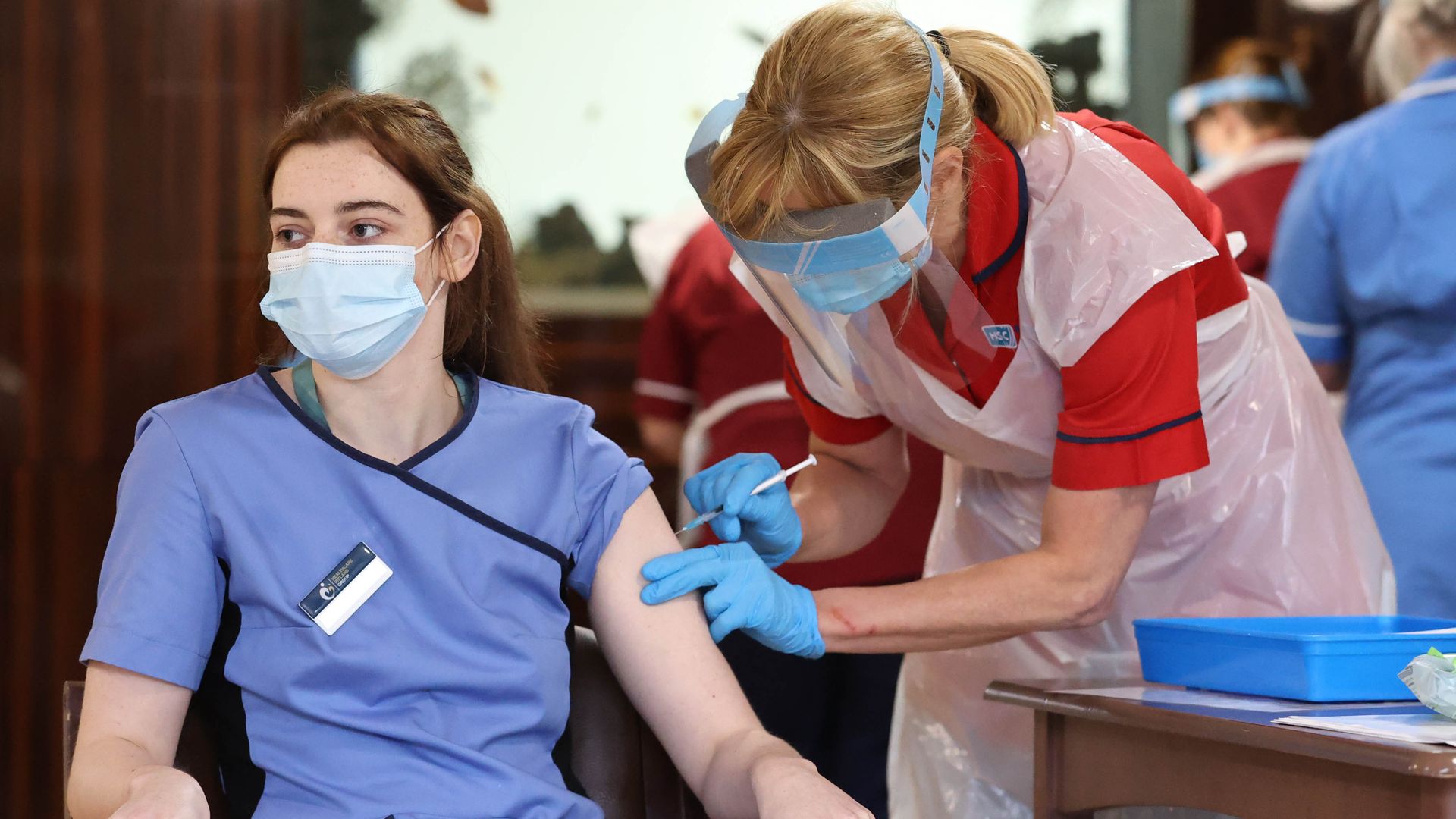
A Food and Drug Administration advisory panel recommended the approval of Pfizer and BioNTech’s coronavirus vaccine for emergency use on Thursday in a 17-4 vote that included one abstention.
Why it matters: The FDA is expected to make a final decision on the vaccine within days. If the emergency use authorization is approved, millions of doses will be shipped to vaccinate health care workers and nursing home residents, though the general public is not expected to have access to the vaccine until spring, according to AP.
Once 75%–80% of people get vaccinated against the coronavirus, there should be strong enough herd immunity that we can return to normal activities, NIAID director Anthony Fauci tells Axios.
Driving the news: The FDA is meeting with outside experts today as the agency considers granting an emergency use authorization to Pfizer-BioNTech for their COVID-19 vaccine. A similar meeting is slated for next week to discuss a vaccine developed by Moderna.
All lives are equally valuable. That's the strong consensus emerging from the many different countries and organizations that have struggled with the question of who should get first access to the COVID-19 vaccine.
Why it matters: The current scarcity of the vaccine looks like an economics problem — too much demand, and not enough supply. But no one is seriously proposing a market-based solution, where the vaccine goes first to those willing and able to pay to jump to the front of the line.
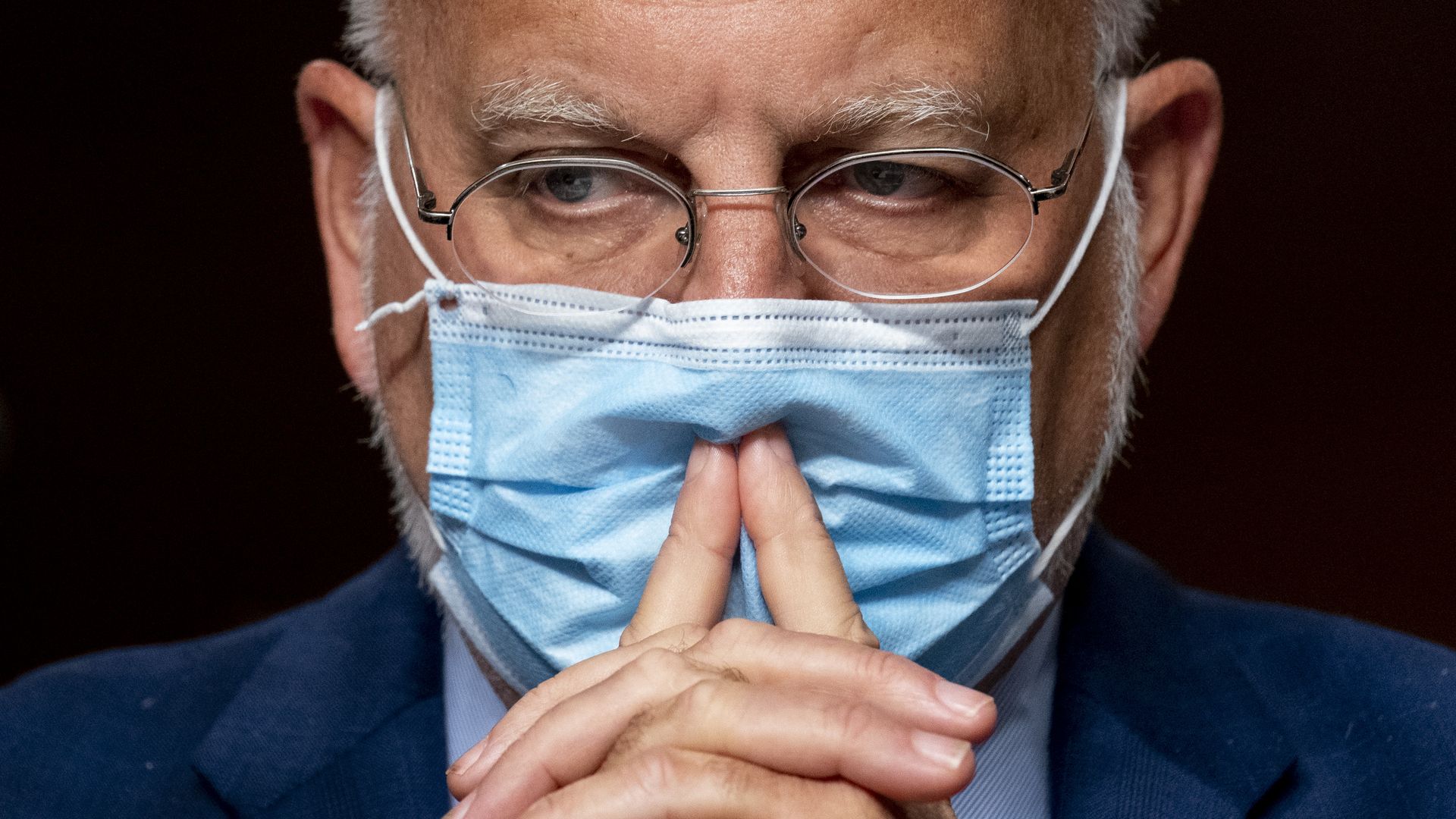
House Majority Whip Jim Clyburn (D-S.C.), the chair of the oversight subcommittee tasked with looking at the coronavirus crisis, accused the head of the Centers for Disease Control and Prevention on Thursday of concealing evidence that a Trump appointee attempted to influence the agency's scientific case studies.
The big picture: A senior CDC official who heads the agency's "Morbidity and Mortality Weekly Report," told Congress this week that director Robert Redfield told staff to delete an email that showed the Trump administration wanted to change language in their coronavirus findings, according to a letter from Clyburn.
Israeli Prime Minister Benjamin Netanyahu announced on Wednesday that Israel will begin vaccinating the public against the coronavirus on Dec. 27, with plans to inoculate 60,000 people daily.
The state of play: Netanyahu said in a press conference alongside Israeli health officials that the country has received its first shipment of Pfizer vaccine doses, with more expected to arrive on Thursday.
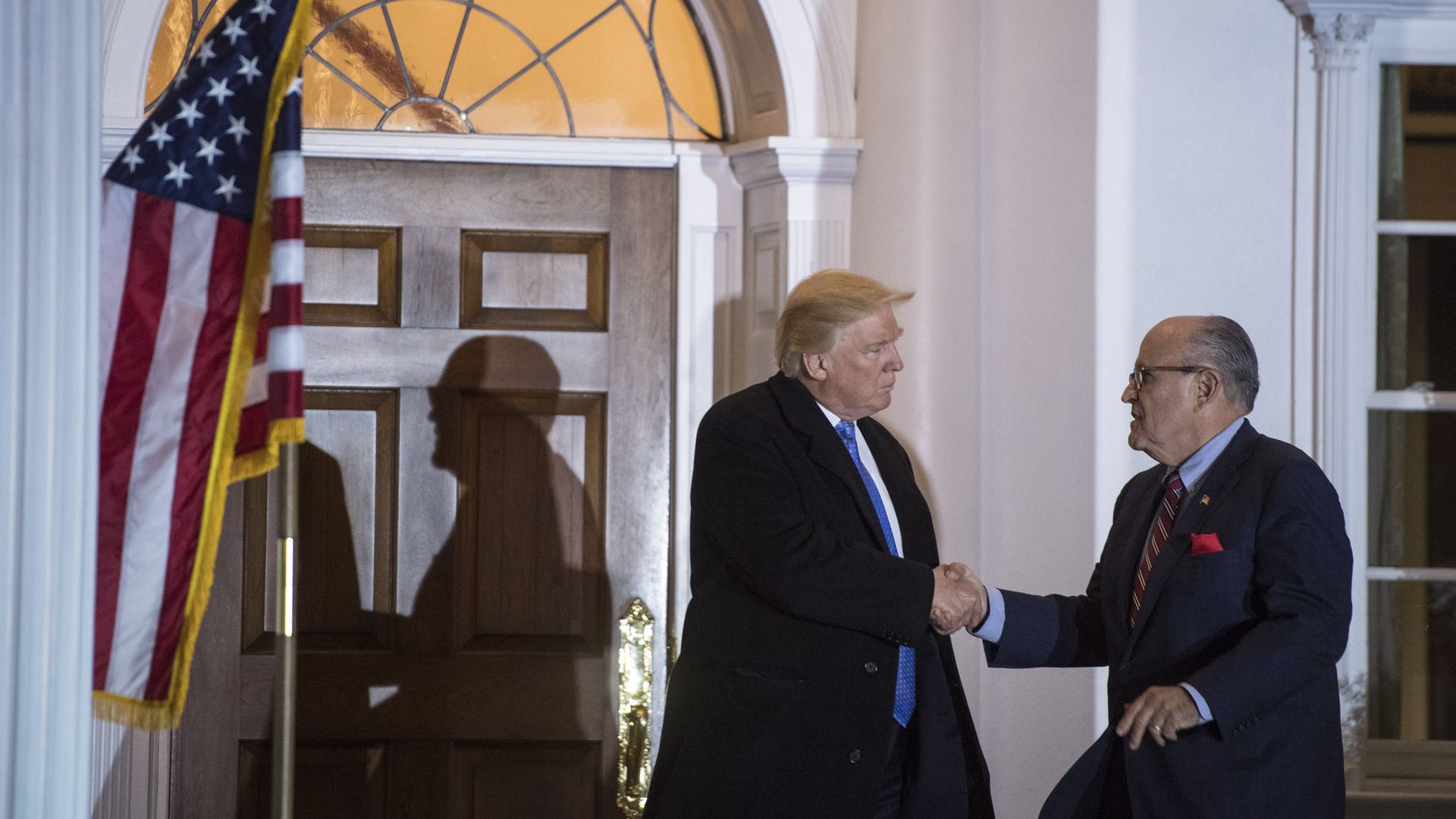
President Trump and his friends have received coronavirus antibody treatments that are so scarce that some states and hospitals are giving them out via a lottery system, the New York Times reports.
Why it matters: Putting aside questions of medical ethics, these high-profile examples of successful coronavirus recoveries could give the impression that the virus is much less dangerous than it is — particularly because most patients won't have access to the same game-changing treatment that these politicians did.
The Midwest and Great Plains regions, parts of which have already struggled with overwhelmed hospitals, continue to lead the U.S. with the densest concentration of coronavirus cases.
The big picture: With winter approaching — and widespread vaccination still several months away — the virus is spreading with dangerous ease.
Almost 75% of the world's deaths last year were from non-communicable diseases like heart disease, diabetes and cancer, according to the World Health Organization.
Why it matters: Worldwide life expectancy is now up to an average of 73 years — six years longer than it was in 2000. But chronic, and in some cases preventable, disease is also taking a bigger toll than it was 20 years ago.
Socioeconomic disparities in health care are significantly worse in the U.S. than in other wealthy countries, according to a new study by the Commonwealth Fund, published in Health Affairs.
Why it matters: Wealthy Americans have long had better access to care — and therefore better outcomes — than poor Americans. And the coronavirus' disproportionate impact on low-income Americans and people of color has made those disparities glaringly obvious.