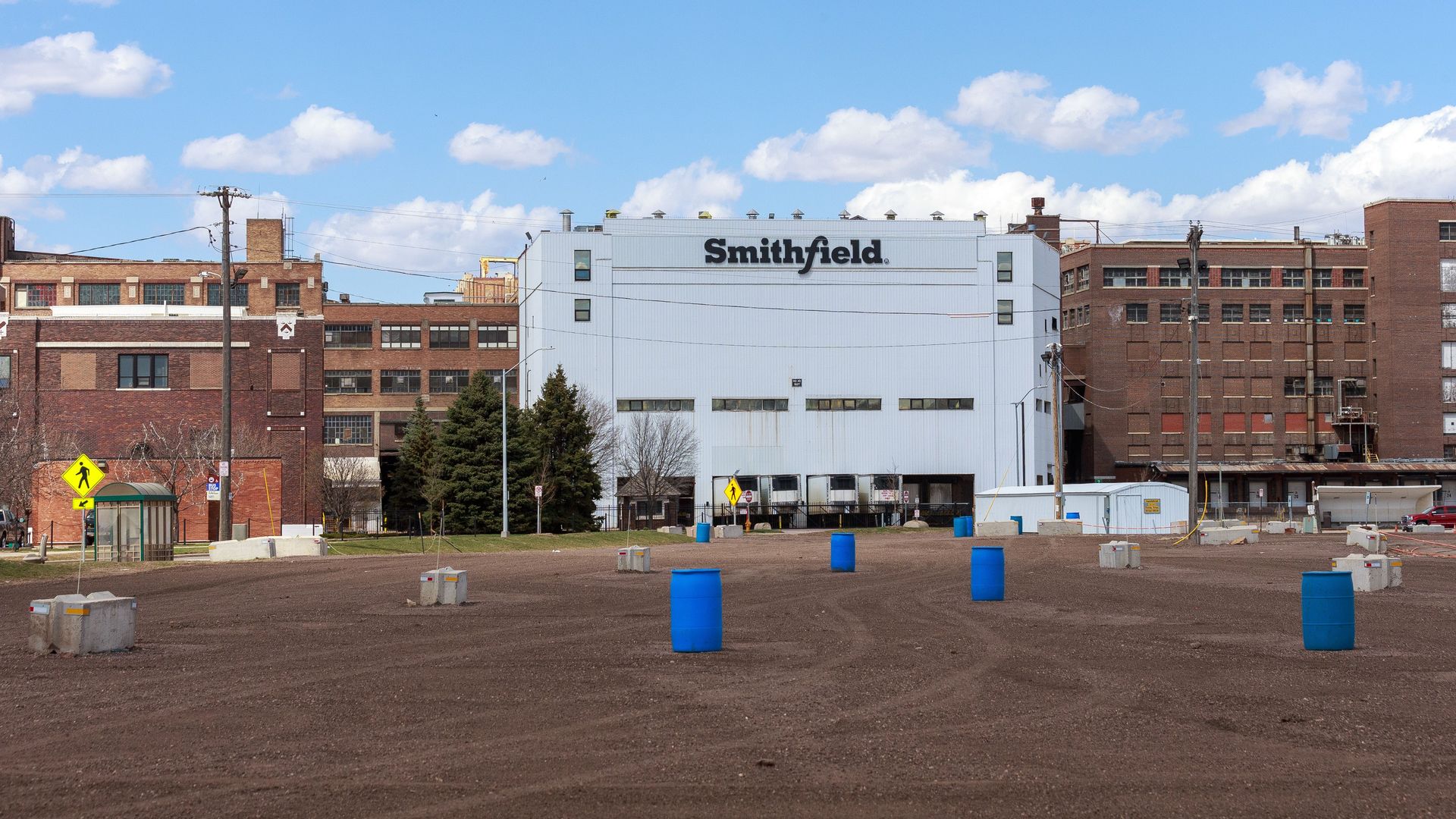
The Department of Labor this week issued its first coronavirus-related citation at a meat packing plant, fining the Smithfield Packaged Meats Corp. nearly $13,500 for "for failing to protect employees from exposure" to the virus.
Why it matters: The meatpacking plant, located in Sioux Falls, South Dakota, became an early coronavirus hotspot in April after hundreds of positive cases were traced to the facility. At the time, the company's sick employees made up about 44% of South Dakota's COVID-19 cases, per the NY Times.
Despite concerns over antimicrobial resistance flourishing during the pandemic as doctors use all their tools to help patients fight COVID-19, early indications are that their efforts may not be causing a large increase, a CDC official tells Axios.
Why it matters: AMR is a growing problem, as the misuse or overuse of antibiotics creates resistant pathogens that cause more than 2.8 million infections and 35,000 deaths annually in the U.S.
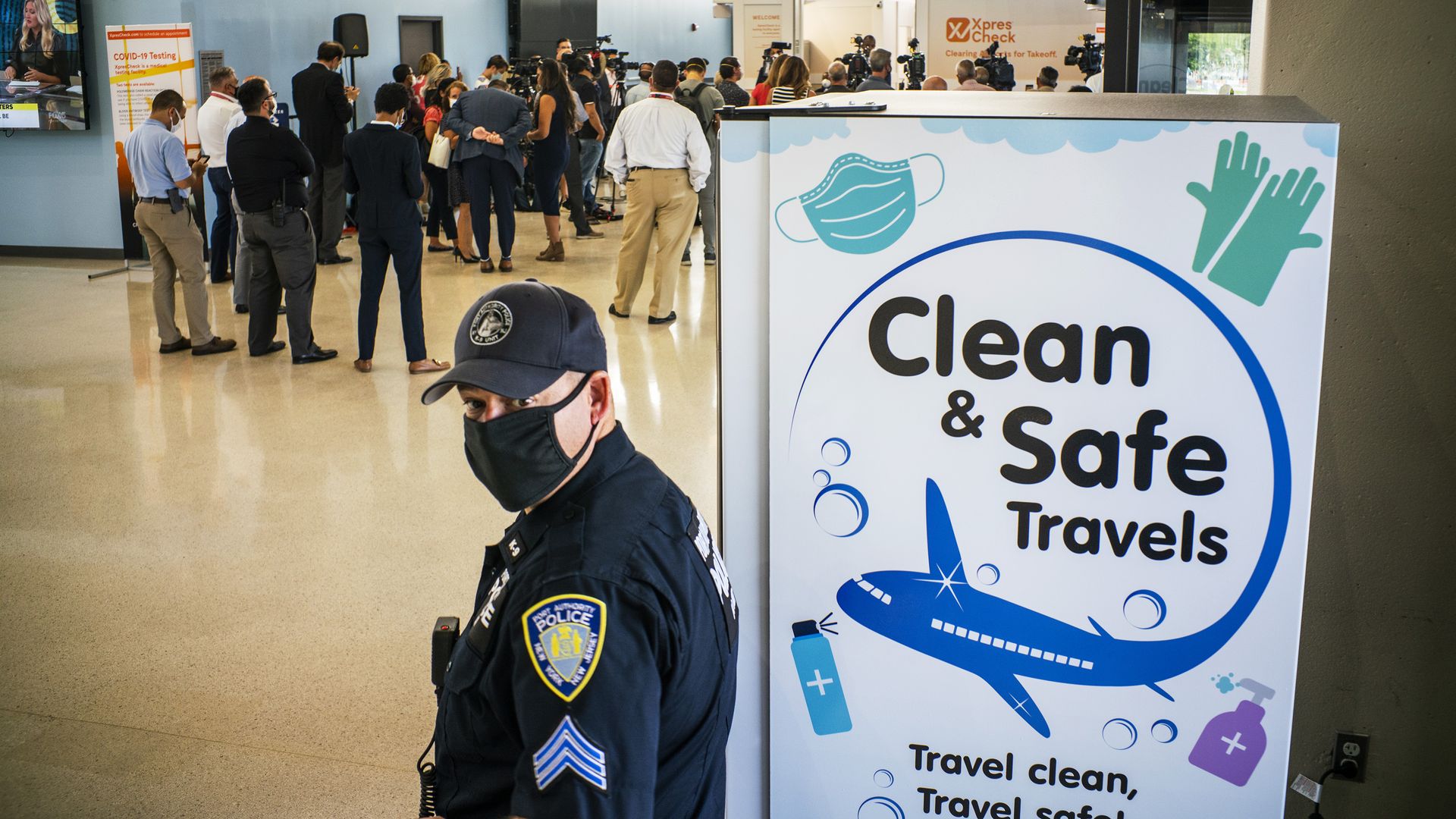
Beginning next week, the U.S. will no longer require travelers arriving from certain countries to be funneled through 15 major airports to undergo enhanced coronavirus screenings, the Centers for Disease Control and Prevention (CDC) said Thursday.
What they're saying: The CDC said in a statement that it is removing the requirements on Monday due to a better understanding that "symptom-based screening has limited effectiveness because people with COVID-19 may have no symptoms or fever at the time of screening, or only mild symptoms."
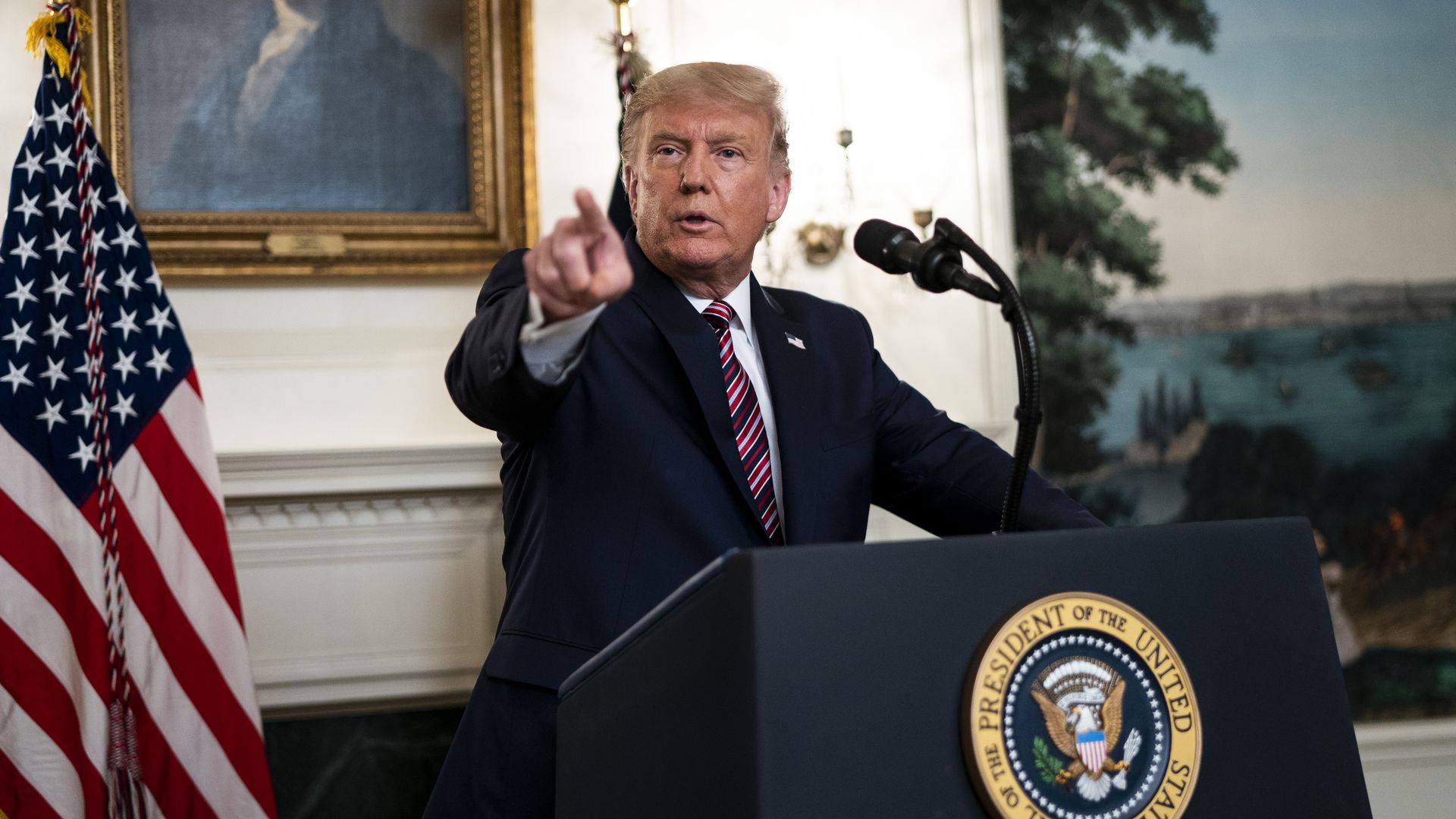
President Trump tweeted on Thursday that journalist Bob Woodward withheld recordings of Trump saying his strategy was to intentionally downplay the threat of the coronavirus in February and March because "he knew they were good and proper answers."
Driving the news: Woodward has come came under fire for saving the controversial quotes for the release of his book, excerpts of which were published on Wednesday. Critics argue that Woodward should have warned the public sooner, when Trump was claiming at press conferences that the virus would simply "disappear" and was similar to the flu.
The big picture: The coronavirus pandemic has put a spotlight on telemedicine companies like Ro as Americans look to balance social distancing measures and health care needs.
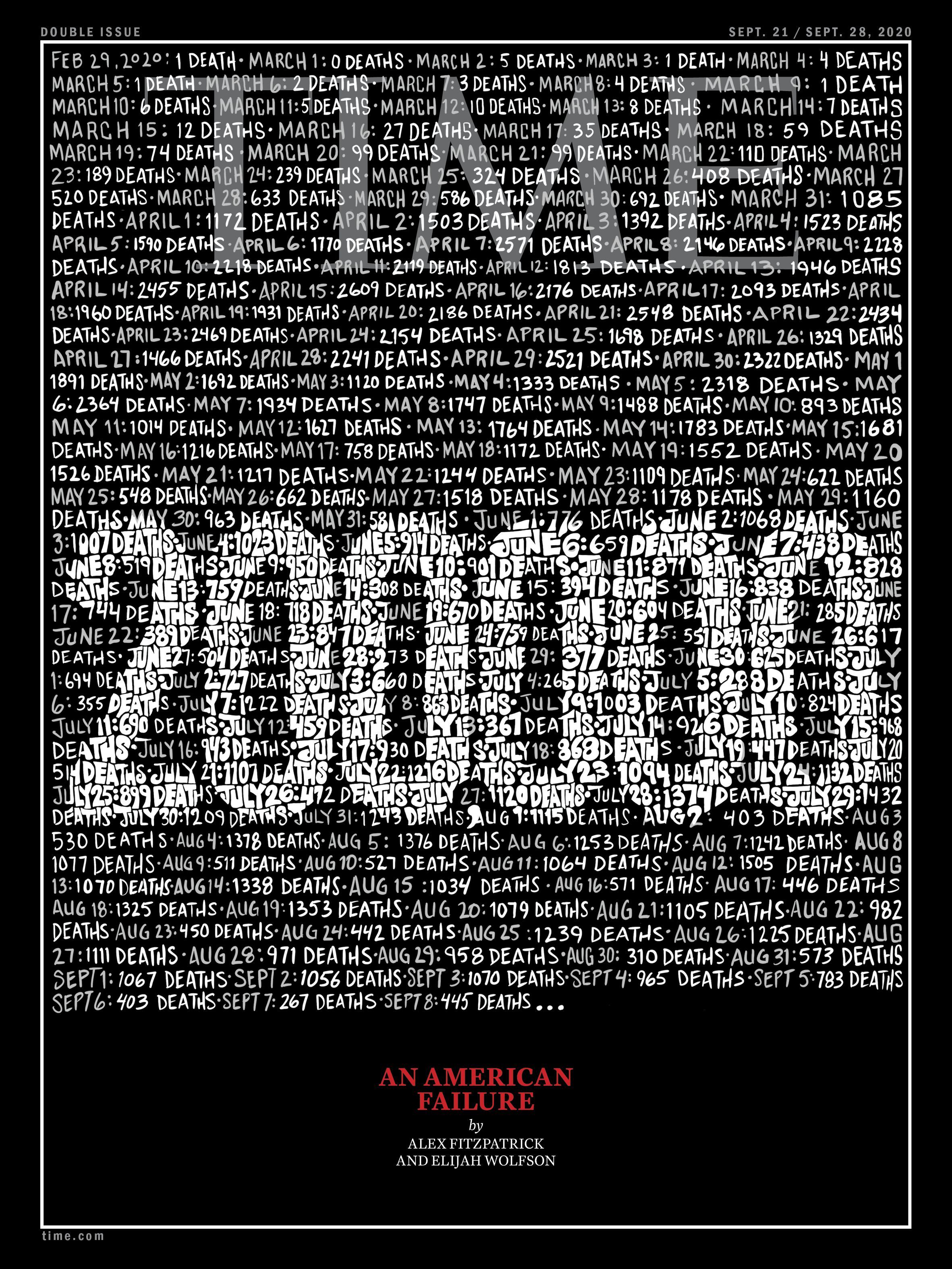
TIME editor-in-chief and CEO Edward Felsenthal: "For this week’s U.S. cover, we turned to artist John Mavroudis, who — using data from the Johns Hopkins Coronavirus Resource Center — hand-wrote the death counts in America on every one of the 193 days between Feb. 29, the first confirmation of a COVID-related death in the U.S., and Sept. 8, as it neared time to go to press."
"Out of that data, the illustration reveals the coming grim milestone of 200,000." (LatestU.S. death count: 190,872.)
"Creative director D.W. Pine then placed the illustration within a black border — only the second time in our history we have done so, the first being after 9/11."
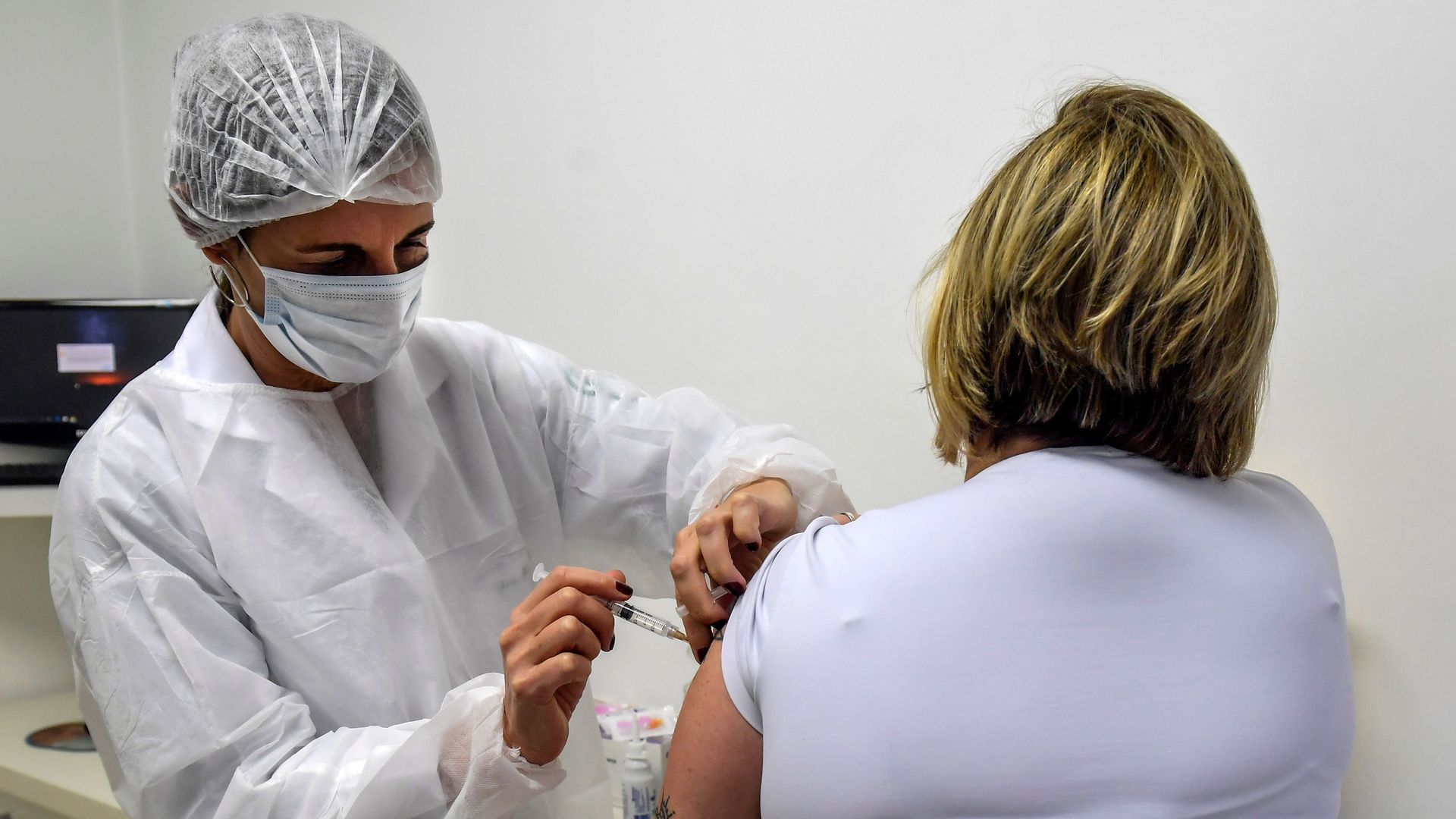
AstraZeneca CEO Pascal Soriot says the company is still aiming to complete development of its vaccine with the University of Oxford by the end of this year, despite pausing phase 3 trials due to a participant falling ill, Bloomberg reports.
The state of play: The person is suspected to be suffering from "neurological symptoms consistent with a rare but serious spinal inflammatory disorder called transverse myelitis," according to STAT News. It's not clear if the condition is related to the vaccine.
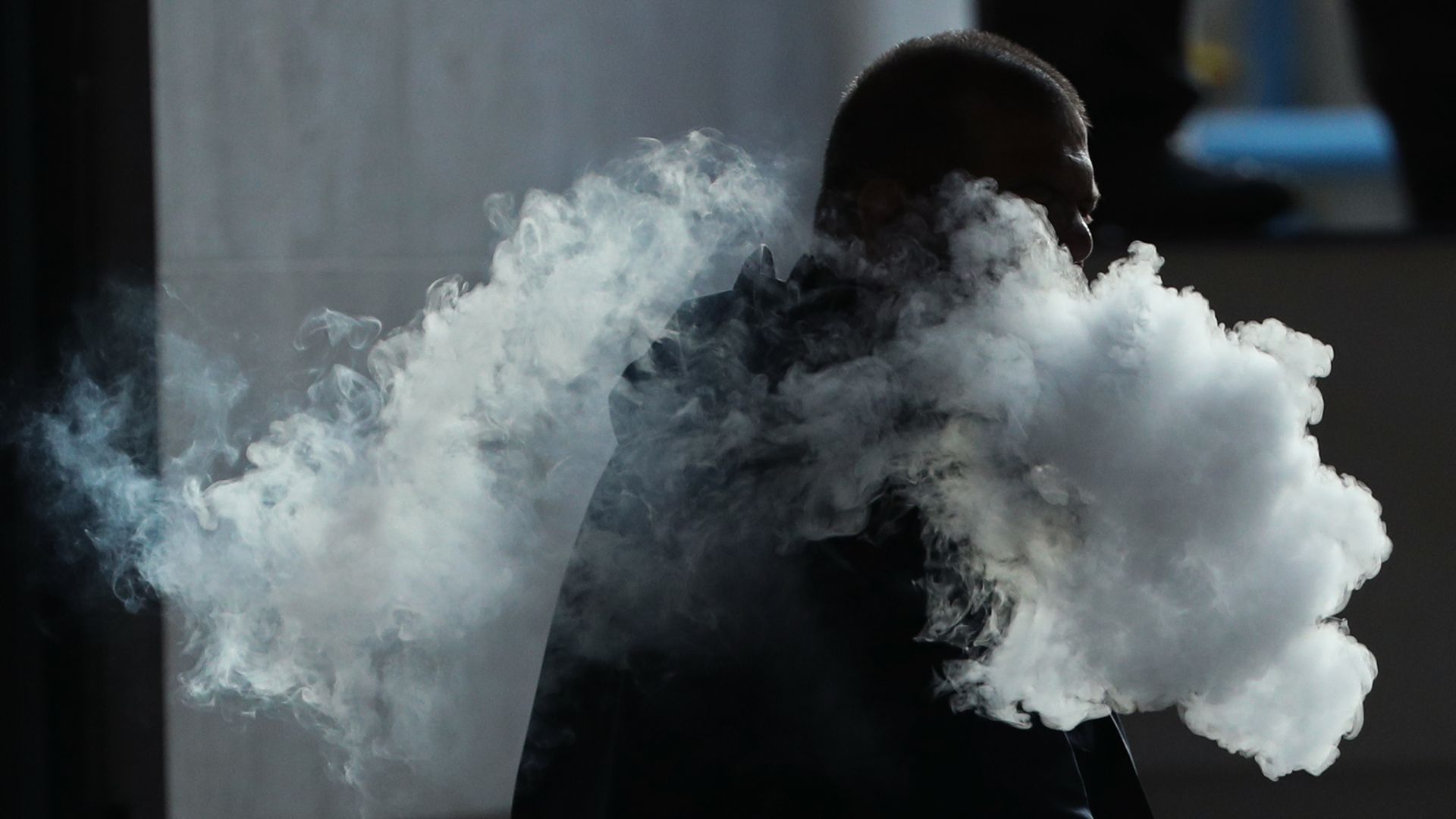
E-cigarette use among middle and high schoolers dropped significantly since last year, with 1.8 million fewer teens vaping, a federal report released Wednesday shows.
Why it matters: The survey, conducted between mid-January and mid-March, highlights the effects of last year's outbreak of vaping-related illnesses and deaths.
Young adults, especially those with pre-existing conditions, can still have very serious cases of the coronavirus, a new study published yesterday in JAMA Internal Medicine confirms.
Why it matters: As thousands of college students around the country catch the virus, some of them are bound to require hospitalization and, tragically, perhaps even die in the coming weeks.
Only 14% of Americans think a coronavirus vaccine will be widely available before the November election, and even if it is, most Americans say they won't take it, according to a new poll by the Kaiser Family Foundation.
Why it matters: It shows the huge level of skepticism surrounding the development of a vaccine at breakneck speed. When we eventually have a safe, effective vaccine, this skepticism could become a huge problem.
New coronavirus infections fell by almost 13% over the past week — a significant improvement.
Why it matters: Things are moving in the right direction again after a brief plateau, and getting the virus under control now will give the U.S. a much better shot at a safe autumn.