By the numbers: 70,630 new cases in minors were reported between Aug. 20 and Sept. 3 — a 16% increase over a two-week period. Children and teens represented 9.8% of all reported cases in the country as of Sept. 3.
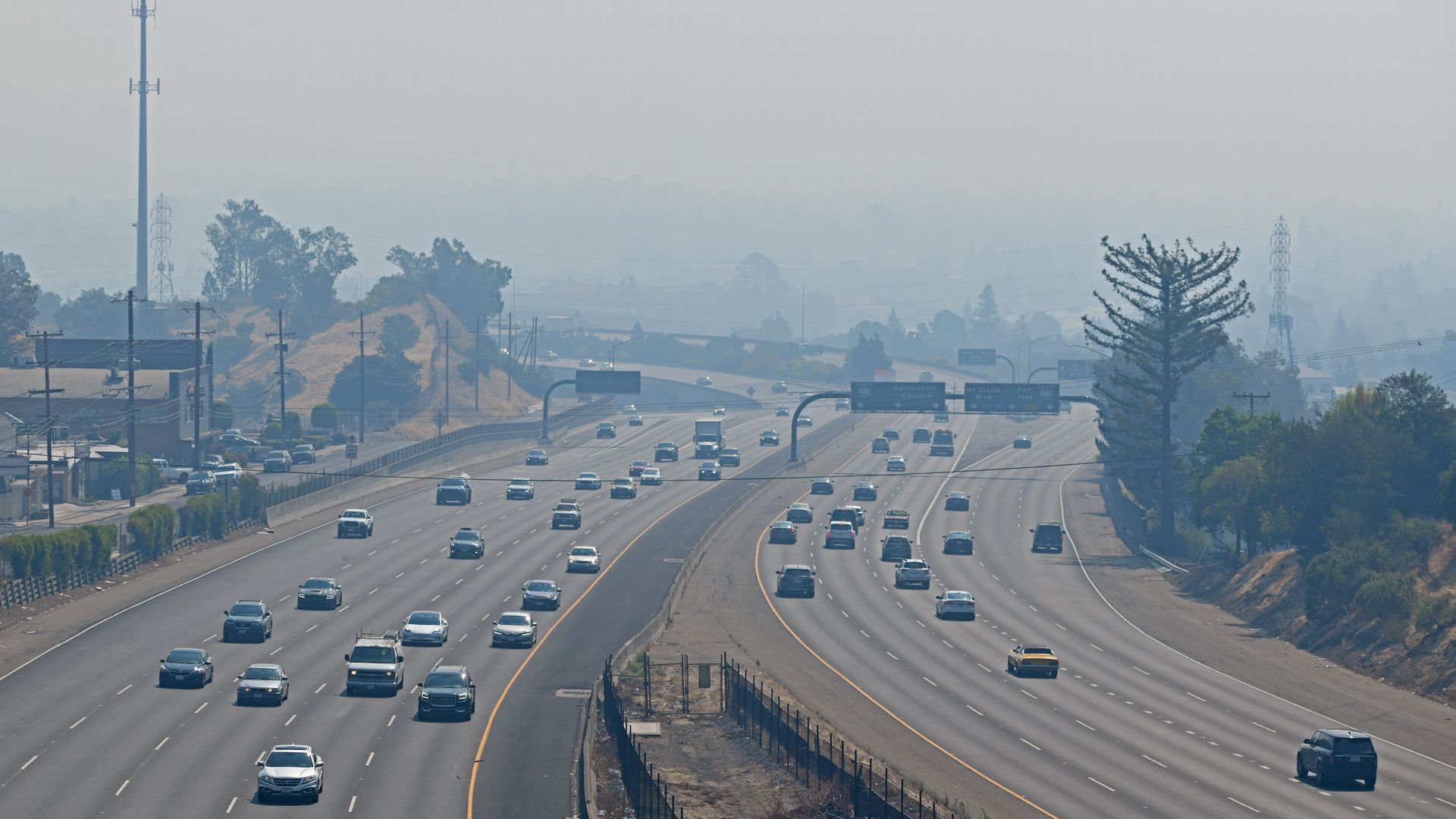
After months of cleaner air because of lockdowns, air pollution in many major cities has nearly returned to pre-pandemic levels — and in a few cases, exceeded it.
Why it matters: Smoggy skies are a major, if under-recognized, danger to human health and a substantial drag on the economy. If the lockdowns demonstrated what city life could be like with cleaner air, the fact that pollution has rebounded before the global economy has, underscores how difficult it is to stop.
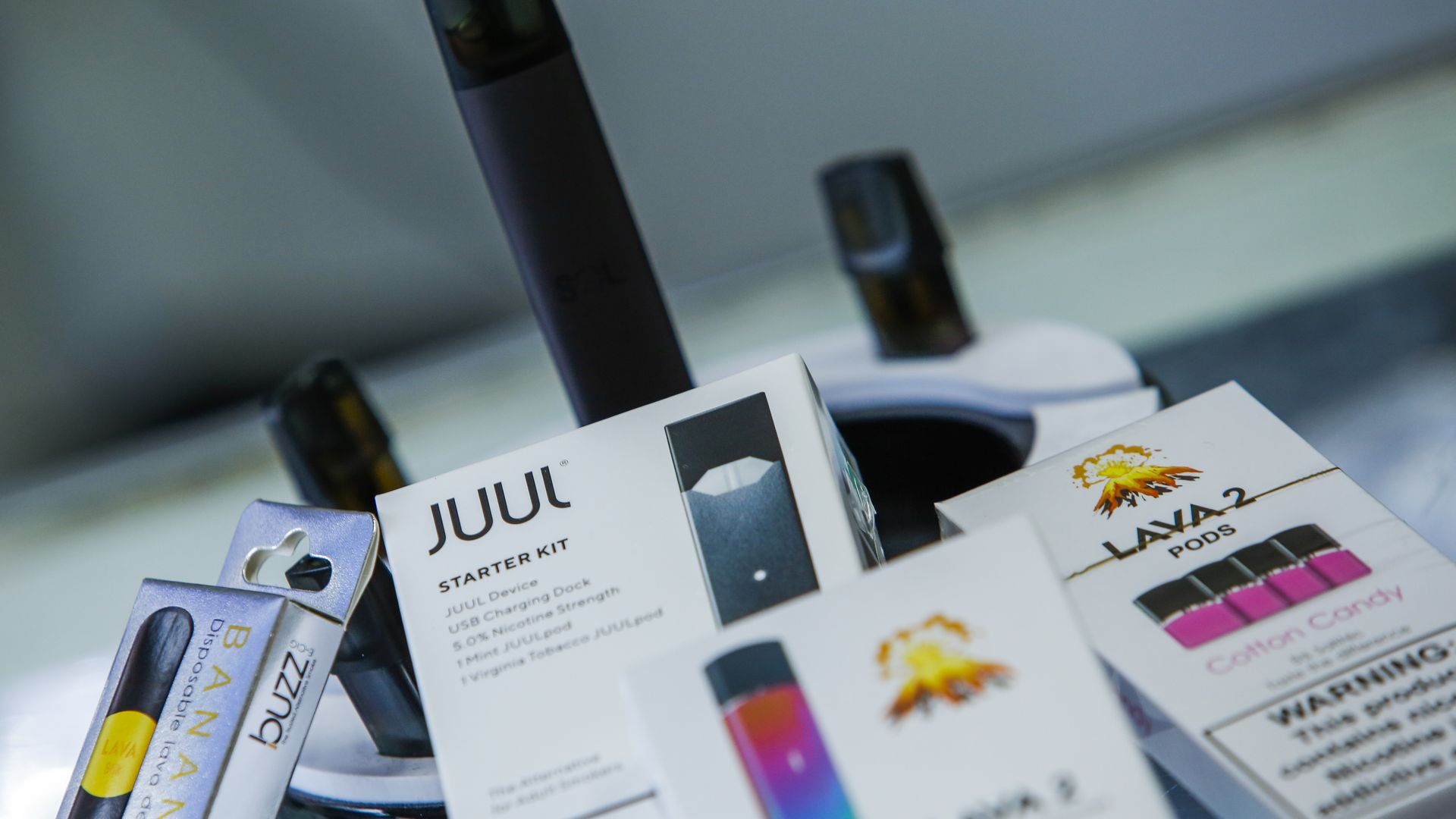
E-cigarette use among middle and high schoolers dropped significantly since last year, with 1.8 million fewer teens vaping, a federal report released Wednesday shows.
Why it matters: The survey, conducted between mid-January and mid-March, highlights the effects of last year’s outbreak of vaping-related illnesses and deaths.
Developing vaccines is very hard work, as evidenced by Tuesday's news that AstraZeneca is pausing its clinical trials on a COVID-19 vaccine after a patient appeared to develop a serious neurological condition. And that raises an unsettling question: What if a vaccine is further away than most of us expect?
Axios Re:Cap digs in with Stat News reporter Adam Feuerstein, who helped break the AstraZeneca news.
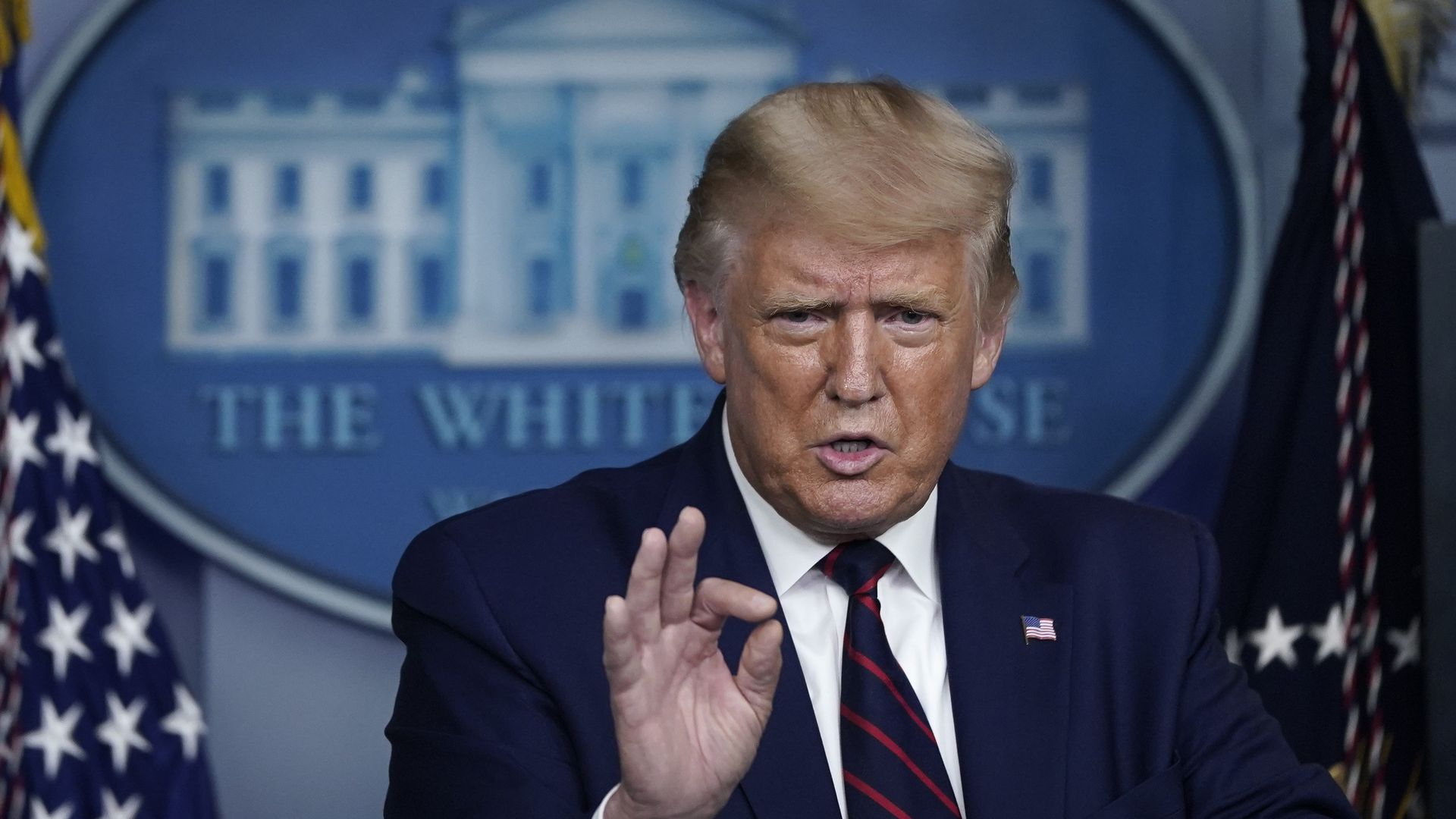
Joe Biden responded Wednesday to reporting in Bob Woodward's new book that shows President Trump intentionally downplayed the threat of the coronavirus in February and March, accusing him of a "life-and-death betrayal of the American people."
Why it matters: It was one of Biden's harshest attacks yet on Trump's handling of the coronavirus pandemic, coming shortly after taped interviews with the president revealed him telling Woodward on March 19, "I wanted to always play it down. I still like playing it down, because I don't want to create a panic."
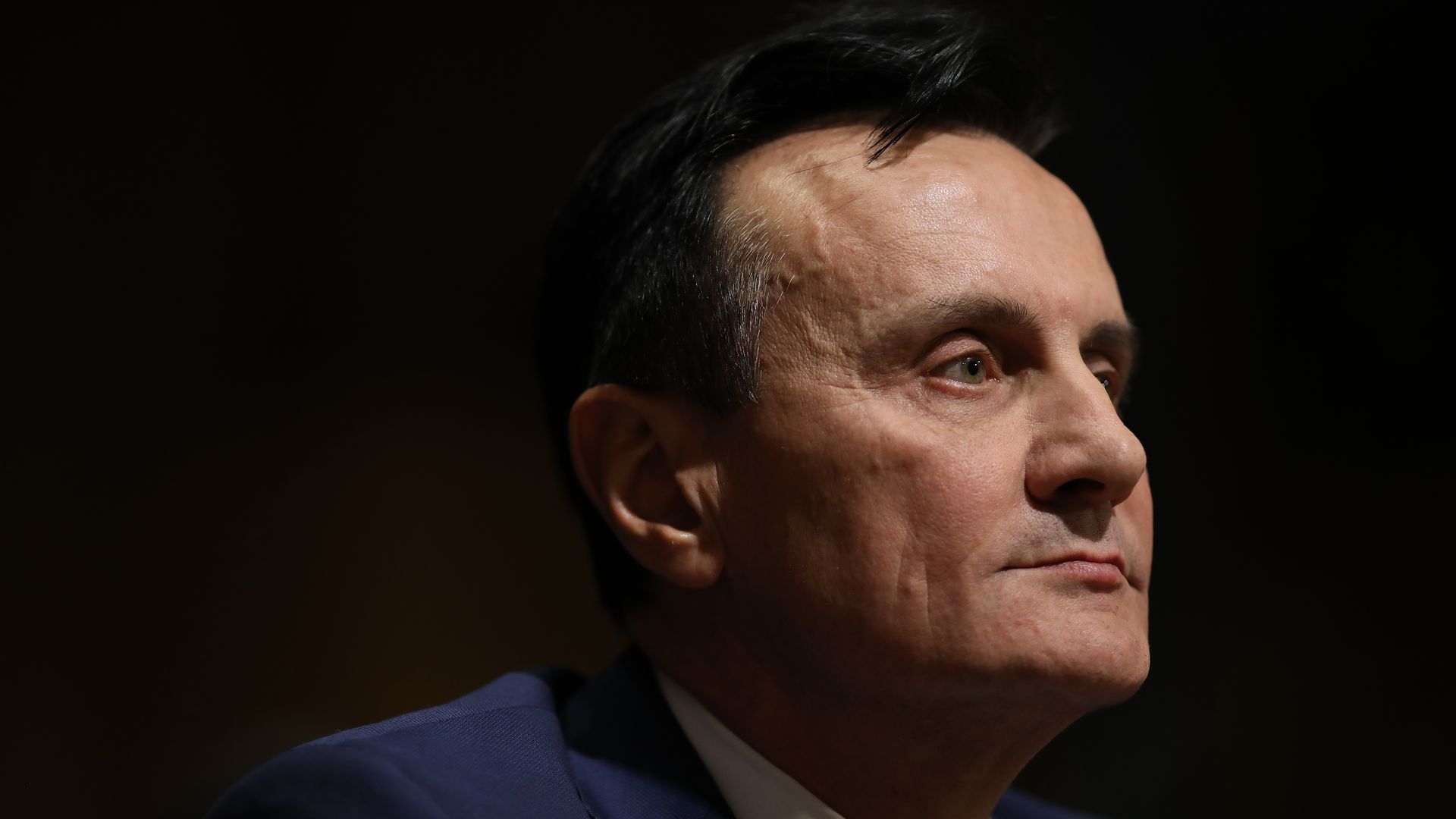
AstraZeneca CEO Pascal Soriot told investors that the company's coronavirus vaccine trial participant who experienced an adverse reaction had serious neurological symptoms consistent with a rare spinal disorder, Stat News reports.
Why it matters: The company is one of the front-runners in the global race for a coronavirus vaccine, but the development forced it to follow standard procedure by halting its late-stage trial.
President Trump said in March that his approach to the coronavirus pandemic was to "play it down," according to Bob Woodward's new book "Rage," which was obtained ahead of its publication next week by CNN.
Why it matters: Trump's comments during on-the-record interviews with the veteran journalist in February and March contrast deeply with his public comments about the pandemic, as he argued for weeks that the virus would "disappear" and slow-walked economic lockdowns.
An investigation by Senate Democrats published Wednesday found that there were "significant" U.S. Postal Service delays this summer for mail-order prescription drugs, according to information provided by five major pharmacies.
Why it matters: Demand for mailed prescriptions has increased during the coronavirus pandemic, per the report by Sens. Elizabeth Warren (D-Mass.) and Bob Casey (D-Pa.).
Five years ago, Zocdoc was one of New York's hottest tech companies. It raised venture funding at a $1.8 billion valuation, back when that was still rare, and seemed poised to become the industry standard for physician discovery and appointment scheduling.
Fast forward: According to a lawsuit filed yesterday in the New York Supreme Court, there was a behind-the-scenes power struggle that co-founder and former CEO Cyrus Massoumi now refers to as a fraudulent "coup."
Anthony Fauci said on Wednesday that it's "not uncommon at all" for a vaccine maker to pause its trials to review safety concerns, following news that AstraZeneca had done so on its phase 3 coronavirus vaccine trials due to a participant having a severe adverse reaction.
Driving the news: AstraZeneca, one of the frontrunners in the global race for a COVID-19 vaccine, said on Tuesday that the patient is expected to recover but did not make clear what the reaction was.
Progress in treating heart disease, cancer and stroke were helping to drive the improvement in Americans' life expectancy before the opioid crisis sent it tumbling, according to a new study in Health Affairs.
By the numbers: From 1990 to 2015, Americans' average life expectancy rose by 3.3 years. The study attributes 1.76 years of that improvement to reduced mortality from heart disease, 0.34 years from lung cancer and 0.33 years to improved care for stroke.
It's hard to find coronavirus tests for kids, which is not good in light of school- and day care-related spread, the New York Times reports.
Why it matters: Just like adults, kids are expected to stay home when they have coronavirus symptoms or when they've been exposed to the virus. If they can't get a test, that often puts parents in the position of staying home with their children for two weeks.
Mark Zuckerberg told "Axios on HBO" that Facebook currently doesn't plan to take the same kind of strong action against anti-vaccination misinformation that it has for the coronavirus pandemic.
Why it matters: "Anti-vaxx" movements could disrupt efforts to build public immunity against the coronavirus when a vaccine is developed.
The coronavirus outbreak tied to the annual motorcycle rally in Sturgis, S.D., ended up generating more than $12 billion in public health costs, according to a new discussion paper.
Why it matters: The analysis puts a point on just how bad these superspreader events can be — and the difficulty of preventing them solely with voluntary policies.