The Department of Homeland Security formally declared teachers essential workers in guidance released this week, continuing the Trump administration's push to reopen schools amid the coronavirus pandemic.
Why it matters: Under the guidance, teachers are now considered “critical infrastructure workers,” like physicians and law enforcement officers, meaning they can return to the classroom even after possible exposure to a confirmed case of COVID-19 as long as they remain asymptomatic.
A study published Thursday found that children may play a larger role in the spread of COVID-19 than previously realized, intensifying concerns as schools grapple with whether to reopen.
Why it matters: The findings, published in the Journal of Pediatrics, coincide with changing scientific research analyzing children's ability to spread the virus, despite showing mild or no symptoms.
With the flu season just around the corner, medical experts are worriedabout the likelihood ofbattling a COVID-19 pandemic and the influenza season at the same time.
The big picture: There are two main scenarios: a winter from hell with overwhelmed hospitals, unknown effects from virus co-infections, misdiagnoses resulting in wrong treatments, and a surge in deaths, or a flu season mitigated by COVID-19 measures and other steps people still have time to take.
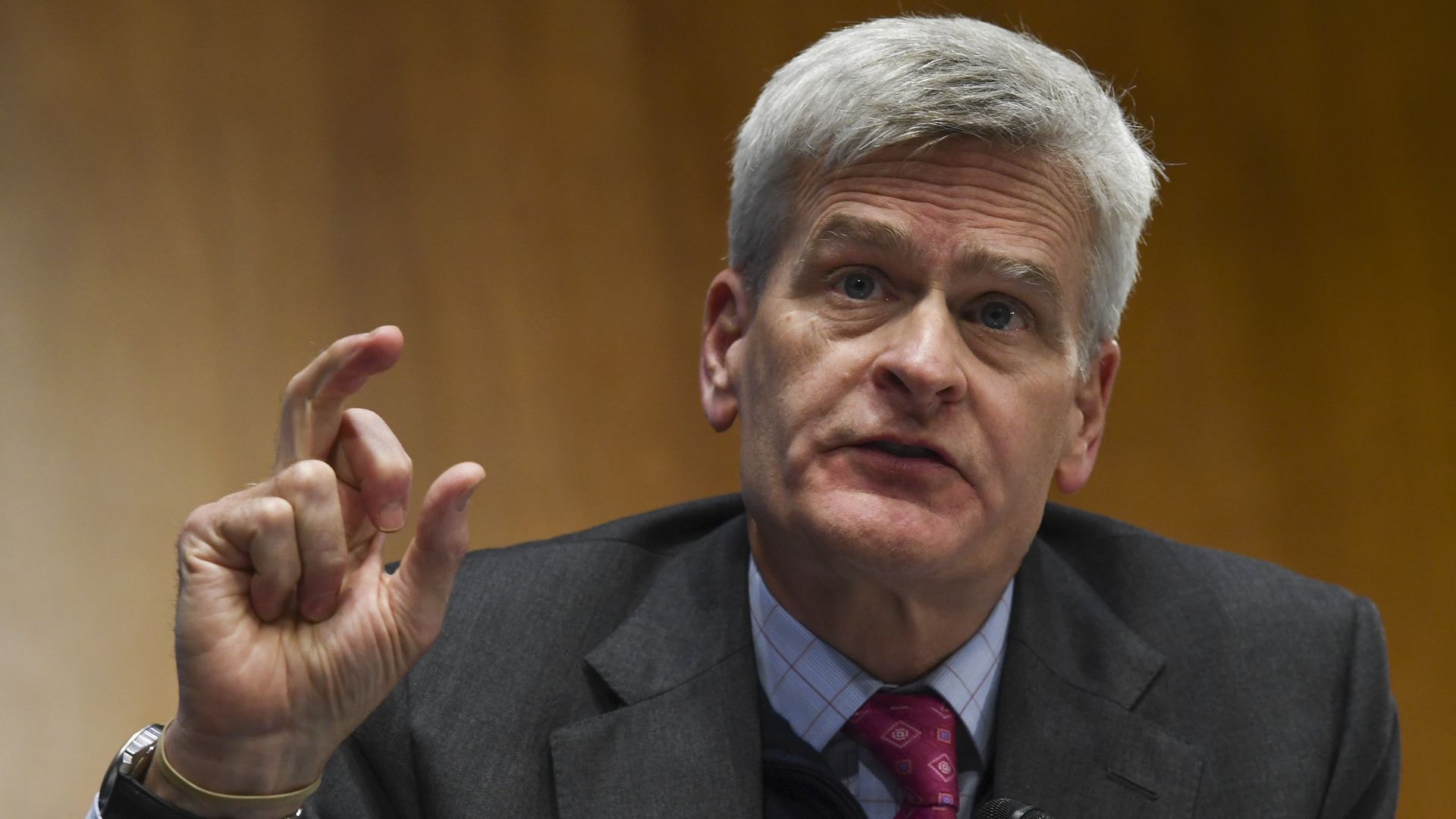
Sen. Bill Cassidy (R-La.) said Thursday that he tested positive for the coronavirus, and is "strictly following the direction of our medical experts" by quarantining, local ABC affiliate WBRZ reports.
The big picture: Cassidy is the second senator to test positive, following Rand Paul (R-Ky.) in March. Cassidy said after being notified Wednesday night that he was exposed to someone with the virus, he was tested and plans to notify all those he came in contact with since.
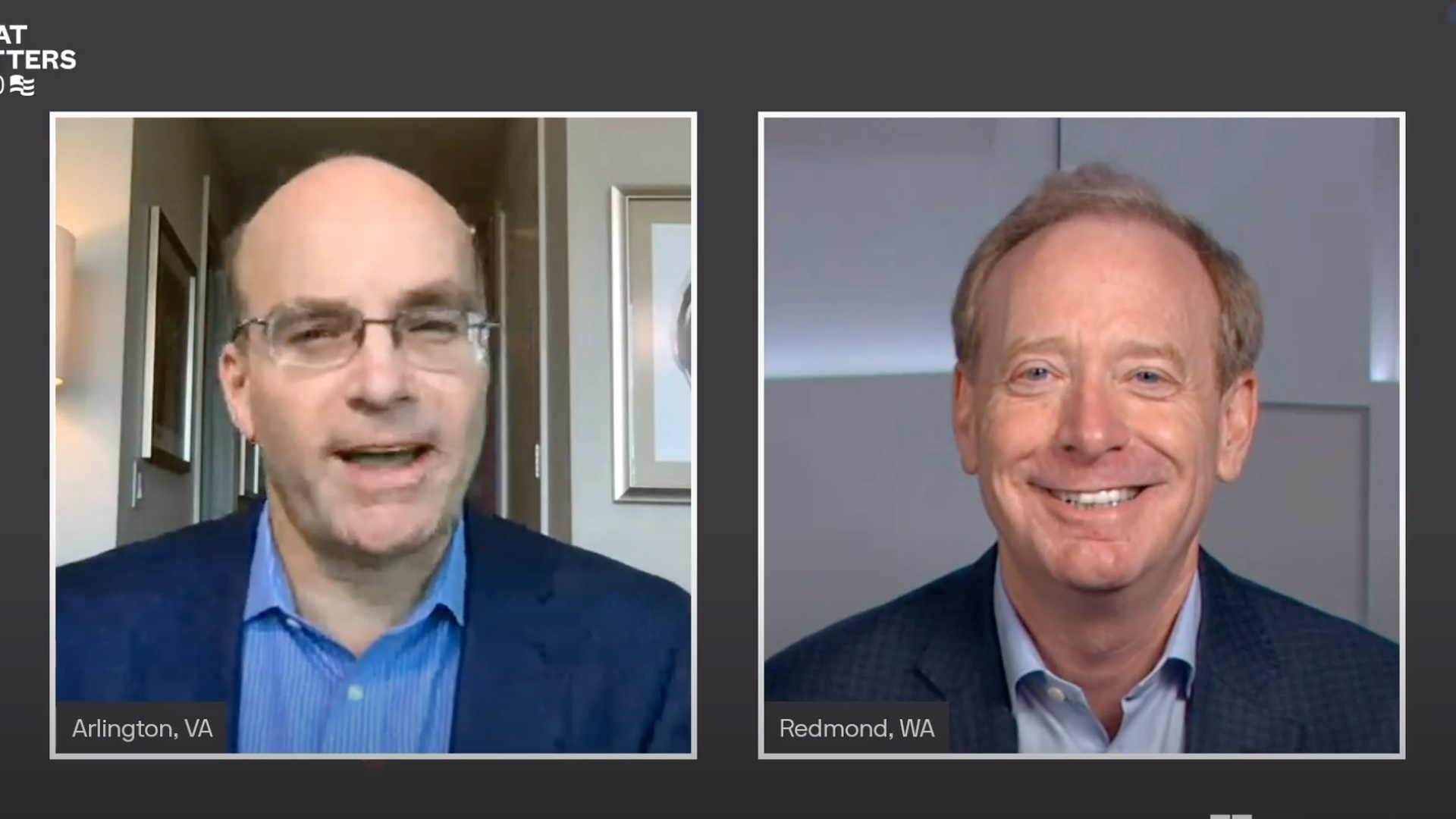
American Federation of Teachers President Randi Weingarten and Microsoft President Brad Smith at an Axios event on Thursday called for expanding access to broadband in the United States in order to close the digital divide in education.
What they're saying: "Broadband needs to be a fact of life in the United States and it needs to be free for everyone, and it needs to be regulated in a way that it can be made equitably distributed all throughout America," Weingarten said during a discussion on the Future of Employability.
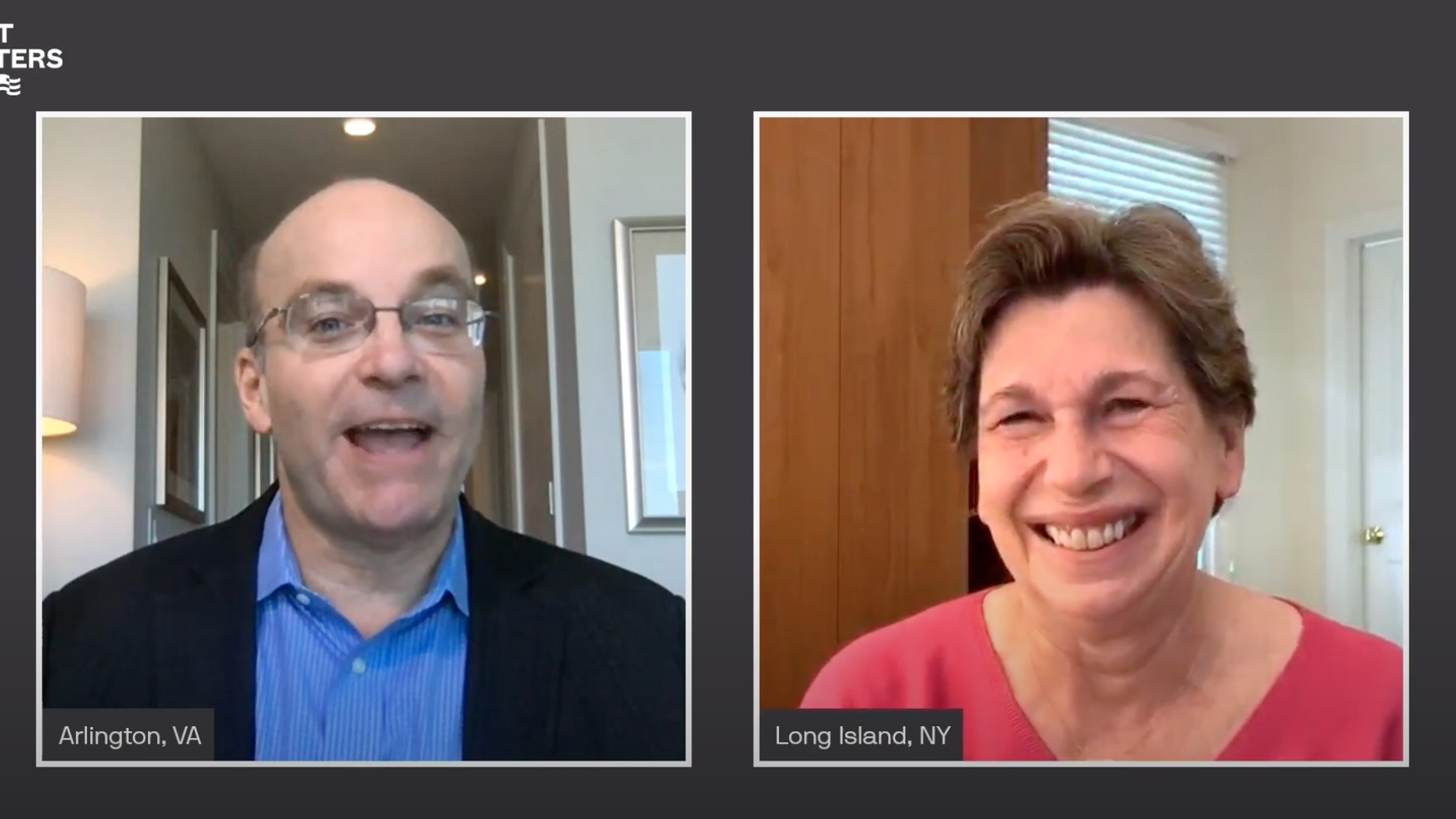
Decisions on school re-openings should be left to scientists and experts, not ideologues, American Federation of Teachers President Randi Weingarten said Thursday at a virtual Axios event on the Future of Employability.
What they're saying: "I am a social studies teacher and a lawyer. I'm not a scientist, but I have to follow what the experts are telling us. They have a sense of what you actually need to do and when you follow them. If we had done that, we would be in a lot better shape in the United States," Weingarten said.
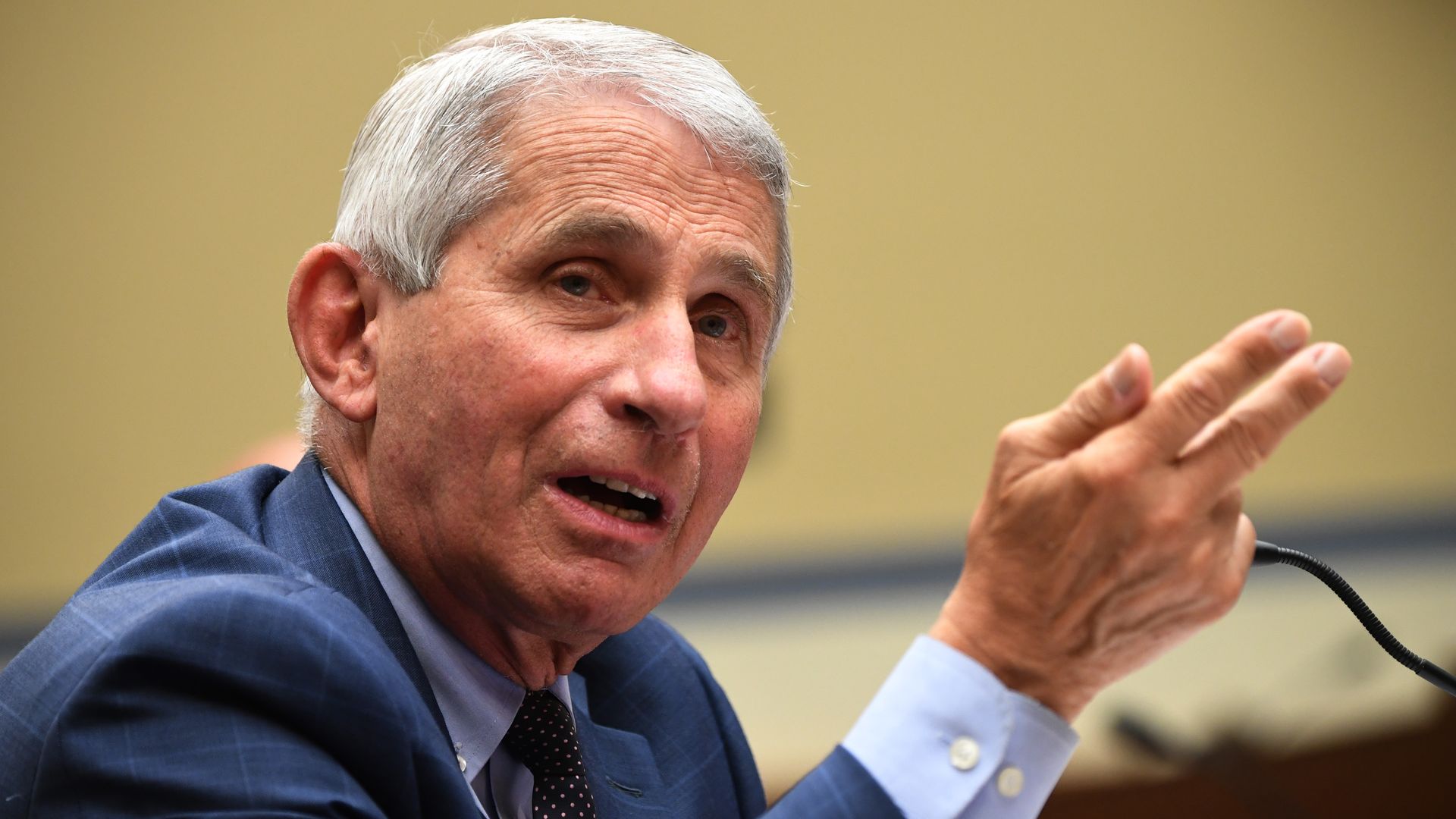
Anthony Fauci is recovering from a minor operation on Thursday to remove a vocal cord polyp, CNN reports.
The state of play: The procedure, which required general anesthesia, means that Fauci will have to rest his voice in order to recovery for "a while," according to CNN's Sanjay Gupta. A vocal cord polyp is a tissue growth that has various causes, including vocal overuse or vocal cord trauma, according to the Cleveland Clinic.
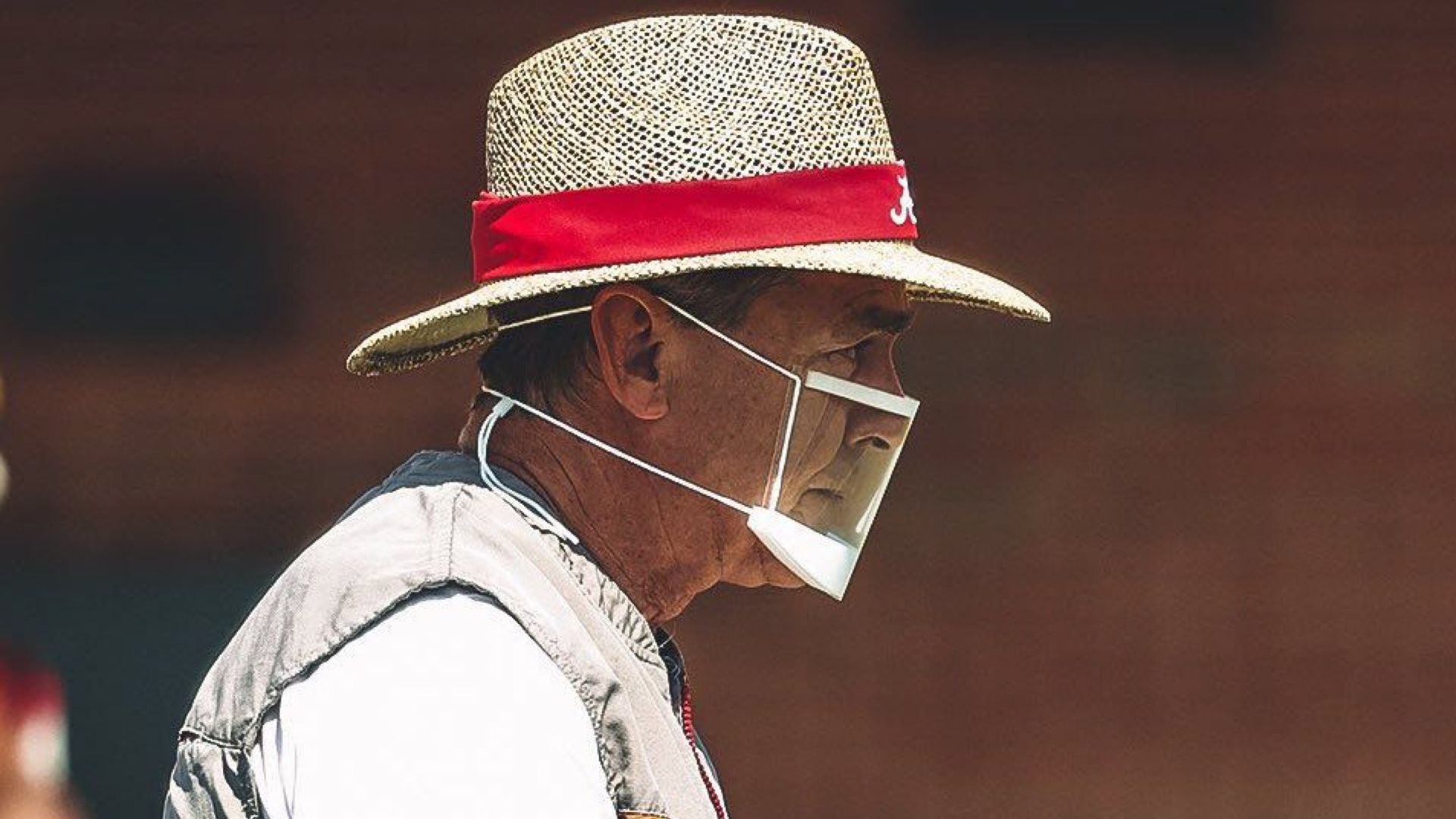
Most schools have postponed college football, and others are dealing with coronavirus outbreaks — yet the season remains on track to begin in a few weeks for six of the 10 biggest conferences.
The big picture: It's not an exact parallel, but college football faced similar confusion and uncertainty 102 years ago, when the 1918 influenza pandemic — combined with WWI — led to a bizarre, shortened season.
Even after months of building up testing capacity, more than 67 million Americans — or 20% of the population — live far away from a coronavirus testing site, according to a new analysis by GoodRx.
Why it matters: The spread of the virus makes it clear that nowhere is immune from it, and the only way to stop its spread is to know who has it.
The coronavirus outbreak in the U.S. continues to slow, driven by significant progress in the South and Southwest, where cases skyrocketed earlier this summer.
Why it matters: All of the second-order controversies consuming the U.S. — like whether to open schools for in-person instruction — would be easier to resolve if we could get the virus under control and keep it there.
Only a few weeks into the school year, hundreds of students, teachers and staff across the country have been diagnosed with the coronavirus or sent home to quarantine after being exposed.
Why it matters: For now, most of the affected schools are opting to play coronavirus whack-a-mole, providing a complicated alternative to in-person and virtual learning.
Sweden recorded its highest death tally since 1869 in the first half of 2020 — and COVID-19 pushed the toll 10% higher than the average for the period over the past five years.
Why it matters: The figures released by government agency Statistics Sweden Wednesday showing 51,405 people died from January to June coincide with the country taking a more relaxed approach to the pandemic. Schools and businesses have remained open and the nation took a "herd immunity" approach.