It’s hard to say which is more remarkable: that Vietnam has recorded zero COVID-19 deaths despite a population of 96 million, or that the communist government expects the economy to grow by 5% this year during a massive global recession.
Why it matters: Both numbers deserve some scrutiny, but there’s no evidence a major outbreak is being covered up, and the bullishness about Vietnam’s economy is shared by the IMF and World Bank (though their growth estimates are lower). The southeast Asian country may ultimately be the pandemic’s biggest success story.
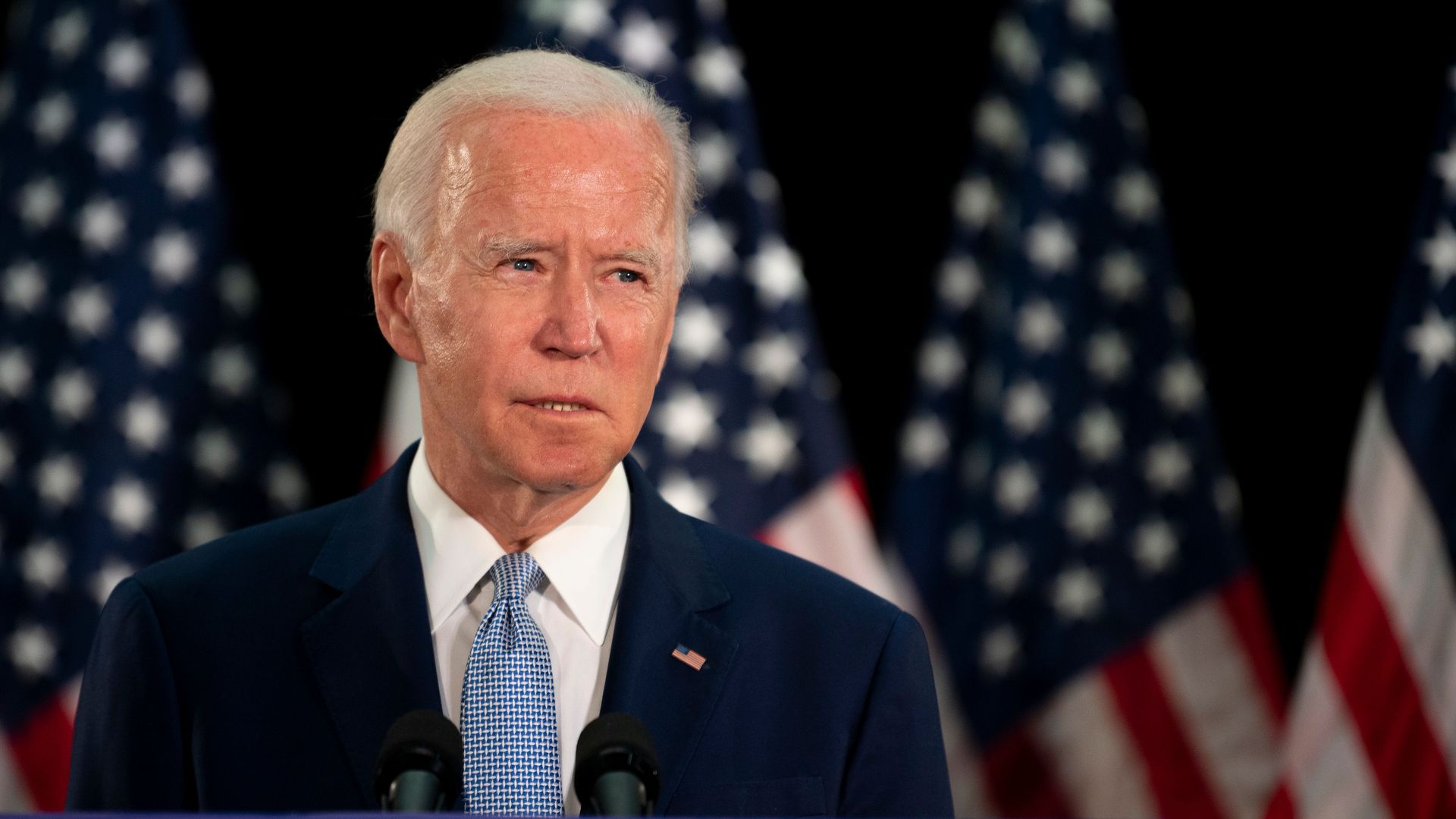
Former Vice President Joe Biden released a plan on Thursday for how he believes the federal government should set the foundation for reopening the country and jump-starting the economy during the coronavirus pandemic.
The big picture: In contrast to the White House guide to reopening released in April, Biden's plan does not need to address thornier questions of what businesses should reopen and when states should leave lockdowns, since all states have already fully or partially reopened.
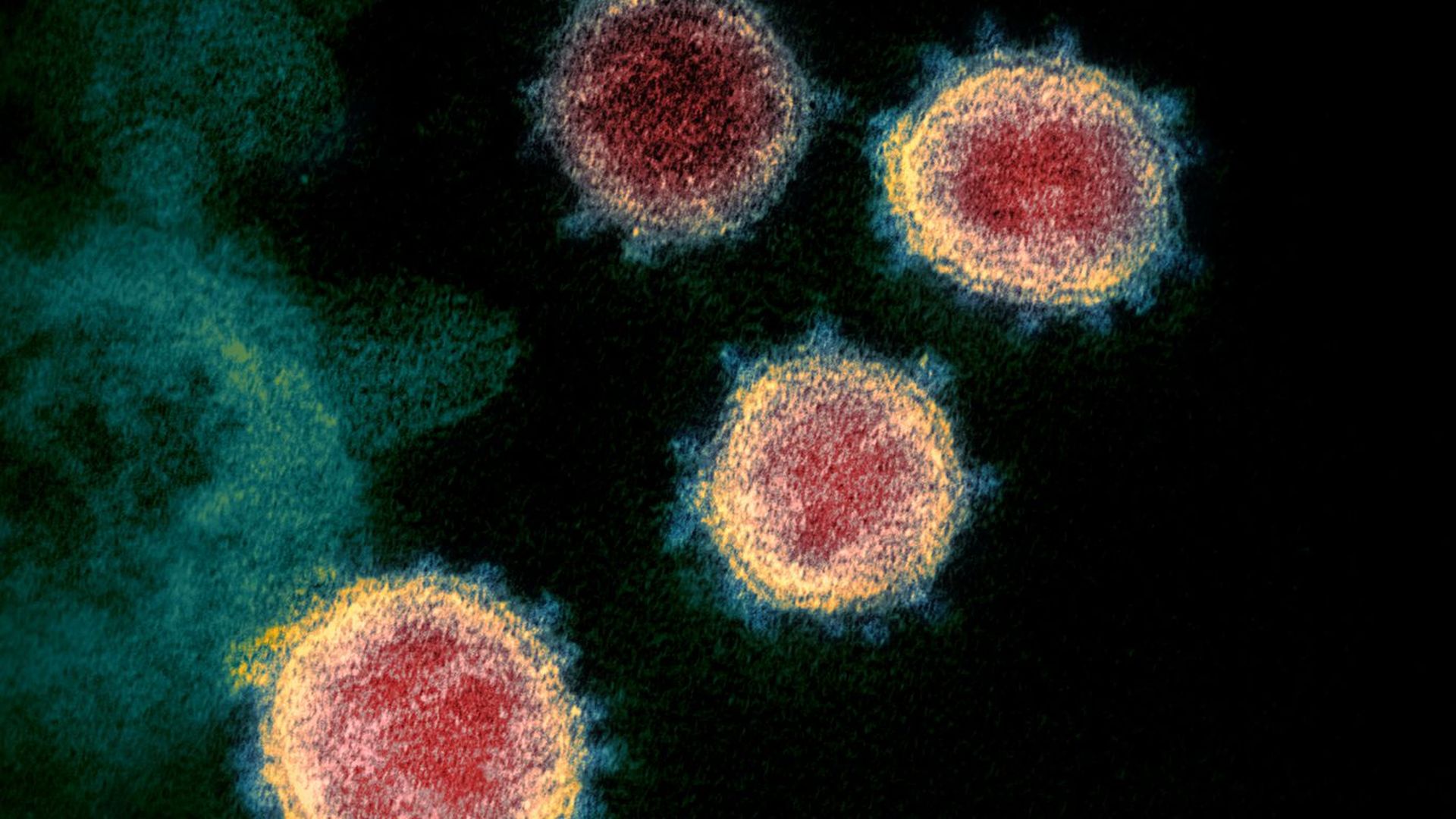
A recent spate of problems with some coronavirus studies combined with top-level miscommunication about the virus is raising concern that people's trust in scientific data and scientists may falter.
Why it matters: Without trust in science, people can't make informed decisions about the risk of getting COVID-19, treatments for it and any potential future vaccines, public health experts warn.
The sudden economic shock from coronavirus stay-at-home orders caused a stunning drop in local commerce in cities across the country, with San Francisco seeing the heaviest decline, followed by Chicago, New York and Detroit.
How it works: TheJP Morgan Chase Institute analyzed a subset of credit card transactions typical of everyday goods and services bought and sold at the local level to create a "local commerce" economic view.
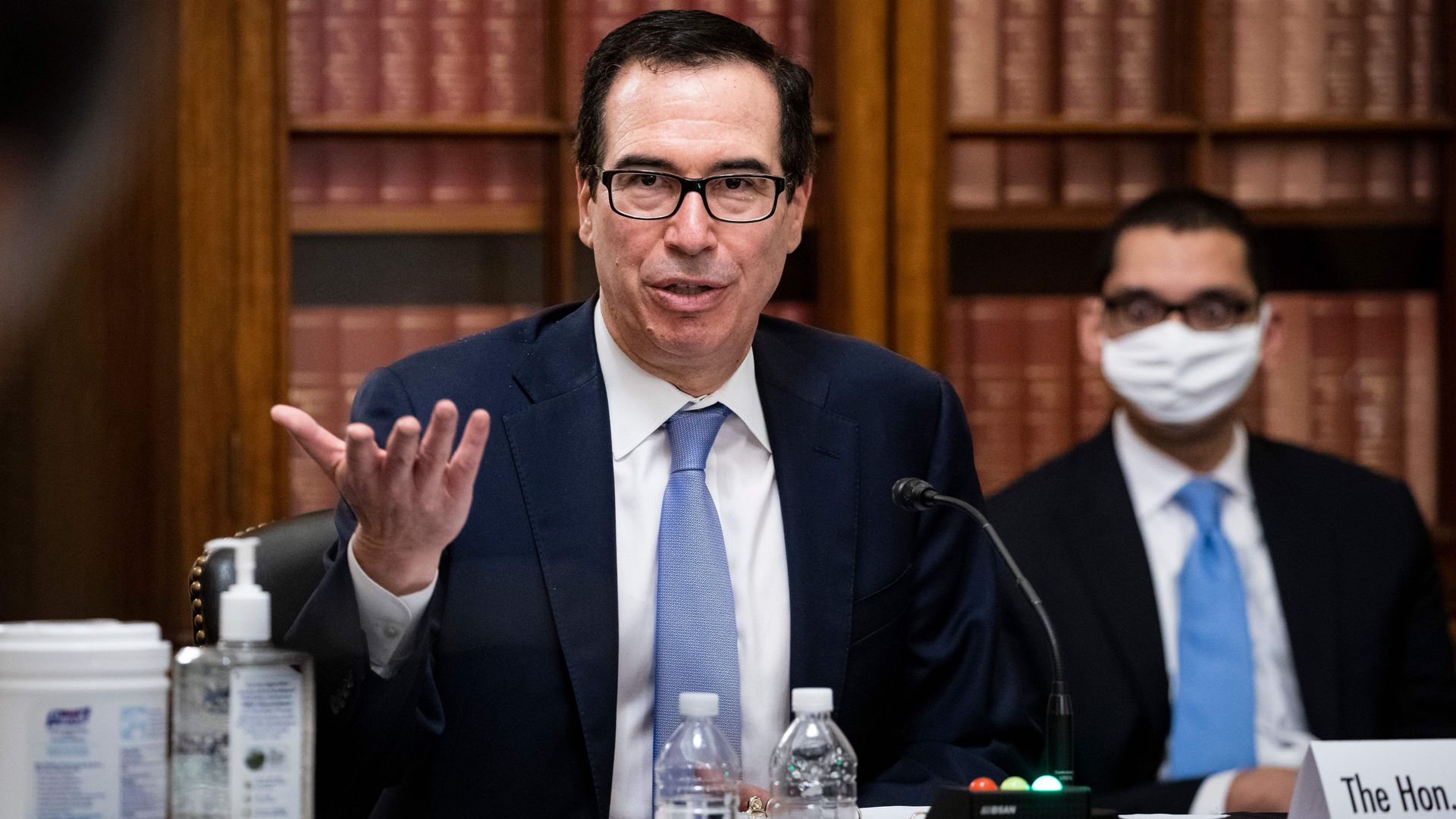
Treasury Secretary Steve Mnuchin told CNBC Thursday that shutting down the economy again to stop the spread of the coronavirus is not an option.
Why it matters: The comment came as stocks opened much lower Thursday amid fears that infections are spiking again in states that have reopened. Mnuchin said the country "learned a lot” from the first shutdown, which he said caused significant damage even if it helped slow the spread of the virus.
Regeneron Pharmaceuticals is testing a new coronavirus antibody drug in humans as part of a federally funded, wide-ranging, placebo-controlled clinical trial.
Why it matters: The drug candidate is going to be tested as a way to both treat and prevent the infection.
Another 1.5 million Americans filed jobless claims last week, according to data released by the Labor Department on Thursday.
Why it matters: Unemployment applications have tapered off from their peak at the start of the coronavirus pandemic, but remain at historically high rates even as states take steps to reopen and businesses start to bring workers back.
After a three-month hiatus, the PGA Tour returns Thursday for the first round of the Charles Schwab Challenge at Colonial Country Club in Fort Worth, Texas.
The state of play: No fans will be in attendance, production crews will be limited and players will be asked to adhere to health and safety guidelines released last month.
A coalition of state attorneys general has sued more than two dozen generic drug companies and high-ranking executives, accusing them of conspiring to fix prices of their prescription pills and creams. Health insurer Cigna similarly filed a lawsuit of its own, arguing the price-fixing schemes led to massive "overcharges."
The big picture: These lawsuits build on previous ones, as well as three criminal admissions of guilt, and paint a bleak picture of the industry's practices.
New Mexico and Oregon have seen particularly large increases in new coronavirus cases over the past week, while most of the country is headed in the right direction.
Why it matters: The White House’s reopening guidelines call for a steady two-week decline in the number of new cases, but in several states the outbreak continues to fluctuate from week to week.
The U.S. hit the 2 million-mark for confirmed cases of the coronavirus late Wednesday, per John's Hopkins University.
Why it matters: The milestone comes as every state across the country has started to gradually reopen after months of social distancing and mandated quarantining. Some states including Florida, Texas, Oregon and Arizona have already reported spikes in cases, partially attributed to increased testing.
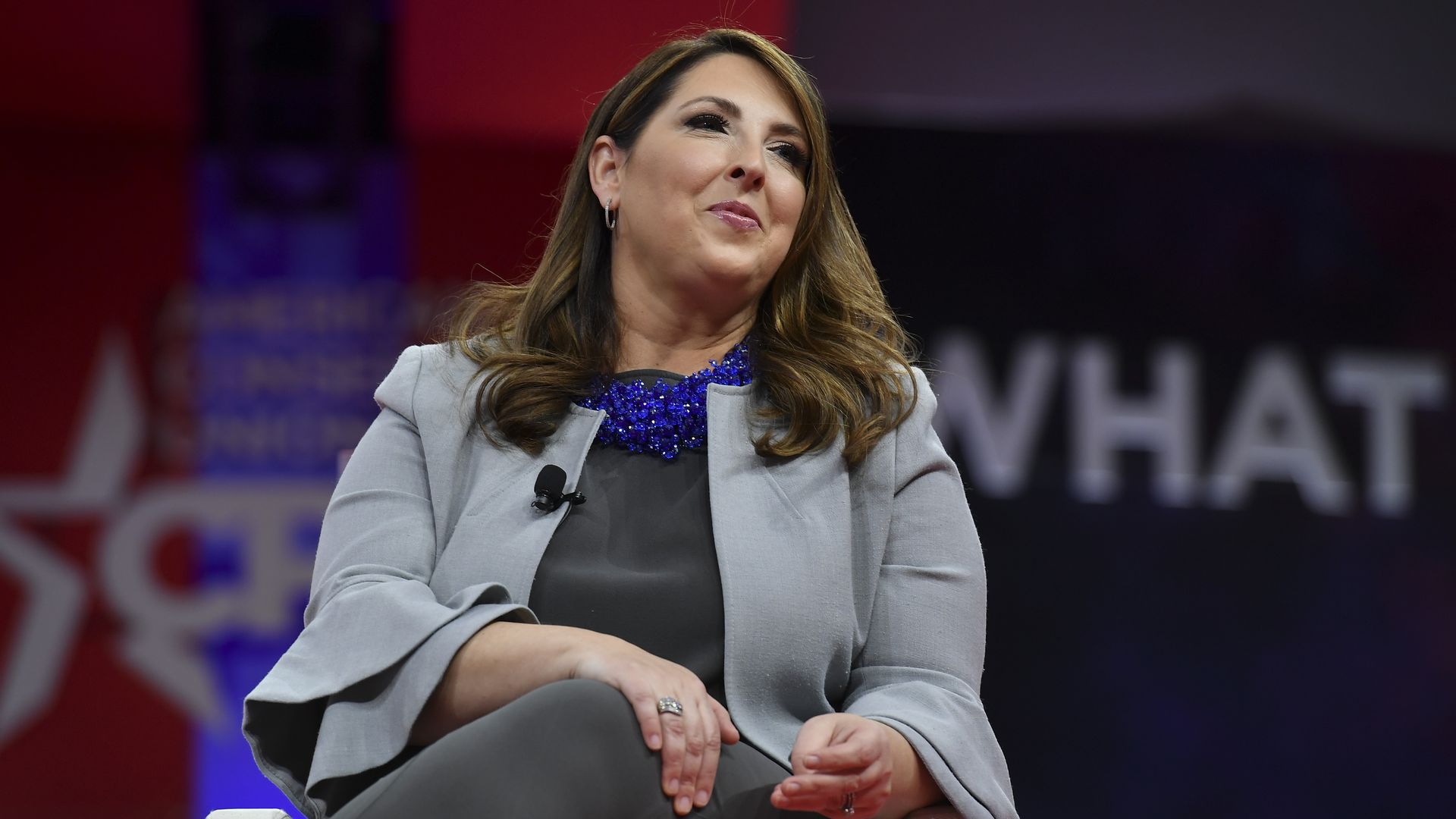
The Republican National Committee voted on Wednesday to reuse its 58-page 2016 platform instead of building a new platform for 2020, Politico's Alex Isenstadt first reported and Axios confirmed.
What's happening: The RNC will not have a platform committee and only around 336 delegates are scheduled to travel to Charlotte for the convention.