The predatory sunflower sea star, whose limbs can stretch 4 feet across, is rapidly disappearing due to infectious disease outbreaks worsened by marine heat waves, a comprehensive new study found.
Why it matters: The sea star, Pycnopodia helianthoides, is a vital component in marine ecosystems. In its absence, scientists documented a large increase in many types of urchins and a subsequent decline in kelp populations, to the potential detriment of many other species. The study warns of the potential for a "trophic cascade" to occur, "causing urchin populations to explode and kelp to rapidly diminish."
HHS and the Office of Inspector General formally released a long-awaited proposal Thursday that would eliminate drug price reductions, called rebates, in Medicare and Medicaid. Instead, those rebates offered by drug companies to insurance middlemen would lower what people pay at the pharmacy counter.
The big picture: The Trump administration has signaled for months it wanted to overhaul the drug rebate system. The pharmaceutical industry praised the proposal, which would go into effect Jan. 1, 2020, because it wouldn't limit how drugs are priced, but insurers and pharmacy benefit managers have already warned they would raise premiums to offset any loss of rebates.
Despite having more tools to combat Ebola than ever before, the disease continues to spread to new parts of the Democratic Republic of the Congo — partly as a result of continued lack of trust from the public, according to several experts from Doctors without Borders (MSF).
Why it matters: Many now believe the outbreak will last at least a year from its Aug. 1 start, with some saying it could become endemic to the area. But public health officials are hoping that once they earn the population's trust, they'll be able to halt the outbreak with old-fashioned contact tracing combined with new tools like fast diagnostics, experimental treatments and an experimental vaccine.
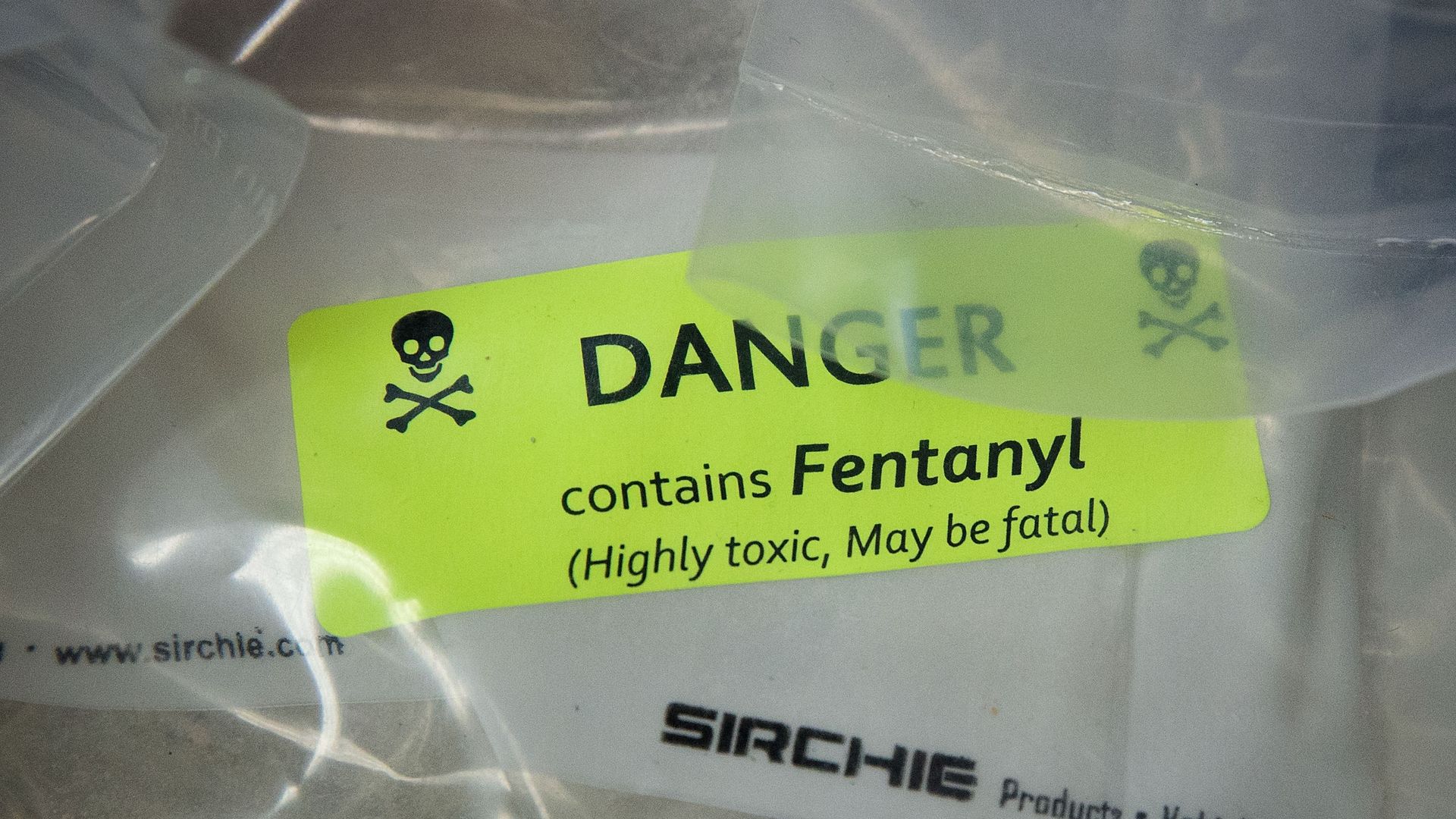
U.S. Customs and Border Protection officials announced Thursday that they captured about 254 pounds of fentanyl, the agency's largest bust of the drug in history, from a hidden compartment in a tractor-trailer at an Arizona port of entry on the U.S.-Mexico border, reports the AP.
The big picture: One of President Trump's claims to support his assertion that a wall needs to be built along the border is an increase in drug trafficking, but most drugs — like this bust — cross the border at legal points of entry, according to USA Today. Fentanyl, a powerful, synthetic opioid, was the drug responsible for the most overdose deaths in the U.S. in 2016, according to a recent CDC report.
Pax Labs, the marijuana vaporizer company that spun out Juul in 2017, is raising a small amount of new funding at a valuation of between $500 million and $600 million. It's unclear if this is a new series of stock or an extension of Pax's insider round from last October.
The big picture: Several of the investors are expected to be new, including a number of professional athletes. That last part could prove tricky, given the marijuana usage rules of most U.S. professional sports leagues. The company, which didn't respond to a request for comment, also is telling prospective investors that it plans to raise a $100 million round later this year at a valuation north of $1 billion.
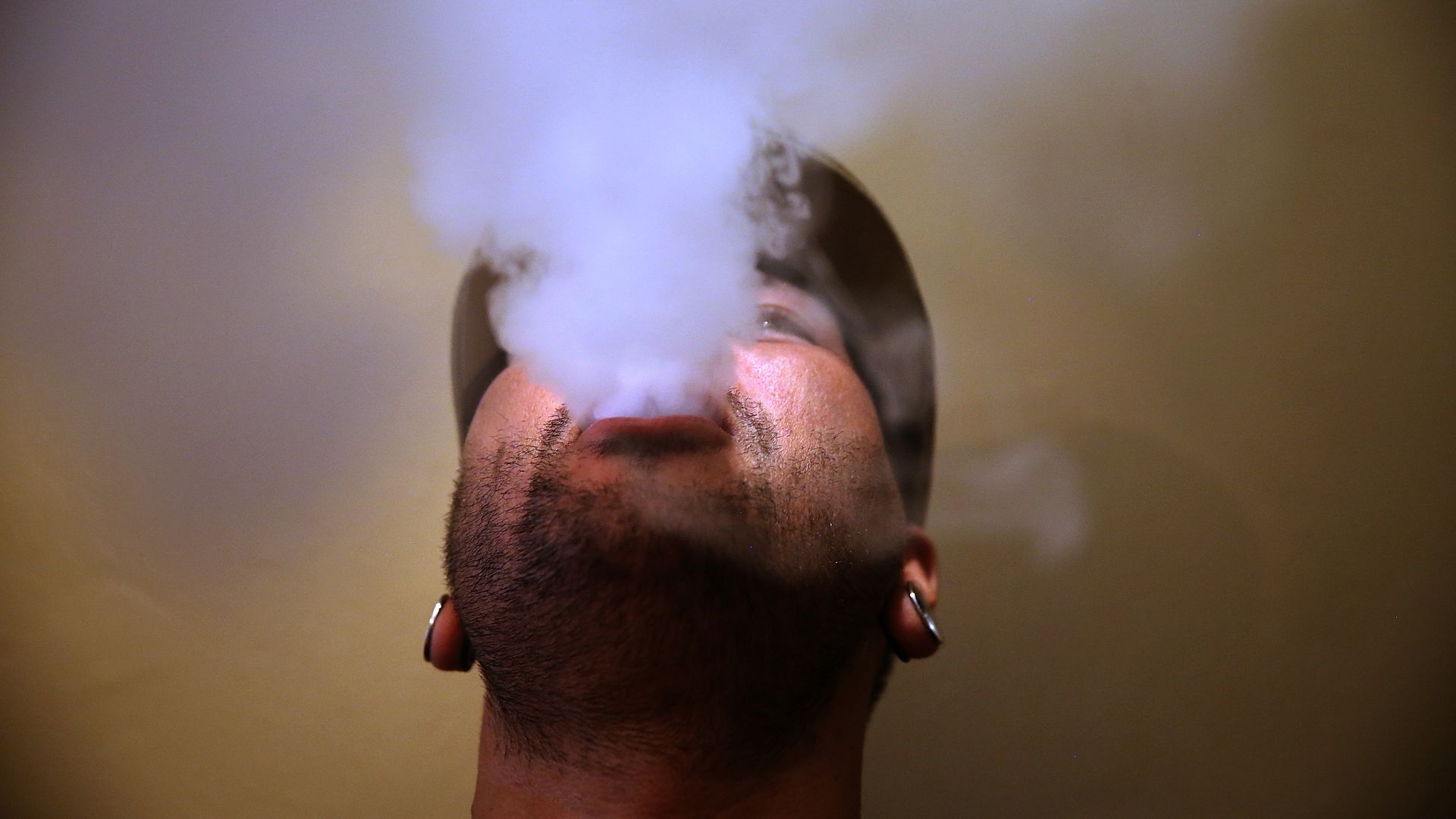
A new study shows that e-cigarettes like Juul are an effective way for smokers to quit smoking — twice as effective as other nicotine products like gum and patches, The New York Times reports.
Reality check: Food and Drug Administration Commissioner Scott Gottlieb, in his crackdown on vaping products, has not challenged that contention. His complaint is entirely about Juul's appeal to non-smokers, mainly teens.
After many years of steady decline, the proportion of people under 65 with employer health coverage has started to increase. About seven million more people gained employer coverage between 2013 and 2017 — nearly as many as the 10 million people who were covered through the Affordable Care Act's marketplace last year.
Why it matters: Since people with employer coverage are the largest insured group in the country, the next wave of health reform will be more politically successful if it resonates with their concerns.
Starting this spring, five corporate giants — Anthem, Cigna, CVS Health, Humana and UnitedHealth Group — will control health insurance and pharmacy benefits for more than 125 million Americans.
Why it matters: Most of this happened through rapid consolidation, and now the pressure is on these companies to prove they can better control both medical and drug spending with everything under the same roof.
UnitedHealthcare will no longer provide deidentified claims data to the Health Care Cost Institute, a nonprofit group that researches health care spending. Three other health insurers — Aetna, Humana and Kaiser Permanente — still give data and funding to HCCI, but Humana also has signaled it will stop doing so next year.
Between the lines: The medical claims data these insurance companies possess are very valuable, and ending a research agreement aligns more with their financial interests than the broader interest of industry transparency.
The Food and Drug Administration has approved a record number of generic drugs, but at the same time it’s inspecting a lot fewer of the factories where those drugs are made.
Why it matters: Declining inspections are raising new concerns about their quality and safety, Bloomberg’s Anna Edney reports in the first part of a yearlong investigation.
A key Senate panel seemed to hone in yesterday on some bipartisan ideas to cut federal spending on prescription drugs.
The big picture: Members of the Senate Finance Committee were mostly interested in proposals that would cut payments to insurance companies and doctors, though some also raised questions about pharmaceutical companies.










/2019/01/30/1548889207315.gif?w=3840)