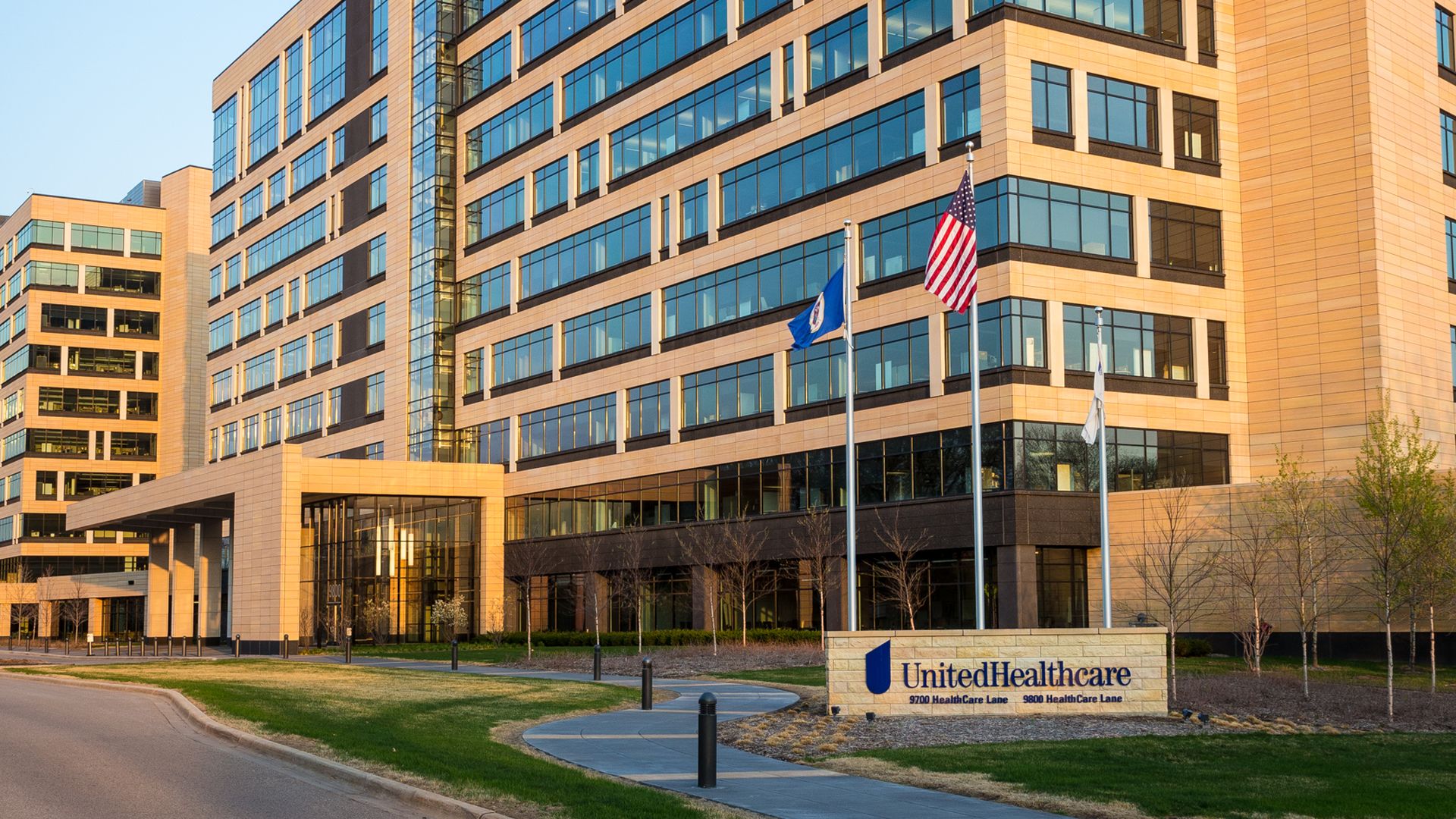
UnitedHealthcare will no longer provide deidentified claims data to the Health Care Cost Institute, a nonprofit group that researches health care spending. Three other health insurers — Aetna, Humana and Kaiser Permanente — still give data and funding to HCCI, but Humana also has signaled it will stop doing so next year.
Between the lines: The medical claims data these insurance companies possess are very valuable, and ending a research agreement aligns more with their financial interests than the broader interest of industry transparency.
The Food and Drug Administration has approved a record number of generic drugs, but at the same time it’s inspecting a lot fewer of the factories where those drugs are made.
Why it matters: Declining inspections are raising new concerns about their quality and safety, Bloomberg’s Anna Edney reports in the first part of a yearlong investigation.
A key Senate panel seemed to hone in yesterday on some bipartisan ideas to cut federal spending on prescription drugs.
The big picture: Members of the Senate Finance Committee were mostly interested in proposals that would cut payments to insurance companies and doctors, though some also raised questions about pharmaceutical companies.
HCA Healthcare's stock price increased by almost 5% today after the operator of hospitals and surgery centers posted higher-than-expected profits in 2018 and anticipated an even bigger year in 2019.
By the numbers: HCA's "same facility revenue per equivalent admission," an important industry metric that shows how much hospital and clinic prices increased, went up by 3.9% in 2018. That was the highest rate for HCA since 2014, meaning higher prices and medical codes helped fuel the company's big 2018 — in addition to the $551 million in tax savings the company reaped from the Republican tax overhaul.
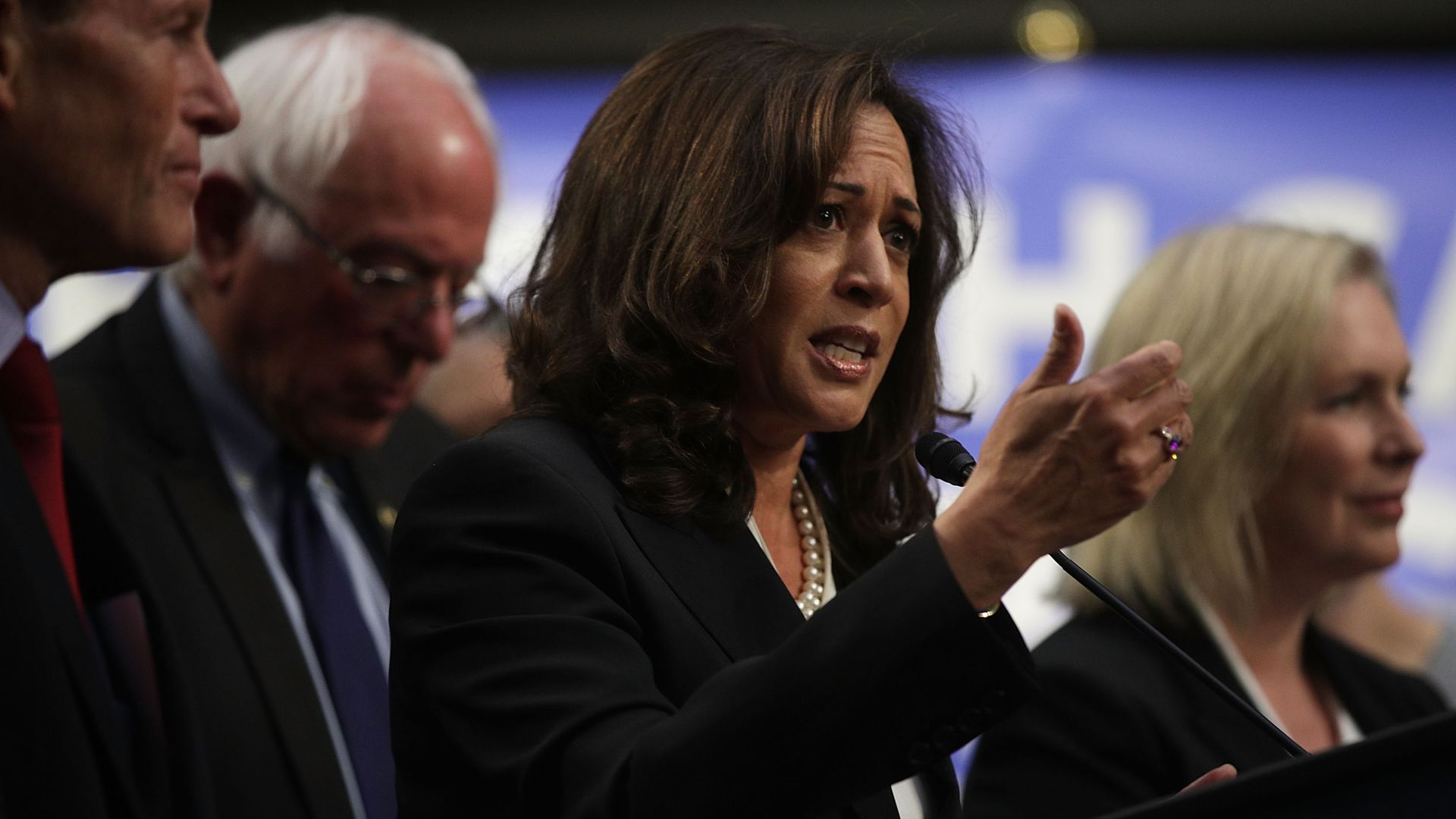
Sen. Kamala Harris (D-Calif.) sure doesn't sound like she's planning to soften her support for Sen. Bernie Sanders' version of "Medicare for All." When asked by CNN's Jake Tapper about the Sanders bill during an interview last night, specifically asking whether people who like their existing plans could keep them.
What she's saying: "The idea is that everyone gets access to medical care, and you don't have to go through the process of going though an insurance company ... going through the paperwork. ... Let's eliminate all of that. Let's move on."
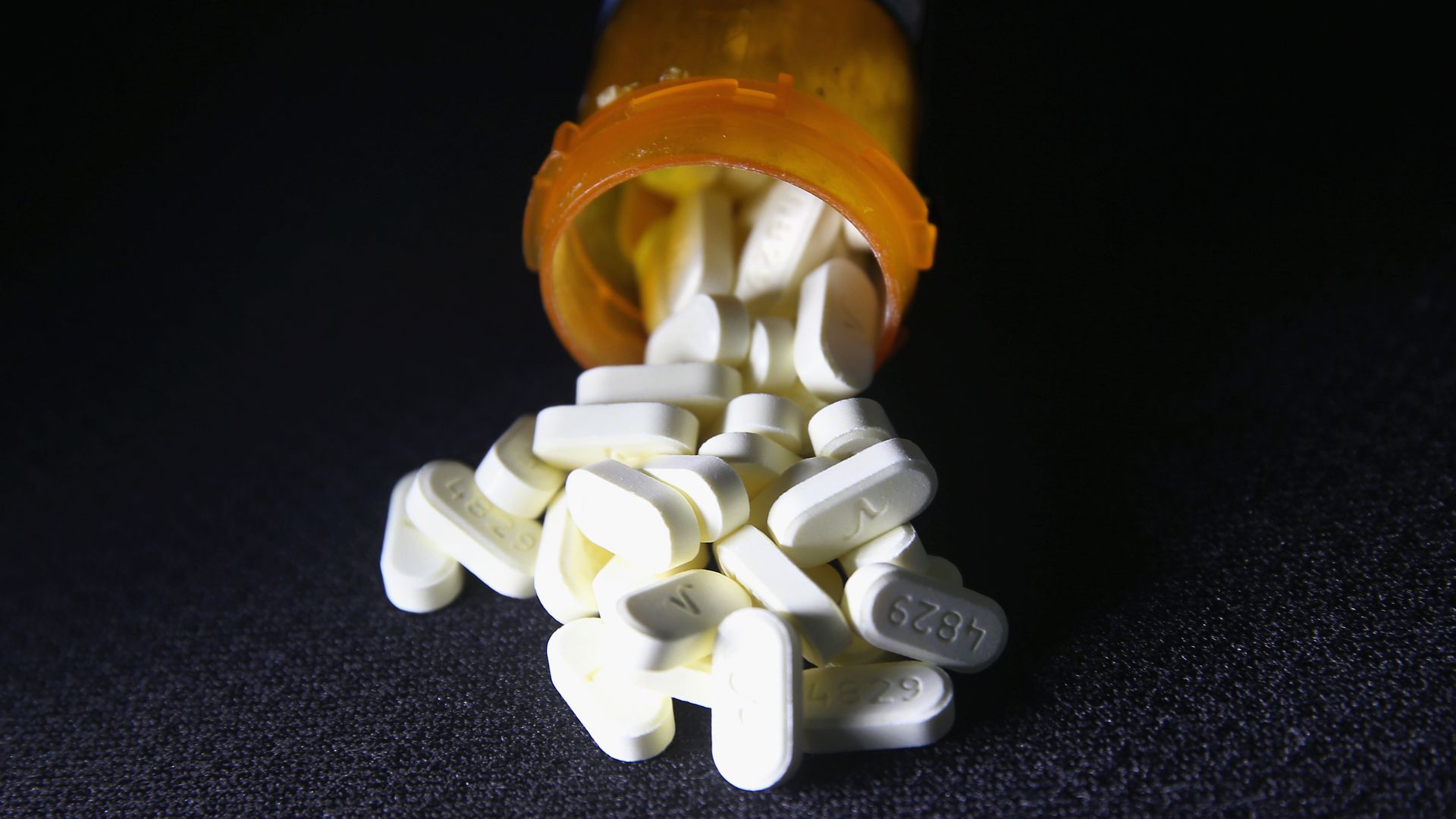
For the first time, a pharmaceutical CEO is officially on trial for charges related to the opioid crisis. Opening arguments began yesterday in the trial of former Insys CEO John Kapoor, who — along with four other Insys executives — faces racketeering charges over the marketing of Subsys, a prescription fentanyl product.
Driving the news: Kapoor's lawyer sought to shift the blame to other Insys employees, Bloomberg reports, telling the jury during her opening statement that one of those employees hid payments to doctors from the CEO.
After having practically eradicated measles from the U.S. almost two decades ago, a growing anti-vaccination movement has led to a resurgence of cases, currently focused in the Pacific Northwest and New York.
Why it matters: Unless doctors and the public step up to counteract the vocal opposition to vaccines with evidence-based facts, there is a serious concern that infectious diseases like measles could return full force, public health officials and scientists tell Axios.