Republican Rep. Gregg Harper asked five top executives of drug distributors at a hearing Tuesday if their companies contributed to the opioid epidemic. Every executive said no, except for Joseph Mastandrea, board chair of Miami-Luken, who said "yes."
Why it matters: Mastandrea's response was a stunning moment of honesty and stood in stark contrast to the denials of the CEOs of the much larger drug wholesalers.
Simulation of what may happen if a highly contagious and lethal airborne pathogen were to occur today. Map: Institute for Disease Modeling
The U.S. won't be ready to face a flu pandemic until it improves its vaccines, health care infrastructure, and coordination with other countries — all of which are top priorities for the White House, a National Security Council official said Monday.
"Influenza is a priority to the White House, and represents both a health security and a national security threat... Today, however, we cannot respond with the speed that we need to.""
— Luciana Borio, White House, National Security Council
After a few weeks of back-and-forth, Takeda Pharmaceutical and Shire have officially agreed to a deal in which Takeda will buy Shire for roughly $62 billion, and the merged company will slash research costs and thousands of jobs as a way to save $1.4 billion per year.
Why it matters: Takeda and Shire will become the eighth-largest global drug firm by revenue, if shareholders and regulators approve the merger. It’s unclear what would happen to the prices of their products.
Get ready for about six more months of headlines like this: Insurers in Maryland are proposing premium hikes as high as 91% for coverage sold through the Affordable Care Act.
Why it matters: This will keep happening, nationwide. Proposed increases have been steep in Maryland and Virginia, the first two states to release them. But all signs point to steep hikes across the country, especially in rural areas. Some insurers also will likely decide to simply quit offering coverage in some parts of the country.
The federal government is holding publicmeetings next week to decide whether to create new Medicare billing code for 42 drugs and devices.
Why it matters: Many mundane Medicare policies and regulations, like new billing codes, are carried out under the radar. But those policies affect billions of dollars, and one company is already feeling a negative effect from a potentially adverse Medicare ruling.
President Trump will ask Congress Tuesday to slash $15 billion from the previously approved spending package, including funds from the Children's Health Insurance Program (CHIP) and the Affordable Care Act, an administration official said during a background briefing Monday.
Why it matters: There's not much chance that Congress will actually pass the "rescissions" package, since Senate Majority Leader Mitch McConnell says it's not a good idea. The main thing the proposal might do is improve Trump's standing with fiscal conservatives — but it could also make Republicans even more vulnerable to Democratic attacks over their health care records.
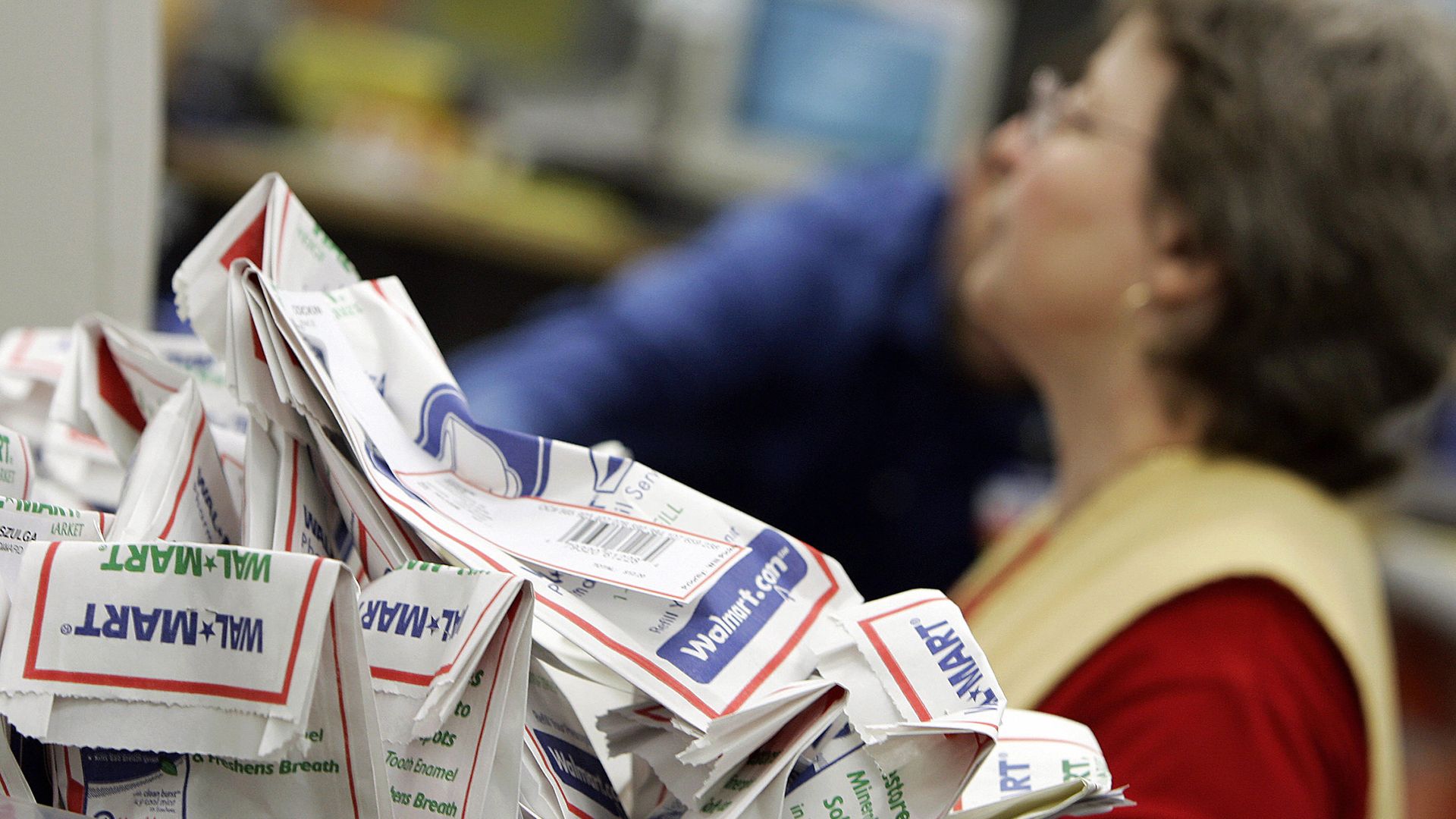
Pharmacies at Walmart and Sam's Club stores will start capping initial opioid prescriptions at seven-day supplies, the companies said Monday.
Why it matters: Walmart officials said they are implementing the new limits as a way to prevent and crack down on prescription abuse, which has contributed to the country's opioid crisis. But some clinicians have warned against policies that could inhibit people from getting needed painkillers.
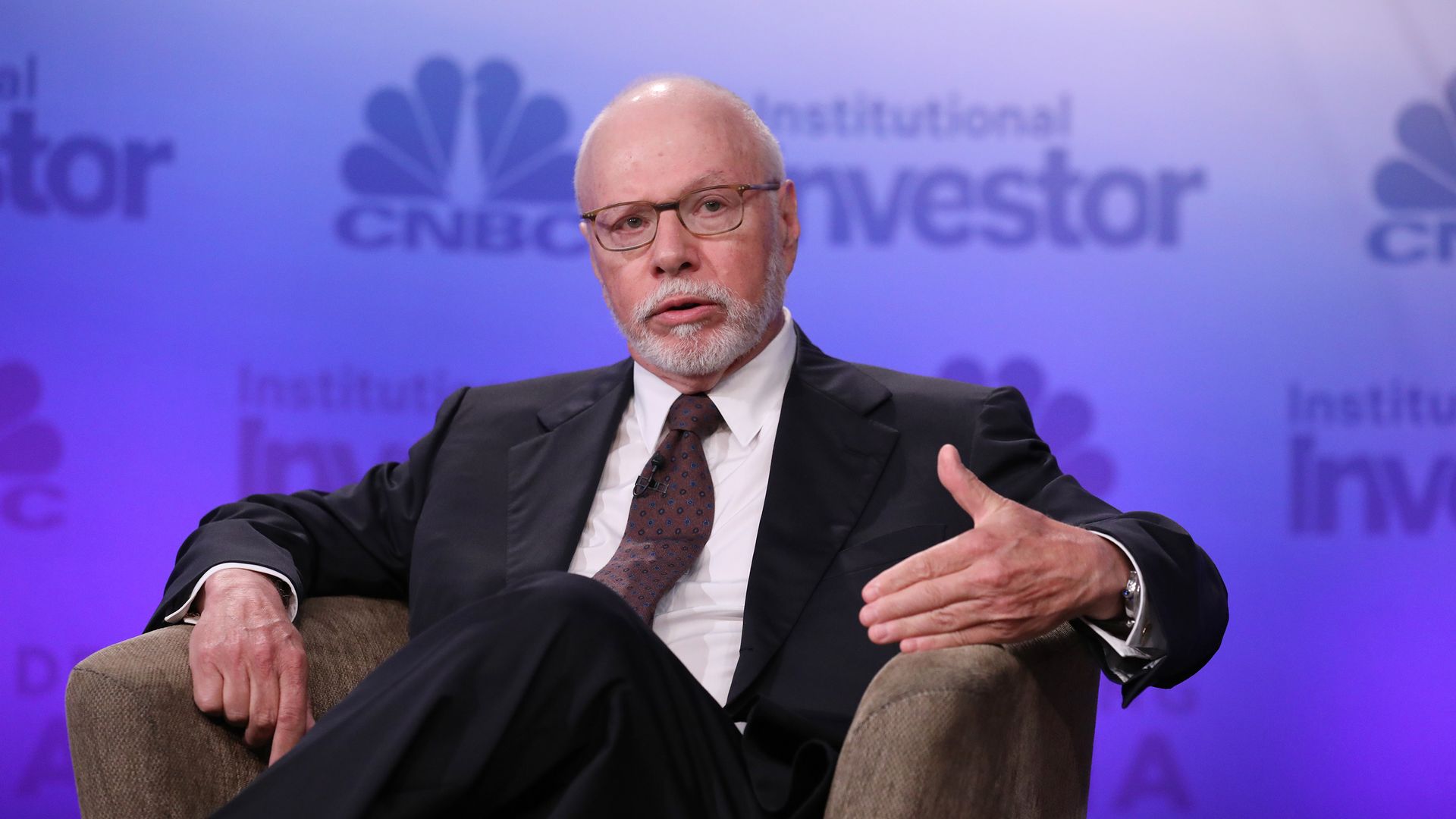
Paul Singer's hedge fund, Elliott Management, has made an offer to buy Athenahealth in a $6.5 billion all-cash deal and harshly criticized the electronic health record company in a letter to shareholders. CNBC first reported the news.
Between the lines: Athenahealth has already improved its profitability since Elliott made its hostile stake last year. Now it's up to Athenahealth's shareholders and co-founder Jonathan Bush to agree to a deal, and it's worth watching whether Elliott has bigger plans of turning Athenahealth over to a bigger tech company.
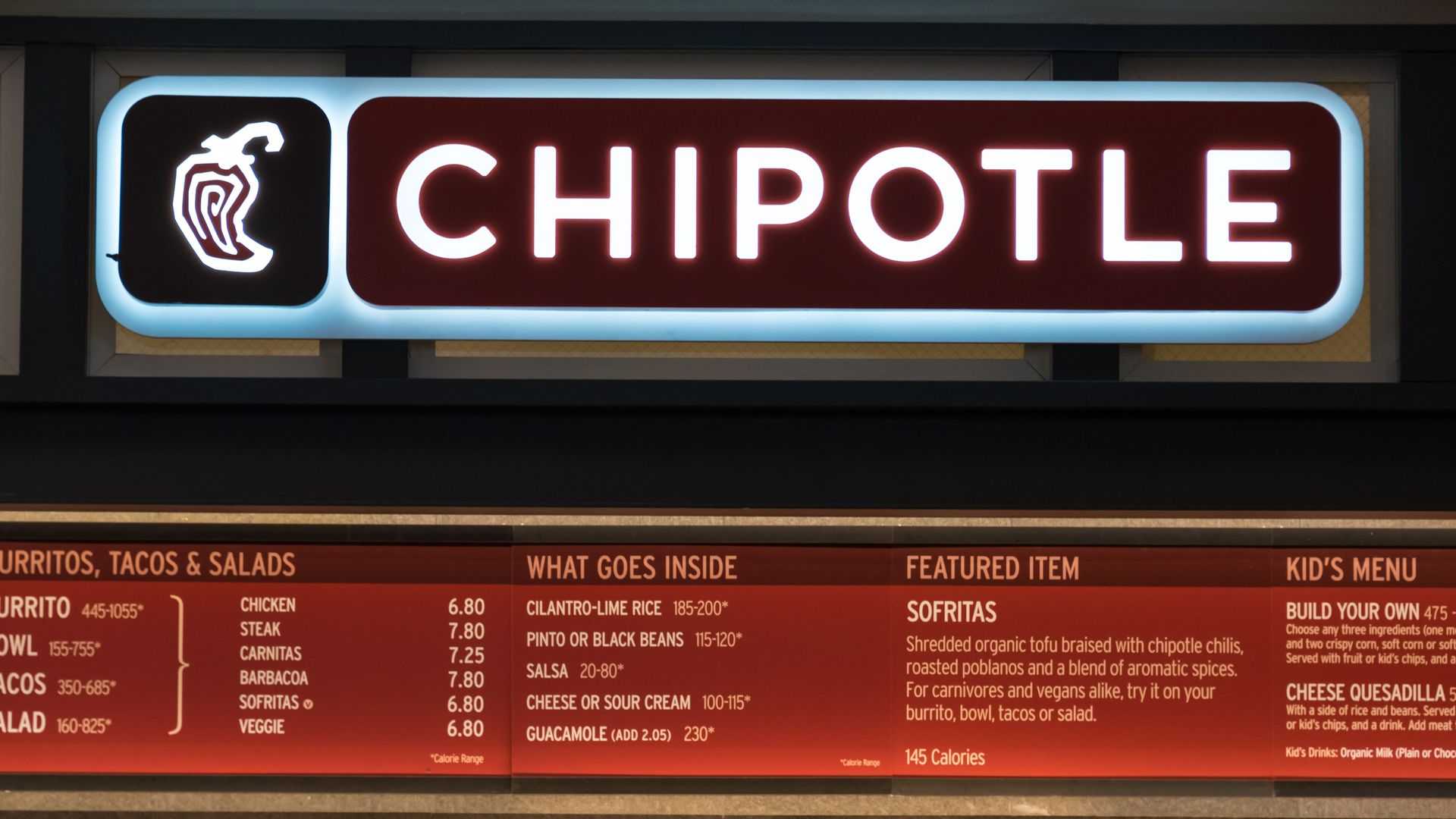
Today is the deadline by which large chain restaurants — those with more than 20 locations — must display calorie counts on their menus or menu boards.
The context: It's a product of the Affordable Care Act, but the Trump administration has had to handle some of the implementation, thanks to lawsuits from the food industry.