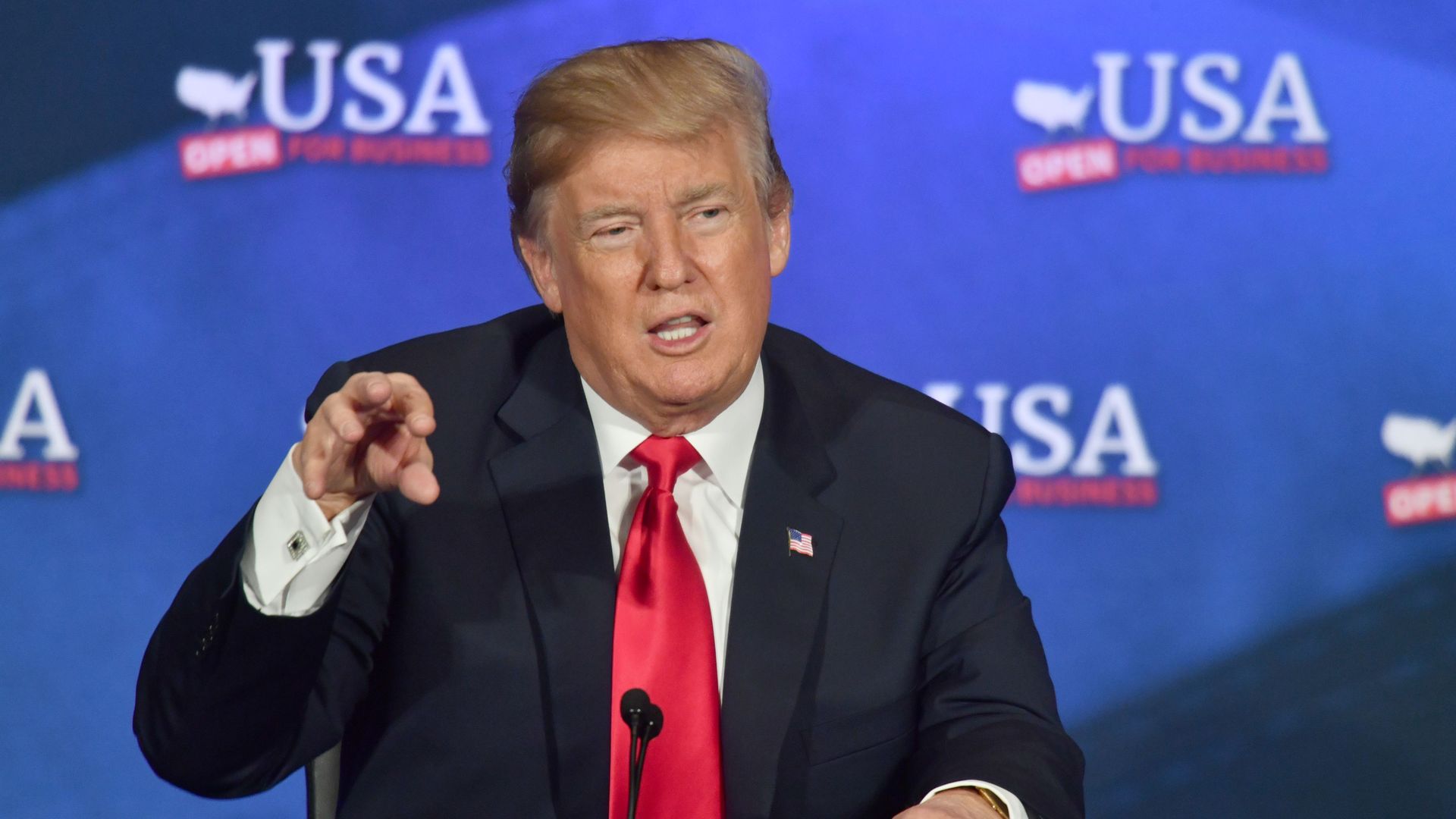
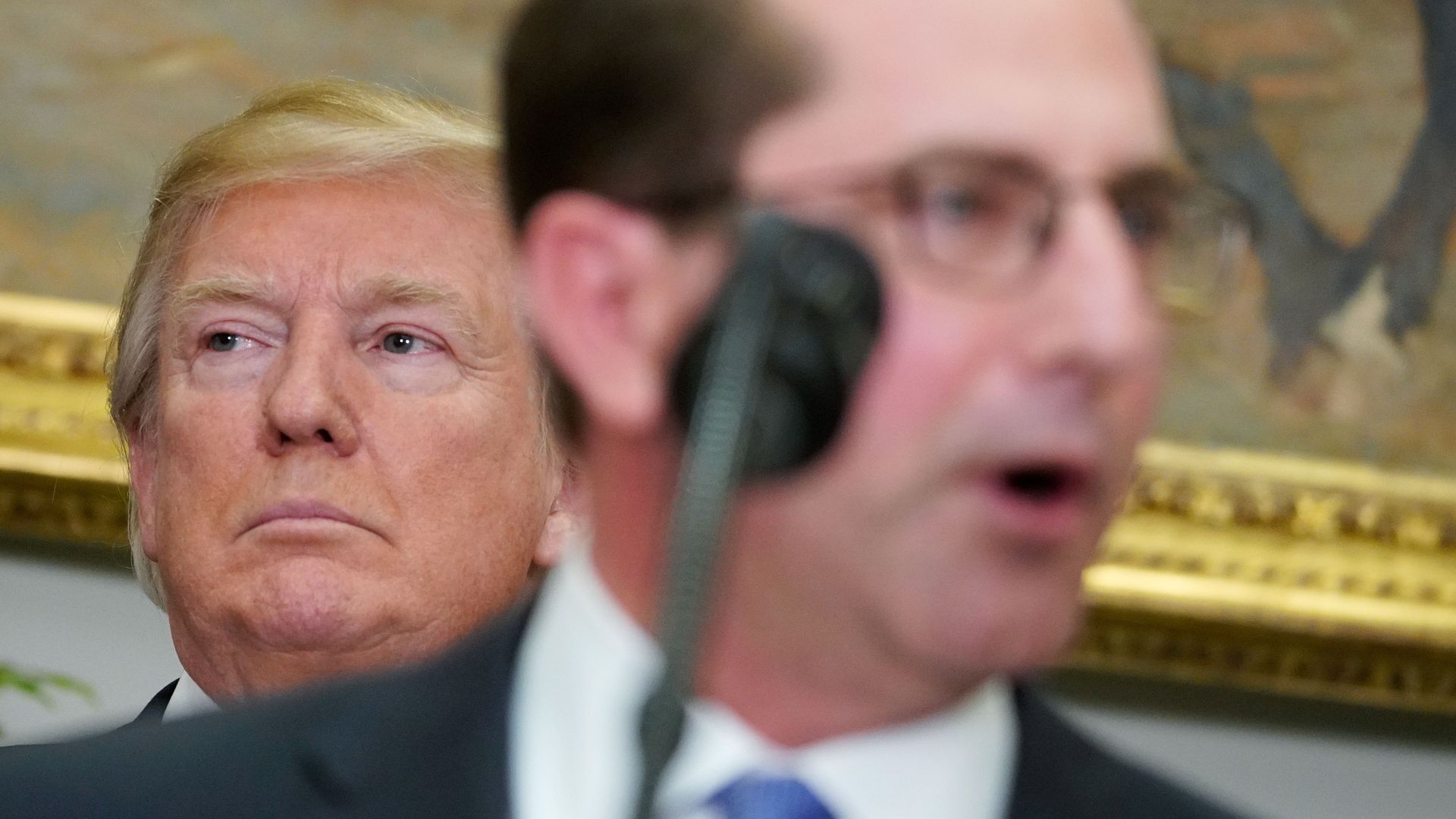
President Trump will ask Congress Tuesday to slash $15 billion from the previously approved spending package, including funds from the Children's Health Insurance Program (CHIP) and the Affordable Care Act, an administration official said during a background briefing Monday.
Why it matters: There's not much chance that Congress will actually pass the "rescissions" package, since Senate Majority Leader Mitch McConnell says it's not a good idea. The main thing the proposal might do is improve Trump's standing with fiscal conservatives — but it could also make Republicans even more vulnerable to Democratic attacks over their health care records.
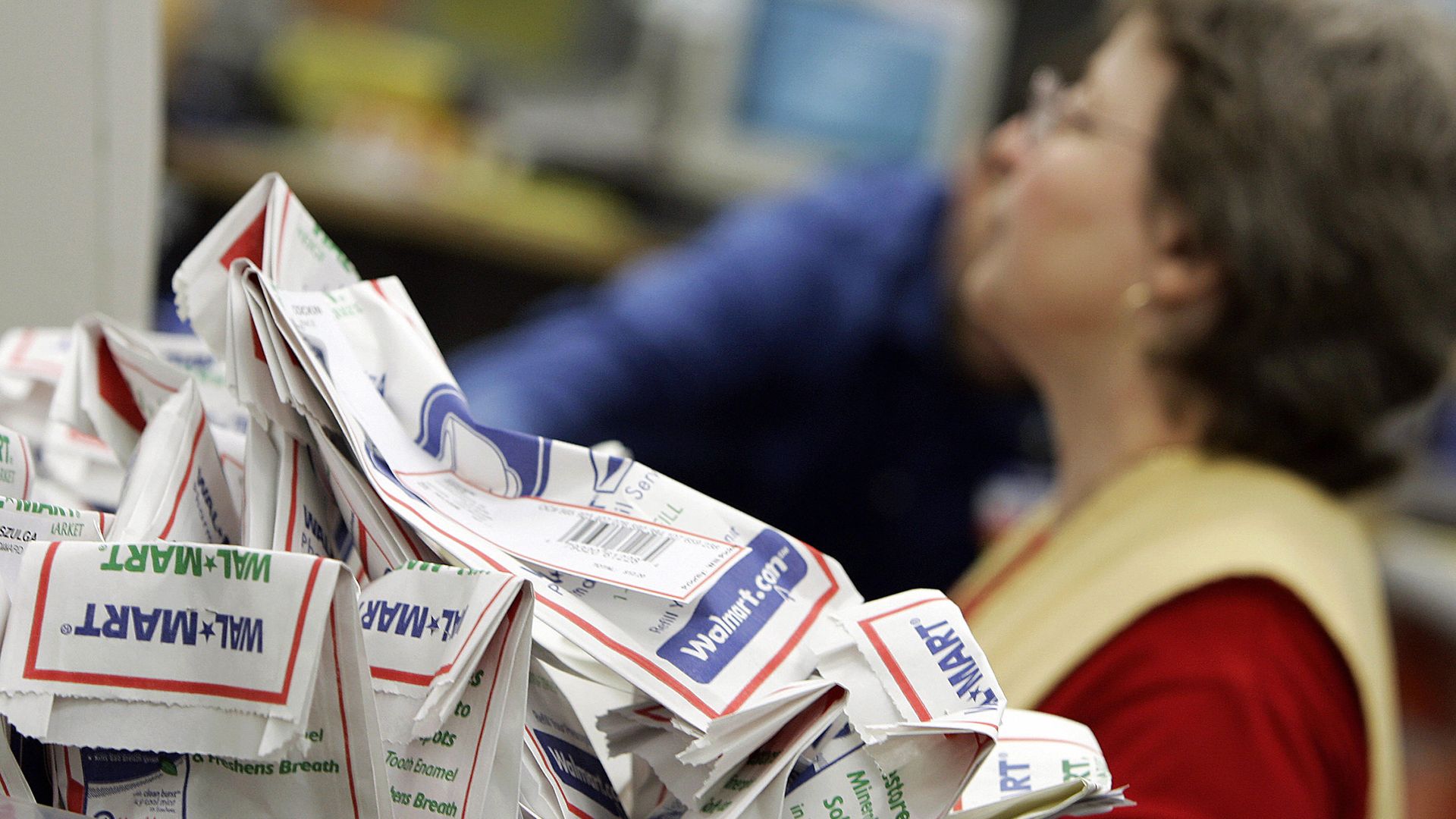
Pharmacies at Walmart and Sam's Club stores will start capping initial opioid prescriptions at seven-day supplies, the companies said Monday.
Why it matters: Walmart officials said they are implementing the new limits as a way to prevent and crack down on prescription abuse, which has contributed to the country's opioid crisis. But some clinicians have warned against policies that could inhibit people from getting needed painkillers.
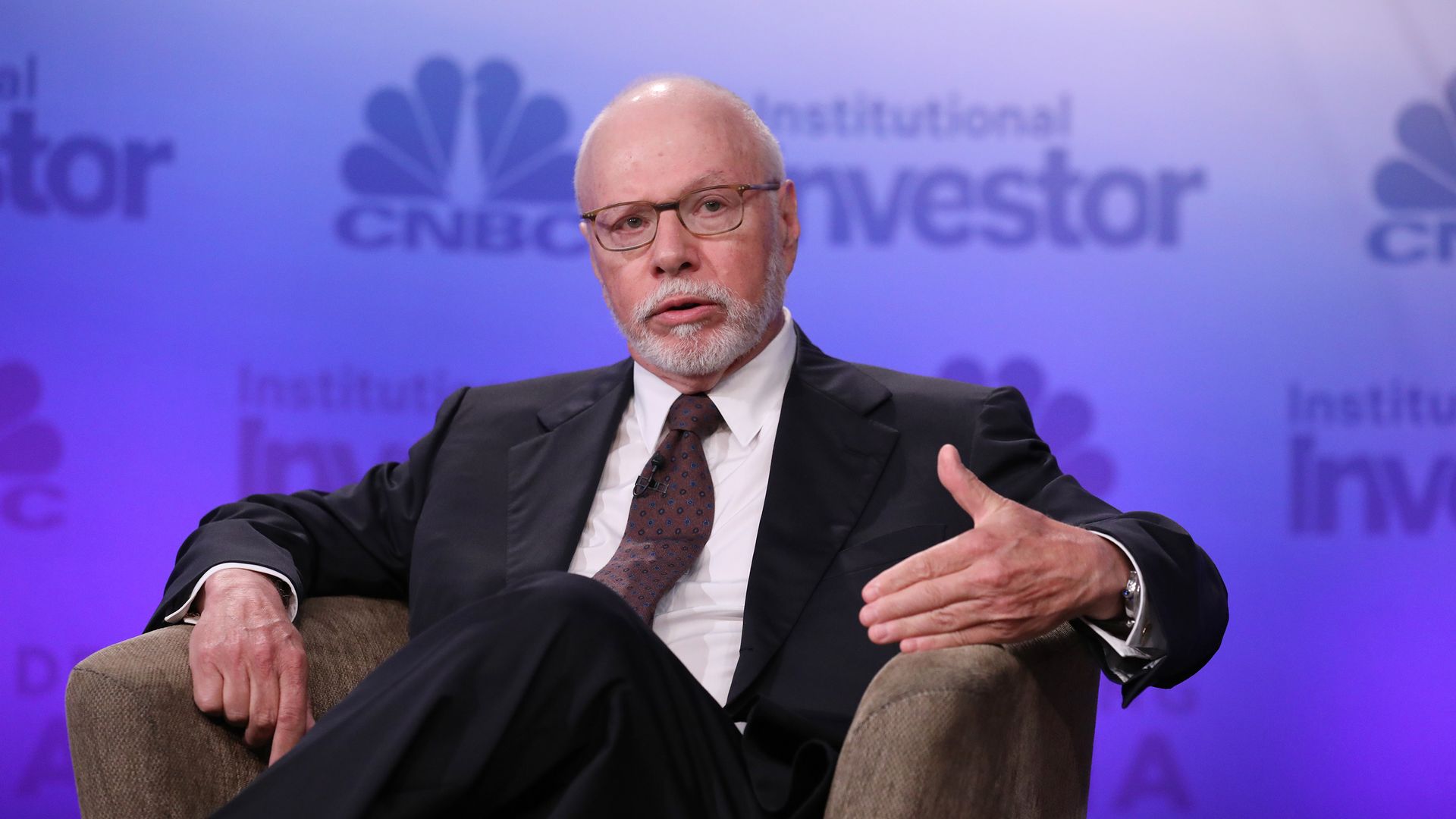
Paul Singer's hedge fund, Elliott Management, has made an offer to buy Athenahealth in a $6.5 billion all-cash deal and harshly criticized the electronic health record company in a letter to shareholders. CNBC first reported the news.
Between the lines: Athenahealth has already improved its profitability since Elliott made its hostile stake last year. Now it's up to Athenahealth's shareholders and co-founder Jonathan Bush to agree to a deal, and it's worth watching whether Elliott has bigger plans of turning Athenahealth over to a bigger tech company.
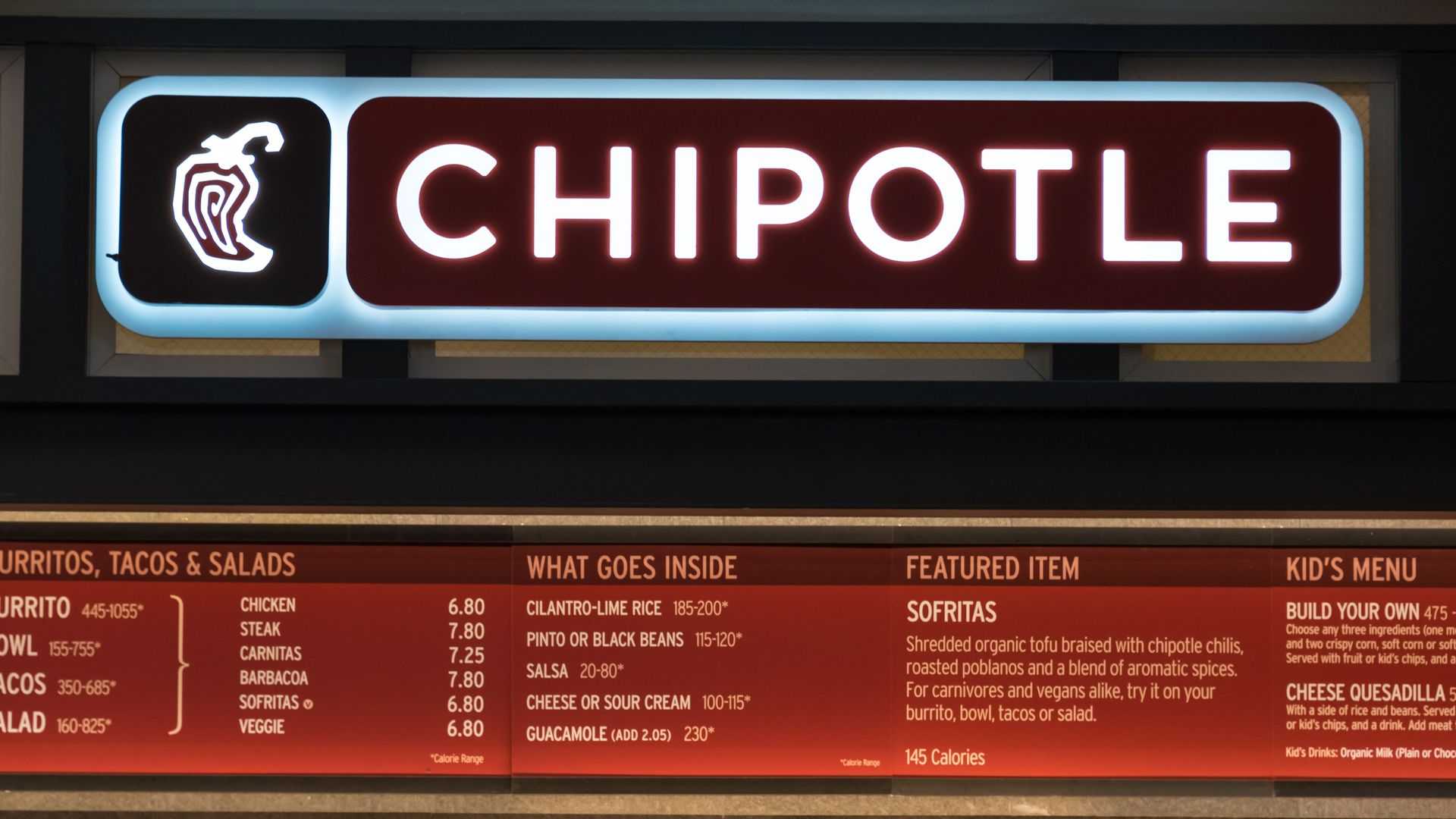
Today is the deadline by which large chain restaurants — those with more than 20 locations — must display calorie counts on their menus or menu boards.
The context: It's a product of the Affordable Care Act, but the Trump administration has had to handle some of the implementation, thanks to lawsuits from the food industry.
Drug companies spent $171.5 million lobbying Congress and the federal government last year, the most of any industry, reports The New York Times, per data by the Center for Responsive Politics. The companies and their allied trade groups also deployed 882 lobbyists last year, two-thirds of whom had previously worked for Congress or the federal government.
Why it matters: This spending could be a harbinger for a concerted industry effort to derail a plan by the Trump administration to crack down on soaring drug prices. As Axios' Bob Herman recently reported, pharmaceutical companies have hiked the prices of hundreds of drugs at rates that significantly outstrip inflation since President Trump came into office.