Health insurance companies are making money through the Affordable Care Act, despite the financial turmoil of the law’s first few years, the White House Council of Economic Advisers says in a new report. The findings are an implicit retort to critics who have accused the Trump administration of “sabotaging” the health care law.
The big picture: Axios has reported basically the same thing: Insurers are profitable overall, and many are profiting from their ACA business specifically. That said, the Trump administration’s policy changes really do have insurers on edge, and Congress’ imminent failure to pass a stabilization package would only make them more nervous — likely leading to even bigger premium hikes and a weaker market.
As a response to the opioid epidemic, Attorney General Jeff Sessions "strongly encouraged" U.S. attorneys to pursue the death penalty in applicable drug-related cases in a memo sent on Wednesday morning, saying "we cannot continue with business as usual."
Why it matters: President Trump has repeatedly suggested that drug dealers receive the death penalty, as a way to confront the U.S. opioid epidemic and "general drug crisis."
There's still no final spending bill deal, but some of the major issues — like funding for a border wall and election security — have been worked out. Congressional leaders will meet again this morning to tackle the rest.
Between the lines: As of now, there's nothing addressing gun violence or Affordable Care Act market stabilization, a setback for different members and groups that had been pushing the inclusion of these items.
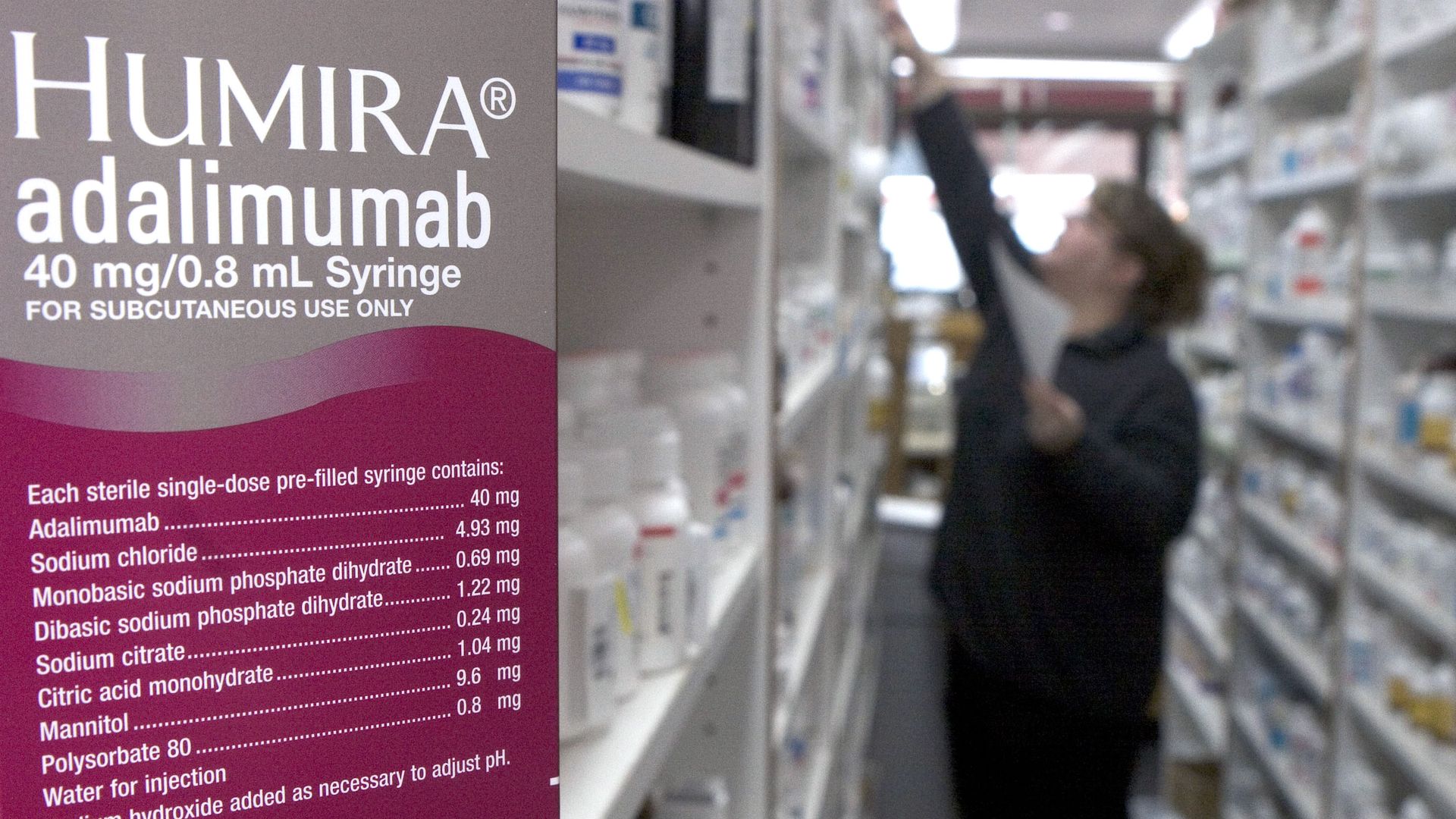
Since President Trump came into office in January 2017, pharmaceutical companies have hiked the prices of hundreds of drugs at rates that significantly outstrip inflation, according to an analysis conducted by Pharmacy Benefits Consultants. Twenty prescription drugs saw their prices rise by more than 200% in the past 14 months.
Between the lines: The pharmaceutical industry has not changed its pricing practices, despite the Trump administration's rhetoric about cracking down on high drug prices.
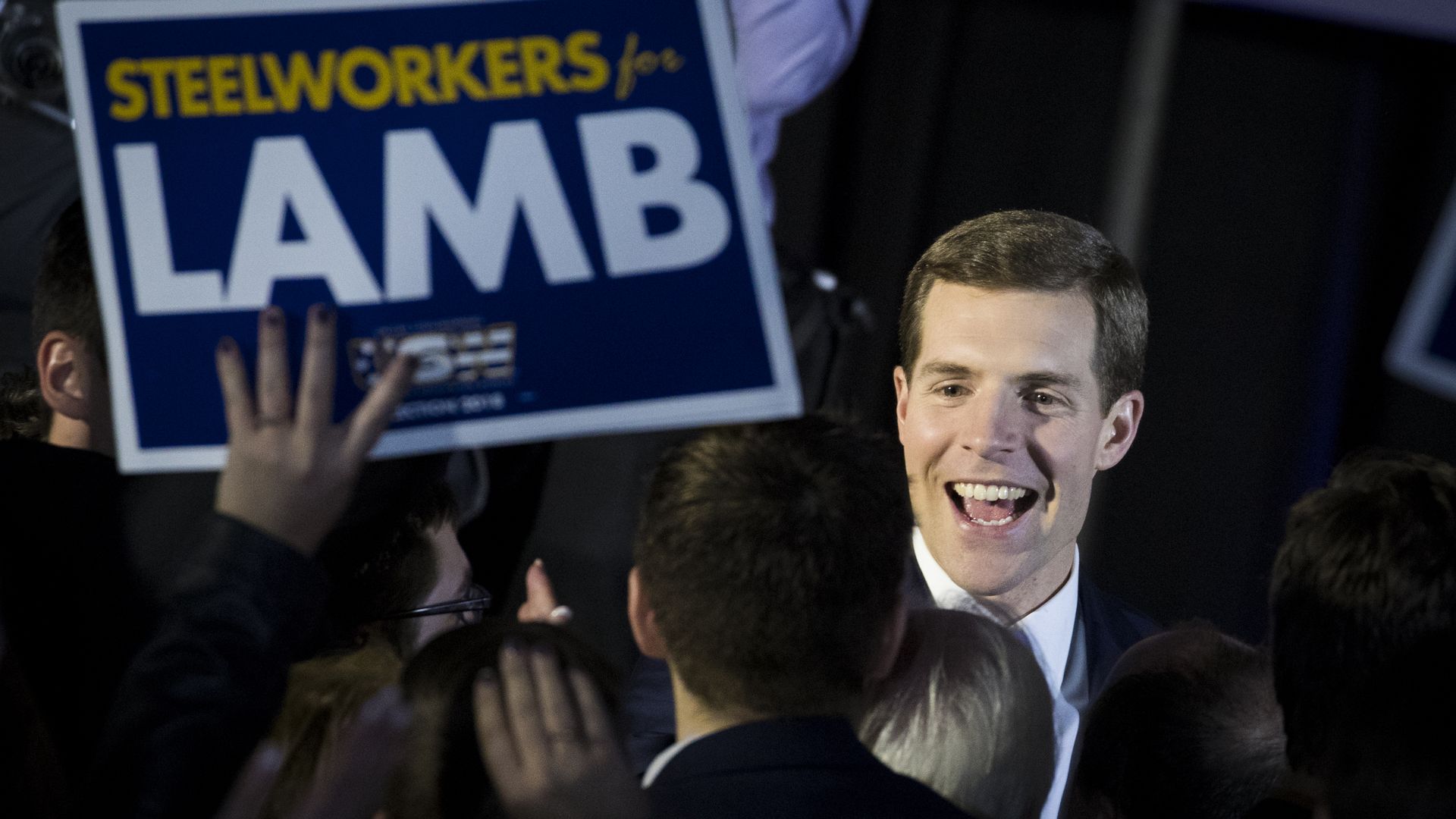
The buzz is that health care played a leading role in Conor Lamb’s upset win in last week's special House election in Pennsylvania. But in reality, we can’t say that health care was a decisive factor in Lamb’s win, at least not based on the one poll that is being used as a basis for that claim.
Between the lines: The poll, conducted by Public Policy Polling and funded by advocacy groups, found that 15% of self-reported voters said health care was the “most important issue” in the election, and an additional 37% said it was a “very important issue.” However, and notably, the poll didn't ask about any other issue, making it impossible to determine whether health care was more important than other issues for voters.
The Affordable Care Act’s tax increases were concentrated among the wealthiest 1% of Americans, while its benefits were spread broadly among the poorest 40%, according to new data from the Congressional Budget Office. The CBO examined how the law affected household incomes in 2014, the first year many of its key provisions took effect.
The bottom line: At least as far as this analysis goes, the ACA helped more people than it hurt. Whether you want to call it “redistributing wealth” or “reducing income inequality,” the ACA achieved it. Or, in CBO’s words, the law “made household income more evenly distributed.”
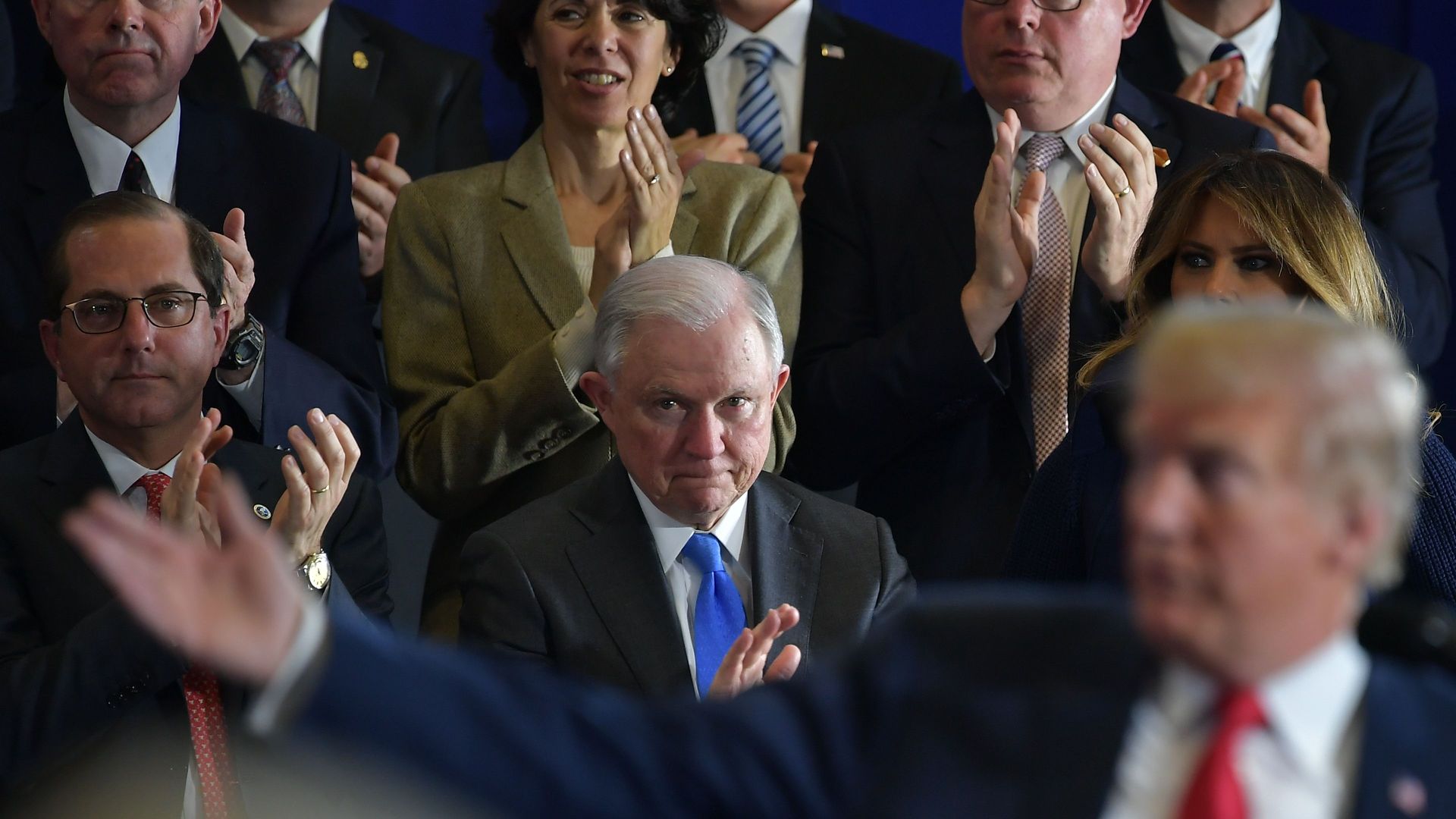
The opioid/heroin/fentanyl crisis is both a public health issue and a law enforcement issue — and law enforcement clearly was the higher priority yesterday as President Trump unveiled his administration's latest proposals to combat the crisis.
What he said: Trump spent the bulk of his time in yesterday's speech talking about drug dealers and illegal products. He talked at length about giving some drug traffickers the death penalty; he talked about "sanctuary cities" and made a pitch for the border wall; and he talked up a "just say no" type of TV ads to discourage young people from trying drugs. Public health interventions took a backseat.
Things are looking worse by the day for efforts to stabilize the Affordable Care Act's insurance markets. You might think Democrats would want to protect President Obama's signature achievement, or that Republicans would be motivated to prevent big premium hikes heading into midterms. But other political considerations are proving more influential.
Why this matters: If Congress doesn't step in, coverage will likely become more unaffordable for more people, and insurers may exit some markets altogether.
The chance of becoming infected with a common respiratory virus on an airplane may be smaller than originally thought — less than 3% unless you are sitting within one meter of an infected person, where your chances rise to 80%, according to a study published in PNAS Monday.
Why it matters: There are more than 3 billion airline passengers annually, and global health officials want to learn more how infectious diseases are transmitted, particularly after reported transmission of cases of flu pandemic and severe acute respiratory syndrome (SARS) via planes.