Congress' latest spending package includes a provision to boost Medicare payments for one specific drug: Omidria, which is used in cataract surgery, STAT reports. One Wall Street firm estimated that Omeros, the company that makes Omidria, would have to cut the drug's price by 90% to stay competitive without the enhanced Medicare rate.
Why it matters: The pharmaceutical industry wasn't able to reverse new Medicare donut hole obligations, but Congress wasn't afraid to throw out a small life preserver. The stock price of Omeros soared 36% Thursday on the news.
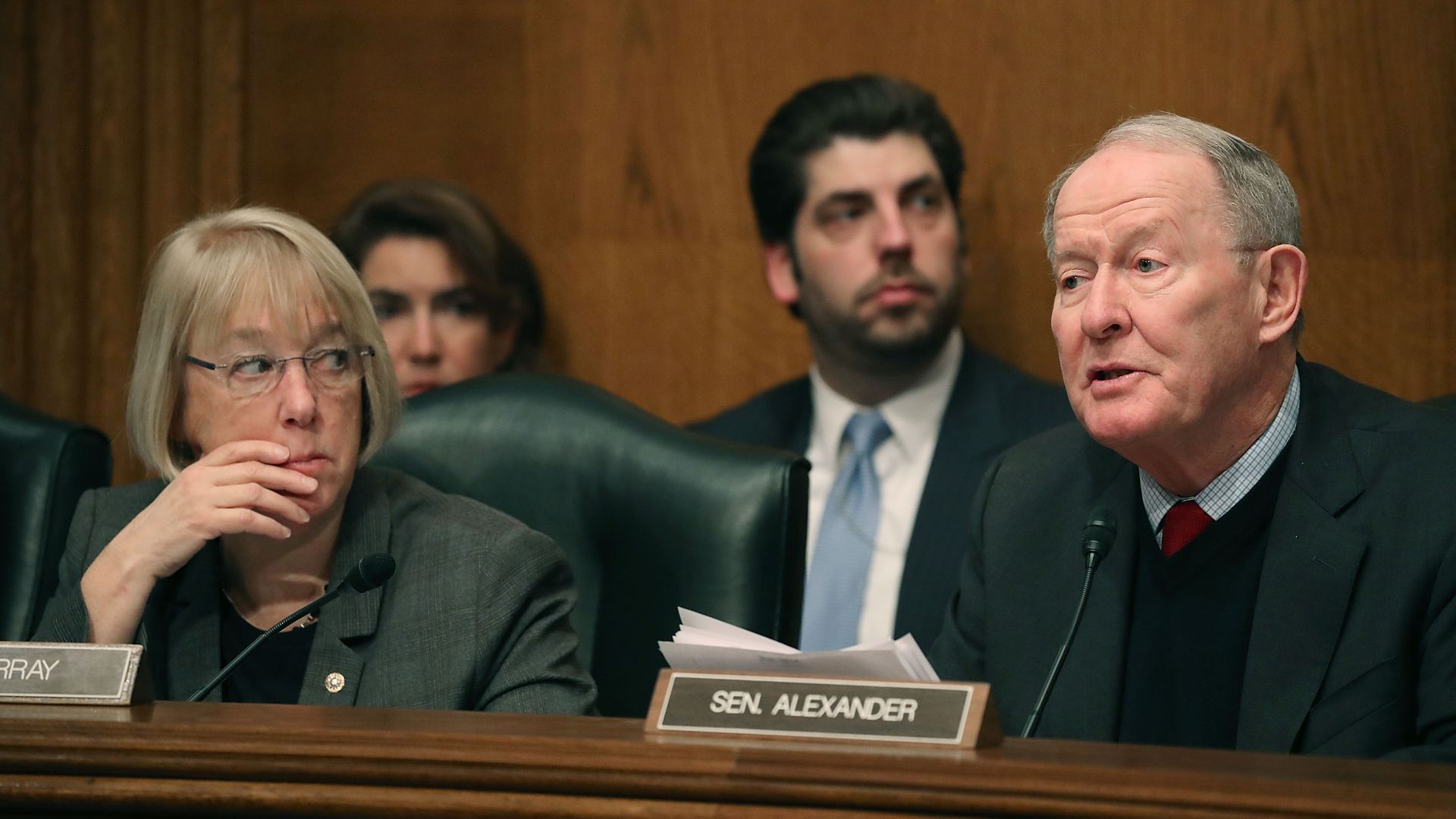
Six months ago, the Senate had a bipartisan health care deal with a good chance of becoming law. But now that deal appears to be dead — derailed by abortion politics, policy disagreements and months of lawmakers dragging their feet while the health care landscape shifted underneath them.
Why this matters: Premiums are almost certainly going up in October, and insurers will be deciding whether to keep participating in the marketplace.
Health insurance companies are making money through the Affordable Care Act, despite the financial turmoil of the law’s first few years, the White House Council of Economic Advisers says in a new report. The findings are an implicit retort to critics who have accused the Trump administration of “sabotaging” the health care law.
The big picture: Axios has reported basically the same thing: Insurers are profitable overall, and many are profiting from their ACA business specifically. That said, the Trump administration’s policy changes really do have insurers on edge, and Congress’ imminent failure to pass a stabilization package would only make them more nervous — likely leading to even bigger premium hikes and a weaker market.
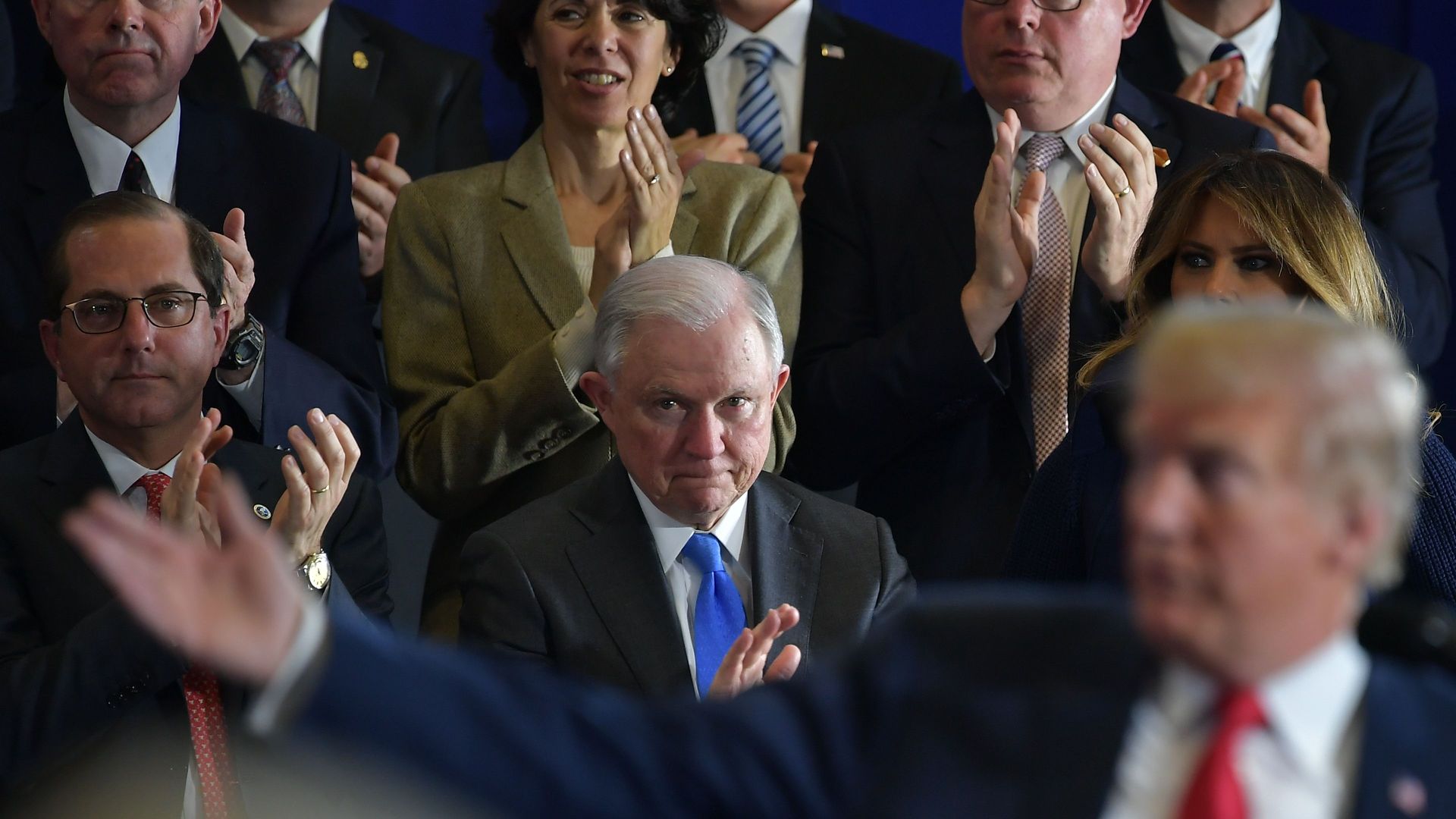
As a response to the opioid epidemic, Attorney General Jeff Sessions "strongly encouraged" U.S. attorneys to pursue the death penalty in applicable drug-related cases in a memo sent on Wednesday morning, saying "we cannot continue with business as usual."
Why it matters: President Trump has repeatedly suggested that drug dealers receive the death penalty, as a way to confront the U.S. opioid epidemic and "general drug crisis."
There's still no final spending bill deal, but some of the major issues — like funding for a border wall and election security — have been worked out. Congressional leaders will meet again this morning to tackle the rest.
Between the lines: As of now, there's nothing addressing gun violence or Affordable Care Act market stabilization, a setback for different members and groups that had been pushing the inclusion of these items.
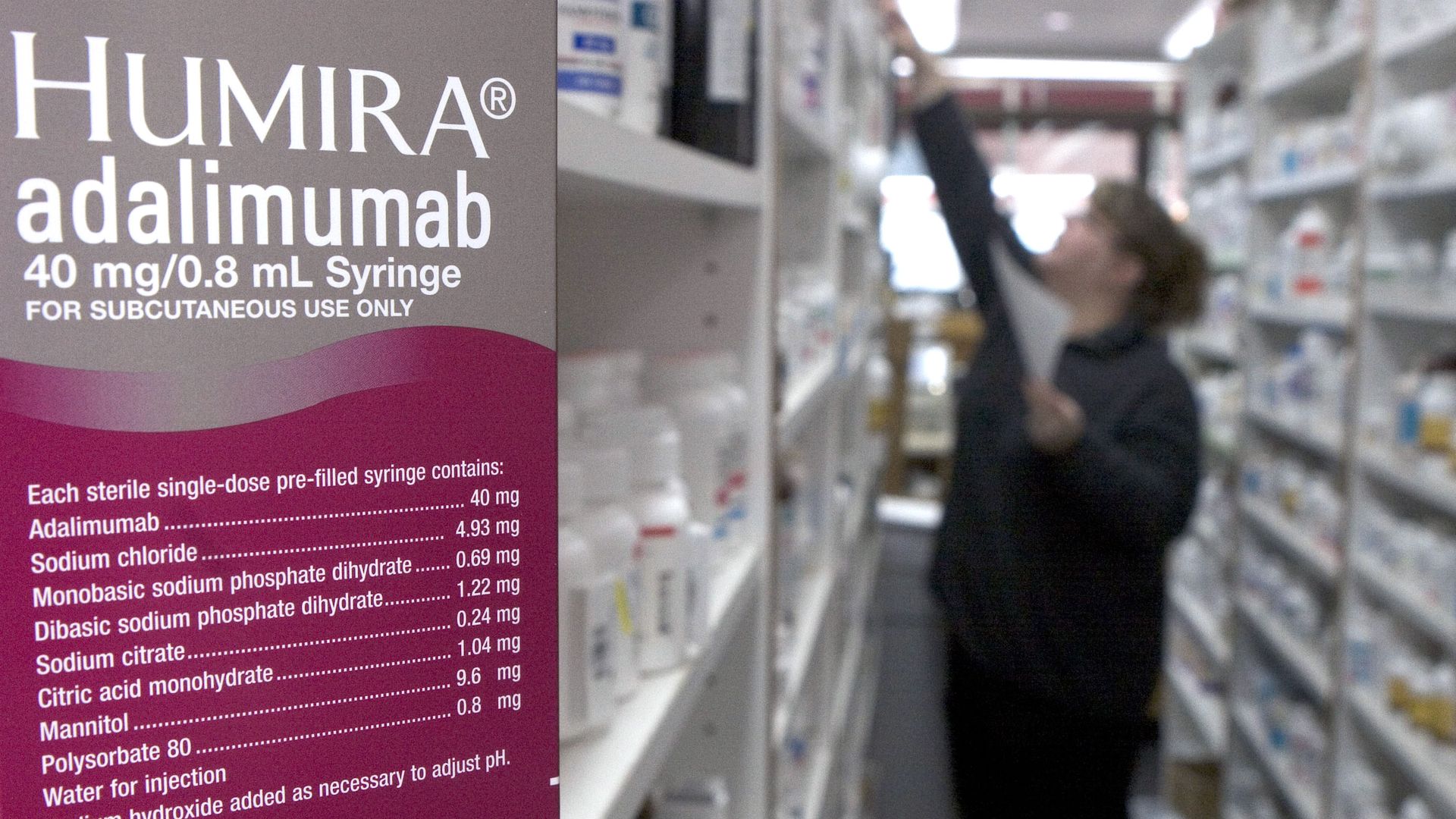
Since President Trump came into office in January 2017, pharmaceutical companies have hiked the prices of hundreds of drugs at rates that significantly outstrip inflation, according to an analysis conducted by Pharmacy Benefits Consultants. Twenty prescription drugs saw their prices rise by more than 200% in the past 14 months.
Between the lines: The pharmaceutical industry has not changed its pricing practices, despite the Trump administration's rhetoric about cracking down on high drug prices.
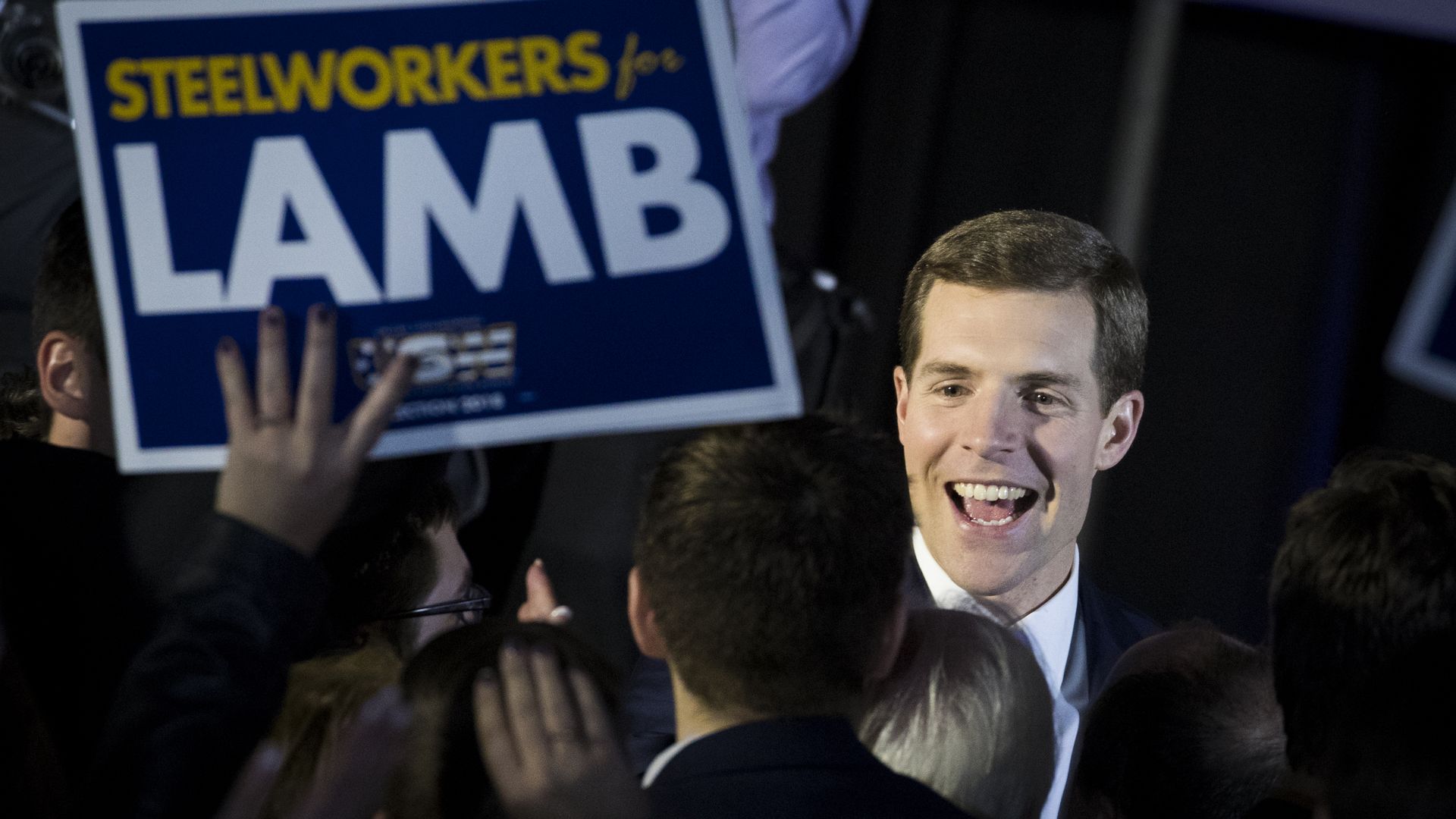
The buzz is that health care played a leading role in Conor Lamb’s upset win in last week's special House election in Pennsylvania. But in reality, we can’t say that health care was a decisive factor in Lamb’s win, at least not based on the one poll that is being used as a basis for that claim.
Between the lines: The poll, conducted by Public Policy Polling and funded by advocacy groups, found that 15% of self-reported voters said health care was the “most important issue” in the election, and an additional 37% said it was a “very important issue.” However, and notably, the poll didn't ask about any other issue, making it impossible to determine whether health care was more important than other issues for voters.