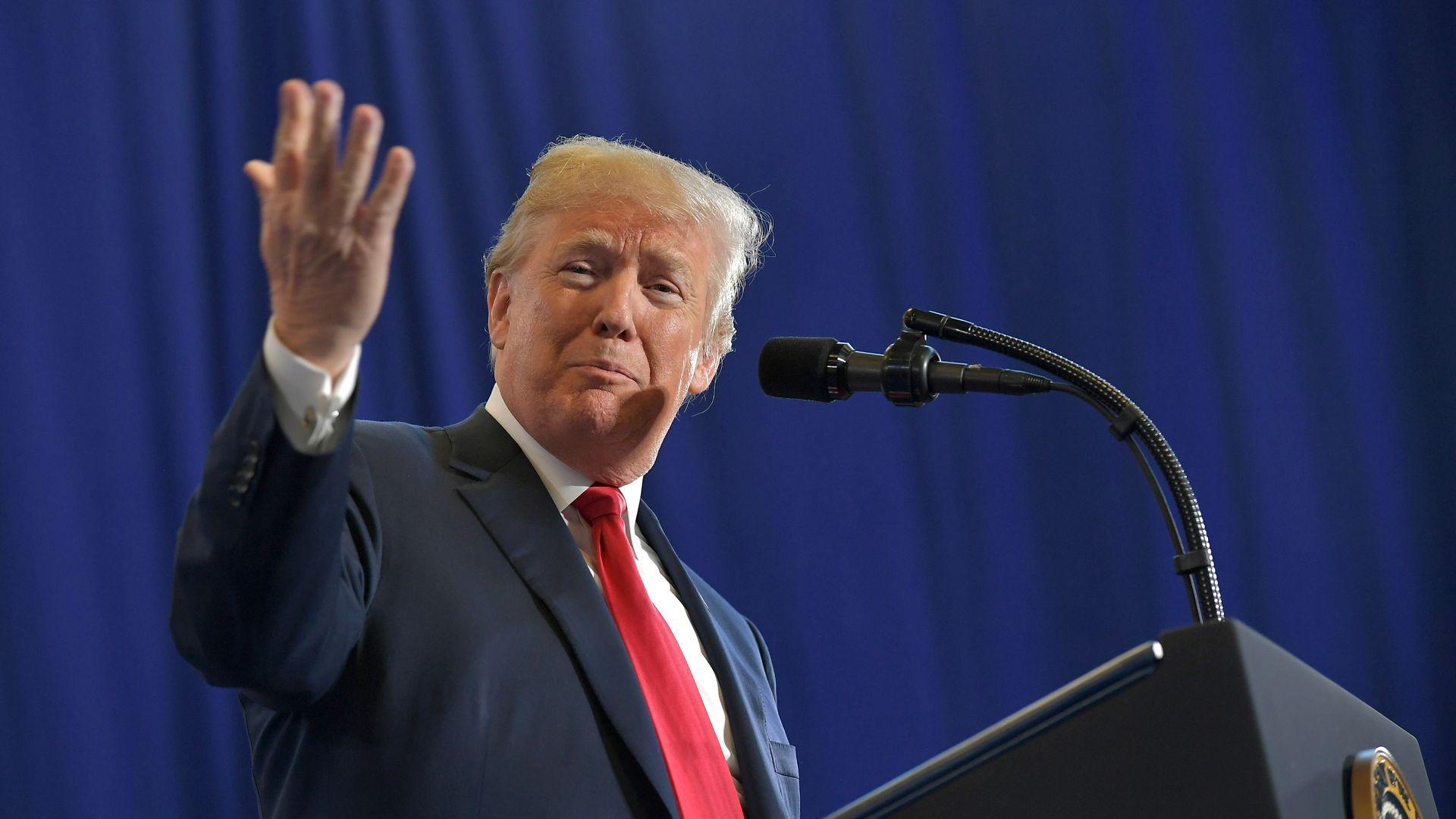
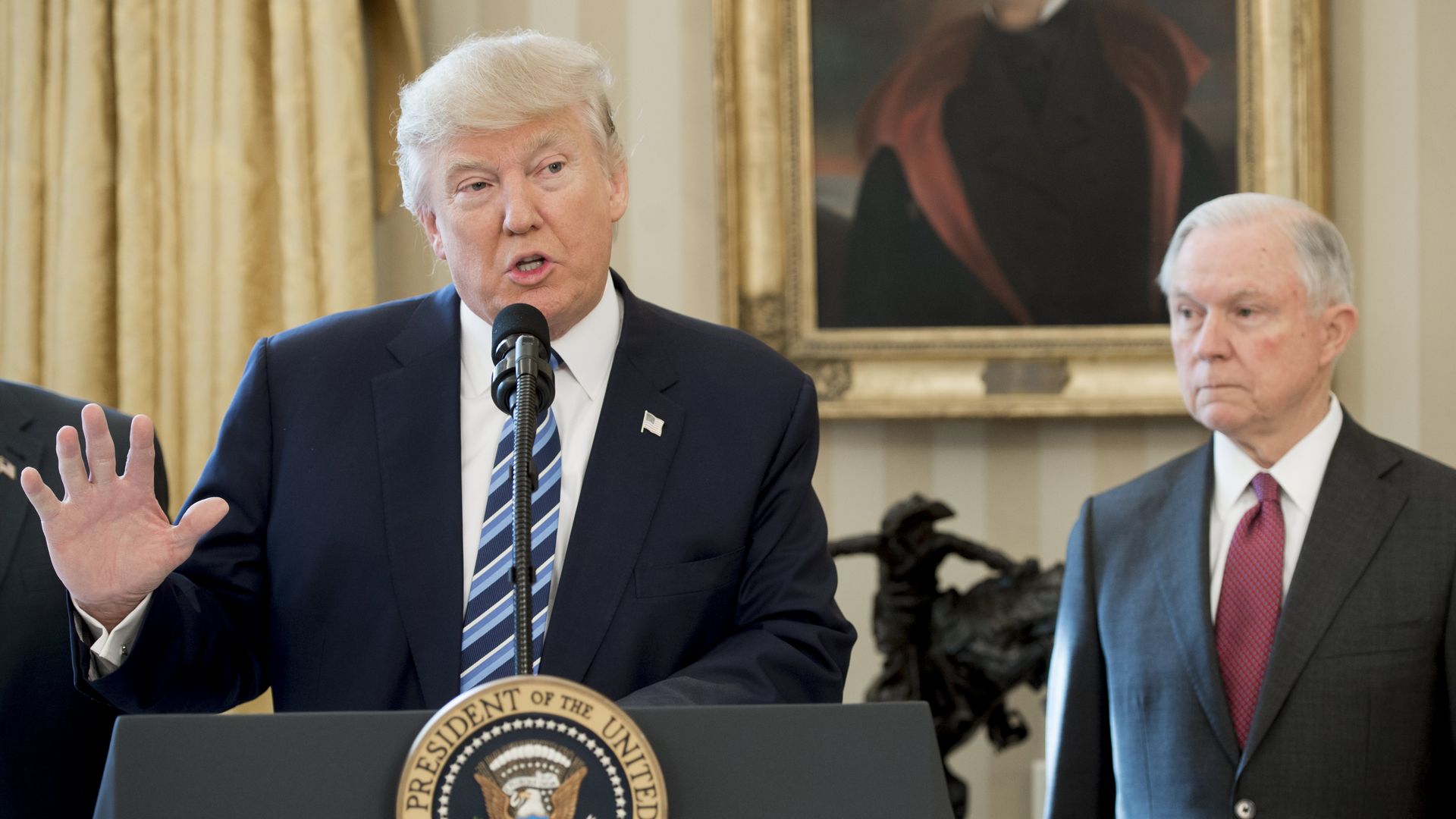
In a speech in New Hampshire addressing the opioid crisis, President Trump said that the Department of Justice needs to be tough toward drug dealers and "that toughness includes the death penalty." He went on to praise other countries who execute drug dealers, saying "they don't play games."
Why it matters: Trump said he's not only addressing the opioid crisis, but "the general drug crisis." Trump said "unless you have really bad penalties, led by the death penalty...we won't get anywhere."
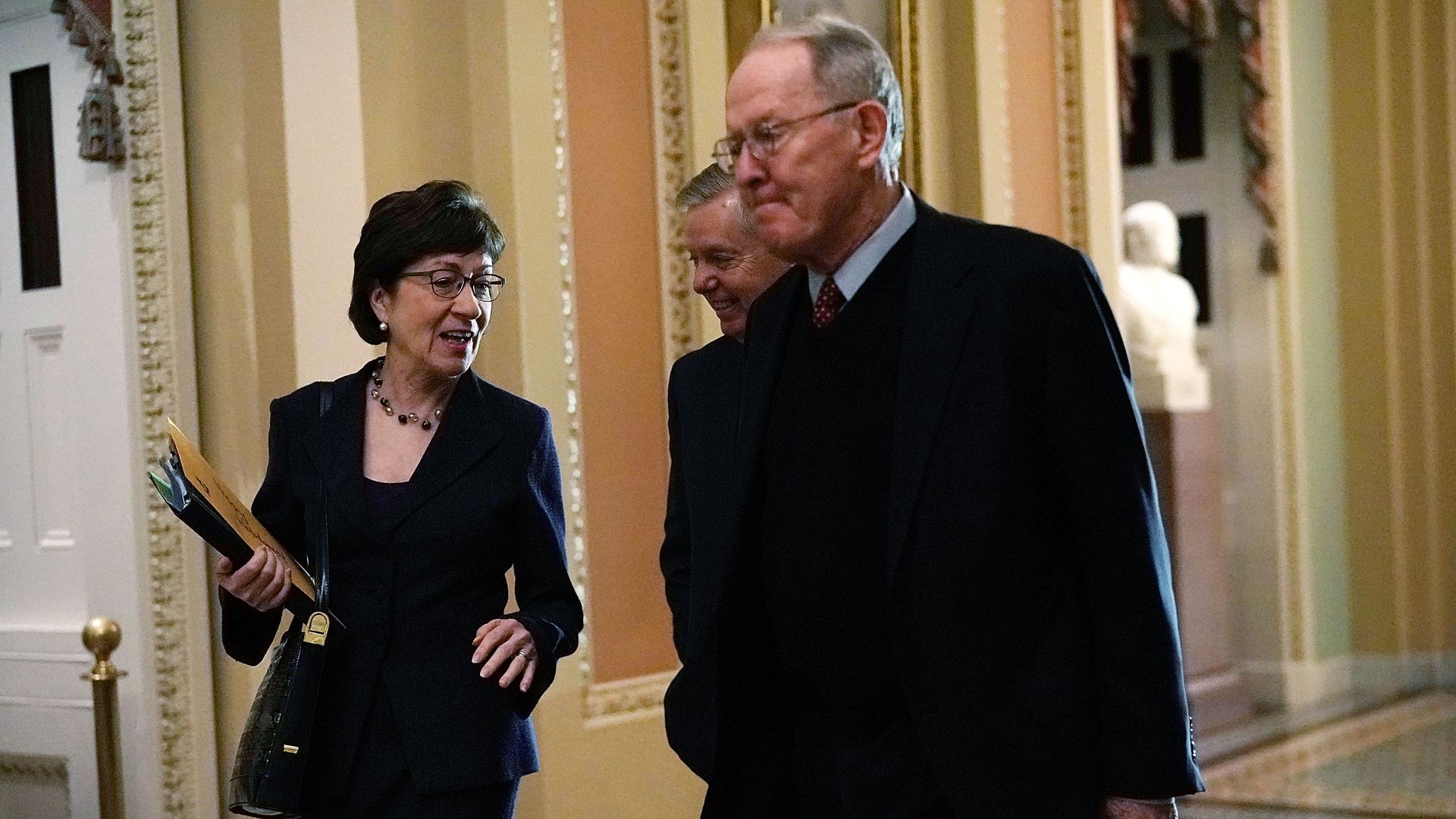
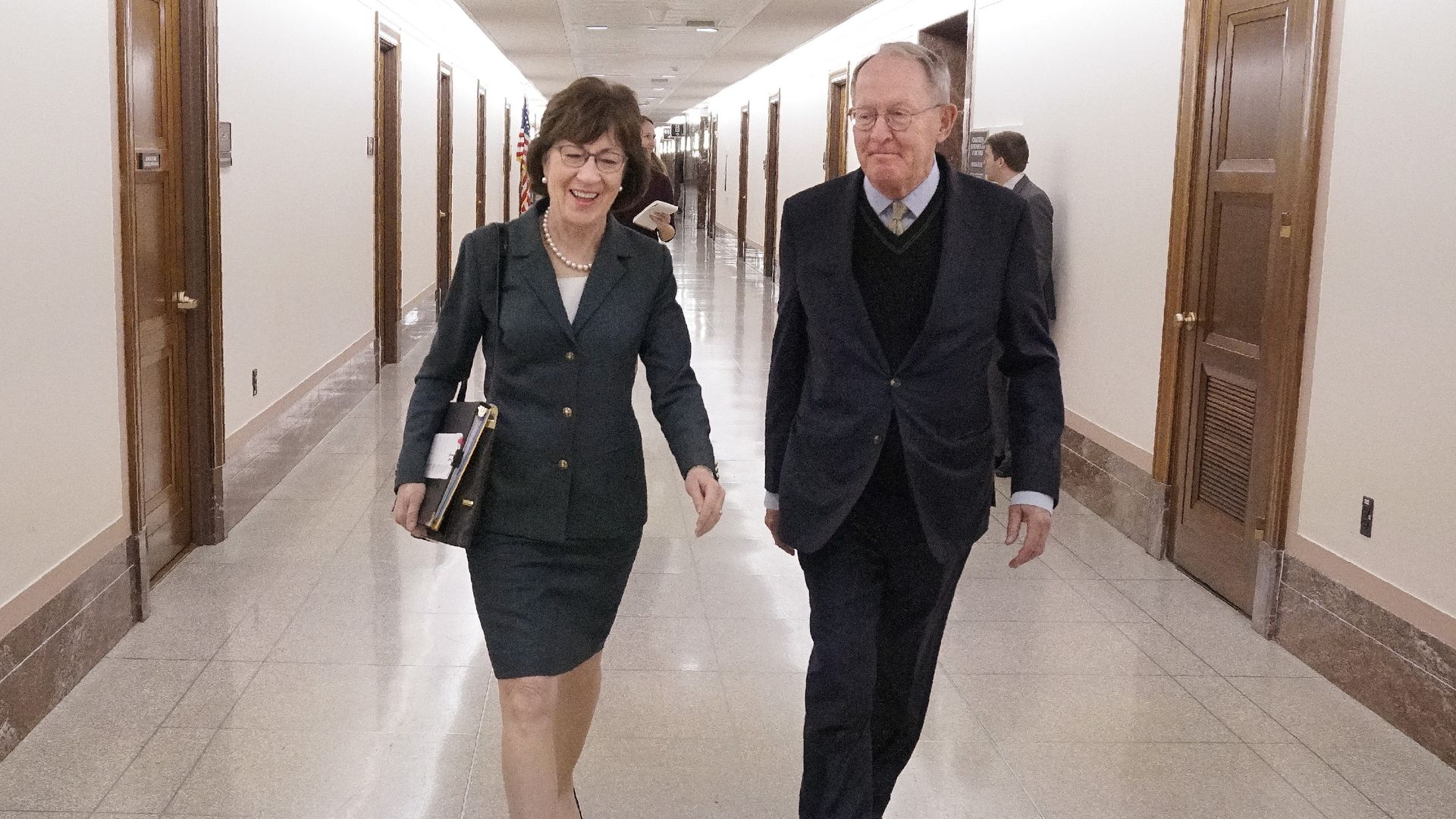
Sens. Lamar Alexander and Susan Collins have now formally introduced their proposal to stabilize the Affordable Care Act’s insurance markets. The details are about what we anticipated: three years of funding for the law’s cost-sharing payments; three years of funding for a new reinsurance program; and a smattering of new regulatory flexibilities.
What’s next: Alexander and Collins are hoping to get this proposal included in the omnibus spending bill Congress needs to pass this week. We should find out soon whether it's in or out.
This week is likely Congress' last chance to pass legislation stabilizing the Affordable Care Act's insurance markets, and it's anyone's guess what lawmakers will end up doing. On top of the political uncertainty, the policies they're considering are more complicated than they seem, and the results could be a mixed bag.
Why it matters: What Congress does here will have a big impact on millions of people's insurance premiums, and on insurance companies' decisions about whether to keep participating in these markets.
Republicans have discovered their tax law contains a mistake and are hoping Democrats will help them fix it. But if the narrative of "one party passed a giant law and now wants to change it" sounds familiar, Republicans are insisting this is different from when they wouldn't help fix the Democrats' Affordable Care Act.
Between the lines: This is a great indicator of why Congress struggles to get anything done — because now the precedent has been set for one party to refuse to fix problems with the other party's laws. And for what it's worth, some Democrats are also denying the parallel — because, of course, they say their ACA process was much more inclusive than the GOP's tax one.
On Monday in New Hampshire, President Donald Trump will present his blueprint to combat the opioid epidemic, which includes a mandate for the Justice Department to allow prosecutors to seek the death penalty for some drug dealers, senior administration officials said on Sunday.
The details: A top administration official told reporters during a background call that law enforcement "is a key part of the holistic approach to combat" the "surge" in opioid addiction, and the DOJ would seek the penalty for some drug dealers "as appropriate under current law." But they declined to say under what circumstances it would be deemed appropriate. The DOJ didn't immediately respond to Axios' request for comment on the issue.