Wednesday's health stories

Trump threatens Obamacare payments
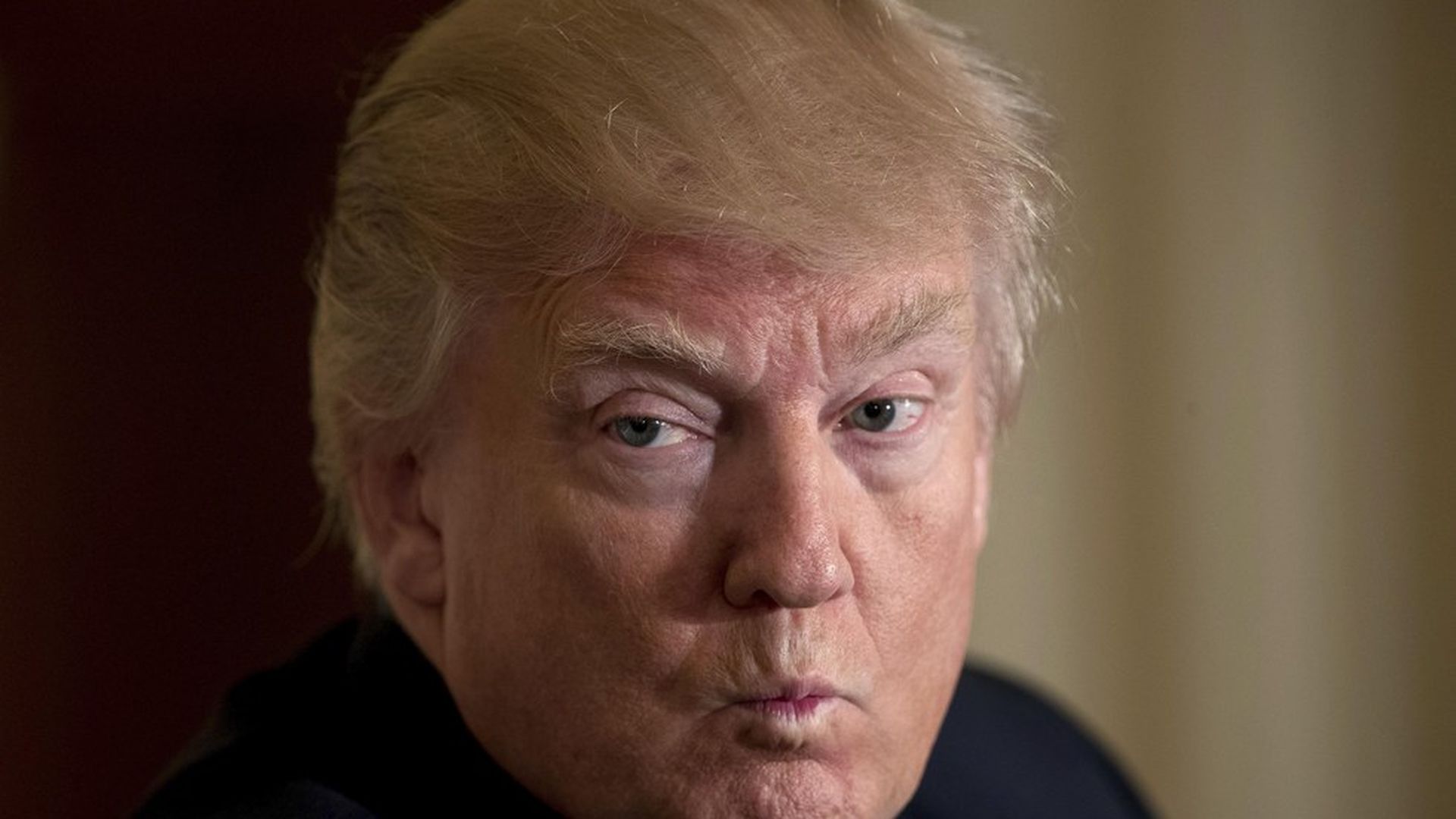
Trump told the WSJ that he may withhold payments to health insurers to force Democrats to negotiate on health care.
He said the executive branch may lack legal authority to issue the payments, which reduce costs for low-income customers:
"I don't want people to get hurt. What I think should happen—and will happen—is the Democrats will start calling me and negotiating."
Why it matters: Trump's comments threaten to escalate not just the battle with Democrats, but the uncertainty among insurers, which are already saying they may have to pull out of the Obamacare markets or raise premiums if they don't know what's going to happen with the payments.

Health care and business groups: Seriously, we need Obamacare payments
/2017/12/15/1513301563692.gif?w=3840)
The latest healthcare plea to Trump and Congress is that health insurers need to be paid for their Obamacare cost-sharing subsidies if the administration wants to avoid double-digit rate hikes and keep insurers from bailing out.
Key sentence: "The window is quickly closing to properly price individual insurance products for 2018."

Chronic opioid use is a post-surgery complication
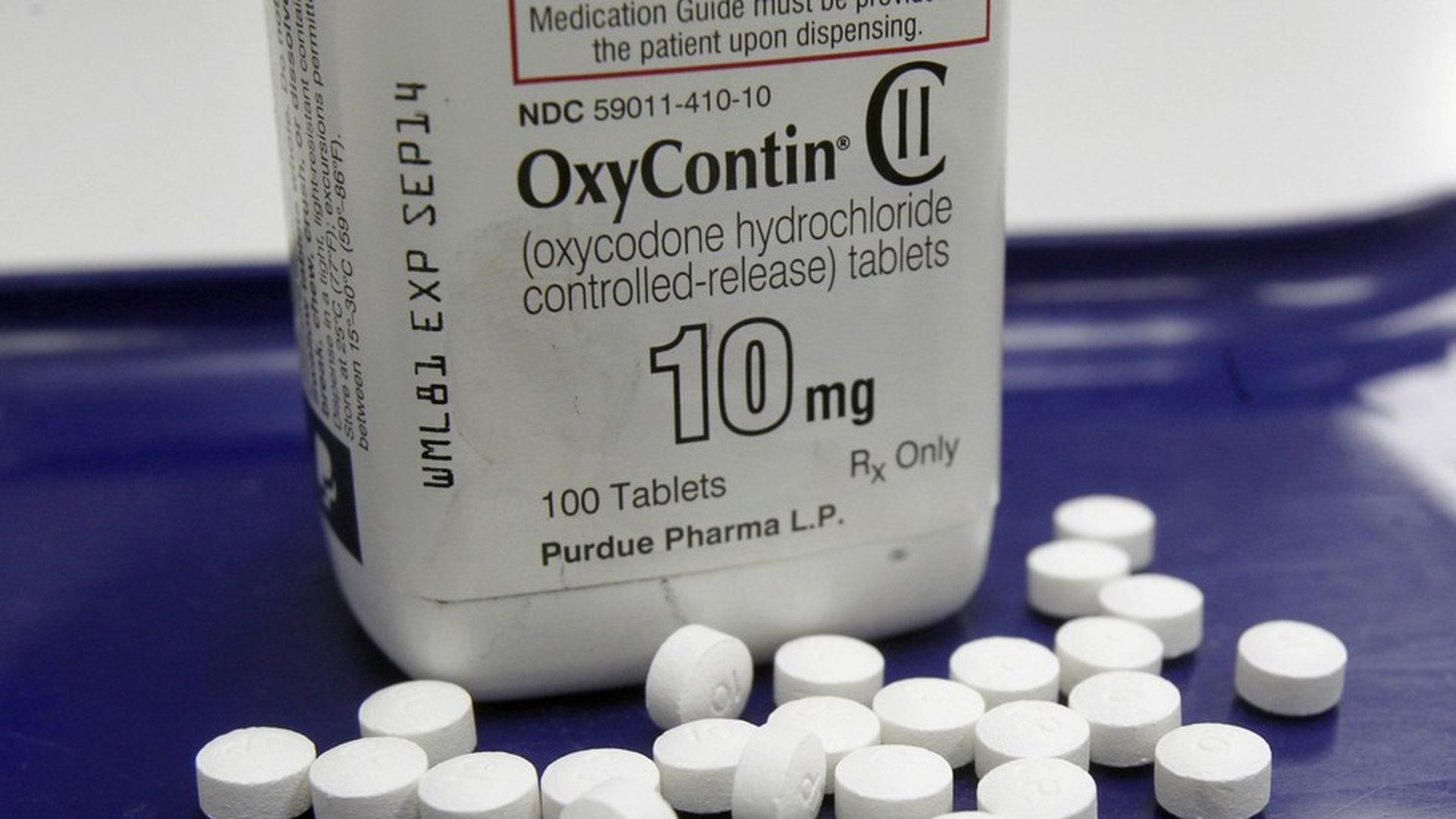
Roughly 6% of people who took opioid pain relievers for the first time following a surgery continued to take the drugs three months later, after pain would typically subside, a new study shows. The researchers estimated that each year as many as 2 million people in the U.S. could begin persistently using the drugs following a surgical procedure.
Why it matters: The U.S. is in the midst of an opioid epidemic — nearly 340 people died each week in 2015 by overdosing on prescription opioid pain relievers. There has been a tremendous amount of attention on opioid abuse stemming from chronic pain management but less is known about how the drugs are used after surgery.

Latest Trumpcare idea: Let different health plans fight it out
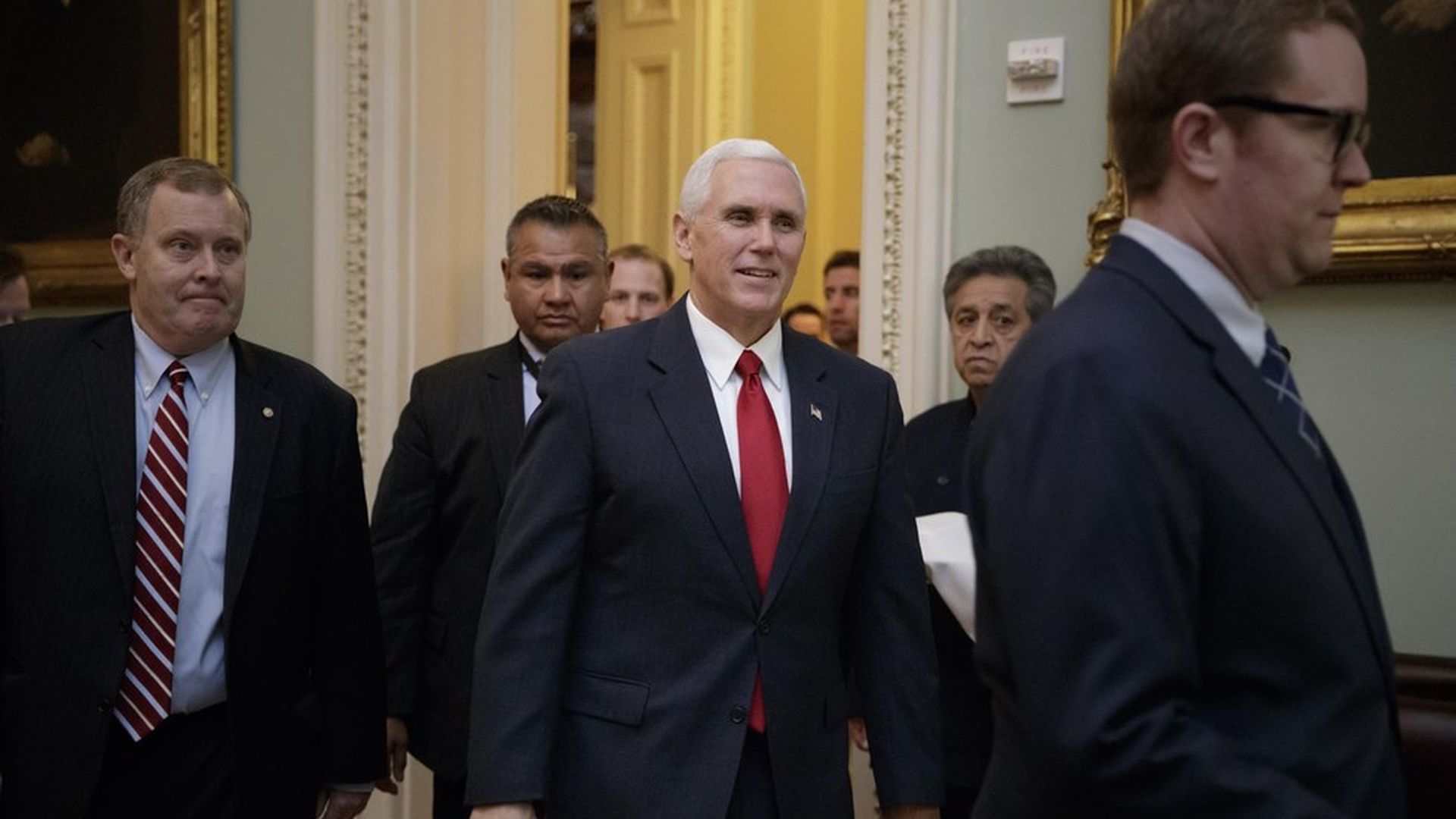
White House officials and top Republicans have been trading new ideas over the recess to get Obamacare repeal back on track — and one of the latest ideas is to allow more market competition between health plans that follow Obamacare's rules and plans that don't, according to sources familiar with the talks.
They're also trying to narrow the language of the proposal to let states opt out of some of the law's insurance regulations. That's a concession to moderates who don't want to undermine Obamacare's protections for people with pre-existing conditions.
What it means: The goal is to get enough Republicans on board so the House can vote on the bill in two weeks, right after the recess ends. The latest talks show all sides are serious about trying, and they're testing all kinds of ideas to break the stalemate, but there's no sign that they've found the breakthrough yet.

Trump won't touch tax reform until healthcare passes
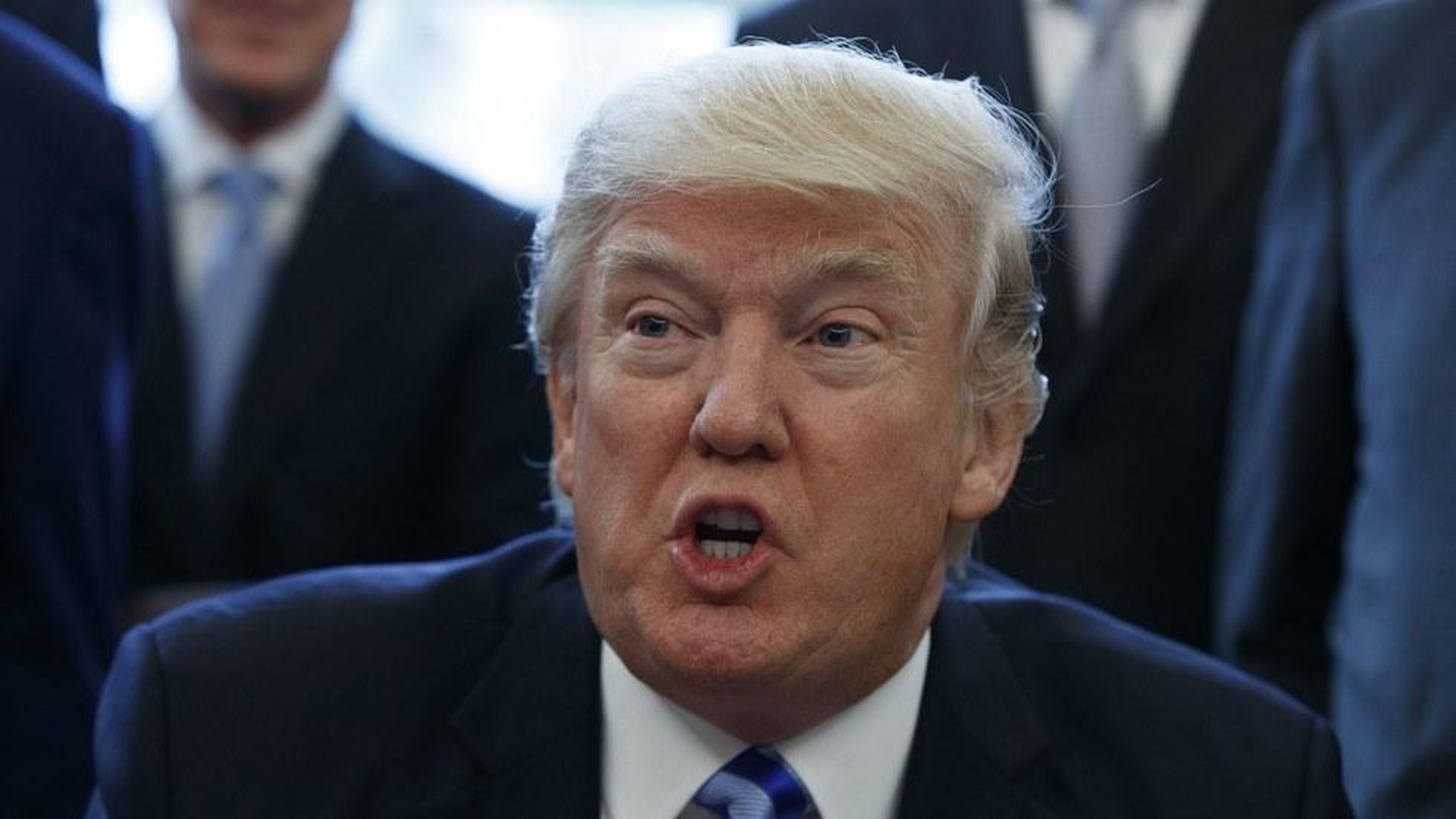
Healthcare before tax reform: President Trump told Fox News' Maria Bartiromo that he won't start working on tax reform until the administration passes a new healthcare bill. "It's been very much misreported that we failed with healthcare. We haven't failed, we're negotiating," said Trump. (He's been saying "health care first" for weeks, but this shows he's not budging from that line, even as the House GOP bill remains completely stalled.)
Deadline for a new tax bill: Trump said he won't set a deadline on tax reform, since the media attacked him when the GOP missed the healthcare deadline, but "it's coming soon." He also noted that tax reform will "be tough" to pass, "but it won't be as tough as healthcare."
Border adjustment tax semantics: "I don't like the word 'adjustment'... when I hear border adjustment it means we lose," said Trump. But he is open to a border tax, "let's call it an import tax, a reciprocal tax... I love the idea of reciprocal, or a mirror tax... when you say reciprocal nobody fights you."
HHS on Obamacare subsidies: Not so fast, we haven't decided
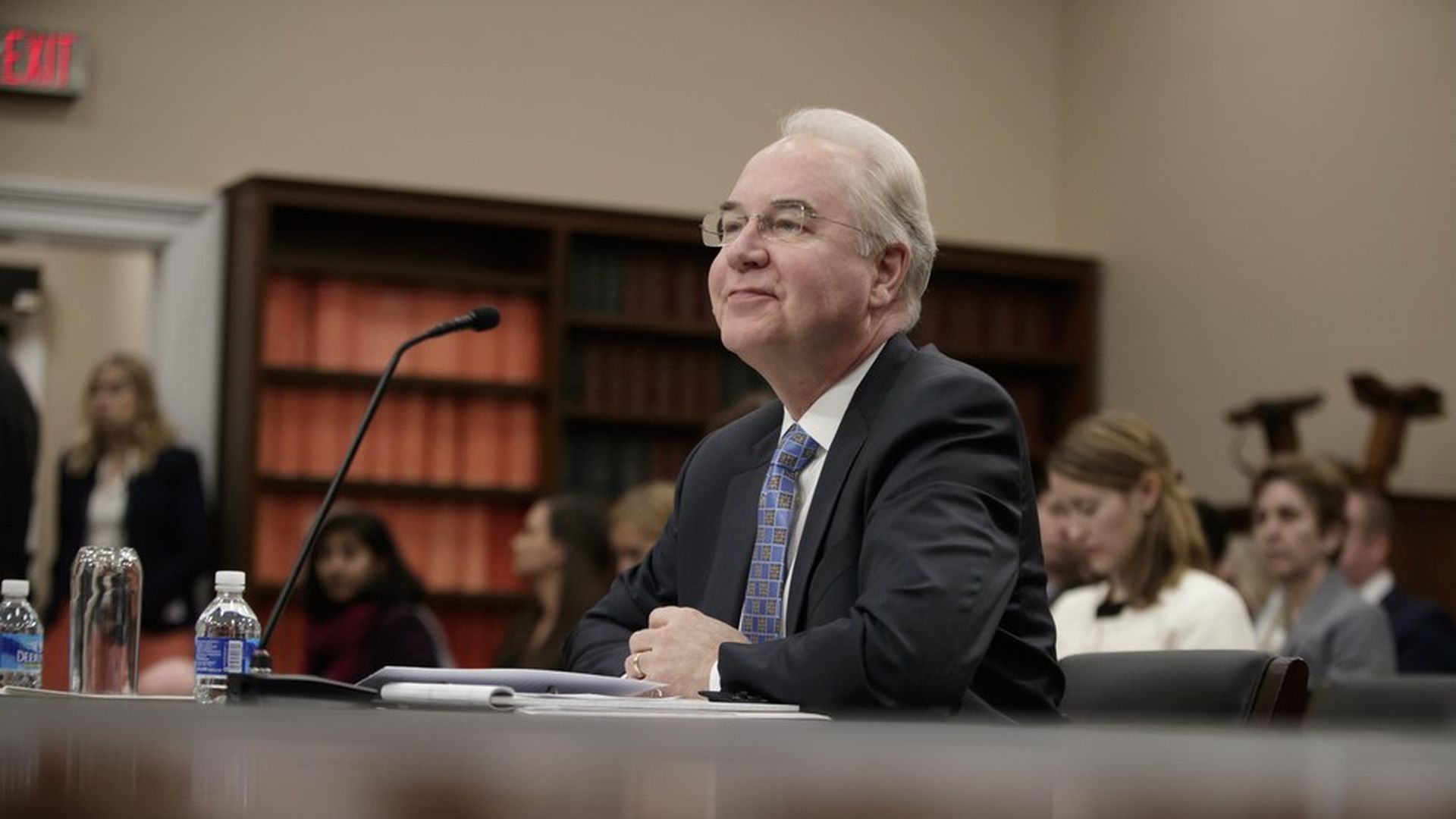
The Department of Health and Human Services is disputing a New York Times report that it has decided to keep paying for Obamacare cost-sharing subsidies for low-income people. "The administration is currently deciding its position on this matter," HHS spokeswoman Alleigh Marré said in a statement this afternoon. "The report was in reference to the current status of the lawsuit [over the subsidies] and is not an indication of what will happen in the future."
Why it matters: The Trump administration says it will keep paying the subsidies while a congressional lawsuit is being resolved, as the Times story points out — but HHS wants to make sure everyone understands that it hasn't made any long-term decisions. And that's likely to create more uncertainty for insurers, not less, as they decide whether to stay in the Obamacare marketplaces next year.
Mark Meadows isn't giving up on Trumpcare deal
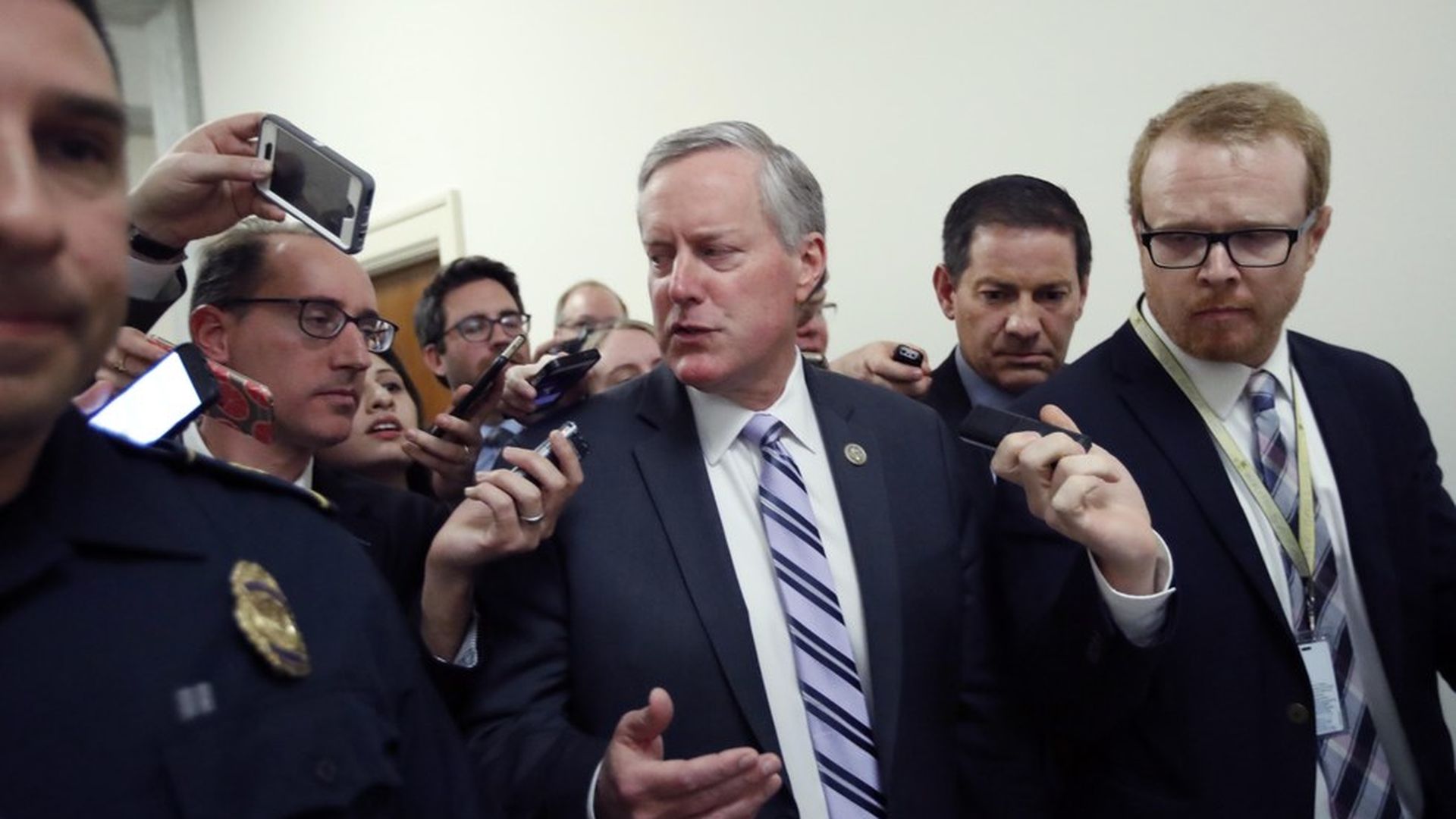
Freedom Caucus Chairman Mark Meadows tells USA Today he's going to give House Speaker Paul Ryan a new Trumpcare proposal that would preserve Obamacare's requirement for health insurers to cover pre-existing conditions.
Why it matters: This was a point of contention between Freedom Caucus members and other Republicans — the former had suggested the pre-existing conditions requirement was making health coverage too expensive, arguing sick people could be covered through separate high-risk pools.
What's next: It's impossible to judge whether this is a breakthrough to landing on a successful replacement until there are more details, or at least a reaction from Republican moderates.

There's another way to kill Obamacare
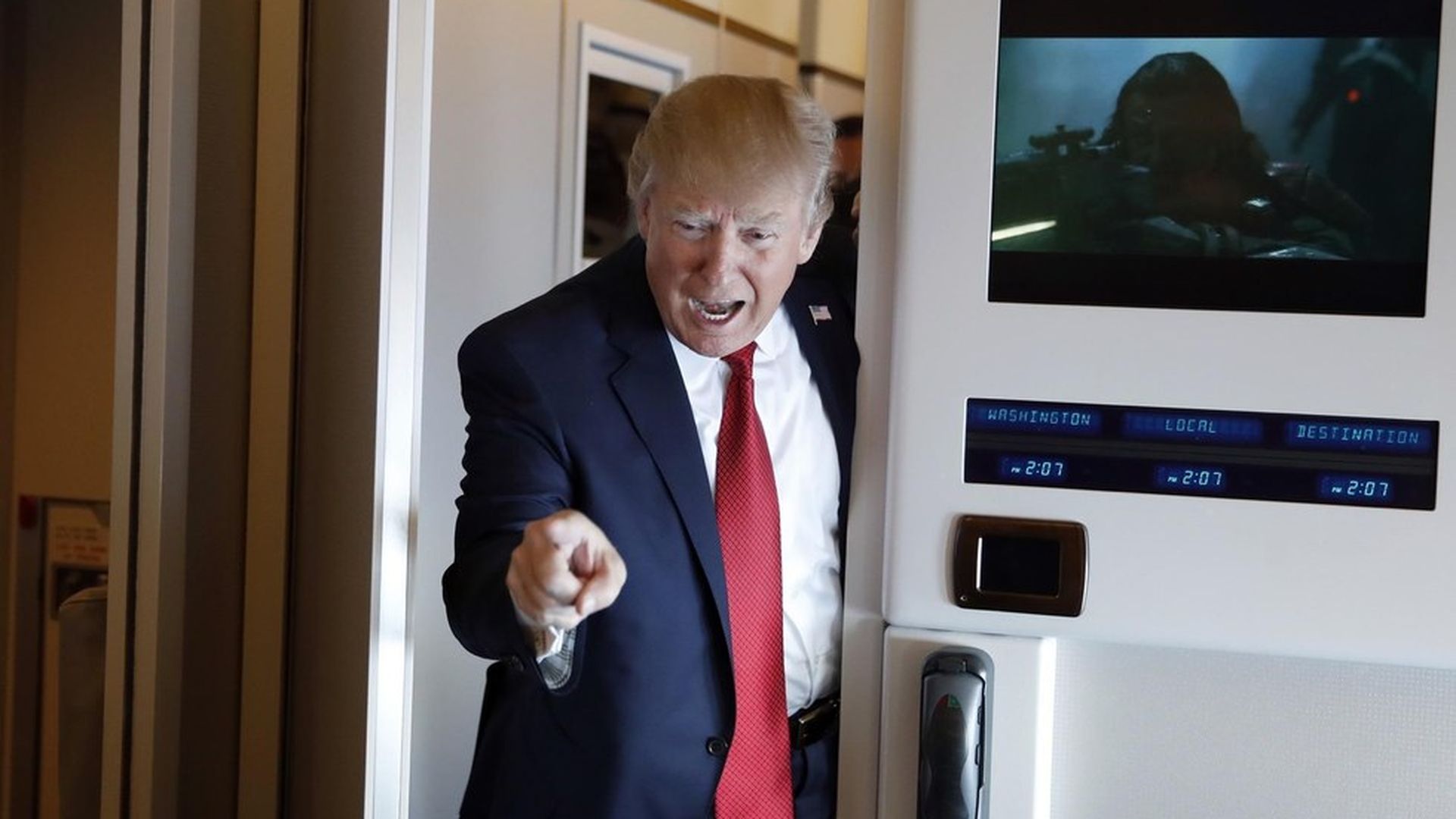
There's another way the Trump administration could kill Obamacare: creating uncertainty around government funding of cost-sharing reductions, which could throw insurers' future participation in state exchanges into question, per WaPo.
Where it stands: The Trump administration has said it will keep paying for the cost-sharing subsidies while a lawsuit against the measure, introduced by congressional Republicans, is being resolved, but insurers need to know what's going to happen after it's resolved.
Why it matters: If the federal government doesn't fund the $10 billion toward cost-sharing reductions in 2018, premiums could rise significantly — the Kaiser Family Foundation estimates a rise of 19 percent — or insurers could pull out of the exchanges altogether.