Tuesday's health stories

HHS on Obamacare subsidies: Not so fast, we haven't decided
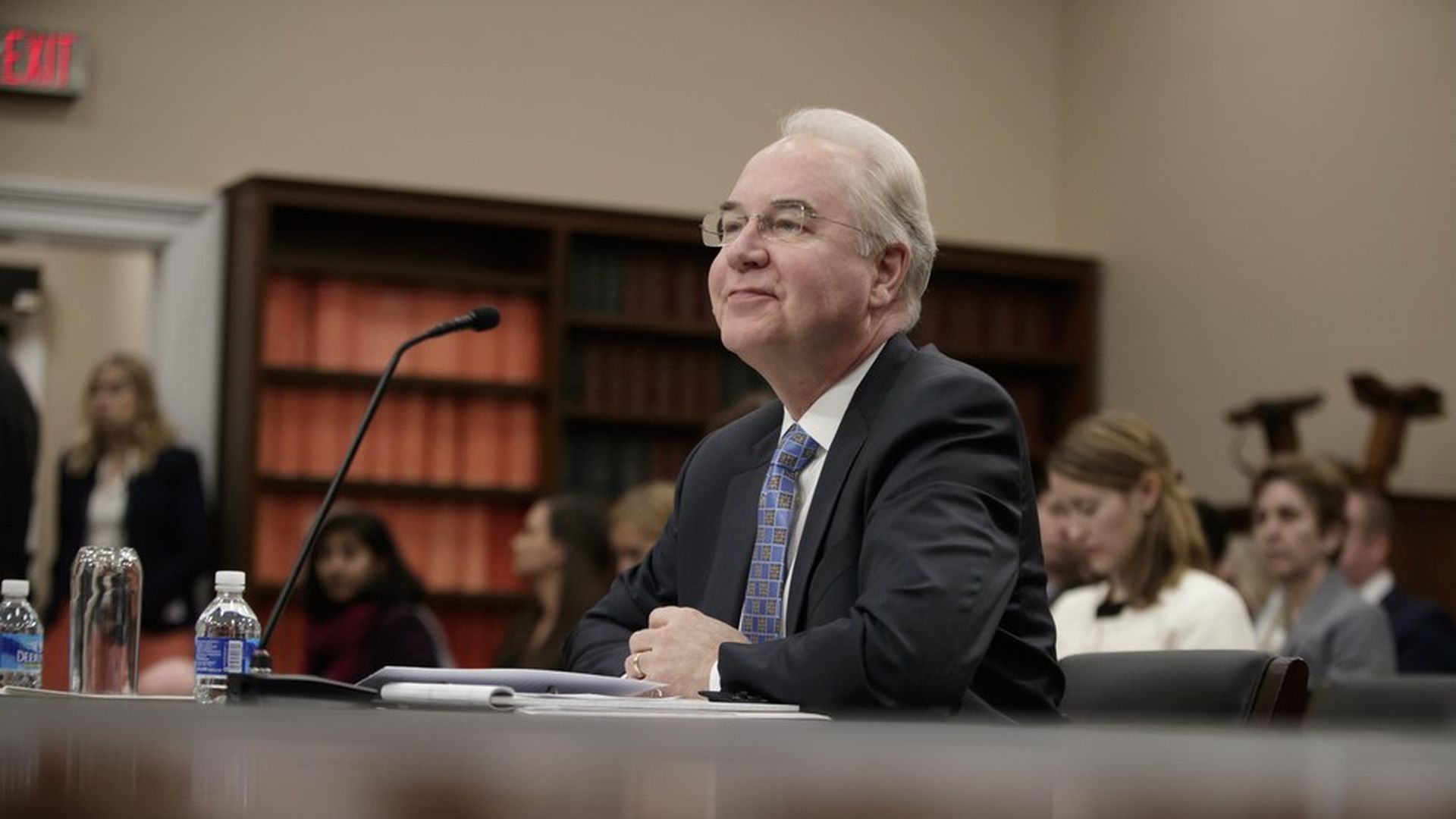
The Department of Health and Human Services is disputing a New York Times report that it has decided to keep paying for Obamacare cost-sharing subsidies for low-income people. "The administration is currently deciding its position on this matter," HHS spokeswoman Alleigh Marré said in a statement this afternoon. "The report was in reference to the current status of the lawsuit [over the subsidies] and is not an indication of what will happen in the future."
Why it matters: The Trump administration says it will keep paying the subsidies while a congressional lawsuit is being resolved, as the Times story points out — but HHS wants to make sure everyone understands that it hasn't made any long-term decisions. And that's likely to create more uncertainty for insurers, not less, as they decide whether to stay in the Obamacare marketplaces next year.
Mark Meadows isn't giving up on Trumpcare deal
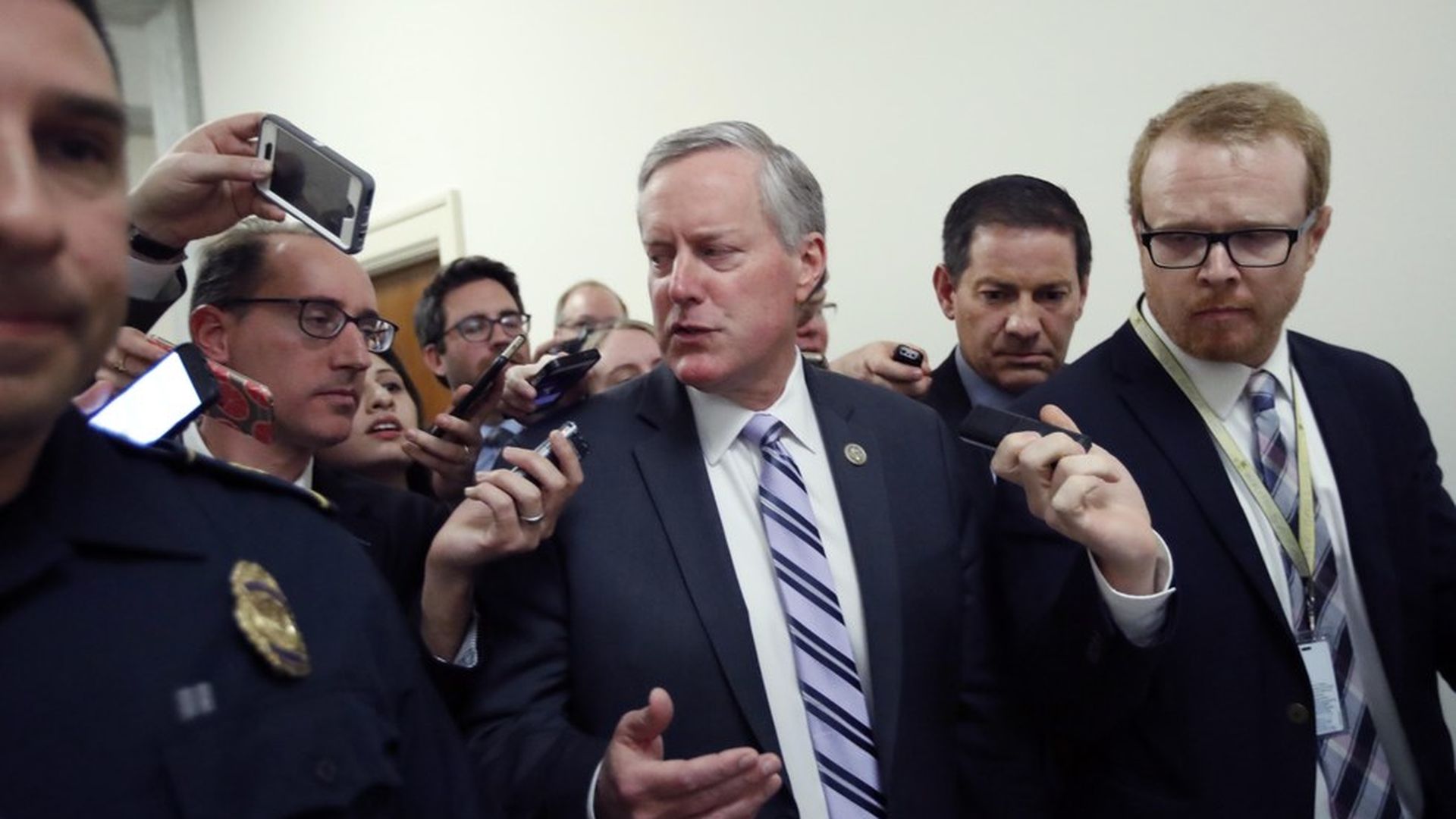
Freedom Caucus Chairman Mark Meadows tells USA Today he's going to give House Speaker Paul Ryan a new Trumpcare proposal that would preserve Obamacare's requirement for health insurers to cover pre-existing conditions.
Why it matters: This was a point of contention between Freedom Caucus members and other Republicans — the former had suggested the pre-existing conditions requirement was making health coverage too expensive, arguing sick people could be covered through separate high-risk pools.
What's next: It's impossible to judge whether this is a breakthrough to landing on a successful replacement until there are more details, or at least a reaction from Republican moderates.

There's another way to kill Obamacare
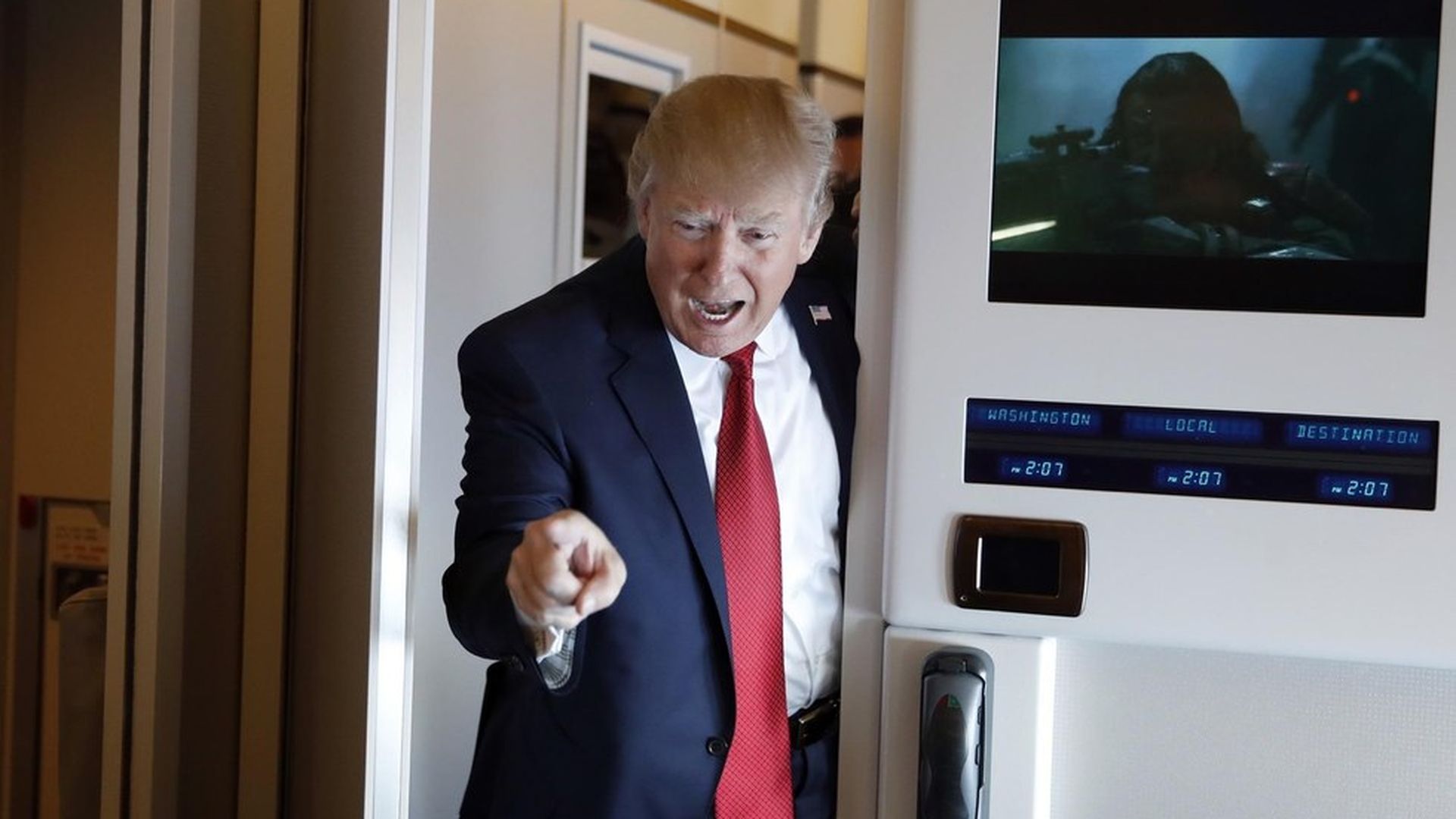
There's another way the Trump administration could kill Obamacare: creating uncertainty around government funding of cost-sharing reductions, which could throw insurers' future participation in state exchanges into question, per WaPo.
Where it stands: The Trump administration has said it will keep paying for the cost-sharing subsidies while a lawsuit against the measure, introduced by congressional Republicans, is being resolved, but insurers need to know what's going to happen after it's resolved.
Why it matters: If the federal government doesn't fund the $10 billion toward cost-sharing reductions in 2018, premiums could rise significantly — the Kaiser Family Foundation estimates a rise of 19 percent — or insurers could pull out of the exchanges altogether.

Merck's CEO doubles his pay
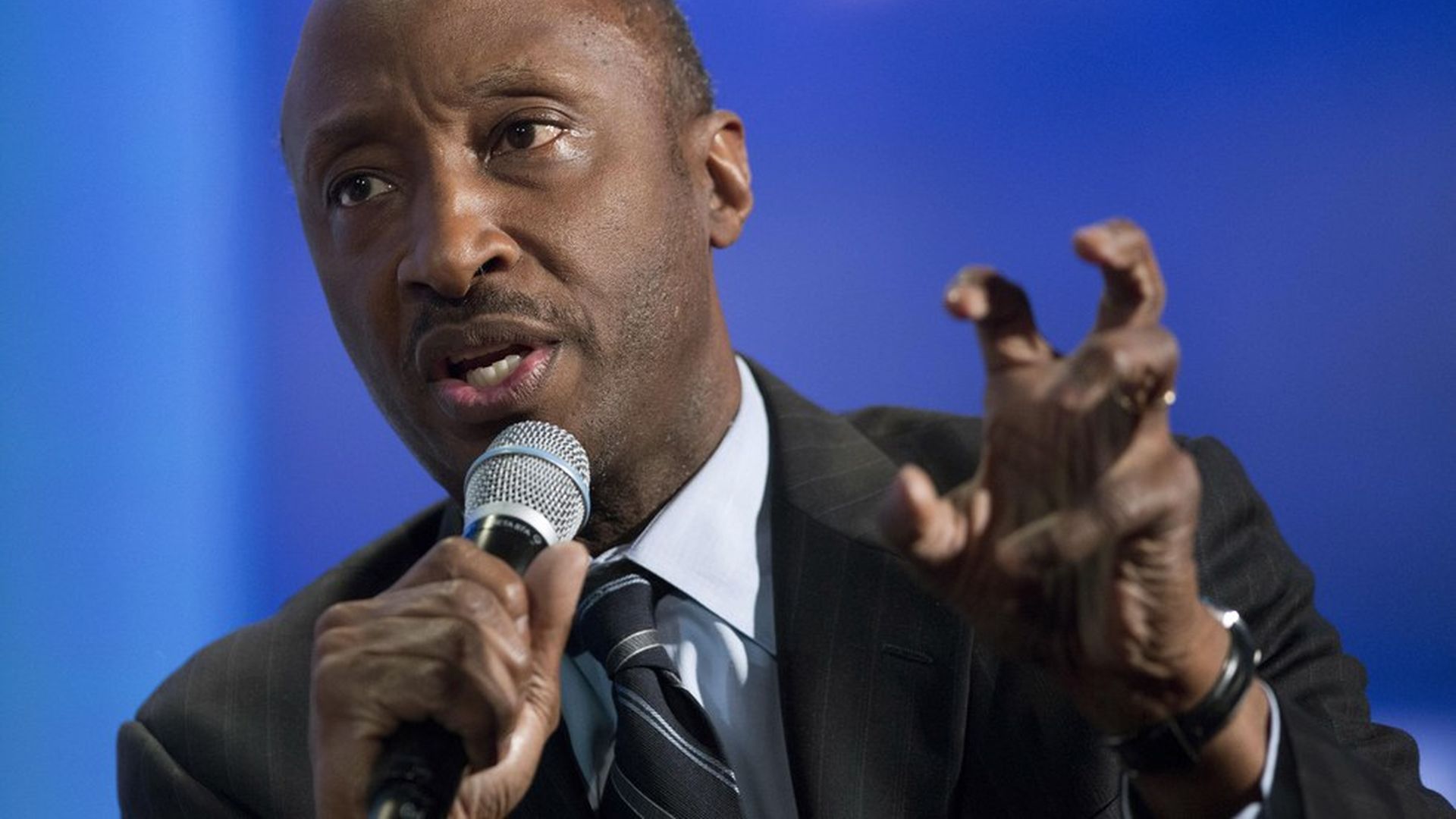
Merck CEO Kenneth Frazier took home $38.6 million in 2016, a vast majority coming from vested stock, according to the drug company's proxy document posted Monday. That was more than double the $18.8 million Frazier collected in 2015. Frazier was one of a handful of drug company CEOs who met in January with President Trump to discuss drug prices.
Also worth noting: Merck will nominate Mayo Clinic CEO Dr. John Noseworthy as a board director. Noseworthy came under fire last month for saying his academic hospital system will prioritize privately insured patients. Most Merck board members earn about $300,000 a year.