The Washington Examiner reports that a copy of a top secret GOP bill to repeal and replace Obamacare will be made available to Republican lawmakers in the basement of a House office building tomorrow. No one will be allowed to take a copy.
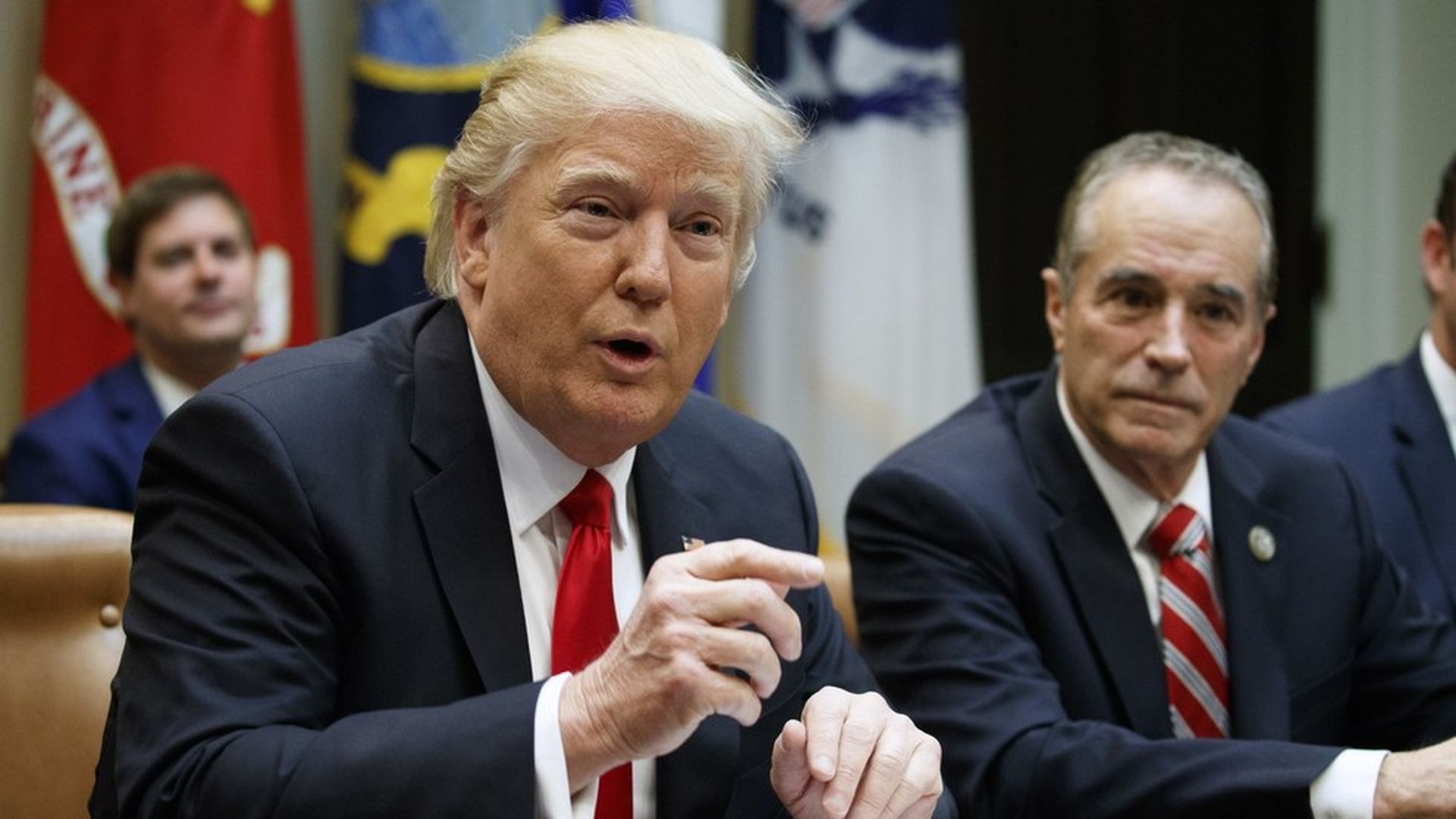
And, per The Hill, the House Energy and Commerce Committee is planning to hold a markup on the legislation sometime next week, though committee member Chris Collins noted that "plans do change." Collins also added that it's likely that the bill won't have a Congressional Budget Office score by the time of the markup.
Why it matters: The GOP is still massively divided on some aspects of what replacement might look like, including tax credits and Medicaid expansion, but this breakneck pace might force the party to coalesce around a solution sooner rather than later.
Oscar Insurance Corp., the startup that focused on Obamacare business, has gotten a big wakeup call: it lost more than $200 million on premium revenue of $425.9 million in 2016, per Bloomberg. Last year it offered plans in New York (its biggest market), New Jersey, California, and Texas.
The pattern: That's worse than 2015, when losses were $121.7 million. Other insurers have had a tough time too, with Aetna, Humana, and UnitedHealth Group exiting most of their Obamacare markets ahead of 2017 due to steep losses. Oscar exited New Jersey for 2017.
A federally appointed ethics panel has rejected a proposal to deliberately infect people with Zika virus, a common practice known as a human challenge study.
It was denied because there was "substantial uncertainty about the risks to potential volunteers," as well as potential risk to sexual partners, fetuses, and other members of the community. There are currently four experimental Zika vaccines in the earliest stages of human testing, according to STAT, but there is concern that the outbreak will be receding by the time vaccines are ready for testing in Phase 3 trials.
The unknowns: The panel cited how much has been discovered about Zika in the last six months alone about transmission and side effects as a reason to hold back right now. Anthony Fauci, director of the NIH's NIAID, told STAT he would likely approve a study on Zika infection side effects first.
What's ruffling feathers: The search for a vaccine is hampered with this decision, and any research group that wants to prove a vaccine works will want to conduct large human trials.
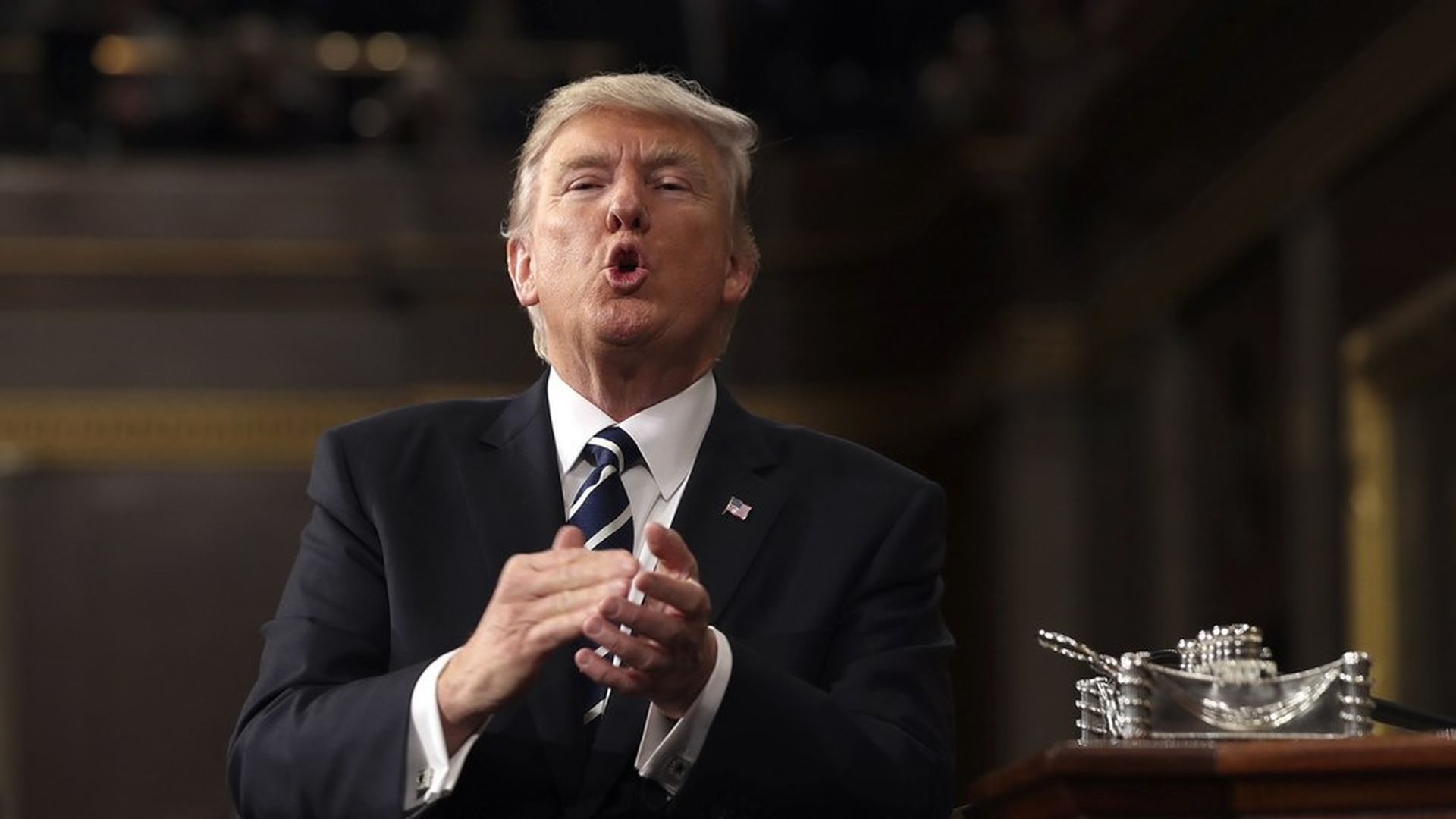
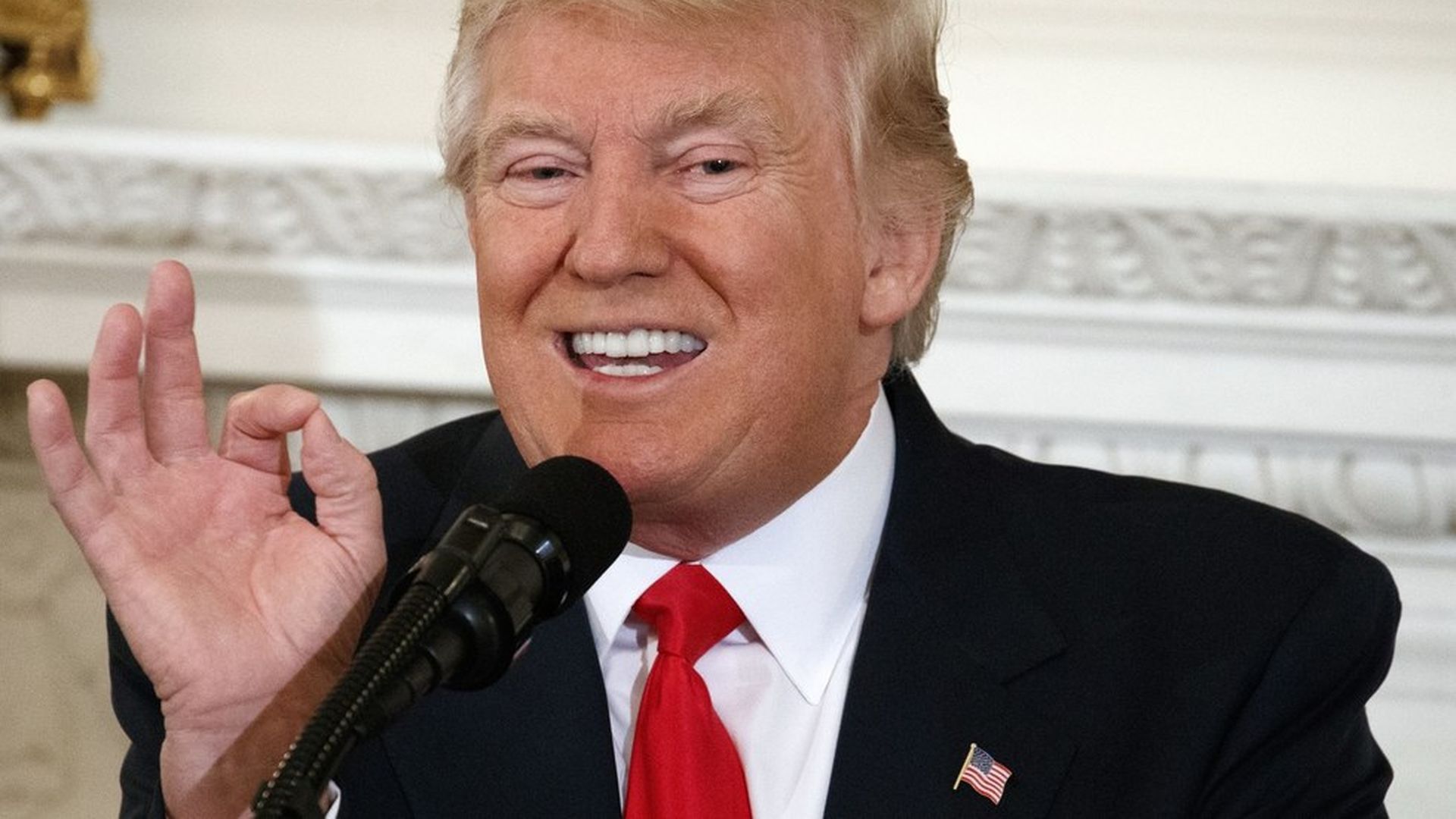
President Trump laid out a pretty general blueprint for Obamacare replacement last night — mostly tracking with the draft House Republican plan, but with a few new twists, like lower drug costs and a hint of tort reform. (Here's what I wrote about it.) But his real message to Congress was: Don't screw this up.
Donald Trump will not give a definitive blanket endorsement to the House GOP's Obamacare replacement plan in his speech to Congress tonight, according to sources familiar with the speech. The view internally is that the current plan — drafted by both House and Senate leadership — is going to struggle to get out of Congress. It would be foolish for Trump to walk all the way down the plank and utter the sentence: "I support the health care plan drafted by the House."
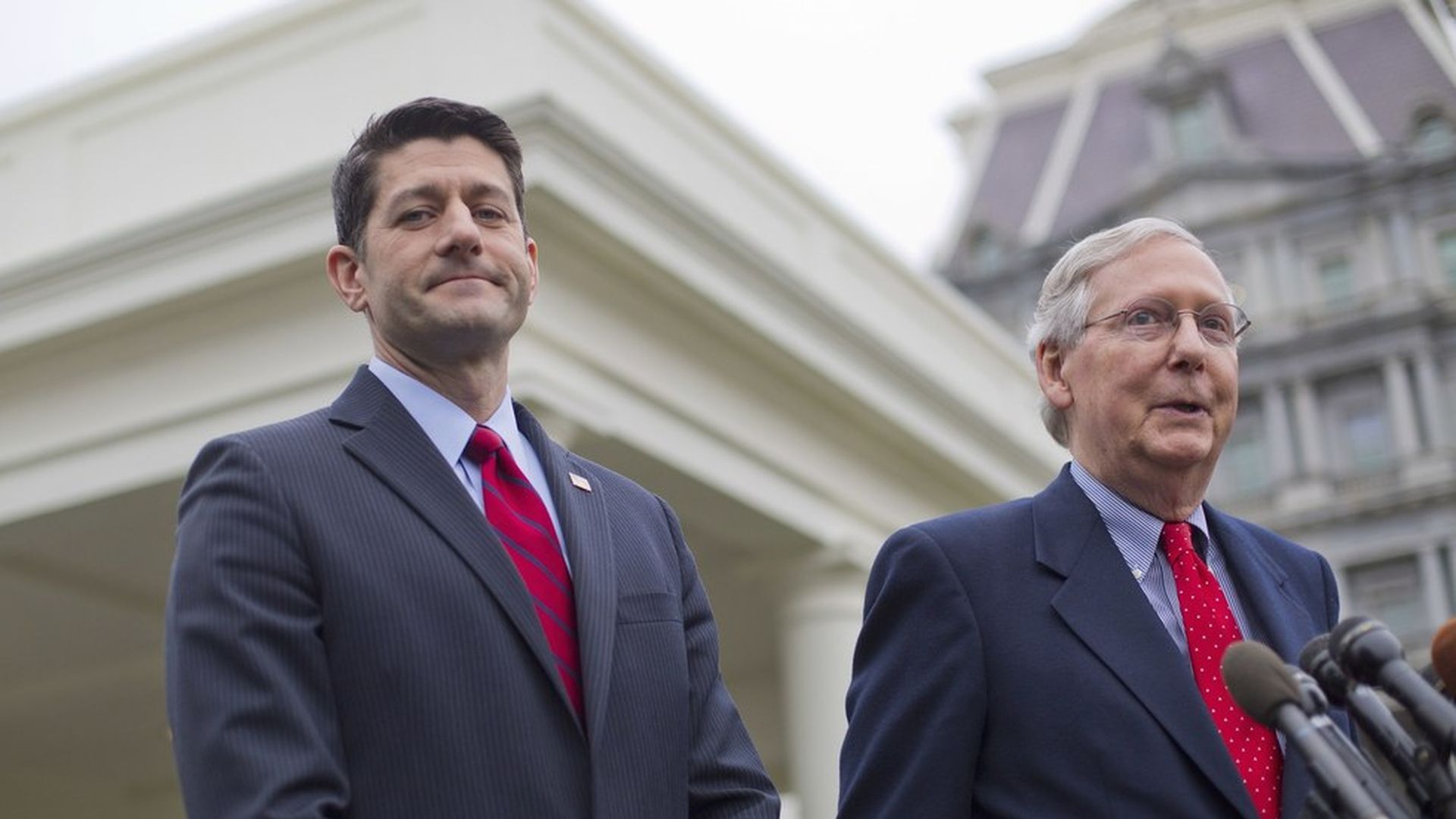
What Trump is expected to do: Signal a receptivity to the House plan, especially to the key concept of tax credits. This is a win for House and Senate leadership, especially Speaker Paul Ryan.
A group of 121 retired three and four star flag and general officers sent a letter to Congressional leadership and the Trump administration yesterday asking them not to cut funding foreign aid.
"The State Department, USAID, Millennium Challenge Corporation, Peace Corps and other development agencies are critical to preventing conflict and reducing the need to put our men and women in uniform in harm's way."
Background: Office of Management and Budget officials told reporters yesterday that Trump's budget plans will include "a large reduction in foreign aid," according to an ABC report. Foreign aid is one percent of U.S. spending.
The White House is casting President Trump's speech tonight as "an optimistic vision for all Americans."
Here's the reality: The Obamacare repeal and replace process is buckling under enormous strain. Tax reform is a mess, too. But let's stick with healthcare as it's the first priority for Republicans. House GOP leaders need much more from Trump than a gauzy vision speech. They need a specific, forceful declaration of support for the House's Obamacare repeal and replace plan.
The leaked draft of the GOP Obamacare repeal and replacement plan would swap out the law's income-based premium subsidies with tax credits that vary by age. They'd start at $2,000 a year for young adults under age 30, increasing for different age groups. The maximum would be $4,000 a year for people age 60 and older.
We were curious how that would change the amount of federal assistance different people would receive, so we used the Kaiser Family Foundation's subsidy calculator to compare the two. Here's what we found.
Data: GOP draft bill, Kaiser Family Foundation ACA premium calculator, Department of Health & Human Services; Methodology: Income ranges based on percent of federal poverty level. 150% = $18,090, 250% = $30,150, 500% = $60,300. Columbus area code: 43201, Prescott: 86301, Tampa: 33601; Chart: Andrew Witherspoon / Axios