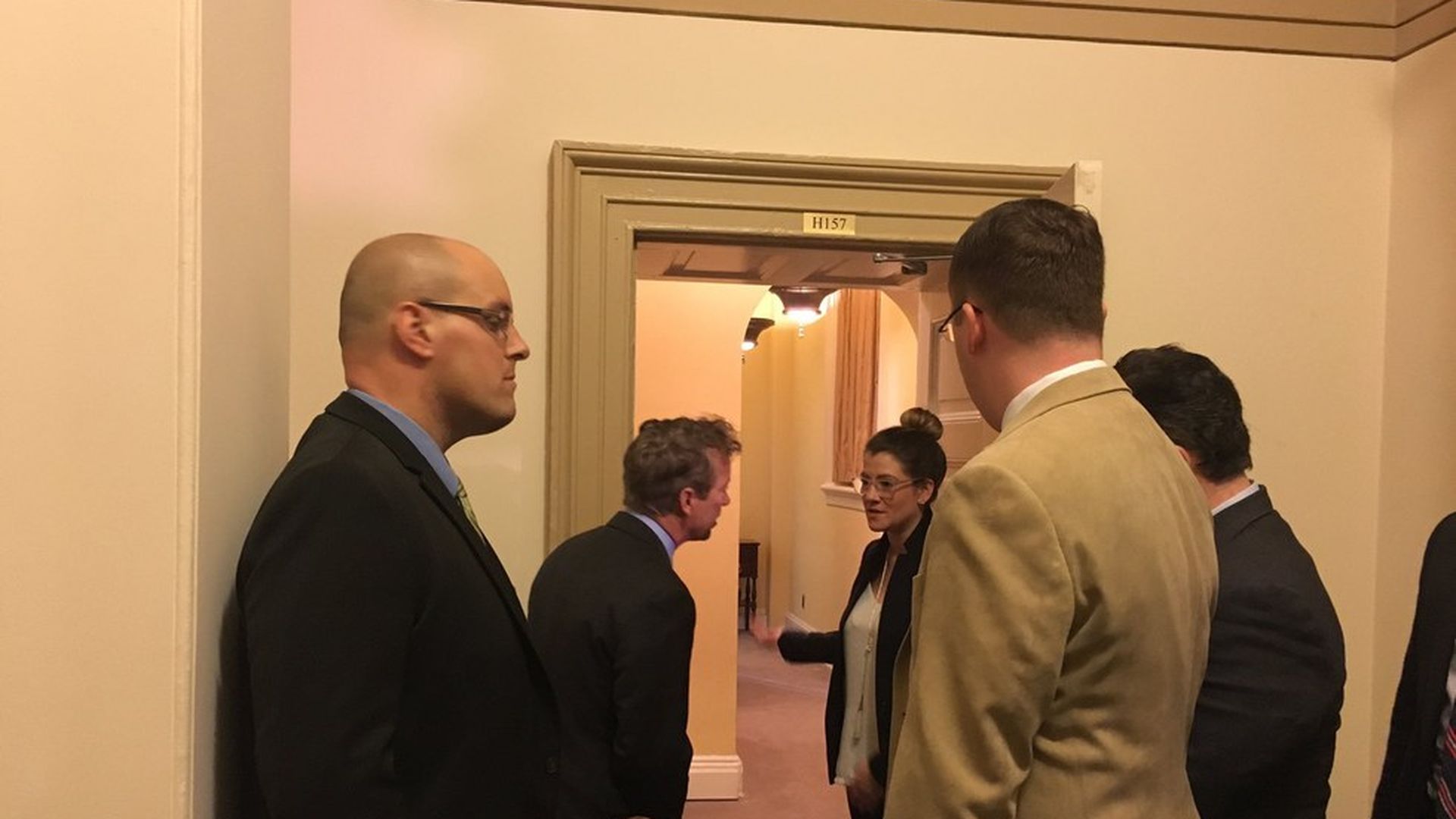
The GOP has drafted some portion of a bill to repeal and replace Obamacare, which reportedly was being kept in Capitol room H-157 for Republican House members to stop in and view today. Rand Paul then made it his mission to track down and release the bill — only to be stopped at H-157's door.
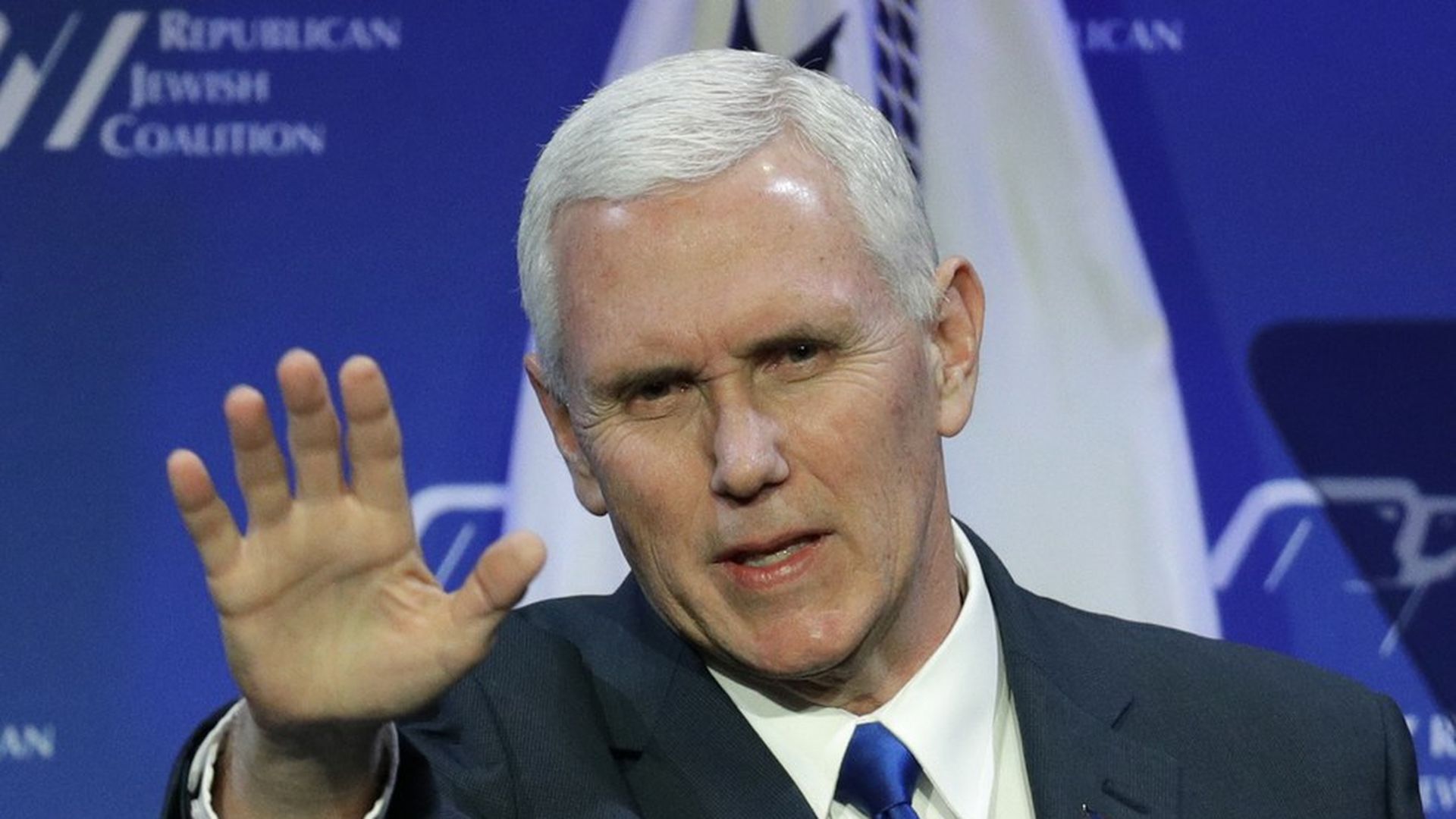
The Republican effort to repeal Obamacare could unravel one of Mike Pence's signature policy achievements in Indiana, per the New York Times. His Medicaid expansion program, called HIP 2.0, would be on the chopping block should Obamacare get the axe.
By the numbers: HIP 2.0 expanded Medicaid coverage to 400,000 poor Indiana residents, but at least 90% of its funding comes from the federal government under the Affordable Care Act.
Why it matters: HIP 2.0 is a big bragging point not just for Pence, but for Seema Verma, who is in line to run the Centers for Medicare and Medicaid Services — because she's the one who designed it. If it unravels, both of them lose a big part of their case that the Indiana plan is a model for Medicaid reforms.
The Washington Examiner reports that a copy of a top secret GOP bill to repeal and replace Obamacare will be made available to Republican lawmakers in the basement of a House office building tomorrow. No one will be allowed to take a copy.
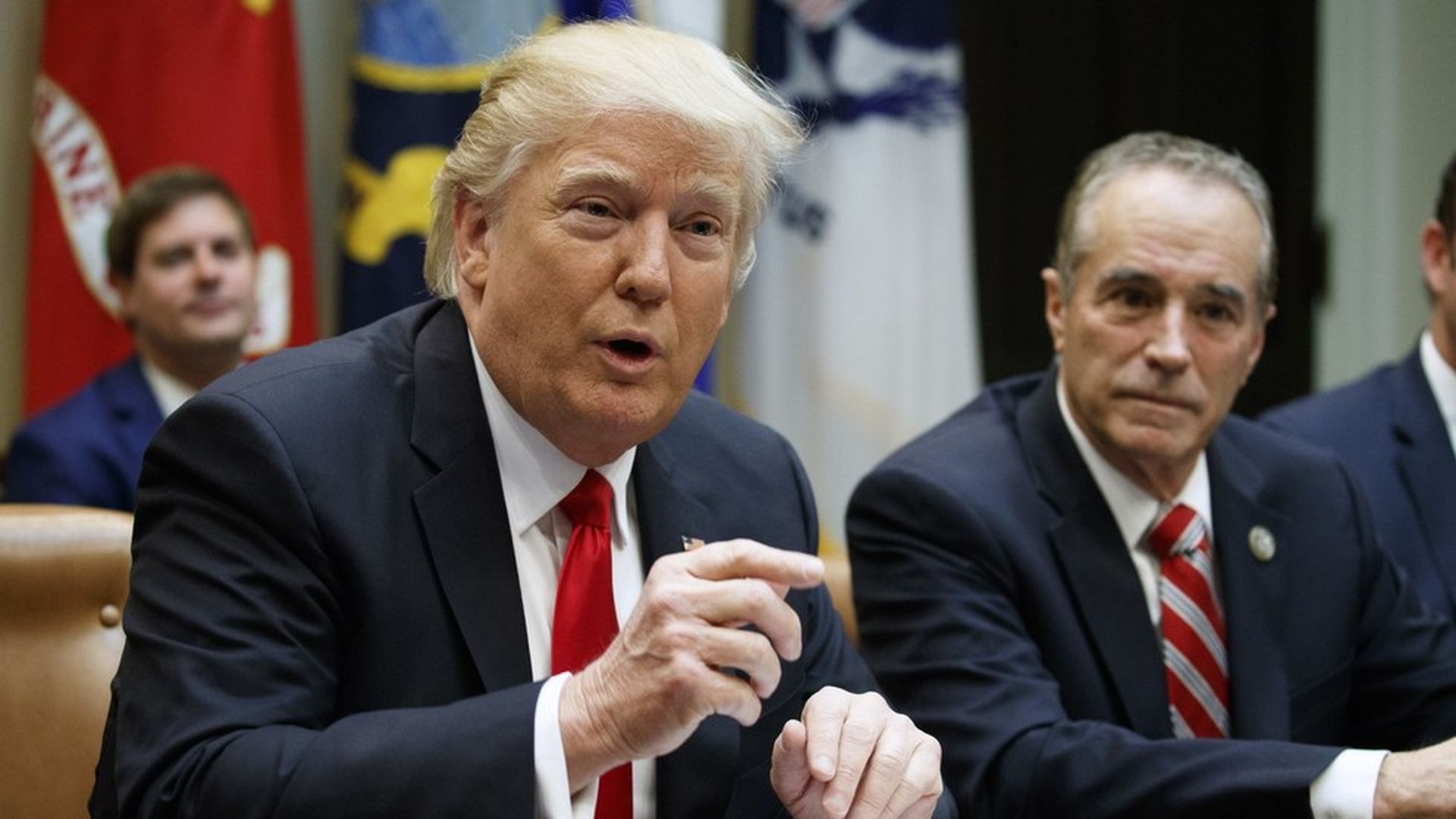
And, per The Hill, the House Energy and Commerce Committee is planning to hold a markup on the legislation sometime next week, though committee member Chris Collins noted that "plans do change." Collins also added that it's likely that the bill won't have a Congressional Budget Office score by the time of the markup.
Why it matters: The GOP is still massively divided on some aspects of what replacement might look like, including tax credits and Medicaid expansion, but this breakneck pace might force the party to coalesce around a solution sooner rather than later.
Oscar Insurance Corp., the startup that focused on Obamacare business, has gotten a big wakeup call: it lost more than $200 million on premium revenue of $425.9 million in 2016, per Bloomberg. Last year it offered plans in New York (its biggest market), New Jersey, California, and Texas.
The pattern: That's worse than 2015, when losses were $121.7 million. Other insurers have had a tough time too, with Aetna, Humana, and UnitedHealth Group exiting most of their Obamacare markets ahead of 2017 due to steep losses. Oscar exited New Jersey for 2017.
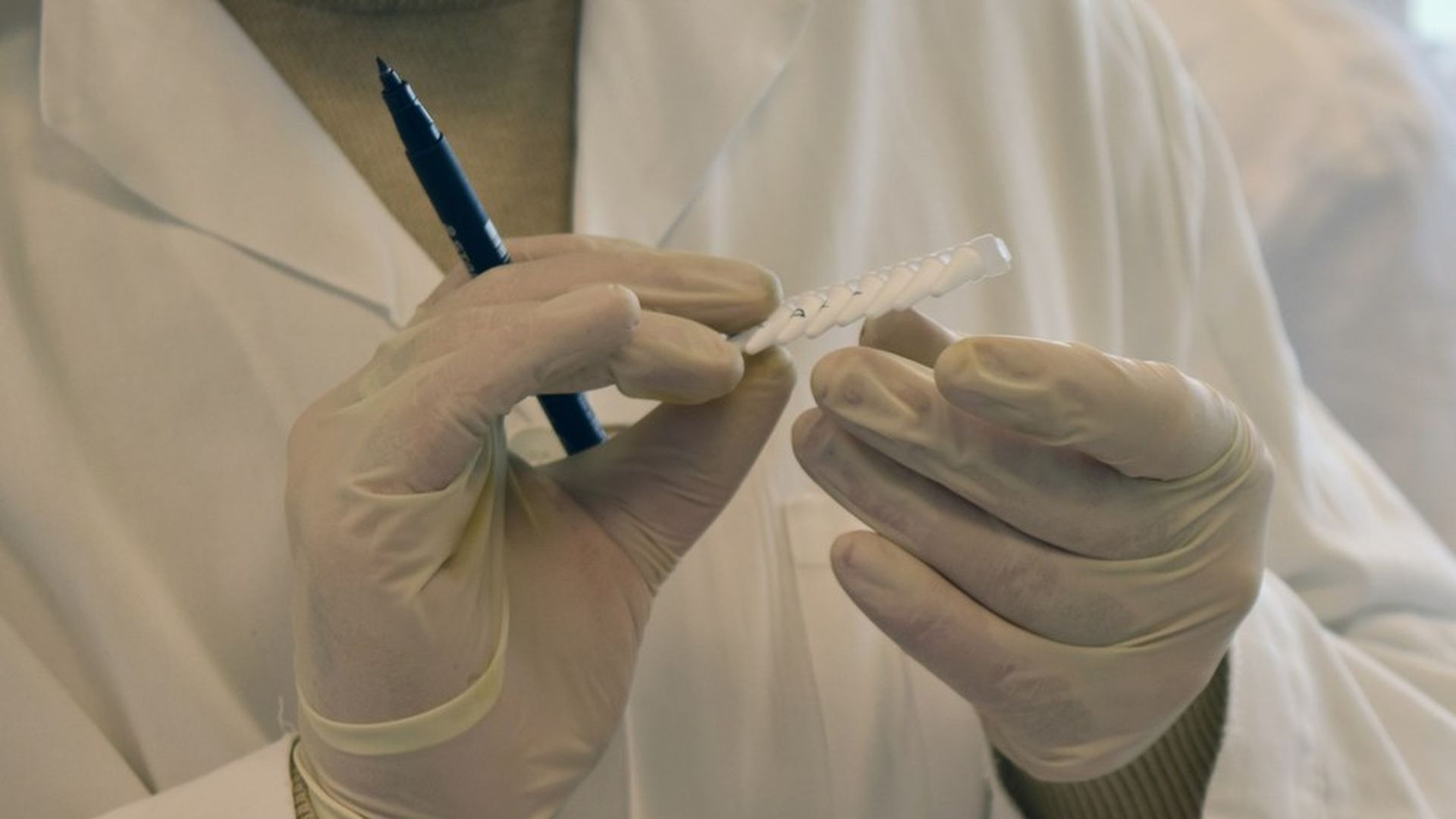
A federally appointed ethics panel has rejected a proposal to deliberately infect people with Zika virus, a common practice known as a human challenge study.
It was denied because there was "substantial uncertainty about the risks to potential volunteers," as well as potential risk to sexual partners, fetuses, and other members of the community. There are currently four experimental Zika vaccines in the earliest stages of human testing, according to STAT, but there is concern that the outbreak will be receding by the time vaccines are ready for testing in Phase 3 trials.
The unknowns: The panel cited how much has been discovered about Zika in the last six months alone about transmission and side effects as a reason to hold back right now. Anthony Fauci, director of the NIH's NIAID, told STAT he would likely approve a study on Zika infection side effects first.
What's ruffling feathers: The search for a vaccine is hampered with this decision, and any research group that wants to prove a vaccine works will want to conduct large human trials.
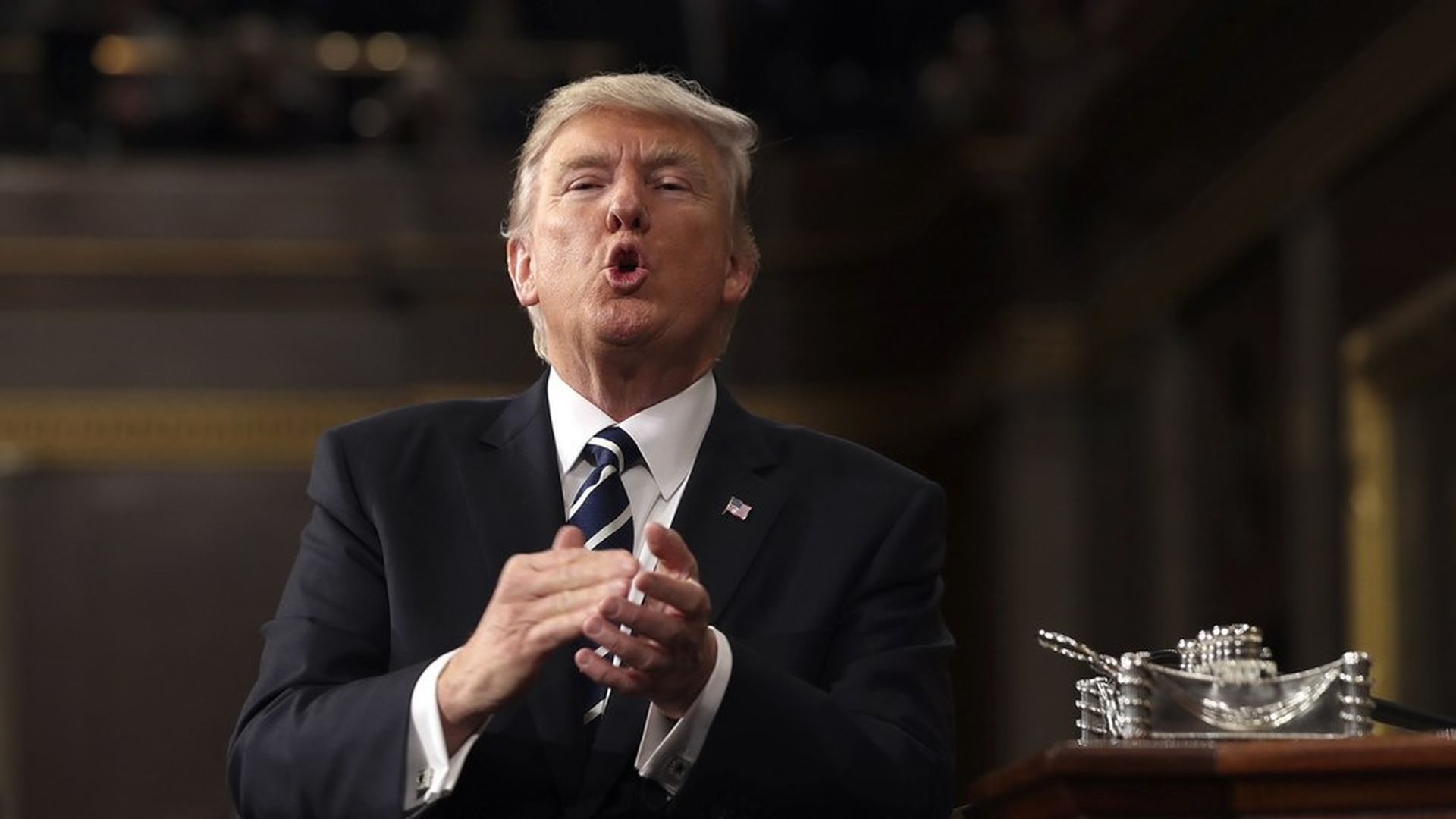
President Trump laid out a pretty general blueprint for Obamacare replacement last night — mostly tracking with the draft House Republican plan, but with a few new twists, like lower drug costs and a hint of tort reform. (Here's what I wrote about it.) But his real message to Congress was: Don't screw this up.