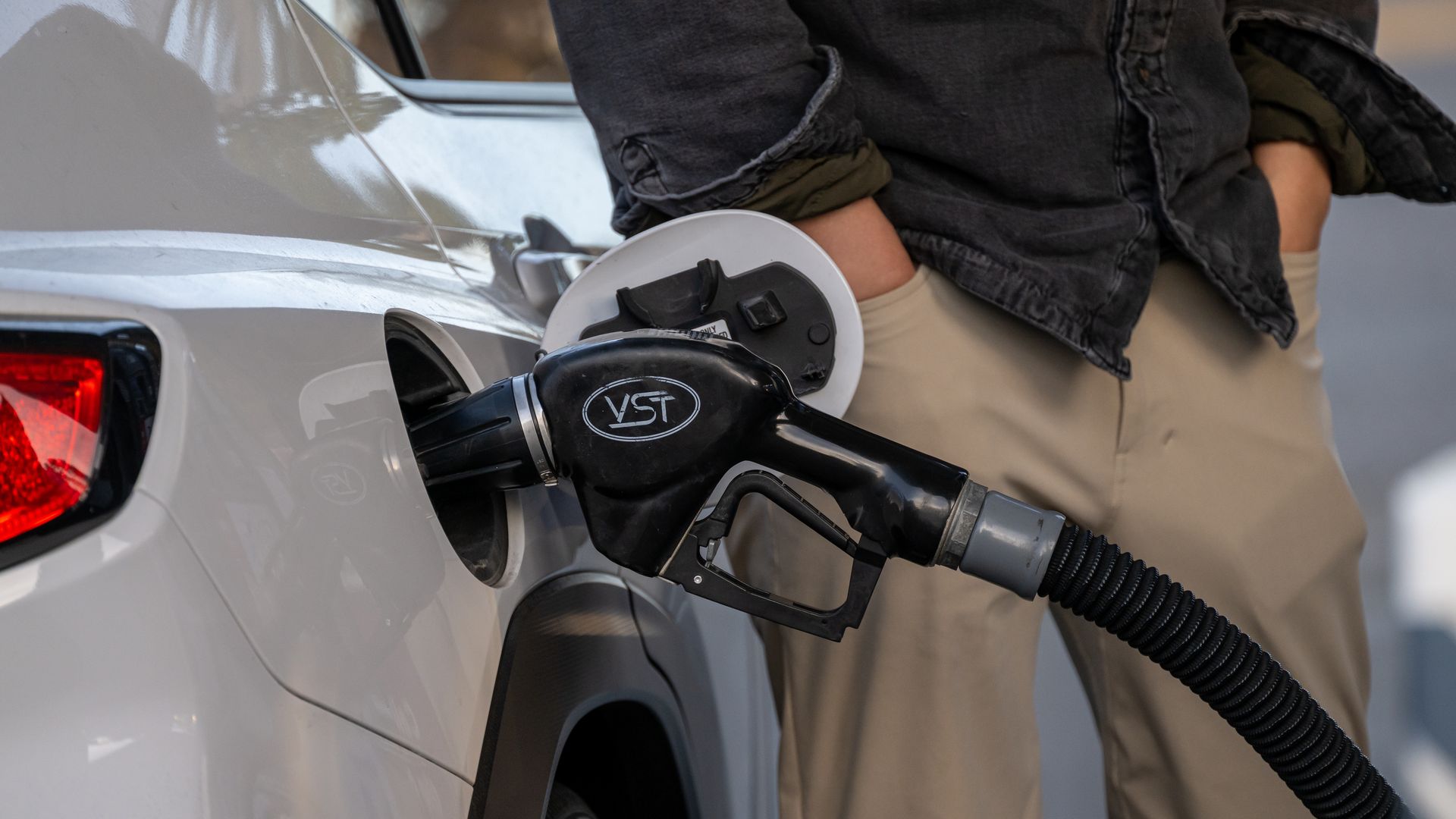
When energy observers wondered when U.S. gas prices would hit $4 due to the Iran war, they looked at the cost of crude oil.
The big picture: Watching shifting crude oil prices — which can change because of demand, market expectations and taxes — can help you understand why costs at the pump might rise, but it's far from a perfect predictor.
There's a big shift happening in Big Tech as the AI transition enters a new era.
Why it matters: Investors are changing the way they price these superstar stocks, but judging by what happened in the market Tuesday, they are not totally sure how to do so.
Pioneering a whole new class of car is hard enough, but musician will.i.am tells Axios he also wants his Trinity three-wheeled electric vehicle to be an AI agent, helping its driver plow through emails or plot out strategy.
Why it matters: Trinity is the epitome of the kind of ambition sweeping Silicon Valley: that AI can turn even a single-seat vehicle into a platform — and that building it can revive left-behind communities.
Oil prices could surge to an unprecedented $200 a barrel if the Strait of Hormuz remains closed, analysts warn.
Why it matters: President Trump is weighing ending the U.S. war on Iran without reopening the strait — raising the once-unthinkable prospect that this key energy artery could stay shut indefinitely.
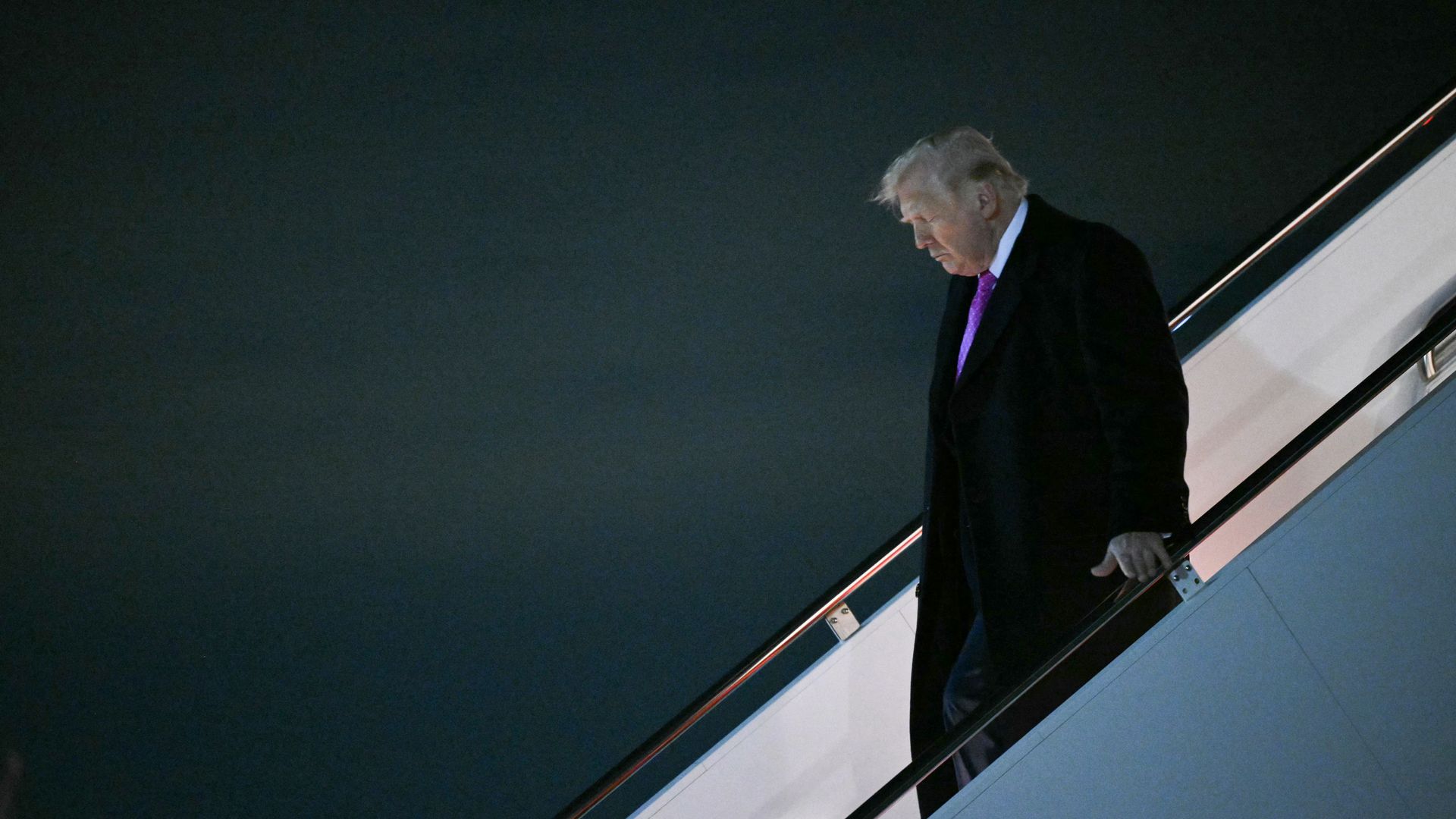
President Trump will address the nation on Wednesday evening on the war in Iran, White House press secretary Karoline Leavitt said.
Why it matters: Leavitt's Tuesday evening announcement on X came soon after Trump told reporters at the White House that U.S. forces could leave the Middle East in "two or three weeks."
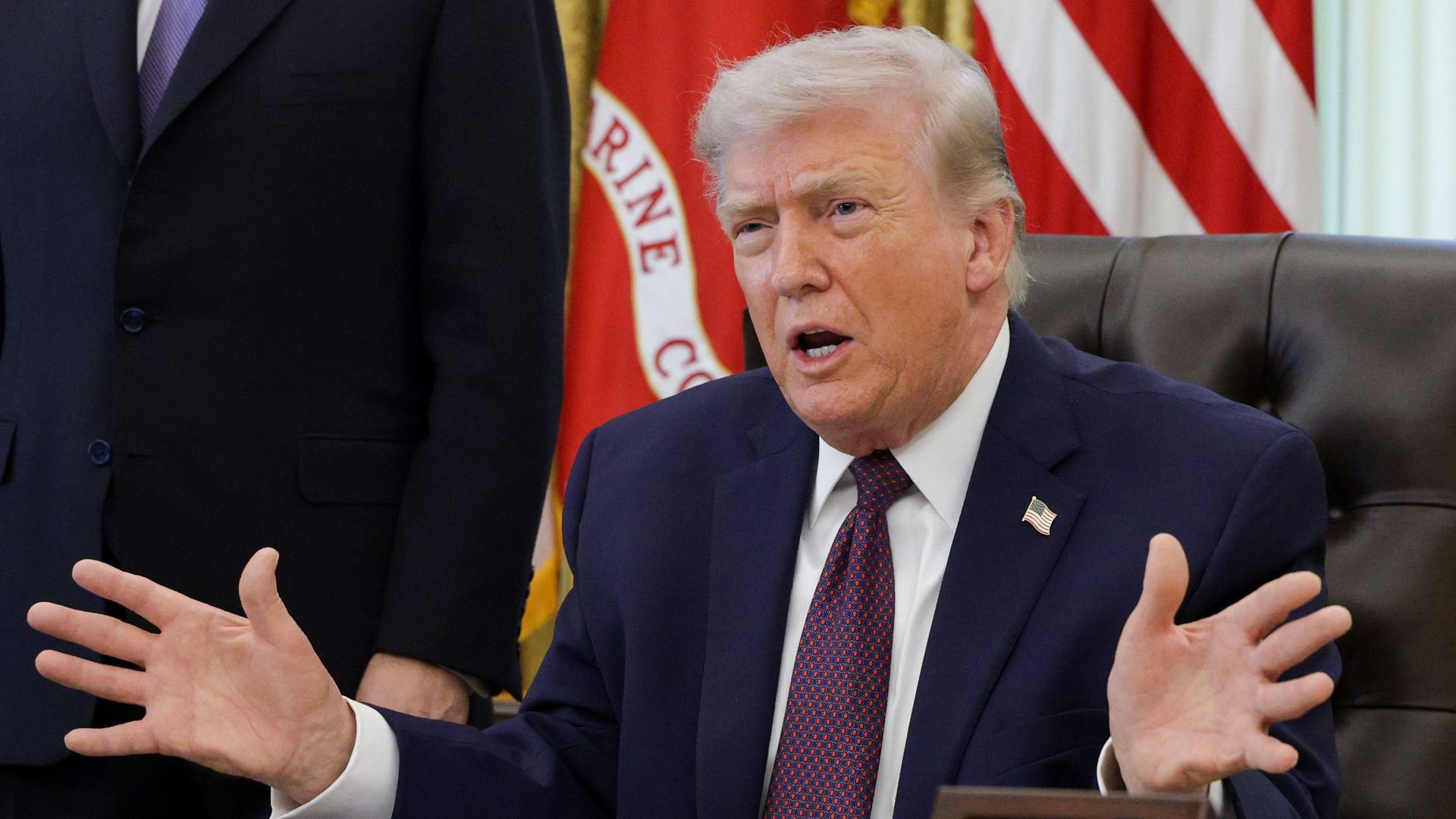
President Trump on Tuesday attacked European allies for not doing more to support the U.S. in its war with Iran and signaled they will have to reopen the Strait of Hormuz on their own.
Why it matters: This was the third time in recent days that Trump signaled publicly he could end the war in Iran without reopening the Strait of Hormuz.
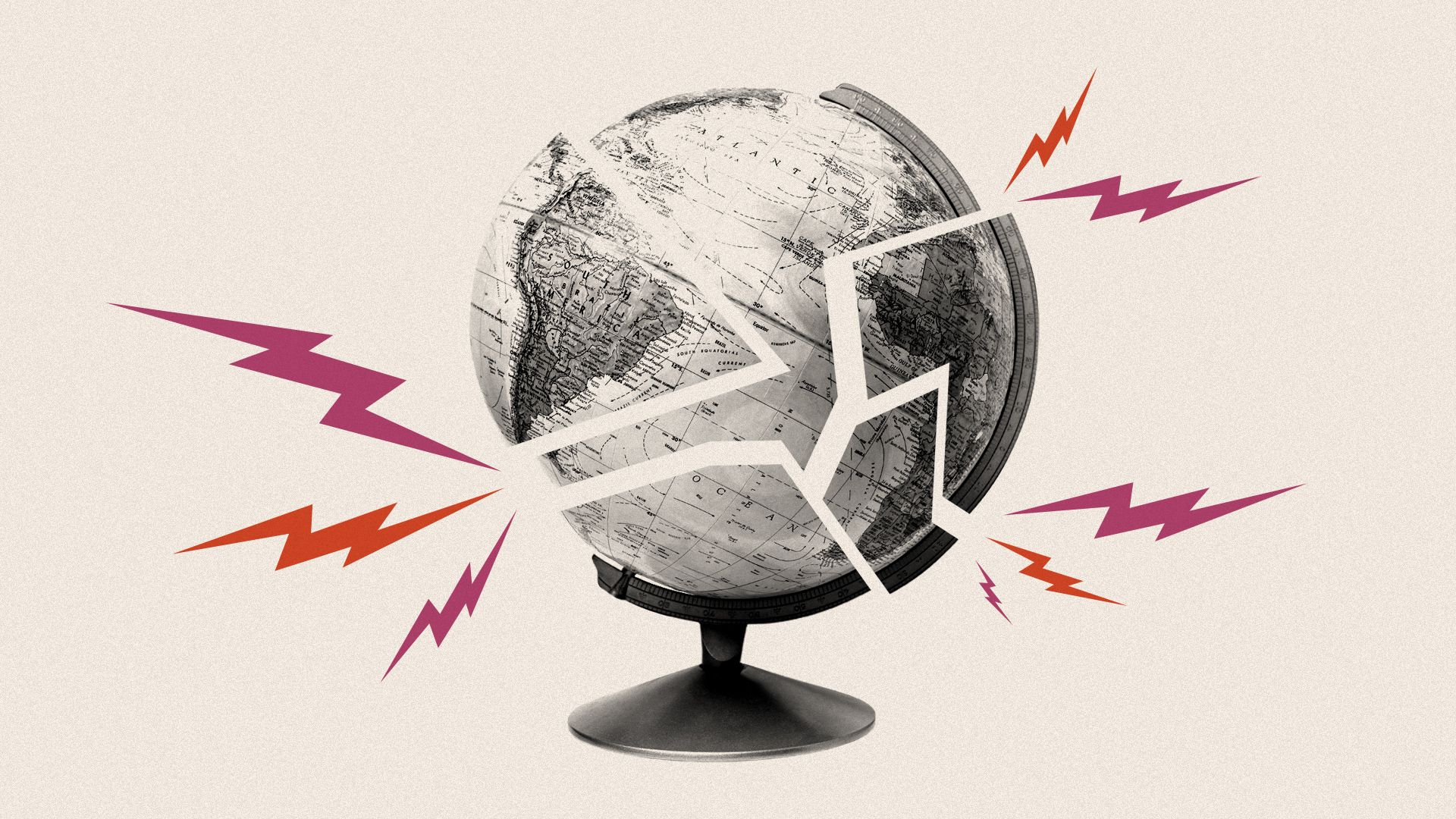
The oil shortage brought on by the Iran war will spread throughout the world, much as COVID-19 did, moving from east to west and leaving a path of destruction in its wake, a new analysis says.
Why it matters: If the oil shock plays out along those lines, it would mean the global economy has only just begun to feel the pain of the war's impact.
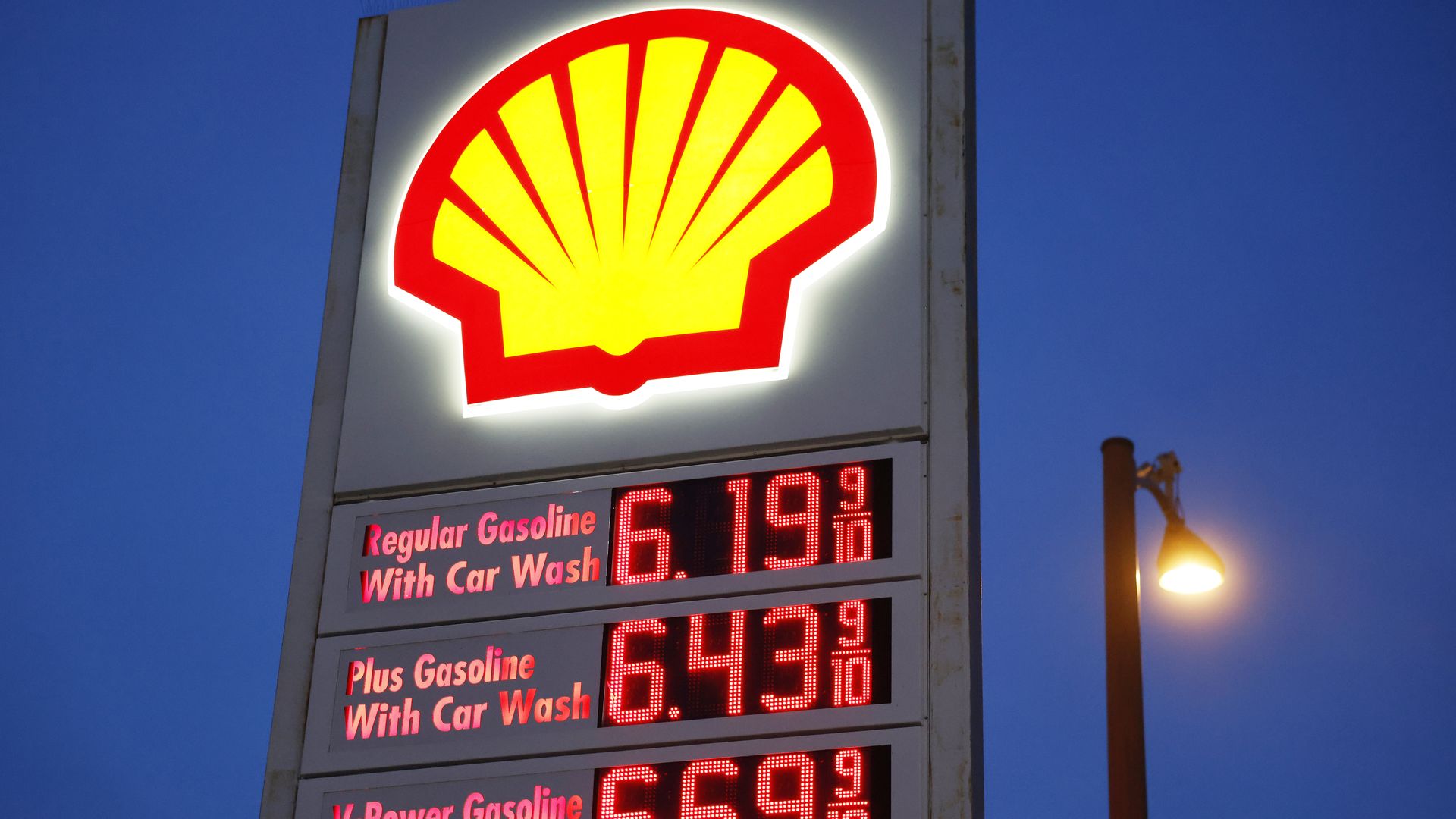
U.S. average gas prices have hit $4 per gallon nationwide, per AAA.
Why it matters: It's a 35% increase at the pump since the war in Iran began last month, and there's little hope that costs will ease as the Strait of Hormuz remains closed to most ships, straining supplies worldwide.